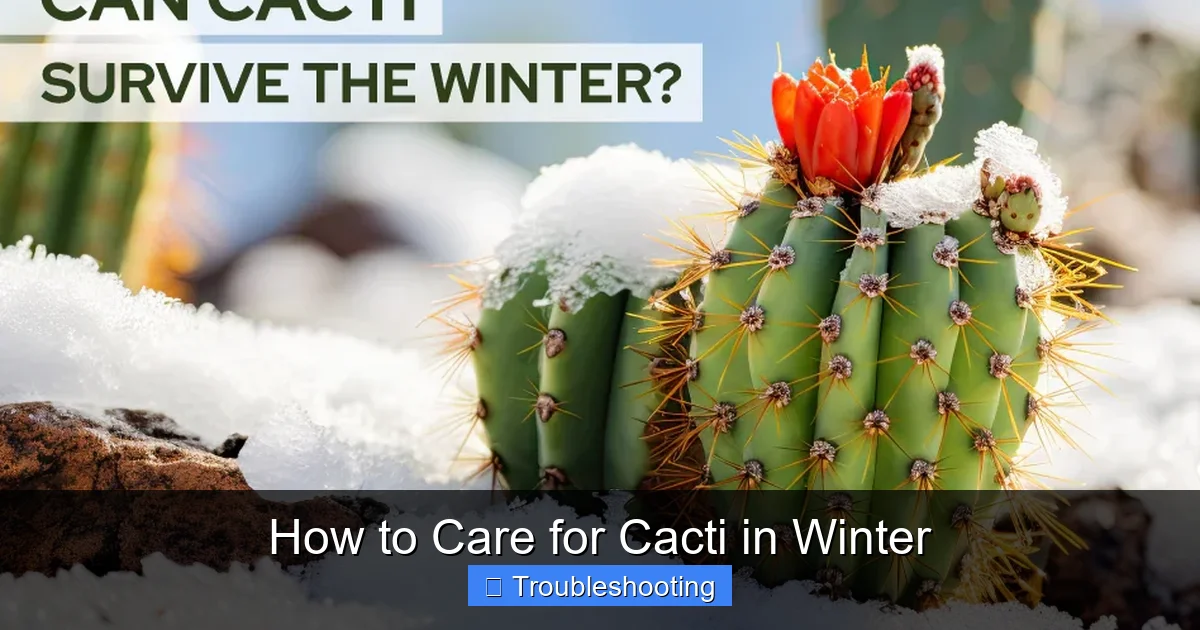
How to Care for Cacti in Winter
Winter care for cacti focuses on dormancy respect. Reduce watering significantly, provide bright light, maintain cool temperatures, and protect from frost. Follow these steps to keep your cacti healthy until spring growth returns.
Winter can be a tricky time for cactus owners. These desert plants have specific needs when the cold months arrive. Many people make the mistake of treating cacti the same way year-round. This leads to rot, etiolation, or even death. Understanding how to care for cacti in winter makes all the difference. Your plants will survive the cold season and thrive when spring returns.
Cacti enter a natural dormancy period during winter. This is not a sign something is wrong. It is a survival strategy. In their native habitats, winter brings less light, cooler temperatures, and little rain. Your job is to mimic these conditions. When you do this correctly, your cacti rest properly. They store energy for the explosive growth that comes with warmer weather.
Key Takeaways
- Water sparingly: Most cacti need little to no water during winter dormancy
- Cool temperatures help: Keep plants between 45-55°F (7-13°C) for proper rest
- Bright light is essential: Place cacti in south-facing windows for maximum sun exposure
- Stop fertilizing: Do not feed cacti during winter months
- Protect from frost: Move outdoor cacti indoors or use frost cloths
- Check for pests: Inspect regularly for mealybugs and spider mites
- Transition slowly in spring: Gradually increase water and light as temperatures rise
Quick Answers to Common Questions
How often should I water my cactus in winter?
Most desert cacti need water only once a month or less in winter. Some need no water at all from November through February. Always check that soil is completely dry before watering.
What temperature is too cold for cacti?
Tropical cacti suffer below 50°F (10°C). Desert cacti tolerate brief drops to 20°F (-6°C) if dry. Know your species. Frost damages water-filled tissues.
Should I fertilize cacti in winter?
No. Never fertilize during winter dormancy. Fertilizer forces weak growth in low light. Resume feeding in spring when active growth resumes.
Can I leave my cactus outside in winter?
Only if your cactus is rated for your USDA hardiness zone. Provide frost protection with cloth or lights. Potted plants need extra insulation since roots freeze faster.
Why is my cactus shrinking in winter?
Shrinkage is normal during dormancy. The plant uses stored water. It will plump up again in spring when you resume watering. Do not water a shriveled dormant cactus.
📑 Table of Contents
Understanding Cactus Dormancy in Winter
What Dormancy Means for Your Plants
Dormancy is a period of slowed growth. The plant essentially hits pause. Metabolic processes slow down dramatically. Water uptake nearly stops. The cactus does not need nutrients during this time. Forcing growth with water or fertilizer causes weak, stretched stems. This condition is called etiolation. The plant becomes pale and thin as it reaches for light.
Most common houseplant cacti come from desert regions. These areas have distinct wet and dry seasons. Winter is typically the dry season. The plants have evolved to expect this cycle. When you keep watering on a summer schedule, you confuse the plant. The roots stay wet in cool soil. This creates perfect conditions for fungal infections and root rot.
Identifying Your Cactus Type
Not all cacti have the same winter needs. Desert cacti like saguaro, barrel cactus, and prickly pear need strict dormancy. They want cool, dry, bright conditions. Jungle cacti are different. Christmas cactus, Easter cactus, and orchid cactus come from tropical forests. They need more humidity and slightly warmer temperatures. Some even bloom in winter.
Research your specific species. Look up its native habitat. This tells you exactly what conditions to provide. A general rule: if it has spines and looks like a classic desert cactus, treat it as a desert species. If it has flattened stems and no sharp spines, it may be a jungle cactus. When in doubt, err on the side of less water.
Signs Your Cactus Is Entering Dormancy
Watch for natural signals. Growth stops completely. The plant may look a bit shriveled. This is normal. The cactus is using stored water. Do not panic and water it. Some cacti change color slightly. They may develop a purple or reddish tint. This is a stress response to cold and light. It is usually harmless and reverses in spring.
Flower buds may form on certain species. This is especially true for holiday cacti. These plants actually need the winter rest to trigger blooming. Interrupting dormancy with warm temperatures or extra water can prevent flowers. Respect the process. The reward comes later.
Adjusting Watering Schedule for Cold Months
How Much to Water in Winter
This is the most critical part of how to care for cacti in winter. Most desert cacti need water once a month or less. Some need zero water from November through February. The soil must dry completely between waterings. Then stay dry for weeks. Check the soil with a wooden skewer. Insert it to the bottom of the pot. If it comes out clean and dry, you can water. If there is any dampness, wait.
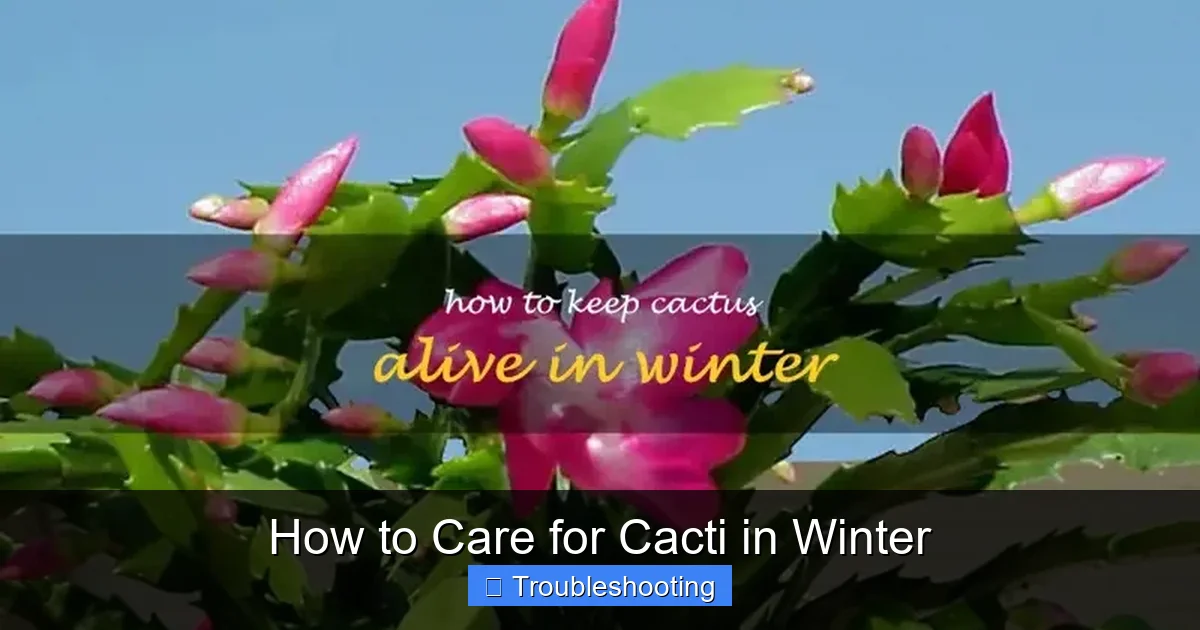
Visual guide about How to Care for Cacti in Winter
Image source: shuncy.com
When you do water, water thoroughly. Soak the soil until water runs from drainage holes. This mimics a rare desert rain. Then let it dry completely again. Never let water sit in saucers. Empty them immediately. Wet feet in cold conditions kill cacti fast.
Watering Jungle Cacti Differently
Christmas cactus and relatives need more moisture. Their native habitat has winter rain. Keep the soil slightly damp but never soggy. Water when the top inch feels dry. These plants also appreciate humidity. Place the pot on a pebble tray with water. Do not let the pot sit in the water. Group plants together to create a humid microclimate.
Misting helps jungle cacti. Use room temperature water. Mist in the morning so leaves dry before night. Wet stems in cool evening air invite fungal problems. A humidifier in the room works even better. Aim for 40-50% humidity.
Water Quality Matters
Use rainwater or distilled water if possible. Tap water often contains minerals that build up in soil. Cold tap water shocks roots. Let water sit overnight to reach room temperature. This also allows chlorine to dissipate. Hard water leaves white crust on soil and pots. This indicates mineral buildup. Flush the soil thoroughly in spring to remove salts.
Common Watering Mistakes
Overwatering is the number one killer. People see wrinkled stems and panic. They water. The roots rot. The plant dies. Underwatering in winter is almost impossible for desert cacti. They store months of water. A shriveled cactus in winter is usually just dormant. It will plump up in spring.
Another mistake is watering on a schedule. “Every Sunday” does not work. Weather changes. Indoor heating changes. Cloudy weeks mean slower drying. Always check the soil. The plant tells you what it needs. Learn to read the signs. A firm cactus is hydrated. A soft, yielding cactus needs water. But in winter, even a slightly soft cactus can wait.
Providing Proper Light and Temperature
Light Requirements During Short Days
Winter sun is weak. Days are short. Cacti still need maximum light. Place them in your brightest window. South-facing is best. East or west works too. North windows rarely provide enough light. If natural light is insufficient, use grow lights. LED grow lights are energy efficient and run cool. Position lights 6-12 inches above plants. Run them 12-14 hours daily.
Rotate pots weekly. This prevents leaning. Cacti grow toward light. Uneven light creates lopsided plants. A quarter turn each week keeps growth balanced. Clean windows inside and out. Dust on glass blocks significant light. Wipe cactus stems gently with a soft brush. Dust blocks photosynthesis.
Ideal Temperature Ranges
Desert cacti want cool nights. 45-55°F (7-13°C) is perfect. Daytime can be warmer, 60-70°F (15-21°C). This temperature swing mimics desert conditions. It signals the plant to stay dormant. Warm nights confuse the plant. It may try to grow in low light. This creates weak, stretched stems.
Jungle cacti prefer warmer nights. 60-65°F (15-18°C) is ideal. They do not need the extreme cool period. Keep them away from cold drafts. Sudden temperature drops cause bud drop on flowering varieties. Consistency matters more for these species.
Managing Indoor Heating Challenges
Central heating creates problems. It dries the air. It keeps temperatures uniformly warm. This prevents proper dormancy. Place cacti in the coolest room. An unheated sunroom works beautifully. A spare bedroom with the vent closed. Near a window that leaks a little cold air. Avoid placing plants directly over heating vents. Hot, dry air desiccates stems.
Use a thermometer to monitor conditions. Digital thermometers with min/max memory are inexpensive. Check nighttime lows. If your house stays above 65°F at night, consider a cool basement with grow lights. Or a garage that stays above freezing. The cool period is that important for desert species.
Supplemental Lighting Setup
If you use grow lights, choose full spectrum. 5000-6500K color temperature mimics daylight. Red/blue “blurple” lights work but make plants hard to inspect. White light lets you see pests and problems. Hang lights on adjustable chains. Raise them as plants grow. Use a timer for consistency. Plants need regular day/night cycles.
Light intensity drops with distance. Follow the inverse square law. Doubling distance quarters the light. Keep lights close but not touching. Feel the heat with your hand. If it feels warm, it is too close. LED lights run cool but can still burn tender new growth in spring.
Protecting Outdoor Cacti from Frost
Know Your Hardiness Zone
Not all cacti must come inside. Many are surprisingly cold hardy. Opuntia (prickly pear) survives to zone 4. Some barrel cacti handle zone 5. Agave and yucca species vary widely. Check your USDA zone. Check the plant’s rated hardiness. If the plant is rated for your zone or colder, it can stay outside with protection.
Microclimates matter. South-facing walls radiate heat. Protected courtyards stay warmer. Low spots collect cold air. Raised beds drain better. Observe your property. You may have spots a full zone warmer or cooler than the map says. Use this knowledge to place plants strategically.
Preparing Outdoor Cacti for Winter
Stop watering outdoor cacti in early fall. Let them dehydrate slightly. Plump, water-filled cells burst when they freeze. Shriveled cells survive. This is called hardening off. Do not fertilize after midsummer. New growth is tender. It freezes first. Let the plant toughen up naturally.
Clean debris from around plants. Leaves and mulch hold moisture against stems. This causes rot. Pull weeds. They compete for scarce winter moisture. Apply a top dressing of gravel or crushed stone. This improves drainage. It reflects heat. It prevents soil splash on stems.
Frost Protection Methods
For borderline hardy plants, use frost cloth. This lightweight fabric traps ground heat. Drape it over plants. Secure edges with rocks or staples. Do not let fabric touch stems. Use stakes to tent it. Remove during sunny days. Replace before sunset. Frost cloth adds 4-8 degrees of protection.
Christmas lights provide gentle heat. Use old-style incandescent mini lights. LED lights produce no heat. Wrap lights around columnar cacti. Cover with frost cloth. The combination works well. A 100-light string uses minimal electricity. Plug into a thermostat outlet. It turns on at 35°F, off at 45°F.
For valuable specimens, build a temporary cold frame. PVC pipe and clear plastic sheeting create a mini greenhouse. Ventilate on sunny days. Temperatures inside can spike dangerously. A thermometer inside is essential. Open the ends for airflow.
Container Plants Need Extra Care
Potted cacti freeze faster than ground plants. Roots have no earth insulation. The pot freezes solid. This kills roots. Move containers to protected areas. Against a south wall. Under an eave. In an unheated garage with a window. Group pots together. The mass holds heat longer.
Wrap pots in bubble wrap or burlap. Insulate the root zone. Elevate pots on bricks or pot feet. This prevents freezing to the ground. It improves drainage. Do not water container cacti in winter unless the soil is bone dry and a warm spell is forecast. Even then, water sparingly.
Common Winter Problems and Solutions
Root Rot Prevention and Treatment
Root rot is the winter killer. Cool, wet soil grows fungi. The roots turn brown and mushy. The plant collapses. Prevention is simple. Dry soil. Cool temperatures. Good drainage. If you suspect rot, act fast. Unpot the plant. Wash roots. Cut away all soft, brown tissue. Use sterilized tools. Let the plant callus for a week. Repot in fresh, dry cactus mix. Do not water for two weeks.
Cinnamon is a natural fungicide. Dust cut roots with powdered cinnamon. It helps prevent infection. Hydrogen peroxide (3%) diluted 1:4 with water can be poured through soil. It oxygenates and kills some pathogens. Use monthly as a preventive if you have had rot issues before.
Etiolation: Stretched, Pale Growth
Etiolation happens when light is too low and temperatures too high. The plant stretches toward any light source. New growth is thin, pale, and weak. Once etiolated, the growth cannot be fixed. It stays that way forever. Prevention is the only cure. Provide maximum light. Keep temperatures cool. If you see stretching starting, move the plant immediately. Add grow lights. Lower the temperature.
In spring, you can behead etiolated plants. Cut the top off above healthy growth. Let it callus. Root it as a cutting. The base may produce new, normal offsets. This is drastic but effective. The etiolated section can be discarded or propagated as an interesting curiosity.
Pest Infestations in Winter
Indoor conditions favor pests. No predators. Stable temperatures. Dry air. Mealybugs love cacti. They hide in ribs and under spines. Look for white cottony masses. Spider mites cause fine webbing and stippled stems. Scale insects look like small bumps. They attach firmly and suck sap.
Inspect weekly. Use a magnifying glass. Check undersides of stems. Check soil surface. Quarantine new plants for a new plants for a month. Treat infestations immediately. Isopropyl alcohol on a cotton swab kills mealybugs on contact. Insecticidal soap works for mites. Neem oil is a broad treatment. Apply in evening. Avoid direct sun after treatment.
Fungal and Bacterial Issues
Cool, damp conditions breed fungus. Black spots on stems. Soft, sunken areas. Orange or brown pustules. These are fungal infections. Improve air circulation. A small fan on low helps. Space plants apart. Remove affected tissue with sterilized knife. Dust with cinnamon or sulfur powder.
Bacterial rot smells foul. It spreads fast. The tissue turns to smelly mush. There is no cure. Discard the plant. Do not compost. Sterilize the pot with bleach solution. Wash hands and tools thoroughly. Bacteria spread easily on contaminated tools.
Sunburn in Winter
Yes, sunburn happens in winter. A plant moved from low light to intense sun burns. Even winter sun through glass can burn unacclimated tissue. The skin turns white or brown. It becomes papery. This damage is permanent. Acclimate plants slowly. Increase light exposure by 30 minutes daily. Use sheer curtains as transition.
Reflected light from snow burns outdoor plants. The underside of stems gets intense reflected UV. This causes unusual burn patterns. Frost cloth or burlap screens prevent this. Do not remove protection until snow melts.
Spring Transition: Waking Up Your Cacti
When to Start Watering Again
Spring transition is gradual. Watch for signs. Days lengthen noticeably. Night temperatures stay above 50°F (10°C). New growth appears at the apex. Spines look fresh. The plant body firms up. These signals mean roots are active. Start with a light watering. Mist the soil surface. Wait a week. Water a bit more. Build up to normal schedule over a month.
Do not rush. A cold snap after early watering causes rot. Patience pays off. The plant has waited months. A few more weeks will not hurt. Overwatering in early spring is just as deadly as winter overwatering. Cool soil plus sudden moisture equals fungus.
Reintroducing Fertilizer
Wait until you see active growth. Then use diluted fertilizer. Quarter strength. Cactus-specific fertilizer is best. Low nitrogen. Higher phosphorus and potassium. Fertilize monthly during growing season. Stop by late summer. This lets the plant harden off before winter.
Organic options work well. Worm castings top dressing. Compost tea. Fish emulsion (smelly but effective). Always err on the side of less. Cacti grow in nutrient-poor soils. They are efficient. Too much fertilizer causes weak, floppy growth. It also burns roots.
Repotting in Spring
Spring is the best time to repot. The plant is entering active growth. It recovers fast. Choose a pot only slightly larger. Cacti like tight quarters. Ensure drainage holes. Use fresh cactus mix. Add extra perlite or pumice. 50% mineral content is not too much.
Handle carefully. Use tongs or rolled newspaper for spiny plants. Leather gloves help but spines penetrate. Let the plant sit bare root for a few days. This lets root wounds callus. Pot in dry soil. Do not water for a week. This prevents rot in damaged roots.
Moving Plants Outdoors
Hardening off is essential. Indoor plants have soft tissue. Direct outdoor sun burns them. Start with full shade. One hour daily. Increase by 30 minutes each day. After two weeks, they can handle morning sun. After a month, full sun for desert species. Jungle cacti always need afternoon shade.
Watch weather forecasts. Late frosts kill tender growth. Have frost cloth ready. Move plants back inside if freeze threatens. Better to haul pots in and out than lose a prized specimen. The transition period is stressful. Minimize other changes during this time.
Conclusion
Learning how to care for cacti in winter transforms your success with these fascinating plants. The key principles are simple. Less water. Cool temperatures. Bright light. No fertilizer. Respect the dormancy. Your cacti will reward you with vigorous growth and often spectacular blooms when the growing season returns.
Every cactus collection is different. Your climate, your species, your indoor conditions create unique challenges. Observe your plants. Keep notes. Learn from mistakes. The cactus community is generous with knowledge. Join forums. Visit botanical gardens. Talk to nursery growers. The more you understand about their natural cycles, the better you can mimic them.
Winter does not have to be a season of worry. It can be a season of anticipation. Watching for the first signs of spring growth. Planning new acquisitions. Dreaming of flowers. Your cacti are resting. You are preparing. Together, you will emerge into spring stronger than before.
Frequently Asked Questions
How do I know if my cactus is dormant or dead?
A dormant cactus feels firm when gently squeezed and has healthy color at the base. A dead cactus feels mushy, hollow, or collapses. Scratch the skin with a fingernail. Green tissue underneath means it is alive.
Can I use regular potting soil for cacti in winter?
Regular potting soil holds too much moisture and causes root rot in winter. Always use a fast-draining cactus mix with 50% perlite, pumice, or coarse sand. Good drainage is critical during cold months.
Should I mist my cactus in winter?
Desert cacti do not need misting and it can promote fungal issues. Jungle cacti like Christmas cactus benefit from light misting or a humidity tray. Know your cactus type before misting.
What grow light is best for cacti in winter?
Full-spectrum LED grow lights (5000-6500K) work best. Position 6-12 inches above plants for 12-14 hours daily. White light allows better pest monitoring than purple “blurple” lights.
How do I treat mealybugs on cactus in winter?
Dab mealybugs with 70% isopropyl alcohol on a cotton swab. Repeat weekly until gone. Isolate infested plants. Check roots for root mealybugs. Systemic insecticide works for severe cases.
When should I repot my cactus after winter?
Repot in early spring when you see new growth starting. This is typically March or April. Use fresh cactus mix and a pot only slightly larger. Wait one week after repotting before watering.