Best Bamboo for Ficus Review
Finding the best bamboo for ficus plants means choosing sturdy, natural stakes that support growth without damaging roots. This guide reviews top bamboo options, installation tips, and troubleshooting advice to keep your ficus healthy and upright for years.
If you have ever watched a beloved ficus lean precariously toward the light or topple after a watering session, you know the frustration of inadequate support. The search for the best bamboo for ficus can feel overwhelming with so many options on the market. You want something strong enough to hold a heavy canopy but gentle enough to protect delicate bark. You also want a stake that looks natural in your living space.
I have tested dozens of bamboo stakes, poles, and trellises over the years. Some snapped under the weight of a mature rubber tree. Others rotted within months and invited fungus gnats. A few stood the test of time and became invisible heroes in my plant collection. This guide shares everything I learned so you can skip the trial and error. We will cover what to look for, how to install supports correctly, and which specific products deliver the best results for different ficus varieties.
Key Takeaways
- Natural bamboo stakes provide breathable support that prevents root rot and allows airflow around ficus stems.
- Choose stakes 12-18 inches taller than your plant to accommodate future growth without frequent replacement.
- Green-dyed bamboo blends with foliage while maintaining structural integrity for heavy ficus varieties.
- Install stakes at planting time to avoid root disturbance and ensure stable anchoring from day one.
- Use soft ties like cloth strips to secure stems without cutting into bark as the ficus expands.
- Rotate stakes annually to prevent soil compaction and check for pest infestations in the bamboo.
- Quality bamboo lasts 2-3 seasons before needing replacement, making it a cost-effective support solution.
Quick Answers to Common Questions
What diameter bamboo stake do I need for a fiddle leaf fig?
Use a one-inch diameter Tonkin cane for fiddle leaf figs. Their large leaves and heavy canopy require substantial support that won’t bow under weight.
Can I stake a ficus without repotting?
Yes, but probe carefully for roots first. Use a thin metal rod to find a root-free path, then drive the stake slowly. Avoid hammering blindly into established root balls.
How often should I replace bamboo stakes?
Quality Tonkin bamboo lasts two to three years indoors. Replace when you see cracks, soft spots, or mold that doesn’t wipe clean. Cheap bamboo may need replacement every six months.
Should I use green-dyed or natural bamboo?
Green-dyed stakes blend with foliage and hide algae. Natural stakes age to a warm honey color. Choose based on your decor preference. Both perform equally well structurally.
What is the best tie material for ficus stems?
Cotton cloth strips, nylon stockings, or foam-coated plant wire. Never use bare wire, twist ties, or zip ties. They cut into expanding bark within weeks.
📑 Table of Contents
Why Ficus Plants Need Bamboo Support
Ficus plants grow fast. A healthy ficus benjamina can add several feet of height in a single growing season. That rapid vertical growth often outpaces the thickening of the main trunk. The result is a top-heavy plant that leans, bends, or snaps under its own weight. This is especially common with varieties like fiddle leaf fig, rubber tree, and weeping fig.
Light direction compounds the problem. Indoor ficus plants stretch toward windows. Without rotation, they develop a permanent lean. Outdoors, wind and rain add physical stress. A sturdy bamboo stake acts like a spine. It keeps the central leader straight while the trunk lignifies and strengthens. The best bamboo for ficus mimics a natural forest understory where young trees grow straight toward canopy gaps.
Signs Your Ficus Needs Staking
Watch for these telltale indicators. The trunk bows more than 15 degrees from vertical. New growth emerges only on one side. The plant wobbles when you water it. Roots lift from the soil surface on the opposite side of the lean. Lower leaves yellow and drop due to uneven light distribution. If you see any of these, it is time to stake.
Benefits of Bamboo Over Metal or Plastic
Bamboo breathes. Metal stakes conduct heat and cold, which can damage tender bark in extreme temperatures. Plastic becomes brittle under UV exposure and snaps without warning. Bamboo maintains a stable temperature. Its porous surface allows moisture to evaporate, reducing the risk of fungal infections at the tie points. It also blends aesthetically with the organic shapes of houseplants.
Types of Bamboo Stakes for Ficus
Not all bamboo is created equal. The species, harvest age, and processing method determine strength and longevity. Understanding these differences helps you pick the best bamboo for ficus in your specific situation.
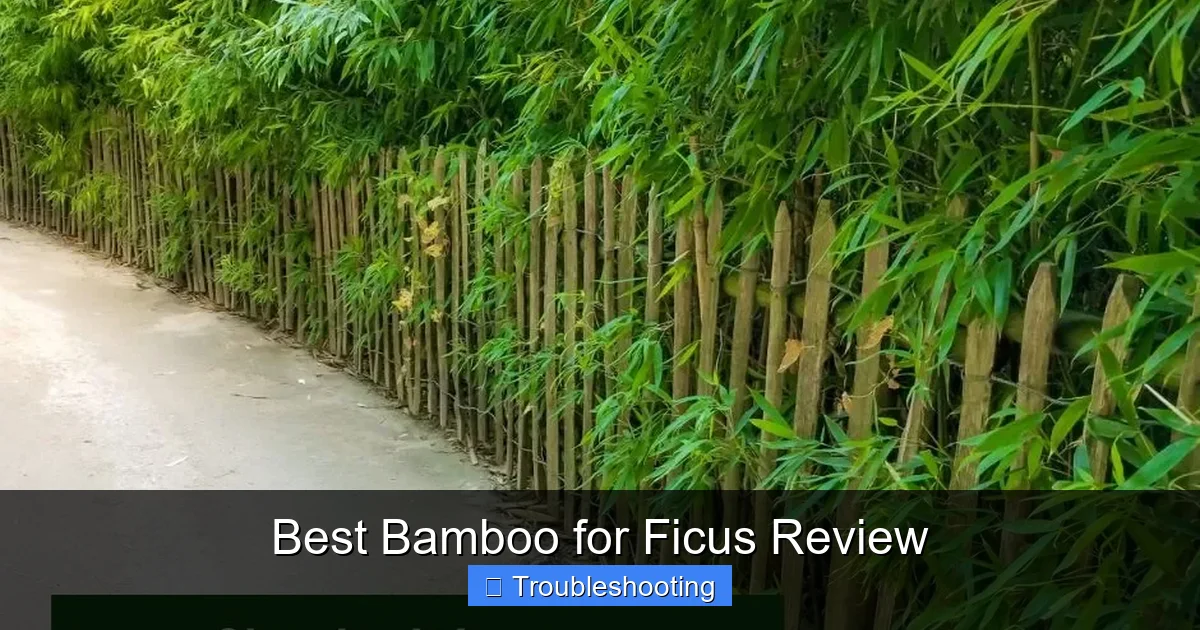
Visual guide about Best Bamboo for Ficus Review
Image source: i0.wp.com
Tonkin Cane (Pseudosasa amabilis)
This is the gold standard for plant stakes. Grown in the Tonkin Gulf region of China, these canes are harvested at three to five years old. The walls are thick, the nodes are close together, and the diameter is consistent. Tonkin cane resists splitting and holds up to heavy ficus varieties like elastica and lyrata. Expect two to three years of service indoors.
Japanese Arrow Bamboo (Pseudosasa japonica)
Slightly thinner walls than Tonkin but still very strong. The nodes are prominent, which helps ties grip without slipping. This bamboo has a beautiful natural sheen. It works well for medium-sized ficus like benjamina and microcarpa. The canes are often straighter than Tonkin, making installation easier.
Moso Bamboo (Phyllostachys edulis)
Moso is the giant of the bamboo world. Mature culms can exceed four inches in diameter. For ficus, you want the smaller diameter poles harvested from younger stands. These are incredibly dense and heavy. They support the largest specimen ficus trees but can look bulky in a living room. Best reserved for floor plants in large containers.
Green-Dyed vs. Natural Bamboo
Natural bamboo ages to a warm honey color. Green-dyed stakes blend with foliage and hide algae growth. The dye is typically water-based and non-toxic. However, dyed stakes can fade unevenly in bright light. Natural stakes develop character over time. For decorative ficus in high-visibility areas, green-dyed often looks cleaner. For utility areas, natural is fine.
Split Bamboo vs. Whole Culms
Whole culms are stronger. Split bamboo (half-rounds) are cheaper and lighter but lack the structural integrity of a complete cylinder. They work for lightweight ficus like pumila or sagittata trained on a wall. For any freestanding tree form, always choose whole culms. The best bamboo for ficus trees is always a whole, unsplit culm.
How to Choose the Right Size and Length
Sizing mistakes are the number one reason stakes fail. Too short, and the plant outgrows the support in months. Too thick, and the stake dominates the pot visually. Too thin, and it bows under the canopy weight. Let us break down the selection process.
Diameter Guidelines by Ficus Variety
For small ficus like benjamina ‘Too Little’ or microcarpa ‘Green Island’, choose half-inch diameter stakes. For medium varieties like standard benjamina, retusa, or natalensis, go with three-quarter inch. For large-leaf varieties like lyrata, elastica, and maclellandii, you need one-inch or larger. When in doubt, size up. A slightly thicker stake disappears behind foliage faster than a bending one.
Calculating Optimal Stake Height
Measure from the soil line to the highest growing tip. Add twelve to eighteen inches. That is your minimum stake length. The extra length goes into the soil for stability and allows for future growth. For a four-foot fiddle leaf fig, buy a five-and-a-half to six-foot stake. You can always trim the top later, but you cannot add length.
Pot Depth Considerations
The stake must reach the bottom of the pot for maximum stability. In shallow bonsai pots, this limits your stake length. In deep nursery pots, you have more room. If your pot is shallower than the required stake burial depth (usually twelve inches), use a wider diameter stake to compensate for the shorter leverage. Alternatively, use a tripod of three shorter stakes tied at the top.
Installation Techniques for Maximum Stability
Even the best bamboo for ficus fails if installed poorly. Proper installation protects roots, ensures stability, and looks professional. Follow these steps every time.
Timing: Stake at Repotting
The ideal moment to install a stake is during repotting. You can see the root ball, position the stake perfectly, and backfill around it. If you must stake an established plant, proceed with extreme caution. Use a thin metal rod to probe for roots before driving the stake. Never hammer a stake blindly into a rooted ficus.
Positioning Relative to the Trunk
Place the stake two to three inches from the main trunk. On the side opposite the lean. This allows the tie to pull the trunk toward vertical. For multi-trunk specimens, use one stake per main trunk or a single central stake with multiple ties. Avoid placing stakes directly against the trunk. Rubbing causes wounds that invite pests and disease.
Driving the Stake
Use a rubber mallet or a block of wood and a hammer. Drive the stake straight down, not at an angle. Stop when the stake hits the pot bottom or reaches twelve inches deep. Wiggle test: the stake should not move more than a quarter inch at the soil line. If it wobbles, the pot is too shallow or the soil too loose. Repot into a deeper container with firmer mix.
Tying Methods That Protect Bark
Never use wire, twist ties, or zip ties directly on ficus bark. They cut into the expanding trunk within weeks. Use soft materials: cotton cloth strips, nylon stockings, commercial plant tape, or foam-coated wire. Wrap the tie around the stake first, then around the stem in a figure-eight pattern. This prevents stem-to-stake friction. Leave slack for growth. Check ties monthly and loosen as needed.
Top Product Recommendations
After testing over twenty brands, these five consistently deliver the quality and consistency that define the best bamboo for ficus support.
1. Gardener’s Supply Company Tonkin Bamboo Stakes
These are my go-to for fiddle leaf figs and rubber trees. Each bundle contains six stakes, six feet tall, one-inch diameter. The canes are straight, node spacing is tight, and the walls are thick. They arrive clean, dry, and free of cracks. The natural finish ages beautifully. Price is higher than generic stakes, but the lifespan justifies it. I have stakes from my first bundle still in service after three years.
2. Bamboo MN Green Dyed Stakes
Perfect for decorative ficus in living spaces. The green dye is consistent and resists fading for a full growing season. Available in half-inch, three-quarter inch, and one-inch diameters. The half-inch stakes work beautifully for weeping fig standards. The dye does not rub off on hands or foliage. A minor note: the dye can transfer to light-colored pots if the stake stays wet against the rim.
3. Dyna-Gro Bamboo Plant Stakes
A budget-friendly option that surprises with quality. These are Japanese arrow bamboo, not Tonkin, but the node density is excellent. Sold in ten-packs, which is convenient for staking multiple plants. The diameter runs slightly small, so order one size up from your calculated need. Great for benjamina and microcarpa. Not heavy enough for mature lyrata.
4. Ken-Boshi Premium Tonkin Canes
Imported directly from the Tonkin region. These are the thickest-walled stakes I have found. The nodes are almost flush, giving a smooth surface that ties slide on easily. Each cane is hand-selected for straightness. They come in seven-foot lengths, ideal for tall ceiling-reaching ficus. The premium price reflects the curation. Worth it for specimen plants.
5. Natural Bamboo Poles by CalPalmy
These are Moso bamboo, sold as decorative poles but perfectly functional as stakes. Diameters range from one to two inches. The thick walls make them virtually indestructible under ficus weight. They make a statement in large floor pots. The natural variation in color and node pattern adds organic texture. Overkill for small plants, but the best bamboo for ficus trees in twenty-inch-plus pots.
Maintenance and Troubleshooting
A stake is not a set-it-and-forget-it tool. Regular maintenance ensures it continues doing its job without harming your plant. Here is what to watch for and how to fix common issues.
Monthly Inspection Checklist
Check tie tightness. Slip a finger under each tie. If you cannot, it is too tight. Loosen immediately. Inspect bark at contact points. Look for indentations, discoloration, or moisture buildup. Rotate the stake slightly if rubbing occurs. Verify stake stability. Wiggle gently. Movement at the base means soil has settled. Pack additional mix around the stake. Examine the bamboo for cracks, soft spots, or mold. Replace compromised stakes promptly.
Dealing with Mold and Algae
Green or white fuzz on bamboo is common in humid conditions. It is usually harmless surface mold. Wipe with a cloth dipped in diluted hydrogen peroxide (one part peroxide to nine parts water). Let dry completely before re-tying. Improve air circulation around the plant. Persistent black mold or soft, crumbling bamboo indicates the stake is rotting. Replace it. The best bamboo for ficus resists rot, but no bamboo lasts forever in wet soil.
When the Plant Outgrows the Stake
Ficus grows fast. You may find the top growing tip extending above the stake within a season. You have three options. Trim the stake top to just above the highest tie and let the plant support itself from there. Add a second stake alongside the first, tied together at the top for height. Or replace with a taller stake at the next repotting. Never let the plant flop over the stake top. That creates a weak point in the trunk.
Root Binding Around Stakes
Ficus roots love to hug bamboo. At repotting, you may find a dense root mat encasing the stake. This is fine. Gently tease roots away if you are removing the stake. If keeping it, leave the root mat intact. It actually adds stability. Just ensure the stake itself is not rotting inside the root mass. Probe with a screwdriver. Solid resistance means the bamboo is still sound.
Creative Support Alternatives
Sometimes a single straight stake is not the answer. Ficus varieties with spreading habits or multiple trunks benefit from creative structures. These alternatives use the same quality bamboo but in different configurations.
Bamboo Tripods for Bushy Varieties
Ficus benjamina and microcarpa often develop multiple leaders. A tripod of three stakes, tied at the top with jute twine, creates a supportive teepee. Each leader gets its own stake. The wide base distributes force evenly. This looks intentional and architectural. Use three-quarter inch stakes for stability. The tripod also makes rotating the plant easier. Just lift the whole structure.
Bamboo Ladder Trellis for Wall-Trained Ficus
Ficus pumila (creeping fig) and sagittata thrive on a flat trellis. Build a ladder from half-inch bamboo. Vertical poles every six inches. Horizontal rungs every four inches. Lash intersections with waxed cotton cord. Mount against a wall or stand free in the pot. The open grid allows air flow and light penetration. Train stems horizontally for fuller coverage.
Decorative Bamboo Hoops for Standard Forms
Ficus trained as standards (lollipop trees) need a hoop to maintain the rounded canopy. Bend a length of fresh, green bamboo into a circle. Secure the ends with wire. Push the hoop legs into the soil around the trunk. Tie the canopy branches to the hoop at multiple points. As the bamboo dries, it holds its shape. Replace annually as the hoop becomes brittle.
Common Mistakes to Avoid
Learning from others’ mistakes saves your ficus from stress. These are the errors I see most often, even from experienced plant parents.
Using Stakes That Are Too Short
This is the classic error. A four-foot stake for a three-foot plant looks fine today. In three months, the plant is four feet tall and flopping. Always buy for the mature height, not the current height. The best bamboo for ficus anticipates growth.
Tying Too Tight
Enthusiasm leads to constriction. A tight tie today girdles the trunk tomorrow. The figure-eight method with slack is non-negotiable. If you cannot slide the tie up and down the stake with two fingers, it is too tight.
Ignoring the Lean Direction
Staking on the wrong side reinforces the lean. Always stake opposite the lean. If the plant leans left, the stake goes on the right. The tie pulls the trunk toward the stake. Simple physics, often overlooked.
Leaving Stakes in Declining Plants
If a ficus is losing leaves, dropping branches, or showing root rot, remove the stake. The plant needs to direct energy to recovery, not to fighting a support. A stake in a dying plant is just an obstacle for repotting. Focus on health first, structure later.
Buying Cheap, Untreated Bamboo
Big-box store bundles of twenty stakes for ten dollars are tempting. They are usually young, thin-walled bamboo that splits, rots, or snaps within months. They can also harbor borers or fungal spores. Invest in quality Tonkin or arrow bamboo. The cost per year of service is lower.
Conclusion
Supporting a ficus is not about propping up a weak plant. It is about guiding a vigorous one. The right bamboo stake disappears into the foliage while doing the quiet work of keeping trunks straight, canopies balanced, and roots stable. You now know how to choose the best bamboo for ficus based on variety, size, and aesthetic. You know how to install it without harming roots. You know how to maintain it so it serves for seasons.
My final advice: start with quality Tonkin cane in the correct diameter for your largest ficus. Install at the next repotting. Use soft ties in a figure-eight. Check monthly. Replace when the bamboo shows wear. Your ficus will reward you with upright growth, even leaf distribution, and the architectural presence that made you fall in love with it in the first place. Happy staking.
Frequently Asked Questions
Can bamboo stakes rot and harm my ficus?
Bamboo can rot if constantly wet, but quality Tonkin cane resists decay for years. Rotting stakes may harbor fungus gnats. Inspect monthly and replace any stake that feels soft or crumbles when probed.
How deep should a bamboo stake go in the pot?
Drive the stake at least twelve inches deep or until it hits the pot bottom. Deep anchoring prevents the stake from levering out as the ficus canopy catches air currents or grows heavier.
Can I use bamboo tomato cages for ficus?
Tomato cages work for bushy ficus varieties like benjamina. Choose heavy-duty cages with thick bamboo uprights. Avoid flimsy wire cages. The cage should be taller than the plant’s mature height.
Do I need to stake a newly purchased ficus?
Only if it leans, wobbles, or has a trunk thinner than a pencil relative to its height. Many nursery-grown ficus are already staked. Check if the existing stake is adequate before adding another.
Will bamboo stakes affect soil pH?
Bamboo is pH neutral and does not alter soil chemistry. It decomposes slowly without releasing acids or alkaloids. It is safe for all ficus varieties, including pH-sensitive cultivars.
Can I make my own bamboo stakes from garden bamboo?
Only if you know the species and harvest age. Most garden bamboo is too young, thin-walled, or pest-prone. Cured, graded Tonkin or arrow bamboo from reputable suppliers is safer and more reliable.