Best Unglazed for Tropical Plants
Unglazed pots let tropical roots breathe, prevent waterlogging, and mimic natural soil conditions. Choosing the best unglazed for tropical plants means picking a porous material, the right size, and proper drainage. This guide walks you through top picks, care tips, and common mistakes.
Key Takeaways
- Porous material matters: Terracotta, unglazed ceramic, and fired clay allow air exchange that tropical roots love.
- Size matches growth: A pot 2‑3 inches larger than the root ball gives room without holding excess water.
- Drainage holes are non‑negotiable: At least one hole per 6‑inch diameter prevents soggy soil.
- Soil mix must be airy: Add perlite, orchid bark, or coconut coir to keep the mix light.
- Water when the top inch dries: Unglazed walls wick moisture, so check soil rather than a schedule.
- Repot every 1‑2 years: Fresh mix and a slightly larger pot keep tropicals thriving.
- Watch for salt buildup: Flush pots monthly to avoid mineral crust on unglazed surfaces.
Quick Answers to Common Questions
What makes unglazed pots better for tropical plants?
Unglazed pots are porous, allowing air and excess moisture to move through the walls. This mimics the forest floor, prevents waterlogging, and keeps root temperatures stable.
Which unglazed material is most durable?
Stoneware fired at high temperatures is the most crack‑resistant while still offering good breathability.
How often should I water a tropical plant in an unglazed pot?
Check the top inch of soil; water when it feels dry. Unglazed walls dry the surface faster, so rely on touch rather than a fixed schedule.
Do I need a saucer under every unglazed pot?
Yes, a saucer catches runoff and protects furniture. Empty the saucer after each watering to avoid the pot sitting in standing water.
Can I use regular potting soil in unglazed pots?
Regular soil holds too much water. Amend it with perlite, orchid bark, or coconut coir to create a light, well‑draining mix suited for tropical roots.
📑 Table of Contents
Why Unglazed Pots Matter for Tropical Plants
Tropical plants come from humid, well‑drained forests where roots get constant airflow. In a sealed glazed pot, moisture can linger and cause root rot. Unglazed containers solve this by letting water evaporate through the walls. That evaporation cools the root zone and pulls fresh air into the soil. The result is a healthier root system that can absorb nutrients faster.
When you search for the best unglazed for tropical plants, you are really looking for a pot that mimics the forest floor. The porous surface acts like a natural wick. It draws excess water away from the center of the root ball and releases it into the air. This self‑regulating moisture balance is hard to achieve with plastic or glazed ceramic.
Another benefit is temperature stability. Unglazed clay absorbs heat during the day and releases it slowly at night. Tropical species that dislike sudden temperature swings appreciate this buffer. If you have ever felt a terracotta pot warm to the touch after a sunny afternoon, you have felt this effect in action.
Top Materials for Unglazed Containers
Terracotta Clay
Classic terracotta is the most common unglazed option. It is inexpensive, widely available, and highly porous. The reddish‑brown color comes from iron oxide in the clay. Because it breathes so well, terracotta can dry out fast in hot, dry indoor air. Grouping several pots together or placing a humidity tray underneath helps keep moisture levels steady.
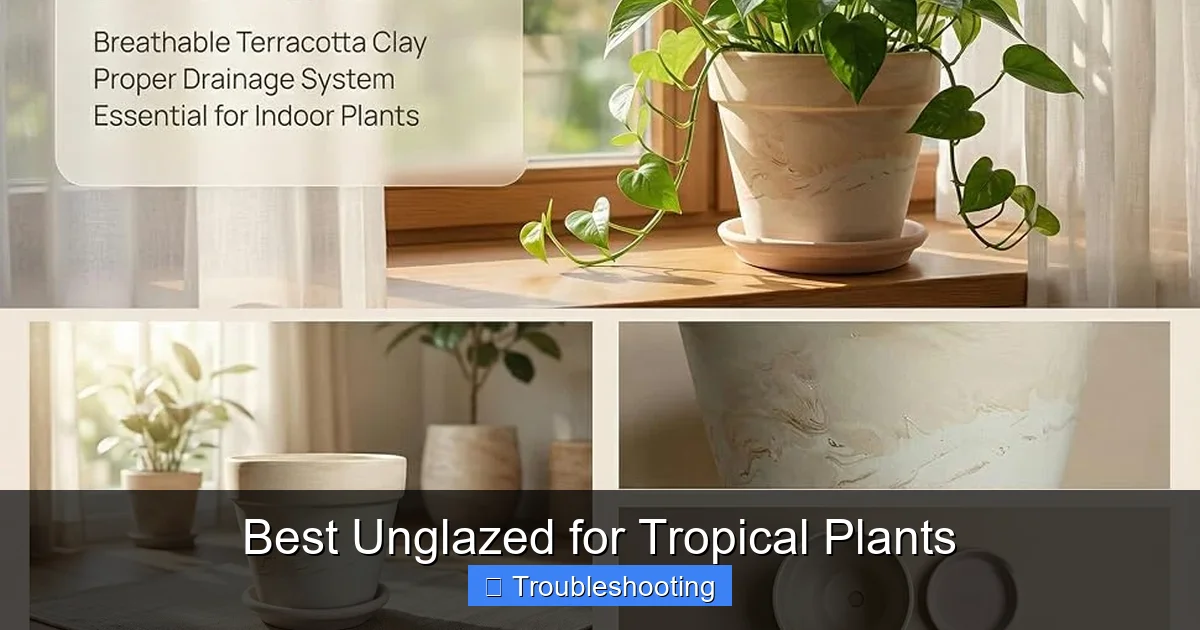
Visual guide about Best Unglazed for Tropical Plants
Image source: m.media-amazon.com
Unglazed Stoneware
Stoneware is fired at a higher temperature than terracotta. It is denser, less prone to cracking, and still porous enough for good airflow. The surface feels smoother, which some growers prefer for aesthetics. Stoneware pots often come in neutral gray or beige tones that blend with modern decor.
Fired Clay (Earthenware)
Earthenware sits between terracotta and stoneware in porosity. It retains a bit more moisture than terracotta but still offers excellent drainage. Many artisan potters produce hand‑thrown earthenware with unique shapes that can become a focal point in a plant display.
Recycled Unglazed Ceramic
Eco‑friendly brands now make pots from recycled ceramic waste. These pots keep the breathability of traditional clay while reducing landfill waste. They are a great choice if sustainability is a priority for your indoor jungle.
Selecting the Right Size and Shape
Match Pot Diameter to Root Ball
A good rule of thumb: choose a pot 2 to 3 inches wider than the current root ball. Too large a pot holds excess soil that stays wet too long. Too small a pot restricts root expansion and can cause the plant to become root‑bound quickly.
Depth Matters for Deep‑Rooted Species
Plants like Monstera, Philodendron, and Bird of Paradise develop deep taproots. A deeper pot (at least 12 inches) gives those roots room to grow downward. Shallow bowls work fine for epiphytic tropicals such as Anthurium or certain ferns that spread laterally.
Shape Influences Airflow
Wide, shallow pots increase surface area for evaporation. Tall, narrow pots reduce evaporation but can be useful for plants that prefer a more stable moisture level. Consider the natural habitat of your tropical plant when deciding between a bowl, a cylinder, or a classic urn shape.
Drainage, Soil Mix, and Watering Practices
Essential Drainage Holes
Every unglazed pot must have at least one drainage hole. For pots larger than 10 inches in diameter, add two or three holes spaced evenly. Cover each hole with a piece of mesh or a coffee filter to keep soil from washing out while still letting water escape.
Creating an Airy Tropical Mix
Start with a high‑quality peat‑based potting soil. Add 30 % perlite or pumice for drainage. Mix in 10 % orchid bark or coconut husk chips to create larger air pockets. A handful of horticultural charcoal helps keep the mix fresh and prevents odors. This blend mimics the loose, organic forest floor that tropical roots love.
Watering by Feel, Not Calendar
Because unglazed walls wick moisture, the top inch of soil can dry faster than the center. Stick your finger 1‑2 inches into the mix. If it feels dry, water thoroughly until water runs out the drainage holes. Allow the pot to drain completely before returning it to its saucer. Overwatering is the most common mistake with breathable pots.
Humidity Trays and Grouping
In dry indoor climates, place a shallow tray filled with pebbles and water beneath the pot. The evaporating water raises local humidity without saturating the soil. Grouping several unglazed pots together creates a micro‑climate that benefits all the plants.
Best Unglazed Pot Recommendations for Popular Tropical Species
Monstera Deliciosa
A 12‑inch deep stoneware cylinder works well. The depth supports the aerial roots that Monstera sends down. Choose a pot with a wide base for stability as the plant gets top‑heavy.
Philodendron ‘Brasil’
A 10‑inch terracotta bowl provides ample surface area for the sprawling vines. The porous walls keep the soil from staying soggy during the plant’s rapid growth spurts.
Bird of Paradise (Strelitzia)
Go for a 14‑inch unglazed earthenware urn. The tall shape accommodates the thick, fleshy roots and the heavy foliage. Add a sturdy saucer to catch the large volume of water this plant drinks.
Anthurium ‘Red Heart’
A shallow 8‑inch unglazed ceramic dish is ideal. Anthuriums prefer consistent moisture but hate standing water. The wide surface lets excess moisture evaporate quickly.
Calathea ‘Medallion’
Calatheas are sensitive to mineral buildup. Use a 9‑inch recycled unglazed ceramic pot and flush the soil monthly with distilled water. The porous walls help prevent salt crust on the surface.
Ficus ‘Audrey’
A 11‑inch stoneware pot with a slightly tapered shape gives room for the extensive root system while keeping the plant stable. The heavier stoneware prevents tipping as the tree grows taller.
Maintenance, Repotting, and Long‑Term Care
Seasonal Check‑Ups
Inspect each pot at the start of the growing season. Look for cracks, especially in terracotta, which can expand with freeze‑thaw cycles if you move plants outdoors. Replace any damaged pots immediately to avoid root exposure.
Repotting Routine
Most tropicals benefit from repotting every 12‑18 months. Gently remove the plant, loosen circling roots, and place it in a pot one size larger. Refresh the soil mix with the airy recipe described earlier. Water well after repotting and keep the plant in bright, indirect light for a week to reduce transplant shock.
Cleaning Unglazed Surfaces
Mineral deposits appear as a white crust on the exterior. Scrub with a stiff brush and a solution of one part vinegar to four parts water. Rinse thoroughly and let the pot dry completely before reuse. This keeps the pores open for continued breathability.
Preventing Salt Buildup Inside
Fertilizer salts accumulate faster in unglazed pots because water evaporates through the walls. Flush the soil every 4‑6 weeks by running lukewarm water through the pot until it runs clear. This simple step protects delicate root tips.
Long‑Term Storage
If you need to store empty pots, keep them in a dry, shaded area. Stack terracotta with a sheet of newspaper between each to prevent chipping. Stoneware and earthenware can be stacked directly but avoid excessive weight that could cause hairline fractures.
Conclusion
Choosing the best unglazed for tropical plants is about matching porous material, proper size, and good drainage to the natural needs of jungle‑origin species. Unglazed clay, stoneware, and earthenware each bring unique advantages, but all share the core benefit of letting roots breathe. Pair the right pot with an airy soil mix, a consistent watering routine based on feel, and regular maintenance like flushing salts and cleaning crust. Your tropical collection will reward you with vigorous growth, vibrant foliage, and fewer root‑rot headaches. Happy planting!
Frequently Asked Questions
What size unglazed pot should I start with for a new tropical plant?
Choose a pot 2‑3 inches wider than the root ball. This gives room for growth without leaving excess soil that stays wet too long.
How do I prevent mineral crust on the outside of terracotta pots?
Scrub the exterior with a vinegar‑water solution (1:4) and a stiff brush every few months. Rinse well and let dry completely before reuse.
Is it okay to place unglazed pots directly on a wooden shelf?
Use a protective mat or saucer. Constant moisture wicking can damage wood finishes over time.
Can I grow succulents in the same unglazed pots as tropicals?
Succulents prefer even drier conditions. If you share a pot, use a very gritty mix and water sparingly, but separate containers are usually safer.
How often should I repot a fast‑growing tropical like Monstera?
Repot every 12‑18 months, moving up one pot size each time. Refresh the soil mix to maintain aeration and nutrient availability.
What is the best way to increase humidity around unglazed pots in winter?
Group pots together on a pebble tray with water, or run a humidifier nearby. The porous walls will release moisture slowly, raising local humidity.