Beginner Plant Care Mistakes to Avoid
New plant owners often repeat the same errors that stunt growth or kill plants. This guide highlights the most common beginner plant care mistakes to avoid and gives simple, actionable fixes you can start using today.
Key Takeaways
- Water wisely: Check soil moisture before watering; most houseplants prefer the top inch to dry out.
- Match light to plant: Place each plant in its preferred light level; too much or too little causes stress.
- Choose the right pot and soil: Use containers with drainage holes and a well‑draining mix suited to the species.
- Feed sparingly: Apply fertilizer only during active growth and follow label rates to avoid salt buildup.
- Watch for pests early: Inspect leaves weekly; treat infestations promptly with gentle methods.
- Adjust care with seasons: Reduce watering and feeding in winter when growth slows.
- Learn each plant’s signals: Yellow leaves, drooping, or brown tips tell you what the plant needs.
Quick Answers to Common Questions
How often should I water my houseplants?
Water when the top inch of soil feels dry. Most plants need water every 7 to 10 days, but always check first.
What is the best light for a pothos?
Pothos thrives in medium to bright indirect light. It tolerates low light but grows slower.
Can I use regular garden soil for indoor pots?
No. Garden soil compacts and holds too much water. Use a lightweight potting mix designed for containers.
When should I fertilize my plants?
Fertilize during the active growing season, typically spring through early fall. Stop in winter.
How do I get rid of fungus gnats?
Let the top soil dry out completely, add a layer of sand, and use yellow sticky traps to catch adults.
📑 Table of Contents
- Why Beginners Struggle With Plant Care
- Mistake 1: Overwatering
- Mistake 2: Wrong Light Placement
- Mistake 3: Using the Wrong Soil or Pot
- Mistake 4: Over‑Fertilizing
- Mistake 5: Ignoring Pests and Diseases
- Mistake 6: Not Adjusting Care With Seasons
- Building a Simple Observation Routine
- Common Myths That Lead to Mistakes
- Conclusion
Why Beginners Struggle With Plant Care
Starting a plant collection feels exciting. You bring home a bright green friend and imagine a lush indoor jungle. Soon you notice yellow leaves or mushy stems. The problem is usually not the plant. It is the care routine. Many new owners repeat the same beginner plant care mistakes to avoid. Understanding those errors early saves time, money, and heartbreak.
Plants are living things. They respond to water, light, soil, and temperature. When one factor is off, the plant shows stress. The good news is that most mistakes are easy to fix. You do not need a degree in botany. You need a few simple habits and a willingness to observe.
Mistake 1: Overwatering
Why It Happens
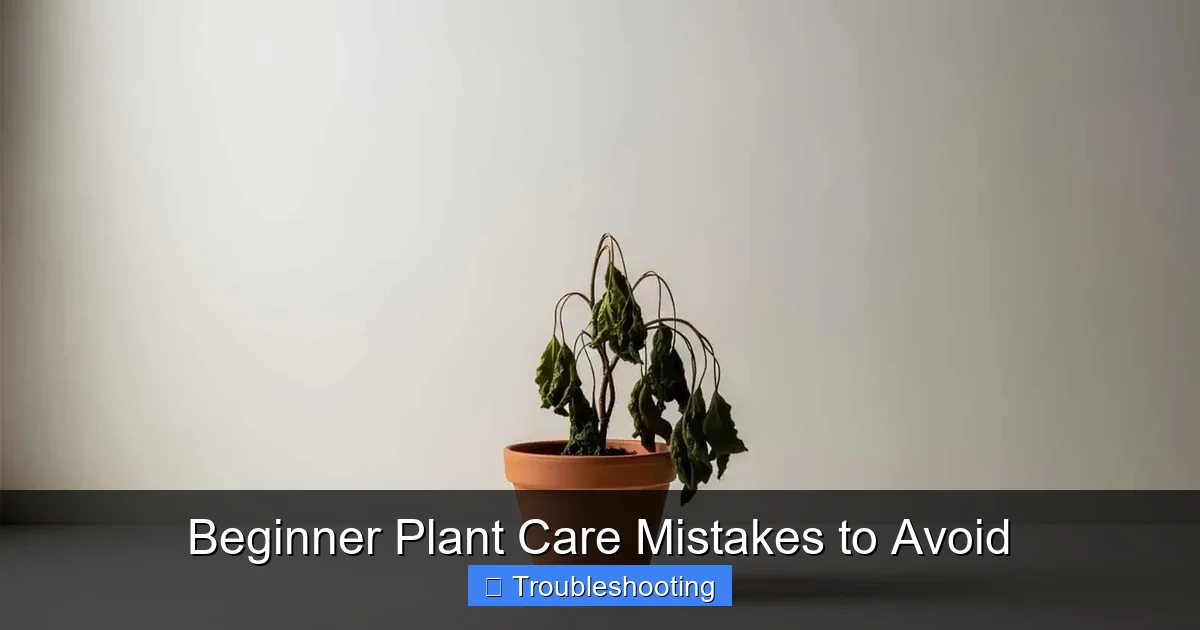
New owners think more water equals more love. They water on a schedule instead of checking the soil. The result is soggy roots that cannot breathe. Root rot follows quickly.
Visual guide about Beginner Plant Care Mistakes to Avoid
Image source: plantanica.com
How to Fix It
Stick your finger one inch into the soil. If it feels dry, water. If it feels moist, wait. Use pots with drainage holes. Empty saucers after watering. Choose a soil mix that drains well, such as a blend of peat, perlite, and orchid bark.
Quick Test
Lift the pot. A heavy pot often means wet soil. A light pot usually means it is time to water. This simple lift test works for most houseplants.
Mistake 2: Wrong Light Placement
Understanding Light Levels
Plants fall into three broad categories: low light, medium light, and bright indirect light. A south‑facing window gives strong light. A north‑facing window gives low light. East or west windows provide medium light.
Signs of Light Stress
Too much light causes scorched, bleached leaves. Too little light leads to leggy growth, small leaves, and loss of variegation. Move the plant gradually. Sudden changes shock the plant.
Practical Tip
Rotate the pot a quarter turn each week. This ensures even light exposure on all sides. Use sheer curtains to diffuse harsh afternoon sun.
Mistake 3: Using the Wrong Soil or Pot
Drainage Is Key
A pot without holes traps water. Even the best soil will stay wet. Always pick a container with at least one drainage hole. If you love a decorative pot without holes, use it as a cachepot. Place a plastic nursery pot inside.
Soil Mixes for Common Plants
- Succulents and cacti: 50% potting soil, 50% coarse sand or perlite.
- Tropical foliage: Peat‑based mix with added perlite and orchid bark.
- Orchids: Bark‑based medium, no regular potting soil.
Repotting Basics
Repot when roots circle the bottom or emerge from drainage holes. Choose a pot only one size larger. Too much extra soil holds excess moisture.
Mistake 4: Over‑Fertilizing
When to Feed
Most houseplants need fertilizer only during the growing season, typically spring through early fall. In winter they rest. Feeding during dormancy builds up salts that burn roots.
How Much Is Enough
Follow the label. A common rule is half the recommended strength. Apply every four to six weeks. Flush the soil with plain water once a month to wash out excess salts.
Organic vs Synthetic
Organic fertilizers release nutrients slowly. Synthetic ones act fast. Both work if used correctly. Choose what fits your routine.
Mistake 5: Ignoring Pests and Diseases
Common Indoor Pests
- Spider mites: Tiny webs, stippled leaves.
- Mealybugs: White cottony clusters in leaf joints.
- Fungus gnats: Small flies hovering over wet soil.
Early Detection
Inspect the undersides of leaves weekly. Wipe leaves with a damp cloth. This removes dust and reveals pests early. Isolate new plants for two weeks before adding them to your collection.
Gentle Treatments
Spray neem oil or insecticidal soap according to directions. Repeat every seven days until the problem clears. For fungus gnats, let the top soil dry out and add a layer of sand.
Mistake 6: Not Adjusting Care With Seasons
Winter Slowdown
Light levels drop. Temperatures may dip. Plants grow slower. Water less often. Stop fertilizing. Keep plants away from cold drafts and heating vents.
Spring Ramp‑Up
As days lengthen, increase watering gradually. Resume feeding at half strength. Check for root bound plants and repot if needed.
Summer Heat
High heat can dry soil fast. Check moisture daily. Provide extra humidity with a pebble tray or humidifier for tropical species.
Building a Simple Observation Routine
Daily Quick Check
Look at each plant. Note leaf color, posture, and soil surface. A two‑minute walk‑through catches problems early.
Weekly Deep Check
Lift pots, feel soil moisture, inspect leaf undersides, and rotate pots. Write a short note in a plant journal. Tracking helps you see patterns.
Monthly Review
Assess growth. Are leaves larger? Is the plant leaning? Adjust light or pot size accordingly. Celebrate successes.
Common Myths That Lead to Mistakes
Myth: “Misting Replaces Watering”
Misting raises humidity briefly but does not hydrate roots. Water the soil properly.
Myth: “All Plants Love Direct Sun”
Only a few desert species tolerate full sun. Most houseplants prefer bright indirect light.
Myth: “Bigger Pot Means Faster Growth”
Too large a pot holds excess water. Roots rot before they fill the space.
Conclusion
Plant care is a conversation. You listen to the plant’s signals and respond. By avoiding the most common beginner plant care mistakes to avoid, you give your green companions the best chance to thrive. Start with one habit: check soil before you water. Add a weekly inspection. Adjust light as seasons change. Small steps build confidence. Soon your indoor garden will reward you with fresh growth, clean air, and a sense of calm. Happy growing.
Frequently Asked Questions
What are the top beginner plant care mistakes to avoid?
The most common errors are overwatering, placing plants in wrong light, using pots without drainage, over‑fertilizing, ignoring pests, and not adjusting care with the seasons.
How can I tell if I am overwatering?
Signs include yellowing lower leaves, mushy stems, a sour smell from the soil, and fungus gnats. The soil stays wet for days.
Do all houseplants need the same amount of light?
No. Each species has a preferred light level. Research your plant’s needs and match it to a suitable window or grow light.
Is it okay to mist my plants every day?
Misting adds humidity but does not replace watering. Use it as a supplement for tropical plants, not as the main water source.
When should I repot a plant?
Repot when roots circle the pot bottom, grow out of drainage holes, or the plant dries out too quickly after watering.
Can I use coffee grounds as fertilizer?
Used coffee grounds can be added sparingly to compost or soil for acid‑loving plants, but they are not a complete fertilizer and can cause mold if overused.