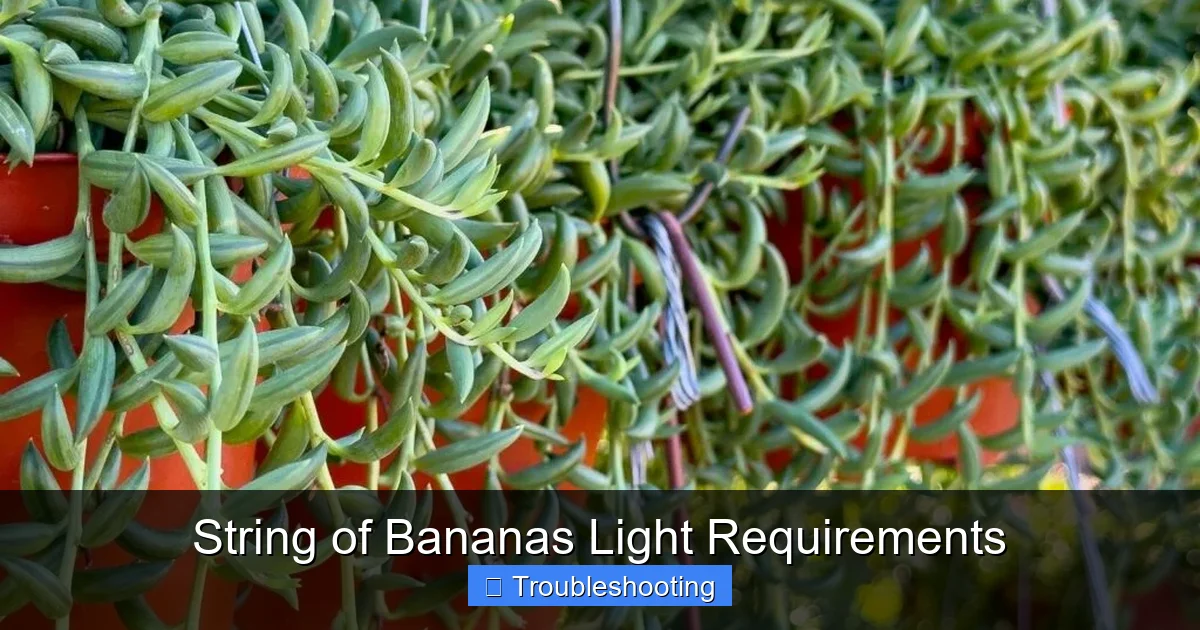
String of Bananas Light Requirements
String of bananas thrives in bright, indirect light with 4-6 hours of morning sun. Too little light causes leggy growth and sparse leaves, while harsh afternoon sun scorches the delicate banana-shaped foliage. Adjust placement seasonally for a lush, trailing succulent.
Key Takeaways
- Bright indirect light is best: Aim for 4-6 hours of gentle morning sunlight daily for optimal growth.
- South or east windows work well: These orientations provide the right balance of intensity and duration.
- Leggy stems mean more light needed: Stretched growth with wide gaps between leaves signals insufficient exposure.
- Brown tips indicate sunburn: Crispy, discolored leaf ends mean the plant receives too much direct afternoon sun.
- Rotate regularly for even growth: Turn the pot weekly so all sides receive equal light distribution.
- Seasonal changes require adjustment: Move plants closer to windows in winter and provide shade cloth in peak summer.
- Artificial lights can supplement: Full-spectrum grow lights work well when natural light falls short.
Quick Answers to Common Questions
How many hours of light does a string of bananas need daily?
A string of bananas needs 4-6 hours of bright indirect light daily, ideally with 2-4 hours of gentle morning sun. In winter or low-light conditions, supplement with 12-14 hours of full-spectrum grow light.
Can string of bananas survive in low light?
It will survive for a while but becomes leggy, pale, and sparse. Growth slows dramatically. For healthy appearance, bright light is essential. Use a grow light if natural light is insufficient.
Why are my string of bananas leaves turning brown and crispy?
Brown crispy tips or patches indicate sunburn from too much direct afternoon sun. Move the plant to bright indirect light or add a sheer curtain. Trim damaged parts with clean scissors.
Should I rotate my string of bananas?
Yes. Rotate the pot a quarter turn weekly so all sides receive equal light. This prevents lopsided growth and bare spots on the shaded side.
Can I put my string of bananas outside in summer?
Yes, but acclimate it gradually over two weeks. Choose a spot with morning sun and afternoon shade. Bring it inside before temperatures drop below 50°F (10°C).
📑 Table of Contents
- Getting to Know Your String of Bananas
- Ideal Light Conditions for String of Bananas
- Signs Your String of Bananas Needs More Light
- Signs Your String of Bananas Gets Too Much Light
- Seasonal Light Adjustments
- Indoor vs Outdoor Light Considerations
- Troubleshooting Common Light Problems
- Advanced Tips for Optimal Light Management
- Conclusion
Getting to Know Your String of Bananas
The string of bananas plant has captured the hearts of succulent lovers everywhere. Its playful, curved leaves look like tiny green bananas strung along delicate vines. This trailing succulent, known scientifically as Senecio radicans, originates from South Africa. In its native habitat, it grows as a ground cover beneath larger shrubs and rocks. That detail matters because it tells us exactly what kind of light this plant prefers.
Many plant parents bring home a string of bananas expecting it to thrive on a dim shelf or in a low-light bathroom. Weeks later, they wonder why the vines look stretched, pale, and sparse. The answer almost always comes down to light. Understanding string of bananas light requirements is the single most important factor for keeping this succulent happy. Get the light right, and everything else — watering, soil, fertilizing — becomes much easier.
This guide covers everything you need to know about light for your string of bananas. We will explore ideal conditions, warning signs, seasonal adjustments, and troubleshooting tips. Whether you grow yours indoors, on a patio, or in a hanging basket by a sunny window, you will find practical advice you can apply today.
Ideal Light Conditions for String of Bananas
Bright Indirect Light Explained
Bright indirect light sounds simple, but many gardeners find it confusing. Think of it this way: the plant wants to see the sky, but not the sun itself. Place your string of bananas near a window where sunlight fills the room, but the direct rays do not touch the leaves for more than a short period. A sheer curtain works beautifully to filter harsh light. The plant receives plenty of energy for photosynthesis without the risk of burning.
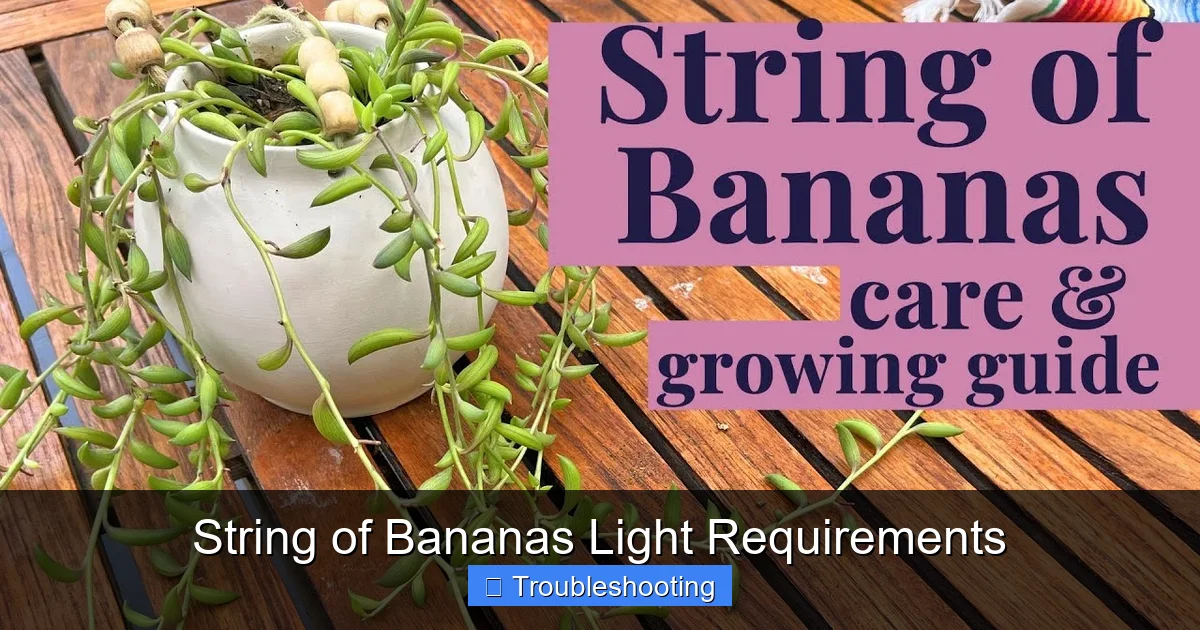
Visual guide about String of Bananas Light Requirements
Image source: simplifyplants.com
In practical terms, bright indirect light measures between 10,000 and 20,000 lux. If you use a light meter app on your phone, aim for readings in that range at the plant’s level during midday. Most south-facing and east-facing windows provide this intensity naturally. West-facing windows work too, but only with a curtain or by pulling the plant back a few feet. North-facing windows rarely deliver enough light unless you live in a very sunny climate.
Morning Sun Is Golden
If you can offer your string of bananas a few hours of direct morning sun, do it. Morning light is gentler, cooler, and less likely to cause damage. Two to four hours of direct eastern exposure encourages compact growth, richer color, and even flowering. The plant stores that energy and uses it throughout the day. Many experienced growers consider morning sun the secret to a full, lush string of bananas.
Watch how the light moves across your space through the seasons. A spot that gets perfect morning light in summer might be shaded in winter when the sun sits lower. Be ready to move your plant as needed. Flexibility matters more than finding one permanent location.
Measuring Light Without Gadgets
You do not need a light meter to judge conditions. Use the shadow test instead. Hold your hand about twelve inches above the plant during the brightest part of the day. A sharp, well-defined shadow means strong direct light. A soft, fuzzy shadow indicates bright indirect light. Barely any shadow means low light. Your string of bananas wants that soft, fuzzy shadow for most of the day, with perhaps a brief period of sharp shadow in the morning.
Another simple method: read a book at the plant’s level without turning on a lamp. If you can read comfortably for hours, the light is likely bright enough. If you strain your eyes, the plant probably feels the same way.
Signs Your String of Bananas Needs More Light
Etiolation: The Classic Stretch
Etiolation is the technical term for stretched, weak growth caused by insufficient light. On a string of bananas, it looks unmistakable. The spaces between leaves — called internodes — grow long and thin. The banana-shaped leaves themselves become smaller, narrower, and farther apart. The vines reach desperately toward the nearest light source, often growing sideways or upward instead of trailing gracefully.
This stretching happens because the plant expends energy searching for light instead of building strong tissue. The stems become fragile. The leaves lose their plump, succulent quality. Color fades from vibrant green to pale, washed-out yellow-green. Once a vine etiolates, it will not shrink back. You can only fix the appearance by cutting back the leggy growth and giving the plant better light so new growth comes in compact.
Sparse Foliage and Bare Stems
A healthy string of bananas looks like a full, green waterfall. Each vine should have leaves spaced closely together, creating a lush rope of foliage. When light falls short, the plant drops older leaves to conserve energy. You end up with long bare stems and a tuft of leaves only at the tips. This leggy, sparse look is a clear cry for more light.
Check the base of the plant too. If the crown — where stems emerge from the soil — looks bare and woody with few active growing points, the plant has been struggling for a while. Increasing light now will encourage new shoots from the base, but recovery takes patience.
Slow or No Growth
During the growing season — spring through early fall — a string of bananas should put out noticeable new growth every few weeks. If your plant sits unchanged for months despite proper watering and warm temperatures, low light is the likely culprit. The plant survives but cannot thrive. It lacks the energy to produce new cells.
Compare growth rates between plants in different spots. You will often see dramatic differences. A string of bananas in a bright east window might grow six inches in a month. The same plant in a north-facing room might grow half an inch. Light drives everything.
Loss of Variegation
If you grow a variegated string of bananas — such as the ‘Variegata’ cultivar with creamy white streaks — low light causes the variegation to fade. The plant produces more chlorophyll (green pigment) to capture every bit of available light. The beautiful white markings disappear, replaced by solid green. While the plant survives, you lose the ornamental quality that made the cultivar special. Bright light preserves and enhances variegation.
Signs Your String of Bananas Gets Too Much Light
Sunburn and Leaf Scorch
Too much direct sun, especially hot afternoon sun, damages string of bananas quickly. The leaves develop brown, crispy patches or tips. These scorched areas feel dry and papery. Unlike the soft, mushy spots of overwatering, sunburn feels brittle. The damage appears on the side of the plant facing the light source. Once a leaf burns, it never recovers. The tissue is dead.
Severe sunburn can kill entire vines. The plant may drop damaged leaves as a survival mechanism. You might see a sudden wave of leaf drop after a particularly intense day. If you notice this pattern, move the plant immediately. A sheer curtain or a move back from the window usually stops further damage.
Color Bleaching and Yellowing
Excessive light can bleach the vibrant green from the leaves. They turn pale yellow, almost white in extreme cases. This happens because intense light destroys chlorophyll faster than the plant can replace it. The leaves may also develop a reddish or purplish tint — a stress response called anthocyanin production. While some succulents blush beautifully in high light, string of bananas prefers to stay green. Reddening usually means the plant is struggling.
Do not confuse this with the natural slight purple tinge some plants show in cool temperatures. Stress color from light appears alongside other symptoms like crispy tips or curled leaves.
Curled and Shriveled Leaves
When light intensity overwhelms the plant’s ability to take up water, the leaves curl inward and shrivel. They lose their plump, banana-like shape. The plant essentially tries to reduce its surface area exposed to the sun. This often coincides with dry soil, but even well-watered plants can curl if the light is too intense. The combination of high light, heat, and low humidity creates a perfect storm for dehydration.
Stunted Growth
Paradoxically, too much light can also slow growth. The plant spends energy repairing damage and managing stress instead of growing. New leaves emerge tiny and deformed. The overall vigor declines. You might think the plant needs more light because it looks unhappy, but the opposite is true. Always check for burn signs before assuming a struggling plant needs more sun.
Seasonal Light Adjustments
Spring: The Wake-Up Call
Spring brings longer days and stronger light. Your string of bananas responds with a burst of growth. This is the time to evaluate its position. If the plant spent winter in a dim spot, gradually move it to brighter conditions over two weeks. Sudden exposure to intense spring sun can shock a plant accustomed to low light. Increase light by thirty minutes every few days.
Spring is also the ideal time to propagate. Cuttings root faster in the increasing light. Take stem cuttings, let them callous for a day, then place them on moist succulent soil. Bright indirect light encourages quick rooting without drying out the cuttings.
Summer: Managing Intensity
Summer sun can be brutal, especially in southern climates. A spot that was perfect in April might become a death trap in July. Watch for the signs of too much light we discussed earlier. South and west windows often need sheer curtains by June. East windows usually remain safe all summer. If you move your string of bananas outdoors for the season, choose a spot with dappled shade or morning sun only. Full afternoon sun outdoors is almost always too much.
Outdoor plants also face wind and heat that increase water loss. Check soil moisture more frequently. A string of bananas in a hanging basket outdoors may need water every two or three days in peak summer, compared to weekly indoors.
Fall: The Gradual Transition
As days shorten and the sun angle drops, light intensity decreases naturally. Your plant will slow its growth. This is normal. Reduce watering frequency to match the slower metabolism. If you summered your plant outdoors, bring it inside before night temperatures drop below fifty degrees Fahrenheit. Inspect for pests before the move.
Place the plant in its brightest indoor spot for fall. It needs to store energy for winter. A south-facing window that was too hot in August becomes perfect in October.
Winter: Maximum Light, Minimum Water
Winter presents the biggest light challenge. Days are short. The sun sits low. Indoor light levels plummet. Your string of bananas still wants as much light as possible. Move it to the absolute brightest window you have. Remove sheer curtains. Clean the windows — dirty glass blocks surprising amounts of light. Consider supplemental grow lights if your windows face north or are obstructed by trees or buildings.
Winter growth will be minimal. That is fine. The goal is maintenance, not expansion. Water sparingly — perhaps once every three to four weeks. The combination of low light and wet soil causes rot. A slightly shriveled leaf in winter is far better than a mushy stem.
Indoor vs Outdoor Light Considerations
Indoor Light Realities
Indoor light is dramatically weaker than outdoor light. Even a bright south window delivers only a fraction of the intensity of open shade outside. Glass filters UV rays. Window screens block more. Distance from the window matters enormously — light intensity drops by the square of the distance. A plant three feet from a window receives roughly one-ninth the light of a plant on the sill.
This means indoor string of bananas plants need the very best window you can offer. Do not tuck them into corners, atop bookshelves, or in hanging planters far from glass. They belong right at the window. If your only windows face north, you will almost certainly need a grow light.
Choosing and Using Grow Lights
Full-spectrum LED grow lights work beautifully for string of bananas. Look for lights rated between 5000K and 6500K (daylight spectrum). Position the light twelve to eighteen inches above the plant. Run it twelve to fourteen hours daily. A simple timer automates the schedule.
Clip-on gooseneck lights work well for single plants. Panel lights suit larger collections. Many modern grow lights look attractive enough for living spaces — no more purple glow. White-light LEDs blend with home decor while giving your succulents what they need.
Watch the plant’s response. Compact growth, good color, and steady (if slow) winter progress mean the light works. Stretching means the light is too weak, too far away, or on too few hours. Adjust accordingly.
Outdoor Growing Advantages
If you live in a frost-free climate (zones 10-11), you can grow string of bananas outdoors year-round. The plant becomes a stunning ground cover or trailing element in rock gardens. Outdoors, it receives the full spectrum of sunlight, natural air movement, and seasonal cues. Growth is faster, fuller, and more colorful.
Even in cooler zones, moving the plant outdoors for summer transforms it. The difference between a window-grown and patio-grown string of bananas after three months is striking. Just remember the transition. Harden off the plant over two weeks. Start with one hour of morning shade, increasing daily. Skip the hardening process, and you will likely sunburn the plant within hours.
Microclimates Matter
Your yard has microclimates. A south-facing wall radiates heat and intensifies light. A spot under a deciduous tree offers dappled shade in summer and full sun in winter. A covered patio provides bright shade all day. Observe your outdoor spaces at different times before placing your plant. The perfect spot gets morning sun, afternoon shade, and protection from drying winds.
Troubleshooting Common Light Problems
Fixing a Leggy, Stretched Plant
If your string of bananas has already etiolated, do not panic. The plant can recover. First, move it to better light immediately. Then decide on a pruning strategy. You have two main options:
Option one: Cut back the leggy vines to just above a node (where leaves emerge). The plant will branch from that point, producing two or more new stems. This creates a fuller plant over time. Root the cuttings to start new plants or fill gaps in the same pot.
Option two: Leave the long vines but coil them on the soil surface. Pin them down with floral pins or bent paperclips. Each node can root and send up new growth. This method preserves length while encouraging bushiness at the base.
Whichever method you choose, be patient. New growth takes weeks to appear. Keep the plant in bright light, water appropriately, and resist the urge to fertilize heavily. The plant needs to rebuild energy reserves.
Recovering from Sunburn
Sunburned leaves cannot heal. Remove severely damaged leaves at the base of their stems. They will not recover and can invite fungal issues. If only the tips are brown, you can trim the crispy parts with clean scissors, cutting just into healthy tissue.
Move the plant to a shadier spot immediately. Increase humidity slightly — a pebble tray or grouping with other plants helps. Hold off on fertilizer until you see new growth. The plant is in recovery mode. With proper care, fresh vines will emerge from the base within a month.
Dealing with Uneven Growth
Plants lean toward light. A string of bananas by a window will grow heavily toward the glass, leaving the back side bare. The fix is simple: rotate the pot a quarter turn every week. This ensures all sides receive equal exposure over time. For hanging baskets, spin the hook or swap the basket’s orientation.
If the plant has already grown lopsided, combine rotation with strategic pruning. Cut back the heavy side to encourage growth on the sparse side. Within a few growth cycles, the plant balances out.
Low-Light Apartments: Making It Work
Not everyone has ideal windows. If you live in a basement apartment, a north-facing unit, or a space shaded by buildings, you can still grow string of bananas — but you need a grow light. No amount of wishful thinking replaces photons.
Invest in a quality LED grow light. Position it close. Run it long enough. Treat it as non-negotiable, like watering. Many urban gardeners grow gorgeous succulents under lights alone. The plants do not know the difference between sunlight and full-spectrum LED. They only know energy.
Office and Fluorescent Lighting
Standard office fluorescent lights rarely provide enough intensity for string of bananas. The plant might survive for months but will slowly decline. If you want a desk plant, choose a small clip-on grow light. They are inexpensive, unobtrusive, and make all the difference. Your coworkers might even ask for cuttings.
Advanced Tips for Optimal Light Management
Using Reflective Surfaces
Boost your window light for free with reflectors. Place a white foam board, a mirror, or even aluminum foil (shiny side out) behind the plant, opposite the window. This bounces light back onto the shaded side of the plant. The effect is subtle but real — especially in winter when every photon counts. A simple white poster board propped against the wall behind your plant can increase light by ten to fifteen percent.
Light and Water: The Critical Connection
Light drives water use. A string of bananas in bright light drinks quickly. The same plant in low light stays wet for weeks. This is why “water on a schedule” fails. Always check soil moisture before watering. In bright light, the soil dries fast. In low light, it lingers. Match your watering to the light, not the calendar.
This connection also explains why overwatering kills low-light plants so fast. They lack the energy to pump water through their tissues. The roots sit in moisture, rot sets in, and the plant collapses. Bright light is the best protection against root rot.
Light and Fertilizer Balance
Fertilizer without light creates weak, floppy growth. The plant pushes out new cells but cannot harden them properly. Only fertilize during active growth in bright light. In winter, or in low-light conditions, skip fertilizer entirely. A string of bananas in a dim corner does not need food — it needs photons.
Monitoring with Technology
If you love data, try a PAR meter (photosynthetically active radiation). These measure the exact wavelengths plants use. They cost more than lux meters but give actionable numbers. For string of bananas, aim for 100-200 µmol/m²/s PAR for maintenance, 200-400 for strong growth. Most phone apps measure lux, not PAR, but they still help track relative changes.
Grouping for Mutual Benefit
Plants create microclimates. Grouping several succulents together increases local humidity slightly and can reflect light among them. A cluster of string of bananas, string of pearls, and string of hearts in a bright window looks stunning and helps each plant perform better. Just ensure air circulation remains good to prevent fungal issues.
Conclusion
Mastering string of bananas light requirements transforms this plant from a frustrating mystery into a reliable, stunning trailing succulent. The formula is straightforward: bright indirect light, a few hours of gentle morning sun, protection from harsh afternoon rays, and seasonal adjustments. Watch your plant. It communicates clearly through its growth habit, leaf color, and spacing. Stretching means more light. Burning means less. Compact, plump, vibrant growth means you nailed it.
Remember that light interacts with everything else — water, soil, temperature, humidity. A plant in perfect light but soggy soil will still fail. A plant in decent light with excellent drainage and appropriate watering will thrive. Light is the foundation, but the whole picture matters.
Start today. Check your plant’s current spot. Do the shadow test. Move it if needed. Rotate it. Clean the window. In a few weeks, you will see the difference. New growth will emerge tighter, greener, and more vigorous. The bananas will plump up. The vines will trail with confidence. That is the reward of understanding light.
Your string of bananas wants to be a waterfall of green. Give it the light it needs, and it will deliver exactly that — season after season, year after year.
Frequently Asked Questions
What is the best window direction for string of bananas?
East-facing windows are ideal, providing gentle morning sun and bright indirect light all day. South-facing windows work well with a sheer curtain to filter intense midday rays. West-facing windows need shading in afternoon. North-facing windows rarely provide enough light without supplemental grow lights.
How do I know if my string of bananas is getting enough light?
Look for compact growth with leaves spaced closely together, vibrant green color, plump banana-shaped leaves, and steady new growth during spring and summer. The plant should trail gracefully without stretching toward the light source.
Can string of bananas grow under artificial light only?
Yes, string of bananas grows well under full-spectrum LED grow lights. Position lights 12-18 inches above the plant and run for 12-14 hours daily. Choose lights in the 5000K-6500K range for best results. Many growers maintain beautiful plants entirely under artificial light.
Why is my string of bananas growing long stems with few leaves?
This is etiolation caused by insufficient light. The plant stretches toward the light source, creating long internodes (spaces between leaves) and smaller, sparse foliage. Move the plant to a brighter location and prune leggy stems to encourage compact new growth.
Do string of bananas need direct sunlight?
They benefit from 2-4 hours of direct morning sun but should be protected from harsh afternoon sun. Bright indirect light for the remainder of the day is perfect. Too much direct sun causes leaf scorch, while too little causes stretching.
How should I adjust light for string of bananas in winter?
Move the plant to your brightest window, remove sheer curtains, and clean the glass. Consider adding a grow light for 12-14 hours daily if natural light is limited. Accept slower growth — the goal is maintenance until spring returns stronger light.