Best Soil for Pitcher Plant
The best soil for pitcher plant is a low‑nutrient, well‑draining mix that mimics a bog. Use sphagnum moss, perlite, and sand for great results.
Key Takeaways
- Low nutrient mix: Pitcher plants need soil with almost no fertilizer.
- Acidic pH: Aim for a pH between 4 and 5.
- Good drainage: Perlite and sand keep the mix airy.
- Moisture retention: Sphagnum moss holds water without soggy conditions.
- Avoid garden soil: Rich soil causes root rot and weak pitchers.
- Use pure water: Rain or distilled water prevents mineral buildup.
Quick Answers to Common Questions
What is the best soil for pitcher plant?
A mix of sphagnum moss, perlite, and sand creates the ideal low‑nutrient, well‑draining medium.
Can I use regular potting soil?
No, regular potting soil is too rich and holds too much water, which leads to root rot.
How often should I repot my pitcher plant?
Repot every one to two years in early spring using fresh mix.
Do pitcher plants need fertilizer?
No, they get nutrients from captured insects; adding fertilizer harms them.
What water should I use?
Use rainwater or distilled water to avoid mineral buildup.
📑 Table of Contents
Why Soil Matters for Pitcher Plants
Pitcher plants grow in bogs. They need poor soil. Rich soil hurts them. The best soil for pitcher plant is low in nutrients. It drains fast. It holds a little moisture. This mimics their home.
Good soil lets roots breathe. It stops rot. It helps pitchers form. Bad soil leads to weak growth. It can kill the plant.
Natural Habitat
In nature they grow on wet peat. The ground is acidic. The ground is low in minerals. The best soil for pitcher plant copies this. It uses sphagnum moss. It uses perlite. It uses sand.
Root Health
Roots need air. Compact soil blocks air. The best soil for pitcher plant stays loose. Perlite creates air pockets. Sand adds weight without compaction.
Pitcher Formation
Pitchers need energy. The plant gets energy from insects. Soil nutrients are not needed. The best soil for pitcher plant keeps nutrients low. This forces the plant to trap bugs.
Water Quality
Pure water keeps the mix stable. Tap water adds minerals. Minerals raise pH. The best soil for pitcher plant works best with rain or distilled water.
Long Term Stability
A stable mix lasts years. It does not break down quickly. The best soil for pitcher plant resists compaction. This keeps roots healthy over time.
Key Ingredients for the Best Soil for Pitcher Plant
Sphagnum Moss
Sphagnum moss is the base. It holds water. It stays acidic. It is light. It does not compact. Use long fiber moss. Avoid peat that is broken down.
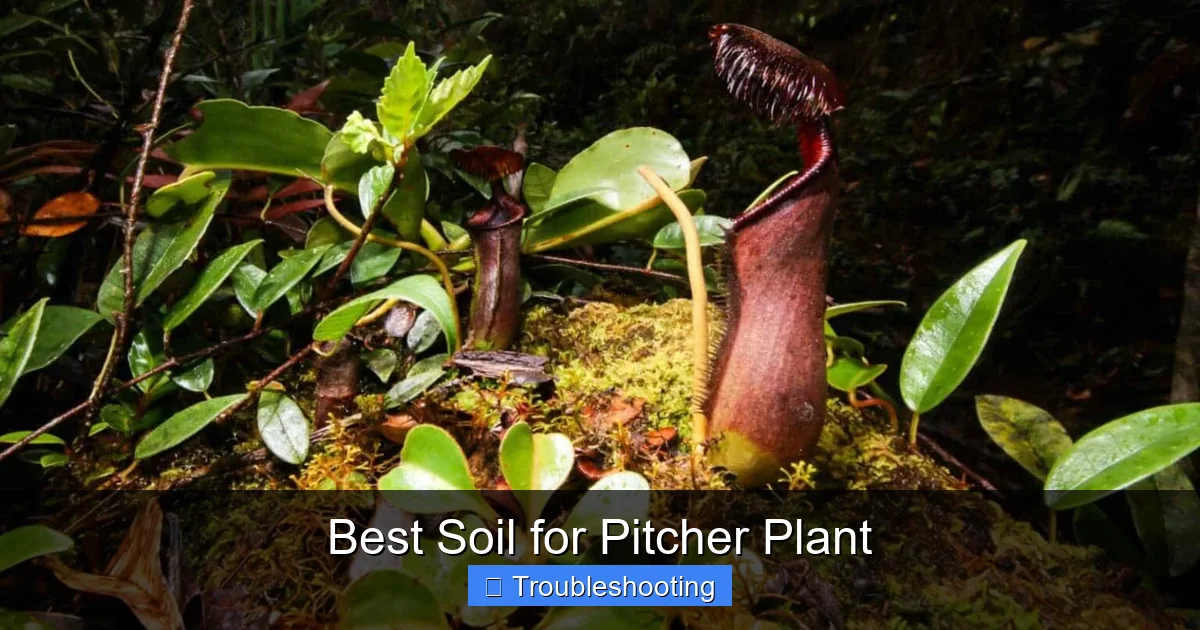
Visual guide about Best Soil for Pitcher Plant
Image source: planetnatural.com
The best soil for pitcher plant uses fresh sphagnum. Old moss can harbor pests. Rinse moss before use. This removes dust.
Perlite
Perlite adds air. It keeps the mix loose. It helps drainage. Use coarse perlite. Do not use fine dust. Fine dust can clog pores.
The best soil for pitcher plant includes about one part perlite. This ratio works for most species.
Sand
Sand adds weight. It improves drainage. Use horticultural sand. Do not use beach sand. Beach sand has salt. Salt harms roots.
The best soil for pitcher plant uses one part sand. This gives stability.
Charcoal
Charcoal keeps the mix fresh. It absorbs toxins. A small amount is enough. Too much charcoal can raise pH.
The best soil for pitcher plant may include a pinch of charcoal. This is optional.
Peat Alternatives
Coconut coir can replace moss. Coir holds water well. It is neutral pH. Add a little sulfur to lower pH. The best soil for pitcher plant can use coir if moss is unavailable.
Mixing Ratios
A common recipe is two parts moss. One part perlite. One part sand. Adjust ratios for your climate. The best soil for pitcher plant adapts to local humidity.
Testing Your Mix
Take a handful. Squeeze gently. A few drops should fall. If water streams out add more perlite. If it stays dry add a little moss. The best soil for pitcher plant passes this test.
Step by Step Mixing Guide
Gather Materials
You need sphagnum moss. You need perlite. You need sand. You need a clean bucket. You need gloves. Clean tools prevent disease.
Measure Ratios
A common ratio is two parts moss. One part perlite. One part sand. This makes a light mix. It drains well. It holds a little water. The best soil for pitcher plant follows this ratio.
Mix Thoroughly
Put all parts in the bucket. Stir with your hands. Break up clumps. The mix should feel fluffy. It should not feel soggy. The best soil for pitcher plant feels airy.
Moisture Check
Take a handful. Squeeze gently. A few drops should fall. If water streams out add more perlite. If it stays dry add a little moss. The best soil for pitcher plant passes this test.
Store Extra Mix
Keep leftover mix in a sealed bag. Store in a cool place. Use within a few months. Old mix can lose structure. The best soil for pitcher plant stays fresh when stored right.
Batch Size Advice
Make small batches for trial. Large batches can dry unevenly. The best soil for pitcher plant works best when mixed fresh.
Label Your Mix
Write the date on the bag. Note the ratio used. This helps you repeat success. The best soil for pitcher plant is easy to replicate.
Choosing a Ready Made Mix
Brand A Carnivorous Plant Mix
This mix uses sphagnum and perlite. It is ready to use. It is labeled for pitcher plants. Many growers trust it. The best soil for pitcher plant can be bought ready made.
Brand B Bog Blend
This blend adds a bit of sand. It is good for larger pots. It stays airy for a long time. The best soil for pitcher plant is often similar to this blend.
What to Look For
Check the label. It should say low nutrient. It should say acidic. It should list sphagnum as the first ingredient. Avoid mixes with fertilizer. The best soil for pitcher plant never contains added nutrients.
Price vs Quality
Higher price often means better ingredients. Cheap mixes may contain peat dust. The best soil for pitcher plant is worth the investment.
Reading Reviews
Read grower reviews before buying. Look for comments on drainage. The best soil for pitcher plant gets high marks for aeration.
Common Mistakes and Fixes
Using Garden Soil
Garden soil is rich. It holds too much water. It compacts. It will kill pitcher plants. The best soil for pitcher plant is never garden soil.
Adding Fertilizer
Fertilizer burns roots. Pitcher plants catch insects for food. They do not need extra nutrients. The best soil for pitcher plant stays fertilizer free.
Overwatering
Standing water causes rot. Keep the pot in a tray with a little water. Let the top dry slightly. The best soil for pitcher plant likes damp not soggy.
Compacting the Mix
Pressing the soil down removes air. Roots need air. Lightly tap the pot instead. The best soil for pitcher plant stays loose.
Using Tap Water
Tap water often has minerals. Minerals build up in the mix. Use rainwater or distilled water. The best soil for pitcher plant works best with pure water.
Ignoring pH
High pH stops nutrient uptake. Test pH monthly. Adjust with sulfur if needed. The best soil for pitcher plant stays acidic.
Fixing Yellow Leaves
Yellow leaves often mean too much nutrient. Check the mix. Replace with fresh best soil for pitcher plant. Flush with pure water.
Fixing Black Roots
Black roots signal rot. Remove the plant. Trim dead roots. Repot in fresh mix. Improve drainage. The best soil for pitcher plant helps recovery.
Seasonal Care and Final Thoughts
Spring Repotting
Repot in early spring before new growth. Use fresh best soil for pitcher plant. This gives roots room to expand.
Summer Heat
High heat dries the mix fast. Water more often but keep drainage. The best soil for pitcher plant handles heat if kept moist.
Winter Dormancy
Many species rest in winter. Reduce watering. Keep the mix barely damp. The best soil for pitcher plant supports dormancy without rot.
Long Term Monitoring
Check the mix every few months. Look for compaction. Add perlite if needed. The best soil for pitcher plant stays healthy with simple checks.
Conclusion
Choosing the best soil for pitcher plant is simple. Use sphagnum moss, perlite, and sand. Avoid rich soil and fertilizer. Mix your own or buy a trusted blend. Watch for signs of trouble. Adjust the mix as needed. Your pitcher plants will thrive and produce beautiful pitchers.
Frequently Asked Questions
Why does my pitcher plant have yellow leaves?
Yellow leaves usually indicate excess nutrients in the soil. Replace the mix with fresh low‑nutrient medium and flush with pure water.
What causes black roots on my pitcher plant?
Black roots are a sign of rot from overly wet or compacted soil. Repot in fresh, airy mix and improve drainage.
Can I use coconut coir instead of sphagnum moss?
Yes, coconut coir works as a substitute if you adjust the pH with a little sulfur to keep it acidic.
How do I test if my soil mix is correct?
Take a handful, squeeze gently; a few drops should fall. If water streams out, add perlite; if it stays dry, add moss.
Is charcoal necessary in the mix?
Charcoal is optional; a small pinch can help keep the mix fresh but too much raises pH.
When is the best time to repot pitcher plants?
Early spring, before new growth starts, is the ideal time to repot with fresh soil.