Fiddle Leaf Fig Care for Conservatory
Fiddle leaf fig care for conservatory success hinges on bright, filtered light, consistent moisture, and stable temperatures. Keep the plant away from cold drafts and rotate it weekly for even growth. Regular feeding and prompt pest checks keep the foliage glossy and upright.
Welcome to the complete guide on fiddle leaf fig care for conservatory environments. A conservatory offers bright light and warm temperatures, but it also brings rapid temperature swings and low humidity at night. Understanding these factors helps you keep your fiddle leaf fig healthy and vibrant. This article walks you through light, water, soil, feeding, and troubleshooting steps tailored for glass‑house conditions.
Whether you are a new plant parent or an experienced grower, the tips below will save you time and prevent common mistakes. You will learn how to position the plant, when to water, which soil mix works best, and how to spot early signs of stress. Follow the advice and your fiddle leaf fig will reward you with large, glossy leaves all year round.
Key Takeaways
- Light is king: Provide bright, indirect light for at least six hours daily.
- Temperature stability matters: Keep the conservatory between 65 °F and 75 °F.
- Water when the top inch dries: Avoid soggy soil and let excess drain.
- Humidity boosts health: Aim for 40‑60 % relative humidity.
- Feed lightly during growth: Use a balanced liquid fertilizer monthly in spring and summer.
- Watch for pests early: Inspect leaves weekly for spider mites and scale.
Quick Answers to Common Questions
How much light does a fiddle leaf fig need in a conservatory?
It needs bright, indirect light for at least six hours daily; avoid harsh direct midday sun.
What temperature range is ideal for a fiddle leaf fig in a glasshouse?
Keep the conservatory between 65 °F and 75 °F for steady growth.
How often should I water my fiddle leaf fig in a conservatory?
Water when the top inch of soil feels dry; typically every 3‑4 days in summer and weekly in winter.
Which soil mix works best for a fiddle leaf fig in a conservatory?
Use two parts potting soil, one part perlite, and one part orchid bark for good drainage.
When should I fertilize my fiddle leaf fig in a conservatory?
Feed monthly with a half‑strength balanced fertilizer from March to September; skip winter months.
📑 Table of Contents
- Fiddle Leaf Fig Care for Conservatory: Understanding the Conservatory Environment
- Fiddle Leaf Fig Care for Conservatory: Choosing the Right Spot
- Fiddle Leaf Fig Care for Conservatory: Watering Strategies
- Fiddle Leaf Fig Care for Conservatory: Soil, Potting, and Repotting
- Fiddle Leaf Fig Care for Conservatory: Feeding and Fertilizing
- Fiddle Leaf Fig Care for Conservatory: Common Problems and Troubleshooting
- Conclusion
Fiddle Leaf Fig Care for Conservatory: Understanding the Conservatory Environment
Light Levels
Conservatories usually receive intense sunlight through glass walls. Direct midday sun can scorch the broad leaves of a fiddle leaf fig. Place the plant where it receives bright, filtered light for at least six hours each day. Sheer curtains or a nearby taller plant can diffuse harsh rays. Rotate the pot weekly so every side gets equal exposure.
If the conservatory faces north, the light may be softer and you can move the fig closer to the glass. South‑facing rooms often need a sheer shade during peak hours. Monitor leaf color; pale or bleached patches signal too much direct light. Adjust the position gradually to avoid shock.
Consider adding a light meter to track daily foot‑candles. A reading of 2000‑3000 foot‑candles is ideal for steady photosynthesis. If levels drop below 1500, supplement with a full‑spectrum LED grow light for a few hours each evening. Consistent light quality prevents leggy growth and keeps leaf size large.
Temperature Swings
Glass structures heat up quickly in sunlight and cool down fast after sunset. Daytime temperatures can climb above 80 °F while night temps may drop below 55 °F. Fiddle leaf figs prefer a steady range between 65 °F and 75 °F. Use a thermometer to track the daily high and low. If night temperatures fall too low, consider a small space heater or moving the plant farther from the glass.
Sudden temperature drops cause leaf drop and brown edges. Keep the plant away from drafty doors and ventilation vents. A thermal blanket on the floor can buffer cold radiated from the glass at night. Consistent temperatures reduce stress and promote steady growth.
Install a programmable thermostat to maintain a minimum night temperature of 60 °F. During extreme heat waves, shade the glass with reflective film to keep daytime peaks below 85 °F. These proactive steps protect the root zone from thermal shock.
Humidity Considerations
Conservatories often have low humidity, especially when heating runs in winter. Fiddle leaf figs thrive at 40‑60 % relative humidity. Dry air leads to crispy leaf margins and spider mite infestations. Place a humidifier nearby or set the pot on a tray of pebbles with water. Grouping plants together also raises local humidity.
Misting the leaves provides a short‑term boost but does not replace sustained humidity. Check a hygrometer daily during the heating season. If humidity stays below 35 %, increase the humidifier output or add a second tray. Consistent moisture in the air keeps the foliage supple and glossy.
For a low‑maintenance solution, install a passive humidity tray filled with expanded clay pebbles and water. The large surface area evaporates slowly, raising ambient humidity without electricity. Refill the tray weekly to maintain effectiveness.
Air Circulation
Good air movement prevents fungal spores from settling on leaves and reduces the risk of powdery mildew. A small oscillating fan set on low can gently stir the air without creating cold drafts. Position the fan so it blows across the canopy, not directly at the trunk.
Run the fan for a few hours each morning and evening, especially after watering. This helps excess moisture evaporate from the leaf surface and the soil surface. Proper circulation also strengthens stems, making the plant more resilient to occasional temperature spikes.
Fiddle Leaf Fig Care for Conservatory: Choosing the Right Spot
Near Windows vs. Deep Inside
The best spot balances light intensity and temperature stability. A location a few feet back from the glass receives bright indirect light while avoiding the hottest midday rays. Deep interior corners may be too dim, causing leggy growth and small leaves. Test the light with a handheld meter; aim for 2000‑3000 foot‑candles for optimal photosynthesis.
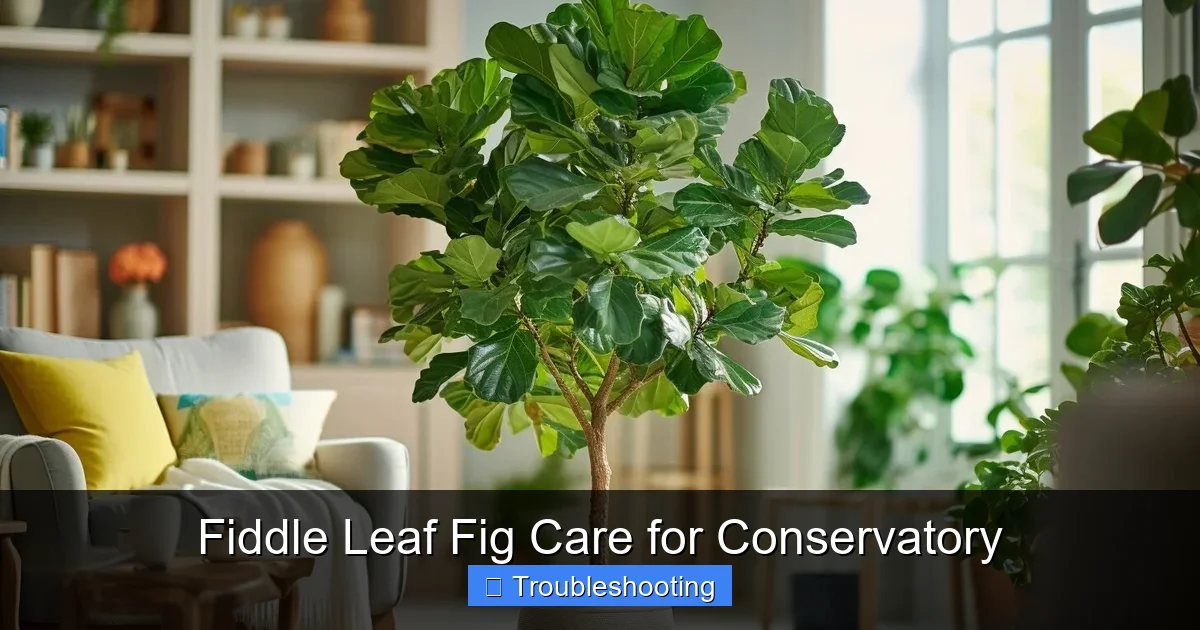
Visual guide about Fiddle Leaf Fig Care for Conservatory
Image source: bonsaimary.com
If the conservatory has multiple zones, place the fig in the brightest zone that still stays within the safe temperature range. Avoid spots directly under roof vents where hot air escapes. A stable microclimate encourages the plant to develop a strong trunk and large leaves.
Use a movable plant stand with casters to experiment with different positions throughout the year. Seasonal sun angle changes may shift the ideal spot by several feet. A flexible setup lets you adapt without disturbing the root ball.
Rotating the Plant
Regular rotation prevents the plant from leaning toward the light source. Turn the pot a quarter turn every week. This simple habit promotes even leaf distribution and a symmetrical canopy. Mark the pot with a small sticker to remember the last rotation direction.
During the winter months when daylight shortens, increase rotation frequency to every five days. Consistent turning also helps the root system develop evenly, reducing the risk of root circling. A well‑balanced plant is less prone to tipping over as it grows taller.
If the plant becomes top‑heavy, stake the main stem with a bamboo pole and soft ties. This supports upright growth while you continue the rotation routine. Remove the stake once the trunk thickens enough to stand on its own.
Using Reflective Surfaces
Placing a white or mirrored panel behind the plant can bounce additional light onto the lower leaves. This technique is especially useful in north‑facing conservatories where light levels are modest. Ensure the reflective surface does not create hot spots that could scorch foliage.
Adjust the angle of the panel seasonally; a steeper angle in winter captures low‑angle sun, while a flatter angle in summer prevents overheating. A simple DIY reflector made from foil‑covered cardboard works well and can be repositioned easily.
Fiddle Leaf Fig Care for Conservatory: Watering Strategies
Checking Soil Moisture
Overwatering is the most common cause of root rot in conservatory settings. Insert your finger two inches into the soil; water only when the top inch feels dry. A moisture meter can give a more precise reading. Water thoroughly until excess drains from the bottom, then empty the saucer.
Use room‑temperature water to avoid shocking the roots. In a glasshouse, evaporation rates are higher, so the soil may dry faster than in a typical living room. Adjust your schedule based on the season and the plant’s growth stage. Consistent moisture without soggy conditions keeps the roots healthy.
Consider a self‑watering spike for periods when you cannot check daily. These devices release water slowly, maintaining a steady moisture level. Monitor the reservoir weekly to avoid accidental overfill.
Seasonal Adjustments
During the active growing season (spring through early autumn) the fiddle leaf fig drinks more. Check the soil every three to four days. In winter, growth slows and the plant needs less water; extend checks to once a week. Reduce watering volume by about 30 % during dormancy.
Watch for signs of underwatering such as curling leaves or dry leaf tips. Conversely, yellowing lower leaves often indicate excess moisture. Keep a simple log of watering dates and amounts to spot patterns early. Seasonal tweaks prevent both drought stress and root rot.
In very hot weeks, increase watering frequency by one day but keep the volume per session unchanged. This prevents the soil from drying out completely while avoiding waterlogged conditions.
Water Quality Considerations
Tap water high in chlorine or fluoride can accumulate in the soil and cause leaf tip burn. Let water sit uncovered for 24 hours before use to allow chlorine to dissipate. Alternatively, use filtered or rainwater for the most sensitive plants.
Hard water leaves mineral deposits that raise soil pH over time. Test the soil pH annually; aim for a slightly acidic range of 6.0‑6.5. If pH drifts upward, flush the pot with distilled water and amend with a small amount of elemental sulfur.
Fiddle Leaf Fig Care for Conservatory: Soil, Potting, and Repotting
Ideal Soil Mix
A well‑draining mix is essential for fiddle leaf fig care for conservatory success. Combine two parts high‑quality potting soil, one part perlite, and one part orchid bark. This blend retains enough moisture while allowing excess water to escape quickly. Avoid heavy garden soil which compacts and suffocates roots.
Add a handful of activated charcoal to the mix to absorb impurities and reduce odor. The charcoal also helps keep the root zone aerated. Refresh the top inch of soil annually to replenish nutrients without disturbing the root ball.
For extra drainage, incorporate a layer of coarse gravel at the bottom of the pot before adding the mix. This prevents the drainage holes from clogging and creates a reservoir for excess water to sit away from the roots.
When to Repot
Repot every two to three years or when roots circle the pot’s interior. Spring is the ideal time because the plant enters active growth. Choose a container only one size larger; too much extra soil holds water and invites rot. Gently loosen the root ball and place it in the new pot with fresh mix.
After repotting, water lightly and keep the plant in a slightly shadier spot for a week. This reduces transplant shock and gives roots time to settle. Resume normal light and watering once new growth appears. Regular repotting maintains vigor and prevents nutrient depletion.
If you notice roots emerging from the drainage holes before the scheduled repot, perform an early repot. Delaying can cause the plant to become root‑bound, limiting water uptake and stunting new leaf production.
Root Health Monitoring
Inspect the root system during each repot for signs of rot, such as blackened, mushy roots. Healthy roots are firm, white, and have a fresh earthy smell. Trim any damaged sections with sterilized scissors before replanting.
Consider using a clear plastic pot as a temporary “viewing” container for a few weeks after repotting. This lets you observe root development without disturbing the plant. Once roots fill the visible space, transfer to a decorative pot.
Fiddle Leaf Fig Care for Conservatory: Feeding and Fertilizing
Fertilizer Types
Use a balanced liquid fertilizer with an N‑P‑K ratio of 10‑10‑10 or 20‑20‑20 diluted to half strength. Organic options like fish emulsion or seaweed extract also work well. Avoid high‑nitrogen formulas that encourage weak, leggy growth. Apply fertilizer to moist soil to prevent root burn.
Slow‑release granules can be mixed into the topsoil at the start of the growing season. They provide a steady nutrient supply for up to three months. Choose a product labeled for indoor foliage plants. Consistent feeding supports the large leaf production that makes the fiddle leaf fig a statement piece.
For a boost during peak growth, supplement with a foliar spray of diluted kelp extract every two weeks. Foliar feeding delivers micronutrients directly to the leaves, enhancing color and thickness.
Frequency
Fertilize once a month from March through September. Skip feeding in October through February when the plant rests. Over‑fertilizing leads to salt buildup, visible as a white crust on the soil surface. Flush the pot with clear water every few months to leach excess salts.
If you notice leaf tip burn or stunted new growth, cut back to a quarter‑strength solution. Monitor the plant’s response for two weeks before adjusting again. A measured feeding schedule keeps the foliage deep green and the stems sturdy.
During a particularly sunny summer, you may increase frequency to every three weeks at half strength. The extra light drives faster metabolism, so a slightly higher nutrient supply matches the demand.
Micronutrient Supplements
Calcium and magnesium deficiencies often show as interveinal chlorosis on newer leaves. Add a calcium‑magnesium (Cal‑Mag) supplement at quarter strength once a month during the growing season. This prevents tip curl and strengthens cell walls.
Iron chelate can correct yellowing between veins on older foliage. Apply as a soil drench at the recommended rate, usually once every six weeks. Consistent micronutrient care ensures the plant maintains its signature glossy green color.
Fiddle Leaf Fig Care for Conservatory: Common Problems and Troubleshooting
Leaf Drop
Sudden leaf drop often follows a rapid temperature change or a draft. Check the recent temperature log and move the plant away from cold air currents. Ensure the soil is not bone dry; a brief soak can rehydrate the root zone. New leaves usually emerge within a few weeks once conditions stabilize.
Pests such as spider mites can also cause premature leaf loss. Inspect the undersides of leaves for fine webbing. Treat with insecticidal soap or neem oil, repeating every seven days until the infestation clears. Maintaining humidity above 40 % discourages mite outbreaks.
If leaf drop persists despite stable conditions, examine the root ball for rot. Gently remove the plant from its pot, rinse the roots, and trim any blackened sections. Repot in fresh, well‑draining mix and adjust watering frequency.
Brown Edges
Brown, crispy leaf margins typically signal low humidity or inconsistent watering. Increase ambient moisture with a humidifier or pebble tray. Verify that the watering schedule matches the season; the top inch of soil should dry before the next drink. Trim the brown tips with clean scissors to improve appearance.
Excess fertilizer salts can also burn leaf edges. Flush the soil thoroughly with lukewarm water, allowing it to drain completely. Reduce fertilizer strength for the next few feedings. Consistent care restores the leaf’s smooth margin.
Sunburn from a sudden increase in direct light can mimic brown edges. If you recently moved the plant closer to the glass, move it back a few feet and provide a sheer curtain. Gradual acclimation over two weeks prevents shock.
Pests
Common conservatory pests include scale insects, mealybugs, and aphids. Scale appears as small brown bumps on stems; mealybugs look like white cottony clusters. Aphids gather on new growth, causing curling. Isolate the affected plant immediately to prevent spread.
Treat with a cotton swab dipped in rubbing alcohol for small infestations. For larger outbreaks, spray the entire plant with neem oil or insecticidal soap, covering both leaf surfaces. Repeat treatment weekly for three weeks. Regular inspection catches problems early and keeps your fiddle leaf fig thriving.
Introduce beneficial insects such as ladybird beetles or predatory mites for a biological control option. They naturally keep pest populations low without chemicals. Release them in the evening when the conservatory is cooler.
Fungal Issues
Powdery mildew appears as a white dusty coating on leaves, especially in humid, stagnant air. Improve air circulation with a fan and reduce overhead watering. Apply a sulfur‑based fungicide at the first sign, following label instructions.
Root rot caused by Pythium or Phytophthora shows as wilting despite moist soil and a foul smell. Remove the plant, wash roots, cut away mushy parts, and repot in sterile mix. Drench the new soil with a copper‑based fungicide to protect remaining roots.
Conclusion
Mastering fiddle leaf fig care for conservatory settings is a rewarding journey. By providing bright filtered light, stable temperatures, adequate humidity, and a well‑draining soil mix, you create an environment where the plant can flourish. Water wisely, feed modestly, and rotate regularly to maintain a balanced shape. Promptly address leaf drop, brown edges, or pests before they escalate. With consistent attention, your fiddle leaf fig will become a stunning focal point, showcasing large, glossy leaves that reflect the beauty of your glasshouse. Enjoy the process and watch your green companion thrive year after year.
Frequently Asked Questions
Can a fiddle leaf fig survive low humidity in a conservatory?
Low humidity causes crispy leaf edges and pest issues; aim for 40‑60 % humidity using a humidifier or pebble tray.
Why are the leaves of my fiddle leaf fig turning yellow?
Yellowing often indicates overwatering or poor drainage; let the soil dry more between waterings and check for root rot.
Is it necessary to rotate the fiddle leaf fig every week?
Weekly rotation promotes even growth and prevents the plant from leaning toward the light source.
What size pot should I use when repotting a fiddle leaf fig?
Choose a pot only one size larger than the current container to avoid excess soil that retains water.
How do I treat spider mites on a fiddle leaf fig in a conservatory?
Increase humidity, spray the plant with neem oil or insecticidal soap, and repeat weekly until mites are gone.
Can I place my fiddle leaf fig directly against the glass?
Direct contact with hot glass can scorch leaves; keep the plant a few feet back for filtered light and temperature stability.