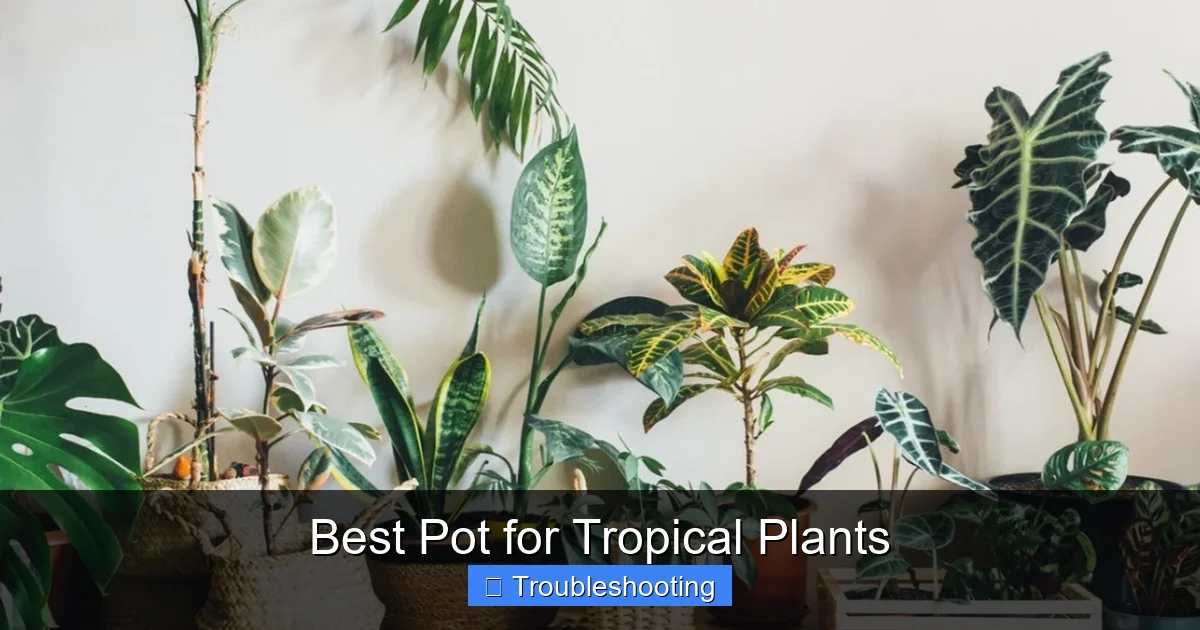
Best Pot for Tropical Plants
Choosing the best pot for tropical plants means matching drainage, material, and size to the plant’s humidity and root needs. This guide walks you through every factor so your tropicals thrive.
When you bring a tropical plant home, the first thing you notice is its lush foliage and vibrant color. But the secret to keeping that beauty alive lies hidden beneath the soil. The container you choose controls water flow, air exchange, and root temperature. Picking the best pot for tropical plants is not just about looks; it is about creating a mini‑ecosystem that mimics the forest floor.
Many new growers assume any decorative container will work. In reality, tropical species often come from rain‑soaked habitats where water drains quickly but humidity stays high. A pot that holds too much water leads to root rot, while a pot that dries out too fast stresses the plant. Understanding these needs helps you make a confident choice.
In this article we break down every element of pot selection. You will learn why drainage holes matter, how material changes moisture dynamics, how to size up correctly, and which specialty pots solve unique problems. By the end you will know exactly how to pick the best pot for tropical plants for each species in your collection.
Key Takeaways
- Drainage first: Adequate holes prevent root rot in humid environments.
- Material matters: Terracotta breathes, plastic retains moisture, fabric air‑prunes roots.
- Size up gradually: Move up one size at a time to avoid waterlogging.
- Specialty pots help: Self‑watering and orchid baskets suit specific tropical species.
- Regular cleaning: Sterilize pots between uses to stop disease spread.
- Monitor moisture: Use a meter or finger test to keep soil evenly moist.
- Match pot to plant: Epiphytes need airy baskets; heavy feeders need sturdy containers.
Quick Answers to Common Questions
What is the most important feature of a pot for tropical plants?
Good drainage holes are the most critical feature because they prevent water from sitting at the bottom and causing root rot.
Can I use a decorative pot without holes?
Only if you place a functional pot with holes inside the decorative one and empty any collected water regularly.
Which material dries out fastest?
Terracotta and fabric pots dry out fastest due to their porous walls.
How often should I repot a fast‑growing tropical?
Every 12 to 18 months, moving up one pot size each time.
Are self‑watering pots suitable for all tropicals?
They work well for moisture‑loving species but can cause rot for plants that prefer a dry period between waterings.
📑 Table of Contents
Understanding Tropical Plant Needs
Why Drainage Matters
Tropical plants love moisture, but they hate standing water. In their native habitats rain falls heavily then runs off quickly. The soil stays damp but never soggy. A pot without enough holes traps water at the bottom. That creates an anaerobic zone where harmful fungi thrive. Root rot is the number one killer of indoor tropicals. Always check that a container has at least three evenly spaced holes.
Soil Aeration and Moisture Balance
Air pockets in the root zone let oxygen reach the roots. Oxygen is essential for nutrient uptake. When soil stays wet too long, the pores fill with water and oxygen disappears. A well‑draining pot combined with a chunky mix (orchid bark, perlite, coconut coir) keeps the balance. The best pot for tropical plants works together with the mix, not against it.
Material Matters – Choosing the Right Pot Material
Terracotta vs Plastic vs Ceramic
Terracotta is porous. It pulls moisture out of the soil and lets it evaporate through the walls. This is great for plants that prefer a brief dry period between waterings, like many philodendrons. Plastic is non‑porous. It holds water longer, which helps moisture‑loving species such as calatheas. Glazed ceramic sits in the middle; the glaze reduces evaporation but the clay body still breathes a little. Choose material based on how often you can water and the humidity in your home.
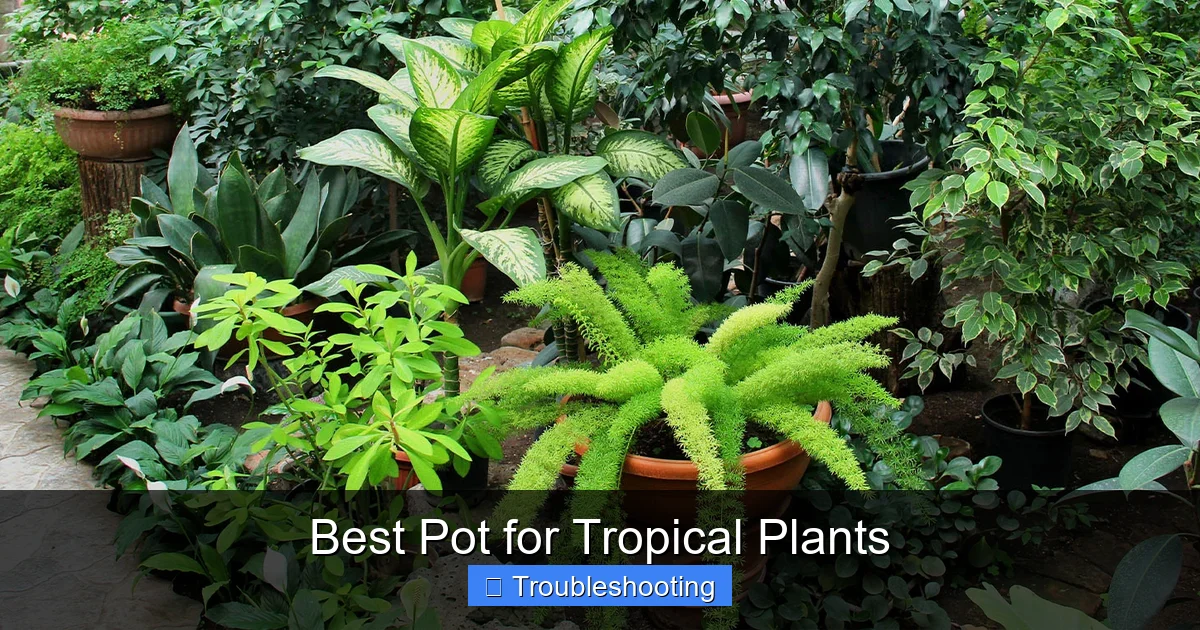
Visual guide about Best Pot for Tropical Plants
Image source: livingcolorgardencenter.net
Fabric Pots and Air Pruning
Fabric pots are made from breathable geotextile. When roots hit the fabric they are exposed to air and stop growing outward. This “air pruning” creates a dense, fibrous root system instead of a few circling roots. Fabric also provides excellent drainage because water passes through the whole wall. They are lightweight and easy to move, making them a strong contender for the best pot for tropical plants that need frequent repotting.
Size and Shape – Getting the Fit Right
How to Measure Root Ball
Before buying a new container, gently remove the plant from its current pot. Shake off loose mix and measure the width and depth of the root ball. A good rule is to select a pot that is 2 to 3 centimeters wider in diameter and about the same depth. This gives roots room to expand without drowning in excess soil that stays wet.
When to Up‑Pot
Signs it is time to move up include roots circling the bottom, water running straight through the pot, or the plant becoming top‑heavy. Up‑potting too early adds too much soil, which holds water and can cause rot. Up‑potting too late stresses the plant and slows growth. Aim for a step up every 12 to 18 months for fast growers, longer for slow growers.
Drainage Features – Holes, Trays, and Saucers
Number and Placement of Holes
Three to five holes spaced around the base give even drainage. A single large hole can clog with mix. If you find a beautiful pot with only one hole, drill additional holes using a masonry bit. Place holes near the edges, not just the center, so water exits from all sides.
Using Saucers Without Waterlogging
Saucers catch runoff and protect furniture. However, standing water in a saucer re‑absorbs into the pot, defeating drainage. Empty the saucer within 30 minutes after watering. Alternatively, use a pot feet set that lifts the container off the saucer, allowing air flow underneath.
Specialty Pots for Tropical Plants
Self‑Watering Pots
Self‑watering containers have a reservoir at the bottom and a wicking system that draws water up as the soil dries. They are ideal for busy owners or for plants that need constant moisture, like peace lilies. Make sure the reservoir does not sit directly against the soil; a gap prevents waterlogging. The best pot for tropical plants in low‑light offices is often a self‑watering model.
Orchid Baskets and Moss Poles
Epiphytic tropicals such as orchids, hoyas, and certain aroids grow on tree bark in nature. They need maximum air around roots. Slatted baskets or wooden mounts let roots breathe and dry quickly. Moss poles give climbing aroids a surface to attach to while keeping the root zone airy. These specialty containers mimic the natural habitat better than standard pots.
Maintenance Tips for Long‑Term Success
Cleaning and Sterilizing Pots
Before reusing a pot, scrub it with hot soapy water. Then soak in a 10 % bleach solution for ten minutes. Rinse thoroughly. This kills pathogens that could infect the next plant. For fabric pots, machine wash on a gentle cycle and air dry.
Monitoring Soil Moisture
Stick your finger 2 centimeters into the mix. If it feels dry, water. If it feels damp, wait. A moisture meter gives a numeric reading and removes guesswork. Consistent monitoring prevents both over‑watering and under‑watering, the two most common mistakes.
Conclusion
Choosing the best pot for tropical plants is a blend of science and personal routine and science of drainage, material, size, and specialty features. Start by learning each plant’s native environment. Match the pot’s holes, wall porosity, and volume to those conditions. Use the right soil mix, keep saucers empty, and clean containers between uses. With these habits your tropical collection will reward you with vigorous growth, vivid leaves, and the occasional flower. Happy planting!
Frequently Asked Questions
Do tropical plants need a specific pot depth?
Most tropicals prefer a pot depth similar to their current root ball depth; overly deep pots hold excess water at the bottom.
Can I drill extra holes in a ceramic pot?
Yes, use a diamond‑tipped drill bit and go slowly to avoid cracking the glaze.
What soil mix works best with a fabric pot?
A chunky mix of orchid bark, perlite, and coconut coir provides aeration and works well with fabric’s drainage.
How do I prevent salt buildup in self‑watering reservoirs?
Flush the reservoir with fresh water monthly and replace the wick if it becomes clogged.
Is a saucer necessary for indoor tropical plants?
A saucer protects surfaces but must be emptied promptly; otherwise it defeats the purpose of drainage holes.
When should I switch from plastic to terracotta?
Switch when you notice the plant staying too wet between waterings or when you want faster soil drying for root health.