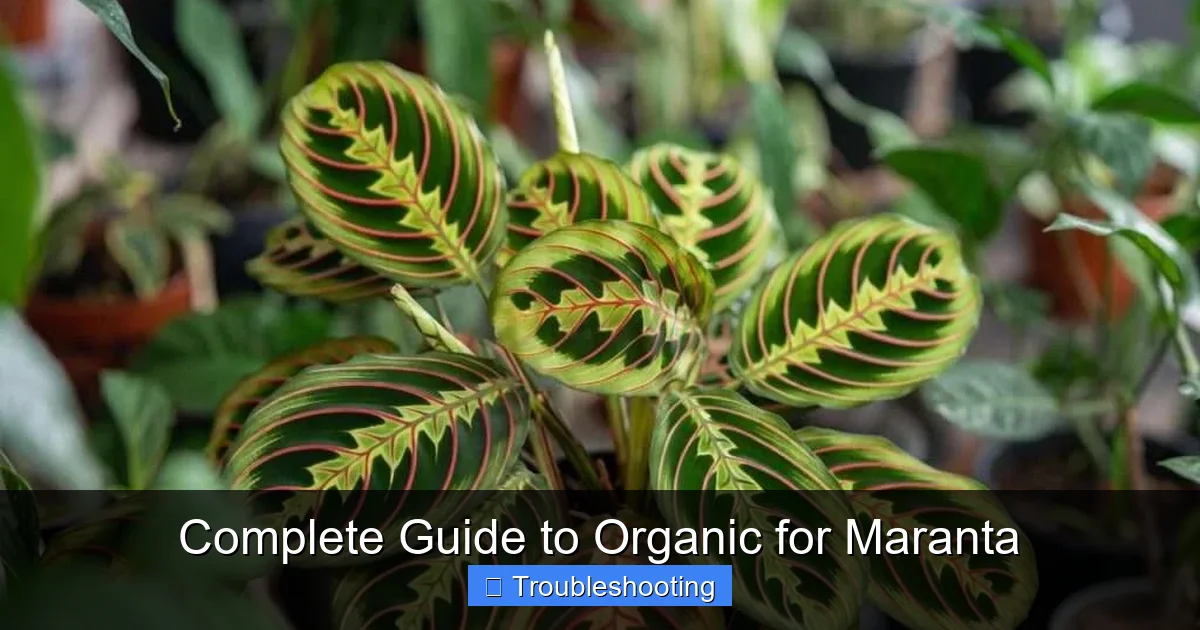
Complete Guide to Organic for Maranta
This comprehensive guide covers everything you need to know about organic care for Maranta prayer plants. From creating the perfect chemical-free soil blend to mastering natural fertilization schedules and solving common problems without synthetic products, you’ll learn how to keep your Maranta thriving using only organic methods.
If you have ever watched a Maranta fold its leaves up at night like tiny praying hands, you already know these plants have personality. They move. They react. They practically communicate with you. But here is the thing: Marantas are also notoriously picky. They sulk over tap water. They throw tantrums over dry air. They attract spider mites like magnets. That is why so many plant parents turn to organic care. It is not just a trend. It is a way to work with your plant’s natural biology instead of fighting it with synthetic shortcuts.
This complete guide to organic for Maranta will walk you through every aspect of natural care. We will cover soil that breathes, fertilizers that feed the soil food web, pest control that protects beneficial insects, and troubleshooting strategies that get to the root cause. Whether you are nursing a crispy-edged rescue or starting fresh with a healthy specimen, you will find practical, science-backed organic methods that actually work. Let us dig in.
Key Takeaways
- Organic soil matters: A well-draining mix with coco coir, compost, and perlite creates the ideal foundation for healthy Maranta roots.
- Feed gently and often: Use diluted organic fertilizers like worm castings tea or fish emulsion every 2-4 weeks during growing season for steady nutrition.
- Prevent pests naturally: Neem oil, insecticidal soap, and beneficial insects keep spider mites and mealybugs away without harsh chemicals.
- Water quality counts: Filtered or rainwater prevents mineral buildup that can damage sensitive Maranta leaves and roots.
- Humidity is non-negotiable: Maintain 60-80% humidity using pebble trays, humidifiers, or plant groupings for optimal organic growth.
- Troubleshoot early: Yellow leaves, crispy edges, and curling foliage each signal specific organic care adjustments needed.
- Consistency wins: Regular organic care routines outperform sporadic intense treatments for long-term Maranta health.
Quick Answers to Common Questions
What is the best organic soil mix for Maranta?
A blend of three parts coco coir, one part perlite or pumice, and one part worm castings creates the ideal organic foundation. Add horticultural charcoal and mycorrhizal inoculant for extra resilience.
How often should I fertilize my Maranta organically?
Apply diluted worm casting tea or fish emulsion every 2-3 weeks during spring through early fall. Top-dress with worm castings monthly. Stop liquid feeds in winter.
Can I use tap water for my Maranta if I let it sit overnight?
Letting tap water sit removes chlorine but not chloramine, fluoride, or dissolved salts. Filtered, rain, or RO water is strongly recommended for organic Maranta care.
What organic treatment works best for spider mites on Maranta?
Cold-pressed neem oil sprayed weekly for three weeks, combined with maintaining 60%+ humidity and good airflow, effectively breaks the spider mite life cycle without harming beneficial insects.
Why are my Maranta leaves curling and staying curled?
Persistent curling usually indicates underwatering, root binding, or temperature stress. Check soil moisture, inspect roots for circling, and ensure temperatures stay above 65°F with no cold drafts.
📑 Table of Contents
- Understanding Your Maranta’s Organic Needs
- Building the Perfect Organic Soil Mix
- Organic Fertilizing Schedule and Methods
- Natural Pest Prevention and Treatment
- Organic Watering and Humidity Management
- Troubleshooting Common Organic Care Issues
- Advanced Organic Practices for Thriving Marantas
- Creating Your Organic Maranta Care Routine
Understanding Your Maranta’s Organic Needs
Before we talk products or recipes, we need to understand what makes Marantas unique. These plants come from the tropical forest floors of Brazil. They grow in dappled light, constant warmth, high humidity, and rich leaf litter that breaks down into living soil. Their roots are fine, shallow, and designed to absorb nutrients from slowly decomposing organic matter. They are not built for harsh salts, synthetic fertilizers, or sterile potting mixes.
Why Organic Care Suits Marantas Perfectly
Organic care mimics the forest floor. When you use compost, worm castings, and natural amendments, you feed microbes. Those microbes break down nutrients into forms roots can actually absorb. They also protect roots from pathogens, improve soil structure, and regulate moisture. Synthetic fertilizers skip this biology. They force-feed ions directly to roots, which can burn delicate Maranta root tips and kill the very microbes your plant depends on.
Marantas also have thin leaves with high transpiration rates. They lose water fast. In nature, constant humidity replaces that loss. Indoors, we have to create that buffer. Organic matter in soil holds moisture like a sponge. Mulch on top slows evaporation. These simple organic practices reduce stress and prevent the crispy edges that plague so many prayer plants.
Signs Your Maranta Wants Organic Care
Watch for these clues. Brown leaf tips despite regular watering? That is often fluoride or chloride sensitivity from tap water combined with salt buildup from synthetic fertilizers. Pale new growth? Your plant may be locked out of nutrients due to pH drift from chemical salts. Spider mites appearing every winter? Synthetic nitrogen creates soft, succulent growth that pests love. Organic care addresses all of these at the source.
Building the Perfect Organic Soil Mix
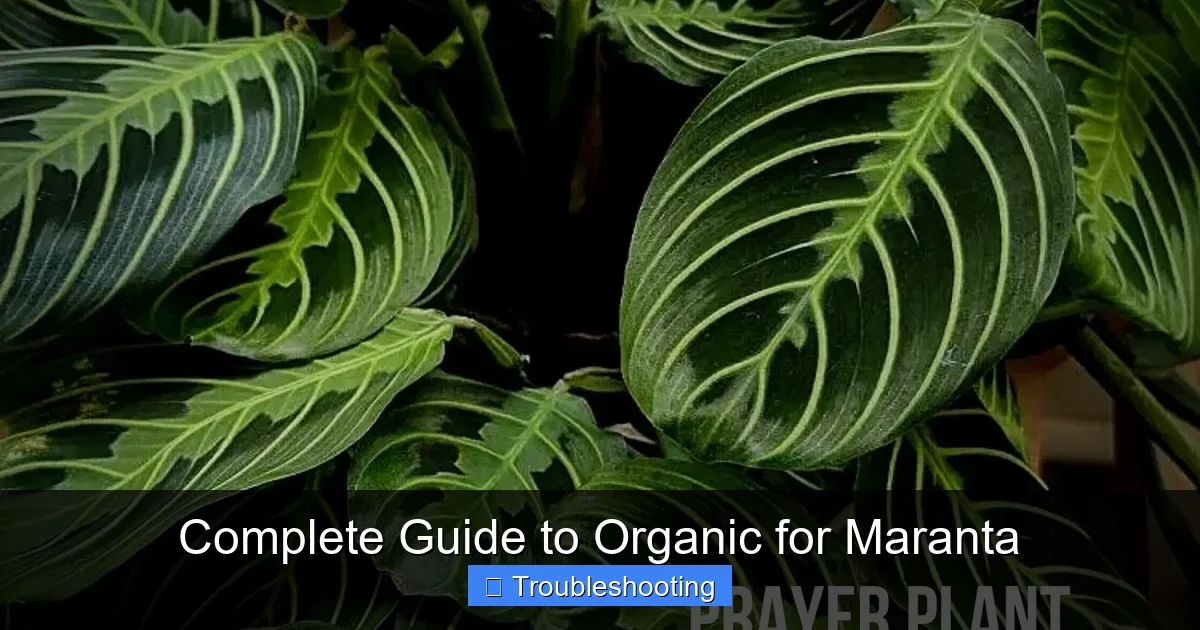
Soil is where organic success begins. A Maranta in the wrong mix will struggle no matter how perfect your watering or fertilizing routine. The goal: a mix that drains in seconds, holds moisture for days, resists compaction, and teems with microbial life.
Visual guide about Complete Guide to Organic for Maranta
Image source: bantam.earth
The Base Recipe: Three Parts Structure, One Part Nutrition
Start with a structural base. Coco coir is ideal. It is renewable, pH neutral, holds water beautifully, and rewets easily. Avoid peat moss. It acidifies over time, repels water when dry, and harvests damage fragile bogs. Use three parts coco coir. Hydrate it fully before mixing. It should feel like a wrung-out sponge.
Add one part aeration. Perlite is standard. Pumice works too and adds trace minerals. Rice hulls are a renewable organic option that break down slowly, feeding silica to your plant. Silica strengthens cell walls, making leaves more pest-resistant. Aim for one part aeration to three parts coir.
Now nutrition. One part high-quality compost or worm castings. Worm castings are superior. They contain beneficial bacteria, fungi, enzymes, and plant growth hormones. They also buffer pH. If you only add one amendment, make it worm castings. Ten to twenty percent by volume is perfect.
Optional Boosters for Extra Resilience
Consider these additions based on your conditions. A handful of horticultural charcoal per gallon of mix absorbs toxins and sweetens soil. It is especially helpful if you tend to overwater. Mycorrhizal inoculant powder introduces symbiotic fungi that extend root reach dramatically. Sprinkle it directly on roots when repotting. Kelp meal adds micronutrients and natural cytokinins that promote root branching. One tablespoon per gallon of mix is plenty.
Mixing and Testing Your Blend
Mix thoroughly in a clean tote. Moisten until the blend holds shape when squeezed but crumbles when poked. Pot your Maranta, water with rainwater or filtered water, and watch. Water should drain freely. The pot should feel heavy for days, not hours. If it dries in one day, add more coir or a top dressing of sphagnum moss. If it stays soggy, increase aeration next time.
Organic Fertilizing Schedule and Methods
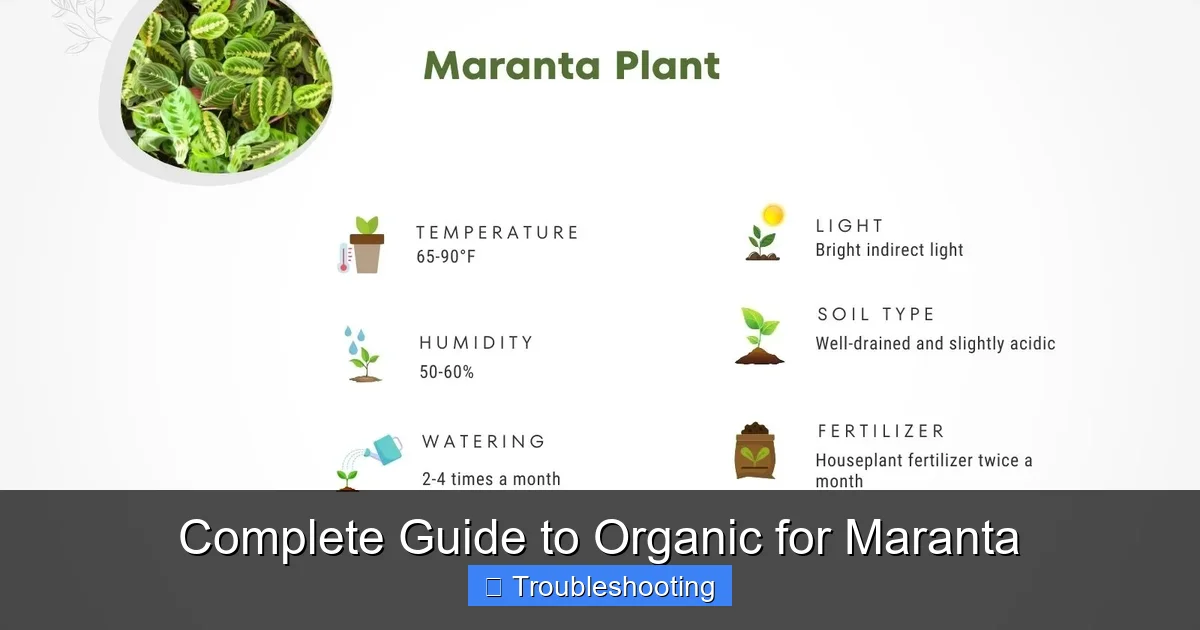
Feeding organically means feeding the soil, not the plant. The microbes eat first. They convert organic matter into plant-available nutrients. This takes time. It also means you cannot “fix” a deficiency overnight. Consistency beats intensity every time.
Visual guide about Complete Guide to Organic for Maranta
Image source: positivebloom.com
Liquid Organic Feeds: Gentle and Controllable
Worm casting tea is the gold standard. Steep one cup of castings in a gallon of dechlorinated water for 24 hours with an aquarium pump. Strain. Use immediately. Feed every two weeks during active growth. It provides balanced nutrition, beneficial microbes, and humic acids that chelate minerals for easier uptake.
Fish emulsion and kelp blends are excellent alternatives. Look for hydrolysate, not emulsion, if smell matters. Hydrolysate is cold-processed and retains more oils and amino acids. Dilute to quarter strength. Apply every three weeks. The kelp adds stress tolerance. The fish provides nitrogen and phosphorus. Together they cover macros and micros.
Compost tea from your own bin works if brewed aerobically. Anaerobic tea harbors pathogens. If you are not set up for brewing, stick with worm casting tea. It is forgiving and consistent.
Solid Organic Amendments: Slow Release Power
Top-dress with worm castings monthly. Sprinkle a half-inch layer on the soil surface. Water in. It feeds with every watering. Refresh twice a year. This mimics the constant leaf litter fall of the forest floor.
Alfalfa meal is a secret weapon. It contains triacontanol, a natural growth stimulant. Work one teaspoon per six-inch pot into the top inch of soil in spring. Water well. It breaks down slowly, feeding through summer.
Rock dust or azomite remineralizes soil. Indoor mixes lack the mineral diversity of outdoor earth. A light dusting once a year replenishes trace elements that affect everything from leaf color to pest resistance.
Seasonal Adjustments
Spring through early fall: feed actively. Late fall through winter: stop liquid feeds. Reduce to monthly castings top-dress only. Marantas slow down in lower light. Excess nutrients in winter cause weak, leggy growth that attracts pests. Let the plant rest.
Natural Pest Prevention and Treatment
Spider mites. Mealybugs. Fungus gnats. Thrips. Marantas seem to collect them all. Organic pest management focuses on prevention, early detection, and targeted treatment that preserves beneficial insects.
Create an Unwelcoming Environment
Spider mites hate humidity. Keep it above sixty percent. They also hate airflow. A small clip-on fan running a few hours daily disrupts their webbing and breeding. Wipe leaves weekly with a damp microfiber cloth. This physically removes eggs and dust that blocks stomata.
Fungus gnats love wet surface soil. Let the top inch dry between waterings. Top-dress with half an inch of sand, diatomaceous earth, or decorative gravel. This creates a dry barrier adults cannot penetrate to lay eggs. Yellow sticky traps catch adults. They are not pretty but they work.
Neem Oil: The Organic Standard
Cold-pressed neem oil contains azadirachtin, which disrupts insect hormones. It stops feeding, molting, and reproduction. Mix one teaspoon neem oil, one-quarter teaspoon mild liquid soap (emulsifier), and one quart warm water. Shake vigorously. Spray thoroughly, including leaf undersides, stems, and soil surface. Repeat weekly for three weeks to break life cycles.
Apply in evening. Neem degrades in UV light. Test one leaf first. Some Marantas are sensitive. If no damage after twenty-four hours, proceed. Do not use on stressed or newly repotted plants.
Insecticidal Soap for Soft-Bodied Pests
Mealybugs, aphids, and thrips succumb to potassium salts of fatty acids. Commercial insecticidal soaps are formulated for plant safety. DIY versions with dish soap risk leaf burn. Spray to runoff. Repeat every five days until gone. Soap only works on contact. It has no residual effect.
Beneficial Insects: Nature’s Pest Control
Predatory mites (Phytoseiulus persimilis) devour spider mites. Release them at first sign of webbing. They establish and patrol. Green lacewing larvae eat mealybugs, thrips, and aphids. Order online. Release at dusk. Provide a sugar water spray as supplemental food. These allies work while you sleep.
Systemic Organic Options
For severe infestations, consider azadirachtin concentrate as a soil drench. It makes the plant unpalatable systemically. Use sparingly. It can affect beneficial soil microbes. Always exhaust contact methods first.
Organic Watering and Humidity Management
Water and humidity are where organic care shines. Synthetic growers chase symptoms. Organic growers build resilience. The difference shows in leaf quality, growth speed, and pest resistance.
Water Quality: The Silent Killer
Tap water contains chlorine, chloramine, fluoride, and dissolved salts. Marantas are sensitive to all of them. Chlorine kills soil microbes. Fluoride accumulates in leaf tips, causing necrosis. Salts build up, blocking nutrient uptake. The solution is simple: filter or collect.
A basic carbon filter pitcher removes chlorine and some fluoride. Reverse osmosis removes everything. Add back a pinch of sea salt per gallon for trace minerals. Rainwater is ideal. Collect in clean barrels. Let it warm to room temperature before use. Cold water shocks tropical roots.
Watering Technique: Deep and Thorough
Water until it streams from drainage holes. This flushes salts and pulls fresh oxygen into the root zone. Discard runoff. Do not let pots sit in trays of water. Bottom watering works too. Place pot in a basin of water for twenty minutes. The soil wicks up what it needs. Top water monthly to flush.
Frequency depends on your mix, pot size, light, and humidity. Check by weight. Lift the pot. Light means water. Heavy means wait. Finger test works too. Top inch dry? Water. Still damp? Wait. Marantas prefer evenly moist, never bone dry, never soggy.
Humidity: The Non-Negotiable
Sixty percent minimum. Eighty percent ideal. Below fifty percent, leaf edges crisp. New leaves emerge deformed. Spider mites explode. Organic humidity methods work with your plant, not against it.
Pebble trays: fill a saucer with pebbles, add water to just below the pebble tops. Set pot on top. Evaporation creates a microclimate. Group plants. They transpire together, raising local humidity. A small humidifier on a timer is the most reliable. Run it nights when stomata are open. Clean weekly to prevent mold.
Mulch the soil surface. Sphagnum moss, coconut husk chips, or even dried leaves reduce evaporation by fifty percent. They also feed microbes as they break down. Refresh annually.
Troubleshooting Common Organic Care Issues
Even with perfect organic care, issues arise. The difference is how you read them. Each symptom points to a specific adjustment. No guessing. No blanket treatments.
Yellowing Lower Leaves
One or two yellow leaves at the base is normal aging. Widespread yellowing signals nitrogen deficiency or root issues. Check soil moisture. If soggy, roots are drowning. Repot into fresh mix. If dry, increase feeding. Apply worm casting tea at half strength weekly for three weeks. Add a pinch of alfalfa meal to soil surface.
Crispy Brown Leaf Edges
Classic low humidity or fluoride toxicity. First, raise humidity. Second, switch to filtered or rainwater. Third, flush soil heavily with clean water to leach accumulated salts. Trim crispy edges with sterilized scissors. Cut at an angle following leaf shape. The plant will seal the wound.
Curling Leaves That Stay Curled
Daytime curling is normal prayer plant behavior. Leaves that stay folded indicate underwatering, root binding, or temperature stress. Check soil. Water thoroughly. Feel the pot weight. Check for roots circling drainage holes. Ensure temps stay above sixty-five Fahrenheit. Move away from drafts and heating vents.
Pale or Washed-Out New Growth
Iron or magnesium deficiency, often from pH drift. Organic mixes buffer pH well, but peat-heavy mixes or hard water can shift it. Test soil pH. Target six to six point five. If high, water with diluted vinegar (one teaspoon per gallon) once. If low, top-dress with a dusting of garden lime. Kelp meal foliar spray (one teaspoon per quart) greens up foliage fast.
Stunted Growth Despite Good Care
Root bound. Check by gently sliding the plant out. Roots circling the bottom? Time to repot. Increase pot size by only one to two inches. Marantas like snug roots. Too large a pot holds excess water. Use fresh organic mix. Water with mycorrhizal inoculant. Hold fertilizer for four weeks.
Sudden Leaf Drop
Shock. Cold water, temperature swing, repotting stress, or pesticide burn. Stabilize conditions. Keep warm. High humidity. No fertilizer. Bright indirect light. The plant will recover if roots are healthy. New growth appears in two to three weeks.
Advanced Organic Practices for Thriving Marantas
Once you master the basics, these advanced techniques take your organic Maranta care to the next level. They build long-term soil health and plant resilience.
Living Soil Systems
Inoculate your mix with a diverse microbial package. Look for products containing bacteria, fungi, protozoa, and nematodes. Reapply annually. These organisms cycle nutrients, suppress disease, and create soil structure. Your mix becomes a living ecosystem, not just a growing medium.
Cover crop your large pots. Sow microgreens like radish or mustard between repotting. They grow fast, shade soil, and when chopped and dropped, feed the food web. This mimics natural forest floor dynamics.
Biodynamic Preparations
Biodynamic agriculture uses specific herbal preparations to enliven soil. Preparation 500 (horn manure) and 501 (horn silica) are the basics. They are used in homeopathic doses. Stirred in water for an hour, they impart organizing forces. Many organic growers swear by them for plant vitality. Try a biodynamic compost starter if curious.
Seed Saving and Propagation
Marantas rarely flower indoors. But if yours does, collect seeds. Sow fresh in sterile organic mix. High humidity. Warmth. Patience. Division is easier. Separate at repotting. Ensure each division has roots and at least two leaves. Pot in small containers. High humidity. Bottom heat speeds rooting.
Seasonal Rest Period Management
Respect the winter slowdown. Reduce water. Stop fertilizer. Lower light is fine. Cooler nights (sixty to sixty-five Fahrenheit) are beneficial. This rest triggers stronger spring growth. Do not force year-round growth with grow lights and heat unless you are prepared for increased pest pressure and weaker tissue.
Creating Your Organic Maranta Care Routine
Consistency transforms organic care from effort into habit. Build a simple weekly, monthly, and seasonal rhythm. Your Maranta will reward you with lush, responsive growth.
Weekly Checklist
Check soil moisture by weight. Water if needed with filtered water. Wipe leaves with damp cloth. Inspect undersides for pests. Run fan for two hours. Check humidifier. Refill pebble tray. Rotate plant for even light. Observe new growth. Note changes.
Monthly Checklist
Apply worm casting tea. Top-dress with castings. Flush soil thoroughly. Clean humidifier. Check root health through drainage holes. Prune dead leaves. Refresh sticky traps. Assess humidity with hygrometer. Adjust as needed.
Seasonal Checklist
Spring: repot if needed. Add mycorrhizae. Increase feeding. Summer: monitor for pests daily. Maximize humidity. Fall: reduce feeding. Prepare for lower light. Winter: stop liquid feeds. Maintain humidity. Watch for drafts. Plan spring amendments.
Record Keeping
Keep a simple notebook. Date. Watering. Feeding. Observations. Photos. Patterns emerge. You will learn your plant’s language. This is the heart of organic growing: observation over intervention.
Your Maranta is not a decoration. It is a living partner. Organic care honors that relationship. It takes patience. It requires attention. But the reward is a plant that does not just survive. It thrives. It moves. It grows. It thanks you in the only language it knows: vibrant, uncurling leaves reaching for the light. Start with one change this week. Better water. A handful of castings. A pebble tray. Small steps. Big results. Welcome to the complete guide to organic for Maranta. Your prayer plant is already praying for this.
Frequently Asked Questions
Can I use coffee grounds as fertilizer for my Maranta?
Used coffee grounds are mildly acidic and add organic matter, but they can compact and create a water-repellent layer. Compost them first, then use the finished compost in your soil mix instead of applying grounds directly.
Is bottom watering better than top watering for organic Maranta care?
Both methods work well. Bottom watering encourages deep root growth and keeps leaves dry. Top water monthly to flush accumulated salts. Use filtered or rainwater for either method.
How do I know if my Maranta needs repotting?
Check for roots circling the drainage holes, soil drying out in less than two days, or stunted growth despite good care. Spring is the best time to repot into a pot only 1-2 inches larger.
Can I use hydrogen peroxide in my organic Maranta care routine?
Diluted hydrogen peroxide (1 teaspoon 3% per cup water) can treat root rot or fungus gnats as a one-time intervention, but it kills beneficial microbes. Use sparingly and follow with mycorrhizal inoculant and worm casting tea to rebuild soil life.
What causes new Maranta leaves to emerge deformed or stuck?
Low humidity (below 50%), inconsistent watering, or pest damage to the growing tip can deform new leaves. Increase humidity to 70%+, maintain even moisture, and inspect for thrips or mites at the crown.
Are there any organic fertilizers I should avoid for Maranta?
Avoid fresh manure, uncomposted kitchen scraps, bone meal (can attract fungus gnats), and high-salt amendments like blood meal. Stick to gentle, fully composted materials like worm castings, compost, and kelp meal.