Essential Wooden for Grape Health
Proper wood management is the foundation of grape vine health and productivity. This comprehensive guide covers trunk maintenance, cordon training, strategic pruning, and disease prevention techniques that ensure strong, disease-resistant vines producing quality fruit for decades.
Walk through any successful vineyard and you will notice one thing immediately. The vines look organized. The trunks stand straight. The cordons run clean along the wire. The canes are spaced just right. This is not luck. This is wood management. And it is the single most important factor in long term grape health.
Most growers focus on leaves and fruit. They spray for mildew. They manage canopy. They thin clusters. But the wood? The wood gets ignored until something goes wrong. A trunk splits. A cordon dies back. Eutypa shows up in a ten year old vineyard. By then the damage is done. The wood is the vine’s skeleton. Its plumbing. Its storage unit. If the wood fails the whole vine fails. Let us talk about how to keep that wood healthy from day one.
Key Takeaways
- Trunk health is paramount: The permanent trunk structure supports all vine functions and must be protected from physical damage, disease, and environmental stress.
- Strategic pruning balances growth: Proper dormant and summer pruning maintains the right wood-to-fruit ratio, preventing overcropping and ensuring sustainable yields.
- Cordon management extends vine life: Well-maintained cordons distribute nutrients evenly and reduce the need for drastic trunk renewal.
- Disease prevention starts in woody tissue: Most devastating grape diseases like Eutypa dieback and crown gall establish in permanent wood, making sanitation critical.
- Wood maturity affects cold hardiness: Properly lignified canes survive winter better, reducing bud damage and spring dieback issues.
- Renewal planning prevents gaps: Systematic trunk and cordon renewal ensures continuous production without yield gaps during transition years.
- Tool sanitation stops disease spread: Clean pruning tools between vines prevent transmitting pathogens through fresh cuts in woody tissue.
Quick Answers to Common Questions
When is the best time to prune grape vines for wood health?
Late winter to early spring (February-March) is ideal. Pruning wounds heal faster in warming temperatures, reducing infection risk from Eutypa and other wood pathogens that spread during winter rains.
How do I know if my grape vine wood is mature enough for winter?
Mature canes are brown (not green), snap cleanly when bent, and have brown tissue under the bark when scraped. Immature wood bends instead of snapping and shows green under the bark.
What causes crown gall on grape vines and can it be cured?
Crown gall is caused by Agrobacterium vitis entering through wounds, especially freeze injury. There is no cure – infected vines must be removed. Prevention through clean planting stock and freeze protection is essential.
How often should I renew cordons on mature grape vines?
Plan cordon renewal every 8-12 years depending on variety and vigor. Renew one arm per vine per year to maintain production while transitioning to new wood systematically.
Why is tool sanitation critical during grape vine pruning?
Pruning tools transmit wood pathogens like Eutypa and crown gall between vines. Sanitizing between every vine (or every few vines in low-pressure blocks) prevents turning one infected vine into a vineyard-wide problem.
📑 Table of Contents
- Understanding Vine Wood Structure And Function
- Establishing Healthy Permanent Wood From Planting
- Dormant Pruning For Wood Health And Balance
- Summer Wood Management For Quality And Health
- Preventing And Managing Wood Diseases
- Wood Maturity And Cold Hardiness
- Renewal Strategies For Aging Wood
- Tools And Techniques For Wood Work
- Monitoring And Record Keeping For Wood Health
- Common Wood Management Mistakes To Avoid
- Building A Wood Health Program For Your Vineyard
- Conclusion
Understanding Vine Wood Structure And Function
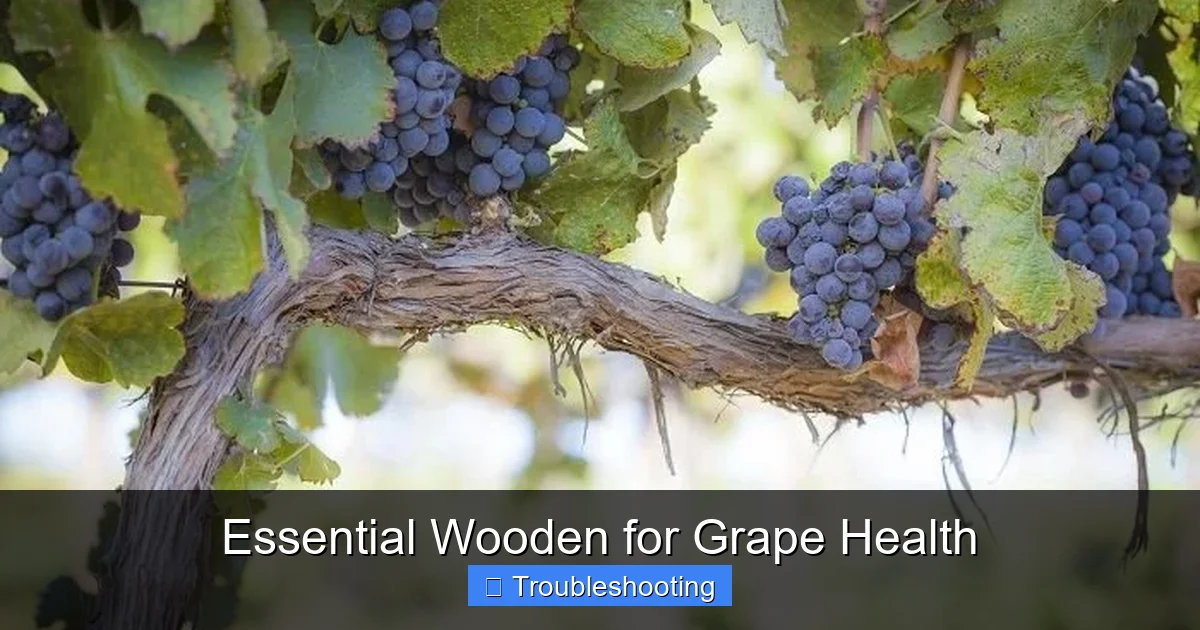
Grape vines produce two types of wood. Permanent wood and seasonal wood. Permanent wood includes the trunk and cordons. These structures live for years sometimes decades. Seasonal wood includes canes and spurs. These grow each year and get pruned off. Understanding this difference changes how you manage each part.
The Trunk As Central Highway
The trunk is the main pipeline. Water and nutrients move up from roots through xylem. Sugars move down from leaves through phloem. Both travel in thin layers just under the bark. Damage this layer and you cut off the vine’s lifeline. A weed whacker nick. A tractor scrape. A tight tie wire. Any of these can girdle a trunk slowly over years. The vine declines. You wonder why. The answer sits at ground level.
Trunks also store carbohydrates. These reserves fuel spring growth before leaves appear. They support the vine during stress. A healthy trunk feels solid. The bark looks intact. No oozing sap. No fungal conks. No crown gall tumors. Check your trunks every winter. Walk the rows. Touch them. Look close. Early problems show subtle signs.
Cordons As Distribution Arms
Cordons carry the load horizontally. They space the fruiting wood. They balance the vine. A well trained cordon runs straight along the fruiting wire. Spurs alternate left and right. Each spur holds two buds. This geometry matters. It ensures even light. Even air flow. Even crop load. When cordons get too old they develop blind wood. Sections with no productive spurs. Gaps appear. Yield drops. Disease hides in dead wood.
Cordons also store reserves. Thick healthy cordons mean strong spring push. Thin weak cordons mean uneven budbreak. Some shoots grow fast. Others lag. This variability makes management a nightmare. Keep cordons thick. Replace them before they decline. Plan renewal every eight to twelve years depending on variety and vigor.
Canes And Spurs As Renewable Wood
Canes are one year old wood. They bear the buds that become shoots. They become next year’s spurs or canes. Their quality determines next year’s crop. Thick canes with short internodes and plump buds are gold. Thin canes with long internodes and small buds are trouble. They produce weak shoots. Small clusters. Poor ripening.
Spurs are shortened canes. Two to three buds long. They sit on cordons. They produce the fruiting shoots. Spur position matters. Upright spurs push shoots into the canopy. Downward spurs hang fruit low. Alternating left right keeps the cordon balanced. Count your spurs. Know your bud count. This is how you control crop load.
Establishing Healthy Permanent Wood From Planting
The first three years decide the vine’s wood architecture for life. Mistakes made now compound for decades. Get it right early. It is easier than fixing later.
Visual guide about Essential Wooden for Grape Health
Image source: thumbs.dreamstime.com
Training The Trunk Straight And Strong
New vines need support. A bamboo stake. A grow tube. Something to hold the trunk vertical. Tie the trunk loosely. Check ties monthly. Tight ties girdle fast. Use stretchy tape or twine that degrades. The trunk must thicken. It cannot thicken if strangled.
Remove lateral shoots along the trunk. You want a clean trunk to the fruiting wire. Any shoot below the wire becomes a sucker later. Suckers compete. They harbor disease. They make a mess. Rub them off when small. It takes seconds. Waiting takes hours.
Protect the graft union. Keep it above soil line. Two to three inches above. Mulch helps but do not bury the union. Buried unions root above the rootstock. You lose phylloxera resistance. You lose nematode resistance. You lose the reason you grafted.
Building Cordons With Patience
Do not rush cordon establishment. Year one grow the trunk. Year two lay down one cordon arm. Year three lay the other. Or split the first cane into two arms if vigor allows. The cordon cane should be pencil thick. Not thumb thick. Not toothpick thick. Pencil thick. This diameter lignifies well. It stores reserves. It resists cracking.
Tie the cordon cane to the wire every twelve to eighteen inches. Use ties that last two to three years then degrade. The cane thickens. The tie must expand. Check ties each winter. Cut tight ones. Replace loose ones. A cordon that lifts off the wire gets damaged by wind. By equipment. By its own crop weight.
Spacing Spurs For Long Term Balance
First year spurs set the pattern. Space them four to six inches apart. Alternate sides. Left right left right. This prevents crowding. It allows each spur its own canopy space. Crowded spurs shade each other. Shaded buds become blind. Blind buds mean no fruit next year.
Choose spurs from canes that grew in good light. Not from shaded interior canes. Not from suckers. Not from watersprouts. Quality wood comes from quality shoots. If a cordon section has no good cane leave it blank. Better a gap than a weak spur. Fill the gap next year with a renewal cane from a neighbor spur.
Dormant Pruning For Wood Health And Balance
Winter pruning is where wood management happens. Every cut decides the vine’s future. Prune with purpose. Not habit. Not speed. Purpose.
Visual guide about Essential Wooden for Grape Health
Image source: verywellhealth.com
Reading The Vine Before Cutting
Stand back. Look at the whole vine. Count last year’s canes. Measure their diameter. Check bud size. Note any dead wood. Any cankers. Any gall. This assessment takes thirty seconds per vine. It saves hours of wrong cuts.
Vigor tells you bud count. High vigor vines keep more buds. Low vigor vines keep fewer. A vigorous vine might carry fifty buds. A weak vine twenty. Same variety. Same row. Different history. Prune to the vine in front of you. Not the formula in the book.
Making Clean Cuts That Heal
Cut just above the bud. Not too close. Not too far. A quarter inch above. The bud stays protected. The stub dies back cleanly. Angled cuts shed water. Flat cuts hold water. Water invites fungus. Always angle away from the bud.
Use sharp bypass pruners. Not anvil pruners. Anvil pruners crush wood. Crushed wood dies back further. It creates dead wood highways for pathogens. Sharpen daily. Clean between vines if disease pressure is high. Ten percent bleach. Or seventy percent alcohol. Or commercial sanitizer. Dip. Shake. Cut. Repeat.
Managing Crop Load Through Bud Count
Bud count equals potential clusters. Most wine grapes carry one to two clusters per shoot. Table grapes carry one. Do the math. Target yield divided by clusters per shoot equals shoots needed. Shoots needed equals buds to keep. Add ten percent for frost insurance. That is your bud count.
Distribute buds evenly. Do not load one cordon arm and starve the other. The vine moves resources but not perfectly. Uneven buds mean uneven ripening. Uneven ripening means harvest headaches. Walk the row after pruning. Count buds per vine. Adjust if needed. It is faster now than thinning clusters in July.
Removing Diseased And Dead Wood
Cut out cankers. Cut below the visible damage. Two to three inches into clean wood. Burn or remove prunings. Do not chip and mulch in the vineyard. Fungal spores survive chipping. They spread with wind. They infect fresh cuts. Clean the vineyard floor.
Crown gall shows as knobby tumors. Usually at graft union. Or on trunk wounds. No cure exists. Cut out small galls on cordons. Remove whole vines with trunk galls. Replant with clean stock. Do not take cuttings from galled vines. The bacteria lives inside. It spreads silently.
Summer Wood Management For Quality And Health
Dormant pruning sets the structure. Summer management refines it. Green wood is flexible. Responsive. Easy to adjust. Do not wait until winter to fix summer problems.
Shoot Thinning For Better Wood
Too many shoots shade each other. Shaded shoots make poor wood. Thin shoots early. When they are six to twelve inches long. Snap them off by hand. No tools needed. Fast. Clean. Target the target shoot density. Usually four to six shoots per foot of cordon.
Remove doubles. Two shoots from one bud. Keep the stronger. Remove blind shoots. Shoots with no clusters. They just make shade. Remove basal shoots on the trunk. Suckers. They steal vigor. They never produce quality wood. Thin after frost risk passes. But before tendrils attach. Attached tendrils make removal messy.
Shoot Positioning For Light And Air
Position shoots vertically. Between catch wires. In vertical shoot positioning systems this happens naturally. In high wire systems you may need to comb shoots downward. Either way keep the fruiting zone open. Light on leaves makes sugar. Light on buds makes fruitful wood. Light on clusters makes flavor.
Do not overcrowd the canopy. A dense canopy grows wood but not fruit wood. It grows leaves. Leaves are good but too many leaves shade the renewal zone. The basal buds. The buds that become next year’s spurs. These need light in June July August. If they stay dark they stay blind. Position shoots to let light penetrate to the cordon.
Lateral Management For Wood Maturity
Laterals are side shoots. They grow from leaf axils. A few are fine. Many are trouble. They shade the canopy interior. They delay lignification. They compete for resources. Remove laterals in the fruiting zone. Keep a few above the top wire if they help shade fruit in hot climates. But know they become wood you must prune later.
Excessive laterals signal too much nitrogen. Or too much water. Or too little crop. Fix the cause. Do not just chop laterals all summer. That is symptom treatment. The vine is telling you something. Listen.
Hedging And Topping With Care
Mechanical hedging saves time. But it creates hundreds of cut ends. Each cut is an infection entry point. Time hedging for dry weather. Avoid hedging before rain. Fungal spores love fresh cuts in wet conditions. If you must hedge wet follow with a fungicide spray targeting botrytis and wound pathogens.
Do not hedge too early. Early hedging stimulates lateral growth. More shade. More pruning later. Hedge after shoot growth slows. Usually after veraison. The vine shifts to ripening. Lateral push slows. Cuts heal faster. Wood matures better.
Preventing And Managing Wood Diseases
Wood diseases are the silent killers. They work slow. They show symptoms late. By the time you see dead arms the fungus has lived in the wood for years. Prevention is everything. Cure is rare.
Eutypa Dieback The Trunk Killer
Eutypa lata enters through pruning wounds. It grows slow. One to two inches per year. It produces a toxin that stunts shoots. Leaves cup. Yellow. Shoots die back. Eventually the cordon dies. Then the trunk. The vine collapses.
Prevent with late pruning. February March not December January. Wounds heal faster in warming weather. Spores release in winter rain. Prune dry. Apply wound protectant. Paint or spray. Products with boron or beneficial fungi help. Double prune. Rough prune high in winter. Finish low in spring. The high cuts catch spores. The low cuts stay clean.
Sanitize tools. Between every vine if Eutypa is present. It spreads on blades. One infected vine becomes ten. Ten becomes a hundred. The cost of sanitizing is pennies. The cost of replanting is thousands.
Botryosphaeria Canker Complex
Bot canker. Black dead arm. Multiple fungi. Same result. Wedged shaped cankers in cross section. Dead spurs. Dead cordons. Spores spread in rain. Infect through wounds. Stress invites them. Drought stress. Heat stress. Overcropping stress.
Manage vine stress. Irrigate adequately. Do not overcrop. Prune clean. Remove dead wood promptly. Dead wood sporulates. It rains spores on healthy wood. Clean the vineyard. Burn prunings. Especially in high disease years.
Crown Gall The Bacterial Tumor
Agrobacterium vitis. Lives in the vine. Systemic. Shows as galls at wounds. Freeze injury creates entry. Mechanical injury creates entry. Galls block vascular tissue. The vine starves above the gall.
Use clean planting stock. Certified virus tested. Crown gall free. Avoid freeze injury. Choose sites with good air drainage. Use wind machines. Overhead sprinklers for frost. Protect the ice. Minimize trunk injury. Train workers. No weed whackers near trunks. No careless tractor driving.
Esca And Petri Disease Young Vine Decline
Complex of fungi. Phaeomoniella. Phaeoacremonium. Fomitiporia. Infect young vines. Show symptoms years later. Tiger stripe leaves. Black measles on berries. Sudden vine death apoplexy. Hot weather triggers collapse.
Start clean. Hot water treatment of cuttings. Fifty minutes at fifty degrees Celsius. Kills pathogens inside wood. Use clean rootstock. Clean scion. Sanitize grafting tools. Do not reuse grafting wax. Do not dip cuttings in shared water baths. Every step clean.
Wood Maturity And Cold Hardiness
Winter kills more vines than any disease. But it is not just cold. It is unready wood. Wood that did not lignify. Wood that holds water. Water freezes. Ice expands. Cells rupture. The vine dies.
Understanding Lignification
Lignification is wood hardening. Green shoots become brown canes. Cell walls thicken with lignin. Water content drops. Sugars concentrate. Proteins change. The cane becomes a survival structure. This process needs time. Light. Moderate stress. No excess nitrogen. No late growth push.
Check lignification in fall. Scrape bark with a fingernail. Green under bark means not ready. Brown means ready. The cane should snap cleanly. Not bend. Not splinter. Snap means mature. Bend means immature. Immature wood dies at higher temperatures.
Managing For Maturity
Stop nitrogen by veraison. No late fertilizer. No manure. No compost high in nitrogen. Nitrogen keeps shoots growing. Green shoots freeze. Reduce irrigation post harvest. Mild stress promotes hardening. But do not stress vines into early defoliation. Leaves make the reserves that protect buds. Balance is key.
Canopy management affects wood maturity. Excessive shade delays lignification. Open the canopy. Let light reach the renewal zone. Basal buds on well exposed canes are more fruitful and more cold hardy. This is proven. Do the work.
Variety And Rootstock Choices
Some varieties lignify early. Riesling. Cabernet Franc. Others late. Merlot. Syrah. Match variety to site. Late varieties in early frost zones fail. Rootstocks matter too. Riparia based rootstocks harden early. Rupestris based harden later. Know your material. Plant accordingly.
Renewal Strategies For Aging Wood
Permanent wood does not last forever. Trunks get gnarled. Cordons get blind. Disease accumulates. Plan renewal before crisis hits.
Trunk Renewal The Long Game
Trunk renewal takes two to three years. Year one grow a sucker from the base. Train it up. Year two establish it as new trunk. Year three remove old trunk. The vine never misses a crop. This works if you start early. If the old trunk fails suddenly you lose a year. Maybe two.
Choose renewal suckers carefully. Strong. Straight. From below the graft union? No. Above the union. From the scion. Rootstock suckers give you rootstock trunks. Useless. Mark the chosen sucker. Protect it. Train it. It is the vine’s future.
Cordon Renewal Rotation
Do not replace both cordons at once. Replace one arm per vine per year. Or alternate vines. Keep production stable. A vine with one new cordon and one old cordon balances itself. The new arm grows. The old arm fruits. Next year switch.
Lay down a renewal cane from the trunk base. Or from a low spur. Train it along the wire. Establish spurs. Next winter cut the old cordon off at the trunk. The vine transitions smoothly. No yield gap. No vigor explosion.
Spur Renewal For Blind Wood
Blind wood sections happen. A cordon arm has a gap. No productive spurs. Do not leave it. Lay a cane from a neighbor spur into the gap. Train it. Spur it. Fill the hole. This is annual maintenance. Not major surgery. Do it every winter. Small fixes prevent big problems.
Tools And Techniques For Wood Work
Good tools make good cuts. Good cuts heal fast. Fast healing prevents disease. Invest in tools. Maintain them. Use them right.
Choosing The Right Pruners
Bypass pruners for live wood. Anvil pruners for dead wood only. Felco. ARS. Bahco. Quality brands last decades. Cheap pruners last a season. They crush. They slip. They cause wrist strain. Buy once. Cry once.
Loppers for wood over half inch. Ratchet loppers for thick old wood. Folding saw for trunk work. Keep saws sharp. A sharp saw cuts clean. A dull saw tears. Torn wood invites pathogens. Replace blades annually. They are cheap. Vine loss is not.
Mechanical Pruning Considerations
Mechanical pre pruning saves labor. But it leaves ragged cuts. Follow with hand cleanup. Every vine. Every cut. The machine does the heavy work. You do the precision work. This hybrid approach works for large vineyards. But do not skip the follow up. Ragged cuts are disease highways.
Tool Sanitation Protocols
Bucket of sanitizer on the tractor. Dip pruners every vine. Or every five vines if disease pressure low. Change solution daily. Organic matter neutralizes sanitizer. Cloudy solution means dead sanitizer. Fresh solution means protection.
Train every worker. No exceptions. The one worker who skips sanitation spreads disease to fifty vines a day. In a week that is hundreds. In a season that is thousands. Sanitation is not optional. It is the job.
Monitoring And Record Keeping For Wood Health
You cannot manage what you do not measure. Wood health changes slow. Records reveal trends. Trends guide decisions.
Winter Wood Assessment
Every vine. Every winter. Score trunk health. One to five. One is dead. Five is perfect. Score cordon health. Same scale. Note blind wood sections. Note canker locations. Note gall locations. Map it. GPS or paper. Year over year comparison shows decline or recovery.
Measure cane weights. Sample twenty vines per block. Weigh one year wood. Track average. Declining cane weight means declining vine capacity. Increasing cane weight means over vigor. Both need action. Stable cane weight means balance. That is the goal.
Bud Fruitfulness Analysis
Collect canes at pruning. Dissect buds. Count cluster primordia. Microscope needed. Or send to lab. Know your bud fruitfulness before you decide bud count. High fruitfulness means fewer buds needed. Low fruitfulness means more buds. Guessing costs money.
Disease Incidence Tracking
Count dead vines. Count galled vines. Count cankered cordons. Percentages matter. One percent is background. Five percent is action threshold. Ten percent is crisis. Track by block. By variety. By rootstock. By age. Patterns emerge. Patterns guide prevention.
Common Wood Management Mistakes To Avoid
Experience teaches. But learning from others’ mistakes is cheaper. Here are the big ones.
Ignoring The Trunk Zone
Growers look up. At the canopy. At the fruit. They forget the trunk. The trunk is where water enters. Where sugar leaves. Where disease enters. Where equipment damages. Walk the trunk line. Every week. Every season. Touch every trunk. It takes an hour per acre. It saves thousands.
Pruning Too Early In Wet Climates
December pruning feels good. Job done early. But wounds stay open for months. Winter rains splash spores. Eutypa loves this. Wait. Prune late. February March. Wounds heal in days not months. The few weeks you wait save years of vine life.
Overcropping Young Vines
Third leaf vines with full crops. The grower needs income. The vine needs wood. Cropping steals reserves. The trunk stays thin. The cordons stay weak. The vine never reaches full capacity. Crop light early. Build wood fast. Full crops come at year five not year three.
Leaving Dead Wood In The Vineyard
Prunings piled in row middles. Chipped and blown back under vines. Dead cordons left hanging. All of this sporulates. All of this infects. Clean wood out. Burn it. Bury it deep. Haul it away. The cost of removal is nothing compared to the cost of disease.
Using Dull Or Dirty Tools
Rushed pruning. Dull blades. No sanitizer. One infected vine becomes an infected block. Sharpen daily. Sanitize constantly. Slow down. Pruning is not a race. It is surgery. Treat it like surgery.
Building A Wood Health Program For Your Vineyard
Systems beat intentions. Build a program. Write it down. Follow it. Adjust it. But have a system.
Annual Calendar Of Wood Tasks
January: Tool maintenance. Sharpen. Sanitize. Order supplies.
February: Disease scouting. Mark cankers. Mark galls. Plan removals.
March: Dormant pruning. Clean cuts. Sanitize between vines. Count buds.
April: Sucker removal. Trunk protection. Frost damage assessment.
May: Shoot thinning. Positioning. Early lateral removal.
June: Canopy management. Light penetration to renewal zone.
July: Veraison. Stop nitrogen. Reduce water. Monitor lignification.
August: Hedging if needed. Dry weather only. Fungicide follow up.
September: Harvest. Post harvest irrigation. Reserve building.
October: Fall assessment. Cane maturity check. Disease survey.
November: Post harvest pruning cleanup. Remove dead wood.
December: Planning. Records review. Order plants for renewal.
Block By Block Specifications
Each block gets a spec sheet. Variety. Rootstock. Age. Spacing. Trellis. Target yield. Bud count range. Pruning style. Renewal schedule. Disease history. Soil type. Irrigation schedule. Fertilizer plan. Hand this to every worker. They know the plan. They follow the plan. Consistency wins.
Training And Accountability
Train pruning crews every year. Not just new hires. Everyone. Refresher courses. Demonstration vines. Good cuts. Bad cuts. Why it matters. Pay for quality not speed. Piece rate encourages fast sloppy work. Hourly with quality bonuses encourages good work. Align incentives with outcomes.
Audit pruning quality. Check ten vines per crew per day. Score cuts. Score bud counts. Score sanitation. Feedback immediately. Correct immediately. The crew that knows they are checked does better work. The crew that gets feedback improves.
Conclusion
Wood management is not glamorous. It happens in winter cold. In summer heat. It is repetitive. Detailed. Easy to rush. Easy to neglect. But it is the foundation. Everything else rests on it. The canopy. The crop. The quality. The vineyard’s lifespan.
A vineyard with healthy wood survives mistakes. Survives tough vintages. Survives market cycles. A vineyard with sick wood fails despite perfect canopy management. Perfect irrigation. Perfect harvest timing. The wood decides.
Start today. Walk your rows. Look at trunks. Touch cordons. Check canes. Make a list. What needs fixing? What needs preventing? What needs planning? Then act. One vine at a time. One row at a time. One block at a time. The wood you manage this winter becomes the wine you drink in three years. Make it count.
Your vines are talking to you. In the thickness of their trunks. In the color of their canes. In the plumpness of their buds. In the cleanliness of their wood. Listen. Learn. Respond. That is the job. That is the craft. That is how you grow great grapes for decades not just seasons.
Frequently Asked Questions
What is the difference between permanent wood and seasonal wood on grape vines?
Permanent wood includes the trunk and cordons that live for many years, providing structure and nutrient storage. Seasonal wood includes canes and spurs that grow annually and are removed during dormant pruning. Permanent wood requires long-term management while seasonal wood is managed each year for crop control.
How can I prevent Eutypa dieback in my vineyard?
Prevent Eutypa by pruning late (February-March) when wounds heal quickly, applying wound protectants to large cuts, double pruning (rough prune high in winter, finish low in spring), sanitizing tools between vines, and removing infected wood promptly. Avoid pruning before rain events.
What are the signs that a grape vine trunk needs renewal?
Signs include deep cracks or splits, crown gall tumors, Eutypa cankers, significant girdling from equipment or ties, hollow sounds when tapped, and declining cane vigor despite good management. Start renewal suckers 2-3 years before removing the old trunk.
How does nitrogen management affect wood maturity and cold hardiness?
Excess nitrogen late in the season promotes continued shoot growth, delaying lignification and reducing cold hardiness. Stop nitrogen applications by veraison. Mild water stress post-harvest promotes hardening, but avoid severe stress that causes early defoliation and reserve loss.
What is the proper way to make pruning cuts for optimal healing?
Use sharp bypass pruners. Cut 1/4 inch above the bud at a 45-degree angle sloping away from the bud. Avoid crushing wood (don’t use anvil pruners on live wood). Clean cuts heal faster and create smaller entry points for pathogens.
How do I manage blind wood sections on established cordons?
During dormant pruning, lay down a healthy cane from an adjacent spur into the blind section. Train it along the wire and establish new spurs. This fills gaps annually rather than letting unproductive sections expand. Remove the old blind wood once the renewal cane is established.