
Fern Light Requirements
Most ferns thrive in bright, indirect light that mimics their natural forest floor habitat. Direct sunlight scorches delicate fronds while too little light causes leggy, pale growth. Understanding your specific fern variety’s needs is the key to lush, healthy foliage.
Key Takeaways
- Bright indirect light is ideal for most ferns: Place near north or east-facing windows for gentle morning light without harsh afternoon rays.
- Direct sun damages fronds: Even sun-tolerant varieties need protection from intense midday light to prevent browning and crisping.
- Low light causes leggy growth: Ferns in dim corners stretch toward light sources, producing weak, pale fronds with wide spacing.
- Variety matters significantly: Maidenhair ferns demand consistent shade while staghorn and bird’s nest ferns handle brighter conditions better.
- Seasonal adjustments are necessary: Move ferns further from windows in summer, closer in winter as sun angles and intensity change.
- Artificial lighting works well: Full-spectrum LED grow lights at 12-16 inches provide excellent supplemental light for dark rooms.
- Watch for warning signs: Yellowing, browning tips, or stretched stems indicate light problems that need immediate correction.
Quick Answers to Common Questions
Can ferns survive in low light conditions?
Most ferns survive in low light but won’t thrive. They become leggy, pale, and stop producing new fronds. Bird’s nest ferns and rabbit’s foot ferns tolerate low light better than maidenhairs or Boston ferns. For truly dark rooms, add a full-spectrum LED grow light 12-18 inches above the plant for 12-14 hours daily.
How do I know if my fern is getting too much light?
Watch for bleached patches on fronds, brown crispy edges (especially on upper surfaces facing the light), yellowing between leaf veins, and stunted new growth. Damage appears on the side facing the window. Move the plant back immediately – scorched tissue never recovers.
Which fern varieties handle the most light?
Button ferns, asparagus ferns, and staghorn ferns tolerate the brightest conditions including gentle direct morning sun. Boston ferns handle bright indirect well. Bird’s nest ferns adapt to medium-bright light. Avoid direct sun for maidenhair, rabbit’s foot, and most delicate tropical ferns.
Do ferns need different light in winter versus summer?
Yes. Summer sun intensity increases 3-4x over winter. Move ferns back from south/west windows in summer, add sheer curtains. In winter, ferns can move closer to these same windows as sun angle drops. North window ferns may need supplemental light in winter. Check quarterly at season changes.
Can I use regular LED bulbs instead of grow lights for ferns?
Regular LEDs lack the full spectrum ferns need for photosynthesis. They may keep a fern alive but won’t support healthy growth. Use full-spectrum grow lights rated 5000-6500K with CRI 90+. Position 12-18 inches above plants, 12-14 hours daily on a timer for best results.
📑 Table of Contents
- Why Fern Light Requirements Matter More Than You Think
- Understanding Natural Light Conditions for Ferns
- Fern Light Requirements by Popular Variety
- Signs Your Fern Light Requirements Aren’t Being Met
- Window Placement Strategies for Every Home
- Seasonal Adjustments and Special Situations
- Troubleshooting Common Fern Light Problems
- Advanced Tips for Fern Light Mastery
- Conclusion
Why Fern Light Requirements Matter More Than You Think
Let me start with a confession. I killed my first three ferns before I finally understood what they were trying to tell me. Those crispy brown edges? That was me putting a delicate maidenhair fern in a sunny south-facing window. The pale, stretched-out fronds on my Boston fern? That was me shoving it into a dark corner because “ferns like shade.” Sound familiar?
Here’s the thing about fern light requirements – they’re not one-size-fits-all. These ancient plants have evolved over millions of years to occupy very specific niches in forest ecosystems. Some hug the dark forest floor. Others climb tree trunks into dappled canopy light. A few even cling to sunny rock faces. When we bring them home, we’re asking them to adapt to our windows, not their native habitats.
Getting the light right transforms ferns from finicky divas into the lush, prehistoric-looking beauties that made you want them in the first place. This guide covers everything you need to know about fern light requirements for every popular variety, plus troubleshooting tips when things go wrong.
Understanding Natural Light Conditions for Ferns
What “Bright Indirect Light” Actually Means
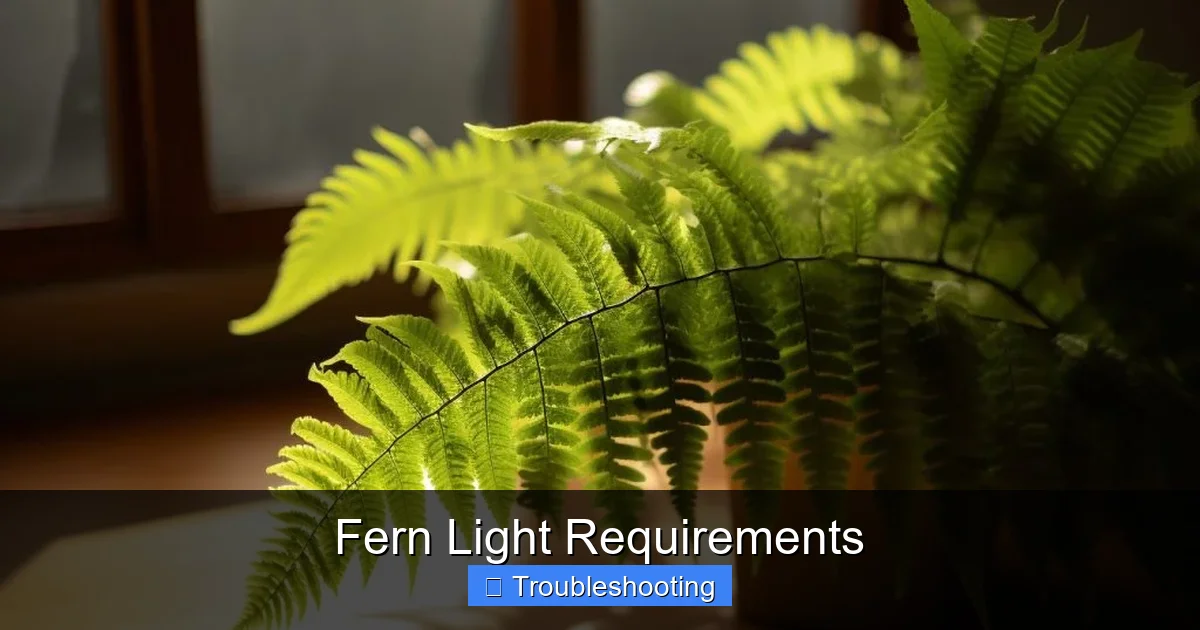
You’ll see this phrase on every plant care tag. But what does it look like in your actual home? Bright indirect light means the plant can “see” the sky but not the sun. Imagine standing where your fern sits. Can you see a patch of blue sky? Great. Can you see the actual sun disk? Move the plant.
Visual guide about Fern Light Requirements
Image source: foliagefriend.com
North-facing windows provide this perfectly all day. East-facing windows give gentle morning direct light that most ferns tolerate beautifully. South and west windows work too – just pull the plant back three to six feet or add a sheer curtain. That sheer curtain trick? It’s a game-changer. It turns harsh direct beams into the dappled forest light ferns evolved to love.
Measuring Light Without Fancy Tools
You don’t need a light meter. Your hand works fine. On a sunny day, hold your hand about twelve inches above where your fern sits. A sharp, distinct shadow means direct light. A fuzzy, soft shadow means bright indirect. Barely any shadow? That’s low light. Do this check at different times – morning light differs wildly from afternoon.
Phone apps help too. Search “light meter” and you’ll find free options measuring in foot-candles or lux. Most ferns want 400-800 foot-candles (4,000-8,000 lux) for optimal growth. They’ll survive down to 100 foot-candles but won’t thrive. Above 1,000 foot-candles risks burn unless it’s a sun-tolerant variety.
Seasonal Light Shifts Catch Everyone Off Guard
That perfect spot in October becomes a fry zone in July. The sun’s angle changes dramatically across seasons. A south window in winter delivers gentle, low-angle light. Come summer, that same window blasts intense overhead rays. East and west windows shift too. Mark your calendar for quarterly “fern audits” – check each plant’s light situation at the solstices and equinoxes. Move them before damage appears.
Fern Light Requirements by Popular Variety
Maidenhair Fern – The Drama Queen
Adiantum species top the “most killed fern” lists for good reason. Their natural habitat? Damp, shady rock crevices and stream banks under dense canopy. They want consistent, medium indirect light – think 200-400 foot-candles. Zero direct sun. Ever. Morning sun for thirty minutes burns those delicate fan-shaped leaflets.
Place maidenhairs near north windows or several feet back from east windows. Bathrooms with frosted windows work beautifully. The humidity helps too. If yours gets crispy tips despite perfect watering, check the light. Even brief direct exposure damages tissue that never recovers. Trim burned parts – they won’t green up again.
Boston Fern – The Classic Porch Plant
Nephrolepis exaltata handles more light than most people realize. In nature, these grow on tree trunks and rocky outcrops receiving dappled to partial sun. They thrive in bright indirect light (400-800 foot-candles) and tolerate gentle morning direct sun beautifully. That’s why they’re porch classics – eastern exposure porches suit them perfectly.
Indoors, east windows work great. South or west windows need distance or sheer curtains. Watch for bleaching – fronds turning pale yellow-green indicate too much light. Move them back. Boston ferns also handle lower light better than maidenhairs, though they’ll get sparse and leggy below 200 foot-candles.
Bird’s Nest Fern – The Adaptable Centerpiece
Asplenium nidus grows as an epiphyte in tree crotches, catching falling debris and filtered light. This makes them surprisingly adaptable. They handle medium to bright indirect light (200-800 foot-candles) and even tolerate lower light better than most ferns. Their broad, undivided fronds capture photons efficiently.
Avoid direct sun – those wide fronds scorch fast. But a bright room several feet from a south window? Perfect. They’re also great candidates for artificial lighting setups. Their symmetrical rosette form makes them stunning under grow lights. Just keep the crown dry when watering – light doesn’t matter if rot sets in.
Staghorn Fern – The Wall-Mounted Wonder
Platycerium species are epiphytes from tropical and subtropical forests. They grow on tree trunks and branches, receiving bright filtered light. Their unique shield fronds and antler fronds have different light needs. Shield fronds (the brown, papery base) protect roots and prefer shade. Antler fronds (the green, forked ones) want brighter light for photosynthesis.
Mount staghorns where they get bright indirect light – near east or north windows, or several feet from south/west. They handle brief morning sun well. Under grow lights, they’re spectacular. Many enthusiasts grow them exclusively under LEDs. The key is air circulation – stagnant air plus high light invites fungal issues on those fuzzy fronds.
Rabbit’s Foot Fern – The Fuzzy-Footed Charmer
Davallia fejeensis creeps along forest floors and rocks in Fiji. Those furry rhizomes (the “feet”) store water and nutrients. They want medium indirect light – 200-500 foot-candles. Direct sun burns both fronds and those precious fuzzy feet. North windows or pulled-back east windows work beautifully.
They’re more drought-tolerant than most ferns thanks to those rhizomes, but light stress compounds water stress. If the feet shrivel or fronds brown despite watering, check light levels. They also do well under fluorescent office lighting – making them cubicle classics for good reason.
Button Fern – The Compact Option
Pellaea rotundifolia comes from New Zealand and Australia, growing in rock crevices and open forests. This heritage gives it higher light tolerance than tropical ferns. It handles bright indirect to partial direct morning sun (400-1000 foot-candles). Those round, leathery leaflets resist scorching better than delicate lace-like fronds.
Button ferns actually get leggy and weak in low light. They want brightness. A south window with sheer curtain? Perfect. East window with direct morning sun? Also great. They’re one of the few ferns I’d recommend for a bright bathroom with a frosted south window.
Asparagus Fern – Not Actually a Fern
Asparagus setaceus and Asparagus densiflorus belong to the asparagus family, not true ferns. But everyone treats them like ferns, so here we are. They’re native to South Africa, growing in coastal scrub and forest edges. This means higher light tolerance – bright indirect to partial direct sun (500-1500 foot-candles).
They handle south and west windows better than true ferns. Direct morning sun encourages dense, fluffy growth. But they’ll also survive in medium light, just slower and sparser. Watch for yellowing – that’s usually underwatering, not light issues. Their tuberous roots store water efficiently.
Signs Your Fern Light Requirements Aren’t Being Met
Too Much Light – The Scorch Symptoms
Sunburn on ferns looks distinct. Fronds develop bleached, pale patches – usually on the upper surfaces facing the light source. Edges turn brown and crispy, often with a yellow halo between green and brown tissue. The damage appears fast – sometimes within hours of intense exposure. New growth emerges deformed or stunted.
Different varieties show stress differently. Maidenhairs bleach almost translucent. Boston ferns develop brown tips that spread inward. Bird’s nest ferns get irregular tan patches. Staghorns show brown spots on antler fronds. If you see these patterns, move the plant immediately. Damaged tissue never recovers – trim it cleanly to prevent secondary infections.
Too Little Light – The Starvation Signs
Low light symptoms develop slowly, which makes them sneaky. Fronds become larger but thinner, stretching toward any light source. Spacing between leaflets increases – the plant literally reaches for photons. Color shifts from deep green to pale yellow-green. New growth emerges weak and floppy.
Boston ferns in low light produce those long, skinny “runner” fronds with widely spaced pinnae. Maidenhairs stop producing new fronds entirely. Button ferns lose their compact button shape, stretching into weird elongated forms. Staghorns produce tiny antler fronds that never mature. The fix? Gradually increase light over two weeks – sudden bright exposure shocks weakened plants.
The Goldilocks Zone – What Happy Ferns Look Like
Healthy ferns in proper light show rich, even coloration. Fronds hold their characteristic shape – neither stretched nor stunted. New growth emerges steadily throughout the growing season. Boston ferns produce full, arching fronds with tight pinnae spacing. Maidenhairs unfurl delicate new fans regularly. Bird’s nest ferns maintain symmetrical rosettes with glossy, undamaged fronds.
Growth rate varies by variety and season, but you should see noticeable new fronds monthly during spring through fall. Winter slowdown is normal. If your fern looks the same in July as it did in March, reassess the light. Photosynthesis drives everything – without adequate photons, the plant simply can’t build new tissue.
Window Placement Strategies for Every Home
North-Facing Windows – The Fern Sweet Spot
North windows deliver consistent, gentle light all day without direct sun ever hitting the glass. In the northern hemisphere, this is fern paradise. Place ferns right on the sill or within a foot. They’ll receive 200-500 foot-candles depending on outdoor obstructions (trees, buildings) and window size. No sheer curtains needed. No seasonal adjustments required.
This exposure works for almost every fern variety. Maidenhairs thrive. Boston ferns grow lush. Bird’s nest ferns maintain perfect symmetry. The only downside? Winter light levels drop significantly. Growth slows or stops. That’s normal – don’t compensate with fertilizer. Just wait for spring.
East-Facing Windows – Morning Glory
East windows provide direct morning sun (gentle, low-angle) followed by bright indirect all afternoon. This mimics forest edge conditions beautifully. Most ferns love this. Place them on the sill for maximum light, or pull back two feet if morning sun feels intense on your hand.
Watch summer mornings – June/July sun rises early and climbs fast. What’s gentle at 7 AM becomes harsh by 9 AM. A sheer curtain solves this instantly. Or move ferns to a side table during peak summer months. East windows are forgiving – mistakes show slowly, giving you time to adjust.
South and West Windows – Proceed With Caution
These exposures deliver the most intense light. South windows get all-day sun (northern hemisphere). West windows get brutal afternoon sun. Both work for ferns IF you create distance or diffusion. The rule: ferns sit three to six feet back from these windows, behind sheer curtains, or both.
At three feet from a south window with sheer curtain, light levels approximate bright indirect (400-600 foot-candles). At six feet without curtain, similar levels. Use the hand-shadow test to dial it in. Button ferns, asparagus ferns, and staghorns handle these exposures best. Maidenhairs and rabbit’s foot ferns usually burn.
No Good Windows? Artificial Lighting Solutions
Full-spectrum LED grow lights make windowless fern growing totally viable. Look for lights rated 5000-6500K (daylight spectrum) with high CRI (90+). Position lights 12-18 inches above plants. Run 12-14 hours daily on a timer. Most ferns need 20-30 watts per square foot of coverage.
Clip-on gooseneck lights work for single plants. Panel lights suit shelves. Tube lights fit under cabinets. I’ve grown beautiful maidenhairs under a $30 clip light on a bookshelf. The key is consistency – timers prevent human error. And keep lights clean – dust reduces output significantly over months.
Seasonal Adjustments and Special Situations
Summer Protection Strategies
Summer sun intensity increases 3-4x over winter. That “perfect” east window spot in March becomes a burn zone in July. Move ferns back two feet. Add sheer curtains if you haven’t. Check daily during heat waves – reflected light off light-colored walls or pavement adds unexpected intensity.
Outdoor summering? Popular for Boston ferns and staghorns. But transition gradually. Start in full shade for a week. Then dappled shade. . Never full sun. Bring them in before night temps drop below 50°F. Check for hitchhiking pests before re-entering the house.
Winter Light Management
Winter brings shorter days, lower sun angles, and often overcast skies. Light levels drop 50-80% compared to summer. Ferns near south/west windows suddenly get better light as the sun drops lower – those windows become usable without curtains. North window ferns suffer most.
Move north-window ferns closer to glass (watch for cold drafts). Supplement with grow lights on dark days. Clean windows – dirty glass blocks 10-20% of already-scarce winter light. Reduce watering and stop fertilizing – low light means low growth, low water use. Don’t panic over a few yellow fronds – winter shedding is normal.
Acclimating New Ferns to Your Light
Nursery-grown ferns come from greenhouse conditions – 50-70% shade cloth, consistent humidity, automated watering. Your home differs wildly. New ferns need 2-3 weeks of acclimation. Start them in lower light than their final spot. Increase exposure gradually every 3-4 days. Watch for stress signals.
This applies to mail-order plants too. They’ve spent days in dark boxes. Unpack, water if dry, place in bright shade for a week. Then move toward final location. Rushing this causes transplant shock that looks like light damage but isn’t. Patience pays off with faster establishment.
Rotating for Even Growth
Indoor light comes from one direction. Ferns lean toward it. Rotate pots 90 degrees weekly for symmetrical growth. This matters most for bird’s nest ferns (rosette symmetry) and Boston ferns (even frond distribution). Staghorns mounted on boards can’t rotate – mount them facing the light source initially.
If a fern leans dramatically, it’s telling you the light is too directional or too weak. Consider supplemental lighting on the dark side, or move to a more balanced location. Severe leaning weakens stems and creates permanent asymmetry.
Troubleshooting Common Fern Light Problems
Brown Tips – Light or Humidity?
Brown tips confuse everyone. Light stress causes tip burn on the light-facing side of fronds. Humidity stress causes uniform tip burn all around. Touch the brown tissue – light burn feels crispy and papery. Humidity burn feels dry but may have slight give. Light burn appears on upper frond surfaces first. Humidity burn affects all surfaces equally.
If it’s light burn, move the plant. If it’s humidity, group plants, add a pebble tray, or run a humidifier. Many homes have both problems simultaneously. Fix the light first – it’s easier to diagnose. Then address humidity. Trim brown tips at an angle with clean scissors – straight cuts look unnatural.
Yellowing Fronds – The Diagnostic Process
Yellow fronds have many causes. Light-related yellowing shows patterns. Uniform pale yellow = too little light (chlorosis from insufficient photosynthesis). Bleached patches = too much light (photoinhibition). Yellowing only on lower/older fronds = natural aging or nitrogen deficiency. Yellowing with brown edges = possible overwatering compounded by low light.
Check the newest growth. If new fronds emerge green and healthy, the plant is fine – older fronds naturally yellow and die. If new growth emerges yellow or deformed, that’s active stress. Address light first, then reassess in two weeks. Ferns respond slowly – don’t keep changing conditions daily.
Leggy Growth – Stretching for Light
Leggy means elongated stems, wide spacing between leaflets, thin texture, pale color. The plant is desperately reaching. Fix: increase light gradually. Don’t jump from low to high – the shock causes more damage. Move closer to window over 7-10 days. Or add grow light 18 inches away, lowering 2 inches daily.
Prune leggy fronds at the base once new compact growth appears. Don’t remove all old fronds at once – the plant needs photosynthetic capacity while transitioning. Remove one-third monthly until replaced. Staghorns and bird’s nest ferns don’t prune this way – just improve light and wait for new growth.
Stunted Growth – When Light Isn’t the Only Factor
If light seems right but growth stalls, check: rootbound? (roots circling pot bottom), water quality? (ferns hate softened water), temperature? (most want 65-75°F), fertilizer? (monthly dilute feeding in growing season), pests? (scale, mealybugs, spider mites hide in frond axils).
Light enables growth but doesn’t guarantee it. Think of light as the engine – fuel (water, nutrients), maintenance (repotting, pest control), and conditions (temp, humidity) all matter. A fern in perfect light but rootbound in cold tap water won’t grow. Systematic troubleshooting beats guessing.
Advanced Tips for Fern Light Mastery
Using Reflective Surfaces to Boost Light
Light-colored walls, mirrors, and foil-backed boards amplify available light significantly. A fern three feet from a north window against a white wall receives 30-50% more light than the same distance from a dark wall. Mirrors opposite windows effectively double window size. Aluminum foil on cardboard behind plants redirects wasted light back onto lower fronds.
This trick lets you grow higher-light ferns in lower-light spots. I’ve kept a staghorn fern thriving six feet from a north window using a large mirror opposite. The mirror catches morning light from an adjacent east window and bounces it onto the fern all afternoon. Creative placement beats buying more lights.
Light and Water – The Critical Connection
Higher light increases photosynthesis, which increases transpiration, which increases water need. A Boston fern in bright indirect light drinks twice as fast as the same fern in medium light. This catches people – they water on a schedule instead of checking soil. Result: underwatering in bright spots, overwatering in dim spots.
Always check soil moisture before watering. Stick your finger in. Top inch dry? Water. Still damp? Wait. Light determines the schedule, not the calendar. This relationship also means: if you increase light, increase watering frequency. If you decrease light (winter), decrease watering. They’re coupled variables.
Grouping Ferns for Microclimate Benefits
Ferns grouped together create humid microclimates through collective transpiration. But they also shade each other. Arrange by height – tallest at back (north side), shortest at front. Rotate the whole group weekly so each plant gets fair light exposure. This works beautifully on plant stands or shelving units.
Group similar light needs together. Don’t put a maidenhair next to a button fern – one wants shade, the other wants brightness. Instead, create “zones” – a low-light shelf for maidenhairs and rabbit’s foot, a medium-light shelf for Boston and bird’s nest, a bright shelf for staghorns and button ferns.
Measuring Success Over Time
Track your ferns with photos. Monthly shots from the same angle reveal slow changes invisible day-to-day. Note frond count, color, size. Compare year-over-year. A healthy fern produces more fronds each growing season, each frond larger than the previous year’s equivalent.
If year two fronds are smaller than year one, something’s off. Light? Pot size? Nutrients? Photos don’t lie. This long-term view separates normal variation from decline. It also helps you learn your specific home’s light patterns – knowledge that transfers to every new plant you bring home.
Conclusion
Understanding fern light requirements transforms these plants from frustrating mysteries into reliable, rewarding houseplants. The core principles are simple: match the variety to your light, watch for feedback, adjust seasonally, and remember that light drives everything – water, growth, health.
Start with one fern in your best window. Learn its language. Those fronds communicate clearly once you know the vocabulary. Crispy tips? Too much sun. Pale stretch? Too little. Rich green, steady growth? You nailed it. Then expand. Try a different variety in a different window. Build your fern collection around your actual light, not wishful thinking.
Every home has microclimates. That dark hallway? Perfect for a rabbit’s foot fern under a grow light. The bright bathroom? Button fern heaven. The north kitchen window? Maidenhair paradise. Work with what you have. Ferns have survived 360 million years by adapting to niches – your home is just another niche.
And if you kill a few along the way? Welcome to the club. Every fern grower has a compost pile of lessons learned. The next one will thrive because of what the last one taught you. That’s not failure – that’s how we learn to grow.
Frequently Asked Questions
What does “bright indirect light” mean for ferns?
Bright indirect light means the fern can see the sky but not the direct sun. Place plants near north or east-facing windows, or 3-6 feet back from south/west windows with sheer curtains. The hand-shadow test helps: a soft, fuzzy shadow indicates perfect bright indirect light.
Why are my fern’s fronds turning brown and crispy?
Brown crispy fronds usually indicate too much direct sunlight or underwatering. Light damage appears on upper frond surfaces facing the window with a yellow halo. Move the plant to shadier conditions immediately and trim damaged fronds – they won’t recover.
Can I put my fern outside in summer?
Yes, many ferns benefit from summer outdoors but transition gradually. Start in full shade for a week, then move to dappled shade. Never place in direct sun. Bring inside before nights drop below 50°F. Check thoroughly for pests before returning indoors.
How close should grow lights be to ferns?
Position full-spectrum LED grow lights 12-18 inches above ferns. Run 12-14 hours daily on a timer. Most ferns need 20-30 watts per square foot. Adjust height based on plant response – stretching means too far, bleaching means too close.
Why is my fern growing long skinny fronds with wide spacing?
This “leggy” growth means insufficient light. The plant stretches toward the light source. Gradually increase light exposure over 1-2 weeks. Prune leggy fronds once new compact growth appears. Don’t remove all old fronds at once.
Do all ferns have the same light requirements?
No, fern light requirements vary significantly by variety. Maidenhair ferns need consistent shade (200-400 foot-candles). Boston ferns prefer bright indirect (400-800). Button and staghorn ferns tolerate brighter conditions. Always research your specific variety’s native habitat for best results.