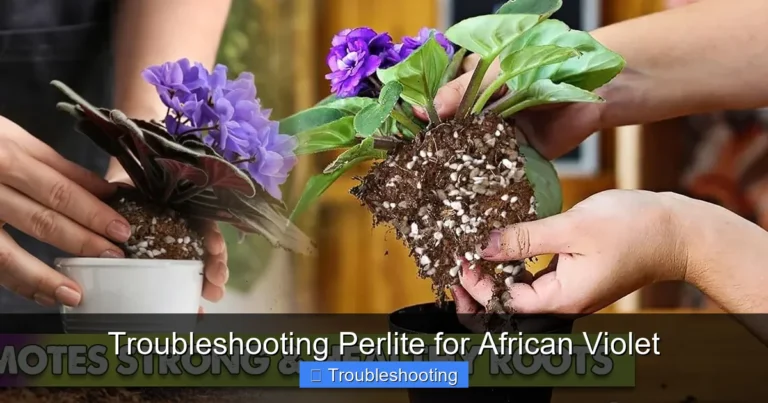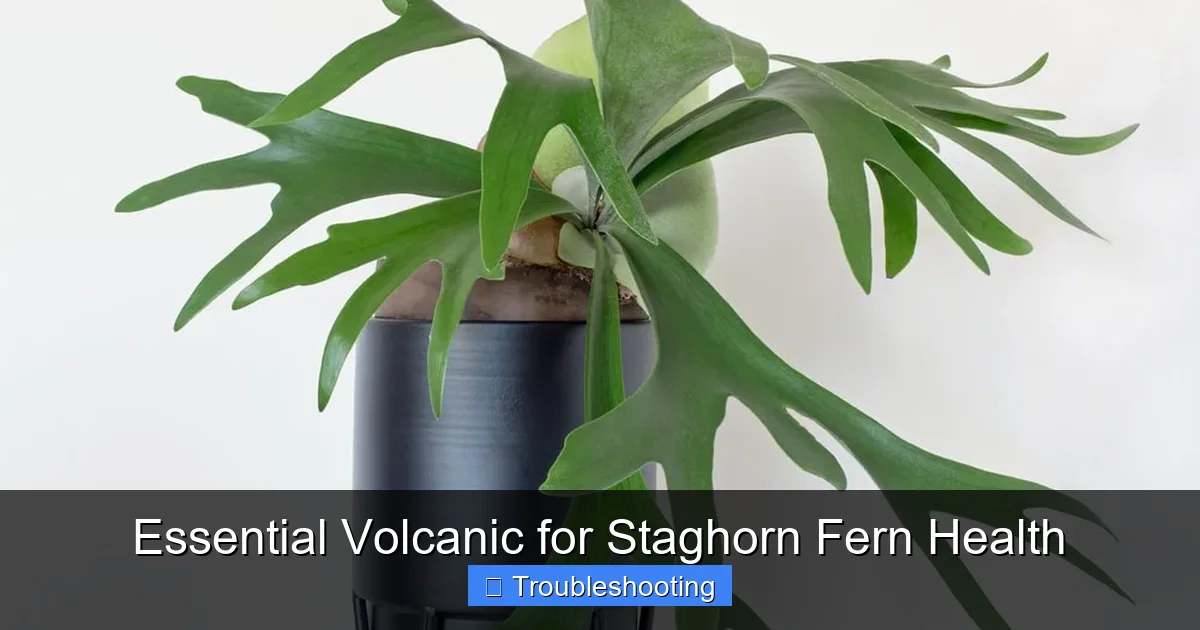
Essential Volcanic for Staghorn Fern Health
Essential volcanic for staghorn fern health relies on porous materials like pumice and lava rock that mimic natural growing conditions. These volcanic amendments provide superior drainage, aeration, and mineral content that staghorn ferns need to thrive as epiphytes in home environments.
If you’ve ever struggled to keep a staghorn fern happy, you’re not alone. These stunning epiphytes have a reputation for being finicky, but the secret to success often comes down to one thing: the growing medium. That’s where essential volcanic for staghorn fern health becomes a game-changer. Volcanic materials like pumice, lava rock, and scoria aren’t just trendy additions to your plant care routine—they’re fundamental to replicating the conditions these ferns evolved to thrive in.
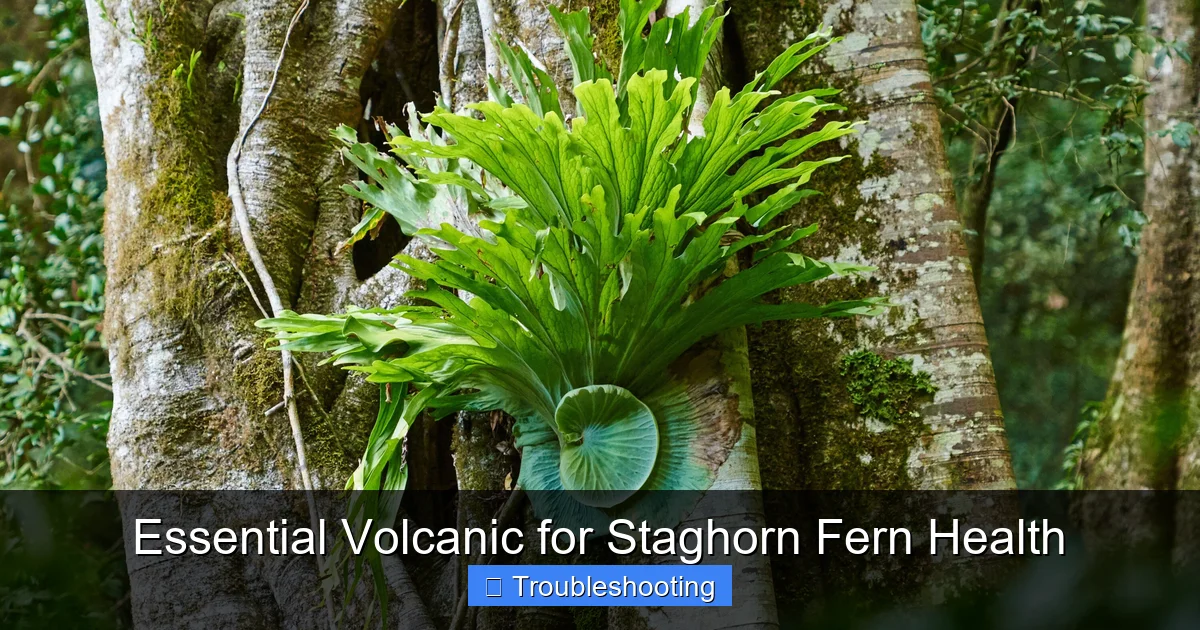
In their native habitats across Australia, Southeast Asia, and Africa, staghorn ferns (Platycerium species) grow attached to tree trunks and rocky outcrops. They don’t sit in soil. Their roots cling to bark and stone, absorbing moisture from humid air and catching falling debris. When we pot them in traditional potting mix, we’re essentially asking a fish to live on land. The roots suffocate, rot sets in, and the plant declines. Volcanic substrates solve this problem by providing the drainage, aeration, and mineral content these unique plants crave.
Key Takeaways
- Volcanic materials mimic nature: Pumice and lava rock replicate the rocky, well-draining surfaces staghorn ferns naturally grow on in the wild.
- Superior drainage prevents rot: The porous structure of volcanic rock allows excess water to drain quickly while retaining essential moisture around roots.
- Mineral-rich composition feeds slowly: Volcanic materials release trace minerals like calcium, magnesium, and iron over time, supporting long-term fern health.
- Excellent aeration promotes root growth: Air pockets in volcanic substrates ensure oxygen reaches the root zone, preventing suffocation and encouraging vigorous growth.
- pH stability supports nutrient uptake: Most volcanic materials maintain a neutral to slightly acidic pH, ideal for staghorn fern nutrient absorption.
- Lightweight yet stable mounting: Volcanic rock provides secure anchoring for mounted ferns without adding excessive weight to walls or plaques.
- Long-lasting and reusable: Unlike organic media that breaks down, volcanic materials maintain their structure for years, reducing repotting frequency.
Quick Answers to Common Questions
What is the best volcanic material for staghorn ferns?
Horticultural pumice (1/4″-3/8″) is ideal for potted and basket culture due to its lightweight, high porosity, and excellent drainage. Lava rock chunks (1/2″-1″) work best for mounted specimens where stability and root attachment matter most.
Can I use 100% pumice for staghorn ferns?
Yes, 100% horticultural pumice works exceptionally well for staghorn ferns in mesh baskets, wooden boxes, or slatted containers. It provides perfect aeration and drainage while retaining sufficient moisture in its pores for healthy root growth.
How often should I water staghorn ferns in volcanic media?
Water when the medium is nearly dry—typically every 5-7 days for mounted ferns and 7-10 days for potted specimens in average home conditions. Always soak thoroughly until the volcanic material is fully saturated, then allow complete drainage.
Do volcanic materials provide nutrients for staghorn ferns?
Volcanic materials slowly release trace minerals like calcium, magnesium, and iron, but they don’t provide complete nutrition. Supplement with dilute fertilizer (1/4 strength) weekly during growth season, or incorporate slow-release pellets at half the label rate.
How do I transition a staghorn fern from soil to volcanic mix?
Slip-pot into a larger container with volcanic medium rather than bare-rooting. Loosen the outer root ball gently, place in the new pot, and fill gaps with pre-moistened pumice blend. Water more frequently initially, then gradually reduce as roots colonize the new medium over 2-3 months.
📑 Table of Contents
- Understanding Staghorn Fern Biology and Growing Needs
- The Science Behind Volcanic Materials for Epiphytes
- Choosing the Right Volcanic Material for Your Setup
- Practical Applications: Mounting, Potting, and Repotting
- Watering and Fertilizing Strategies for Volcanic Substrates
- Troubleshooting Common Issues in Volcanic Culture
- Advanced Techniques: Propagation and Long-Term Management
- Comparing Volcanic Materials to Alternatives
- Environmental and Sustainability Considerations
- Conclusion: Embracing the Volcanic Advantage
Understanding Staghorn Fern Biology and Growing Needs
Epiphytic Nature Demands Special Conditions
Staghorn ferns are true epiphytes. This means they grow on other plants or surfaces without being parasitic. Their roots serve primarily as anchors, with some absorption capability. The real work of water and nutrient uptake happens through their fronds—both the shield fronds that form a protective base and the fertile fronds that produce spores. This biology dictates everything about how we should grow them.
The shield fronds create a natural basin that catches organic matter—fallen leaves, bird droppings, insect debris. As this material decomposes, it releases nutrients slowly. The roots grow into this humus layer, but they’re never waterlogged. Air circulates freely. This is the exact environment essential volcanic for staghorn fern health aims to recreate in cultivation.
Why Traditional Potting Mix Fails
Standard potting soil is designed for terrestrial plants with extensive root systems that mine soil for water and nutrients. It holds moisture well—too well for epiphytes. When staghorn fern roots sit in wet peat or compost, oxygen can’t reach them. Anaerobic conditions develop. Root rot fungi thrive. The plant’s anchor system collapses, and the entire fern follows.
Even “orchid mix” or “epiphyte mix” bags from garden centers often contain too much fine material. They break down quickly into muck. They compact over time. They don’t provide the long-term stability that a slow-growing fern needs. This is why experienced growers turn to volcanic materials—they simply don’t break down.
The Science Behind Volcanic Materials for Epiphytes
Porosity: The Key to Root Health
Volcanic rocks form when lava cools rapidly, trapping gas bubbles inside. This creates a sponge-like internal structure with countless microscopic pores. Pumice can have 70-85% porosity. Lava rock ranges from 50-70%. These pores hold water against gravity through capillary action, but they also hold air. Roots can grow into the pores, accessing both moisture and oxygen simultaneously.
Visual guide about Essential Volcanic for Staghorn Fern Health
Image source: static01.nyt.com
This dual capacity is what makes essential volcanic for staghorn fern health so effective. In a volcanic substrate, the root zone maintains high humidity without becoming waterlogged. The fern’s roots can “breathe” while staying hydrated. This mirrors the conditions on a tree trunk where bark holds moisture in its fissures but dries quickly on the surface.
Mineral Content and Slow-Release Nutrition
Volcanic materials aren’t inert. They’re made of silicate minerals that weather slowly, releasing trace elements plants need. Basaltic lava rock contains calcium, magnesium, iron, potassium, and phosphorus in forms that become available over months and years. Pumice, being more silicic, releases silica which strengthens cell walls and improves stress resistance.
This slow mineralization complements the natural nutrient cycle of staghorn ferns. In nature, they receive nutrients in pulses—when debris falls and decomposes. Volcanic substrates provide a steady background supply that bridges the gaps between fertilizer applications. The result is more consistent growth and better resilience to environmental fluctuations.
pH Buffering and Stability
Most volcanic rocks have a neutral to slightly alkaline pH when fresh, but they buffer toward slightly acidic in cultivation—typically 6.0-6.8. This range is ideal for staghorn ferns, which prefer slightly acidic conditions for optimal nutrient uptake. Unlike peat-based mixes that can become hydrophobic and acidic over time, volcanic materials maintain stable pH for years.
This stability matters because pH swings can lock out nutrients even when they’re present. Iron deficiency (chlorosis) is common in staghorn ferns grown in degrading organic mixes where pH drops too low. Volcanic substrates prevent this problem entirely.
Choosing the Right Volcanic Material for Your Setup
Pumice: The Gold Standard for Potted Staghorns
Pumice is the lightweight champion of volcanic substrates. Its high porosity and low density (often 0.5-0.9 g/cm³) make it perfect for hanging baskets and wall-mounted planters where weight matters. It comes in grades from 1/8″ fines to 3/8″ chunks. For staghorn ferns, a mix of 1/4″ to 3/8″ particles provides the best balance of water retention and aeration.
Visual guide about Essential Volcanic for Staghorn Fern Health
Image source: c8.alamy.com
Horticultural pumice is screened and washed to remove dust. Avoid construction-grade pumice which may contain contaminants. Look for products labeled for bonsai, succulents, or orchids. A 100% pumice medium works beautifully for staghorn ferns in mesh baskets or wooden boxes. Water drains instantly, but the porous stones stay damp for days.
Lava Rock: Stability for Mounted Specimens
Lava rock (scoria) is denser and heavier than pumice, typically 1.0-1.5 g/cm³. Its rough, irregular surface provides exceptional grip for mounting staghorn ferns on plaques, driftwood, or wire frames. The roots attach firmly to the craggy texture. Lava rock also holds more water per volume than pumice due to its larger pore structure.
For wall mounts, use 1/2″ to 1″ lava rock chunks as a base layer behind the shield fronds. Cover with sphagnum moss for aesthetics and additional moisture retention. The lava rock creates an air gap between the mount and the fern, preventing the wood from staying constantly wet and rotting. This application of essential volcanic for staghorn fern health protects both the plant and your mounting hardware.
Volcanic Soil Blends: Best of Both Worlds
Many growers create custom blends combining volcanic materials with small amounts of organic matter. A classic recipe: 60% pumice (1/4″), 20% lava rock fines, 10% coconut husk chips, 10% charcoal. The organic components provide initial nutrient retention and microbial habitat while the volcanic base ensures long-term structure.
For potted staghorn ferns in decorative containers, try: 50% pumice, 25% orchid bark (medium), 15% lava rock fines, 10% worm castings. This mix drains instantly but holds enough moisture for weekly watering in typical home conditions. The worm castings provide gentle, microbial-rich nutrition that mimics the natural debris accumulation in shield fronds.
Practical Applications: Mounting, Potting, and Repotting
Mounting on Plaques with Volcanic Base
Mounting is the most natural way to grow staghorn ferns, and volcanic materials make it more successful. Start with a cedar or cork bark plaque. Create a mound of moistened lava rock chunks (1/2″-1″) in the center, roughly the size of the fern’s root mass. Press the fern’s roots into this mound. Cover with a layer of wet sphagnum moss, tucking it around the base of the shield fronds.
Secure with monofilament line, wire, or plastic mesh. The lava rock mound creates a reservoir that stays moist for 7-10 days indoors. It also lifts the fern slightly off the plaque, allowing air circulation behind the shield fronds. This prevents the “wet wall” syndrome that causes shield frond rot and plaque deterioration. Water by submerging the entire plaque for 10-15 minutes, then draining thoroughly.
Basket Culture with Pumice
Wire or wooden slat baskets lined with coconut fiber or burlap are classic staghorn containers. Fill with 100% horticultural pumice (1/4″-3/8″). Plant the fern so the shield fronds sit slightly above the pumice surface. The basket’s open sides provide 360-degree air exposure—the ultimate aeration.
Water by dunking the entire basket in a tub of water for 5-10 minutes. Let drain completely. In summer, this may be needed twice weekly. In winter, every 10-14 days. The pumice changes color when dry (lighter gray) versus wet (darker), giving you a visual cue. This method showcases essential volcanic for staghorn fern health at its finest—maximum air, perfect moisture, zero compaction.
Transitioning from Organic Mix to Volcanic
If your staghorn is currently in peat-based mix, don’t bare-root it aggressively. The roots are adapted to that environment. Instead, slip-pot into a larger container with volcanic medium. Gently loosen the outer root ball. Place in the new pot. Fill gaps with pre-moistened pumice blend. The roots will gradually explore the new medium.
Water more frequently at first—the volcanic mix will dry faster than the old organic core. After 2-3 months, the root system will have colonized the volcanic material. At the next repot (12-18 months later), you can remove more of the old mix. This gradual transition prevents shock and leverages essential volcanic for staghorn fern health without risking the plant.
Watering and Fertilizing Strategies for Volcanic Substrates
The Soak-and-Dry Method
Volcanic substrates demand a different watering rhythm than soil. The rule: soak thoroughly, drain completely, wait until nearly dry. For mounted ferns, submerge the root zone for 10-20 minutes. For potted specimens, water until it streams from the bottom, then water again after 5 minutes. This ensures the porous stones saturate fully.
Check moisture by weight—lift the pot or plaque. Dry volcanic mix is surprisingly light. You can also insert a wooden skewer deep into the medium. If it comes out clean and dry, water. If damp particles cling, wait. In volcanic media, the surface dries fast while the interior stays moist. Don’t judge by touch alone.
Fertilizing: Less Often, More Dilute
Because volcanic materials don’t hold nutrients like cation exchange sites in organic matter, fertilizer passes through quickly. The solution: fertilize weakly, weekly during active growth. Use 1/4 to 1/8 strength balanced fertilizer (20-20-20 or orchid formula) with every other watering. Flush with plain water monthly to prevent salt buildup in the pores.
Alternatively, incorporate slow-release fertilizer pellets (Osmocote 14-14-14, 3-4 month) into the volcanic mix at planting. Use half the label rate. The pellets sit in the pore spaces, releasing nutrients each time you water. This mimics the slow nutrient release of decomposing debris in nature. Combined with essential volcanic for staghorn fern health, this approach yields steady, strong growth without burn risk.
Seasonal Adjustments
Staghorn ferns slow down in winter (shorter days, lower light, cooler temps). Reduce watering frequency by 30-50%. Stop fertilizing entirely from November through February in temperate zones. The volcanic medium’s excellent drainage prevents the cold-wet combo that kills many ferns in winter. Resume feeding at half strength in March, full strength by May.
In summer, increase humidity around the fern rather than just watering more. Mist the fronds daily. Group plants together. Use a humidifier. The volcanic medium will dry faster in heat, but the fern absorbs significant moisture through its fronds. High humidity reduces transpiration stress and keeps shield fronds supple and functional.
Troubleshooting Common Issues in Volcanic Culture
Shield Frond Browning: Natural vs. Problematic
Shield fronds naturally brown and die as they age—this is normal. They form the “nest” that catches debris. But if new shield fronds brown at the edges or tips, check humidity and watering. In volcanic media, underwatering shows quickly because there’s no moisture reservoir. Increase soak duration or frequency. Ensure the entire root mass gets wet, not just the surface.
If shield fronds turn black and mushy, that’s rot—usually from water sitting against the base in cool conditions. Improve air circulation. Tilt mounts slightly forward so water drains away from the crown. Reduce watering in winter. The volcanic base should never stay soggy at the contact point with living tissue.
Fertile Frond Issues: Tips, Spots, and Deformities
Brown tips on fertile (antler) fronds usually indicate low humidity or salt buildup. Flush the volcanic medium thoroughly with plain water. Increase misting. If using tap water, consider switching to rain, RO, or distilled water—volcanic materials don’t buffer salts like organic mixes do. White crusty deposits on the medium surface signal mineral accumulation; flush heavily.
Black spots with yellow halos suggest fungal infection, often from water sitting on fronds in still air. Water at the base only. Improve airflow with a small fan. Remove severely affected fronds. The excellent drainage of essential volcanic for staghorn fern health actually reduces fungal pressure compared to soggy organic mixes, but good hygiene remains essential.
Slow Growth and Pale Color
If your fern looks stunted and pale despite good care, check root health. Gently remove from the mount or pot. Healthy roots in volcanic media are white to tan, firm, and actively growing into the pores. Brown, mushy, or hollow roots indicate past overwatering or root rot. Trim dead roots. Repot in fresh volcanic mix. Reduce watering frequency.
Pale color can also mean nutrient deficiency—especially nitrogen or iron. In volcanic media, nutrients leach fast. Apply a foliar feed (1/4 strength) directly to the fronds weekly for a month. The fern absorbs nutrients efficiently through frond surfaces. Simultaneously, add slow-release pellets to the medium. This dual approach corrects deficiencies quickly while establishing long-term supply.
Advanced Techniques: Propagation and Long-Term Management
Pup Removal and Establishment in Volcanic Media
Mature staghorn ferns produce pups (offsets) at the base. When a pup has 2-3 fronds and visible roots, it’s ready for separation. Use a clean, sharp knife to cut the connecting tissue. Dust the cut with cinnamon or sulfur powder. Mount the pup directly onto a small lava rock mound with sphagnum moss, or pot in fine pumice (1/8″-1/4″).
Keep newly separated pups in high humidity (70%+) with bright indirect light. Mist daily. Don’t fertilize for 4-6 weeks. The volcanic medium provides perfect conditions for new root development—constant moisture at the root tips with abundant oxygen. Most pups establish in 8-12 weeks. This high success rate is a direct benefit of essential volcanic for staghorn fern health principles.
Spore Propagation on Volcanic Substrate
For the adventurous, staghorn ferns can be grown from spores on volcanic fines. Sterilize fine pumice dust (1/16″ or smaller) by baking at 200°F for 30 minutes. Sprinkle spores on the moist surface in a sealed clear container. Keep at 75-80°F with 12-14 hours of fluorescent light. Prothalli (gametophytes) appear in 4-8 weeks. Mist with dilute fertilizer once they’re visible.
Transplant young sporelings to individual cells of fine pumice when they have 2-3 true fronds. The sterile, well-aerated volcanic medium prevents the damping-off that kills most fern seedlings in organic mixes. It’s a slow process (2-3 years to mature plant), but volcanic substrate makes it surprisingly reliable.
Rejuvenating Overgrown Specimens
After 5-10 years, a mounted staghorn can become a massive, heavy specimen with a thick layer of dead shield fronds and compacted moss. The volcanic base may still be perfect, but the interface needs renewal. In early spring, carefully remove the fern from its mount. Gently peel away dead shield fronds and old moss. Trim any circling or dead roots.
Refresh the lava rock mound—add new chunks, remove fines that have accumulated. Remount with fresh sphagnum. The fern will sulk for a month, then explode with new growth. This “hard reset” every decade keeps specimens vigorous indefinitely. The durability of volcanic materials makes this possible—they don’t need replacement, just cleaning.
Comparing Volcanic Materials to Alternatives
Vs. Sphagnum Moss Alone
Pure sphagnum moss is the traditional mounting medium. It holds water beautifully and is lightweight. But it breaks down in 12-18 months, becoming anaerobic and acidic. It compacts, shedding water instead of absorbing it. It harbors fungus gnats. And it provides zero mineral nutrition. Volcanic materials solve every one of these problems while retaining the benefits.
That said, a thin sphagnum layer OVER volcanic base combines the best of both worlds. The moss provides immediate moisture contact for roots and looks natural. The volcanic base provides structure, drainage, and longevity. This hybrid approach is what most professional growers use for show specimens.
Vs. Orchid Bark and Coconut Husk
Orchid bark (fir or pine) and coconut husk chips are popular epiphyte media. They’re organic, so they break down—bark in 2-3 years, coconut in 3-5. As they decompose, they shrink, compact, and acidify. They also float when watered, disturbing root attachment. Volcanic materials stay put. They don’t decompose. They maintain pore space permanently.
Cost comparison: quality orchid bark costs $15-25 per cubic foot and needs replacement every few years. Horticultural pumice costs $20-30 per cubic foot but lasts essentially forever. Over a 10-year period, volcanic is cheaper. And the plant health benefits of essential volcanic for staghorn fern health compound over that timeframe.
Vs. LECA and Expanded Clay
LECA (Lightweight Expanded Clay Aggregate) is another inorganic option. It’s very porous, lightweight, and reusable. But it’s perfectly round, so it doesn’t lock together—roots can’t grip it well for mounting. It has almost no mineral content. And it can develop a biofilm that becomes hydrophobic. Volcanic rock’s irregular shape and mineral composition give it advantages for long-term epiphyte culture.
Environmental and Sustainability Considerations
Sourcing Responsibly
Volcanic materials are mined, not manufactured. Pumice and lava rock come from quarries, often in volcanic regions of the western US, Greece, Turkey, Iceland, and New Zealand. Look for suppliers who practice responsible land reclamation. Some operations restore quarry sites to native habitat after extraction. Ask your supplier about their practices.
Transportation weight matters for carbon footprint. Pumice’s low density means more volume per shipping weight—advantageous. But local sourcing is always better. Check for regional volcanic products. In the eastern US, expanded shale (a manufactured lightweight aggregate) can substitute for pumice with similar properties, though less mineral content.
Reuse and Recycling
One of the strongest sustainability arguments for volcanic media is reusability. When you repot or remount, the volcanic material can be cleaned and reused indefinitely. Wash in a bucket of water with a splash of hydrogen peroxide or bleach (1:100). Rinse thoroughly. Dry in sun. It’s sterile and ready for the next plant. Zero waste.
Compare to peat moss, which is harvested from carbon-sequestering bogs that take millennia to regenerate. Or coconut coir, which requires processing and long-distance shipping from tropics. Volcanic materials, once extracted, stay in the horticultural cycle forever. This aligns perfectly with the long-lived nature of staghorn ferns themselves—a plant that can outlive its owner deserves a medium that lasts just as long.
Conclusion: Embracing the Volcanic Advantage
After decades of collective grower experience and botanical science, one truth stands clear: staghorn ferns thrive on volcanic materials because volcanic materials replicate their evolutionary home. The porous structure, mineral content, pH stability, and permanence of pumice, lava rock, and scoria create the conditions these remarkable epiphytes need to express their full genetic potential—those dramatic, sculptural fronds that make them living art.
Whether you’re mounting your first pup on a cedar plaque with a lava rock core, transitioning a struggling potted specimen to a pumice blend, or rejuvenating a decade-old giant, the principles of essential volcanic for staghorn fern health remain the same. Provide maximum aeration. Ensure rapid drainage with moisture retention. Supply slow-release minerals. Maintain stable structure. Let the roots breathe.
Start small. Try a single fern in pure pumice in a mesh basket. Watch how it responds. Compare it to your soil-grown specimens. The difference in root vigor, frond quality, and resilience will convince you. Then expand. Experiment with blends. Share divisions with friends in volcanic media. Join the growing community of growers who’ve discovered that the path to spectacular staghorn ferns runs through volcanic rock.
Your ferns are waiting. The volcanic revolution starts with one handful of pumice.
Frequently Asked Questions
Can I use lava rock from a landscaping supply for staghorn ferns?
Landscaping lava rock may contain dust, contaminants, or sharp edges that damage roots. Always use horticultural-grade lava rock that’s been screened and washed. If using landscaping rock, rinse thoroughly and soak for 24 hours with water changes before use.
Why are my staghorn fern’s shield fronds turning black at the base?
Black, mushy shield fronds indicate rot from excess moisture against living tissue. In volcanic culture, this usually means water is pooling at the mount interface. Tilt the mount forward slightly, reduce watering frequency, and ensure air circulation behind the shield fronds.
Is volcanic medium too alkaline for staghorn ferns?
Fresh volcanic rock can be slightly alkaline, but it quickly buffers to pH 6.0-6.8 in cultivation—ideal for staghorn ferns. Unlike peat mixes that acidify over time, volcanic media maintains stable pH for years, preventing nutrient lockout issues.
Can I mix volcanic rock with regular potting soil for staghorn ferns?
Avoid mixing volcanic rock with regular potting soil. The soil will break down, compact, and create anaerobic zones that defeat the purpose of the volcanic material. Use volcanic media alone or blended with other inorganic/long-lasting materials like charcoal, coconut husk chips, or orchid bark.
How do I fertilize staghorn ferns grown in pure pumice?
Use 1/4 to 1/8 strength balanced fertilizer with every other watering during active growth (spring through fall). Flush with plain water monthly. Alternatively, mix slow-release fertilizer pellets (half label rate) into the pumice at planting for steady nutrition.
Do staghorn ferns need to be repotted often in volcanic media?
No—volcanic media doesn’t break down or compact. Repot only when the fern physically outgrows its container (every 3-5 years) or to divide pups. The medium itself can be cleaned and reused indefinitely, making it extremely cost-effective long-term.