Best Succulent Garden Ideas
Create stunning succulent gardens with these creative ideas that work in any space, from tiny apartments to sprawling yards. Learn design principles, container choices, and care secrets for thriving, low-maintenance displays that add beauty year-round.
Key Takeaways
- Succulents thrive in well-draining soil: Use cactus mix or add perlite to prevent root rot and ensure healthy growth.
- Light requirements vary by species: Most need 6 hours of bright light, but some tolerate shade better than others.
- Container choice matters: Pick pots with drainage holes and consider weight for larger arrangements.
- Group plants by water needs: Combine succulents with similar care requirements for easier maintenance.
- Vertical gardens save space: Wall-mounted frames and pallet gardens create impact in small areas.
- Seasonal adjustments prevent problems: Reduce watering in winter and protect from frost in cold climates.
- Propagation expands your collection free: Leaf and stem cuttings let you multiply plants for new designs.
Quick Answers to Common Questions
How often should I water my succulent garden?
Water thoroughly only when soil is completely dry, typically every 1-3 weeks depending on climate, season, and container size. Always check soil moisture before watering.
Can succulents survive winter outdoors?
Many cold-hardy varieties like sempervivums, sedums, and some agaves survive freezing temperatures if soil stays dry. Tender varieties need protection or indoor overwintering.
Why are my succulents stretching and losing color?
This is etiolation caused by insufficient light. Move plants to brighter location or add grow lights. Stretched growth won’t revert but new growth will be compact.
What’s the best soil mix for succulents?
Use 1 part potting soil, 1 part coarse sand, 1 part perlite or pumice. Adjust for your climate: more grit for humidity, more organic matter for arid regions.
How do I propagate succulents from leaves?
Twist healthy leaves cleanly from stem, let callus 3-5 days, place on moist soil, mist occasionally. Roots and baby plants form in weeks. Don’t remove mother leaf until withered.
📑 Table of Contents
- Why Succulent Gardens Are Perfect for Every Gardener
- Design Principles for Stunning Succulent Gardens
- Container Garden Ideas for Every Style
- Vertical Garden Solutions
- Indoor Succulent Garden Ideas
- Outdoor Landscape Designs
- Seasonal Care and Troubleshooting
- Propagation Techniques to Expand Your Garden
- Creative Theme Gardens
- Budget-Friendly Succulent Gardening
- Conclusion: Your Succulent Journey Starts Now
Why Succulent Gardens Are Perfect for Every Gardener
Succulent gardens have taken the gardening world by storm, and it’s easy to see why. These remarkable plants store water in their thick leaves and stems, making them incredibly forgiving for busy people or those new to gardening. The best succulent garden ideas combine beauty with practicality, creating living art that asks for very little in return.
Whether you have a sprawling backyard or a sunny windowsill, there’s a succulent garden design that fits your space. These plants come in an astonishing array of shapes, colors, and sizes. From rosette-forming echeverias to trailing string of pearls, from architectural agaves to tiny living stones, the variety seems endless. This diversity means you can create completely different looks using the same basic plant family.
In this guide, we’ll explore creative design concepts, practical planting techniques, and troubleshooting tips to help your succulent garden thrive. You’ll discover ideas for containers, vertical displays, indoor arrangements, and outdoor landscapes. Let’s dive into the wonderful world of succulents and find the perfect project for your space.
Design Principles for Stunning Succulent Gardens
Color Theory in Succulent Arrangements
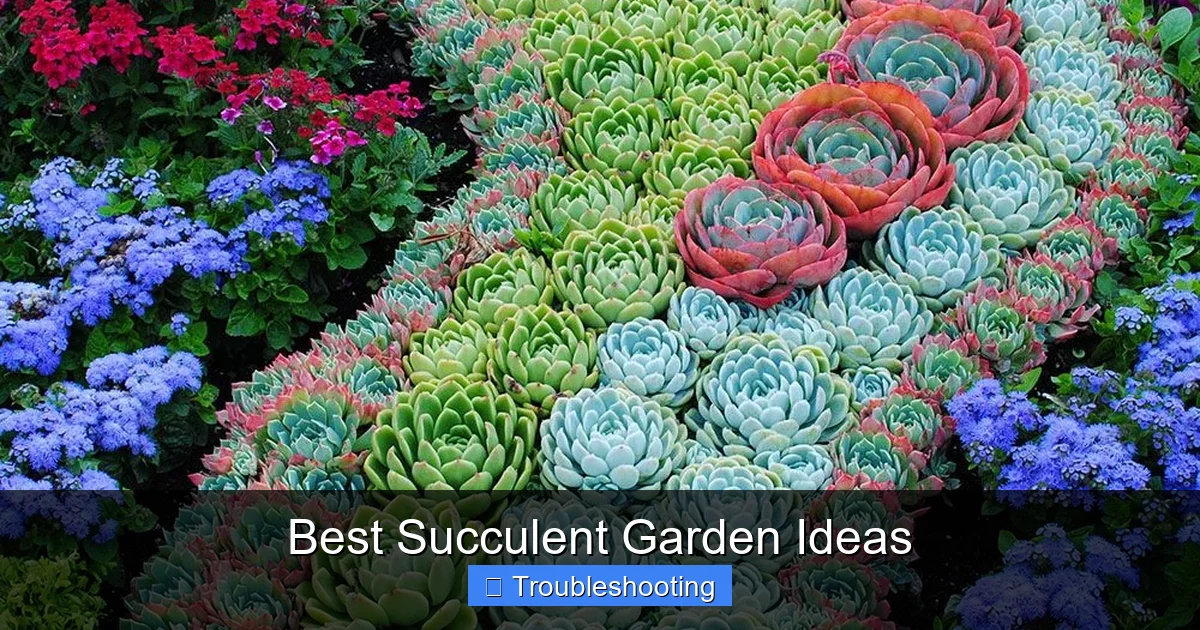
Color plays a huge role in the best succulent garden ideas. These plants offer an incredible palette ranging from deep purples and blues to bright greens, yellows, oranges, and reds. Some varieties even change color with the seasons or stress levels. Understanding basic color theory helps you create arrangements that pop.
Visual guide about Best Succulent Garden Ideas
Image source: bhg.com
Monochromatic schemes use different shades of the same color family. A collection of blue-green succulents like echeveria ‘Blue Prince,’ senecio mandraliscae, and sedum ‘Blue Spruce’ creates a cool, calming display. Analogous color schemes combine colors next to each other on the color wheel, like greens with yellow-greens and blues. This creates harmony with subtle contrast.
Complementary color schemes pair opposites on the color wheel for maximum impact. Think purple echeverias with yellow sedums, or blue agaves with orange aloe varieties. These high-contrast combinations draw the eye immediately. Triadic schemes use three evenly spaced colors for vibrant, balanced displays.
Texture and Form Combinations
Texture adds depth and interest to succulent gardens. Mix rosette shapes with spiky forms, trailing varieties with upright growers, and smooth leaves with fuzzy or powdery ones. This variety keeps the eye moving through the arrangement.
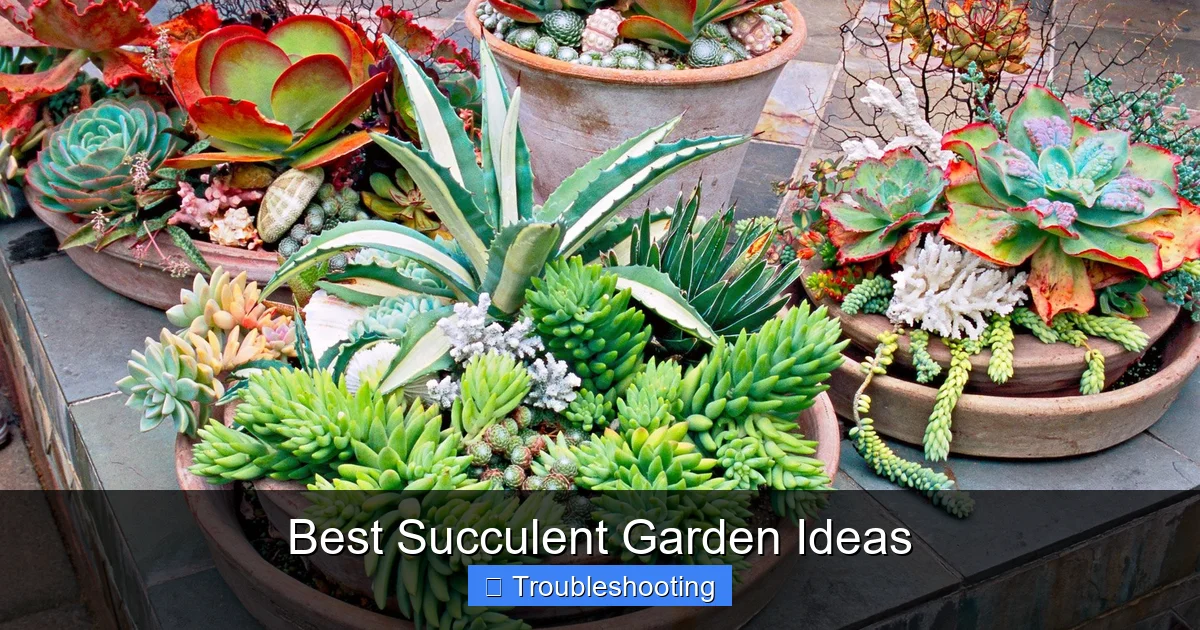
Consider the architectural quality of larger specimens. Agaves, yuccas, and large aloes serve as focal points or “thrillers” in container design. Medium-sized rosettes like aeoniums, graptopetalums, and pachyphytums work as “fillers.” Trailing plants such as string of pearls, burro’s tail, and string of bananas act as “spillers” that soften edges and add movement.
Scale and Proportion Guidelines
Match plant size to container size. A tiny pot looks lost with a single large agave, while a massive container swallows a few miniature sedums. As a general rule, the tallest plant should be about one and a half times the height of the container. Leave enough space between plants for growth, but plant densely enough to create a full look quickly.
In landscape settings, consider mature sizes. That cute four-inch agave parryi becomes a three-foot specimen in a few years. Space plants according to their eventual spread, not their current size. Use temporary annuals or fast-growing succulents to fill gaps while slower specimens mature.
Container Garden Ideas for Every Style
Classic Terra Cotta and Ceramic Pots
Traditional clay pots remain popular for good reason. Their porous nature allows soil to dry evenly, reducing rot risk. The warm orange tones complement most succulent colors beautifully. Choose pots with drainage holes, or drill your own. Elevate pots on feet or pot risers to improve airflow underneath.
Glazed ceramic pots offer more color options but retain moisture longer. Use these for succulents that appreciate slightly more water, or add extra perlite to your soil mix. Group three to five pots of varying heights for a collected look. Odd numbers create more natural arrangements than even numbers.
Repurposed and Unusual Containers
Some of the best succulent garden ideas come from thinking outside the pot. Vintage toolboxes, wooden crates, metal watering cans, and old boots all make charming planters. Just ensure drainage by drilling holes or adding a thick layer of gravel at the bottom. Line wooden containers with landscape fabric to prevent soil loss while allowing drainage.
Concrete blocks, hypertufa troughs, and stone sinks provide modern, architectural containers. Their weight makes them stable for top-heavy plants. Seashells, hollow logs, and pieces of driftwood create naturalistic displays perfect for beach-themed gardens. Even picture frames backed with wire mesh become living walls for shallow-rooted varieties.
Dish Gardens and Shallow Bowls
Low, wide containers showcase the carpet-like growth habit of many succulents. These “living mosaics” work especially well for sempervivums, sedums, and small echeverias. Use a fast-draining mix with extra grit. Top dress with decorative gravel, crushed glass, or small rocks to keep leaves off damp soil and add finished look.
Create miniature landscapes in shallow dishes. Add tiny figurines, small rocks as “boulders,” and sand paths for fairy garden effects. These make wonderful projects with children and thoughtful gifts. Keep dish gardens where you can appreciate their details, like coffee tables or kitchen counters with good light.
Hanging Baskets and Wall Pockets
Trailing succulents shine in hanging displays. String of pearls, string of bananas, string of hearts, and burro’s tail cascade beautifully. Use lightweight potting mix to reduce weight. Coco fiber liners or sphagnum moss in wire baskets provide excellent drainage and aeration.
Wall pockets made from fabric, felt, or recycled materials turn vertical space into growing space. These work well indoors or out. Plant the top pockets with upright growers and lower ones with trailers for a lush, full look. Install a drip irrigation system or water carefully with a long-spout can to avoid mess.
Vertical Garden Solutions
Living Picture Frames
One of the most popular best succulent garden ideas transforms plants into wall art. Build or buy a shadow box frame, add wire mesh backing, fill with sphagnum moss and soil, then plant through the mesh. Rooted cuttings work best since they establish quickly. Keep the frame horizontal for several weeks until roots anchor, then hang vertically.
Choose a mix of colors and textures for visual interest. Sempervivums, small echeverias, and sedum varieties work well. These living pictures need bright light and occasional misting. Lay flat to water thoroughly, let drain, then rehang. They make stunning focal points on patio walls or indoor feature walls.
Pallet Gardens and Wooden Frames
Wooden pallets offer inexpensive vertical gardening. Stand a pallet upright, staple landscape fabric to the back and bottom, fill with soil, and plant in the slats. Lean against a wall or secure firmly. The rustic look suits cottage and farmhouse styles. Paint or stain the wood to match your decor.
Custom-built wooden frames with individual planting cells provide a more polished look. These can be any size, from small kitchen herb garden scale to entire fence sections. Add a drip irrigation line along the top for easy watering. Ensure the mounting hardware supports the wet weight, which can be substantial.
Metal Grid and Wire Systems
Wire mesh panels, cattle panels, or metal grid systems create modern, industrial vertical gardens. Attach small pots with zip ties or S-hooks, or plant directly into pockets of landscape fabric stapled to the grid. The open structure provides excellent air circulation, reducing fungal issues.
These systems work beautifully for succulent wreaths too. Sphagnum moss wreath forms planted with cuttings create living decorations for doors, gates, or wall hooks. Keep wreaths flat until rooted, then hang. Soak the entire wreath to water, let drain, and rehang. They last for years with minimal care.
Tiered Stands and Shelving Units
Not strictly vertical, but tiered displays maximize growing space in a small footprint. Metal plant stands, wooden ladder shelves, or repurposed bookshelves hold multiple containers at different heights. This creates visual layers and makes watering easier than true vertical systems.
Arrange plants by light needs on tiered stands. Place sun-lovers on top shelves, shade-tolerant varieties below. Rotate containers periodically for even growth. Tiered displays work well in corners, against fences, or on balconies where floor space is limited but vertical space is available.
Indoor Succulent Garden Ideas
Windowsill Collections
Sunny windowsills provide prime real estate for indoor succulents. South-facing windows offer the most light, but east and west windows work for many varieties. Group small pots on a tray with pebbles for humidity and easy movement. Rotate plants weekly to prevent leaning toward the light.
Create themed collections on your windowsill. A “blue collection” of blue-green varieties, a “miniature garden” of tiny succulents in tiny pots, or a “flowering succulents” display with kalanchoes, crown of thorns, and holiday cacti. Label plants with decorative markers to track names and care needs.
Terrariums and Glass Containers
Open terrariums showcase succulents beautifully while containing soil mess. Choose wide-mouth containers for airflow. Closed terrariums trap too much humidity for most succulents. Layer gravel, charcoal, and succulent soil. Plant with long tweezers or chopsticks. Add decorative elements like crystals, driftwood, or preserved moss.
Geometric glass terrariums add modern style. Hanging glass orbs create floating gardens. Large apothecary jars make statement pieces. Remember that glass amplifies sunlight, so avoid direct sun which can cook plants. Bright indirect light works best for glass-enclosed succulents.
Grow Light Setups for Low-Light Spaces
Don’t let limited natural light stop you. LED grow lights make indoor succulent gardening possible anywhere. Full-spectrum lights in the 5000-6500K range mimic natural sunlight. Position lights 6-12 inches above plants for 12-14 hours daily. Use timers for consistency.
Shelving units with integrated lights create efficient growing stations. Wire shelving allows light penetration to lower levels. This setup works in basements, interior rooms, or apartments with north-facing windows. Many of the best succulent garden ideas for indoors rely on supplemental lighting for success.
Office and Desk Gardens
Small succulent gardens brighten workspaces and improve air quality. Individual plants in cute pots, miniature dish gardens, or magnetic planters on filing cabinets add life to sterile environments. Choose varieties tolerant of lower light and irregular watering, like haworthias, gasterias, and snake plants.
Self-watering planters with reservoirs help during vacations or busy periods. Desktop grow lights clip onto monitors or shelves. Create a “succulent swap” with coworkers to share cuttings and expand collections. These micro-gardens provide stress relief and conversation starters.
Outdoor Landscape Designs
Rock Gardens and Alpine Displays
Rock gardens mimic the natural habitat of many succulents. Arrange large rocks and boulders to create crevices and pockets. Fill with gritty, fast-draining soil. Plant sempervivums, sedums, jovibarbas, and other cold-hardy succulents in the nooks. The rocks provide thermal mass, moderating temperature extremes.
Alpine troughs and hypertufa containers elevate rock garden plants for better viewing. These shallow stone-like containers drain perfectly and look natural. Group several troughs at different heights. Add miniature conifers or dwarf grasses for year-round structure. Rock gardens thrive on neglect once established.
Mediterranean and Xeriscape Designs
In dry climates, succulents form the backbone of water-wise landscapes. Combine large architectural specimens like agaves, yuccas, and dasylirions with mounding shrubs like lavender, rosemary, and salvias. Add groundcover sedums and delospermas between stepping stones. Use gravel mulch instead of organic mulch to prevent crown rot.
Create dry stream beds with river rock and plant succulents along the “banks.” This manages runoff while looking natural. Group plants in drifts of odd numbers for natural appearance. Incorporate boulders, driftwood, and ceramic pottery as focal points. These gardens shine in climates with wet winters and dry summers.
Slope and Hillside Plantings
Succulents excel on slopes where their shallow roots stabilize soil and their drought tolerance handles rapid drainage. Terrace steep slopes with stone or timber retaining walls. Plant trailing varieties at wall edges to cascade down. Use jute netting or erosion control blankets during establishment.
Mix deep-rooted and shallow-rooted species for maximum soil binding. Ice plants (delosperma) create colorful carpets. Larger agaves and aloes provide structural anchors. Avoid planting in straight rows. Stagger plants in a naturalistic pattern. These plantings reduce maintenance on difficult terrain.
Poolside and Patio Accents
Container succulents soften hardscapes around pools and patios. Large glazed pots with dramatic specimens like agave americana ‘Variegata’ or aloe ‘Hercules’ make bold statements. Group smaller pots on pedestal stands. Choose spineless varieties near high-traffic areas to prevent injuries.
Built-in planters in retaining walls or raised beds integrate succulents into the architecture. Ensure excellent drainage in built-in planters. Use them to define outdoor rooms or screen views. Succulents tolerate reflected heat from concrete and stone better than most plants, making them ideal for these locations.
Seasonal Care and Troubleshooting
Spring Awakening and Growth
Spring brings active growth for most succulents. Gradually increase watering as temperatures rise. Begin fertilizing with diluted succulent fertilizer or balanced fertilizer at quarter strength. Repot root-bound plants. Remove dead leaves and debris. Check for pests emerging with new growth.
This is prime propagation time. Take leaf and stem cuttings. Divide offsets from mother plants. Start new arrangements for summer display. Acclimate indoor plants to outdoor conditions slowly over 7-10 days to prevent sunburn. The best succulent garden ideas often start with spring propagation projects.
Summer Heat Management
Intense summer sun can damage even sun-loving succulents. Provide afternoon shade in hottest climates. Increase watering frequency but maintain the soak-and-dry method. Water early morning so leaves dry before intense sun. Mulch containers with light-colored gravel to reflect heat and retain moisture.
Watch for signs of heat stress: leaf drop, shriveling despite wet soil, or bleached patches. Move containers to shadier spots during heat waves. Cluster pots to create mutual shade and humidity. Avoid fertilizing during extreme heat. Ensure good air circulation to prevent fungal issues in humid summers.
Fall Transition Preparation
As days shorten, reduce watering frequency. Stop fertilizing by early fall. Bring tender succulents indoors before night temperatures drop below 50°F (10°C). Inspect thoroughly for pests before moving inside. Quarantine new indoor plants for two weeks. Clean pots and remove debris.
For outdoor hardy succulents, ensure excellent drainage for winter wet. Remove fallen leaves that trap moisture. Apply gravel mulch if not already present. Mark dormant plants so you don’t accidentally disturb them. Plan next year’s designs and order new varieties.
Winter Care Strategies
Most succulents enter dormancy in winter. Water sparingly, only when leaves show slight wrinkling. Provide maximum light. South windows or grow lights prevent etiolation (stretching). Keep temperatures cool, 50-60°F (10-15°C) ideal for many species. Avoid cold drafts and heating vents.
Cold-hardy outdoor succulents need protection from winter wet more than cold. Ensure crowns sit above soil level. Use cold frames or clear covers in very wet climates. Brush snow off gently. Don’t water frozen plants. Winter is planning time. Sketch new designs, research varieties, prepare containers.
Common Problems and Solutions
Overwatering causes the most succulent deaths. Symptoms: mushy, translucent leaves; black stems; leaf drop. Solution: remove from wet soil, trim rot, let callus, repot in dry mix. Underwatering shows as wrinkled, limp leaves. Solution: water thoroughly, increase frequency slightly.
Etiolation (stretching) indicates insufficient light. Plants grow tall and pale with wide leaf spacing. Solution: increase light gradually, behead and reroot stretched stems. Sunburn appears as white or brown patches. Solution: provide shade cloth, move to filtered light. Pests include mealybugs, aphids, spider mites. Solution: isolate, treat with alcohol swabs or insecticidal soap.
Propagation Techniques to Expand Your Garden
Leaf Propagation Step by Step
Leaf propagation works for many rosette-forming succulents. Gently twist healthy leaves from the stem, ensuring the base comes cleanly. Let leaves callus on a dry tray for 3-5 days. Place on moist succulent soil. Mist lightly every few days. Roots and tiny plants appear in 2-8 weeks depending on species.
Don’t remove the mother leaf until it withers naturally. It feeds the baby plant. Once the baby has several leaves and roots, transplant to its own pot. This method produces many plants from one specimen. It’s how many collectors build impressive collections affordably.
Stem Cutting Methods
Stem cuttings work for branching succulents and those with distinct stems. Cut stems with clean, sharp scissors. Remove lower leaves to expose 1-2 inches of stem. Let callus 3-7 days. Plant in dry succulent soil. Wait a week before watering. Roots develop in 2-4 weeks.
Beheading stretched plants rejuvenates them. Cut the rosette with an inch of stem. The remaining stem often produces multiple new rosettes. This creates a fuller plant. The cut top roots to become a new plant. Win-win. Many of the best succulent garden ideas start with rescued, beheaded plants.
Division and Offset Removal
Many succulents produce offsets (pups) around the base. Sempervivums, aloes, haworthias, and agaves all offset readily. Wait until offsets have their own roots, then separate with a clean knife. Let cut surfaces callus, then plant individually. This is the fastest propagation method.
Clumping sedums and groundcovers divide easily. Dig up a clump, pull apart into sections with roots, and replant. Do this in spring or fall. Water lightly after dividing. Divisions establish quickly since they already have root systems. Share extras with friends or fill new garden areas.
Seed Growing for Patience and Variety
Growing succulents from seed requires patience but offers access to rare species. Use sterile seed-starting mix. Sprinkle tiny seeds on surface, don’t cover. Maintain high humidity with plastic cover. Provide bright indirect light and 70-75°F (21-24°C). Germination takes days to months.
Keep seedlings moist but not soggy. Gradually reduce humidity after germination. Transplant when large enough to handle. Seed-grown plants show natural variation. You might discover unique forms. This method preserves genetic diversity and creates one-of-a-kind specimens for your garden.
Creative Theme Gardens
Fairy and Miniature Gardens
Tiny succulents create magical miniature landscapes. Use shallow containers with drainage. Choose naturally small varieties: sedum ‘Little Missy,’ crassula ‘Tom Thumb,’ echeveria minima, and sempervivum arachnoideum. Add miniature furniture, tiny houses, pebble paths, and small figurines.
Create scale with forced perspective. Larger plants in front, smaller behind. Use fine gravel for “lawns.” Blue glass gems become “ponds.” Twigs become “trees.” These gardens delight children and adults alike. They make enchanting gifts. Keep them where you can peek into their tiny world regularly.
Color-Themed Collections
Monochromatic gardens make sophisticated statements. All-blue gardens use senecio mandraliscae, echeveria ‘Blue Bird,’ agave parryi, and sedum ‘Blue Spruce.’ All-purple gardens feature echeveria ‘Black Prince,’ aeonium ‘Zwartkop,’ graptoveria ‘Debbie,’ and sedeveria ‘Jet Beads.’
Rainbow gardens arrange plants in color wheel order. Red to orange to yellow to green to blue to purple. Circular containers work well for this. Gradient gardens transition smoothly from one color to the next. These themed collections teach color theory while creating stunning displays.
Geometric and Modern Designs
Modern succulent gardens emphasize clean lines and architectural forms. Use concrete, metal, or geometric ceramic containers. Plant single specimens or repeating patterns. Agaves, aloes, and euphorbias provide strong silhouettes. Negative space becomes a design element.
Grid plantings in square containers create living pixels. Alternate two varieties in checkerboard patterns. Concentric circles of different plants form mandalas. These designs photograph beautifully and suit contemporary architecture. They’re also easier to maintain with clear plant boundaries.
Edible and Medicinal Succulent Gardens
Many succulents offer practical benefits beyond beauty. Aloe vera provides healing gel for burns and skin care. Prickly pear cactus (opuntia) produces edible pads (nopales) and fruits (tunas). Purslane (portulaca oleracea) is a nutritious salad green. Dragon fruit (hylocereus) yields exotic fruit on a vining cactus.
Ice plant (delosperma) leaves are edible. Sedum leaves add peppery flavor to salads. Agave sap becomes sweetener (though harvesting kills the plant). Research thoroughly before consuming any plant. Grow edible varieties in dedicated containers with organic practices. Label clearly to avoid confusion with toxic varieties.
Budget-Friendly Succulent Gardening
Starting from Cuttings and Leaves
The most economical way to build a succulent garden is propagation. Ask friends for cuttings. Join local plant swap groups. Attend succulent society meetings. Many nurseries sell “propagation boxes” of unrooted cuttings cheaply. One mature plant yields dozens of new starts.
Rescue clearance rack plants. Big box stores often discount struggling succulents. With knowledge, you can rehabilitate them. Look for firm stems and healthy centers. Avoid mushy or heavily infested plants. A $2 rescue can become a specimen plant in a season.
DIY Soil and Container Solutions
Commercial succulent soil costs add up. Make your own: 1 part potting soil, 1 part coarse sand, 1 part perlite or pumice. Adjust ratios for your climate. More grit for humid areas, more organic matter for arid regions. Buy ingredients in bulk. Store dry mix in sealed containers.
Repurpose containers creatively. Tin cans, plastic food containers, yogurt cups, and takeout containers all work with drainage holes added. Paint or wrap them for aesthetics. Wooden wine boxes, drawers, and crates make rustic planters. Free containers let you experiment with the best succulent garden ideas without investment risk.
Community Resources and Plant Swaps
Connect with local gardeners through Facebook groups, Nextdoor, or garden clubs. Plant swaps let you trade extras for new varieties. Botanical gardens often have plant sales with unusual specimens. Master gardener programs offer propagation workshops. Community gardens may have succulent sections.
Online communities ship cuttings affordably. Etsy, eBay, and specialty forums connect buyers with growers. Buy in spring for best selection and shipping conditions. Join succulent subscription boxes for curated variety. Share your own extras. The succulent community is remarkably generous.
Conclusion: Your Succulent Journey Starts Now
We’ve explored a vast landscape of succulent garden ideas, from tiny windowsill collections to sprawling xeriscapes. The beauty of these plants lies in their adaptability. There’s truly a succulent garden for every space, every budget, and every skill level. The best succulent garden ideas are the ones that bring you joy and fit your lifestyle.
Start small if you’re new. A single pot, a few cuttings, a sunny spot. Learn your plants’ rhythms. Celebrate successes. Learn from failures. Every experienced succulent gardener has composted their share of plants. The community is welcoming and knowledge-sharing. You’re joining a global tribe of plant lovers.
Remember the core principles: well-draining soil, appropriate light, thorough but infrequent watering, and good air circulation. Master these, and the creative possibilities are endless. Mix colors, textures, and forms. Experiment with containers. Build vertical gardens. Create themes. Propagate freely. Share abundantly.
Your succulent garden will evolve with you. It will change with seasons, grow with your knowledge, and reflect your personal style. There’s no “finished” succulent garden, only a continually developing relationship with these remarkable plants. So grab some soil, pick a pot, and begin. The perfect succulent garden is waiting for you to create it.
Frequently Asked Questions
What are the easiest succulents for beginners?
Jade plants, aloe vera, snake plants, zebra haworthias, and burro’s tail are forgiving choices. They tolerate irregular watering, lower light, and temperature fluctuations better than more sensitive varieties.
Can I plant succulents in containers without drainage holes?
It’s possible but risky. Add a thick layer of gravel at bottom, use very gritty soil, water extremely sparingly, and monitor closely. Drilling holes is much safer for plant health.
How much sunlight do succulents really need?
Most need 6+ hours of bright light daily. Morning sun with afternoon shade works well in hot climates. Some varieties like haworthias and gasterias tolerate bright indirect light. Watch for stretching or sunburn.
Why are my succulent leaves turning mushy and falling off?
This indicates overwatering and likely root rot. Remove plant from wet soil, trim all black/mushy parts, let callus several days, then repot in dry, fresh succulent mix. Water sparingly after.
When should I fertilize my succulent garden?
Fertilize lightly during active growth (spring/summer) with diluted balanced fertilizer or cactus fertilizer at quarter strength. Stop by early fall. Don’t fertilize dormant, stressed, or newly repotted plants.
Can I grow succulents indoors without direct sunlight?
Yes, with LED grow lights. Use full-spectrum 5000-6500K lights 6-12 inches above plants for 12-14 hours daily. Haworthias, gasterias, snake plants, and ZZ plants tolerate lower natural light better than most.