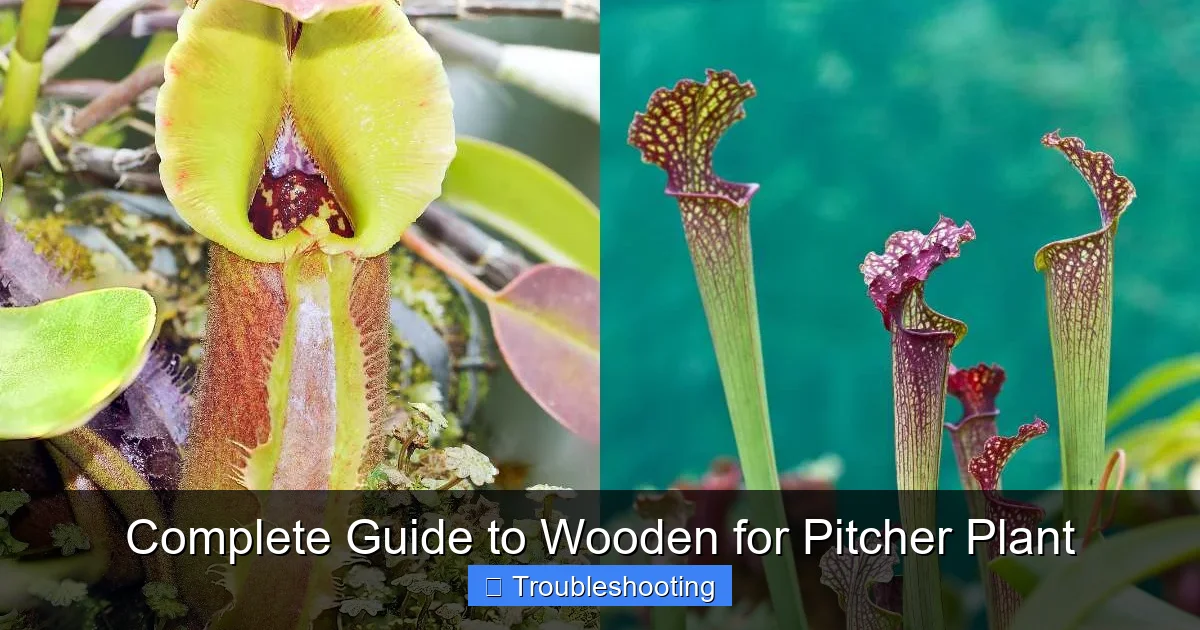
Complete Guide to Wooden for Pitcher Plant
Using wooden materials for pitcher plants can create stunning natural displays while mimicking their native habitat. This guide covers everything from selecting safe wood types to proper mounting techniques and solving common problems like rot and mineral buildup.
If you grow pitcher plants, you know they love humidity. You know they need pure water. You know they hate fertilizer. But have you thought about what they grow on? Many growers use plastic pots. Some use ceramic. But wooden materials for pitcher plant setups offer something special. They look natural. They breathe. They mimic the tree trunks and branches where these plants grow in the wild.
This guide walks you through everything about using wood for your pitcher plants. We cover safe wood types. We cover preparation methods. We cover mounting techniques. We cover troubleshooting when things go wrong. Whether you grow Nepenthes hanging from cork bark or Sarracenia in a cedar planter, you will find answers here.
Key Takeaways
- Choose rot-resistant woods: Cedar, cypress, and cork bark last longest in humid conditions
- Avoid treated lumber: Chemicals in pressure-treated wood can kill sensitive pitcher plants
- Prep wood properly: Soak, boil, or age new wood to remove tannins and prevent mold
- Monitor moisture levels: Wood holds water differently than plastic or ceramic pots
- Watch for breakdown: Replace wooden mounts every 2-3 years as they decompose
- Use sphagnum moss as buffer: It protects roots from direct wood contact and holds moisture
- Ensure drainage: Drill holes in wooden containers to prevent waterlogging
Quick Answers to Common Questions
What is the best wood for mounting Nepenthes?
Cork bark is the best wood for mounting Nepenthes. It is lightweight, naturally water-resistant, has a rough texture for root attachment, and lasts 4-5 years in humid conditions.
Can I use pine or cedar fence pickets for pitcher plant planters?
Cedar fence pickets work well for planters because cedar naturally resists rot. Pine pickets rot quickly and contain resins that can harm sensitive roots, so avoid pine.
How do I stop wood from leaching tannins into my pitcher plant water?
Soak new wood in reverse osmosis or distilled water with daily changes until the water runs clear. Boiling accelerates this process for woods that tolerate heat. Aging wood outdoors for 6-12 months works best.
Why is my wooden mount growing white fuzzy mold?
White fuzzy mold indicates high humidity with poor air circulation. Increase airflow with a fan, reduce misting slightly, brush off loose mold, and sprinkle cinnamon as a natural antifungal.
How often should I replace cork bark mounts?
Cork bark mounts typically last 4-5 years. Replace them when they become soft, crumbly, or show signs of significant breakdown. Spring is the best time to remount plants.
📑 Table of Contents
- Why Choose Wooden Materials for Pitcher Plants
- Selecting Safe Wood Types
- Preparing Wood for Pitcher Plant Use
- Mounting and Planting Techniques
- Maintaining Wooden Setups
- Troubleshooting Common Wooden Setup Problems
- Advanced Wooden Display Ideas
- Seasonal Care for Wooden Setups
- Cost Considerations and Sourcing
- Environmental Impact and Sustainability
- Conclusion
Why Choose Wooden Materials for Pitcher Plants
Wooden materials for pitcher plant cultivation offer several advantages. First, wood is porous. It allows air exchange around the root zone. This prevents the stagnant, anaerobic conditions that cause root rot. Second, wood holds moisture without staying soggy. It acts like a buffer. It absorbs excess water and releases it slowly. Third, wood looks beautiful. A Nepenthes vine cascading from a cork bark slab looks like a piece of the rainforest in your home.
In nature, many pitcher plants are epiphytes. They grow on trees. Their roots cling to bark. They absorb moisture from humid air and decaying organic matter. Wooden mounts replicate this environment. Even terrestrial species like Sarracenia often grow along woody debris in bogs. Wood feels familiar to them.
But wood also presents challenges. It breaks down. It can harbor fungus. It may leach tannins. It requires maintenance. Understanding these trade-offs helps you succeed.
Selecting Safe Wood Types
Best Woods for Long-Term Use
Not all wood works for pitcher plants. You need wood that resists rot. You need wood free of harmful chemicals. You need wood that won’t alter water chemistry drastically.
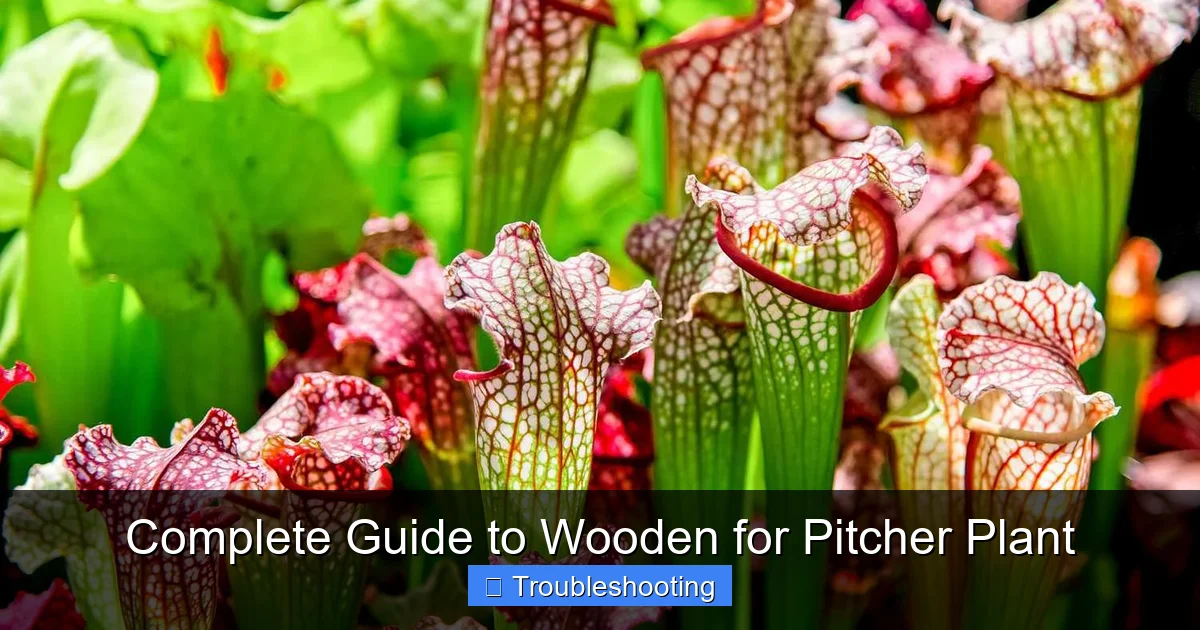
Visual guide about Complete Guide to Wooden for Pitcher Plant
Image source: marthastewart.com
Cedar ranks at the top. Western red cedar contains natural oils that resist decay. It lasts years in humid conditions. It smells pleasant. It is lightweight. It works well for planters, mounting plaques, and greenhouse benches.
Cypress is another excellent choice. Bald cypress and pond cypress grow in swamps. Their wood naturally resists water damage. It is dense. It holds up for many seasons. It has a beautiful grain.
Cork bark deserves special mention. It comes from the cork oak tree. Harvesting does not harm the tree. Cork bark is incredibly lightweight. It is naturally water-resistant. It has a rough texture that roots love to grip. It is the gold standard for mounting epiphytic Nepenthes.
Teak works but costs more. Its high oil content makes it nearly impervious to rot. It is heavy. It sinks in water. Use it for permanent installations where weight is not an issue.
Acceptable Woods with Preparation
Some woods work if you prepare them correctly. Driftwood from freshwater sources can be stunning. It must be thoroughly cleaned and soaked. Ocean driftwood contains salt. Salt kills pitcher plants. Never use beach driftwood unless you leach it for months.
Grapevine wood looks twisted and artistic. It is widely available at reptile supply stores. It breaks down faster than cedar or cork. Expect to replace it every year or two.
Manzanita is dense and beautiful. It sinks. It lasts longer than grapevine. It can be expensive. It works well for heavy Nepenthes specimens.
Spider wood (azalea root) has intricate branches. It is popular in aquascaping. It leaches tannins heavily at first. Long soaking is essential.
Woods to Avoid Completely
Pressure-treated lumber contains copper compounds. These are toxic to carnivorous plants. Never use it. Railroad ties contain creosote. Creosote is carcinogenic and toxic. Avoid them.
Pine and fir are softwoods. They rot quickly. They are full of resin. Resin can coat roots. They may be kiln-dried for construction, but they still break down fast in constant moisture.
Oak and other high-tannin hardwoods leach large amounts of tannins. This stains water brown. It lowers pH. While pitcher plants like acidic conditions, sudden pH swings stress them. If you must use oak, age it outdoors for a year first.
Walnut contains juglone. Juglone inhibits plant growth. It is allelopathic. Avoid walnut entirely.
Any wood painted, stained, or sealed with unknown products is risky. Chemicals can leach into the root zone. Stick to raw, natural wood.
Preparing Wood for Pitcher Plant Use
Initial Cleaning
New wood often has dust, sawdust, or loose bark. Brush it off with a stiff nylon brush. Rinse with a strong stream of water. Do not use soap. Soap residue is hard to remove and harms sensitive roots.

Visual guide about Complete Guide to Wooden for Pitcher Plant
Image source: planetnatural.com
If the wood has sharp edges or splinters, sand them lightly. Rough texture is good for root attachment. Splinters can damage tender roots.
Tannin Removal
Most woods release tannins. Tannins turn water tea-colored. They lower pH. Some tannin is fine. Too much can shock plants.
Soak the wood in a large container of reverse osmosis or distilled water. Change the water daily. Continue until the water stays clear. This can take days to weeks. Boiling accelerates the process. Boil for one to two hours. Change water and repeat. Do not boil cork bark. It crumbles.
Sterilization Options
You may want to sterilize wood to kill fungi, bacteria, or pests. Several methods work.
Baking works for small pieces. Place wood in an oven at 200°F (93°C) for two hours. Watch closely. Wood can ignite. Do not bake cork bark.
Bleach solution works but requires thorough rinsing. Use one part bleach to nineteen parts water. Soak for fifteen minutes. Rinse until no chlorine smell remains. Soak in clean water for twenty-four hours with multiple changes.
Hydrogen peroxide is gentler. Use three percent solution. Soak for thirty minutes. Rinse well.
Sun exposure is natural and free. Leave wood in direct sun for several days. UV kills many pathogens. Rotate pieces for even exposure.
Aging Wood Naturally
The best preparation is time. Place wood outdoors in the elements for six to twelve months. Rain leaches tannins. Sun kills microbes. Freeze-thaw cycles break down resins. Weathered wood is stable. It surprises fewer growers with sudden changes.
If you find old, dead branches in nature, they are often pre-aged. Ensure they come from safe tree species. Check for signs of disease or insect infestation.
Mounting and Planting Techniques
Mounting Epiphytic Nepenthes on Cork Bark
This is the classic wooden display for pitcher plants. Choose a cork bark slab large enough for the plant to grow. A piece twelve by eighteen inches works for a medium plant. Larger is better.
Soak sphagnum moss until fully hydrated. Squeeze out excess water. It should be damp, not dripping. Place a thick layer of moss on the cork bark. Create a mound where the root ball will sit.
Remove the Nepenthes from its pot. Gently shake off loose media. Do not damage roots. Place the plant on the moss mound. Pack more moss around the roots. Cover the root ball completely.
Secure the plant with fishing line, monofilament, or plastic-coated wire. Wrap around the cork bark and over the moss. Do not crush stems. Tie snugly but not tight. The plant will root into the moss and cork over time.
Attach a hanging wire or chain to the back of the cork bark. Hang in bright, indirect light. Mist daily. Soak the entire mount weekly by submerging in pure water for ten minutes.
Creating Wooden Planters for Terrestrial Species
Sarracenia, Darlingtonia, and Heliamphora can grow in wooden planters. Build or buy a cedar or cypress box. Ensure it has drainage holes. Drill half-inch holes every six inches along the bottom.
Line the planter with landscape fabric. This keeps soil in while letting water out. Fill with appropriate carnivorous plant mix. Usually one part peat moss to one part perlite or sand.
Plant your pitcher plants at the same depth they grew before. Water thoroughly with pure water. Top with live sphagnum moss if desired. This reduces evaporation and looks natural.
Elevate the planter on feet or bricks. This improves drainage and air circulation underneath. It prevents the bottom from staying wet and rotting prematurely.
Hybrid Approaches: Wood Accents in Traditional Pots
You can combine wood with standard pots. Place a cedar or cypress stake in the pot. Let a vining Nepenthes climb it. The wood provides a natural climbing surface. It wicks moisture up to upper roots.
Add cork bark pieces to the surface of the potting mix. They create microclimates. They hold humidity near the plant base. They look attractive.
Use wooden orchid baskets for Nepenthes. These slatted wooden boxes provide excellent drainage and aeration. Line with sphagnum moss. Fill with chunky mix. Hang or place on a shelf.
Maintaining Wooden Setups
Watering Considerations
Wood changes how you water. A mounted plant on cork bark dries faster than a potted plant. You must mist daily. You must soak weekly. Check the moss behind the plant. It should stay damp.
Wooden planters hold moisture longer than plastic pots. The wood absorbs water. Check before watering. Stick a finger into the soil. If damp, wait. Overwatering in wooden planters causes root rot just like in any container.
Use only pure water. Reverse osmosis, distilled, or rainwater. Minerals in tap water build up in wood. They are harder to flush from porous wood than from plastic. Salt buildup damages roots and breaks down wood faster.
Monitoring Wood Condition
Inspect wood monthly. Look for soft spots. Press with a fingernail. If it indents easily, rot has started. Look for white, fuzzy mold. Some surface mold is normal. Thick mats of mold indicate poor air circulation.
Check for algae growth. Green algae on wood is usually harmless. Brown or black slime may indicate anaerobic conditions. Scrub gently with a brush during soaking if needed.
Smell the wood. Healthy wood smells earthy or like the wood species. Rotting wood smells sour, musty, or like alcohol. Trust your nose.
Fertilizing with Caution
Pitcher plants catch their own fertilizer. If you must feed, use extremely dilute foliar fertilizer. Apply to pitchers only. Never pour fertilizer into wooden mounts or planters. Salts accumulate in wood. They kill roots. They accelerate wood breakdown.
If you use Osmocote pellets in pitchers, ensure they stay in pitchers. Do not let them fall onto wood.
Replacing Degraded Wood
Plan to replace wooden mounts every two to three years. Cork bark lasts longer, maybe four to five years. Cedar planters can last five to seven years if well-maintained.
When replacing a mount, do it during active growth. Spring is ideal. The plant recovers faster. Soak the new mount fully. Transfer the plant with as much original moss as possible. Minimize root disturbance.
For planters, you can often replace just the bottom boards if they rot first. Use stainless steel or brass screws. They won’t rust and stain the wood.
Troubleshooting Common Wooden Setup Problems
Problem: Wood Rot Spreading to Plant
Symptoms: Plant base turns brown and mushy. Roots are black. Wood is soft near plant.
Cause: Constant wetness without air exchange. Wood holds too much water against the crown.
Solution: Remove plant immediately. Cut away all rotten tissue. Dust cuts with cinnamon or sulfur fungicide. Remount on fresh wood with better air flow. Ensure moss is not packed too tightly against the stem. Increase air circulation with a fan.
Problem: White Fuzzy Mold on Wood
Symptoms: Cottony white growth on wood surface. May spread to moss.
Cause: High humidity, low air flow, organic matter decomposing.
Solution: Increase air circulation. Reduce misting frequency slightly. Remove loose mold with a soft brush during watering. Sprinkle cinnamon on affected areas. Cinnamon is a natural antifungal. If mold persists, consider a hydrogen peroxide spray (one teaspoon three percent peroxide per cup water).
Problem: Tannins Staining Water Yellow-Brown
Symptoms: Water runoff is dark. Moss turns brown. Plant looks stressed.
Cause: Insufficient wood preparation. Fresh wood leaching tannins.
Solution: Remove plant. Soak wood in fresh water with daily changes until water runs clear. This may take weeks. Boil if wood tolerates it. Consider switching to pre-aged wood.
Problem: Wood Drying Too Fast
Symptoms: Moss crispy. Plant wilting. Pitchers dying back.
Cause: Low humidity, high heat, small wood piece, too much air flow.
Solution: Increase humidity. Group plants together. Use a humidity tray. Choose larger, thicker wood pieces. They hold more water. Mist more frequently. Consider a humidifier.
Problem: Insects in Wood
Symptoms: Small holes in wood. Sawdust (frass) falling out. Insects visible.
Cause: Wood-boring beetles, termites, or ants nesting in wood.
Solution: Isolate the plant. Submerge entire mount in water for twenty-four hours. This drowns most insects. If infestation is severe, discard wood. Do not treat with pesticides. Residues harm pitcher plants. Replace with new, clean wood.
Problem: Mineral Buildup on Wood
Symptoms: White crusty deposits on wood surface. Leaf tips burning.
Cause: Using tap water or fertilizer. Minerals accumulate in porous wood.
Solution: Flush thoroughly with pure water. Soak mount for hours. Repeat weekly for a month. If buildup is severe, replace wood. Prevention: use only pure water always.
Advanced Wooden Display Ideas
Living Walls with Multiple Species
Create a vertical garden on a large cedar or cypress board. Attach multiple cork bark pieces. Mount different Nepenthes species at varying heights. Add pockets of sphagnum moss for terrestrial companions like Drosera or Utricularia. Install a drip irrigation line at the top. Timer-controlled misting maintains humidity. This creates a stunning centerpiece.
Bog Garden Edging with Wood
Use cedar logs or half-logs to edge an outdoor bog garden. They hold the peat mix in place. They look natural. They slowly decompose, adding acidity. Replace logs every few years. This works well for Sarracenia, Dionaea, and hardy Drosera.
Driftwood Sculpture Centerpieces
Select a large, interesting piece of aged freshwater driftwood. Mount multiple Nepenthes at different levels. Add Tillandsia (air plants) for contrast. Place in a large tray with water for humidity. Light with LED grow lights. This becomes a living art piece.
Wooden Terrarium Backgrounds
Line the back and sides of a glass terrarium with cork bark panels. Silicone them in place. Mount plants directly on the background. Hide plumbing and wiring behind the wood. The three-dimensional surface increases planting area dramatically.
Seasonal Care for Wooden Setups
Spring: Growth and Renewal
Spring is the best time to refresh wooden setups. Replace degraded mounts. Repot planters. Divide overgrown plants. Clean wood surfaces. Check hardware. Tighten screws. Replace rusted fasteners.
Increase watering as growth accelerates. Begin feeding if desired. Monitor for pests emerging from wood crevices.
Summer: Heat Management
Wood heats up in direct sun. Dark wood gets hot. This can cook roots. Shade wooden planters during peak heat. Mist mounts more frequently. Evaporative cooling helps. Ensure water reservoirs stay full.
Watch for accelerated rot in heat. Fungi love warmth and moisture. Increase air flow.
Fall: Preparation for Dormancy
Reduce watering as growth slows. Stop feeding. Clean fallen pitchers from wood surfaces. Decaying pitchers promote mold. Check wood integrity before winter. Repair or replace questionable pieces now.
For outdoor setups, ensure drainage is clear. Frozen water in wood cracks expands and splits wood.
Winter: Protection and Monitoring
Indoor heated air is dry. Wooden mounts dry fast. Use humidifiers. Group plants. Mist daily. Soak weekly.
Outdoor hardy plants in wooden planters need protection. Mulch heavily. Wrap planters in burlap. Move to sheltered location. Wood insulates better than plastic but still conducts cold.
Check for rodent damage. Mice chew wood for nesting material. Hardware cloth barriers help.
Cost Considerations and Sourcing
Budget-Friendly Options
Cedar fence pickets are cheap. One dollar each at lumber yards. Build your own planters. Use exterior-grade screws. Seal cut ends with raw linseed oil (food grade, no additives).
Grapevine wood from reptile shows or online bulk sellers costs less per pound than pet stores.
Collect your own wood if you can identify trees. Fallen branches after storms are free. Ensure legal collection. Get permission.
Premium Investments
High-quality cork bark flats and tubes cost more but last longest. Buy from orchid or vivarium suppliers. They select for quality.
Custom-built cedar or cypress planters from local woodworkers support artisans. You get exact dimensions. You get quality joinery.
Large driftwood pieces for statement displays are investments. Choose carefully. You live with it for years.
Where to Buy
Local lumber yards for cedar, cypress. Orchid supply companies for cork bark. Reptile shows for grapevine, manzanita, spider wood. Aquascaping shops for spider wood, driftwood. Online marketplaces for everything. Read reviews. Check return policies.
Environmental Impact and Sustainability
Choose sustainably sourced wood. FSC-certified cedar and cypress ensure responsible forestry. Cork bark harvesting is renewable. The tree lives. Buying cork supports cork oak forests, which are biodiversity hotspots.
Avoid tropical hardwoods like teak unless certified. Illegal logging destroys rainforests. Ironically, this destroys the very habitat of Nepenthes.
Reuse and repurpose. Old cedar fence posts become planters. Fallen branches become mounts. Creativity reduces waste.
When wood reaches end of life, compost it. It returns to soil. No plastic waste.
Conclusion
Wooden materials for pitcher plant cultivation bring you closer to how these amazing plants live in nature. They provide aeration. They buffer moisture. They look incredible. But they require knowledge and attention.
Choose rot-resistant woods like cedar, cypress, and cork bark. Avoid treated, resinous, or toxic woods. Prepare wood thoroughly. Soak, boil, or age to remove tannins. Mount plants with sphagnum moss as a buffer. Secure gently. Water with pure water only. Monitor wood condition monthly. Replace before failure.
Troubleshoot problems early. Rot, mold, tannins, drying, insects, and mineral buildup all have solutions. Adapt care through seasons. Invest in quality wood for longevity. Consider sustainability.
With this guide, you can create stunning, healthy wooden displays for your pitcher plants. Your plants will reward you with vigorous growth and spectacular pitchers. The extra effort pays off in beauty and plant health.
Start small. Try a cork bark mount for one Nepenthes. Or a cedar planter for a Sarracenia division. Learn the rhythm of wood and water. Then expand. Your pitcher plants will thank you.
Frequently Asked Questions
Can I use driftwood from the beach for my pitcher plants?
No, beach driftwood contains salt that will kill pitcher plants. Only use freshwater driftwood that has been thoroughly soaked and leached for months to remove all salt residue.
Is pressure-treated lumber safe for carnivorous plant planters?
Never use pressure-treated lumber. It contains copper compounds and other chemicals that are toxic to sensitive carnivorous plants and will leach into the root zone.
How do I attach a Nepenthes to a cork bark mount?
Place a thick layer of wet sphagnum moss on the cork bark, position the plant on the moss, pack more moss around the roots, and secure with fishing line or plastic-coated wire wrapped around the bark and moss.
What causes black slime on wooden planters?
Black slime indicates anaerobic conditions from poor drainage or overwatering. Improve drainage, increase air circulation, reduce watering frequency, and scrub the slime away during maintenance.
Can I seal wooden planters with waterproof sealant?
Avoid sealants on surfaces contacting soil or roots. Chemicals can leach out. If sealing is needed for structural parts, use raw food-grade linseed oil only on exterior surfaces away from the root zone.
Do pitcher plants get nutrients from decomposing wood?
Pitcher plants get minimal nutrients from decomposing wood. They primarily capture insects for nitrogen and phosphorus. Wood serves as physical support and moisture buffer, not fertilizer.