Best Plastic for Snake Plant Care
Choosing the right plastic pot is crucial for snake plant health. The best plastic for snake plant care features excellent drainage holes, breathable design, and proper sizing to prevent waterlogged roots. This guide covers everything you need to know about selecting, using, and maintaining plastic containers for thriving sansevieria.
If you have ever brought home a snake plant and watched it slowly decline despite your best efforts, the problem might not be your watering schedule or light conditions. It might be the pot. Snake plants, also known as sansevieria or mother-in-law’s tongue, are famous for being nearly indestructible. But they have one Achilles heel: they hate wet feet. The container you choose plays a massive role in whether those roots stay healthy or rot away.
Plastic pots get a bad reputation in some plant circles. People assume they are cheap, flimsy, or bad for roots. The truth is, high-quality plastic is one of the best materials you can use for snake plants. It is lightweight, affordable, retains moisture just enough, and comes in designs that solve drainage problems better than many expensive ceramic options. The trick is knowing which plastic to buy and how to use it correctly. This guide walks you through everything you need to know about the best plastic for snake plant care so your sansevieria thrives for decades.
Key Takeaways
- Drainage is non-negotiable: Snake plants need pots with multiple drainage holes to prevent root rot and fungal issues.
- Size matters more than material: Choose a pot only 1-2 inches larger than the root ball to avoid excess soil moisture.
- Quality plastic lasts longer: UV-resistant, BPA-free polypropylene pots withstand sun exposure and temperature changes without cracking.
- Add drainage layers for safety: A layer of pebbles or perlite at the bottom improves water flow even in well-designed pots.
- Monitor moisture, not schedule: Plastic retains water longer than terracotta, so always check soil dryness before watering.
- Repot every 2-3 years: Fresh soil and a slightly larger container refresh nutrients and give roots room to expand.
- Decorative cachepots work well: Use a plain plastic nursery pot inside a decorative outer pot for style and function.
Quick Answers to Common Questions
Can I use a plastic pot without drainage holes for my snake plant?
No. Snake plants will develop root rot quickly in pots without drainage. Always use pots with multiple holes or use a nursery pot inside a decorative cachepot.
What size plastic pot should I choose for my snake plant?
Select a pot only 1-2 inches wider than the current root ball. Snake plants prefer being slightly root-bound and large pots hold excess moisture.
How often should I water a snake plant in a plastic pot?
Water only when the soil is completely dry 2-3 inches deep. Plastic retains moisture longer than terracotta, so check with a chopstick or moisture meter rather than watering on a schedule.
Do I need to add rocks at the bottom of a plastic pot for drainage?
No. Rocks create a perched water table that worsens drainage. Use a fast-draining soil mix with perlite or pumice instead.
Can I leave my snake plant in a plastic nursery pot permanently?
Yes. Quality nursery pots last years and provide excellent drainage. Slip them into a decorative cachepot for aesthetics while keeping the functional benefits.
📑 Table of Contents
- Why Plastic Pots Work Well for Snake Plants
- What to Look for in the Best Plastic for Snake Plant Care
- Top Plastic Pot Styles for Snake Plants
- How to Pot a Snake Plant in Plastic Correctly
- Common Mistakes with Plastic Pots and Snake Plants
- Maintaining Snake Plants in Plastic Long-Term
- Creative Solutions: Cachepots and Double Potting
- Environmental Considerations
- Troubleshooting Common Issues
- Conclusion
Why Plastic Pots Work Well for Snake Plants
Moisture Retention Balance
Snake plants are succulents. They store water in their thick, fleshy leaves and rhizomes. This means they need soil that dries out completely between waterings. Terracotta pots are porous and wick moisture away fast. That sounds great, but in dry climates or heated homes, terracotta can dry the soil too fast, stressing the plant. Plastic is non-porous. It holds moisture evenly. This gives you a wider safety margin. You have more time to notice the soil is dry before the plant suffers.
The key is not letting that moisture retention become a trap. A good plastic pot for snake plants has ample drainage holes. The plastic itself does not breathe, so the holes do all the work. When you water thoroughly, excess flows out immediately. The remaining soil stays evenly moist, not soggy. This mimics the natural environment of sansevieria, where rain soaks the ground but drains quickly through sandy soil.
Weight and Portability
Large snake plants get heavy. A mature sansevieria in a 12-inch ceramic pot can weigh 30 pounds or more. Moving it for cleaning, rotating for even light, or bringing it indoors for winter becomes a back-breaking task. Plastic pots weigh a fraction of ceramic or concrete. You can lift a large plastic container with one hand. This makes routine care much easier. You are more likely to rotate your plant weekly for even growth when the pot is light. You are more likely to take it to the sink for a thorough flush when it is not a struggle.
Durability and Cost
Quality plastic pots last for years. They do not crack in freezing temperatures like ceramic. They do not shatter if knocked over by a pet or child. UV-stabilized polypropylene resists sun damage, so the pot does not become brittle after a summer on the patio. And they cost a fraction of decorative ceramics. You can buy five high-quality plastic nursery pots for the price of one glazed ceramic planter. This leaves budget for better soil, fertilizer, or more plants.
Root Health and Air Pruning
Some modern plastic pots feature slotted sides or fabric-like mesh panels. These allow air to reach the root zone. When root tips hit air, they stop growing outward and branch instead. This is called air pruning. It creates a dense, fibrous root system instead of a few long circling roots. A dense root system absorbs water and nutrients more efficiently. It also makes the plant more stable in the pot. Standard smooth-walled plastic pots do not offer this, but they are still excellent if drainage holes are sufficient.
What to Look for in the Best Plastic for Snake Plant Care
Drainage Hole Count and Placement
This is the single most important feature. A snake plant pot needs multiple drainage holes. One hole in the center is not enough. It clogs easily with soil or roots. Look for pots with at least four to eight holes spaced around the bottom perimeter. Some excellent designs have holes on the bottom edges where the side wall meets the base. These are harder for roots to block. Elevated feet or a raised bottom design creates an air gap beneath the pot. This lets water exit freely and air enter from below. Never use a plastic pot with no holes, even if you plan to add a layer of rocks. That old advice creates a perched water table and guarantees root rot.
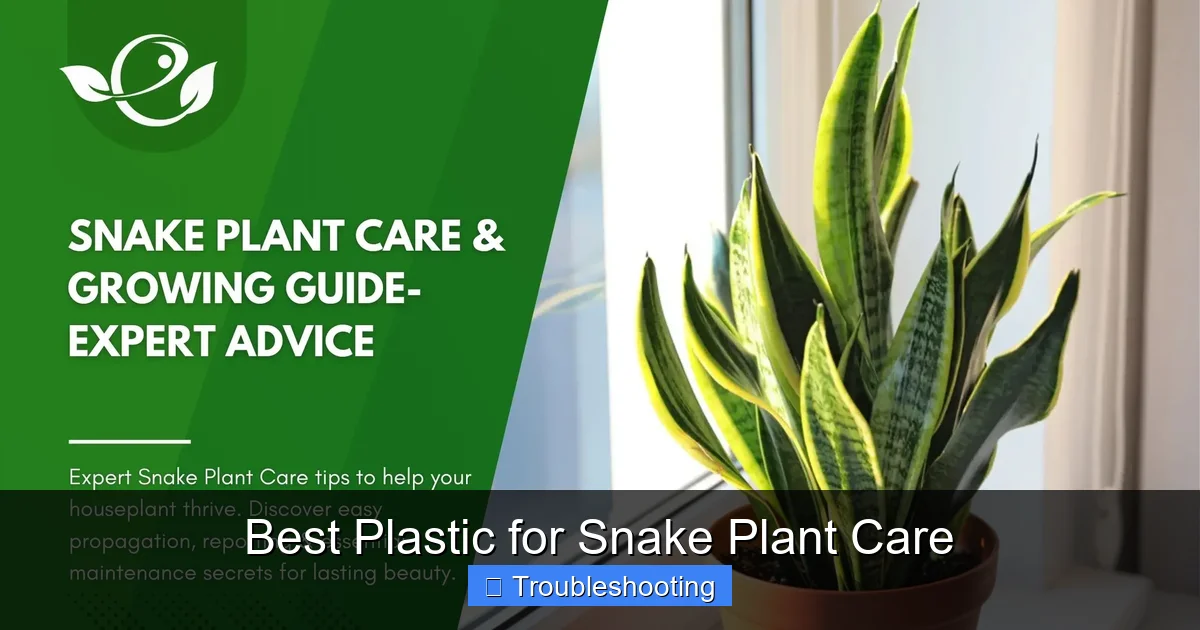
Visual guide about Best Plastic for Snake Plant Care
Image source: envirevoagritech.com
Material Quality: Polypropylene vs. Polystyrene
Not all plastic is created equal. Thin, brittle polystyrene pots crack within a season. They shatter in cold weather. The best plastic for snake plant care is polypropylene, often labeled as PP or number 5 recycling code. Polypropylene is flexible, impact-resistant, and handles temperature swings from freezing to 150°F. It is also food-safe and BPA-free. High-density polyethylene (HDPE, number 2) is another good choice, slightly softer but very durable. Avoid pots that feel crinkly, crack when squeezed, or have a strong chemical smell. Those are low-grade plastics that degrade fast.
UV Resistance for Outdoor Use
If your snake plant spends any time outdoors, UV resistance is essential. Standard plastic becomes brittle and fades after a few months of direct sun. UV-stabilized pots contain additives that block ultraviolet radiation. They stay flexible and intact for years. Look for labels like “UV resistant,” “outdoor rated,” or “5-year guarantee.” Black plastic generally resists UV better than light colors because carbon black is a natural UV stabilizer. But modern additives make any color durable.
Pot Shape: Wider Than Deep
Snake plants have shallow, spreading rhizome systems. They do not need deep pots. A wide, shallow container matches their natural growth habit. It provides more surface area for soil evaporation, which helps the mix dry faster. A deep, narrow pot holds too much soil at the bottom where roots cannot reach. That soil stays wet and becomes an anaerobic zone. Choose a pot where the width equals or exceeds the depth. Azalea pots or bulb pans are ideal shapes. Standard nursery pots are usually taller than wide, but they work if you size them correctly and use a gritty mix.
Rim Design for Easy Handling
A rolled or flared rim makes a huge difference in daily use. It gives you a secure grip when lifting. It prevents the pot from sliding out of your hands when wet. It also adds structural rigidity to the top edge, which is the first place thin plastic cracks. Some pots have built-in handles or finger grips. These are nice bonuses but not essential. A simple thick rolled rim is all you need.
Top Plastic Pot Styles for Snake Plants
Standard Nursery Pots
These are the black, green, or tan pots plants come in from the grower. They are the workhorses of the horticulture industry. Quality nursery pots are made from recycled polypropylene. They have excellent drainage, usually 10-20 holes in the bottom. The sides are slightly tapered for easy stacking and root removal. They come in standard sizes from 2 inches to 15 gallons. For snake plants, the 6-inch, 8-inch, and 10-inch sizes cover most needs. They are ugly but functional. Most people slip them inside a decorative cachepot.
Slotted Orchid Pots
Orchid pots have slots or holes along the sides as well as the bottom. They are designed for epiphytic orchids that need massive airflow. Snake plants love them too. The side slots promote air pruning and rapid drying. They are usually clear or white plastic. Clear lets you monitor root health and soil moisture visually. You can see exactly when the mix is dry. White reflects heat, keeping roots cooler in summer. These pots are lighter and more fragile than nursery pots. Handle them gently.
Fabric Grow Bags (Plastic-Based)
Technically these are non-woven polypropylene fabric, not rigid plastic. But they function as plastic containers. Fabric pots offer the ultimate in drainage and air pruning. The entire surface breathes. Roots air-prune everywhere. Soil dries incredibly fast. Overwatering is nearly impossible. They are lightweight, fold flat for storage, and last 3-5 seasons. For snake plants, choose a smaller size than you would with rigid pots. The fast drying means you may water more often. A 3-gallon fabric bag replaces a 10-inch rigid pot.
Self-Watering Plastic Planters
Self-watering pots have a reservoir at the bottom and a wicking system. They are popular for thirsty tropicals. For snake plants, they are generally a bad idea. The constant moisture at the bottom keeps the lower soil wet. Snake plant rhizomes rot in those conditions. If you already have a self-watering pot, you can use it by removing the wick and treating it as a regular pot with a deep saucer. Or drill extra holes in the reservoir floor to convert it to free drainage. But do not buy one specifically for sansevieria.
Decorative Plastic Planters
These mimic ceramic, stone, or concrete but are molded plastic. They look great and weigh little. Quality varies wildly. Cheap ones have no drainage holes or just one tiny hole. Good ones have multiple holes, removable plugs, and UV resistance. Brands like Lechuza, Keter, and Bloem make reliable decorative plastic. If the pot has no holes, drill your own. Use a 1/4-inch bit and make 6-8 holes. Wear safety glasses. Go slow to avoid cracking.
How to Pot a Snake Plant in Plastic Correctly
Choose the Right Size
Snake plants like to be slightly root-bound. A pot that is too large holds excess soil that stays wet. This is the number one killer. When repotting, go up only one size. If the current pot is 6 inches, move to 8 inches. Not 10. If the plant is in a 4-inch nursery pot, a 6-inch is perfect. The new pot should leave about 1 inch of fresh soil around the root ball. No more. If you want to keep the plant in the same size pot, you can. Just refresh the soil and trim any circling roots.
Use a Fast-Draining Soil Mix
The pot is only half the equation. The soil must drain fast. Standard potting soil holds too much water. Make your own mix: 2 parts succulent/cactus soil, 1 part perlite, 1 part coarse sand or pumice. Or buy a gritty mix labeled for succulents. Avoid mixes with peat moss as the main ingredient. Peat becomes hydrophobic when dry and repels water. Coconut coir is better. It rewets easily and drains well. Add a handful of worm castings for slow-release nutrients.
Add a Drainage Layer (Optional but Helpful)
Old advice said to put gravel at the bottom. Science shows this creates a perched water table. Water does not move easily from fine soil into coarse gravel. It sits at the interface. However, a thin layer of large perlite, pumice, or LECA (clay pebbles) can help prevent soil from washing out of large drainage holes. It also creates a small air gap if the pot sits flat on a saucer. Use 1/2 inch max. Do not use sand or fine gravel. They compact and block holes.
Plant at the Correct Depth
Snake plants grow from rhizomes just below the soil surface. Do not bury the rhizomes deep. The crown where leaves emerge should sit at or slightly above the soil line. Burying it causes rot. Fill the pot bottom with enough mix so the root ball sits at the right height. Backfill around the sides. Tap the pot gently to settle soil. Do not pack it down. Water lightly to settle. Add more mix if it sinks.
Water Thoroughly After Potting
Give the plant a deep drink after repotting. Water until it flows freely from the bottom holes. This settles the soil around roots and eliminates large air pockets. Let it drain completely. Do not let the pot sit in a saucer of water. Empty the saucer after 15 minutes. Then wait. Do not water again until the soil is dry 2-3 inches down. Use a chopstick or moisture meter. The first watering after repotting is the only time you water on a schedule. After that, go by soil dryness.
Common Mistakes with Plastic Pots and Snake Plants
Using Pots Without Drainage
This is the fastest way to kill a snake plant. No holes means water has nowhere to go. The bottom soil becomes a swamp. Roots suffocate and rot. Fungi take over. The plant collapses from the base. Even if you are careful with watering, salts from fertilizer and tap water build up. In a pot with drainage, you flush them out. Without drainage, they accumulate and burn roots. Always, always use pots with holes. If you love a decorative pot without holes, use it as a cachepot. Keep the plant in a nursery pot inside.
Choosing a Pot Too Large
“Give it room to grow” sounds logical. For snake plants, it is deadly. A large pot means a large volume of soil. The plant’s roots only occupy a small portion. The rest of the soil stays wet for weeks. Anaerobic bacteria thrive. Root rot spreads. The plant cannot use that water. It sits there. Always size the pot to the current root mass, not the hoped-for future size.
Letting the Pot Sit in Water
Saucers protect floors. But if you leave water in the saucer, the bottom soil reabsorbs it. The pot acts like a wick. The soil never fully dries. Roots at the bottom rot first. Always empty saucers after watering. Better yet, take the plant to a sink or tub. Water thoroughly. Let it drain for 15 minutes. Then put it back. No saucer needed. If you must use a saucer, add pebbles to lift the pot bottom above any standing water.
Using Cheap, Thin Plastic
Dollar store pots or flimsy seedling trays crack in months. They become brittle in sun. Roots grow through cracks and anchor the pot to the ground. When you try to move it, roots tear. Thin plastic also transfers heat fast. In summer, the root zone cooks. In winter, it freezes. Invest in nursery-grade polypropylene. It costs pennies more per pot and lasts 5-10 years.
Ignoring Salt Buildup
Plastic does not breathe. Salts from fertilizer and hard water do not evaporate through the walls like they do in terracotta. They accumulate in the soil. Over time, this creates toxic levels. Leaf tips brown. Growth stalls. Roots burn. The fix is simple: flush the pot monthly. Water heavily until water runs out the bottom for a minute. Do this in the sink or outdoors. Let drain fully. This resets the soil chemistry.
Maintaining Snake Plants in Plastic Long-Term
Repotting Schedule
Snake plants are slow growers. They do not need annual repotting. Every 2-3 years is plenty. Signs it is time: roots circling the bottom, cracking the pot, or growing out drainage holes. Soil breaking down into mud. Plant tipping over from being top-heavy. Water running straight through without wetting the center. Spring is the best time. The plant enters active growth and recovers fast.
Cleaning Pots Between Uses
When you repot, clean the old pot before reusing. Soil harbors pathogens, insect eggs, and salt crust. Scrub with hot, soapy water. Rinse well. Soak in 10% bleach solution (1 part bleach, 9 parts water) for 10 minutes. Rinse again. Dry in sun. UV kills remaining microbes. This prevents carrying problems to the next plant.
Monitoring for Root Binding
Snake plants tolerate being root-bound better than most. But extreme binding reduces water uptake. The root mass becomes a solid block. Water runs down the sides without penetrating. If you see this, it is time to repot or root prune. To root prune, remove the plant. Saw off the bottom 1/3 of the root ball. Tease out the sides. Repot in fresh mix in the same pot. The plant will bounce back with vigor.
Seasonal Adjustments
Plastic pots react to temperature. In summer, black plastic in full sun can heat the root zone to damaging levels. Move pots to dappled shade or use light-colored pots. In winter, plastic offers no insulation. Roots can freeze if left outdoors in cold climates. Bring plants in or wrap pots in bubble wrap. Indoor heating creates dry air. Plastic retains soil moisture longer in winter. Water even less frequently. Check soil, not calendar.
Fertilizing in Plastic Pots
Because plastic holds nutrients (no leaching through walls), fertilize lightly. Use a balanced liquid fertilizer at 1/4 strength. Apply monthly during spring and summer only. Stop in fall and winter. Flush monthly as described earlier. Organic options like worm tea or fish emulsion work well. They release slowly and build soil health. Avoid slow-release granules in plastic. They can concentrate in pockets and burn roots.
Creative Solutions: Cachepots and Double Potting
The Cachepot Method
This is the gold standard for snake plant care. Keep the plant in a plain plastic nursery pot with excellent drainage. Slip that pot into a decorative outer pot (cachepot) with no holes. The cachepot catches water. It looks beautiful. The inner pot drains perfectly. You get the best of both worlds. Choose a cachepot 1-2 inches wider than the nursery pot. This leaves an air gap. Do not let the nursery pot sit in water inside the cachepot. Empty the cachepot after watering.
DIY Drainage Improvements
If you have a plastic pot with poor drainage, fix it. Drill more holes. Use a 1/4-inch spade bit. Drill 6-8 holes in the bottom. Drill 4 holes around the lower side wall. File rough edges. If the pot cracks, it was too thin anyway. For pots you cannot drill (brittle plastic), use a hot nail or soldering iron to melt holes. Work in a ventilated area. Melted plastic fumes are toxic.
Elevating Pots for Airflow
Pot feet, plant caddies, or even three wine corks glued to the bottom lift the pot off the surface. This allows air under the pot. Water drains completely. The bottom holes do not seal against a saucer or table. Roots at the bottom get oxygen. This simple step dramatically reduces root rot risk. Commercial pot feet cost a few dollars. DIY options cost nothing.
Environmental Considerations
Recycled Content
Many nursery pots are made from recycled polypropylene. Look for labels indicating post-consumer content. This keeps plastic out of landfills. The pots are just as durable as virgin plastic. Some brands use 100% recycled material. Supporting these companies drives demand for recycling.
Recyclability at End of Life
Polypropylene (PP #5) and HDPE (#2) are widely recyclable. Check your local program. Some nurseries and big-box stores have pot recycling programs. Home Depot and Lowe’s often accept used nursery pots. Clean them first. No soil. Stack them neatly. This closes the loop.
Alternatives to Virgin Plastic
If you want to avoid plastic entirely, consider fabric grow bags (polypropylene but less material), terracotta, or ceramic. But for pure function, durability, and weight, quality plastic is hard to beat. The environmental impact of replacing broken ceramic pots every few years may exceed a single plastic pot lasting a decade.
Troubleshooting Common Issues
Yellowing Leaves
Usually overwatering. Check the pot drainage. Are holes clear? Is the soil mix fast-draining? Is the pot too large? Fix the drainage, repot if needed, and let dry completely. Remove mushy leaves.
Brown Crispy Tips
Underwatering, low humidity, or salt buildup. In plastic pots, salt buildup is common. Flush the pot thoroughly. Increase watering frequency slightly. Ensure the pot is not near a heating vent.
Mushy Base / Collapse
Root rot. Advanced stage. Unpot immediately. Cut away all black, mushy roots and rhizomes. Keep only firm, white tissue. Dust cuts with cinnamon (natural fungicide). Repot in fresh, dry, gritty mix in a clean pot with great drainage. Do not water for a week. Place in bright indirect light. Hope for the best.
Pot Tipping Over
Snake plants get top-heavy. Plastic is light. Use a wider pot. Or add weight: place the nursery pot inside a heavier cachepot. Or put large river rocks on the soil surface (not the bottom). Or stake the leaves loosely.
Algae or Mold on Pot Exterior
Green slime or white fuzz on the outside means constant moisture. The pot is staying wet. Improve airflow. Space plants apart. Use a fan. Ensure the pot bottom is elevated. Clean with diluted vinegar.
Conclusion
The best plastic for snake plant care is not a single product. It is a combination of features: polypropylene construction, multiple drainage holes, appropriate width-to-depth ratio, UV resistance if used outdoors, and a size matched to the root system. When you pair a quality plastic pot with a gritty, fast-draining soil mix and water only when dry, you create the ideal environment for sansevieria. These tough plants reward proper potting with decades of architectural beauty, air purification, and zero drama.
Do not overthink it. A standard black nursery pot from a reputable grower beats an expensive hole-less ceramic every time. Slip it into a pretty basket if you want style. Focus on drainage, soil, and watering discipline. The pot is just a tool. The care is what matters. Your snake plant will thank you with stiff, upright leaves that stay green and gorgeous for years. Now go check your pots. Do they have enough holes? Is the soil dry? You know what to do.
Frequently Asked Questions
What type of plastic is best for snake plant pots?
Polypropylene (PP #5) is the best plastic for snake plant pots. It is durable, UV-resistant, BPA-free, and handles temperature extremes without cracking. High-density polyethylene (HDPE #2) is also a good choice.
Should I drill more holes in my plastic snake plant pot?
If your pot has fewer than four drainage holes, drilling more will improve drainage significantly. Use a 1/4-inch bit and add holes around the bottom perimeter and lower side walls.
Can snake plants grow in clear plastic pots?
Yes, clear plastic pots work well for snake plants. They allow you to monitor root health and soil moisture visually. However, they may encourage algae growth on the inside if kept too wet.
How do I prevent my plastic pot from tipping over with a tall snake plant?
Use a wider, shallow pot shape, place the nursery pot inside a heavier decorative cachepot, add decorative rocks on the soil surface, or use pot feet with a wide base for stability.
Is it okay to bottom water snake plants in plastic pots?
Bottom watering works but risks overwatering since plastic retains moisture well. If bottom watering, limit soak time to 15 minutes and ensure the top soil dries completely before the next watering.
How long do quality plastic pots last for snake plants?
UV-stabilized polypropylene pots last 5-10 years or more. They resist cracking from temperature changes, UV damage, and physical impact. Cheap polystyrene pots may only last one season.