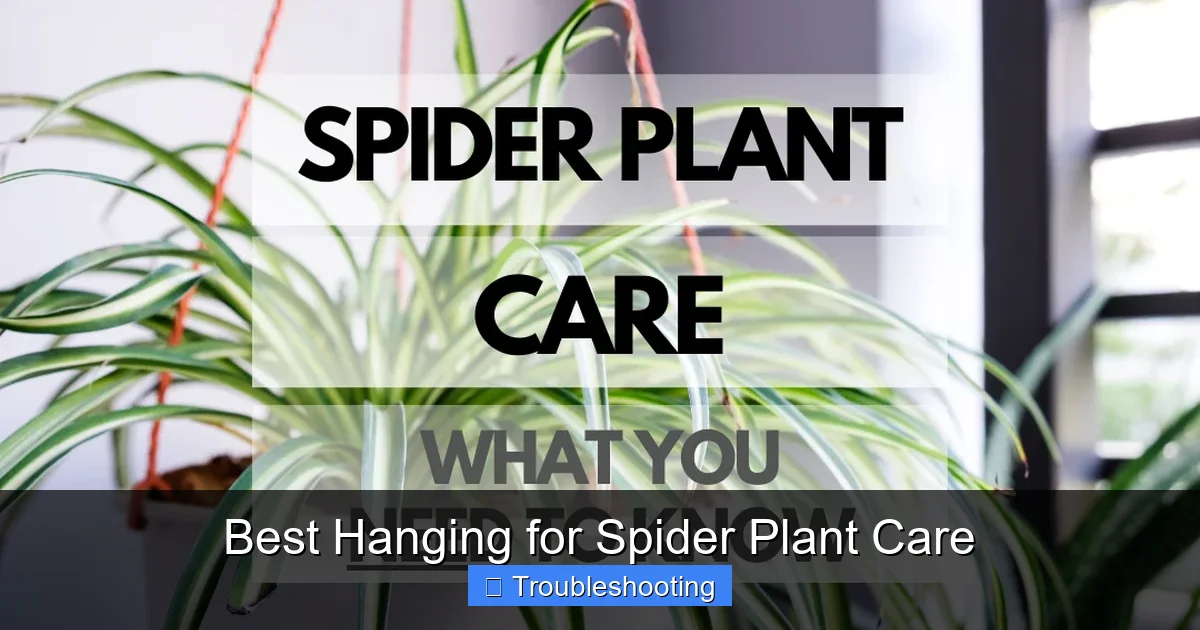
Best Hanging for Spider Plant Care
Choosing the best hanging for spider plant care means picking a lightweight basket, giving bright indirect light, watering when the top inch of soil feels dry, and feeding monthly during the growing season. Proper airflow and occasional pruning keep the plant full and prevent brown tips.
Spider plants are a favorite for many indoor gardeners. They produce arching leaves and baby plantlets that look great when they cascade. Hanging them shows off that natural habit and adds a lively touch to any room. The best hanging for spider plant care starts with understanding why a hanging setup works so well.
When you hang a spider plant you give the roots room to breathe. The air moves around the pot and the soil dries more evenly. This reduces the risk of root rot, a common problem with plants that sit on a saucer. The best hanging for spider plant care also makes it easy to spot pests or dry leaf tips early.
In this guide we will walk through every step of the best hanging for spider plant care. You will learn how to choose the right basket, set up the perfect light, water correctly, feed on schedule, and troubleshoot common issues. By the end you will have a thriving, trailing spider plant that becomes a conversation piece.
Key Takeaways
- Pick a light basket: A breathable container prevents root rot and lets the plant drape naturally.
- Give bright indirect light: Direct sun scorches leaves; filtered light keeps them green.
- Water when soil is dry: Check the top inch; overwatering causes yellow tips.
- Feed monthly in spring and summer: A balanced liquid fertilizer supports vigorous growth.
- Prune brown tips regularly: Trimming encourages new shoots and a fuller look.
- Adjust care with seasons: Reduce watering and feeding in winter for a healthy rest period.
Quick Answers to Common Questions
What type of basket is best for a hanging spider plant?
A lightweight plastic or wire basket with a coconut liner provides good drainage and airflow, which are key for the best hanging for spider plant care.
How often should I water a hanging spider plant?
Water when the top inch of soil feels dry, typically once a week in summer and every two weeks in winter for the best hanging for spider plant care.
Can spider plants tolerate direct sunlight?
No, direct sun scorches the leaves; bright indirect light is ideal for the best hanging for spider plant care.
When should I fertilize my hanging spider plant?
Feed monthly with a half‑strength balanced fertilizer during spring and summer only, which matches the best hanging for spider plant care schedule.
How do I propagate spider plant pups?
Cut a pup with roots, pot it in the same well‑draining mix, keep it moist, and place it in bright indirect light for the best hanging for spider plant care propagation.
📑 Table of Contents
Why Hanging Matters for Spider Plants
Natural growth habit
Spider plants send out long stems that end in tiny plantlets. In nature those stems would drape over rocks or tree branches. A hanging basket mimics that environment. The best hanging for spider plant care lets the stems fall freely, which encourages more offshoots and a fuller appearance.
Airflow and drainage
Good airflow around the pot helps excess moisture evaporate. When a pot sits on a flat surface water can pool at the bottom. Hanging eliminates that problem. The best hanging for spider plant care also lets you see the drainage holes, so you know water is escaping.
Aesthetic appeal
A cascading spider plant adds vertical interest to a room. It draws the eye upward and softens hard lines. The best hanging for spider plant care turns a simple houseplant into a living sculpture. You can hang several at different heights for a layered look.
Selecting the Perfect Hanging Basket
Material choices
Plastic baskets are lightweight and cheap. They hold moisture longer, which can be good in dry homes. Wire or metal baskets with a coconut liner dry out faster, which suits the best hanging for spider plant care if you tend to overwater. Ceramic baskets look elegant but are heavy; make sure your hook can support the weight.
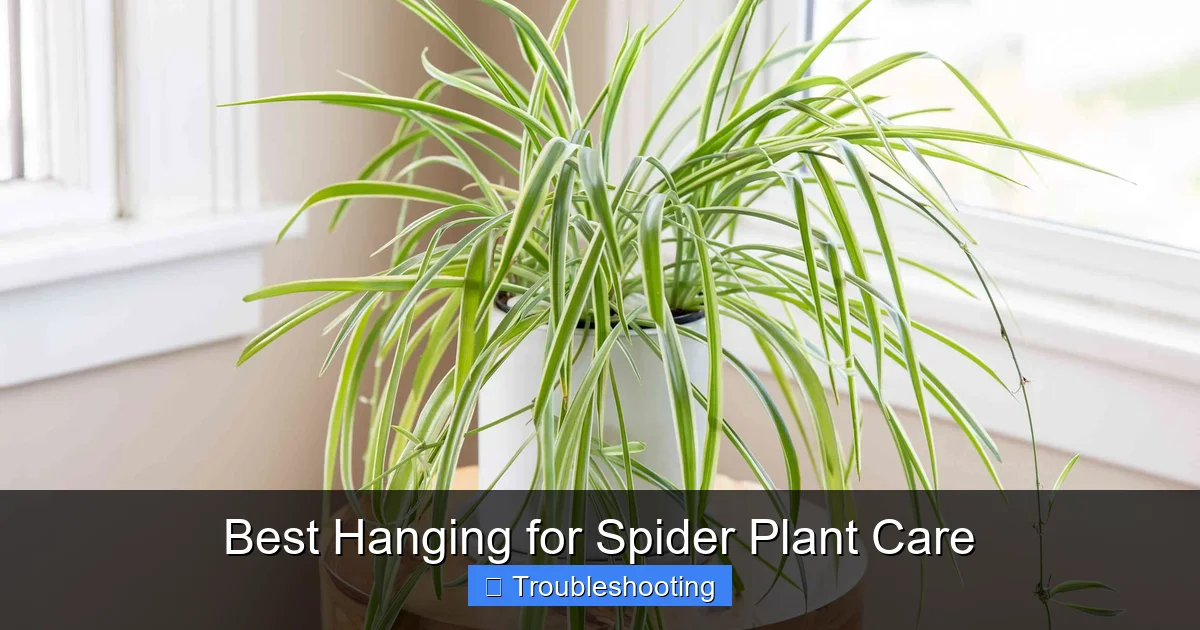
Visual guide about Best Hanging for Spider Plant Care
Image source: thespruce.com
Size and depth
Choose a basket that is only a few inches larger than the root ball. A pot that is too big holds too much soil and stays wet. The best hanging for spider plant care uses a container about 6 to 8 inches wide for a mature plant. Depth of 5 to 6 inches gives roots room without excess soil.
Drainage holes and liners
Every basket needs drainage holes. If your basket has none, drill a few before planting. A coconut coir liner or a layer of sphagnum moss keeps soil from falling out while still letting water drain. The best hanging for spider plant care always includes a liner that breathes.
Light, Temperature, and Airflow
Bright indirect light
Spider plants love bright, filtered light. A north‑facing window or a spot a few feet from an east window works well. Direct afternoon sun can scorch the leaves, causing brown tips. The best hanging for spider plant care places the plant where it receives 4 to 6 hours of gentle light each day.
Ideal temperature range
These plants thrive between 65°F and 80°F (18°C‑27°C). They tolerate brief dips to 50°F (10°C) but prolonged cold slows growth. Keep the hanging basket away from drafty doors or heating vents. The best hanging for spider plant care maintains a steady, comfortable temperature.
Good air circulation
Stagnant air encourages fungal issues. A gentle breeze from a ceiling fan or an open window helps. Do not place the basket in a tight corner where air cannot move. The best hanging for spider plant care includes a location with natural airflow.
Watering, Humidity, and Soil
When to water
Check the top inch of soil with your finger. If it feels dry, water thoroughly until it runs out the drainage holes. Let the excess drain away; do not let the basket sit in a saucer of water. The best hanging for spider plant care follows a “soak and dry” routine, usually once a week in summer and every two weeks in winter.
Humidity boosters
Spider plants appreciate moderate humidity. If your home is very dry, mist the leaves a few times a week or place a small humidifier nearby. Grouping plants together also raises local humidity. The best hanging for spider plant care adds a humidity tray with pebbles and water beneath the basket.
Soil mix recommendations
Use a well‑draining potting mix. A blend of two parts peat‑based soil, one part perlite, and one part orchid bark works well. This mix holds moisture but lets excess water escape quickly. The best hanging for spider plant care avoids heavy garden soil, which compacts and suffocates roots.
Feeding, Pruning, and Propagation
Fertilizer schedule
Feed with a balanced liquid fertilizer diluted to half strength once a month during spring and summer. Stop feeding in fall and winter when growth slows. Over‑fertilizing leads to salt buildup and brown leaf tips. The best hanging for spider plant care uses a fertilizer with an N‑P‑K ratio like 20‑20‑20.
Pruning brown tips
Trim any brown or yellow leaf tips with clean scissors. Cut just above the healthy green tissue. Regular pruning encourages the plant to produce new shoots from the base. The best hanging for spider plant care includes a quick trim every few weeks to keep the foliage looking fresh.
Easy propagation from pups
Spider plants produce baby plantlets, often called pups, on long stems. Once a pup has a few roots, snip it off and pot it in a small container with the same soil mix. Keep it moist and in bright indirect light. The best hanging for spider plant care lets you share new plants with friends or expand your own collection.
Troubleshooting Common Issues
Yellow leaves
Yellowing usually signals overwatering or poor drainage. Check that the basket drains freely and that you are not watering on a schedule regardless of soil moisture. Reduce watering frequency and ensure the soil mix is airy. The best hanging for spider plant care corrects yellow leaves by improving drainage first.
Brown leaf tips
Brown tips can come from low humidity, fluoride in tap water, or too much fertilizer. Use distilled or rain water if your tap water is heavily treated. Increase humidity with misting or a pebble tray. Flush the soil with clear water once a month to remove salts. The best hanging for spider plant care addresses brown tips by tackling the underlying cause.
Pest problems
Spider mites, aphids, and mealybugs sometimes appear. Inspect the undersides of leaves weekly. If you see pests, spray the plant with insecticidal soap or neem oil, covering all surfaces. Repeat after a week. The best hanging for spider plant care includes regular monitoring to catch infestations early.
With the right basket, proper light, a consistent watering routine, and occasional feeding, your spider plant will reward you with lush, arching foliage and plenty of baby plantlets. Remember that the best hanging for spider plant care is a combination of good habits and a little observation. Adjust each element as seasons change, and you will enjoy a healthy, trailing plant for years to come.
Frequently Asked Questions
What is the ideal temperature range for a hanging spider plant?
The ideal range is 65°F to 80°F (18°C‑27°C). Avoid cold drafts and hot heating vents for the best hanging for spider plant care.
Why are the tips of my spider plant turning brown?
Brown tips often result from low humidity, fluoride in tap water, or excess fertilizer. Increase humidity, use filtered water, and flush the soil monthly for the best hanging for spider plant care.
How can I improve airflow around my hanging spider plant?
Hang the basket away from walls, use a ceiling fan on low, or open a window occasionally. Good airflow prevents fungal issues and supports the best hanging for spider plant care.
Is it necessary to use a liner in a hanging basket?
Yes, a coconut coir or sphagnum moss liner keeps soil in place while allowing water to drain, which is essential for the best hanging for spider plant care.
Can I keep a spider plant in a bathroom with low light?
A bathroom can work if it receives bright indirect light from a window. Low light alone will slow growth, so supplement with a grow light for the best hanging for spider plant care.
How do I prevent root rot in a hanging spider plant?
Use a well‑draining soil mix, ensure the basket has drainage holes, and water only when the top inch of soil is dry. These steps are core to the best hanging for spider plant care.