Essential Iron for Kale Health
Essential iron for kale health keeps leaves deep green and prevents yellowing. Simple soil tests and the right amendments make a big difference.
Key Takeaways
- Iron drives chlorophyll production: Without enough iron kale cannot make the green pigment it needs for photosynthesis.
- Soil testing is the first step: A quick test tells you if iron is low, high, or locked up by pH.
- Choose the right amendment: Chelated iron works fast, while iron sulfate and organic sources release slowly.
- Apply at the right time: Pre‑plant incorporation, side‑dressing, and foliar sprays each have a specific window.
- Manage pH alongside iron: Slightly acidic soil (6.0‑6.5) keeps iron available to roots.
- Watch for over‑application: Too much iron burns leaves and can block uptake of other nutrients.
Quick Answers to Common Questions
What is the fastest way to fix iron deficiency in kale?
Apply a chelated iron foliar spray at 0.1% concentration; leaves green up within 48‑72 hours.
Can I use regular garden fertilizer to supply iron?
Most complete fertilizers contain little iron; you need a dedicated iron amendment for a noticeable effect.
How often should I test soil iron levels?
Test once per growing season, or after any major amendment or pH adjustment.
Is it possible to add too much iron?
Yes, excess iron causes leaf burn and can block uptake of other nutrients; always follow label rates.
Does mulching affect iron availability?
Organic mulch improves microbial activity, which helps keep iron soluble, but it does not supply large amounts of iron itself.
📑 Table of Contents
Introduction
Growing kale is rewarding, but yellow leaves can appear quickly turns a promising crop into a disappointment. The culprit is often a lack of essential iron for kale health. Iron is a micronutrient that powers chlorophyll formation. When iron is scarce, new leaves turn pale while veins stay green. This article walks you through why iron matters, how to test for it, which amendments work best, and how to apply them without harming your plants.
Many gardeners assume that adding any fertilizer will fix the problem. In reality, iron behaves differently depending on soil pH, organic matter, and moisture. A soil that looks rich can still lock iron away. Understanding the chemistry behind essential iron for kale health helps you make targeted decisions. The steps below are simple, low‑cost, and proven in home gardens and small farms alike.
By the end of this guide you will know how to read a soil test, pick the right product, time your applications, and troubleshoot common setbacks. Let’s dive in and give your kale the iron it needs for deep, vibrant leaves.
Understanding Iron’s Role in Kale
Why Iron Matters
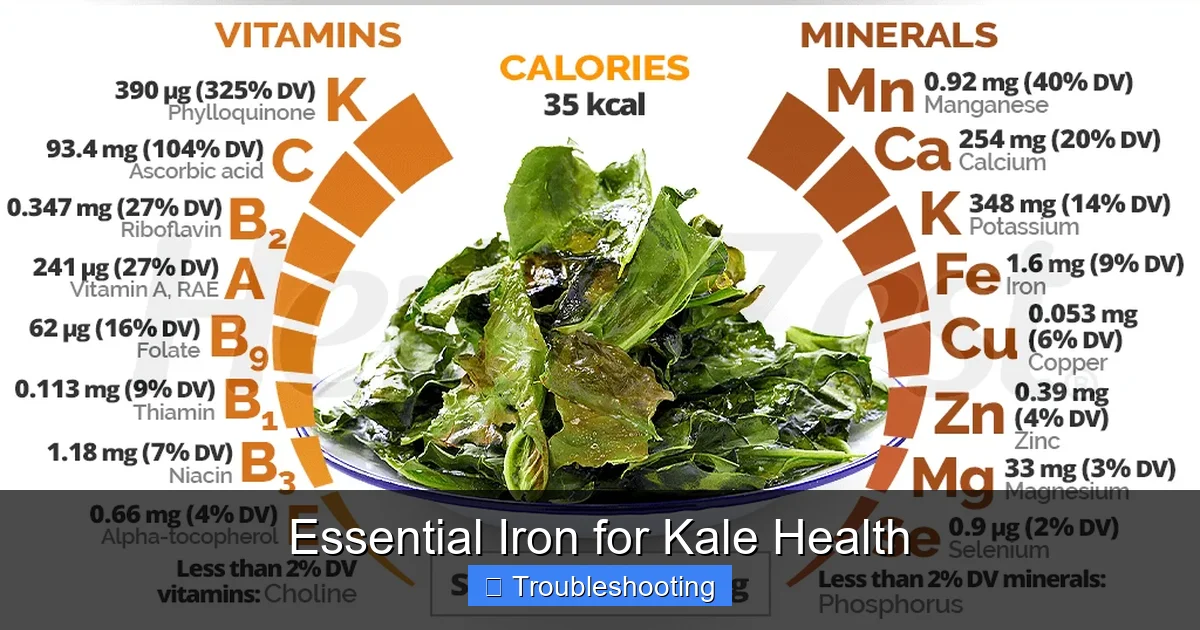
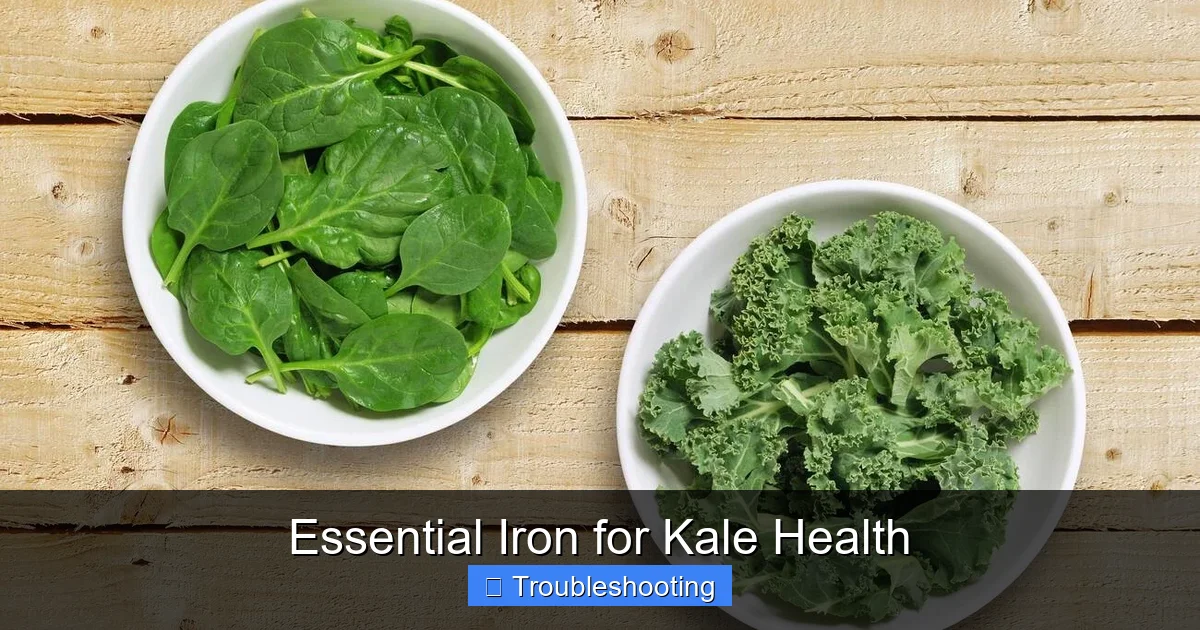
Iron is a core component of several enzymes that drive photosynthesis. It helps move electrons during the light reactions. Without enough iron, the plant cannot produce chlorophyll efficiently. The result is interveinal chlorosis – yellow tissue between green veins. This symptom shows up first on the youngest leaves because iron is not mobile inside the plant. Supplying essential iron for kale health early keeps the whole canopy green.
Visual guide about Essential Iron for Kale Health
Image source: nutritioulicious.com
Signs of Deficiency
Look for pale yellow new growth while older leaves stay dark. Stunted growth and reduced leaf size often follow. In severe cases, leaf tips may become necrotic. A quick visual check can confirm a problem before you run a test. Remember that similar symptoms can arise from manganese or zinc shortage, so a soil test is the only way to be sure.
How Iron Moves in Soil
Iron exists mainly as ferric (Fe³⁺) and ferrous (Fe²⁺) forms. Ferric iron is insoluble at neutral to alkaline pH. Ferrous iron is soluble but oxidizes quickly when exposed to air. Organic matter and chelating agents keep iron in the soluble form longer. Microbial activity also reduces ferric to ferrous, making it available to roots. Understanding this cycle explains why simply adding iron sulfate to high‑pH soil often fails.
Testing Soil Iron Levels
Simple Home Test Kits
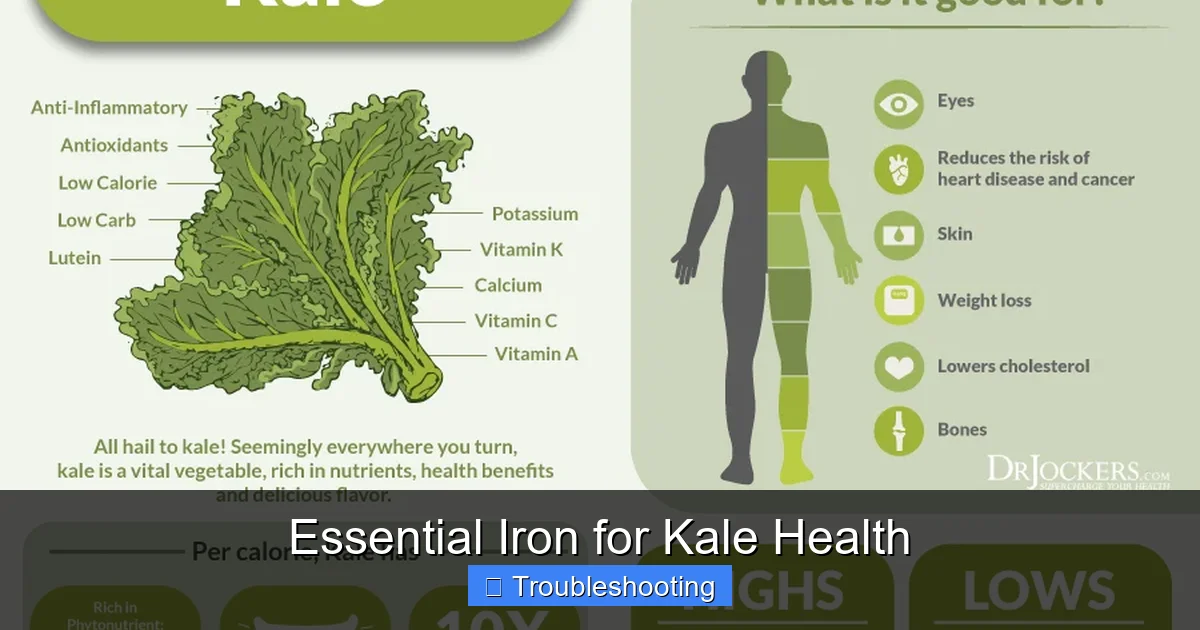
Home kits use colorimetric strips or small reagent bottles. They give a rough estimate of extractable iron. Follow the instructions carefully: collect a representative sample from 6‑8 inches deep, mix, and test. Record the reading and compare it to the chart. These kits are handy for quick checks but lack the precision of a lab.
Visual guide about Essential Iron for Kale Health
Image source: drjockers.com
Lab Analysis
Sending a sample to a university extension or private lab yields detailed data. The report includes total iron, DTPA‑extractable iron, pH, organic matter, and cation exchange capacity. DTPA‑extractable iron is the standard for assessing plant‑available iron. A value below 4.5 ppm often signals deficiency for kale. Lab results also reveal if high pH or excess phosphorus is locking iron away.
Interpreting Results
Combine the iron number with pH. If pH is above 7.0, even adequate iron may be unavailable. In that case, lowering pH is as important as adding iron. If pH is in the 6.0‑6.5 range and extractable iron is low, a direct iron amendment will work well. Use the lab’s recommendation as a baseline, then adjust based on your observations.
Choosing the Right Iron Amendments
Chelated Iron
Chelates bind iron to an organic molecule, keeping it soluble across a wider pH range. Common chelates include Fe‑EDDHA, Fe‑EDTA, and Fe‑DTPA. Fe‑EDDHA works best in alkaline soils. Chelated products act fast – often within days – making them ideal for a quick rescue. Apply as a soil drench or foliar spray according to label rates.
Iron Sulfate
Iron sulfate (ferrous sulfate) is inexpensive and widely available. It supplies iron and adds sulfur, which can help lower pH slightly. In acidic soils it dissolves readily. In alkaline soils it quickly converts to insoluble ferric hydroxide, reducing effectiveness. Use iron sulfate when your soil pH is already below 6.5.
Organic Sources
Compost, well‑rotted manure, blood meal, and kelp meal contain iron in organic complexes. They release nutrients slowly as microbes break them down. These amendments improve soil structure and microbial life, which in turn helps keep iron soluble. They are excellent for long‑term soil health but may not correct a severe deficiency fast enough on their own.
Foliar Sprays
Foliar applications bypass soil chemistry entirely. A dilute chelated iron spray (0.1‑0.2% Fe) can green up leaves in 48‑72 hours. Spray early morning or late afternoon to avoid leaf burn. Repeat every 10‑14 days until soil amendments take effect. Foliar feeding is a supplement, not a replacement for proper soil nutrition.
Application Timing and Methods
Pre‑Plant Soil Incorporation
Mix the chosen amendment into the top 6‑8 inches of soil before transplanting or sowing. For chelated iron, follow the label’s per‑square‑foot rate. For iron sulfate, apply 1‑2 pounds per 100 square feet. Incorporate evenly with a garden fork or tiller. This gives roots immediate access to soluble iron as they establish.
Side‑Dressing During Growth
Mid‑season side‑dressing supplies a steady iron stream. Sprinkle a thin band of iron sulfate or a granular chelate along the row, 2‑3 inches from the stem. Lightly work it into the surface and water thoroughly. Do this every 4‑6 weeks, especially after heavy rains that can leach nutrients.
Foliar Feeding Schedule
Start foliar sprays when the first true leaves appear. Apply a chelated iron solution at 0.1% concentration every two weeks. Increase frequency to weekly if yellowing persists. Stop foliar feeding once soil‑based amendments have raised leaf iron levels, usually after 4‑6 weeks. Always test a small leaf area first to check for sensitivity.
Managing pH and Other Nutrients
pH Influence on Iron Availability
Iron solubility drops sharply above pH 6.5. At pH 7.5, only a tiny fraction remains plant‑available. If your soil test shows high pH, incorporate elemental sulfur or acidifying fertilizers (ammonium sulfate) to bring pH down. Target a range of 6.0‑6.5 for optimal essential iron for kale health. Re‑test pH after 4‑6 weeks to confirm the shift.
Balancing Micronutrients
Excess phosphorus, manganese, or zinc can antagonize iron uptake. High phosphorus from heavy manure applications often ties up iron. If your soil test shows high P, reduce phosphorus inputs and focus on iron chelates. A balanced micronutrient package (including copper, boron, molybdenum) supports overall metabolism and prevents secondary deficiencies.
Avoiding Toxicity
Too much iron can be toxic, causing leaf bronzing, root damage, and reduced uptake of other cations. Follow label rates strictly. Do not combine multiple iron products at full strength. If you suspect toxicity, flush the soil with clean water and pause iron applications for two weeks. Monitor new growth for recovery.
Troubleshooting Common Problems
Yellowing Leaves Despite Iron
If leaves stay yellow after iron treatment, check pH again. A pH above 7.0 will keep iron locked. Also verify that you are not over‑watering, which can cause root hypoxia and reduce nutrient uptake. Consider a foliar chelate spray for a rapid visual response while you correct soil conditions.
Stunted Growth
Stunting can stem from multiple factors: compacted soil, low nitrogen, or root disease. Ensure the planting bed is loose and well‑drained. Apply a balanced nitrogen source (e.g., fish emulsion) alongside iron. Inspect roots for rot; healthy roots are white and firm.
Leaf Burn from Over‑Application
Brown, crispy leaf edges often indicate fertilizer burn. Reduce the concentration of foliar sprays and increase the interval between applications. Water the plants deeply after any soil amendment to dilute salts. A light mulch layer helps maintain even moisture and protects roots.
Conclusion
Iron is the hidden engine behind kale’s deep green color and vigorous growth. By testing soil, choosing the right amendment, timing applications, and managing pH, you give your crop the essential iron for kale health it needs. Start with a simple soil test today, pick a chelated product for quick results, and follow up with organic matter for long‑term stability. Your kale will reward you with lush, nutrient‑dense leaves all season long.
Frequently Asked Questions
Why do kale leaves turn yellow between the veins?
Interveinal chlorosis is the classic sign of iron deficiency because iron is immobile in the plant and cannot be translocated from older to newer leaves.
What soil pH is best for iron uptake in kale?
A slightly acidic pH of 6.0 to 6.5 maximizes the solubility of ferrous iron, making it readily available to roots.
Can I use iron sulfate on alkaline soil?
Iron sulfate quickly becomes insoluble in alkaline conditions; a chelated iron product such as Fe‑EDDHA is more effective there.
How long does a chelated iron soil drench last?
Chelated iron remains available for 4‑6 weeks, depending on rainfall, irrigation, and microbial activity.
Should I apply iron before planting or after seedlings emerge?
Incorporate a baseline iron amendment before planting, then supplement with side‑dressing or foliar sprays as the crop grows.
What are signs of iron toxicity in kale?
Leaf bronzing, necrotic tips, and reduced growth indicate excess iron; flush the soil and stop applications if these appear.