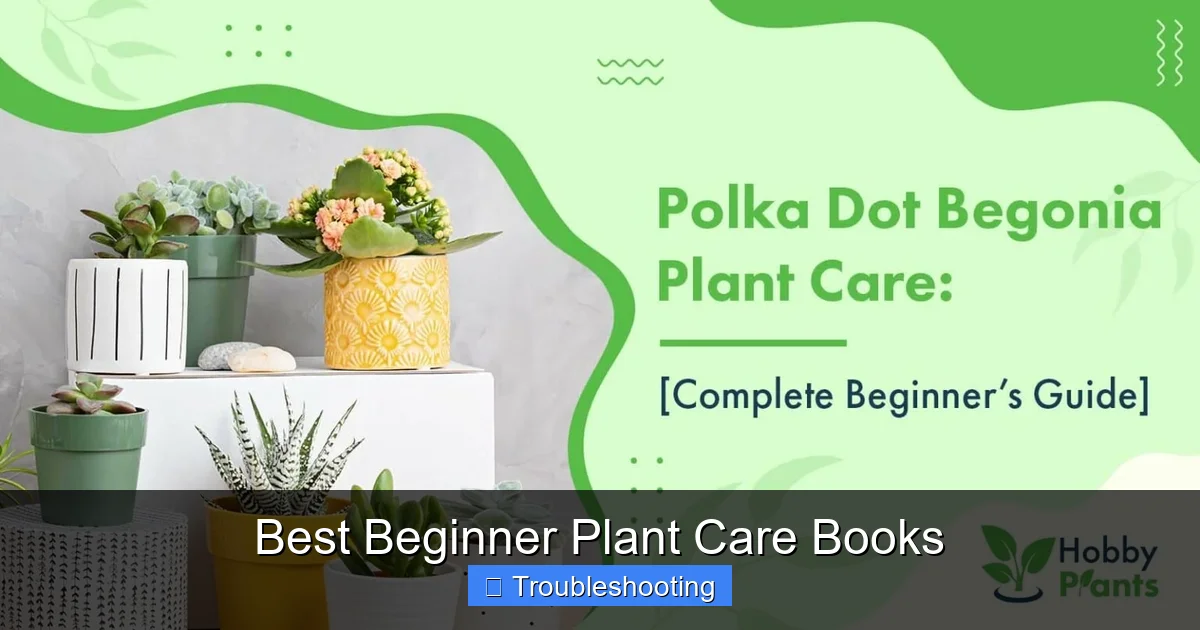
Best Beginner Plant Care Books
Struggling with yellow leaves, pests, or overwatering? The right plant care book can solve these problems fast. We reviewed the top beginner-friendly guides that teach you to diagnose issues, master watering, and keep your plants thriving year-round.
Key Takeaways
- Start with one comprehensive guide: A single well-rounded book beats five specialized ones for building foundational knowledge.
- Look for visual troubleshooting sections: Books with photos of common problems help you identify issues instantly.
- Choose region-specific advice when possible: Climate zone matters for watering schedules and light requirements.
- Prioritize books with care schedules: Weekly and monthly checklists prevent problems before they start.
- Digital companions add value: Many modern books include apps or online communities for ongoing support.
- Match the book to your plant collection: Succulent lovers need different guidance than tropical plant parents.
- Revisit your reference book seasonally: Plant needs change throughout the year, and so should your care routine.
Quick Answers to Common Questions
What is the single best plant care book for absolute beginners?
How Not to Kill Your Houseplant by Veronica Peerless is the top choice for complete beginners. It assumes zero knowledge, includes a plant personality quiz, and organizes troubleshooting by symptom for fast answers.
Do I need different books for different types of plants?
Start with one comprehensive guide covering common houseplants. Add specialized books only when you develop specific interests like succulents, low-light plants, or pet-safe collections.
How often should I reference my plant care book?
Read it cover-to-cover initially, then keep it accessible for weekly spot-checks and seasonal re-reads. Most beginners reference troubleshooting sections monthly and care schedules quarterly.
Are older plant care books still useful?
Classic books like The Houseplant Expert have timeless diagnostic frameworks, but supplement with current resources for updated soil mixes, pest treatments, and modern cultivars.
Can plant care apps replace books?
Apps excel at reminders and quick identification, but books provide deeper understanding of principles. Use both: books for learning, apps for daily management.
📑 Table of Contents
- Why Every Plant Parent Needs a Good Reference Book
- What Makes a Plant Care Book Beginner-Friendly
- Top Picks for Complete Beginners
- Best Specialized Guides for Common Struggles
- How to Use Your Plant Care Book Effectively
- Common Beginner Mistakes These Books Prevent
- Building Your Plant Care Library Over Time
- When to Upgrade From Beginner Books
- Conclusion: Your Plant Journey Starts With Knowledge
Why Every Plant Parent Needs a Good Reference Book
You bring home a gorgeous monstera. Two weeks later, its leaves turn yellow. You Google frantically. One article says overwatering. Another says underwatering. A third blames low humidity. Your head spins. Your plant suffers.
This scenario plays out in homes everywhere. The internet offers endless advice, but much of it contradicts. A quality plant care book gives you curated, expert-vetted information in one place. No more jumping between tabs. No more conflicting tips. Just clear guidance from people who have spent decades growing plants professionally.
The best beginner plant care books do more than list watering schedules. They teach you to read your plants. They show you what healthy roots look like versus rotting ones. They explain why leaves curl, brown, or drop. Most importantly, they give you a troubleshooting framework you can apply to any plant problem, not just the ones listed in the index.
What Makes a Plant Care Book Beginner-Friendly
Clear Visual Troubleshooting Guides
Beginners struggle to match symptoms to causes. Is that brown tip from fluoride in tap water? Low humidity? Fertilizer burn? The best books include photo galleries of common problems. You compare your plant to the pictures. You find the match. You read the fix. Done.
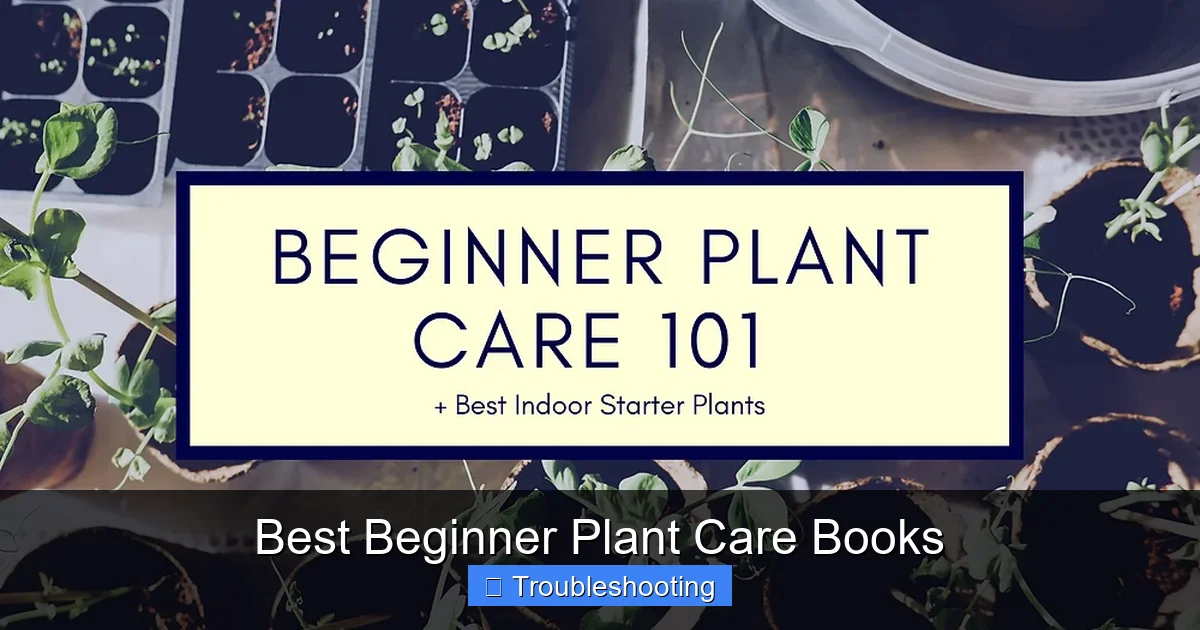
Visual guide about Best Beginner Plant Care Books
Image source: static.wixstatic.com
Look for books with at least fifty problem-solution photo pairs. More is better. The Houseplant Expert series by Dr. D.G. Hessayon sets the gold standard here. Each issue gets a full-page spread with multiple angles. You see the problem on a peace lily, a pothos, and a fiddle leaf fig. Pattern recognition builds fast.
Simple Language Without Oversimplification
Some books talk down to beginners. Others assume a botany degree. The sweet spot uses plain English but teaches real terminology. You learn “chlorosis” not just “yellow leaves.” You learn “etiolation” not just “leggy growth.” This vocabulary helps you search for help later and communicate with nursery staff.
Darryl Cheng’s The New Plant Parent nails this balance. He explains the science behind each care principle in conversational tone. You understand why bright indirect light matters, not just that it matters. This deeper understanding prevents future mistakes better than any checklist.
Organized by Problem, Not Just by Plant
Traditional plant encyclopedias organize alphabetically by species. Great for looking up a specific plant. Terrible for diagnosing “my plant has white fuzzy stuff.” Beginner-friendly books include a symptom-based index. You look up “yellow leaves” or “sticky residue” or “mushy stems.” You find every possible cause ranked by likelihood.
The Plant Rescue by Sarah Gerrard-Jones organizes entirely around problems. Chapter one covers overwatering across all plant types. Chapter two tackles pests. Chapter three addresses light issues. This structure mirrors how beginners actually experience plant care: problem first, plant ID second.
Realistic Care Schedules
Beginners often over-care. They water on a rigid schedule regardless of soil moisture. They fertilize monthly because the bottle says so. Good books teach you to check, not schedule. They give you weekly observation routines: feel the soil, check the leaves, rotate the pot, inspect for pests. Five minutes per plant. That’s it.
Look for books that emphasize “observe first, act second.” The best ones include printable or photocopiable care logs. Tracking helps you spot patterns. That ficus drops leaves every January? Now you know it’s seasonal, not a crisis.
Top Picks for Complete Beginners
How Not to Kill Your Houseplant by Veronica Peerless
This book deserves its bestseller status. Peerless assumes zero knowledge. Zero. The first chapter covers how to choose a healthy plant at the store. What to look for in roots. How to spot pests hiding under leaves. Why that cheap big-box store plant might cost more in heartache.
The core of the book profiles 119 popular houseplants. Each gets two pages: light needs, water needs, humidity preference, common problems, and a “top tip” box. The troubleshooting section groups issues by symptom. Yellow leaves? Page 142. Brown tips? Page 144. White crust on soil? Page 146. You find answers in seconds.
Peerless includes a brilliant “plant parent personality quiz.” Are you a neglectful nurturer? An overwatering worrier? A light-chasing optimist? The quiz matches you to plants that fit your actual habits, not your aspirational ones. This alone saves beginners hundreds of dollars in dead plants.
The New Plant Parent by Darryl Cheng
Cheng approaches plant care like an engineer. He built his following on Instagram by applying scientific observation to houseplants. His book teaches you to measure light with a phone app. To understand vapor pressure deficit. To calculate watering intervals based on pot size, soil mix, and evaporation rate.
Don’t let the science scare you. Cheng explains everything through analogies. Light becomes “plant food.” Water becomes “nutrient delivery.” Roots become “pumps.” The framework sticks. Readers report they stop memorizing rules and start understanding principles.
The book’s second half profiles twenty beginner-friendly plants with Cheng’s signature “care summary” cards. Each card shows light tolerance range, watering frequency range, and growth speed. Ranges, not fixed numbers. This flexibility prevents the “but the book said once a week!” panic when your plant needs water in four days.
Houseplants for All by Danae Horst
Horst runs Folia Collective, a beloved Los Angeles plant shop. Her book reads like a knowledgeable friend walking through your home. She focuses on matching plants to your specific conditions. North-facing apartment? Here are ten plants that will thrive. Bright south window with dry air? Different list. Basement office with fluorescent lights? She has you covered.
The troubleshooting chapter uses a flowchart approach. “Leaves yellowing? Check soil moisture. Wet? Root rot protocol. Dry? Check light. Too little? Move closer to window. Enough? Check fertilizer.” This decision-tree method builds diagnostic confidence faster than any reference list.
Horst includes a seasonal care calendar. January: reduce water, pause fertilizer, watch for spider mites. March: resume feeding, repot root-bound plants, increase humidity. This proactive approach prevents the reactive scrambling that kills so many beginner collections.
Best Specialized Guides for Common Struggles
Succulents and Cacti: The Little Book of Cacti and Other Succulents by Emma Sibley
Succulents seem easy. They’re not. They die from kindness more than neglect. Sibley’s compact guide fits in your bag for nursery trips. Sixty plant profiles with clear icons for light, water, and pet toxicity. The troubleshooting section focuses on the big three: rot, etiolation, and mealybugs.
What makes this book special for beginners: it teaches you to read succulent leaves. Wrinkled = thirsty. Translucent = overwatered. Flattened = needs more light. This visual language transfers to all succulent varieties, even ones not in the book.
Tropical Foliage: The Houseplant Expert by Dr. D.G. Hessayon
This classic gets updated every few years. The latest edition includes modern cultivars like ‘Thai Constellation’ monstera and ‘Pink Princess’ philodendron. Hessayon’s troubleshooting charts remain unmatched. Twenty pages of symptom-to-cause flowcharts. You start with what you see. You end with what to do.
The book’s age shows in some product recommendations (peat-based mixes, chemical pesticides). Supplement with current organic alternatives. But the diagnostic framework? Timeless. Many professional horticulturists still keep this on their shelf.
Low-Light Spaces: Grow in the Dark by Lisa Eldred Steinkopf
Steinkopf specializes in low-light gardening. Her book profiles fifty plants that genuinely tolerate dim conditions. Not “survive.” Thrive. She distinguishes between “low light” (north window, several feet from east/west) and “very low light” (interior rooms, fluorescent only). Most books blur this critical distinction.
The troubleshooting section addresses low-light specific issues: leggy growth, slow soil drying, pest susceptibility. Steinkopf teaches supplemental lighting basics without pushing expensive setups. A $20 clip-on grow light gets detailed placement instructions for each plant profile.
Pet-Safe Plants: Houseplants for a Healthy Home by Jon VanZile
VanZile focuses on the intersection of plant care and pet safety. Each profile includes ASPCA toxicity classification. The book goes beyond “safe vs toxic” to explain degree of risk. Mild GI upset vs kidney failure. This nuance helps you make informed choices rather than fear-based ones.
The care guidance assumes pet interactions. Cats knock pots over? Use heavier cachepots. Dogs dig in soil? Top-dress with decorative rocks. These practical tips prevent the plant-pet conflicts that frustrate so many beginners.
How to Use Your Plant Care Book Effectively
Read Before You Buy
Most beginners buy the plant, then the book. Reverse this. Browse the plant profiles first. Match plants to your actual conditions. That stunning calathea needs 60% humidity. Your apartment runs 30%. The book just saved you $40 and a month of frustration.
Make a “will thrive” list. A “might work with effort” list. A “skip for now” list. Shop with the first list. Your success rate jumps. Your confidence builds. You become a plant person instead of a plant killer.
Create a Personal Quick-Reference
Don’t reread the whole book every time something looks wrong. Build your own cheat sheet. Index cards work. Phone notes work. One card per plant: watering cues, light preference, fertilizer schedule, common problems. Add your own observations. “Monstera: water when top 2 inches dry. Droops dramatically when thirsty. Recovers fast.”
Include a universal troubleshooting card: yellow leaves checklist, brown tips checklist, pest ID basics. Laminate it. Keep it with your watering can. You’ll use it weekly.
Join the Book’s Community
Most modern plant books have active online communities. Cheng’s #newplantparent hashtag. Peerless’s DK Books forum. Horst’s Folia Collective newsletter. These spaces let you post photos for confirmation. “Is this thrips or spider mites?” Ten experienced eyes answer in minutes.
Communities also share regional tips. Your book says “water weekly.” Your Arizona desert readers say “daily in June.” This localized knowledge bridges the gap between general advice and your specific reality.
Schedule Seasonal Re-Reads
Set calendar reminders: March 1, June 1, September 1, December 1. Spend twenty minutes skimming the seasonal care chapter. The repotting section in spring. The pest prevention in fall. The humidity strategies in winter. You catch issues before they become crises.
Each re-read teaches you something new. Your experience level has risen. Concepts that confused you in January click in September. The book grows with you.
Common Beginner Mistakes These Books Prevent
Watering on a Calendar Instead of Checking Soil
Every book on this list hammers this point. Yet beginners still water every Sunday. The books teach the finger test. The chopstick test. The weight test. The moisture meter test. Pick one. Use it always. Your plants will thank you.
Peerless suggests a “water check” routine: every morning with coffee, spot-check three plants. Feel the soil. Lift the pot. Look at leaves. Takes two minutes. Builds the habit. Prevents the “oops, it’s bone dry” and “oops, it’s swampy” extremes.
Ignoring Light Requirements
“Bright indirect light” means nothing until you measure. Cheng’s book teaches you to use a lux meter app. Suddenly “bright indirect” becomes “400-800 foot-candles.” You move your monstera three feet closer to the window. It puts out three new leaves in a month. Light is the most underestimated factor in beginner failure.
Horst’s low-light book prevents the opposite mistake: cramming sun-lovers into dark corners hoping they’ll adapt. They won’t. They’ll etiolate, weaken, and attract pests. The book gives you honest lists. You pick plants that match your reality.
Repotting Too Soon, Too Big, Wrong Soil
New plant arrives. Beginner grabs a pot two sizes up and generic “garden soil.” Roots rot in the excess moisture. Fungus gnats move into the organic matter. The plant declines. Every recommended book has a repotting chapter. Read it before you touch a pot.
Key rules they all share: only size up 1-2 inches. Use appropriate mix (chunky for aroids, gritty for succulents, moisture-retentive for calatheas). Wait until roots circle the bottom. Spring is best. The books explain why each rule matters.
Fertilizing Stressed Plants
Plant looks sad. Beginner thinks “it needs food.” Adds fertilizer. Roots burn. Plant dies. The books unanimously say: only fertilize healthy, actively growing plants. Never fertilize a plant you’re trying to rescue. Never fertilize in dormancy. Never fertilize dry soil.
VanZile’s book includes a brilliant “fertilizer decision tree.” Is it growing season? Is the plant healthy? Is the soil moist? Is it not recently repotted? Four yeses = fertilize. Any no = wait. Simple. Effective.
Building Your Plant Care Library Over Time
Start With One Comprehensive Guide
Don’t buy five books at once. Pick one from the “complete beginner” section. Read it cover to cover. Use it for six months. You’ll know exactly what gaps remain. Then add a specialized guide.
Most beginners find their second book addresses their specific struggle. Succulent killer? Get Sibley. Dark apartment? Get Steinkopf. Curious cat? Get VanZile. This targeted approach builds a useful library without wasted money.
Supplement With Regional Resources
No book covers every microclimate. Your county extension office offers free, hyper-local advice. Master gardener programs run plant clinics. Local nurseries know your water chemistry, pest pressures, seasonal quirks. Combine book knowledge with local wisdom.
Many extension offices publish free PDF guides. “Houseplants for [Your State] Climate.” “Common Indoor Pests in [Your Region].” These complement your books perfectly.
Consider Digital Companions
Several recommended books now include app access. Cheng’s app measures light, tracks watering, identifies plants. Peerless’s publisher offers a digital troubleshooting tool. These tools extend the book’s value without requiring a second purchase.
Free apps like Planta, Greg, or PictureThis also pair well with book learning. Use the book for deep understanding. Use the app for daily reminders and quick ID. They serve different purposes.
When to Upgrade From Beginner Books
You Can Diagnose Most Issues Independently
You see yellow leaves. You check soil. Dry. You check light. Adequate. You check roots. Healthy. You check fertilizer history. None in three months. You diagnose nitrogen deficiency. You apply diluted fertilizer. Plant greens up in two weeks. You no longer need the troubleshooting flowchart. You’ve internalized the framework.
You Want Species-Specific Depth
Beginner books give two pages per plant. You want twenty. You want cultivar differences. Propagation techniques. Hybridization history. Pest-specific treatments. That’s when you graduate to monographs: “The Genus Monstera,” “Philodendrons of the World,” “The Complete Book of Cacti and Succulents.”
You’re Experimenting With Advanced Techniques
Semi-hydroponics. Tissue culture. Grow tent setups. CO2 supplementation. Beginner books mention these briefly or not at all. Specialized forums, academic papers, and advanced grower guides become your new references. The foundation your beginner book built makes these resources accessible.
Conclusion: Your Plant Journey Starts With Knowledge
Every expert plant parent started as a beginner. Every expert killed plants. The difference? They learned from each loss. They sought reliable information. They built a mental framework for plant care. A great beginner book accelerates this process dramatically.
You don’t need a green thumb. You need good information and the willingness to observe. The books in this guide provide the information. Your daily attention provides the observation. Together, they create the “green thumb” that looks like magic but is actually method.
Pick one book. Read it this weekend. Apply one concept tomorrow. Watch what happens. That’s how plant people are made. One page. One plant. One day at a time.
Your future jungle is waiting. Go meet it.
Frequently Asked Questions
How do I know if a plant care book is outdated?
Check the publication date and look for references to peat-heavy soil mixes, chemical pesticides as first-line treatment, or missing modern cultivars. Books updated within the last 3-5 years generally reflect current best practices.
Should I buy digital or physical plant care books?
Physical books work better for photo-heavy troubleshooting guides and marginal notes. Digital versions offer searchability and portability. Many beginners prefer physical for learning, digital for quick reference.
What if my plant has a problem not in the book?
Use the book’s diagnostic framework: observe symptoms, check soil moisture, evaluate light, inspect for pests, review care history. Post clear photos in the book’s online community or local plant group for crowdsourced identification.
How many plant care books do I really need?
One comprehensive beginner guide covers 90% of needs. Add a second book only when you specialize (succulents, orchids, terrariums) or face conditions your first book doesn’t address well (very low light, pet safety).
Can I learn plant care just from YouTube instead of books?
YouTube offers great visual demonstrations but lacks the systematic organization and vetted accuracy of edited books. Use videos for techniques (repotting, propagation) and books for troubleshooting frameworks and reference.
What’s the best way to organize information from multiple plant books?
Create a personal care binder or digital document with one page per plant species. Combine watering cues, light needs, fertilizer schedule, and common problems from all your sources. Add your own observations and dates for a customized reference.