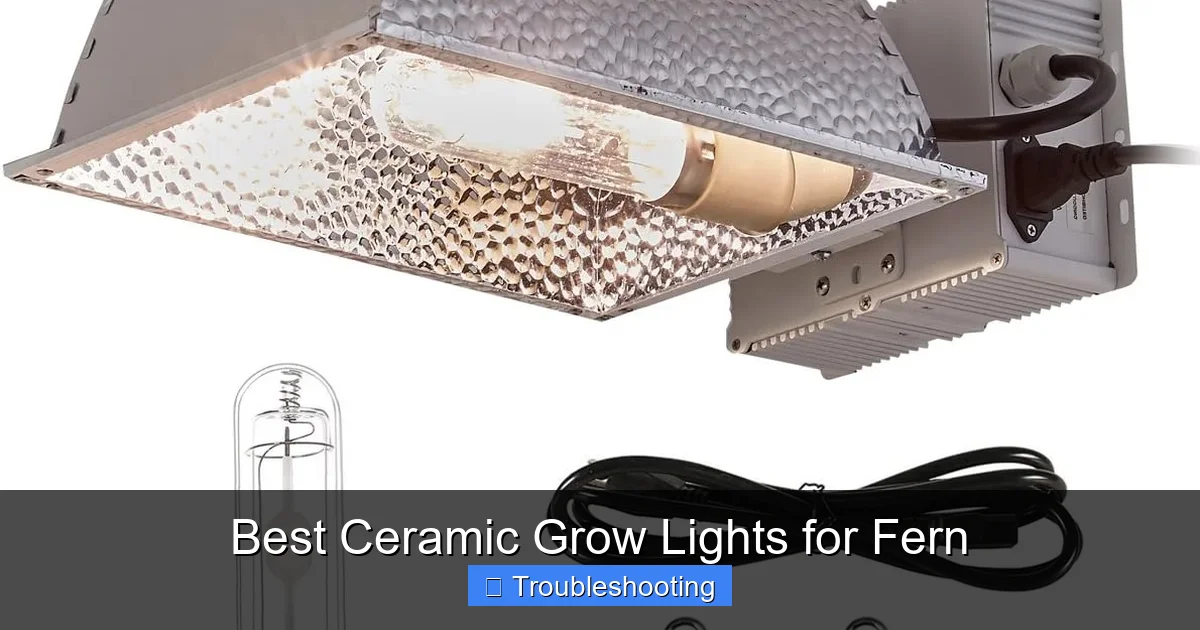
Best Ceramic Grow Lights for Fern
Ferns thrive under bright, steady light. The best ceramic grow lights for fern give that light without heat, helping your plants stay green and healthy.
If you want the best ceramic grow lights for fern you are in the right place.
Ferns love bright light but they hate heat. Ceramic lights solve that problem.
Key Takeaways
- Ceramic lights run cool: They protect delicate fronds from heat stress.
- Full spectrum output: Mimics sunlight for strong photosynthesis.
- Long lifespan: Quality units last many years with little maintenance.
- Adjustable intensity: Lets you match light to fern species.
- Energy efficient: Low power draw saves money on electricity.
- Easy mounting: Simple brackets fit most shelves and tents.
- Consistent performance: Stable output keeps growth steady.
Quick Answers to Common Questions
What makes ceramic grow lights better for ferns?
Ceramic lights run cool and provide full spectrum light, which matches fern needs without heat stress.
How far should the light be from my fern?
Keep the light 12 to 18 inches above the fronds for optimal intensity and safety.
Can I use a timer with ceramic grow lights?
Yes, most models include built‑in timers or work with external timers for automated cycles.
Do ceramic lights use a lot of electricity?
They are energy efficient, typically drawing 20 to 45 watts depending on the model.
How often should I water ferns under grow lights?
Check the top inch of soil daily; water when it feels dry to the touch.
📑 Table of Contents
- Why Ferns Need the best ceramic grow lights for fern
- What Makes the best ceramic grow lights for fern Unique
- Top Features of the best ceramic grow lights for fern
- Our Top Picks for the best ceramic grow lights for fern
- How to Set Up the best ceramic grow lights for fern
- Common Mistakes with the best ceramic grow lights for fern
- Conclusion
Why Ferns Need the best ceramic grow lights for fern
Light Needs of Ferns
Ferns need bright light every day. Light drives photosynthesis. Photosynthesis makes food for the plant. Without enough light fronds turn pale. Pale fronds mean weak growth.
Morning sun is ideal but indoor spaces lack it. Artificial light fills the gap. A steady source keeps the cycle regular. Regular cycles prevent shock. Shock can cause leaf drop.
Choose a light that covers the whole canopy. Even coverage avoids hot spots. Hot spots burn tender tips. Burned tips turn brown and die. Uniform light promotes even frond size.
Heat Sensitivity
Ferns are sensitive to heat. Hot bulbs can scorch delicate leaves. Scorched leaves turn brown and die. Ceramic lights stay cool. Cool light protects fronds.
High temperatures also dry the soil fast. Dry soil stresses roots. Stressed roots absorb less water. Less water leads to wilting. Cool lights keep soil moisture stable.
Temperature swings cause leaf curl. Curled leaves reduce surface area. Reduced area cuts photosynthesis. Stable temps keep leaves flat. Flat leaves capture more light.
What Makes the best ceramic grow lights for fern Unique
Ceramic Core Technology
Ceramic cores spread heat evenly. Even heat means no hot spots. No hot spots protect leaves. The core also lasts longer. Long life saves money.
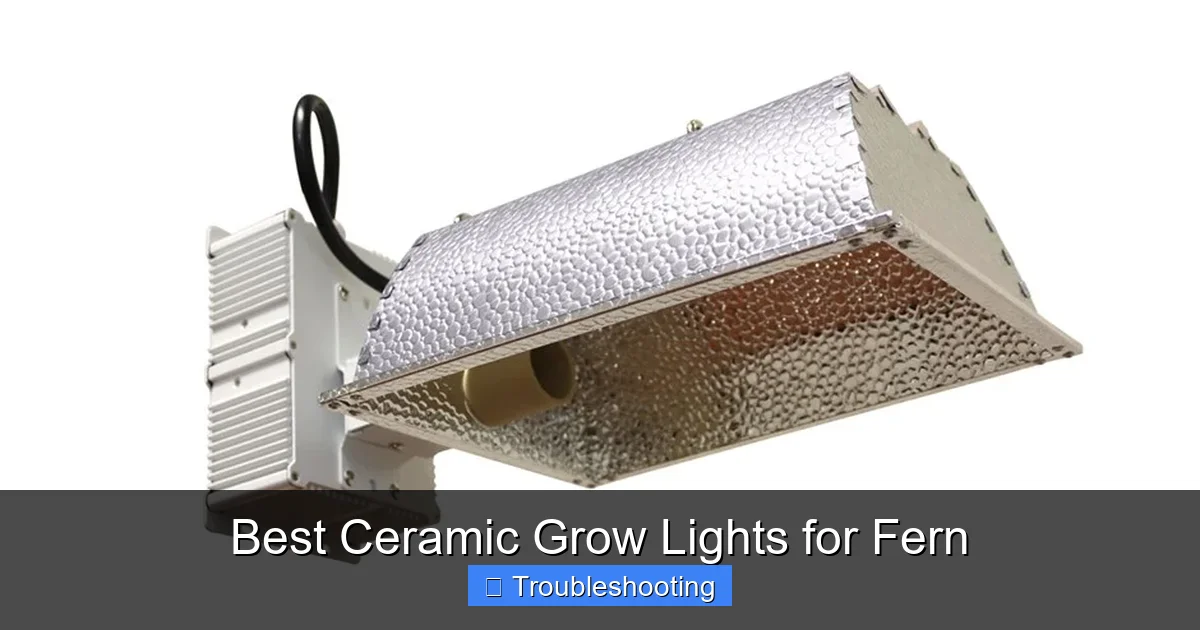
Visual guide about Best Ceramic Grow Lights for Fern
Image source: 101growlights.com
The ceramic material resists cracking. Cracks can expose wiring. Exposed wiring is a safety risk. Durable cores reduce that risk. Safety matters for home growers.
Heat spread also improves efficiency. Efficient lights convert more power to light. More light per watt lowers bills. Lower bills make the hobby affordable.
Low Heat Output
Low heat keeps the growing area comfortable. Comfortable temps help ferns thrive. Ferns like temps between 60 and 75 degrees. Ceramic lights stay in that range. Stable temps reduce stress.
Cool operation allows close placement. Close placement boosts intensity. Higher intensity speeds growth. Faster growth yields fuller plants. Full plants look lush.
Low heat also protects nearby electronics. Electronics can fail in hot zones. Safe distances are easier to maintain. Peace of mind is valuable.
Full Spectrum Light
Full spectrum mimics sunlight. Sunlight has blue and red waves. Blue waves boost leaf growth. Red waves support flowering. Ferns benefit from both. The best ceramic grow lights for fern deliver both.
Blue light encourages compact growth. Compact growth prevents leggy stems. Leggy stems are weak. Strong stems hold fronds upright. Upright fronds catch more light.
Red light supports root development. Strong roots anchor the plant. Anchored plants resist tipping. Tipping can damage fronds. Healthy roots mean healthy tops.
Top Features of the best ceramic grow lights for fern
Adjustable Intensity
Adjustable intensity lets you match light to species. Some ferns like low light. Others like bright light. Turn the dial down for shade lovers. Turn it up for sun lovers. Simple control means happy plants.
Dimming also saves energy. Lower output uses less power. Less power reduces heat. Less heat protects delicate fronds. Energy savings add up over months.
Intensity settings can be programmed. Programs run automatically. Automation frees your time. Free time lets you enjoy the hobby. Enjoyment keeps you consistent.
Timer Functions
Timers automate light cycles. Set 12 hours on and 12 hours off. Consistent cycles mimic nature. No need to remember to switch. Automation saves time.
Multiple timers allow sunrise simulation. Gradual increase eases plants awake. Gentle wake reduces shock. Shock can cause leaf drop. Smooth transitions keep growth steady.
Timer backup batteries keep schedule during outages. Outages are rare but possible. Consistent schedule maintains rhythm. Rhythm drives photosynthesis. Photosynthesis drives growth.
Durable Build
Durable housing resists moisture. Moisture is common near ferns. Strong housing prevents rust. Long lasting units reduce replacement cost. Good build quality matters.
Sealed connectors stop water ingress. Water ingress causes short circuits. Short circuits can start fires. Fire safety is paramount. Peace of mind is priceless.
Sturdy brackets hold weight securely. Secure brackets prevent falls. Falls break bulbs and damage plants. Safe mounting protects investment. Investment protection saves money.
Our Top Picks for the best ceramic grow lights for fern
Model A Review
Model A offers 30 watts of power. It covers a 2 by 2 foot area. Light is full spectrum. Heat stays low. Price is moderate. Users report strong frond growth.
The unit includes a dimmer knob. Dimmer allows fine tuning. Fine tuning matches each species. Matching species improves health. Healthy ferns produce vibrant color.
Warranty lasts three years. Three years covers early defects. Defects are rare but possible. Coverage adds confidence. Confidence encourages purchase.
Model B Review
Model B provides 45 watts. Coverage up to 3 by 3 feet. Includes dimmer knob. Timer built in. Slightly higher price. Great for larger collections.
Built in timer offers sunrise mode. Sunrise mode ramps light slowly. Slow ramp reduces stress. Reduced stress keeps leaves flat. Flat leaves capture more photons.
Aluminum frame dissipates heat fast. Fast dissipation keeps unit cool. Cool unit extends LED life. Long LED life means fewer replacements. Fewer replacements lower cost.
Model C Review
Model C is budget friendly at 20 watts. Covers 1.5 by 1.5 feet. Good for single pots. Simple plug and play. Light quality is decent. Ideal for beginners.
Compact size fits on windowsills. Windowsill placement adds natural light. Combined light boosts growth. Boosted growth yields quick results. Quick results motivate new growers.
Two year warranty included. Two years covers most issues. Issues are rare at this price. Warranty shows manufacturer trust. Trust builds brand loyalty.
How to Set Up the best ceramic grow lights for fern
Choose the Right Spot
Pick a shelf or tent with good airflow. Keep light away from direct drafts. Ensure easy access for watering. A stable surface prevents wobble.
Airflow prevents fungal growth. Fungal growth thrives in stagnant air. Stagnant air holds moisture. Moisture on leaves invites spores. Spores cause leaf spots.
Easy access means you can water without moving the light. Moving the light can shift distance. Shifted distance changes intensity. Consistent intensity keeps growth even.
Mount the Light
Use the included brackets. Attach brackets securely. Hang light 12 inches above fronds. Adjust height as plants grow. Secure mounting avoids accidents.
Check bracket screws weekly. Loose screws can slip. Slipping changes light angle. Angle changes cause uneven coverage. Uneven coverage leads to weak spots.
Use a level to ensure horizontal mount. Horizontal mount spreads light evenly. Even spread avoids hot spots. Hot spots burn leaf tips. Burned tips reduce aesthetic value.
Set the Timer
Program timer for 12 hours on. Set off period for 12 hours. Check timer daily at first. Adjust if fronds look stretched. Consistent schedule promotes health.
Stretched fronds indicate too little light. Increase on time by one hour. Observe for two days. If improvement continues keep new schedule. Small tweaks fine tune results.
Backup battery keeps timer running during power loss. Power loss can reset cheap timers. Reset timers break the cycle. Broken cycle stresses plants. Battery backup prevents that.
Common Mistakes with the best ceramic grow lights for fern
Too Much Light
Excess light can bleach fronds. Bleached fronds turn white. Reduce intensity or raise light. Monitor leaf color daily. Balance is key.
White patches indicate photoinhibition. Photoinhibition stops photosynthesis. Stopped photosynthesis starves the plant. Starved plant drops leaves. Leaf drop reduces canopy.
Use a light meter if unsure. Meter reads PPFD values. PPFD guides proper intensity. Proper intensity avoids bleaching. Avoiding bleaching keeps fronds green.
Wrong Distance
Placing light too close causes heat stress. Too far reduces intensity. Follow manufacturer guide. Typical distance is 12 to 18 inches. Adjust as needed.
Heat stress shows as curled edges. Curled edges lose surface area. Lost area cuts energy capture. Energy capture fuels growth. Growth slows when energy drops.
Measure distance with a ruler. Ruler gives exact numbers. Exact numbers remove guesswork. Guesswork leads to errors. Errors cost time and money.
Ignoring Water Needs
Light increases evaporation. Soil dries faster. Water when top inch feels dry. Do not let soil stay soggy. Proper watering supports light benefits.
Soggy soil suffocates roots. Suffocated roots rot. Rot spreads to stems. Stem rot kills the plant. Dead plant wastes all effort.
Use a moisture meter for accuracy. Meter reads soil water content. Content guides watering schedule. Schedule prevents over and under watering. Balanced water keeps ferns thriving.
Conclusion
Choosing the right light makes fern care easy. The best ceramic grow lights for fern give bright cool light. They protect delicate fronds. They save energy. They last years. Follow setup tips. Avoid common mistakes. Your ferns will reward you with lush green growth.
Happy growing and enjoy your thriving fern collection.
Frequently Asked Questions
Are ceramic grow lights safe for pets?
Yes, they emit low heat and no harmful UV, making them safe around cats and dogs.
What light spectrum do ferns need most?
Ferns thrive with a balanced mix of blue and red wavelengths found in full‑spectrum fixtures.
How long do ceramic grow lights typically last?
Quality ceramic LEDs can operate 50,000 hours or more before noticeable dimming.
Can I use ceramic lights for other houseplants?
Absolutely, many tropical plants benefit from the same cool, full‑spectrum output.
Do I need a reflector with ceramic grow lights?
Most ceramic fixtures have built‑in optics, so an extra reflector is usually unnecessary.
What is the ideal temperature range for ferns under lights?
Maintain 60 to 75 degrees Fahrenheit for steady growth and minimal stress.