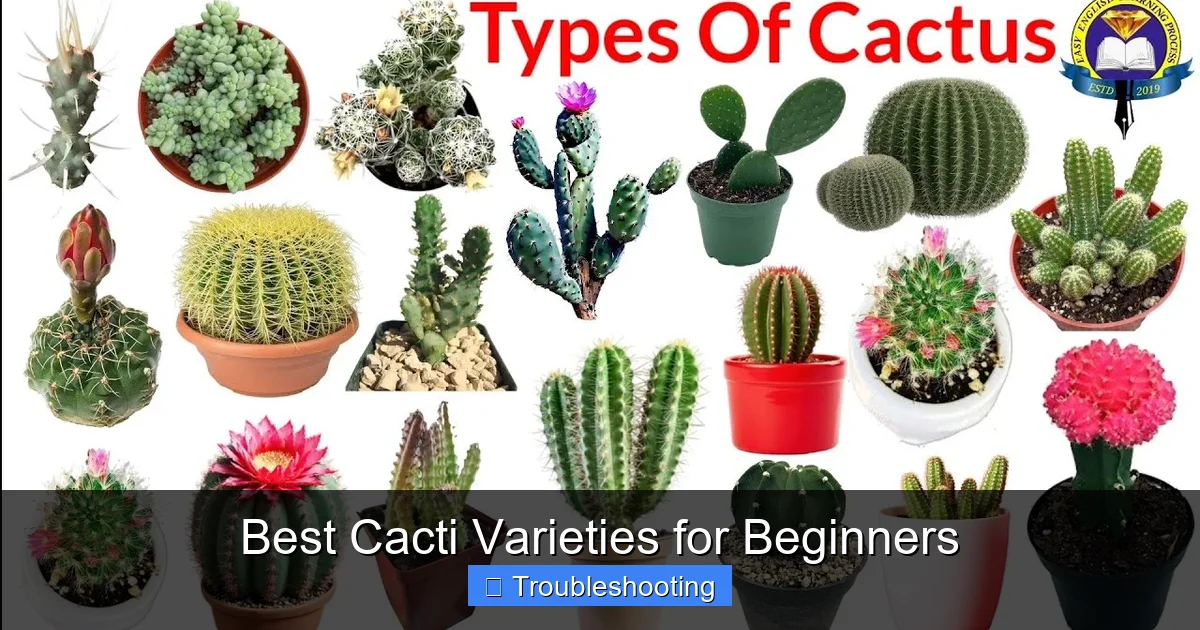
Best Cacti Varieties for Beginners
Starting a cactus collection is simple when you choose the right plants. This guide highlights the best cacti varieties for beginners, shares essential care basics, and shows how to avoid common pitfalls.
Key Takeaways
- Low water needs: Most beginner cacti thrive on infrequent watering.
- Bright light is key: Place them near a sunny window for healthy growth.
- Well‑draining soil prevents rot: Use a cactus mix or add sand and perlite.
- Temperature tolerance varies: Keep most varieties above 50 °F (10 °C).
- Propagation is easy: Offsets and leaf cuttings root quickly.
- Watch for pests: Mealybugs and spider mites are the most common invaders.
- Enjoy seasonal blooms: Some varieties flower with minimal effort.
Quick Answers to Common Questions
What is the easiest cactus for a total novice?
The golden barrel cactus is very forgiving and tolerates neglect well.
How often should I water my beginner cactus?
Water only when the soil is completely dry, usually every two to three weeks in summer.
Can I keep a cactus in a bathroom?
Only if the bathroom gets bright light and good airflow; most cacti prefer low humidity.
Do cacti need fertilizer?
A diluted cactus fertilizer once during the growing season is enough.
Why is my cactus turning yellow?
Yellowing often signals overwatering or poor drainage; check the roots and repot if needed.
📑 Table of Contents
Introduction
Welcome to the world of cacti. If you have never grown a succulent before, you are in the right place. This article walks you through the best cacti varieties for beginners and gives you practical advice to keep them thriving.
Cacti are famous for their toughness. They store water in thick stems, survive dry air, and need very little fertilizer. That makes them perfect for busy people or anyone new to plant care. By the end of this guide you will know which species to pick, how to set up their home, and how to fix the most common problems.
Why Choose Cacti as a First Plant?
Low Maintenance
Cacti ask for little. A weekly glance, a splash of water every few weeks, and a sunny spot are usually enough. They do not need daily misting or frequent repotting.
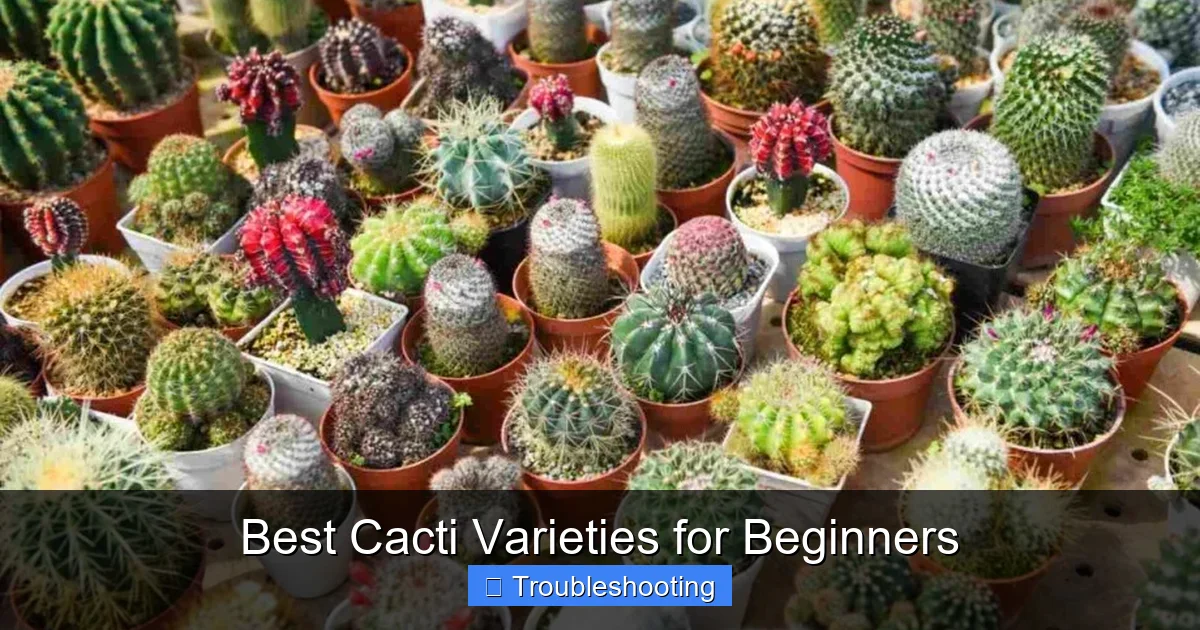
Visual guide about Best Cacti Varieties for Beginners
Image source: planetnatural.com
Variety of Shapes and Colors
From round barrels to flat pads, cacti come in many forms. Some bloom with bright flowers, others stay green year‑round. This diversity lets you create a mini desert garden on a windowsill.
Great for Small Spaces
Most beginner cacti stay compact. They fit on shelves, desks, or tiny balconies. You do not need a large yard to enjoy them.
Top 5 Best Cacti Varieties for Beginners
1. Golden Barrel Cactus (Echinocactus grusonii)
The golden barrel is a classic. Its round, ribbed body glows with golden spines. It grows slowly, reaching about 12 inches tall in a decade. Place it in full sun and water only when the soil is completely dry.
2. Bunny Ear Cactus (Opuntia microdasys)
Also called the polka‑dot cactus, it has flat pads covered in tiny white glochids. It stays under 12 inches tall. Bright indirect light works well. Handle with care because the glochids can irritate skin.
3. Christmas Cactus (Schlumbergera bridgesii)
Unlike desert cacti, this one prefers a bit more humidity. It blooms in winter with pink, red, or white flowers. Keep it in bright, filtered light and water when the top inch of soil feels dry.
4. Zebra Cactus (Haworthiopsis attenuata)
Technically a succulent, the zebra cactus is often grouped with cacti. Its dark green leaves have white horizontal stripes. It tolerates lower light than most cacti and needs very little water.
5. Moon Cactus (Gymnocalycium mihanovichii)
The moon cactus is a grafted plant. A colorful top sits on a green base. It loves bright light but not harsh afternoon sun. Water sparingly and avoid letting the graft sit in water.
Essential Care Tips for New Cactus Owners
Light Requirements
Most cacti need at least six hours of direct sunlight daily. A south‑facing window is ideal. If you only have east or west light, rotate the pot weekly so all sides get sun.
Watering Schedule
Water deeply, then let the soil dry out completely. In summer this may be every two weeks. In winter cut back to once a month or less. Overwatering is the number one killer.
Soil and Potting
Use a commercial cactus mix or make your own with one part potting soil, one part coarse sand, and one part perlite. Choose a pot with drainage holes. Terra cotta pots help excess moisture evaporate.
Temperature and Humidity
Desert cacti like temperatures between 70 °F and 90 °F (21 °C‑32 °C) during the day and cooler nights. Keep them away from cold drafts. Most can tolerate brief drops to 50 °F (10 °C) but not freezing.
Common Mistakes and How to Avoid Them
Overwatering
Signs include mushy stems, yellowing, and a foul smell. If you see these, stop watering immediately. Remove the plant from wet soil, let roots dry for a day, then repot in fresh dry mix.
Insufficient Light
Etiolation shows as stretched, pale growth. Move the cactus to a brighter spot gradually. Sudden intense sun can scorch a shade‑grown plant.
Wrong Soil Mix
Regular potting soil holds too much water. Always amend with sand, pumice, or perlite. A quick test: squeeze a handful of wet mix; it should crumble, not form a ball.
Ignoring Pests
Mealybugs appear as white cottony spots. Spider mites leave fine webbing. Treat early with a cotton swab dipped in rubbing alcohol or a neem oil spray.
Propagating Your First Cactus
Offsets and Pups
Many cacti produce small clones at the base. Gently twist or cut the offset away. Let the cut end callous for a few days, then plant in dry cactus mix. Water lightly after a week.
Seed Germination Basics
Sow seeds on the surface of moist cactus mix. Cover with a clear lid to keep humidity high. Place in bright, indirect light. Germination can take two weeks to several months. Keep the medium barely moist.
Conclusion
Choosing the best cacti varieties for beginners sets you up for success. Start with a golden barrel, bunny ear, Christmas cactus, zebra cactus, or moon cactus. Give them bright light, well‑draining soil, and a careful watering routine. Avoid the common mistakes of overwatering, low light, and poor soil. With a little patience you will enjoy a thriving mini desert that adds character to any room. Happy growing!
Frequently Asked Questions
What are the best cacti varieties for beginners?
The top picks include golden barrel, bunny ear, Christmas cactus, zebra cactus, and moon cactus. Each tolerates minor care mistakes and thrives in typical indoor conditions.
How much sunlight does a beginner cactus need?
Most need at least six hours of direct sun daily. A south‑facing window works best; rotate the pot for even exposure.
What type of soil should I use for cacti?
Use a well‑draining cactus mix or blend potting soil with coarse sand and perlite in equal parts.
How do I prevent overwatering?
Water deeply, then wait until the soil is bone dry before watering again. Use pots with drainage holes and terra cotta to help moisture evaporate.
Can I propagate cacti from cuttings?
Yes. Remove offsets or pads, let the cut end callous for a few days, then plant in dry cactus mix and water sparingly.
What pests commonly affect beginner cacti?
Mealybugs and spider mites are the most frequent. Treat early with rubbing alcohol on a cotton swab or neem oil spray.