Is Bird of Paradise Toxic to Pets
Bird of paradise plants contain compounds that can make dogs and cats sick if they chew or swallow any part. Common signs include drooling, vomiting, and loss of appetite, and a vet visit is recommended right away. Keeping the plant out of reach and choosing pet‑safe alternatives helps protect your furry friends.
Welcome to the guide about bird of paradise toxic to pets. Many plant lovers ask if this bright flower is safe for dogs and cats. The short answer is that it can cause trouble. This article explains why, what to watch for, and how to keep your animals safe. Bird of paradise toxic to pets is a concern for many owners who love tropical foliage.
We will cover the plant’s chemistry, common symptoms, first‑aid steps, prevention tips, and safe alternatives. By the end you will feel confident about managing bird of paradise toxic to pets in your home. Bird of paradise toxic to pets can be managed with the right knowledge.
Key Takeaways
- Bird of paradise toxic to pets: The plant contains irritants that affect dogs and cats.
- Watch for symptoms: Drooling, vomiting, diarrhea, and lethargy are typical.
- Act fast: Rinse the mouth, call your vet, and bring a plant sample.
- Prevention works: Place the plant high, use barriers, or remove it entirely.
- Safe swaps: Spider plant, Boston fern, and prayer plant are non‑toxic options.
- Know the parts: Leaves, stems, and flowers all carry the same risk.
- Regular checks: Inspect your home for fallen leaves or broken stems.
Quick Answers to Common Questions
Is bird of paradise toxic to pets?
Yes, bird of paradise contains calcium oxalate crystals that can irritate the mouth and stomach of dogs and cats.
What are the first signs of poisoning?
Drooling, pawing at the mouth, and refusal to eat are the most common early signs.
Can a small bite cause serious harm?
Even a small bite can cause pain and swelling; severe cases may affect breathing.
Should I induce vomiting at home?
No, do not induce vomiting unless a veterinarian specifically instructs you to do so.
What safe plants can I use instead?
Spider plant, Boston fern, prayer plant, and areca palm are all non‑toxic options.
📑 Table of Contents
What Is Bird of Paradise?
Plant Overview
The bird of paradise is a tropical plant known for its bright orange and blue flowers. It grows tall with large, paddle‑shaped leaves that look like banana leaves. People often keep it indoors for its dramatic look. The plant belongs to the Strelitzia family and thrives in bright light. Bird of paradise toxic to pets because it contains calcium oxalate crystals and other irritants. These crystals can cause pain and swelling when chewed. The plant also has a sap that can irritate skin. Owners should know that every part of the plant holds the same risk. Bird of paradise toxic to pets is a fact that many new owners miss.
Common Varieties
There are several varieties of bird of paradise that you may see in stores. The most common is Strelitzia reginae with orange and blue blooms. Another is Strelitzia nicolai which has white and blue flowers and larger leaves. Both varieties share the same toxic profile. Some garden centers also sell a dwarf version that stays smaller. Even the dwarf type can cause the same symptoms if a pet bites it. Bird of paradise toxic to pets does not change with size or color. Always treat any bird of paradise as a potential hazard. Bird of paradise toxic to pets should be on your radar when you shop for houseplants.
Why It Attracts Pets
Pets are curious creatures and often explore new textures with their mouths. The large, glossy leaves of bird of paradise can look like a chew toy. Cats may bat at the flowers and then lick the pollen. Dogs may sniff the strong scent and try to taste the stem. The plant’s height makes it easy for a jumping cat to reach. Bird of paradise toxic to pets becomes a real risk when pets have free access. Keeping the plant in a room that pets cannot enter reduces the chance of exposure. Bird of paradise toxic to pets is more likely when the plant sits on a low table.
Why Bird of Paradise Can Be Harmful
Toxic Compounds
The main harmful substances in bird of paradise are calcium oxalate raphides. These needle‑shaped crystals embed in the soft tissue of the mouth and throat. They cause intense burning, drooling, and swelling. The plant also contains alkaloids that can upset the stomach. When a pet chews the leaf, the crystals release instantly. Bird of paradise toxic to pets because the crystals act like tiny needles. The sap can also cause skin irritation if it contacts bare skin. Bird of paradise toxic to pets is a mechanical and chemical threat combined.
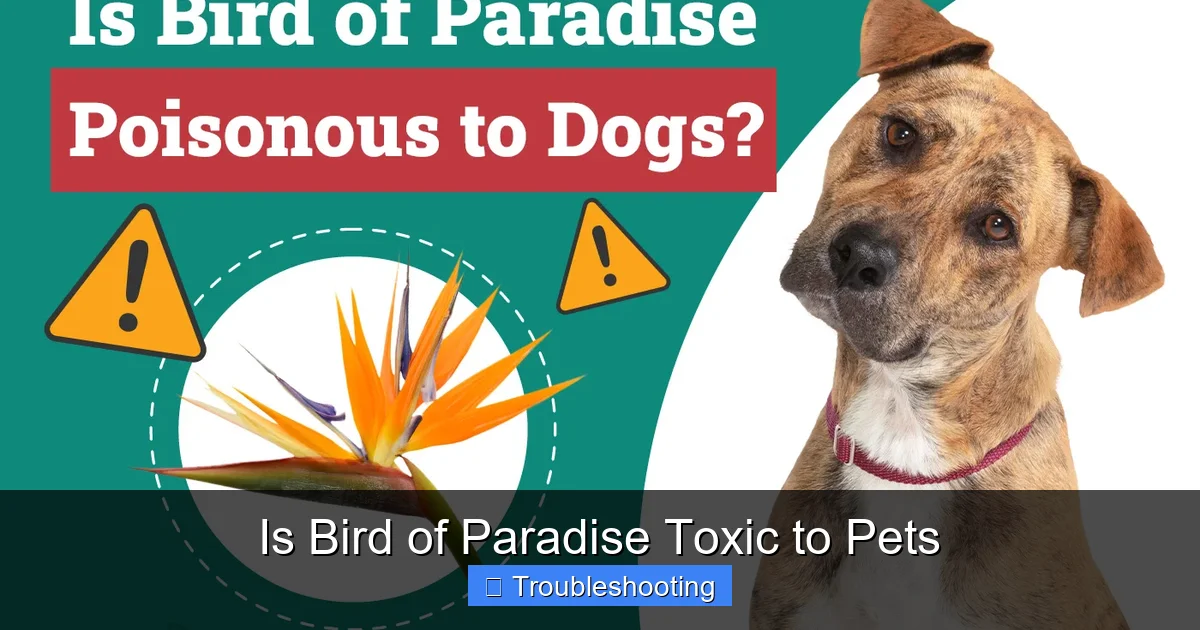
Visual guide about Is Bird of Paradise Toxic to Pets
Image source: dogster.com
How the Plant Affects Dogs
Dogs often chew on plants out of boredom or curiosity. If a dog bites a bird of paradise leaf, the crystals puncture the gums and tongue. The dog may paw at its mouth, whine, and refuse food. Vomiting can follow as the stomach reacts to the irritants. In severe cases the airway can swell, making breathing hard. Bird of paradise toxic to pets means quick action is needed for dogs. A vet can give pain relief and anti‑inflammatory drugs. Bird of paradise toxic to pets can lead to dehydration if vomiting persists.
How the Plant Affects Cats
Cats are more likely to nibble on the flowers and pollen. The crystals cause the same burning sensation in a cat’s mouth. A cat may drool heavily, shake its head, and hide. Some cats develop a temporary loss of appetite. Because cats groom themselves, they may ingest more crystals from fur. Bird of paradise toxic to pets can cause a cat to become lethargic. Veterinary care often includes fluids and medication to reduce swelling. Bird of paradise toxic to pets should be taken seriously for cats as well.
Symptoms of Poisoning in Dogs and Cats
Early Signs
The first signs appear within minutes of chewing. Excessive drooling is the most common early sign. The pet may paw at its mouth or rub its face on the floor. You might see red or swollen gums. The animal may refuse to eat or drink. Bird of paradise toxic to pets produces these early warnings quickly. If you notice any of these, assume exposure has occurred. Bird of paradise toxic to pets can be confirmed by finding chewed leaf fragments.
Advanced Signs
If the exposure continues, vomiting and diarrhea may develop. The pet can become weak and unsteady on its feet. Breathing may become noisy if the throat swells. In rare cases, the pet may collapse. Bird of paradise toxic to pets can progress fast in small animals. Immediate veterinary care improves the outcome. Bird of paradise toxic to pets should never be ignored once advanced signs appear.
When to Call the Vet
Call your veterinarian as soon as you suspect ingestion. Provide details about the plant and the amount eaten. Bring a piece of the plant to the clinic if possible. The vet may ask about the time of exposure. Bird of paradise toxic to pets cases are treated based on symptom severity. Early contact can prevent complications. Bird of paradise toxic to pets is a situation where time matters.
What to Do If Your Pet Eats the Plant
Immediate First Aid
First, remove any plant material from the pet’s mouth. Rinse the mouth with cool water for several minutes. Do not induce vomiting unless the vet tells you to. Offer a small amount of water to help flush the crystals. Keep the pet calm and limit activity. Bird of paradise toxic to pets requires gentle handling to avoid more irritation. Bird of paradise toxic to pets first aid can reduce the severity of symptoms.
Veterinary Treatment Options
At the clinic the vet may give intravenous fluids to prevent dehydration. Pain medication and anti‑inflammatories help reduce swelling. In severe airway swelling, a temporary breathing tube may be needed. Blood work can check for electrolyte imbalances. Bird of paradise toxic to pets treatment is supportive and symptom based. Most pets recover fully with prompt care. Bird of paradise toxic to pets rarely causes long‑term damage.
Follow‑Up Care at Home
After the vet visit, monitor your pet for any returning signs. Continue any prescribed medication for the full course. Keep the pet away from the plant area until it is removed. Offer bland food like boiled chicken and rice if the stomach is upset. Bird of paradise toxic to pets recovery is usually quick with proper follow‑up. Bird of paradise toxic to pets follow‑up ensures no hidden issues remain.
Preventing Exposure at Home
Placement Strategies
Place the bird of paradise on a high shelf or in a hanging basket. Use a plant stand that is out of reach for jumping cats. Keep the plant in a room that pets cannot enter, like a home office with a closed door. Bird of paradise toxic to pets risk drops dramatically when the plant is elevated. Bird of paradise toxic to pets can be avoided by simple placement changes.
Barriers and Deterrents
Use a decorative fence or pet gate around the plant base. Spray a pet‑safe bitter deterrent on the leaves. Provide alternative chew toys to redirect curiosity. Training commands like “leave it” can help dogs avoid the plant. Bird of paradise toxic to pets prevention works best with multiple layers. Bird of paradise toxic to pets barriers add extra safety.
Regular Home Checks
Inspect the plant weekly for fallen leaves or broken stems. Clean up any debris immediately. Check that the plant has not been knocked over by a pet. Replace any damaged pots that could spill soil. Bird of paradise toxic to pets exposure often comes from overlooked fallen parts. Bird of paradise toxic to pets checks keep your home safe.
Safe Plant Alternatives for Pet Owners
Non‑Toxic Houseplants
Spider plant is a popular choice that is safe for dogs and cats. Boston fern adds lush greenery without risk. Prayer plant offers colorful leaves and is non‑toxic. Areca palm brings a tropical feel and is pet friendly. Bird of paradise toxic to pets can be replaced by any of these options. Bird of paradise toxic to pets alternatives let you enjoy plants worry free.
How to Introduce New Plants
When bringing a new plant home, place it in a quarantine area for a few days. Observe your pets for any interest or chewing. Gradually move the plant to its final spot once you are sure it is ignored. Bird of paradise toxic to pets habits can be broken with slow introductions. Bird of paradise toxic to pets prevention starts with careful placement.
Creating a Pet‑Friendly Green Space
Design a corner with several safe plants at different heights. Add a cat tree or dog bed nearby so pets have their own space. Use decorative pots that are heavy and stable. Rotate plants seasonally to keep the area fresh. Bird of paradise toxic to pets concerns disappear when the whole space is pet safe. Bird of paradise toxic to pets free zones make everyone happy.
Conclusion
Bird of paradise toxic to pets is a real but manageable risk for pet owners. Knowing the toxic compounds, recognizing symptoms, and acting quickly can save your pet from serious harm. Simple steps like high placement, barriers, and regular checks keep the plant out of reach. Choosing non‑toxic alternatives lets you enjoy greenery without worry. Bird of paradise toxic to pets does not have to stop you from having a beautiful home. With the right knowledge you can protect your furry friends and still love your plants.
Frequently Asked Questions
How quickly do symptoms appear after a pet chews bird of paradise?
Symptoms usually appear within minutes to an hour after ingestion, starting with drooling and mouth pain.
Can bird of paradise cause long‑term health issues?
Most pets recover fully with prompt treatment; long‑term issues are rare unless airway swelling is severe.
Is the sap of bird of paradise dangerous to skin?
The sap can cause mild skin irritation in sensitive individuals, so wash hands after handling the plant.
Do all varieties of bird of paradise have the same toxicity?
Yes, all Strelitzia species contain similar calcium oxalate crystals and pose the same risk.
What should I bring to the vet if my pet eats the plant?
Bring a sample of the plant, note the time of ingestion, and describe any symptoms you observed.
Can I keep bird of paradise if I have a pet that never chews plants?
Even non‑chewing pets may accidentally ingest fallen leaves, so it is safer to choose non‑toxic plants.