Monstera Deliciosa Care for Dorm Room
Monstera Deliciosa care for dorm room success comes down to three things: bright indirect light, careful watering, and smart space management. This guide covers everything you need to grow a stunning Swiss cheese plant in tight quarters without stress.
Key Takeaways
- Light matters most: Place your Monstera near an east or north-facing window for bright indirect light that mimics its natural habitat.
- Water when dry: Check the top two inches of soil before watering to prevent root rot in small pots with limited drainage.
- Choose the right pot: Use a container with drainage holes and a saucer to protect dorm furniture from water damage.
- Humidity helps: Group plants together or use a pebble tray to boost moisture levels in dry dorm air.
- Support early: Add a moss pole or trellis when the plant is young to encourage upright growth and save floor space.
- Watch for pests: Inspect leaves weekly for spider mites and mealybugs which spread fast in shared living spaces.
- Propagate to share: Take stem cuttings in water to grow new plants for friends or backup plants if the main one struggles.
Quick Answers to Common Questions
How often should I water my Monstera in a dorm room?
Check the top two inches of soil with your finger every three to four days. Water only when it feels dry at your fingertip. Frequency changes with seasons, heating, and light levels.
Can Monstera survive in a low-light dorm room?
It will survive but won’t thrive. Without bright indirect light, growth becomes leggy and leaves won’t develop splits. Add a full-spectrum LED grow light for twelve to fourteen hours daily to fix this.
Why are my Monstera leaves turning yellow?
Usually overwatering. Check soil moisture and drainage. One bottom leaf yellowing is normal aging. Multiple yellow leaves mean root issues. Repot in fresh well-draining mix if soil stays soggy.
Do I need a moss pole for my dorm Monstera?
Not required but highly recommended. A moss pole encourages upright growth, larger leaves, and earlier fenestration. It saves floor space and looks intentional in small rooms.
How do I increase humidity for my Monstera without a humidifier?
Group plants together, use a pebble tray with water below the pot bottom, or place the plant in a naturally humid bathroom if light allows. Misting gives only temporary relief.
📑 Table of Contents
- Why Monstera Deliciosa Is Perfect for Dorm Life
- Finding the Perfect Spot in Your Dorm Room
- Watering Without the Guesswork
- Soil and Potting for Small Spaces
- Humidity and Temperature Hacks
- Training and Supporting Your Monstera
- Feeding for Steady Growth
- Common Problems and Quick Fixes
- Propagation: Free Plants for Friends
- Seasonal Adjustments
- Budget-Friendly Tips for Students
- Creating a Plant Care Routine That Sticks
- Conclusion
Why Monstera Deliciosa Is Perfect for Dorm Life
You walk into your dorm room and something feels missing. The walls are bare. The air feels stale. You want life in this space but you have zero gardening experience and even less room. Enter the Monstera Deliciosa. This plant has taken over social media for good reason. Those iconic split leaves bring instant jungle vibes to any corner. Better yet, this tropical beauty adapts surprisingly well to indoor life.
Monstera Deliciosa care for dorm room settings does come with challenges. Limited light. Dry air from heating systems. Roommates who might knock things over. Tiny windowsills. No yard for drainage mess. But here is the truth. Thousands of students keep these plants thriving in spaces smaller than your closet. You can too. This guide walks through every step from picking the right spot to fixing yellow leaves before they become a crisis.
Finding the Perfect Spot in Your Dorm Room
Window Direction Matters More Than You Think
Light is the single biggest factor in Monstera Deliciosa care for dorm room success. These plants grow on rainforest floors. They get dappled sunlight filtering through tall trees. Direct afternoon sun burns their leaves. Total shade makes them leggy and sad. Your job is to mimic that filtered light.
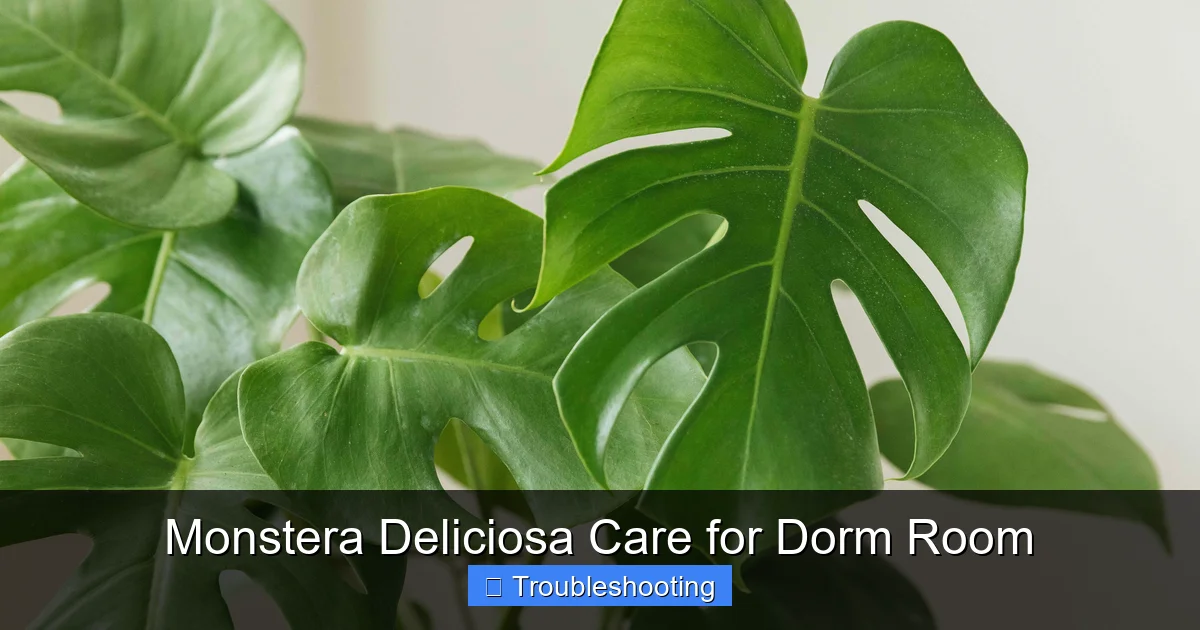
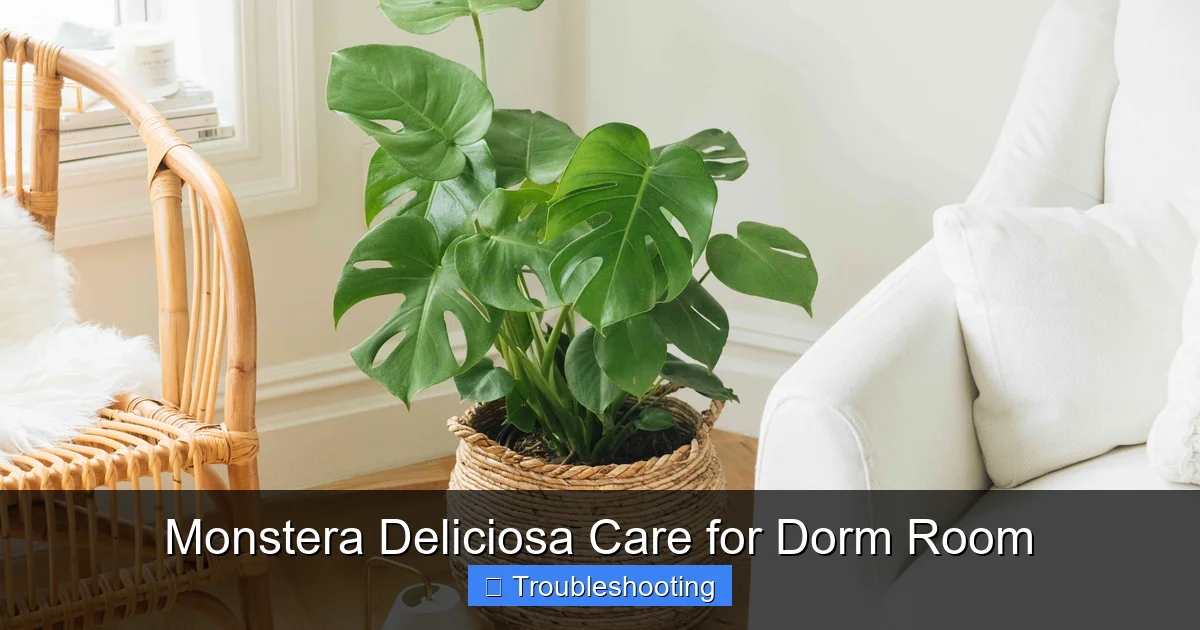
Visual guide about Monstera Deliciosa Care for Dorm Room
Image source: thespruce.com
East-facing windows are gold. They give gentle morning sun then bright indirect light all day. North-facing windows work too. The light stays consistent but weaker. You may need to move the plant closer to the glass. South and west windows bring intense afternoon rays. If that is your only option, pull the plant back three to four feet. Or hang a sheer curtain. That simple fabric filter saves leaves from crispy brown edges.
Working With What You Have
Most dorms give you one window. Maybe two if you luck out. Your bed takes one wall. Your desk takes another. Your roommate claims the window side. You get the dark corner. Do not panic. You have options.
First, measure actual light. Download a free light meter app on your phone. Hold it at plant level at different times. You want readings between 400 and 800 foot-candles for solid growth. Below 200 means you need a grow light. Above 1000 risks burn without diffusion.
Second, use vertical space. Command hooks hold lightweight macrame hangers. No holes in walls. No angry RA. A hanging Monstera near the window gets better light than one on the floor. Plus it frees up precious floor square footage.
Third, rotate weekly. Give the plant a quarter turn every time you water. This prevents lopsided growth where all leaves reach toward the window. Even rotation keeps your Monstera looking full and balanced from every angle.
Grow Lights for Dark Dorms
Some dorms face brick walls. Others have tiny basement windows. If natural light fails you, a grow light is a game changer. LED panels use minimal electricity. They run cool so they won’t heat your small room. Look for full spectrum lights around 4000K to 6500K. Clip-on models attach to your desk or bed frame. Run them twelve to fourteen hours daily. A simple outlet timer automates the schedule so you never forget.
Position the light twelve to eighteen inches above the plant. Adjust as it grows. Watch for signs. Leaves reaching upward love the light. Leaves curling or bleaching mean it is too close. Monstera Deliciosa care for dorm room setups with grow lights often outperforms window-only plants because you control every variable.
Watering Without the Guesswork
The Finger Test Never Lies
Overwatering kills more Monsteras than anything else. Dorm rooms stay warm year-round. Heating systems dry the air. You think the plant needs water constantly. It does not. The roots need oxygen as much as moisture. Soggy soil suffocates them. Rot sets in fast.
Forget schedules. Forget apps. Use your finger. Push it two inches deep into the soil. If it feels dry at your fingertip, water. If it feels cool and damp, wait. Check every three to four days. In winter, maybe every week. In summer heat, maybe every two days. The plant tells you what it needs.
How to Water Properly
When the soil passes the finger test, take the plant to a sink or shower. Water slowly until it runs out the drainage holes. Let it drain completely. Ten minutes. Twenty if the pot is large. Never let it sit in a saucer of water. That reabsorbs into the soil and keeps roots wet. Empty the saucer every single time.
Use room temperature water. Cold shocks tropical roots. If your tap water is heavily chlorinated, let it sit overnight. Or use filtered water. Rainwater is best if you can collect it. Distilled water lacks minerals so mix it half and half with tap.
Signs You Are Overwatering
Yellow leaves starting at the bottom. Mushy stems near the soil. Fungus gnats flying around. A sour smell from the pot. Soil that stays wet for more than a week. If you see these, stop watering immediately. Let the soil dry almost completely. Consider repotting into fresh, well-draining mix if rot has started.
Signs You Are Underwatering
Curling leaves that feel thin and papery. Brown crispy edges. Soil pulling away from pot sides. Dramatic drooping that perks up fast after watering. The fix is easy. Water thoroughly. Increase frequency slightly. The plant bounces back fast.
Soil and Potting for Small Spaces
The Right Mix Makes Everything Easier
Standard potting soil holds too much water for Monsteras. It compacts over time. Roots suffocate. You need a chunky, airy mix. Make your own or buy aroid mix. The recipe is simple. Two parts quality potting soil. One part orchid bark. One part perlite. One part horticultural charcoal. The bark creates air pockets. Perlite improves drainage. Charcoal prevents bacterial buildup. Your roots will thank you.
If buying pre-made, look for “aroid mix” or “monstera mix” on the bag. Avoid anything with moisture control crystals. Those hold water exactly when you don’t want them to. Monstera Deliciosa care for dorm room success starts with this foundation. Good soil forgives watering mistakes. Bad soil amplifies them.
Pot Selection Strategy
Terracotta breathes. Plastic retains moisture. For dorm rooms, terracotta wins. It wicks excess moisture out. It shows you when soil is dry by color change. It is heavy enough not to tip over when bumped. And it is cheap. Get one with a drainage hole. Always. No exceptions.
Size matters. A pot two inches wider than the root ball is perfect. Huge pots hold too much soil. That soil stays wet. Root rot follows. When repotting, go up one size only. Every two years is plenty. Spring is the best time.
Put a coffee filter over the drainage hole. Soil stays in. Water flows out. Place the pot on a cork trivet or plastic saucer. Protects your desk or floor from moisture rings. Your security deposit will thank you.
Repotting in a Dorm Room
No yard. No garage. No hose. Repotting feels impossible. It is not. Lay down a trash bag or shower curtain liner. Work over a storage bin. Keep a vacuum handy. Do it in the bathroom if you have suite-style. Or outside on a nice day. The mess is minimal with prep.
Water the plant two days before. Moist soil holds together. Dry soil crumbles. Wet soil makes a mess. Gently squeeze the pot sides. Tip sideways. Slide the root ball out. Loosen circling roots with fingers. Trim any black mushy ones. Place in new pot with fresh mix. Water lightly. Done.
Humidity and Temperature Hacks
Dorm Air Is Desert Air
Heating systems strip moisture. Winter humidity drops to twenty percent. Monsteras want sixty percent plus. Brown leaf tips appear. New leaves emerge stuck or deformed. You can fix this without a humidifier.
Group plants together. They create a microclimate through transpiration. Three plants clustered raise local humidity five to ten percent. Add a pebble tray. Fill a shallow tray with pebbles. Add water to just below the top. Set the pot on top. Not in the water. Evaporation humidifies the immediate area.
Misting helps briefly but not long-term. If you mist, do it morning only. Wet leaves at night invite fungal issues. A small desktop humidifier runs twenty bucks. Runs quiet. Uses little power. Place it near but not blowing directly on the plant.
Temperature Stability
Monsteras hate drafts. Heater vents blast hot dry air. AC units blow cold. Windows leak cold in winter. Keep your plant three feet from all of these. Ideal range is sixty-five to eighty-five degrees. It tolerates down to fifty-five briefly. Below that, growth stops. Leaves damage.
If your dorm runs hot, the plant drinks more. Check soil daily. If it runs cold, the plant drinks less. Check soil every week. Adjust. Monstera Deliciosa care for dorm room environments means reading the room, not just the plant.
Training and Supporting Your Monstera
Why Support Matters in Small Spaces
Monsteras climb. In nature, they scale trees thirty feet up. In your dorm, they sprawl across the floor. Tripping hazard. Space hog. Hard to rotate. A support solves all of this. Vertical growth uses a fraction of the footprint. Leaves get better light exposure. Airflow improves. The plant looks intentional, not messy.
Moss Pole vs Trellis vs Stake
Moss poles mimic tree bark. Aerial roots attach. The plant feels secure. It grows larger leaves. It fenestrates (splits) sooner. Make your own with PVC pipe, sphagnum moss, and fishing line. Or buy one. Soak it before installing. Keep it damp. Roots grow into it.
Trellises work too. Metal or wood. Attach stems with soft plant ties. Velcro strips. Twist ties wrapped in cloth. Never bare wire. It cuts stems. Check ties monthly. Loosen as stems thicken.
Simple bamboo stakes work for young plants. One central stake. Tie the main stem. Add more as it branches. Cheap. Invisible. Effective.
Installing Support Without Root Damage
Best time is during repotting. You see the roots. You place the pole perfectly. But you can add one anytime. Push it in slowly. Near the pot edge. Away from the main root mass. If you hit resistance, shift over. Do not force. Tie the thickest stems first. Use figure-eight loops. Stem on one side. Pole on the other. Prevents rubbing.
Feeding for Steady Growth
Less Is More
Dorm Monsteras grow slower than greenhouse ones. Less light. Smaller pots. They need less fertilizer. Too much burns roots. Causes salt buildup. White crust on soil surface. Leaf tip burn. Weak growth.
Use a balanced liquid fertilizer. 20-20-20 or 10-10-10. Dilute to half strength. Apply monthly during spring and summer. Skip fall and winter. If using grow lights year-round, feed monthly year-round at quarter strength.
Flush the soil every three months. Water heavily until it runs clear from the bottom. Let drain fully. This removes accumulated salts. Your plant gets a fresh start.
Organic Options
Worm castings. Fish emulsion. Seaweed extract. These feed gently. They improve soil biology. Smell can be an issue in shared spaces. Fish emulsion reeks for hours. Worm castings are odorless. Mix a tablespoon into the top inch of soil monthly. Water in. Simple.
Common Problems and Quick Fixes
Yellow Leaves
One yellow leaf at the bottom is normal. The plant sheds old growth. Multiple yellow leaves mean trouble. Check soil moisture first. Usually overwatering. Check for root rot. Smell the soil. Feel the stems. Mushy means rot. Repot immediately in fresh dry mix. Trim rotten roots. Dust cuts with cinnamon. It is a natural fungicide.
If soil is fine, check light. Too little light causes yellowing. Move closer to window. Add grow light. Check for pests. Spider mites cause stippled yellow patterns. See pest section below.
Brown Tips and Edges
Classic low humidity sign. Also caused by fertilizer burn. Or tap water chemicals. Or inconsistent watering. Trim brown tips with clean scissors. Cut at an angle matching leaf shape. Fix the root cause. Humidity up. Fertilizer down. Filtered water. Consistent checks.
No Fenestration (Splits)
Young plants don’t split. That is normal. Mature leaves split when the plant gets enough light. Bright indirect light triggers the genes. If your plant is two years old with zero splits, it needs more light. Period. Move it. Add a grow light. Give it a moss pole. The combination works wonders.
Leggy Growth
Long stems. Small leaves. Big gaps between nodes. The plant is stretching for light. Prune it back. Cut above a node. Propagate the cutting. Move the mother plant to brighter light. Add support. New growth will be compact.
Pests: The Dorm Room Spread
Spider mites. Mealybugs. Scale. Fungus gnats. Thrips. They hitchhike on new plants. They spread through shared ventilation. They explode in dry heated air. Inspect weekly. Under leaves. Along stems. In soil.
Spider mites: Tiny webs. Speckled leaves. Wash plant in shower. Spray neem oil weekly for three weeks. Increase humidity. They hate moisture.
Mealybugs: White cottony clusters. Dab with alcohol on cotton swab. Spray neem oil. Check roots too.
Scale: Brown bumps on stems. Scrape off. Spray horticultural oil.
Fungus gnats: Tiny flies. Let soil dry more. Yellow sticky traps. Mosquito bits in water.
Thrips: Silvery patches. Black dots (poop). Blue sticky traps. Spinosad spray.
Quarantine new plants two weeks. Treat preventatively with neem oil monthly. Monstera Deliciosa care for dorm room pest prevention saves heartbreak.
Propagation: Free Plants for Friends
Water Propagation Basics
Monsteras root easily in water. Cut below a node. Include at least one node. Two is better. Remove bottom leaves. Place in clear glass. Node submerged. Leaves above water. Bright indirect light. Change water weekly. Roots appear in two to four weeks. Pot when roots are two inches long.
Soil Propagation
Same cutting. Dip in rooting hormone if you have it. Plant in moist perlite or sphagnum moss. Cover with clear plastic bag. Humidity dome. Vent daily. Roots in three to five weeks. Less transplant shock than water roots.
Air Layering for Big Plants
Choose a node on a thick stem. Wrap damp sphagnum moss around it. Cover with plastic wrap. Secure with twist ties. Keep moss damp. Roots grow into moss in four to eight weeks. Cut below new roots. Pot the top. The bottom resprouts. Two plants. One pot.
Sharing the Wealth
Propagated Monsteras make incredible gifts. Pot in cute cachepots. Add care cards. Your floor mates get plants. You get backup plants. If your main plant crashes, you have clones. Monstera Deliciosa care for dorm room communities builds connections.
Seasonal Adjustments
Spring Wake Up
Days lengthen. Light increases. Growth accelerates. Resume fertilizing. Check if repotting needed. Add support if the plant got tall. Prune any winter dieback. Watch for pests emerging.
Summer Vigilance
Heat waves. AC blasting. Soil dries fast. Check every two days. Humidity drops. Pebble trays essential. Spider mites love hot dry air. Inspect twice weekly. Vacation coming? Water thoroughly. Move away from window. Group with other plants. They survive two weeks easily.
Fall Transition
Light drops. Growth slows. Reduce fertilizing. Stop by November. Water less often. Heater turns on. Humidity crashes. Start pebble trays. Add humidifier. Watch for drafts from windows.
Winter Survival
Dormant period. Barely growing. Water maybe every ten to fourteen days. No fertilizer. Maximum light. Clean leaves monthly. Dust blocks precious light. Check for cold damage near windows. Rotate for even light. Plan spring repot.
Budget-Friendly Tips for Students
Free and Cheap Resources
Campus greenhouse often gives away cuttings. Botany department sales. Facebook Marketplace free section. Nextdoor app. Freecycle. Friends with overgrown plants. Ask. People love sharing.
Pots: Yogurt containers with holes drilled. Nursery pots from landscapers. Thrift stores. Dollar stores. Reuse takeout containers for propagation.
Soil: Make your own. Bulk perlite and bark online splits with friends. Campus compost for organic matter.
Supports: Bamboo stakes from garden center. PVC pipe from hardware store. Fallen branches cleaned and baked.
Split Costs With Plant Friends
Find two other plant people. Buy fertilizer together. Split a bag of perlite. Share a humidifier. Carpool to nursery. Trade cuttings. Knowledge shares free.
Creating a Plant Care Routine That Sticks
The Sunday Check-In
Pick one day. Sunday works. Ten minutes. Check soil on every plant. Rotate. Inspect leaves. Wipe dust. Refill pebble trays. Note anything odd. Put it in your calendar. Treat it like a class. Non-negotiable.
Track What Works
Notes app. Photo journal. Spreadsheet. Record watering dates. Fertilizer dates. Repot dates. Problems and solutions. Patterns emerge. You learn your specific plant in your specific room. That knowledge beats any generic guide.
When You Travel
Weekend trip: Water thoroughly. Group plants. They are fine.
Week trip: Water thoroughly. Move to lower light. Bag method. Clear trash bag over plant. Stakes hold plastic off leaves. Seal. Acts like terrarium. Two weeks max.
Month trip: Find a plant sitter. Pay in baked goods. Leave written instructions. Photos of each plant. Numbered. Simple.
Conclusion
Monstera Deliciosa care for dorm room living is not about perfection. It is about attention. A glance at the soil. A rotation toward the light. A wipe of the leaves. These small acts compound. Before you know it, that tiny cutting becomes a statement piece. Your dorm feels like home. Your air feels cleaner. Your stress drops just looking at those gorgeous splits.
You will make mistakes. Yellow leaves happen. Pests appear. You forget to water. The plant forgives you. Monsteras are survivors. They want to live. Give them the basics and they reward you wildly. Start today. Pick a spot. Check the light. Water when dry. Watch what happens. You are not just keeping a plant alive. You are growing something beautiful in a transient space. That matters.
Your Monstera journey starts now. One leaf at a time.
Frequently Asked Questions
What is the best window direction for a Monstera in a dorm room?
East-facing windows provide ideal gentle morning sun and bright indirect light all day. North-facing windows work if you place the plant close to the glass. South or west windows require sheer curtains or pulling the plant back several feet to prevent leaf burn.
Can I use regular potting soil for my Monstera?
Regular potting soil retains too much moisture and compacts over time. Mix two parts potting soil with one part each of orchid bark, perlite, and horticultural charcoal for proper drainage and aeration that prevents root rot.
How do I know when to repot my Monstera?
Repot every two years in spring, or when you see roots circling the bottom, growing out of drainage holes, or when soil dries out in less than two days. Only go up one pot size to avoid excess soil staying wet.
Why won’t my Monstera leaves split?
Fenestration requires mature plants and bright indirect light. Young plants under two years old rarely split. If your mature plant has no splits, increase light exposure significantly or add a grow light to trigger the genetic response.
What should I do if my dorm Monstera gets spider mites?
Take the plant to a shower and spray all leaves thoroughly, especially undersides. Treat with neem oil weekly for three weeks. Increase humidity to sixty percent or higher since spider mites thrive in dry conditions. Quarantine from other plants.
Can I propagate my Monstera in water indefinitely?
Water roots differ from soil roots. Transfer to soil when roots reach two inches long, usually after two to four weeks. Long-term water culture leads to weaker plants that struggle during transition. Soil or sphagnum moss produces stronger root systems.