Troubleshooting T5 for String of Bananas
Troubleshooting T5 for string of bananas helps you identify and fix common lighting problems that cause stretching, color loss, and slow growth. This guide covers optimal distance, duration, and spectrum settings so your succulent thrives under fluorescent lights.
If you grow string of bananas indoors, you know this trailing succulent loves bright light. But what happens when your T5 setup isn’t delivering the results you want? Maybe the stems look leggy. Maybe the leaves turn pale. Maybe growth just stalls. You are not alone. Many plant parents struggle with dialing in the right fluorescent lighting for this quirky succulent. The good news? Most issues are easy to fix once you know what to look for. This guide walks you through every common problem, why it happens, and how to solve it step by step.
We will cover light distance, daily duration, bulb spectrum, heat management, and seasonal adjustments. You will learn to read your plant’s signals like a pro. By the end, you will have a clear checklist for troubleshooting T5 for string of bananas so your plant stays full, colorful, and happily cascading over the pot edge.
Key Takeaways
- Distance matters: Keep T5 lights 6 to 12 inches above your string of bananas for optimal intensity without heat stress.
- Duration is key: Provide 12 to 14 hours of light daily during active growth, reducing to 10 hours in winter.
- Watch for stretching: Long gaps between leaves mean your plant needs more light or closer placement.
- Color changes signal issues: Pale or yellow leaves often indicate too much light; dark green with weak growth means too little.
- Use a timer: Consistent light cycles prevent stress and promote even, compact growth.
- Rotate regularly: Turn the pot weekly so all sides receive equal light exposure.
- Supplement when needed: Add a second fixture or switch to full-spectrum bulbs if growth stays slow.
Quick Answers to Common Questions
How close should T5 lights be to string of bananas?
Keep T5 lights 6 to 12 inches above the plant canopy. Closer gives more intensity but watch for heat. Start at 8 inches and adjust based on plant response.
How many hours of T5 light does string of bananas need?
Provide 12 to 14 hours daily during spring and summer. Reduce to 10 hours in fall and winter. Use a timer for consistency.
Why is my string of bananas stretching under T5 lights?
Stretching means the light is too weak or too far away. Lower the fixture, increase daily hours, or replace old bulbs that have lost output.
Can T5 lights burn string of bananas?
Yes, if placed closer than 4 inches or run longer than 16 hours. Signs include bleached patches and crispy tips. Raise the light and reduce duration.
What color temperature T5 bulb is best for string of bananas?
Use 6500K (daylight) bulbs for compact vegetative growth. Avoid 3000K bloom bulbs unless mixed with a 6500K tube.
📑 Table of Contents
- Understanding Your String of Bananas Light Needs
- Common Problem: Etiolation and Stretching
- Common Problem: Light Burn and Bleaching
- Common Problem: Uneven Growth and Leaning
- Dialing In the Right Light Duration
- Choosing and Maintaining T5 Bulbs
- Troubleshooting Checklist: Step by Step
- Advanced Tips for Better Results
- When to Suspect Non-Light Issues
- Creating Your Ideal T5 Setup
- Conclusion
Understanding Your String of Bananas Light Needs
Natural Habitat Clues
String of bananas (Senecio radicans) comes from South Africa. There it grows as a ground cover or trails over rocks in bright, filtered sunlight. It gets strong light for many hours but rarely bakes in direct midday sun. This tells us two things. First, it wants high light intensity. Second, it prefers some protection from harsh rays. When we move it indoors under T5 lights, we try to mimic that bright but gentle environment.
Why T5 Lights Work Well
T5 fluorescent tubes are a favorite for succulents. They run cooler than old T12 or T8 tubes. They put out more lumens per watt. They fit in slim fixtures that sit close to plants. And they come in different color temperatures. A 6500K daylight bulb gives the blue-heavy spectrum that keeps growth compact. A 3000K bulb adds red for flowering, though string of bananas rarely blooms indoors. Most growers stick with 6500K or mix one of each for balance.
Signs Your Light Setup Is Working
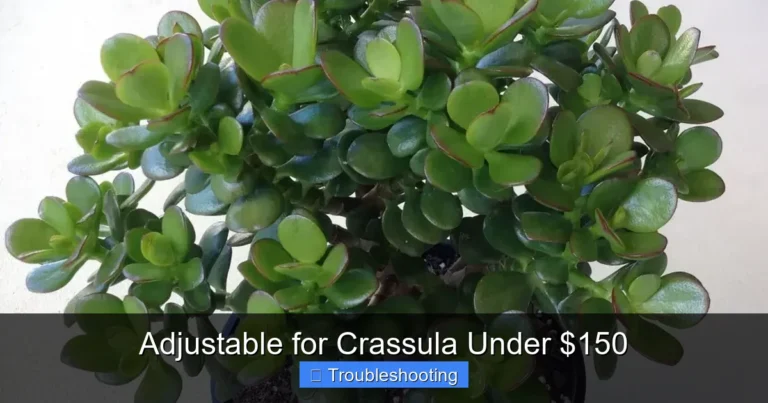
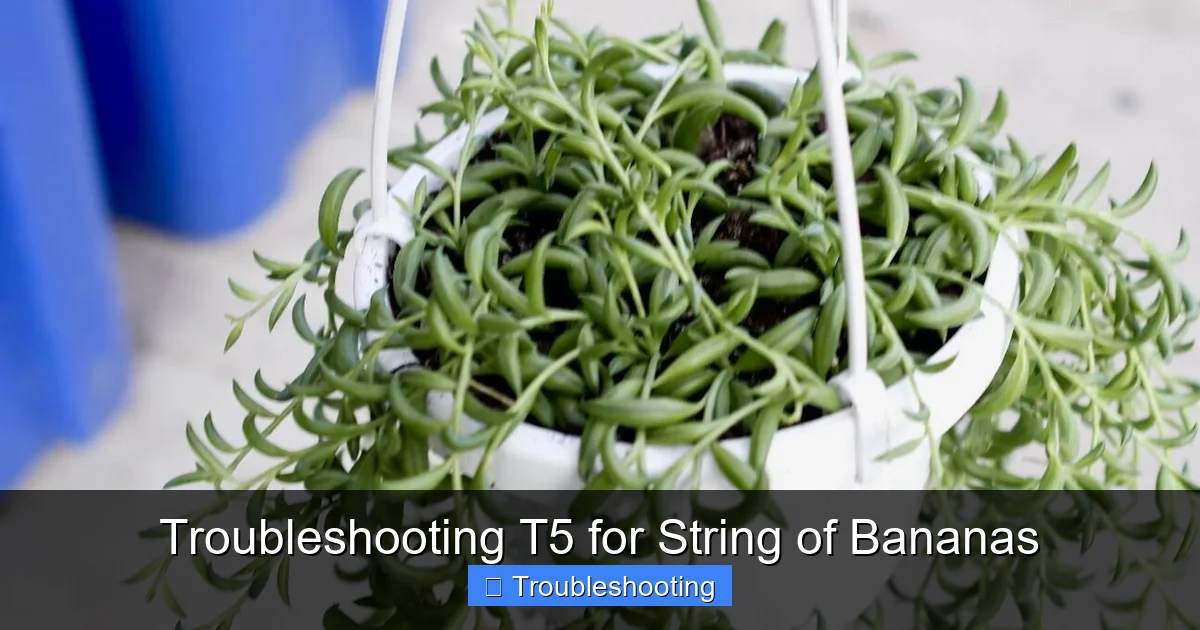
A happy string of bananas under T5 lights shows tight leaf spacing. The banana-shaped leaves sit close together along the stem. Color stays a rich green with maybe a hint of blue. Stems are firm, not floppy. New growth appears at the tips every week or two during spring and summer. The plant cascades evenly rather than reaching toward one side. If you see this, your current setup is probably fine. If not, keep reading.
Common Problem: Etiolation and Stretching
What Etiolation Looks Like
Etiolation is the fancy word for stretching. The stem grows long and thin between leaves. The gaps can reach an inch or more. Leaves become smaller, thinner, and paler. The plant looks like it is desperately reaching for something. That something is light. When light is too weak or too far away, the plant puts energy into stem elongation instead of leaf production. It is a survival tactic. In nature, stretching might help it find a sunnier spot. Indoors, it just makes a weak, floppy plant.
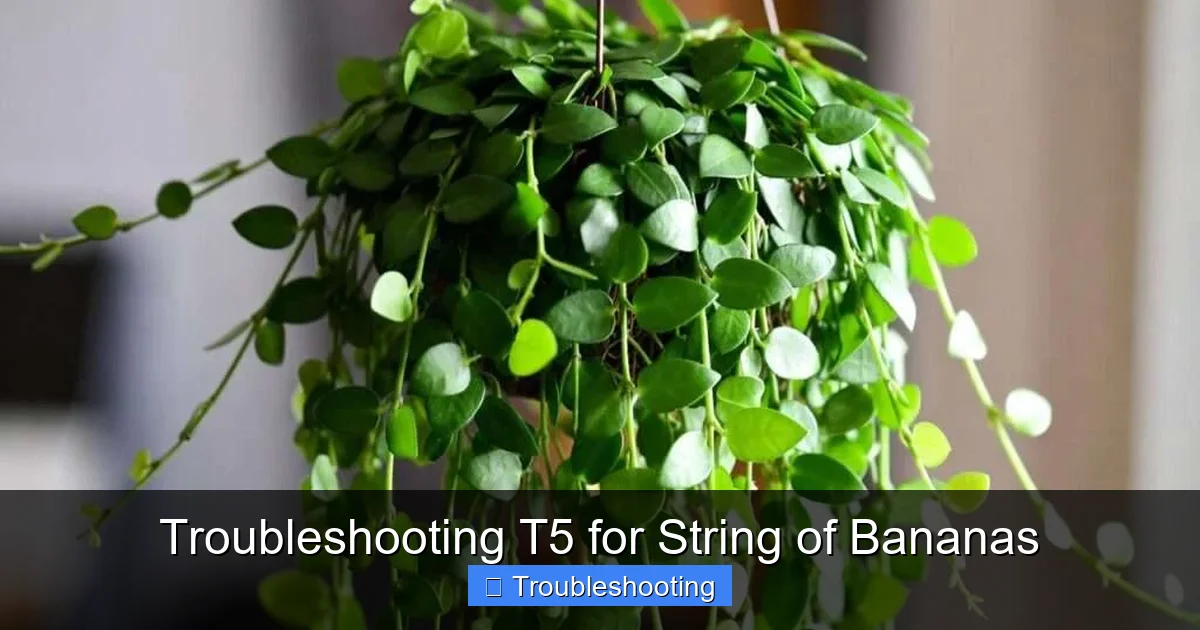
Visual guide about Troubleshooting T5 for String of Bananas
Image source: treecarezone.com
Why T5 Distance Causes Stretching
Light intensity drops fast with distance. The inverse square law means doubling the distance cuts intensity to one quarter. A T5 fixture 18 inches above the canopy delivers far less usable light than one at 8 inches. Many people hang lights too high because they worry about heat. But T5 tubes run cool. You can safely place them 6 to 12 inches from the plant tops. If your fixture sits higher, lower it. Watch the plant for a week. New growth should show tighter spacing.
Fixing an Already Stretched Plant
You cannot undo stretching on old stems. Those long gaps stay forever. But you can fix the future. Move the light closer. Increase daily hours to 14. If the plant is very leggy, consider propagation. Snip healthy stem sections with 3 to 4 leaves. Let the cut ends callous for a day. Lay them on moist succulent soil. They will root in a couple weeks. The new plants will grow compact under proper light. The mother plant can stay as a backup or be composted.
Common Problem: Light Burn and Bleaching
Recognizing Too Much Light
Yes, you can give too much light even with cool T5 tubes. Signs include bleached patches on leaves. The green fades to white or yellow. Leaf tips may turn brown and crispy. The plant may look washed out overall. Growth might slow because the plant is stressed. This usually happens when the light is extremely close, like 3 inches or less, or when daily duration exceeds 16 hours. Some variegated cultivars are extra sensitive.
Adjusting Distance and Duration
If you see burn, raise the fixture immediately. Move it to 12 inches and watch for recovery. Reduce daily light to 10 or 11 hours. Damaged leaves will not turn green again. But new growth should come in normal. You can trim badly burned leaves with clean scissors. Cut at the base of the leaf stem. This redirects energy to healthy tissue. Going forward, use a timer so you never accidentally leave lights on too long.
Heat vs. Light Stress
T5 tubes produce some heat. If the fixture sits very close, the top leaves can warm up. Touch the leaves after lights have been on an hour. They should feel room temperature or slightly warm. If they feel hot, raise the light. Good airflow helps too. A small clip fan on low keeps air moving. This prevents heat buildup and strengthens stems. Just don’t blow directly on the plant so it doesn’t dry out too fast.
Common Problem: Uneven Growth and Leaning
Why Plants Lean Toward Light
Phototropism makes plants bend toward the light source. With a single T5 fixture above, the center gets the most intensity. The edges get less. Stems on the outside stretch and curve inward. The plant becomes lopsided. This is normal but fixable. Rotation is the simplest solution. Turn the pot a quarter turn every week. All sides get equal time in the sweet spot. Growth stays balanced.
Using Multiple Fixtures
For wider pots or hanging baskets, one tube may not cover the whole canopy. Add a second fixture parallel to the first. Space them so light overlaps evenly. Two 2-foot tubes side by side cover a 12 to 18 inch wide area well. Four-foot tubes cover more. Make sure both fixtures are at the same height. Use the same bulb type and age. Mismatched bulbs create uneven spectrum and intensity.
Reflective Surfaces Boost Edge Light
Line the sides of your growing area with reflective material. Mylar, white foam board, or even aluminum foil (shiny side out) bounces light back onto the plant edges. This reduces stretching on the perimeter. It effectively increases intensity without adding more fixtures. Keep reflectors clean. Dust cuts reflectivity fast. Wipe them down monthly.
Dialing In the Right Light Duration
Seasonal Light Cycles
String of bananas grows actively in spring and summer. It slows down in fall and winter. Your light schedule should match. During peak growth, run T5 lights 12 to 14 hours a day. This mimics long summer days. In winter, drop to 10 hours. This rest period prevents weak, etiolated growth when the plant’s metabolism is slower. Some growers keep 12 hours year-round with success. But a seasonal shift often produces stronger plants.
Why Consistency Beats Intensity
A plant gets more benefit from 12 consistent hours than 14 hours one day and 8 the next. Irregular cycles confuse the plant’s internal clock. Stress hormones build up. Growth becomes erratic. Use a digital timer. Plug the fixture in. Set it once. Forget it. Mechanical timers work too but can drift. Digital ones stay accurate for years. Cost is under $15. It is the best investment for any indoor garden.
Dark Period Matters Too
Plants need darkness. Respiration happens at night. Energy stored during the day gets used for growth. If you run lights 24/7, the plant never gets that recovery phase. Long-term, this weakens it. Always provide at least 8 hours of total darkness. If your growing space has ambient light at night, use a grow tent or cover the plant with a dark cloth. Total darkness means zero visible light.
Choosing and Maintaining T5 Bulbs
Color Temperature Explained
Color temperature is measured in Kelvin (K). Lower numbers are warmer (red). Higher numbers are cooler (blue). For vegetative growth, 5000K to 6500K is ideal. This “daylight” spectrum keeps internodes short. Leaves stay thick. Stems stay strong. Bulbs labeled “grow” or “bloom” are usually 3000K. They promote flowering but cause stretching in foliage plants. Avoid them for string of bananas unless you mix one with a 6500K tube.
When to Replace Bulbs
Fluorescent bulbs dim over time. You won’t see it with your eyes. But the plant notices. Output drops 10 to 15 percent after 10,000 hours. Spectrum shifts too. Replace bulbs every 12 to 18 months if running 12 hours daily. Mark the install date on the bulb base with a marker. If growth slows and you have not changed distance or duration, old bulbs are a prime suspect. New bulbs often trigger a growth spurt within days.
Cleaning Fixtures and Reflectors
Dust on tubes and reflectors blocks light. A dirty fixture can lose 20 percent output. Wipe tubes monthly with a dry microfiber cloth. Never use water or cleaner on a hot bulb. Turn lights off and let cool first. Clean reflectors the same way. Check for corrosion on fixture contacts. Corroded contacts cause flickering. Flickering stresses plants. Replace the fixture if contacts are bad.
Troubleshooting Checklist: Step by Step
Weekly Visual Inspection
Make this a habit. Every week, check these five things. One: leaf spacing on new growth. Tight is good. Gaps mean move light closer or add hours. Two: leaf color. Rich green is good. Pale or yellow means adjust distance or duration. Three: stem firmness. Firm is good. Floppy means more light or less water. Four: growth direction. Even is good. Leaning means rotate pot. Five: pests. Mealybugs love string of bananas. Check leaf axils. Treat early with alcohol on a cotton swab.
Monthly Measurements
Once a month, take a few measurements. Use a ruler to check distance from bulb to plant top. It should be 6 to 12 inches. Use a light meter app on your phone if you have one. Aim for 200 to 400 µmol/m²/s (PPFD) at canopy level. Most phone apps are approximate but good for trends. Check timer settings. Power outages can reset mechanical timers. Verify the schedule matches the season.
Seasonal Adjustments
Spring: Increase to 14 hours if you dropped for winter. Lower light to 8 inches if plants handled winter close. Summer: Maintain 14 hours. Watch for heat. Add fan if needed. Fall: Drop to 12 hours. Raise light to 10 inches if growth slows. Winter: Drop to 10 hours. Keep at 10 to 12 inches. Water less. No fertilizer. This cycle mimics nature and keeps the plant in rhythm.
Advanced Tips for Better Results
Supplement with LED Strip Lights
T5 fixtures shine downward. The underside of trailing stems gets little light. Add LED strip lights under the shelf or pot rim. Point them up at the trailing stems. This fills the shadow zone. Strips use little power. Run them on the same timer. Choose 6500K strips. This trick makes a huge difference for hanging baskets. The whole plant stays full, not just the top.
Use a PAR Meter for Precision
If you get serious, buy a quantum PAR meter. It measures photosynthetically active radiation. Phone apps are okay. A real meter is accurate. You will know exactly what your plant receives. Target 150 to 300 µmol/m²/s for string of bananas. Adjust height until you hit that range. Then lock it in. No more guessing. Meters cost $100 to $200. Worth it if you have many plants.
Combine with Natural Light
A south or west window plus T5 lights is a power combo. The window gives intense morning or afternoon sun. T5 fills the rest of the day. Place the plant where it gets 2 to 3 hours of direct sun. Run T5 for 10 more hours. Total 12 to 13 hours. This often produces the best color and density. Just watch for sunburn in summer. Sheer curtains diffuse harsh rays.
When to Suspect Non-Light Issues
Watering Mistakes That Mimic Light Problems
Overwatering causes yellow leaves and soft stems. This looks like light burn or nutrient issues. Underwatering causes shriveled leaves and stalled growth. This looks like low light. Check soil before blaming the light. String of bananas wants the soil to dry completely between waterings. Stick a chopstick deep in the pot. If it comes out dry, water. If damp, wait. Proper watering makes light troubleshooting easier because you eliminate a variable.
Pot Size and Soil Mix
A pot too large holds excess moisture. Roots rot. Growth stops. A pot too small dries too fast. Plant stresses. Choose a pot just 1 inch wider than the root ball. Use gritty succulent soil. Mix 50 percent pumice or perlite with 50 percent cactus soil. Good drainage lets you water thoroughly without fear. Healthy roots support healthy top growth under your T5 lights.
Fertilizer Timing
Feed only during active growth. Spring through early fall. Use a balanced liquid fertilizer at quarter strength. Once a month. Stop in winter. Salt buildup from over-fertilizing burns root tips. The plant cannot take up water. Leaves yellow and drop. This looks like a light problem. Flush the pot with water every few months to clear salts. Run water through until it drains clear.
Creating Your Ideal T5 Setup
Fixture Selection
Choose a fixture that holds two or four tubes. Two tubes work for a single plant. Four tubes cover a shelf of plants. Look for high-output (HO) ballasts. They drive tubes brighter. Standard output is fine but HO gives more margin. Fixtures with built-in reflectors direct more light down. Avoid shop lights with no reflector. They waste half the light upward.
Mounting Options
Hang fixtures on adjustable chains or ratchet hangers. This lets you change height easily. Mount under a shelf for a clean look. Use S-hooks on wire shelving. For a hanging basket, mount the fixture on the ceiling above. Keep the cord tidy with clips. Make sure you can reach the timer and fixture for maintenance.
Power Safety
Use a surge protector power strip. Plug the timer into that. Plug the fixture into the timer. Never daisy-chain extension cords. Check that the total wattage stays under the strip rating. Most T5 fixtures draw 54 to 108 watts each. A 15-amp strip handles several. Label the strip so nobody unplugs it by mistake.
Conclusion
Troubleshooting T5 for string of bananas comes down to observation and small adjustments. Your plant tells you what it needs every day. Stretching says “closer or longer.” Bleaching says “back off or shorter.” Leaning says “rotate me.” Slow growth says “check bulb age or add a fixture.” Once you learn these signals, you stop guessing. You start growing.
Set up your fixture at 8 inches. Run it 12 hours on a timer. Use 6500K bulbs. Rotate weekly. Inspect weekly. Replace bulbs yearly. That simple routine prevents 90 percent of problems. For the other 10 percent, you now have a step-by-step checklist. Your string of bananas will reward you with lush, cascading strands of plump green bananas. It becomes a living sculpture, not a struggling houseplant. And that is why we grow.
Start tonight. Check your distance. Set your timer. Write the bulb install date. Your plant will thank you with new growth by next week. Happy growing.
Frequently Asked Questions
How do I know if my T5 bulbs need replacing?
Replace T5 bulbs every 12 to 18 months with 12-hour daily use. Mark the install date on the bulb. If growth slows despite correct distance and duration, dimming bulbs are likely the cause.
Should I rotate my string of bananas under T5 lights?
Yes, rotate the pot a quarter turn weekly. This ensures even light exposure on all sides and prevents lopsided growth toward the fixture center.
Can I use a single T5 tube for string of bananas?
One tube works for a small pot but two tubes provide better coverage and intensity. For hanging baskets or wide plants, use at least two tubes side by side.
What should I do if leaves turn yellow under T5 lights?
Yellow leaves can mean too much light, overwatering, or nutrient issues. Check soil moisture first. If dry, raise the light to 12 inches and reduce hours to 10. Observe for two weeks.
Is a fan necessary with T5 lights?
A small clip fan on low helps prevent heat buildup and strengthens stems. It is not mandatory but recommended, especially if lights are closer than 8 inches.
Can I combine T5 lights with natural window light?
Yes, a south or west window plus T5 lights works well. Give 2 to 3 hours of direct sun and supplement with T5 for 10 more hours. Use sheer curtains in summer to prevent burn.