Best Plant Stand for Small Table
Discover the perfect plant stand for small table areas with our comprehensive guide. We cover sizing, materials, styles, and weight capacity to help you choose a stand that fits your space and supports your plants securely. Transform any tabletop into a thriving green display today.
Finding the right plant stand for small table spaces can feel tricky at first. You want something that looks good and holds your plants safely. But you also need it to fit on a limited surface. Maybe you have a narrow entryway table. Or a small bedside stand. Perhaps it’s a compact desk in your home office. Whatever the case, the right stand makes all the difference. It turns a plain table into a mini garden display.
This guide walks you through everything you need to know. We cover measurements, materials, styles, and practical tips. You will learn how to avoid common mistakes. We also share our top recommendations for different needs. By the end, you will feel confident choosing the best plant stand for small table areas in your home. Let’s dive in and help your plants find their perfect perch.
Key Takeaways
- Measure First: Always measure your table surface and plant pot dimensions before buying a stand to ensure proper fit and stability.
- Weight Capacity Matters: Check the maximum load rating of any plant stand for small table use to prevent tipping or collapse with heavier ceramic pots.
- Material Affects Durability: Metal stands offer strength and modern looks while wood provides warmth and bamboo resists moisture naturally.
- Tiered Designs Maximize Space: Multi-level stands let you display more plants vertically without taking up extra table surface area.
- Drainage Protection Is Essential: Choose stands with built-in trays or add saucers to protect your table from water damage and stains.
- Adjustable Options Add Flexibility: Stands with adjustable widths or heights accommodate different pot sizes as your plant collection grows.
- Style Should Complement Decor: Match the stand finish to your existing furniture for a cohesive look that enhances your space.
Quick Answers to Common Questions
What is the best plant stand for a very small table?
A single pedestal stand with a small footprint (6-8 inches wide) works best for tiny tables. Look for one with a wide base for stability and a top plate slightly larger than your pot.
How much weight can a typical small table plant stand hold?
Most small table plant stands hold 10-30 pounds per shelf. Heavy-duty metal or pipe stands can hold 50-100+ pounds. Always check the manufacturer’s weight rating before buying.
Do I need a saucer under my plant pot on a stand?
Yes, always use a saucer or drip tray. It protects the stand and your table from water damage, stains, and mold. Built-in trays are convenient but separate saucers work fine too.
Can I put a tiered plant stand on a narrow entryway table?
Yes, if the stand’s footprint fits with 2+ inches clearance on all sides. Corner tiered stands work well on narrow tables. Just ensure the table itself is stable and not wobbly.
What material is best for a plant stand in a humid bathroom?
Bamboo, powder-coated metal, or plastic/resin stands handle humidity best. Avoid untreated wood which can warp or mold. Seal wood stands with waterproof finish if used in bathrooms.
📑 Table of Contents
Understanding Your Space And Needs
Before you buy anything, take a good look at your table. Measure the surface area. Note the length and width. Check the height clearance too. You need to know how tall a stand can be without hitting a shelf or lamp above. Write these numbers down. They are your starting point.
Measure The Table Surface
Use a tape measure. Get the exact dimensions of the flat area. Don’t guess. A stand that overhangs the edge looks awkward. It can also be unstable. If your table is round, measure the diameter. For oval tables, measure the longest and widest points. Leave at least two inches of clearance on all sides. This keeps the look balanced. It also prevents accidental bumps.
Assess Your Plant Collection
Count how many plants you want to display. Note their pot sizes. Measure the diameter of each pot at its widest point. Check the height of each plant including the pot. Heavy ceramic pots need stronger stands. Light plastic pots work on lighter frames. Think about growth too. Will these plants get bigger? Will you add more later? Plan for some flexibility.
Consider Light Conditions
Where does the table sit? Near a bright window? In a dim corner? Light affects plant choice. It also affects stand placement. A tall stand might block light from lower plants. A tiered stand can help. Put light-loving plants on top. Shade-tolerant ones go below. Rotate plants weekly for even growth. This keeps them healthy and looking good.
Types Of Plant Stands For Small Tables
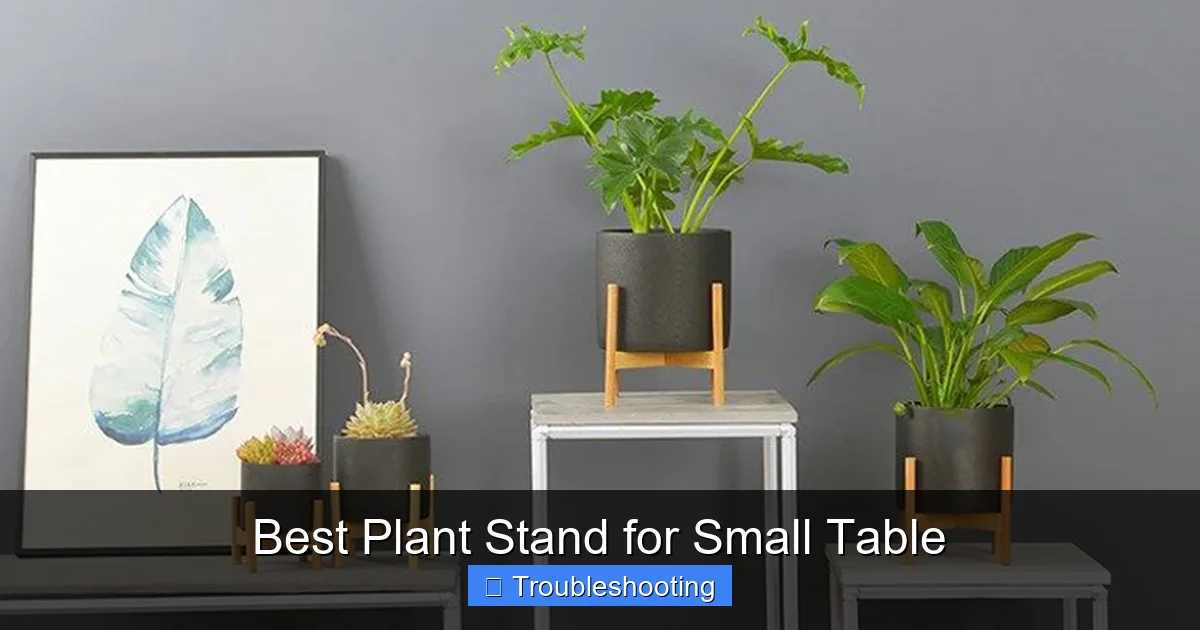
Not all stands work for every situation. The best plant stand for small table use depends on your specific setup. Here are the main types you will encounter. Each has pros and cons. Think about which fits your style and needs.
Visual guide about Best Plant Stand for Small Table
Image source: m.media-amazon.com
Single Pedestal Stands
These are simple. One central column with a flat top. They take up minimal table space. Great for one statement plant. Look for a wide base for stability. The top plate should be larger than your pot base. Some have adjustable height. That’s a nice bonus. Metal versions are sleek. Wood ones feel warmer. Both work well on small surfaces.
Tiered And Multi-Level Stands
These maximize vertical space. Two or three levels let you show more plants. They have a small footprint. Perfect for corners. Check the spacing between tiers. You need room for plant height. Also check each shelf’s weight limit. Bottom shelves usually hold more. Put heavier pots down low. Lighter ones go up top. This keeps the center of gravity stable.
Nested Or Stacking Stands
These come in sets of two or three. Different sizes nest together. You can spread them out. Or stack them for storage. Very versatile. Use them separately on different tables. Or group them for a tiered effect. They often have a mid-century modern vibe. Wood and metal combos are popular. Great if you like to rearrange often.
Wall-Mounted Or Clip-On Options
These don’t sit on the table at all. They attach to the wall above. Or clip to the table edge. This saves the entire table surface. Good for very tiny tables. Make sure your wall can handle the weight. Use proper anchors. Clip-on models need a thick enough table edge. Check the clamp width range. These keep plants off the surface completely.
Rolling Or Caster Stands
Small stands with wheels. Easy to move for cleaning. Or to chase the sun. Locking casters are a must. You don’t want it rolling away. These tend to be a bit taller. Factor that into your height clearance. They work well for heavier floor plants moved onto a sturdy table. But they need a strong table surface.
Materials And Durability
The material affects looks, strength, and longevity. It also changes the price. Here is a breakdown of common options. Match the material to your decor and plant weight.
Metal Stands
Iron, steel, and aluminum are common. Powder-coated finishes resist rust. They look modern and industrial. Thin metal keeps the visual weight light. Good for small spaces. Heavy-gauge steel holds big pots. Check weld quality at joints. Wobble means poor construction. Metal conducts cold. In winter, it might chill roots. Add a cork pad or felt between pot and stand.
Wood Stands
Solid wood is sturdy and classic. Oak, walnut, pine, and acacia are popular. Each has a distinct grain. Finishes range from natural oil to dark stain. Wood feels warm. It insulates roots from temperature swings. But water can damage it. Always use saucers. Seal the wood if possible. Look for water-resistant finishes. Bamboo is technically a grass. But it acts like wood. Very water-resistant naturally. Eco-friendly too.
Bamboo And Rattan
Lightweight and sustainable. Bamboo grows fast. It handles humidity well. Great for bathrooms or kitchens. Rattan has a woven look. Bohemian style. Both are strong for their weight. But they can split under very heavy loads. Check weight ratings. They add texture to a room. Pair with terracotta pots for a natural vibe.
Ceramic And Concrete
These are usually the pot itself with a built-in stand. Or a heavy base. Very stable. Won’t tip over. But they are heavy to move. And they can scratch table surfaces. Always use felt pads underneath. They come in many colors and glazes. Match your decor easily. Good for permanent displays.
Plastic And Resin
Budget-friendly. Lightweight. Many mimic wood or stone. UV-resistant versions won’t fade in sun. Easy to clean. But they can feel cheap. Thin plastic cracks under weight. Look for thick, reinforced designs. Some have built-in water reservoirs. That’s handy for forgetful waterers. Good for starter collections.
Key Features To Evaluate
Beyond type and material, certain features make a stand more usable. Don’t overlook these details. They determine how well the stand works day to day.
Weight Capacity
This is critical. Every stand has a max load. Exceed it and you risk collapse. Add up your pot, soil, plant, and water weight. Wet soil is heavy. A 10-inch ceramic pot with a large plant can weigh 20 pounds or more. Choose a stand rated for at least double your expected weight. Safety margin matters. Manufacturer specs should list this. If not, ask or skip it.
Stability And Base Design
A wide base prevents tipping. Tripod bases are stable. Four legs work well if level. Adjustable feet help on uneven tables. Test for wobble before adding plants. Push gently from different angles. It should feel solid. Some stands have a low center of gravity. That’s better for top-heavy plants. Anti-tip brackets exist for extra safety. Consider them if you have pets or kids.
Water Protection
Water ruins wood tables. It stains stone. It rings metal. Your stand needs a plan. Built-in drip trays are best. They catch overflow. Removable trays make cleaning easy. If no tray, use saucers under every pot. Cork coasters under the stand legs help too. They prevent condensation rings. Check for drainage holes in stand shelves. Water shouldn’t pool on the stand itself.
Adjustability
Some stands expand in width. Others adjust in height. This flexibility is valuable. You can fit different pot sizes. You can change the look seasonally. Telescoping poles adjust height. Sliding arms adjust width. Locking mechanisms must be secure. Test them before loading plants. Adjustability adds cost but extends usefulness.
Assembly Required
Most stands need some assembly. Simple ones use a few screws. Complex tiered units take more time. Check reviews for assembly difficulty. Missing parts happen. Have a basic tool kit ready. Phillips screwdriver. Allen wrenches often included. If you hate assembling, look for pre-assembled options. They cost more but save hassle.
Styling Your Small Table Plant Display
A plant stand is part of your decor. It should look intentional. Not like an afterthought. Here are styling tips for small table displays. Make it look curated and cohesive.
Group By Theme
Pick a vibe. Tropical? Succulents? Herbs? Flowering plants? Stick to one theme per table. It looks more designed. Mix textures within the theme. Big leaves next to fine fronds. Trailing plants with upright ones. Vary heights. The stand helps with this. Tiered stands create natural height variation. Single stands need taller plants behind shorter ones.
Coordinate With Table Finish
Match or contrast deliberately. Dark wood table? Light wood stand pops. White table? Black metal stands out. Gold accents? Brass or copper stand ties in. Don’t match exactly. That looks flat. Aim for harmony. Look at the room’s metal finishes. Lamps, hardware, frames. Echo one of those in your stand.
Add Decorative Elements
Plants alone can feel sparse. Add a small object. A ceramic figurine. A pretty stone. A tiny lantern. A framed photo. Keep scale small. Don’t crowd the plants. Odd numbers work best. Groups of three or five. Place items on lower tiers. Or beside a single plant. This makes it a vignette. Not just a plant holder.
Use Lighting For Drama
A small spotlight changes everything. Clip-on LED lights work well. Battery puck lights too. Aim up through leaves for shadows. Or down for a glow. Warm white (2700K) feels cozy. Cool white (4000K) feels modern. Timers automate it. Your display becomes art at night. Great for entryways or living rooms.
Seasonal Rotations
Swap plants with seasons. Spring bulbs. Summer tropicals. Fall mums. Winter evergreens. The stand stays. The show changes. Store off-season plants elsewhere. Or propagate new ones. This keeps the display fresh. It also lets you try new plants. Your small table becomes a rotating gallery.
Common Mistakes To Avoid
Learn from others’ errors. These mistakes cost money and frustration. Avoid them from the start.
Buying Without Measuring
We said it before. We’ll say it again. Measure twice. Buy once. A stand too big overhangs. Too small looks lost. A pot too wide for the top plate wobbles. A stand too tall hits the lamp shade. Returns are a hassle. Some sellers don’t accept returns on assembled items. Take five minutes. Measure everything.
Ignoring Weight Limits
That beautiful tiered stand might only hold 5 pounds per shelf. Your large snake plant in ceramic weighs 15. Crash. Broken plant. Damaged table. Maybe hurt pet. Always check the rating. If not listed, assume it’s low. Contact the seller. Or choose a different stand. Heavy plants need heavy-duty stands. Period.
Forgetting Water Protection
One overwatering incident ruins a wood table. Water seeps under pots. It travels along stand legs. Stains appear days later. Mold can grow. Always use saucers. Check them after watering. Empty excess water. Use waterproof mats under the whole stand. Protect your furniture investment. It’s cheaper than refinishing.
Choosing Style Over Function
That delicate wire stand looks cute. But it tips if you breathe on it. The gorgeous glass shelf shatters if bumped. The unfinished wood warps in a month. Function comes first. Then style. Luckily, many stands do both. But test stability first. Read reviews for real-world feedback. Photos lie. Reviews tell truth.
Overcrowding The Table
You love plants. We get it. But a cluttered table is stressful. Not relaxing. Leave negative space. Let each plant breathe. Group three max on a small table. Use vertical space instead. Tiered stands help. Wall mounts help. But don’t fill every inch. Your eyes need rest. The plants need air circulation too.
Maintenance And Care
Your stand will last longer with basic care. Different materials need different attention. A little effort prevents big problems.
Cleaning Metal Stands
Dust weekly with a microfiber cloth. For grime, use mild soap and water. Dry immediately to prevent rust spots. Check for chips in powder coating. Touch up with matching paint. Tighten screws monthly. Vibration loosens them. Lubricate any moving parts. Silicone spray works well. Keep wheels rolling smoothly.
Caring For Wood And Bamboo
Dust with a soft cloth. Clean with wood-safe cleaner. Avoid harsh chemicals. Re-oil or re-wax annually. Or per manufacturer instructions. Watch for water rings. Sand and refinish if needed. Bamboo can mildew in constant damp. Ensure good airflow. Don’t let pots sit in water on the stand. Elevate pots slightly if needed.
Inspecting For Damage
Check monthly. Look for cracks. Loose joints. Rust spots. Warped shelves. Wobbly legs. Fix small issues early. Tighten a screw. Glue a joint. Touch up paint. Replace a felt pad. Catching problems early prevents collapse. It also protects your plants. A falling stand damages leaves and stems.
Seasonal Deep Clean
Twice a year, take it all apart. Clean every surface. Wash trays and saucers. Scrub pots. Check plant roots while you’re at it. Repot if needed. Reassemble carefully. This is a good time to rearrange. Try a new layout. Refresh the decor items. Your display gets a reset. Plants get a health check.
Top Recommendations By Category
Here are standout options for different needs. These represent the best plant stand for small table shoppers consistently rate highly. We focus on quality, stability, and value.
Best Overall: Mid-Century Modern Wood Tripod
Three tapered legs. Round or square top. Walnut or natural finish. Holds up to 50 pounds. Fits 6 to 10 inch pots. Height around 18 inches. Stable. Stylish. Works in any room. Easy assembly. Price range $40 to $80. Brands like Mkono, Winlyn, and MyGift make solid versions. Check reviews for current quality.
Best Tiered: Three-Tier Metal Corner Unit
Fits snug in a corner. Three round shelves. Black or gold finish. Each shelf holds 15 to 20 pounds. Total height 24 to 30 inches. Footprint about 12 inches wide. Great for 4 to 6 inch pots. Open design lets light through. Assembly takes 15 minutes. Look for adjustable feet. Price $35 to $60.
Best Budget: Bamboo Two-Tier Stand
Simple slatted shelves. Natural bamboo. Two levels. Holds 10 pounds per shelf. Height 16 inches. Width 10 inches. Very light. Easy to move. Water-resistant. Eco-friendly. Minimal assembly. Price $20 to $35. Good for lightweight plants. Succulents. Herbs. Small tropicals.
Best For Heavy Pots: Industrial Pipe Stand
Black iron pipe fittings. Wood shelf insert. Very strong. Holds 100+ pounds. Customizable height. Unique look. Fits 8 to 14 inch pots. Heavy itself. Won’t tip. Price $50 to $100. Some assembly required. Pipe threads need tightening. Use felt pads on bottom. Great for statement plants.
Best Adjustable: Expandable Width Metal Stand
Sliding arms adjust from 6 to 12 inches. Fits multiple pot sizes. Two or three tiers. White or black powder coat. Each shelf 15 pound capacity. Locking knobs secure width. Height fixed at 22 inches. Price $45 to $70. Versatile for growing collections. Good gift option too.
Best Space-Saver: Wall-Mounted Floating Shelves
Set of two or three. Hidden brackets. Wood or metal. Mount above table. Zero table footprint. Each shelf 10 to 20 pound rating. Needs wall studs or heavy anchors. Price $30 to $80 for set. Install with level. Great for renters if using command strips (light plants only). Modern and clean.
Conclusion
Choosing the best plant stand for small table spaces doesn’t have to be overwhelming. Start with measurements. Know your plants. Pick a material that fits your life. Metal for modern strength. Wood for warmth. Bamboo for humidity. Check weight limits always. Protect your table from water. Style it with intention. Leave breathing room. Maintain it occasionally. And enjoy the green view.
Your small table can hold a world of nature. A single perfect plant on a pedestal. A tiered tower of succulents. A rotating seasonal display. The right stand makes it possible. It elevates your plants. Literally and visually. It turns a surface into a sanctuary. So measure that table. Pick your favorite stand. And let the growing begin. Your plants will thank you. Your space will shine. And you’ll smile every time you walk by.
Frequently Asked Questions
How do I know what size plant stand to buy for my table?
Measure your table’s usable surface area, then subtract 4 inches from both length and width for clearance. The stand’s base should fit within this reduced area. Also measure your pot’s diameter and choose a stand with a top plate at least 1-2 inches wider than the pot base.
Are tiered plant stands stable enough for small tables?
Quality tiered stands with wide bases and low centers of gravity are stable on small tables. Look for models with adjustable feet for leveling, and always place heavier plants on the bottom shelf. Test stability by gently pushing the top shelf before adding plants.
Can I use a floor plant stand on a table instead?
Floor stands are generally too tall and heavy for table use. They raise plants too high, risk tipping on narrow surfaces, and can damage the table. Choose stands specifically designed for tabletop use with appropriate height (12-24 inches) and footprint.
What’s the best way to protect my wooden table from plant stand damage?
Use felt pads or cork coasters under every stand leg. Place a waterproof tray or mat under the entire stand. Always use saucers under pots and empty them after watering. Check monthly for moisture buildup or condensation rings.
How do I assemble a plant stand without tools?
Many bamboo and some metal stands use tool-free assembly with sliding joints, twist-locks, or pre-attached hardware. Check product descriptions for “no tools required.” If tools are needed, typically only a Phillips screwdriver or included Allen wrench is required.
Can I paint or customize my plant stand?
Yes, metal stands can be spray-painted with metal-rated paint. Wood stands accept stain, paint, or sealant. Sand lightly first, apply thin coats, and let cure fully before use. For bamboo, use spray paint or sealant only—brush marks show on the texture.