Aloe Vera Care for Porch
Aloe vera thrives on a porch when you give it bright indirect light well draining soil and infrequent deep watering. Watch for pests adjust care with the seasons and your plant will reward you with gel rich leaves year after year.
Aloe vera care for porch starts with a clear plan. You will learn each step in simple language. This guide covers light soil water temperature fertilizer and pests. Follow the tips and your succulent will flourish.
Aloe vera care for porch is easy when you break it into small tasks. Each section below gives you a quick checklist. You can print this page or save it on your phone. Let us begin.
Key Takeaways
- Light: Place the plant where it receives bright indirect sunlight for at least six hours each day.
- Soil: Use a gritty cactus mix or add perlite to regular potting soil for fast drainage.
- Water: Water deeply only when the top two inches of soil feel dry.
- Temperature: Keep the plant above fifty degrees Fahrenheit and protect it from frost.
- Fertilizer: Feed with a diluted succulent fertilizer once in spring and once in summer.
- Pests: Inspect leaves weekly for mealybugs and spider mites and treat early.
- Seasonal shifts: Reduce watering and stop fertilizing in fall and winter.
Quick Answers to Common Questions
How much sun does an aloe vera need on a porch?
Aloe vera care for porch thrives with six hours of bright indirect light each day. Morning sun is ideal and afternoon shade prevents burn.
What soil mix works best for porch aloe?
Aloe vera care for porch prefers a gritty cactus blend or a homemade mix of potting soil sand and perlite in equal parts.
How often should I water my porch aloe?
Aloe vera care for porch follows the soak and dry rule. Water deeply only when the top two inches of soil feel dry.
When do I fertilize aloe vera on the porch?
Aloe vera care for porch needs feeding twice a year. Apply a diluted succulent fertilizer in early spring and midsummer.
What pests commonly attack porch aloe?
Aloe vera care for porch often sees mealybugs and spider mites. Inspect weekly and treat with alcohol wipes or neem oil.
📑 Table of Contents
Choosing the Right Spot on Your Porch
Assess Sun Exposure
Aloe vera care for porch depends on sun exposure. Morning sun is gentle and beneficial. Afternoon sun can be harsh and may scorch leaves. Aim for a location that gets bright indirect light for most of the day.
Aloe vera care for porch improves when you watch the light pattern. Use a phone app to track hours of direct sun. Move the pot if the plant shows bleached tips. A little shade in the hottest hour helps.
Consider Wind and Rain
Aloe vera care for porch includes wind protection. Strong gusts dry the soil fast. Place the pot near a wall or railing for shelter. A covered corner works well.
Aloe vera care for porch also means managing rain. Heavy downpours can flood a pot without drainage. Ensure the container has holes. Elevate the pot on bricks to improve airflow.
Rotate for Even Growth
Aloe vera care for porch benefits from regular rotation. Turn the pot a quarter turn every two weeks. This gives each side equal light. The plant stays upright and compact.
Aloe vera care for porch is easier when you set a reminder. Use a calendar alert for rotation day. Consistency prevents leaning toward the light source.
Use a Light Meter for Precision
Aloe vera care for porch can be fine tuned with a light meter. Measure foot candles at the plant level. Target 2000 to 4000 foot candles for optimal growth. Adjust placement based on the reading.
Aloe vera care for porch becomes data driven with this tool. You avoid guesswork and prevent sunburn. A simple handheld meter costs little and lasts years.
Soil and Potting Mix Essentials
Choose a Fast Draining Mix
Aloe vera care for porch requires a fast draining mix. Standard garden soil holds too much moisture. Use a cactus or succulent blend. You can also make your own by mixing one part potting soil one part coarse sand and one part perlite.
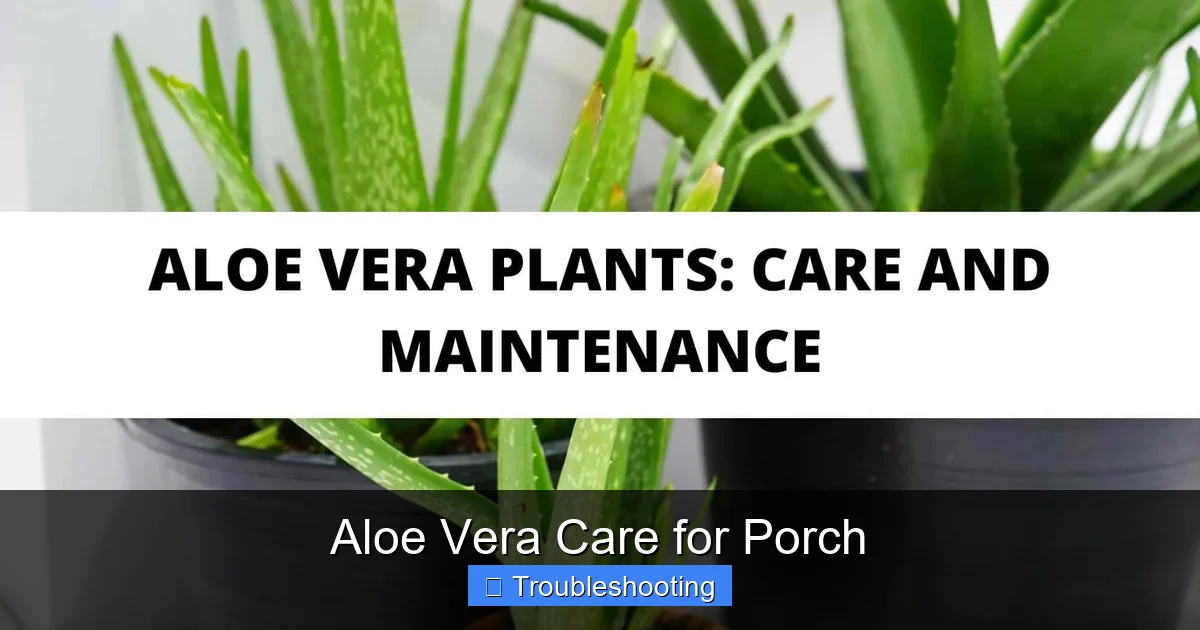
Visual guide about Aloe Vera Care for Porch
Image source: aloevonderweid.com
Aloe vera care for porch improves when you test drainage. Water the mix and watch how fast it exits. If water pools for more than a minute add more perlite.
Add Drainage Holes
Aloe vera care for porch demands drainage holes in every pot. Without holes water sits at the bottom and causes root rot. If your decorative pot lacks holes drill a few or use a nursery pot inside.
Aloe vera care for porch is safer with a double pot system. The inner nursery pot drains freely. The outer decorative cache pot catches excess water.
Repot When Needed
Aloe vera care for porch includes repotting every two to three years. Fresh mix restores nutrients and improves drainage. Choose a pot only one size larger to avoid excess soil that stays wet.
Aloe vera care for porch is smoother when you repot in spring. The plant is entering active growth. Handle roots gently and shake off old mix.
Top Dress with Gravel
Aloe vera care for porch can use a thin gravel top dress. Gravel reduces surface evaporation. It also discourages fungus gnats from laying eggs.
Aloe vera care for porch looks tidy with a neat gravel layer. Use horticultural gravel not decorative stones. Keep the layer under half an inch thick.
Watering Schedule and Techniques
Check Soil Moisture
Aloe vera care for porch means watering only when the top two inches of soil are dry. Stick your finger into the soil. If it feels dry water deeply until water runs out of the drainage holes.
Aloe vera care for porch avoids guesswork with a moisture meter. Insert the probe and read the level. Water when the meter shows dry.
Use the Soak and Dry Method
Aloe vera care for porch follows the soak and dry cycle. Soak the soil thoroughly then let it dry completely. This mimics the natural desert rhythm. Avoid frequent light sprinkles.
Aloe vera care for porch thrives when you water in the morning. Morning watering lets excess moisture evaporate. Evening water can invite fungal issues.
Adjust for Seasons
Aloe vera care for porch changes with the calendar. In summer you may water every seven to ten days. In winter cut back to once a month or less. Cool temperatures slow evaporation.
Aloe vera care for porch also watches humidity. High humidity means slower drying. Extend the interval between waterings accordingly.
Water Quality Matters
Aloe vera care for porch prefers rainwater or distilled water. Tap water with high salts can build up in the soil. If you must use tap water let it sit overnight to dissipate chlorine.
Aloe vera care for porch benefits from occasional flushing. Run extra water through the pot every few months. This removes accumulated minerals.
Sunlight Temperature and Seasonal Adjustments
Ideal Temperature Range
Aloe vera care for porch thrives between fifty five and eighty degrees Fahrenheit. Temperatures below fifty can damage the leaves. Move the plant indoors or add a frost cloth if a cold snap is forecast.
Aloe vera care for porch includes monitoring night lows. A simple thermometer on the porch helps. Act quickly when the forecast drops.
Summer Heat Protection
Aloe vera care for porch needs shade during heat waves. A sheer curtain or a shade cloth reduces leaf burn. Keep the pot off hot concrete by using a saucer or a wooden board.
Aloe vera care for porch also uses mulch to cool roots. A thin layer of straw or bark insulates the soil. Remove mulch before winter to avoid rot.
Winter Dormancy Care
Aloe vera care for porch slows down in winter. Reduce watering dramatically. Stop fertilizing. Keep the plant in a bright spot but away from cold drafts.
Aloe vera care for porch may need a grow light if daylight is short. A 12 hour timer on a low intensity LED works well. This prevents etiolation.
Transition Periods
Aloe vera care for porch requires gradual transitions. When moving the plant outdoors in spring increase exposure by an hour each day. This prevents shock.
Aloe vera care for porch also eases the plant back indoors in fall. Reverse the process by decreasing outdoor time slowly.
Fertilizing and Nutrient Management
Choose the Right Fertilizer
Aloe vera care for porch benefits from a balanced succulent fertilizer. Look for a low nitrogen formula such as 2-7-7. Dilute to half strength to avoid salt buildup.
Aloe vera care for porch can also use organic options. Fish emulsion diluted heavily works. Apply only during active growth.
Feeding Schedule
Aloe vera care for porch follows a light feeding calendar. Feed once in early spring and once in midsummer. Do not feed in fall or winter.
Aloe vera care for porch avoids overfeeding by marking the calendar. Set reminders for the two feed dates.
Signs of Nutrient Deficiency
Aloe vera care for porch shows pale leaves when nitrogen is low. Brown tips can signal potassium shortage. Adjust feeding only after confirming the symptom persists for several weeks.
Aloe vera care for porch also watches for excess fertilizer. White crust on soil surface means salt buildup. Flush the pot with water to correct.
Micronutrient Boost
Aloe vera care for porch may benefit from a micronutrient spray. Use a seaweed extract once a month in summer. This supports overall vigor.
Aloe vera care for porch uses the spray early in the morning. Avoid spraying in direct sun to prevent leaf burn.
Common Pests Diseases and Troubleshooting
Mealybugs
Aloe vera care for porch often meets mealybugs. They appear as white cottony masses on leaf bases. Wipe them off with a cotton swab dipped in rubbing alcohol. Repeat weekly until gone.
Aloe vera care for porch prevents re‑infestation by isolating new plants. Quarantine for two weeks before placing near your aloe.
Spider Mites
Aloe vera care for porch can attract spider mites in dry air. They cause fine webbing and stippled leaves. Increase humidity by misting lightly. Spray with neem oil every seven days until the infestation clears.
Aloe vera care for porch also uses a strong water jet to dislodge mites. Do this in the morning so leaves dry quickly.
Root Rot
Aloe vera care for porch shows root rot as mushy black roots and a foul smell. Remove the plant from the pot. Trim away rotten roots. Repot in fresh dry mix and withhold water for a week.
Aloe vera care for porch prevents rot by ensuring excellent drainage. Never let the pot sit in a saucer of water.
Leaf Spot
Aloe vera care for porch may develop brown or black spots from fungal infection. Improve air circulation. Avoid overhead watering. Apply a copper based fungicide if spots spread.
Aloe vera care for porch keeps leaves dry by watering at the base. Morning watering helps foliage dry before night.
Preventive Routine
Aloe vera care for porch includes a weekly inspection. Look under leaves and along stems. Early detection saves the plant.
Aloe vera care for porch stays healthy when you clean the porch area. Remove fallen debris and dead leaves promptly.
Aloe vera care for porch is a rewarding hobby. Follow the light soil water temperature fertilizer and pest steps. Your plant will reward you with thick gel filled leaves for years. Enjoy the process and share the harvest with friends and family.
Frequently Asked Questions
Can aloe vera survive a frost on the porch?
Aloe vera care for porch cannot tolerate freezing temperatures. Move the plant indoors or cover it with a frost cloth when temps drop below fifty degrees Fahrenheit.
Do I need a special pot for aloe vera on a porch?
Aloe vera care for porch requires a pot with drainage holes. A terra cotta pot works well because it wicks excess moisture away.
How do I propagate aloe vera from a porch plant?
Aloe vera care for porch makes propagation easy. Remove offsets with a clean knife let them callous for a day then plant in dry succulent mix.
Why are my aloe leaves turning brown at the tips?
Aloe vera care for porch shows brown tips from underwatering low humidity or fertilizer burn. Check soil moisture and flush excess salts.
Is it okay to mist aloe vera on the porch?
Aloe vera care for porch does not need misting. Excess moisture on leaves can encourage fungal spots. Water at the soil level instead.
How long does an aloe vera live on a porch?
Aloe vera care for porch can keep a plant alive for many years. With proper light water and seasonal care the succulent often thrives for a decade or more.