Best Humidifier for Haworthia Fasciata
Haworthia Fasciata thrives in moderate humidity around 40-50%, making a quality humidifier essential for indoor growers. This guide covers the best humidifier for Haworthia Fasciata options, from ultrasonic to evaporative models, plus expert tips on placement, maintenance, and avoiding common mistakes like over-humidifying.
If you have ever watched your Haworthia Fasciata develop crispy leaf tips or noticed its signature white stripes fading, you are not alone. These charming little succulents, often called zebra plants, look tough but they have a secret sensitivity. They do not want desert-dry air, and they certainly do not want tropical jungle moisture. They sit in a sweet spot that many indoor gardeners miss entirely.
Finding the best humidifier for Haworthia Fasciata changed everything for my own collection. I used to think succulents hated humidity. I was wrong. They hate wet feet and wet leaves, but they appreciate moisture in the air around them. The right humidifier delivers that invisible support without creating a fungal playground. Let me walk you through everything I learned, so you can skip the trial and error.
Key Takeaways
- Ideal humidity range: Haworthia Fasciata prefers 40-50% relative humidity, not the high tropical levels many assume.
- Ultrasonic humidifiers win: They run quietly, use little energy, and produce fine mist perfect for small succulent collections.
- Size matters: Choose a humidifier matched to your room size to avoid over-saturating the air around your plants.
- Cleanliness is critical: Dirty humidifiers spread bacteria and mineral dust that can harm sensitive succulent leaves.
- Monitor with a hygrometer: Never guess humidity levels; use a digital hygrometer placed near your plants for accuracy.
- Placement strategy: Keep the humidifier 3-6 feet from plants to prevent water settling on leaves and causing rot.
- Seasonal adjustments: Reduce humidifier use in summer when ambient humidity rises naturally.
Quick Answers to Common Questions
What is the ideal humidity level for Haworthia Fasciata?
The ideal humidity range for Haworthia Fasciata is 40-50% relative humidity. This mimics their natural South African habitat where they grow sheltered under rocks with moderate ambient moisture.
Can I use tap water in my humidifier for succulents?
No, always use distilled or demineralized water. Tap water minerals create white dust that coats leaves and clogs stomata, and mineral buildup damages the humidifier over time.
How far should I place the humidifier from my Haworthia?
Place the humidifier 3-6 feet away from your plants. Never aim mist directly at them. Let the moisture disperse into the room air naturally to avoid water settling in the rosette and causing rot.
Do I need a humidifier in summer for my zebra plant?
Usually not. Summer ambient humidity often reaches 40-50% naturally. Only run a humidifier in summer if air conditioning drops indoor humidity below 40%. Always monitor with a hygrometer.
How often should I clean my humidifier?
Empty and rinse the tank daily. Deep clean with vinegar solution weekly. Replace filters or cartridges per manufacturer schedule. A dirty humidifier spreads mold and bacteria to your plants.
📑 Table of Contents
Understanding Haworthia Fasciata Humidity Needs
Why Humidity Matters for Zebra Plants
Haworthia Fasciata comes from the Eastern Cape of South Africa. There, it grows tucked under rocks and shrubs. The air holds some moisture, especially in the morning. The soil drains fast. The plant takes up water through its roots and stores it in thick leaves. When indoor air gets too dry, usually below 30%, the plant loses water faster than it can replace it. Leaf tips brown. Growth slows. The plant looks dull.
On the flip side, constant high humidity above 60% invites trouble. Fungal spores love stagnant, moist air. Mealybugs and spider mites show up. The crown can rot if water sits in the center rosette. The goal is balance. You want to mimic that sheltered South African microclimate. That is where the best humidifier for Haworthia Fasciata earns its keep.
The Sweet Spot: 40 to 50 Percent Relative Humidity
Most homes sit around 20 to 30% humidity in winter with heating on. Summer might push 50% naturally. Your Haworthia wants that 40 to 50% zone year-round. A digital hygrometer is non-negotiable. Place it at plant level, not on a high shelf. Read it daily for a week. You will see patterns. Morning spikes. Evening drops. Heating cycles. That data tells you exactly when to run your humidifier.
Signs Your Plant Needs More Humidity
Watch for these clues. Leaf tips turning brown and crispy. Leaves feeling thinner or less plump than usual. New growth emerging smaller or deformed. The plant pulling away from the pot edges as soil shrinks. Slow growth during active season. If you see two or more of these, low humidity is likely a factor. Do not wait for severe damage. A small humidifier running a few hours a day can reverse early signs fast.
Types of Humidifiers and Which Works Best
Ultrasonic Humidifiers: The Top Choice
Ultrasonic models use a vibrating metal diaphragm to create microscopic water droplets. They are whisper quiet. They use very little electricity. They produce a cool mist that does not raise room temperature. For a shelf of Haworthias, this is the gold standard. Look for a model with adjustable output and a built-in humidistat. The mist is fine enough to disperse before settling on leaves. That matters because water sitting in the rosette causes rot fast.
Visual guide about Best Humidifier for Haworthia Fasciata
Image source: homegadgetix.com
One downside: ultrasonic units can leave white mineral dust if you use tap water. Use distilled or demineralized water. Or pick a model with a demineralization cartridge. Clean the transducer weekly. A soft brush and vinegar soak keeps it running clean. My current favorite runs 16 hours on low, covers 300 square feet, and cost under 50 dollars. It sits on a timer. Set and forget.
Evaporative Humidifiers: Reliable and Self-Regulating
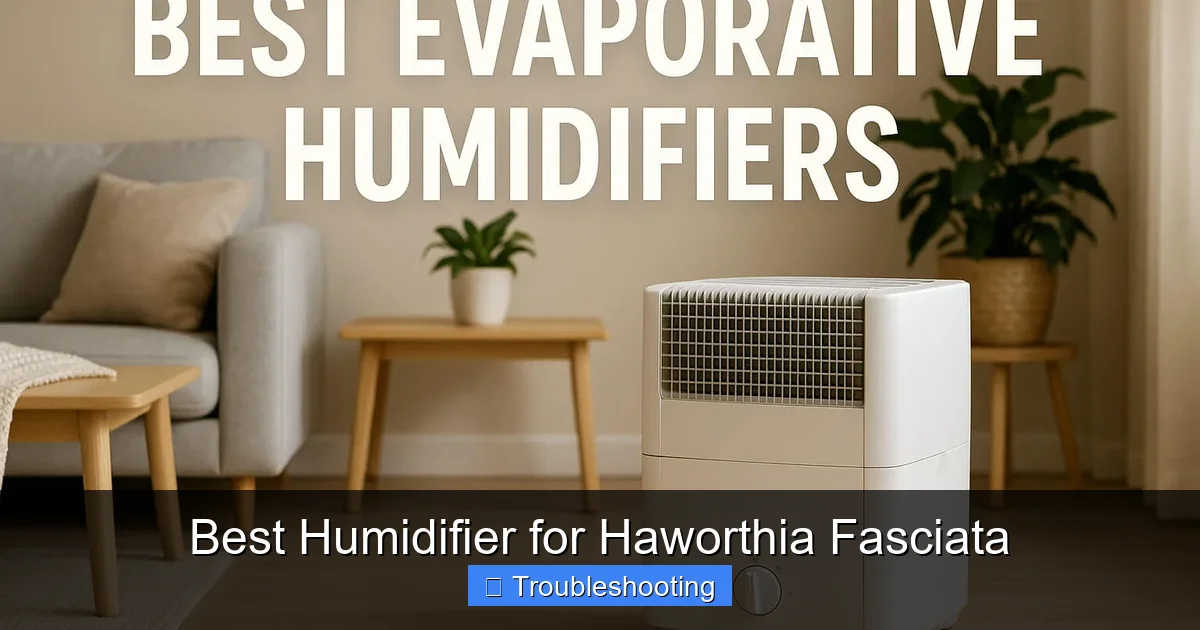
Evaporative humidifiers blow air through a wet wick or filter. The air picks up moisture naturally. They cannot over-humidify because evaporation slows as humidity rises. That built-in safety net is great for beginners. They also trap minerals in the filter, so no white dust. The trade-off? They are louder. The fan runs constantly. The wick needs replacing every few months. They are bulkier. For a single plant corner, they are overkill. For a whole plant room, they shine.
Warm Mist and Steam Vaporizers: Skip These
Warm mist units boil water. They kill bacteria, yes. But they use more energy. They raise the temperature around your plants. Haworthias prefer stable, moderate temps. Hot steam can scorch leaves if placed too close. They also pose a burn risk if you have pets or kids. I do not recommend them for succulent care. The benefits do not outweigh the risks for this specific plant.
Impeller Humidifiers: Budget Option with Caveats
Impeller models use a rotating disk to fling water at a diffuser. They are cheap and cool mist. But the droplets are larger. They settle faster. That means wet leaves if placed nearby. They also tend to be louder than ultrasonics. If budget is tight, they work. Just keep them farther from plants and run them longer on low. Clean them often. The moving parts get gunky.
Top Features to Look For
Adjustable Mist Output
You need control. Some days you want a whisper of mist. Other days, a steady stream. A dial or digital settings with at least three levels lets you match the season. Low for maintenance. Medium for dry winter weeks. High only for large rooms or very dry climates. The best humidifier for Haworthia Fasciata always offers this flexibility.
Built-In Humidistat or Auto Mode
A humidistat measures room humidity and turns the unit on or off to hit your target. Set it to 45%. Walk away. The machine does the work. Without this, you are guessing. You might run it too long and push humidity to 60%. That invites fungus. Auto mode saves water and electricity too. It is worth paying extra for.
Tank Capacity and Runtime
Match tank size to your routine. A 1-liter tank runs 8 to 12 hours on low. A 4-liter tank runs 24 to 36 hours. If you travel or hate refilling, go big. If you are home daily and like checking plants, small is fine. Bigger tanks mean bigger footprints. Measure your shelf space before buying.
Easy Cleaning Design
This is the feature most people ignore until they regret it. Wide tank openings. Removable mist nozzles. No tiny crevices. Dishwasher-safe parts if possible. If cleaning takes 20 minutes, you will skip it. A dirty humidifier spreads mold spores and bacteria directly to your plants. I clean mine every Monday. It takes three minutes because the design allows it.
Quiet Operation
Ultrasonic units run near silent. Evaporative units hum. If your plants share a bedroom or office, noise matters. Check decibel ratings. Under 30 dB is library quiet. Over 40 dB is a noticeable fan. Read reviews for real-world noise feedback. Manufacturers often measure in ideal conditions.
Timer and Scheduling
A timer lets you run the humidifier during the driest hours. Usually midday when heating runs hardest. Or overnight if your climate drops humidity at night. Some smart models connect to apps. You can schedule, monitor, and adjust from your phone. Nice to have, not essential. A simple outlet timer works fine for basic units.
Best Humidifier for Haworthia Fasciata: Top Picks
Best Overall: Levoit Classic 300S
This ultrasonic hits every mark. 6-liter tank runs 60 hours on low. Built-in humidistat with auto mode. Top-fill design means no flipping heavy tanks. App control for scheduling. Whisper quiet at 26 dB. Covers 500 square feet. The mist nozzle rotates 360 degrees so you can direct it away from plants. Price sits around 80 dollars. It is the unit I use for my succulent shelf.
Best Budget: Pure Enrichment MistAire
At 35 dollars, this little ultrasonic punches up. 1.5-liter tank runs 16 hours. Optional night light. Auto shut-off when empty. No humidistat, so pair it with a hygrometer and a plug timer. Cleaning is easy with the wide tank mouth. Covers 250 square feet. Perfect for a single shelf or small room. Over 50,000 five-star reviews back it up.
Best for Large Collections: Honeywell HCM-350
This evaporative workhorse handles 500 square feet with a 1-gallon tank. UV light kills bacteria in the water. Dishwasher-safe parts. No white dust ever. Self-regulating evaporation prevents over-humidifying. Loud on high, quiet on low. Filters cost 10 dollars and last three months. Ideal if you have 20 plus plants in one room. Price around 70 dollars.
Best Compact: Geniani Erie
Tiny footprint. 250 ml tank runs 8 hours. USB powered so you can run it from a power bank or laptop. Two mist levels. Auto shut-off. Cute design fits any decor. No humidistat. Best for a single Haworthia on a desk. Under 30 dollars. Great starter unit to test if humidity helps your plant.
Best Smart Option: Govee 4L Smart Humidifier
WiFi and Bluetooth. Full app control with humidity graphs. Auto mode with custom schedules. Top fill. 36-hour runtime. 30 dB quiet. Price around 60 dollars. The app alerts you when water runs low or humidity hits target. Data nerds love it. It helps you learn your room patterns fast.
Setting Up Your Humidifier for Success
Placement Strategy
Place the humidifier 3 to 6 feet from your Haworthias. Never aim mist directly at the plants. Point it toward an open area or a wall. Let the moisture disperse into the room air. Elevate the unit slightly off the floor. A small table or shelf works. This improves circulation. Keep it away from drafts, heaters, and direct sun. All of those skew the humidistat reading.
Water Quality Matters
Use distilled water. Always. Tap water contains minerals. Ultrasonic humidifiers turn those minerals into fine white dust. It coats leaves, blocks light, and clogs stomata. Evaporative filters trap minerals but get clogged faster. Distilled water costs 1 dollar a gallon. A gallon lasts weeks. It also prevents scale buildup inside the machine. That extends the life of your humidifier significantly.
Cleaning Schedule
Daily: Empty tank. Rinse. Refill with fresh distilled water. Do not top off old water. Weekly: Deep clean. Unplug. Disassemble. Soak tank and parts in 1:1 vinegar water for 30 minutes. Scrub with soft brush. Rinse thoroughly. Dry before reassembling. Monthly: Check filters or cartridges. Replace per manufacturer schedule. A clean humidifier is a safe humidifier.
Using a Hygrometer Correctly
Buy a digital hygrometer with a remote sensor. Place the sensor at plant height, in the center of your collection. Not on the humidifier. Not near a window. Check it morning and evening. Log readings for a week. Adjust humidifier runtime until you hold 40 to 50% consistently. Some hygrometers drift over time. Calibrate annually using the salt test method.
Seasonal Adjustments
Winter: Heating dries air. Run humidifier daily. Target 45%. Spring: Ambient humidity rises. Cut runtime in half. Monitor. Summer: Often no humidifier needed. Turn it off unless AC dries air below 40%. Fall: Ramp up slowly as heating starts. The best humidifier for Haworthia Fasciata adapts with you. Do not set and forget all year.
Common Mistakes and How to Avoid Them
Over-Humidifying
More is not better. Humidity above 60% for days causes fungal leaf spots. Powdery mildew. Root rot if soil stays damp. Mealybug explosions. If you see condensation on windows, you are too high. Dial back. Ventilate. Use a fan on low to circulate air. The best humidifier for Haworthia Fasciata prevents this with a good humidistat, but you still need to verify.
Misting Leaves Directly
Hand misting seems helpful. It is not. Water sits in the rosette. Rot starts in hours. Minerals build up on leaves. Pests love the wet surface. Humidifiers raise ambient humidity. That is different. The air holds moisture. The plant breathes it. Leaves stay dry. Stop misting. Let the machine do the work.
Ignoring Air Circulation
Stagnant humid air is a fungus incubator. A small clip fan on low, running a few hours daily, moves air through your plants. It strengthens stems. It dries any accidental leaf moisture. It evens out humidity pockets. Point the fan above the plants, not directly at them. Gentle breeze, not wind tunnel.
Using the Wrong Size Unit
A massive humidifier in a tiny room overshoots fast. A tiny unit in a large room runs 24/7 and never hits target. Both waste energy and frustrate you. Calculate your room volume. Length times width times height. Match the humidifier coverage rating. Add 20% margin. If your room is 300 square feet, buy a 350 to 400 square foot unit.
Neglecting Maintenance
A dirty humidifier is a biohazard. Pink slime in the tank? That is Serratia marcescens. Black spots? Mold. White crust? Mineral scale. All of it aerosolizes into your plant air. Clean weekly. No exceptions. Set a phone reminder. Keep vinegar and brushes handy. Replace the unit if cleaning becomes impossible due to design flaws.
Complementary Care for Happy Haworthias
Soil and Pot Selection
Humidity works best with fast-draining soil. Use a gritty mix: 50% pumice or perlite, 25% coarse sand, 25% organic matter. Terra cotta pots breathe. They wick excess moisture. Plastic holds water longer. Match pot to your watering habit. Over-waterers need terra cotta. Under-waterers can use plastic. Drainage holes are mandatory. No exceptions.
Watering Practices
Higher humidity means soil dries slower. Adjust watering. Check soil with a wooden skewer. Insert to bottom. Wait 30 seconds. Pull out. If damp, wait. If dry, water thoroughly. Let excess drain. Never let the pot sit in a saucer of water. The best humidifier for Haworthia Fasciata reduces watering frequency, but you must respect the new rhythm.
Light Requirements
Bright indirect light. East window is perfect. South with sheer curtain works. North is too dim. Direct afternoon sun burns leaves. Light and humidity interact. High light plus high humidity equals fast growth. Low light plus high humidity equals rot risk. Balance both. Rotate pots weekly for even growth.
Fertilizing Schedule
Dilute succulent fertilizer to quarter strength. Apply monthly during active growth (spring to fall). Skip winter. High humidity can increase nutrient uptake. Watch for salt buildup on soil surface. Flush with plain water quarterly. Healthy roots in humid air absorb efficiently. Do not overfeed.
Pest Prevention
Inspect weekly. Check leaf undersides. Look for cottony mealybugs. Tiny spider mite webs. Fungus gnats on soil. Humid air helps spider mites. Dry air helps mealybugs. Balanced humidity discourages both. Neem oil spray monthly as prevention. Isolate new plants two weeks. Quarantine saves collections.
Conclusion
Finding the best humidifier for Haworthia Fasciata transformed my zebra plants from surviving to thriving. The crispy tips vanished. The stripes deepened. New pups appeared at the base. Growth accelerated. All from a 40-dollar machine and a 10-dollar hygrometer. The secret is not magic. It is consistency. Moderate humidity. Clean water. Good airflow. Smart monitoring.
Start small. Pick a humidifier that fits your space and budget. Set it up right. Watch your plants. They will tell you if it works. Adjust as seasons change. Clean weekly. That is the whole system. Your Haworthia Fasciata does not ask for much. Just air that feels like a South African morning. Give it that, and it will reward you with years of architectural beauty. Happy growing.
Frequently Asked Questions
What type of humidifier is best for Haworthia Fasciata?
Ultrasonic humidifiers are the best choice for Haworthia Fasciata. They produce a fine cool mist, run quietly, use minimal energy, and allow precise output control. The fine mist disperses before settling on leaves, preventing rot.
Can high humidity hurt my Haworthia Fasciata?
Yes, humidity consistently above 60% promotes fungal diseases, root rot, and pest infestations like mealybugs and spider mites. It can also cause the plant’s crown to rot if moisture accumulates in the rosette center.
Should I mist my Haworthia Fasciata instead of using a humidifier?
No, hand misting is not recommended. Water sits in the tight rosette and causes rot within hours. It also leaves mineral deposits on leaves. A humidifier raises ambient humidity while keeping foliage dry.
How do I know if my Haworthia needs more humidity?
Signs include brown crispy leaf tips, thinner or less plump leaves, smaller or deformed new growth, soil pulling away from pot edges, and slow growth during active season. A hygrometer reading below 40% confirms low humidity.
What size humidifier do I need for a small plant shelf?
For a single shelf or small room (150-250 sq ft), a compact 1-2 liter ultrasonic humidifier is sufficient. Look for models with adjustable output and auto shut-off. The Pure Enrichment MistAire is an excellent budget option.
Can I use essential oils in the humidifier for my plants?
Never use essential oils in a humidifier for plants. Oils coat leaves, block stomata, and can be toxic to succulents. They also damage humidifier components and void warranties. Use only clean distilled water.