Best Iron for Dracaena Maintenance
Iron deficiency is a common but fixable problem for dracaena plants. This guide covers the best iron supplements, how to spot deficiency signs, and step-by-step application methods to restore vibrant green foliage fast.
You water on schedule. You provide bright indirect light. You even talk to your plant occasionally. But your dracaena still looks sad with yellowing leaves and weak new growth. Sound familiar? You are not alone. Many plant parents face this exact frustration. The culprit is often hiding in plain sight: iron deficiency. Finding the best iron for dracaena maintenance can feel overwhelming with so many products on the market. But here is the good news. Iron issues are among the easiest to fix once you know what to look for and which product to reach for.
In this guide, we will walk through everything you need to know. We will cover how to spot true iron deficiency versus other problems. We will compare the top iron supplements on the market. We will explain application methods that actually work. And we will share prevention strategies so you never face this issue again. Whether you grow a corn plant, a dragon tree, or a lucky bamboo, the principles stay the same. Let us dive in and get your dracaena back to its glossy green glory.
Key Takeaways
- Yellowing between leaf veins signals iron deficiency: This interveinal chlorosis appears on new growth first and is the primary indicator your dracaena needs iron.
- Chelated iron works best for quick absorption: Look for EDDHA or EDTA chelated formulas that remain available to roots across various soil pH levels.
- Soil pH matters more than fertilizer amount: Dracaenas need slightly acidic soil (6.0-6.5) for iron uptake; alkaline soil locks iron away regardless of how much you add.
- Foliar sprays provide fastest results: Spraying chelated iron directly on leaves bypasses root issues and greens up foliage within days.
- Over-application causes toxicity: Too much iron creates brown leaf tips and root damage; always follow label rates and test soil first.
- Prevention beats correction: Regular pH monitoring, proper watering, and balanced nutrition prevent deficiency better than emergency treatments.
- Not all yellow leaves mean iron shortage: Nitrogen, magnesium, and manganese deficiencies look similar; proper diagnosis saves money and plant stress.
Quick Answers to Common Questions
What is the fastest way to fix iron deficiency in dracaena?
Foliar spraying with chelated iron (EDTA or DTPA) shows visible greening in 3-7 days by bypassing root uptake issues.
Can I use regular garden iron sulfate for my indoor dracaena?
Iron sulfate works poorly indoors because it only functions in acidic soil and can burn container roots; chelated iron is safer and more effective.
How often should I apply iron to my dracaena?
Monthly soil drenches during growing season for maintenance; weekly for three weeks when correcting active deficiency.
Why are my dracaena’s new leaves yellow but veins stay green?
This classic interveinal chlorosis on new growth is the hallmark symptom of iron deficiency caused by high soil pH or root damage.
Is it possible to give a dracaena too much iron?
Yes, iron toxicity causes brown leaf tips, bronzed foliage, and phosphorus lockout; always follow label rates and test soil before supplementing.
📑 Table of Contents
- Understanding Iron Deficiency in Dracaena Plants
- Types of Iron Supplements: Which Works Best
- Top Product Recommendations for Dracaena
- Application Methods That Deliver Results
- Soil pH Management: The Hidden Key
- Prevention Strategies for Long-Term Health
- Troubleshooting Common Iron Treatment Failures
- Conclusion
Understanding Iron Deficiency in Dracaena Plants
Why Iron Matters for Your Dragon Tree
Iron plays a critical role in plant health. It is essential for chlorophyll production. Chlorophyll gives leaves their green color. It also powers photosynthesis. Without enough iron, your dracaena cannot make the energy it needs. New leaves emerge pale yellow or white. Older leaves may stay green for a while. This pattern is a key clue. Iron is immobile in plants. It cannot move from old leaves to new ones. So deficiency always shows up on the newest growth first.
Dracaenas are particularly prone to iron issues. They prefer slightly acidic soil. Many potting mixes become alkaline over time. Tap water often contains calcium and magnesium. These minerals raise soil pH. High pH locks iron into forms roots cannot absorb. Your plant starves even when iron sits right in the soil. This is why simply adding more fertilizer often fails. You must address the pH or use a form of iron that works at higher pH levels.
Spotting the Telltale Signs
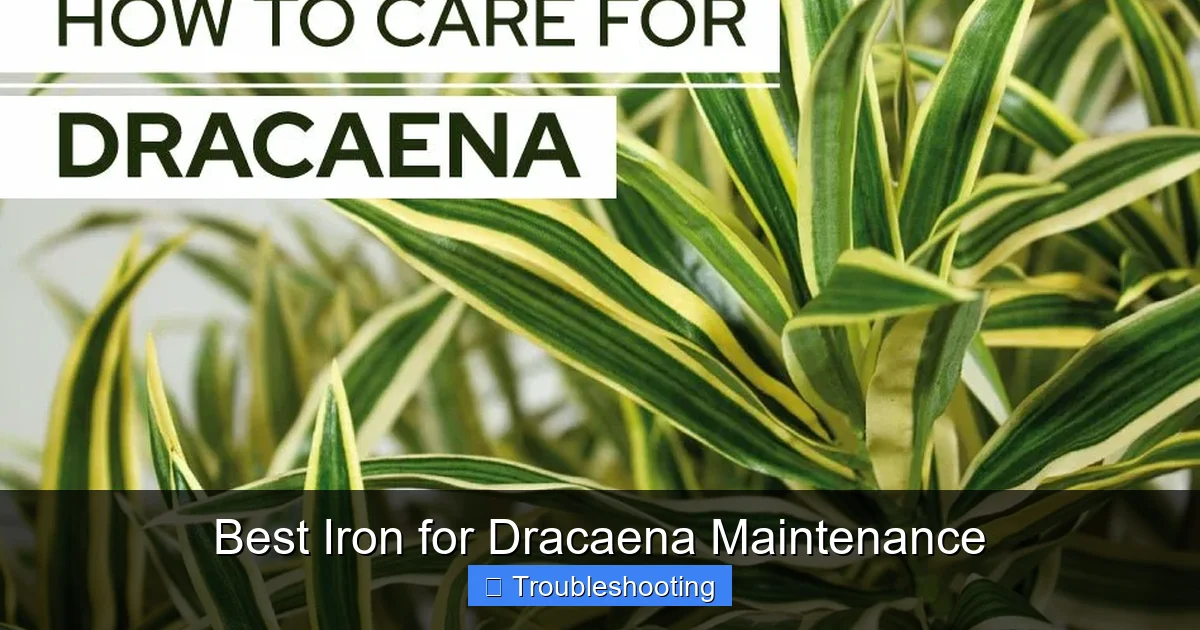
Learn to read your plant’s distress signals. True iron deficiency has a distinct pattern. Look for interveinal chlorosis on young leaves. The veins stay green. The tissue between veins turns yellow. This creates a striking contrast. As deficiency worsens, new leaves may emerge completely white. They can become stunted or deformed. Brown necrotic spots may appear on leaf margins. Growth slows dramatically. The plant looks weak and leggy.
Do not confuse this with nitrogen deficiency. Nitrogen shortage turns older leaves yellow first. The yellowing is uniform across the whole leaf. Magnesium deficiency also affects older leaves first. It shows yellowing between veins but on lower foliage. Manganese deficiency mimics iron but usually includes brown spots. Proper diagnosis saves you from treating the wrong problem. Take clear photos of new versus old growth. Compare them to deficiency charts. When in doubt, test your soil pH first.
Common Causes in Indoor Environments
Indoor growing creates perfect conditions for iron lockout. Most tap water is alkaline. Each watering raises soil pH slightly. Over months, this builds up. Peat-based potting mixes break down. They become more alkaline as they decompose. Hard water deposits minerals on soil surfaces. You might see white crust on the pot rim. That crust signals high mineral content. Fertilizers high in phosphorus worsen the problem. Phosphorus binds with iron. It creates insoluble compounds roots cannot use.
Overwatering compounds the issue. Soggy soil damages root tips. Damaged roots absorb nutrients poorly. They also create anaerobic conditions. This changes soil chemistry unfavorably. Cold soil temperatures slow iron uptake. Dracaenas hate cold feet. Keep them above sixty-five degrees Fahrenheit. Poor drainage traps salts. Salt buildup burns root tips. Burned roots cannot absorb iron efficiently. Address these cultural factors alongside any iron treatment.
Types of Iron Supplements: Which Works Best
Chelated Iron: The Gold Standard
Chelated iron dominates the market for good reason. Chelation wraps iron molecules in organic compounds. This protects iron from reacting with soil chemicals. It keeps iron soluble and available to roots. Different chelating agents work at different pH ranges. EDTA chelates work well up to pH 6.5. DTPA chelates function up to pH 7.0. EDDHA chelates remain effective up to pH 9.0. For most indoor dracaenas, EDDHA or DTPA offers the best insurance. They work even if your soil pH creeps up.
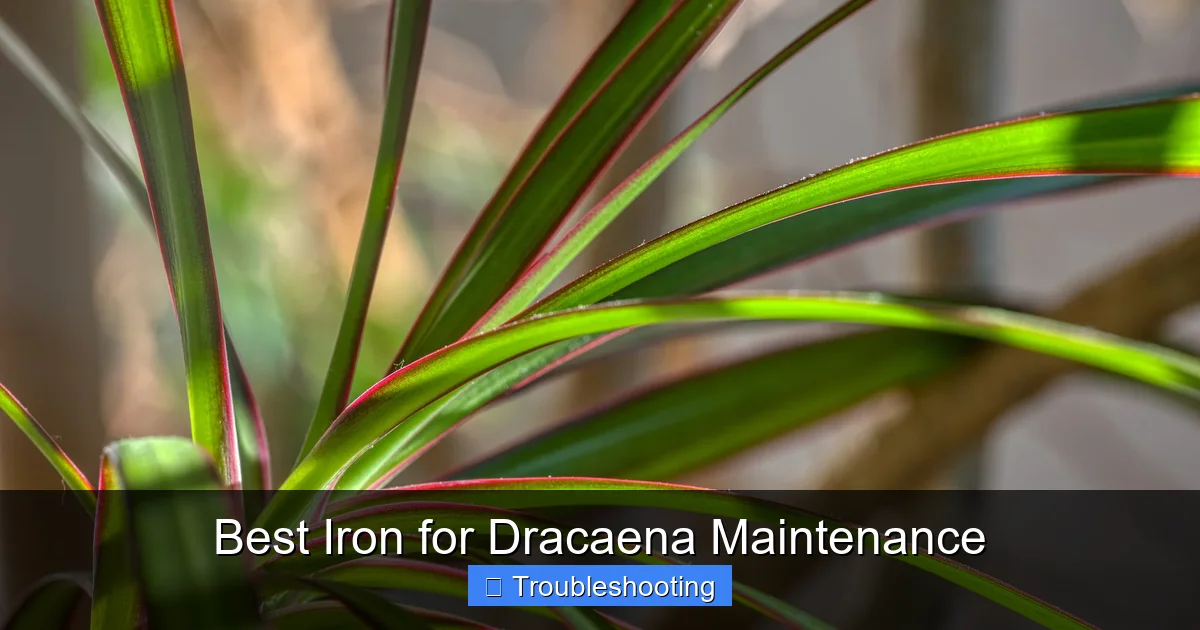
Visual guide about Best Iron for Dracaena Maintenance
Image source: happysprout.com
Look for products listing the chelate type on the label. Avoid generic “iron chelate” without specifics. Quality products state the percentage of chelated iron. Six percent iron EDDHA is a common professional strength. Five percent iron DTPA works well too. Liquid concentrates mix easily. Granular forms release slowly. Both work. Choose based on your preference. Liquid acts faster. Granules last longer. Some products combine multiple chelates. These offer broad pH coverage.
Iron Sulfate: Budget Option with Caveats
Iron sulfate is inexpensive and widely available. It contains about twenty percent iron. It works by lowering soil pH as it dissolves. This releases native soil iron. It also adds supplemental iron. However, it only works in acidic to neutral soils. Above pH 7.0, iron sulfate precipitates quickly. It becomes useless within days. It can also burn roots if overapplied. The sulfur component acidifies soil over time. This benefits acid-loving plants long-term. But the effect is slow. It takes weeks to shift pH significantly.
Use iron sulfate as a soil amendment during repotting. Mix it into fresh potting soil. This prevents deficiency proactively. Do not rely on it to correct active deficiency. It acts too slowly. It also risks root burn in containers. The salt index is high. Container soils have limited buffering capacity. If you choose iron sulfate, apply at half the label rate. Water thoroughly after application. Monitor for leaf tip burn. This signals over-application.
Foliar Iron Sprays: Fastest Green-Up
Foliar sprays bypass soil chemistry entirely. They deliver iron directly to leaf tissue. Results appear in three to seven days. New growth greens up first. This method shines when roots are damaged. It also works when soil pH is severely off. Chelated iron sprays work best. Look for EDTA or DTPA formulations designed for foliar use. Avoid soil-only products on leaves. They may contain surfactants or salts that burn foliage.
Apply foliar sprays in early morning or evening. Avoid direct sunlight. Wet leaves in sun can magnify light and burn tissue. Spray until droplets form but do not run off. Cover both leaf surfaces. Young leaves absorb better than old waxy ones. Repeat weekly for three applications. Then switch to soil drench for sustained feeding. Foliar feeding is a band-aid. Soil correction provides lasting results. Combine both for best outcomes.
Blood Meal and Organic Options
Organic gardeners often reach for blood meal. It contains roughly twelve percent nitrogen and trace iron. The iron is not chelated. Availability depends on soil biology. Microbes must break it down first. This takes weeks to months. Blood meal also adds significant nitrogen. This can push leggy growth. It may attract pests or create odor indoors. Not ideal for houseplants. Other organic sources include kelp meal and greensand. These provide trace minerals including iron. But concentrations are low. They work as slow background nutrition. Not as deficiency correction.
Some newer organic chelates use amino acids. These are certified organic and effective. They work similarly to synthetic chelates. Look for “amino acid chelated iron” on labels. These cost more but align with organic principles. They are gentle on roots. They also provide amino acids that benefit plant metabolism. A good choice for chemical-sensitive growers.
Top Product Recommendations for Dracaena
Best Overall: Sprint 330 10% Iron EDDHA
Sprint 330 is a professional greenhouse standard. It contains ten percent iron as EDDHA chelate. This is the strongest chelate available. It works at pH levels up to nine. That covers virtually any indoor soil scenario. The granular form dissolves quickly in water. A little goes a long way. One pound treats hundreds of gallons. Cost per application is pennies. It corrects severe chlorosis in seven to ten days. New growth emerges deep green. The product stores indefinitely dry. Keep the bag sealed. Moisture causes clumping but does not reduce efficacy.
Application is simple. Dissolve one teaspoon per gallon of water. Apply as a soil drench monthly during growing season. For active deficiency, apply weekly for three weeks. Then return to monthly. Avoid foliar application with this product. The high concentration risks leaf burn. Soil drench only. This is the best iron for dracaena maintenance when you want reliable, professional results. Many botanical gardens and commercial growers use this exact product.
Best Liquid Concentrate: Southern Ag Chelated Liquid Iron
Southern Ag offers a five percent EDTA chelated iron liquid. It mixes instantly. No dissolving granules. No clumping issues. The dropper bottle allows precise measuring. Great for small collections. One bottle lasts a typical houseplant parent a year or more. EDTA works up to pH 6.5. Perfect for properly maintained dracaena soil. If your pH runs higher, choose an EDDHA product instead. The liquid format makes foliar spraying easy. Dilute at one tablespoon per gallon for soil drench. Use one teaspoon per gallon for foliar spray.
This product includes a surfactant. It helps spray coverage on waxy dracaena leaves. The surfactant also aids soil penetration. Reduces runoff. Many users report visible greening in four days. The convenient size fits on a shelf. No measuring spoons needed. Just count drops. Twenty drops per gallon for maintenance. Forty drops for correction. Simple and foolproof.
Best Budget Pick: Greenway Biotech Iron Chelate 6% EDDHA
Greenway Biotech delivers professional grade at hobbyist prices. Six percent iron EDDHA. Same chelate as Sprint 330. Lower concentration means slightly higher use rates. Still extremely cost-effective. One pound bag treats large collections. Resealable pouch keeps product fresh. Dissolves completely in warm water. Cold water works but takes more stirring. Apply at two teaspoons per gallon for soil drench. This matches the iron dose of Sprint 330 at one teaspoon.
Quality control is consistent. Batch testing ensures chelate integrity. Many online hydroponic stores carry this brand. Fast shipping available. Great for growers who want EDDHA performance without the premium price. Works identically to more expensive brands. The EDDHA chelate is the active ingredient. Brand matters less than chelate type and percentage.
Best for Foliar Feeding: Dyna-Gro Pro-TeKt with Iron
Dyna-Gro Pro-TeKt is unique. It combines silicon with chelated iron. Silicon strengthens cell walls. It improves pest resistance. It reduces water loss. The iron is EDTA chelated. Designed specifically for foliar application. Low salt index prevents leaf burn. Use at one teaspoon per gallon. Spray weekly during active growth. The silicon deposit creates a subtle sheen on leaves. Dracaenas look healthier and more vibrant.
This product shines for preventive maintenance. It keeps iron levels steady. It builds structural strength. Plants resist spider mites better. Thrips damage decreases. The silica-iron combo is synergistic. Stronger leaves photosynthesize more efficiently. They also hold nutrients better. A smart choice for proactive plant parents. Not a rescue product for severe deficiency. Use Sprint 330 or Southern Ag for correction. Use Pro-TeKt for ongoing health.
Best Organic Option: Neptune’s Harvest Fish & Seaweed with Iron
Neptune’s Harvest blends fish hydrolysate and kelp. It adds a chelated iron supplement. The iron is amino acid chelated. Certified OMRI organic. Smells like the ocean. Not for scent-sensitive spaces. Apply outdoors or in ventilated areas. The odor dissipates in hours. Provides complete nutrition beyond just iron. Nitrogen, phosphorus, potassium, and micronutrients. The fish oil coats leaves. May clog sprayers. Strain before using in spray bottles. Better as soil drench.
Use at one tablespoon per gallon monthly. The iron dose is modest. Best for maintenance, not correction. The seaweed component stimulates root growth. Cytokinins in kelp promote cell division. Roots explore more soil volume. They access more native iron. This product feeds the soil food web. Beneficial microbes thrive. They further solubilize minerals. A holistic approach. Ideal for organic purists. Less precise than synthetic chelates. But builds long-term soil health.
Application Methods That Deliver Results
Soil Drench: The Foundation Method
Soil drenching delivers iron to the root zone. This is the primary correction method. Mix your chosen product at label rates. Use room temperature water. Cold water shocks tropical roots. Apply to moist soil. Never drench bone-dry soil. The solution channels through dry gaps. Roots miss the nutrients. Water lightly first. Wait thirty minutes. Then apply iron drench. This ensures even distribution.
Apply enough solution to reach the bottom of the pot. You want slight runoff from drainage holes. This confirms full saturation. Do not let the pot sit in runoff. Empty the saucer after thirty minutes. Standing water reabsorbs salts. It also suffocates roots. Repeat based on product schedule. Most chelates need monthly maintenance. Weekly for active correction. Mark your calendar. Consistency beats intensity.
Foliar Spray: The Rapid Response
Foliar spraying greens leaves fast. Use a dedicated spray bottle. Label it clearly. Cross-contamination with pesticides damages plants. Mix at foliar rate. This is usually lower than soil rate. Test on one leaf first. Wait twenty-four hours. Check for burn. Phytotoxicity shows as brown spots or curled edges. If safe, spray the whole plant. Target new growth especially. Undersides of leaves absorb better. Stomata concentrate there.
Spray in early morning. Stomata are open. Absorption peaks. Evening works too. Avoid midday heat. Avoid spraying before dark in humid conditions. Wet leaves overnight invite fungal issues. Add a drop of dish soap as surfactant. This spreads droplets evenly. Without it, water beads on waxy dracaena leaves. Coverage becomes patchy. Repeat every five to seven days. Three applications usually suffice. Then switch to soil feeding.
Incorporation at Repotting: The Preventive Strike
Repotting offers a perfect prevention window. Mix granular chelated iron into fresh potting soil. Use half the monthly maintenance rate. Distribute evenly throughout the mix. This creates an iron reservoir. Roots encounter it as they explore. The chelate protects iron from pH drift. Your plant stays green for months. Combine with pH-adjusted soil. Use a peat-based mix with added perlite. Target pH 6.0 to 6.5. Test with a reliable meter.
Add a slow-release fertilizer with micronutrients. Osmocote Plus contains iron. But the iron source is often sulfate. It may not last in alkaline conditions. The chelated iron you add bridges the gap. This dual approach covers all bases. Your dracaena gets immediate and long-term iron. You prevent deficiency before it starts. This is how professional growers maintain perfect specimens year-round.
Combining Methods for Stubborn Cases
Severe deficiency needs a multi-pronged attack. Start with foliar spray for immediate relief. Apply soil drench same day for sustained feeding. Check soil pH. If above 6.8, add elemental sulfur. Use one teaspoon per gallon pot size. Water in thoroughly. Sulfur lowers pH slowly. Takes four to six weeks. The chelated iron works meanwhile. Monitor new growth weekly. Take photos. Compare vein color. Green veins mean treatment works.
If no improvement in two weeks, reassess. Root damage may prevent uptake. Check roots during next watering. Healthy roots are white and firm. Brown mushy roots indicate rot. Repot if needed. Trim dead roots. Use fresh soil with incorporated iron. Reduce watering frequency. Increase air circulation. Sometimes the problem is not iron at all. It is root health masquerading as nutrient deficiency. Treat the root cause.
Soil pH Management: The Hidden Key
Why pH Controls Iron Availability
Soil pH is the master variable. It determines which nutrients exist in plant-available forms. Iron solubility drops one thousand fold for each pH unit above 6.5. At pH 7.0, iron is barely soluble. At pH 8.0, it is virtually absent. Your dracaena sits in a sea of iron it cannot touch. This is why fertilizing fails. You add iron. The soil chemistry locks it up instantly. Chelates fight this. But they have limits. EDDHA works to pH 9.0. But it costs more. Managing pH is cheaper and more sustainable.
Dracaenas evolved in acidic tropical soils. Their roots expect pH 5.5 to 6.5. In this range, iron flows freely. Manganese, zinc, and copper also stay available. Phosphorus remains soluble. Beneficial microbes thrive. The whole soil ecosystem functions. When pH drifts above 7.0, multiple deficiencies appear together. Iron shows first. But others follow. Correcting pH solves them all at once.
Testing Your Soil Accurately
Guessing pH leads to mistakes. Invest in a quality meter. The cheap probe meters lie. They drift with moisture and salt levels. A good digital meter costs thirty to fifty dollars. Brands like Apera or Bluelab deliver reliable readings. Calibrate monthly with buffer solutions. Test multiple spots in the pot. Edge, center, near roots. Average the readings. Test after watering. Wet soil reads differently than dry. Consistent technique yields consistent data.
Test monthly during growing season. Quarterly in winter. Keep a log. Track trends. Rising pH signals trouble ahead. You can intervene before deficiency appears. Also test your tap water. High alkalinity water drives soil pH up. If your water exceeds pH 7.5, consider filtration. Or use rainwater. Or distilled water mixed fifty-fifty with tap. Small changes prevent big problems.
Lowering pH Safely for Dracaena
Elemental sulfur is the standard amendment. Soil bacteria convert it to sulfuric acid. This lowers pH gradually. Apply one teaspoon per gallon of soil. Mix into top inch. Water well. Retest in four weeks. Repeat if needed. Do not exceed one application per month. Rapid pH swings shock roots. Aluminum sulfate works faster. But aluminum risks toxicity in containers. Avoid it for houseplants. Ammonium-based fertilizers acidify naturally. Use urea or ammonium nitrate forms. They lower pH as roots absorb ammonium. This is a gentle, continuous effect.
Peat moss naturally acidifies. Use it as your base mix. Coco coir is more neutral. Add twenty percent peat to coir mixes. Pine bark fines also acidify slowly. They improve drainage too. Avoid lime or dolomite. These raise pH. Some potting mixes include them. Read labels. Choose acid-loving plant mixes. Or make your own. Two parts peat, one part perlite, one part pine bark. Simple. Effective. Cheap.
Water Quality Impact on Soil Chemistry
Your water writes your soil’s chemical story. Hard water deposits calcium carbonate. Each watering adds lime. Soil pH creeps up relentlessly. Softened water adds sodium. Sodium destroys soil structure. It disperses clay. It blocks potassium uptake. Neither is ideal. Rainwater is gold standard. Collect it if you can. Distilled water works but lacks minerals. Remineralize with Cal-Mag if using pure distilled. Reverse osmosis water is excellent. Add back calcium and magnesium.
If stuck with tap water, adapt. Let water sit overnight. Chlorine dissipates. But minerals remain. Add vinegar to lower water pH. One teaspoon per gallon drops pH significantly. Test your adjusted water. Target pH 6.0 to 6.5. This prevents soil pH drift. It also improves nutrient solubility in the water itself. Your fertilizer works better. Your iron stays available. A simple habit with huge returns.
Prevention Strategies for Long-Term Health
Building a Resilient Root Zone
Healthy roots absorb iron efficiently. Damaged roots cannot. Focus on root zone conditions. Use pots with ample drainage. Terra cotta breathes. Plastic retains moisture. Choose based on your watering habit. Overwaterers need terra cotta. Underwaterers do better with plastic. Always use a well-draining mix. Perlite or pumice creates air pockets. Roots need oxygen. Anaerobic soil kills root tips. Dead tips equal poor absorption.
Repot every two to three years. Old soil collapses. It loses aeration. It accumulates salts. Fresh soil resets the clock. Spring is ideal repotting time. Roots recover fast in active growth. Increase pot size by one to two inches. Too large holds excess water. Root rot follows. Gently loosen root ball. Remove loose old soil. Trim circling roots. Plant at same depth. Water thoroughly. Hold fertilizer for two weeks. Let roots establish.
Fertilization Schedule That Prevents Deficiency
Feed weakly, weekly. This old adage works. Dilute fertilizer to quarter strength. Apply every watering during growing season. Use a complete fertilizer with micronutrients. Dyna-Gro Foliage Pro 9-3-6 is excellent. It contains all essential elements. Including chelated iron. The urea nitrogen acidifies gently. The formula is designed for tropical foliage plants. No urea burn risk. No salt buildup. Balanced nutrition prevents single-element deficiencies.
Winter requires different approach. Growth slows. Nutrient demand drops. Fertilize monthly at half strength. Or stop entirely if growth stops. Resume in spring when new leaves emerge. Watch for pale new growth. That signals restart time. Flush soil monthly. Run water through for several minutes. This prevents salt accumulation. Salts mimic deficiency symptoms. They burn root tips. Flushing resets the substrate.
Monitoring Routine for Early Detection
Walk your plants weekly. Really look at them. New leaves tell the story. Are they emerging deep green? Or pale yellow? Check leaf undersides. Pests hide there. Spider mites cause stippling. It looks like nutrient deficiency. Thrips leave silver patches. Scale insects bump along stems. Early detection saves plants. A magnifying glass helps. Ten power jeweler’s loupe reveals tiny pests.
Keep a plant journal. Note watering dates. Fertilizer applications. Repotting times. Product changes. Observations. Patterns emerge over months. You learn your plant’s language. You anticipate needs. You become a better grower. The journal also helps troubleshoot. When issues arise, you have data. Not guesses. Data drives solutions.
Environmental Optimization
Light drives photosynthesis. Photosynthesis drives nutrient demand. Low light reduces iron need. But it also reduces vigor. Bright indirect light is ideal. East window works well. South window with sheer curtain. North window may be too dim. Supplemental LED lights extend day length. Twelve to fourteen hours promotes strong growth. Strong growth uses iron efficiently.
Humidity matters too. Dracaenas prefer fifty percent plus. Dry air increases transpiration. Roots work harder. Nutrient uptake increases. But if roots cannot keep up, deficiency appears. Group plants together. Use pebble trays. Run a humidifier. Misting helps briefly. But consistent humidity beats sporadic misting. Temperature stability prevents stress. Avoid drafts. Avoid heating vents. Steady conditions equal steady growth.
Troubleshooting Common Iron Treatment Failures
When Leaves Stay Yellow After Treatment
You applied chelated iron. Two weeks passed. New leaves still pale. Frustration builds. Check these common failure points. First, verify soil pH. If still above 7.0, EDTA and DTPA chelates fail. Only EDDHA works. Switch products. Second, check root health. Gently unpot. Look at roots. Brown tips? Mushy texture? Foul smell? Root rot prevents uptake. Treat rot first. Repot in fresh soil. Then resume iron.
Third, evaluate light levels. Very low light reduces chlorophyll production. Iron cannot green leaves that lack energy to make chlorophyll. Move plant brighter. Fourth, check for pest damage. Spider mites suck chlorophyll. Leaves look pale. Treat mites. Fifth, consider manganese deficiency. It mimics iron. But manganese chelate fixes it. Sixth, assess watering. Chronic overwatering creates anaerobic soil. Iron converts to unavailable forms. Fix drainage. Let soil dry more between waterings.
Dealing with Iron Toxicity
Too much iron creates its own problems. Symptoms include bronzing or browning of leaf tips. Dark brown spots on leaves. Stunted root growth. Reduced phosphorus uptake. Phosphorus deficiency follows. Leaves may turn purplish. Young leaves curl downward. This happens with overzealous application. Or using soil-applied iron sulfate at high rates. Or applying foliar spray in hot sun.
If you suspect toxicity, flush the soil. Run three pot volumes of water through. Let drain completely. Stop all iron supplements. Resume balanced fertilizer only. Monitor new growth. Recovery takes weeks. Damaged leaves will not heal. But new growth should emerge normal. Prevention is simple. Follow label rates. Test soil before supplementing. More is not better. Precision beats enthusiasm.
Distinguishing Iron Deficiency from Look-Alikes
Nitrogen deficiency yellows old leaves first. Uniform yellowing. No green veins. Plant looks generally pale. Growth slows but new leaves are small and green. Fix with nitrogen fertilizer. Magnesium deficiency yellows between veins on old leaves. Green veins persist. Leaf margins may curl upward. Epsom salts fix this. One teaspoon per gallon monthly. Manganese deficiency looks like iron but includes necrotic spots. Affects new growth. Manganese sulfate corrects it.
Zinc deficiency creates small distorted leaves. Short internodes. Rosette appearance. Leaf edges may roll. Zinc chelate fixes it. Copper deficiency rare indoors. Causes dieback. Dark twisted new growth. Copper fungicide at low dose corrects. Boron deficiency kills growing points. Side shoots proliferate. Brittle leaves. Borax at tiny doses fixes it. But boron toxicity is easy. Be extremely careful. When in doubt, use a complete micronutrient blend. Covers all bases safely.
Conclusion
Iron deficiency in dracaena is common but completely manageable. You now know the signs. Interveinal chlorosis on new growth. You know the cause. Usually high soil pH locking away iron. You know the solution. Chelated iron, especially EDDHA for reliability. You know the methods. Soil drench for sustained feeding. Foliar spray for rapid green-up. Prevention through pH management. You have product recommendations from budget to professional grade. You have a monitoring routine to catch issues early.
Your dracaena wants to thrive. It evolved to grow in iron-rich acidic soils. Give it those conditions and it rewards you with architectural foliage. Glossy green leaves. Strong upright canes. A living sculpture that purifies your air. The effort is minimal. The payoff is huge. A healthy dracaena lasts decades. It becomes a companion. A witness to your life. Start today. Test your soil pH. Order a quality chelated iron. Apply at the next watering. Watch for the change. In two weeks, new leaves will emerge deeper green. In a month, the whole plant transforms. You have the knowledge. Now put it into action. Your dragon tree is waiting.
Frequently Asked Questions
What causes iron deficiency in dracaena plants?
Iron deficiency in dracaena is typically caused by high soil pH (above 6.5) which makes iron insoluble and unavailable to roots, even when present in the soil. Alkaline tap water, decomposing potting mix, and phosphorus-heavy fertilizers all contribute to rising pH that locks out iron.
Which type of chelated iron works best for dracaena?
EDDHA-chelated iron works best for dracaena because it remains soluble and available to roots up to pH 9.0, covering the range found in most indoor potting mixes. DTPA works up to pH 7.0 and EDTA only up to 6.5, making them less reliable if pH drifts.
Can I spray iron directly on dracaena leaves?
Yes, foliar spraying with chelated iron (EDTA or DTPA formulations labeled for foliar use) provides the fastest results, often greening new growth within 3-7 days. Apply in early morning or evening to avoid leaf burn, and include a surfactant for better coverage on waxy leaves.
How do I know if my dracaena needs iron versus nitrogen?
Iron deficiency shows yellowing between green veins on the newest leaves first, while nitrogen deficiency turns older leaves uniformly yellow first. Iron affects new growth; nitrogen affects old growth. This pattern difference is the key diagnostic clue.
Should I repot my dracaena to fix iron deficiency?
Repotting into fresh, slightly acidic potting mix (pH 6.0-6.5) with incorporated chelated iron is an excellent long-term fix, especially if the current soil is old, compacted, or has high pH. It resets the root environment and prevents recurrence better than supplements alone.
Can hard water cause iron deficiency in dracaena?
Yes, hard water high in calcium and magnesium carbonates raises soil pH with every watering, progressively locking out iron. Using rainwater, filtered water, or adding vinegar (1 tsp/gallon) to lower water pH to 6.0-6.5 prevents this gradual pH drift.