Ficus Not Growing Causes
Ficus not growing causes typically include insufficient light, improper watering, poor soil conditions, and pest infestations. Most growth issues can be resolved by adjusting care routines and providing optimal growing conditions for your specific ficus variety.
Key Takeaways
- Light is critical: Ficus plants need bright, indirect light for 6-8 hours daily to grow properly
- Water consistently: Both overwatering and underwatering cause stunted growth and leaf drop
- Check root health: Root-bound plants or root rot prevent nutrient uptake and new growth
- Temperature matters: Keep ficus between 65-75°F (18-24°C) and away from drafts
- Fertilize appropriately: Feed monthly during growing season with balanced fertilizer
- Watch for pests: Spider mites, scale, and mealybugs drain plant energy and stop growth
- Be patient after changes: Ficus plants need 4-6 weeks to adjust to new conditions before showing improvement
Quick Answers to Common Questions
Why is my ficus not growing new leaves?
Insufficient light is the most common cause. Ficus needs 6-8 hours of bright indirect light daily to produce new growth. Check for leggy stems, small pale leaves, or leaning toward windows as confirmation.
How long does it take for a ficus to start growing after fixing care issues?
Expect 4-6 weeks for visible improvement after correcting light, water, or soil problems. Ficus plants need time to acclimate before investing energy in new growth.
Can a ficus recover from losing all its leaves?
Yes, if the roots and main stems are still firm and alive. Provide optimal conditions and wait 6-8 weeks. New buds often emerge from bare stems when the plant has sufficient energy reserves.
Should I fertilize my ficus if it is not growing?
Only fertilize during active growing season (spring through early fall) and only if other conditions (light, water, soil) are correct. Fertilizing a stressed or dormant plant causes root burn and further damage.
Why does my ficus grow on one side only?
Uneven light exposure causes lopsided growth. Rotate your plant 90 degrees weekly so all sides receive equal light. This promotes balanced, symmetrical growth.
📑 Table of Contents
- Why Your Ficus Refuses to Grow
- Light Problems: The Number One Growth Killer
- Watering Mistakes That Stop Growth Cold
- Soil and Root Issues Beneath the Surface
- Temperature and Humidity: The Invisible Growth Factors
- Nutrition: Feeding for Growth
- Pests and Diseases: Silent Growth Thieves
- Variety-Specific Growth Habits
- Pruning to Stimulate Growth
- Troubleshooting Checklist: Step by Step
- Common Myths About Ficus Growth
- When to Call It Quits
- Conclusion: Your Ficus Wants to Grow
Why Your Ficus Refuses to Grow
You bought a beautiful ficus tree. You found the perfect spot. You water it faithfully. But weeks go by and nothing happens. No new leaves. No height gain. Just the same plant staring back at you. Sound familiar? You are not alone. Ficus not growing causes frustrate plant parents everywhere. These popular houseplants have a reputation for being dramatic. But here is the truth. Most growth problems come down to a few fixable issues. Your ficus wants to grow. It just needs the right signals.
Think of your ficus like a picky houseguest. It has specific preferences. When those preferences are not met, it goes on strike. No new leaves. No new branches. Sometimes it even drops existing leaves as protest. The good news? Once you identify the problem, recovery is usually straightforward. This guide walks through every common reason your ficus sits stagnant. You will learn exactly what to check, what to change, and how to get fresh growth within weeks.
Light Problems: The Number One Growth Killer
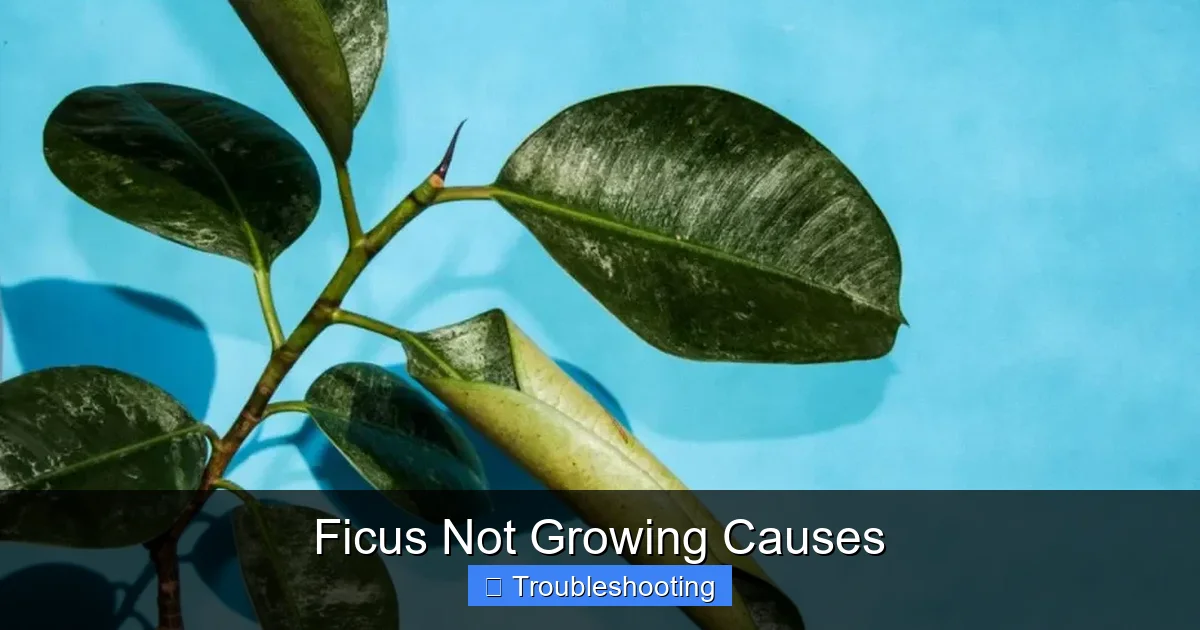
If you remember only one thing from this article, make it this. Light drives everything. Photosynthesis creates the energy your ficus needs to produce new cells. Without adequate light, growth simply stops. The plant survives on stored energy but cannot invest in new leaves or stems.
Visual guide about Ficus Not Growing Causes
Image source: gardenerspath.com
Signs Your Ficus Needs More Light
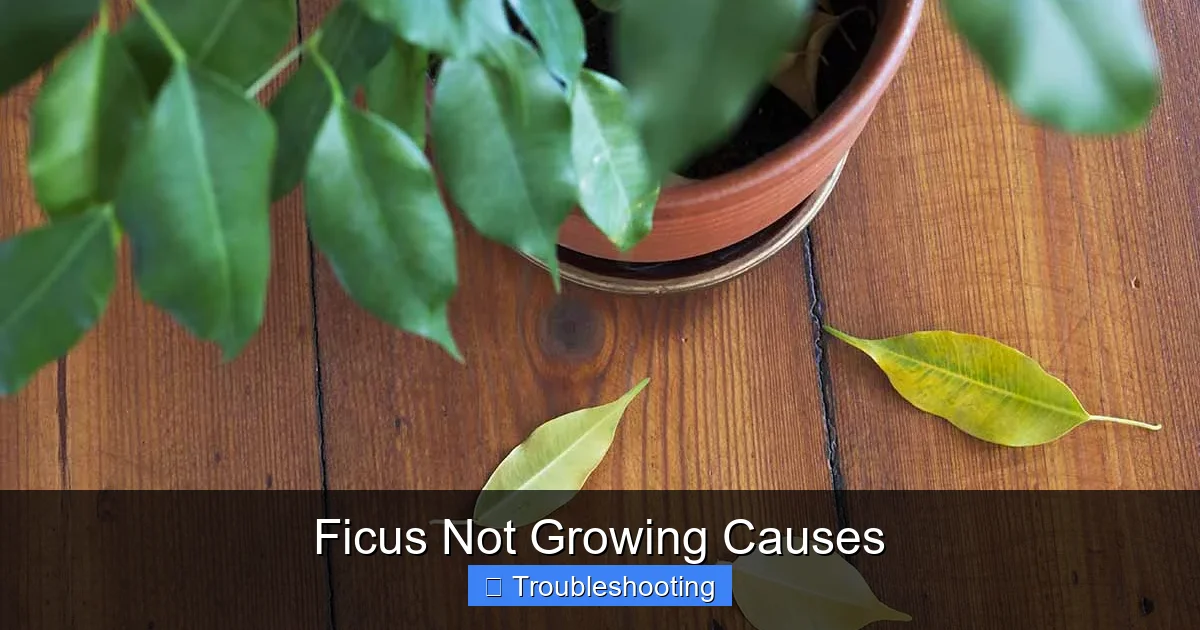
Watch for these telltale indicators. Leggy growth with long spaces between leaves. Small, pale new leaves. The plant leaning dramatically toward windows. No new growth for months during growing season. Lower leaves yellowing and dropping while the top stays sparse. These all scream insufficient light.
Ideal Light Conditions for Ficus
Most ficus varieties want bright, indirect light. Think near an east or west window. South windows work with sheer curtains. North windows rarely provide enough intensity. Aim for 6-8 hours of bright indirect light daily. A light meter reading of 400-800 foot-candles is ideal. If you cannot provide this naturally, consider a grow light. LED grow lights positioned 12-18 inches above the canopy work beautifully.
Seasonal Light Adjustments
Winter brings shorter days and lower light angles. Your ficus may slow down naturally. This is normal. Do not panic. Reduce watering and stop fertilizing during low-light months. Growth will resume when spring returns. If you use grow lights, maintain 12-14 hours year-round for consistent growth.
Acclimating to Brighter Light
Moving a low-light ficus directly into bright sun causes scorching. White or brown patches appear on leaves. The plant goes into shock. Instead, increase light gradually over 2-3 weeks. Move it a foot closer to the window every few days. This prevents stress and allows the plant to build protective pigments.
Watering Mistakes That Stop Growth Cold
Water issues rank second among ficus not growing causes. Both too much and too little water shut down growth. The plant enters survival mode. Energy goes to maintaining existing tissue, not creating new growth.
Visual guide about Ficus Not Growing Causes
Image source: lemagduvivremieux.com
Overwatering Symptoms and Fixes
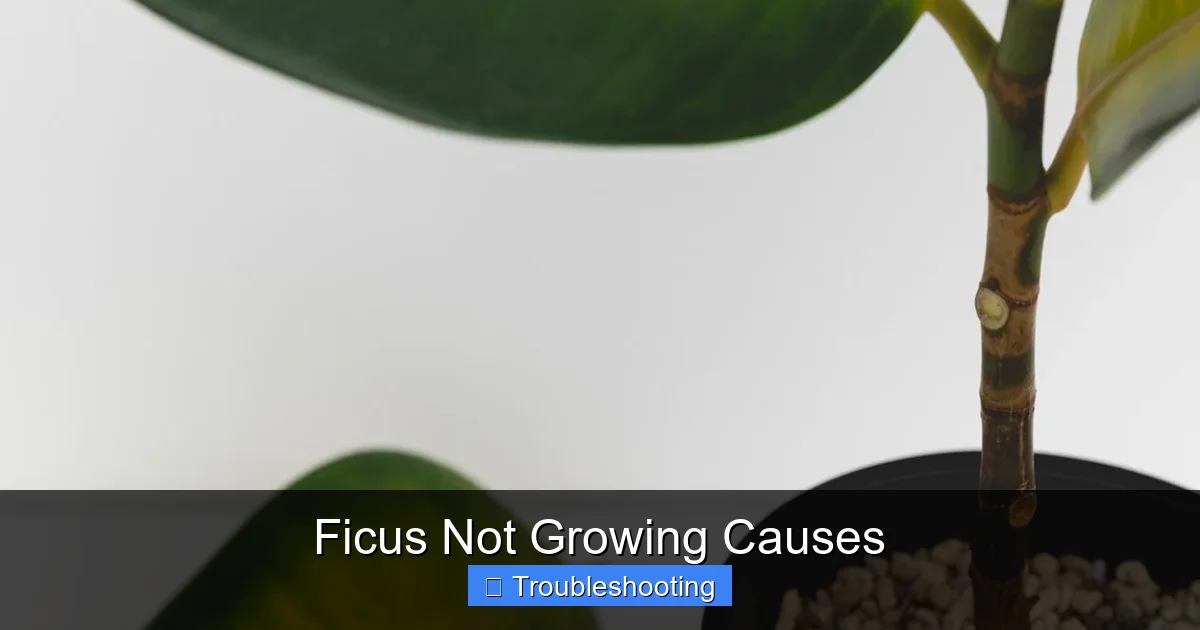
Overwatering suffocates roots. Oxygen cannot reach root hairs. Root rot follows. Signs include yellowing lower leaves, mushy stems, fungus gnats, and a sour soil smell. The pot feels heavy days after watering. To fix this, stop watering immediately. Check drainage holes. Ensure they are not blocked. Remove the plant from its pot. Inspect roots. Healthy roots are firm and white or light tan. Rotted roots are brown, black, mushy, or smelly. Trim away all rotted roots with clean scissors. Repot in fresh, well-draining mix. Water only when the top 2-3 inches of soil feel dry.
Underwatering Symptoms and Fixes
Underwatered ficus plants conserve water by halting growth. Leaves curl inward. Edges turn crispy brown. Soil pulls away from pot sides. The pot feels suspiciously light. Some leaves drop while still green. The fix is simple but requires consistency. Water thoroughly until water drains from the bottom. Wait until the top 2-3 inches dry, then water again. Set a reminder if needed. Consistency beats perfect timing.
The Finger Test Method
Forget schedules. Use your finger. Insert it 2-3 inches into soil. If dry at your fingertip, water. If moist, wait. This works better than any calendar. Ficus water needs change with light, temperature, humidity, and pot size. A moisture meter helps if you prefer gadgets. But your finger is free and always available.
Water Quality Matters
Tap water with high chlorine, fluoride, or salts can damage sensitive ficus roots over time. Brown leaf tips often indicate chemical buildup. Let tap water sit overnight before using. Or use filtered water. Rainwater is excellent if you can collect it. Room temperature water prevents root shock.
Soil and Root Issues Beneath the Surface
What happens below ground determines what happens above. Poor soil, wrong pot size, and root problems are hidden ficus not growing causes that fool even experienced growers.
Choosing the Right Soil Mix
Ficus needs well-draining, aerated soil. Dense potting soil holds too much water. Roots rot. Growth stops. Create an ideal mix: 2 parts quality potting soil, 1 part perlite or pumice, 1 part orchid bark or coarse sand. This provides drainage, aeration, and moisture retention. Pre-made cactus or succulent mixes work too but may need extra organic matter.
When Your Ficus Is Root Bound
Roots circling the pot bottom? Roots emerging from drainage holes? Soil drying in one day? Water running straight through without absorbing? These signal a root-bound plant. The roots have no room to expand. No new roots means no new shoots. Repot in spring into a pot 1-2 inches larger. Gently loosen the root ball. Trim any circling roots. Use fresh soil mix. Water well after repotting.
Repotting Shock and Recovery
Repotting stresses ficus plants. Expect a 2-4 week pause in growth. Some leaf drop is normal. Do not fertilize for 6 weeks after repotting. The fresh soil contains nutrients. Keep light and water consistent. New growth signals recovery.
Soil pH and Nutrient Availability
Ficus prefers slightly acidic soil, pH 6.0-6.5. Outside this range, nutrients lock up. The plant starves despite fertilizer. Test soil pH annually. Adjust with sulfur (to lower) or lime (to raise). Most quality potting mixes start in the correct range.
Temperature and Humidity: The Invisible Growth Factors
Ficus plants are tropical natives. They evolved in stable, warm, humid environments. Your home likely differs. Temperature swings and dry air silently stall growth.
Optimal Temperature Range
Keep ficus between 65-75°F (18-24°C) day and night. Below 60°F (15°C), growth stops completely. Above 85°F (29°C), heat stress occurs. Avoid placing plants near heating vents, AC units, drafty windows, or exterior doors. Sudden temperature drops cause immediate leaf drop. Consistency matters more than hitting a perfect number.
Humidity Requirements
Ficus prefers 50-60% humidity. Most homes sit at 30-40%, especially in winter. Low humidity causes brown leaf tips, crispy edges, and spider mite outbreaks. Growth slows as the plant conserves moisture. Increase humidity with a humidifier, pebble tray, or grouping plants. Misting helps briefly but does not raise ambient humidity significantly.
Seasonal Adjustments
Winter challenges ficus plants. Shorter days. Cooler temps. Dry heated air. Growth naturally slows. Accept this. Reduce watering. Stop fertilizing. Maintain humidity. Avoid cold windowsills. Spring brings natural recovery. Do not force growth during dormancy.
Nutrition: Feeding for Growth
Light and water provide energy. Nutrients provide building blocks. Without both, growth cannot happen. Fertilizer mistakes are common ficus not growing causes.
When and How to Fertilize
Fertilize only during active growth. Spring through early fall. Monthly feeding with balanced liquid fertilizer (10-10-10 or 20-20-20) at half strength works well. Or use slow-release granules in spring. Stop completely in late fall and winter. Fertilizing dormant plants burns roots and causes weak, leggy growth.
Signs of Nutrient Deficiency
Nitrogen deficiency: older leaves yellow, new growth small and pale. Phosphorus deficiency: dark green leaves with purple tints, stunted growth. Potassium deficiency: brown leaf edges, weak stems. Magnesium deficiency: yellowing between leaf veins on older leaves. Iron deficiency: yellowing between veins on new leaves. A balanced fertilizer prevents most deficiencies.
Signs of Over-Fertilization
White crust on soil surface. Brown leaf tips and edges. Stunted growth despite good care. Root burn. If you suspect over-fertilization, flush soil thoroughly. Run water through the pot for 5-10 minutes. Let drain completely. Withhold fertilizer for 2-3 months.
Micronutrients Matter Too
Ficus benefits from occasional micronutrient supplements. Iron chelate prevents chlorosis in alkaline conditions. Epsom salts (magnesium sulfate) at 1 tablespoon per gallon, applied twice yearly, supports chlorophyll production. Use sparingly. More is not better.
Pests and Diseases: Silent Growth Thieves
Pests drain plant resources. Diseases destroy tissue. Both divert energy from growth to defense. Regular inspection catches problems early.
Common Ficus Pests
Spider mites: tiny, create fine webbing, cause stippled yellow leaves. Thrive in dry air. Mealybugs: white cottony clusters at leaf joints and stems. Scale: brown or tan bumps on stems and leaf undersides. Aphids: small green, black, or white insects on new growth. Fungus gnats: tiny flies from overly wet soil. Thrips: slender insects causing silvery patches and distorted growth.
Pest Treatment Protocol
Isolate affected plants immediately. Prune heavily infested leaves. Spray with insecticidal soap or neem oil weekly for 3-4 weeks. Cover all surfaces including leaf undersides. Systemic granules work for persistent scale. Increase humidity to deter spider mites. Yellow sticky traps catch fungus gnat adults. Let soil dry more between waterings for gnat control.
Fungal and Bacterial Issues
Root rot: caused by overwatering, poorly draining soil. Stem rot: mushy, dark stems at soil line. Leaf spot: brown or black spots with yellow halos. Anthracnose: dark lesions on leaves and stems. Powdery mildew: white powdery coating. Improve air circulation. Avoid overhead watering. Remove affected leaves. Apply copper fungicide for persistent issues.
Prevention Is Easier Than Cure
Inspect weekly during watering. Check leaf undersides, stem joints, and soil surface. Quarantine new plants for 2-3 weeks. Clean leaves monthly with damp cloth. This removes dust and early pests. Healthy plants resist pests better. Proper care is your best defense.
Variety-Specific Growth Habits
Not all ficus grow the same. Understanding your variety sets realistic expectations. Some grow fast. Some stay compact. Some drop leaves seasonally.
Ficus Benjamina (Weeping Fig)
Fast grower in ideal conditions. Can add 1-2 feet per year. Sensitive to changes. Drops leaves when moved. Prefers consistent bright light. Recovers well from pruning.
Ficus Elastica (Rubber Plant)
Moderate grower. Large, thick leaves. More tolerant of lower light than benjamina. Grows upright with minimal branching unless pruned. New leaves emerge from a colorful sheath.
Ficus Lyrata (Fiddle Leaf Fig)
Slow to moderate grower. Very particular about conditions. Needs bright light, consistent water, high humidity. Hates drafts. Grows tall and leggy without pruning. New growth often appears in bursts.
Ficus Microcarpa (Ginseng Ficus)
Slow grower. Thick, exposed roots. Popular for bonsai. Tolerates lower light. Stores water in roots. Very drought tolerant. Growth occurs in flushes.
Ficus Alii (Banana Leaf Fig)
Faster grower than lyrata. Long, narrow leaves. More adaptable. Less prone to leaf drop. Good choice for beginners. Responds well to pruning.
Pruning to Stimulate Growth
Strategic pruning triggers new growth. Ficus exhibits apical dominance. The top bud suppresses lower buds. Removing the top releases lower buds to grow.
When to Prune
Spring is ideal. The plant enters active growth. Cuts heal fast. New shoots emerge quickly. Avoid heavy pruning in fall or winter. Light pruning anytime to remove dead or crossing branches.
How to Prune for Bushier Growth
Cut just above a leaf node. The node contains dormant buds. Make clean cuts at 45-degree angles. Remove no more than 1/3 of the plant at once. For height control, cut the main leader. For width, trim side branches. New growth appears 2-4 weeks after spring pruning.
Notching Technique
For stubborn bare stems, try notching. Make a small cut 1/3 through the stem just above a node. This interrupts hormone flow. Often triggers bud break below the notch. Works best in spring on healthy plants.
After Pruning Care
Reduce watering slightly until new growth appears. The plant has less leaf surface to transpire. Do not fertilize for 2-3 weeks. Provide bright light. Watch for new buds at nodes.
Troubleshooting Checklist: Step by Step
When your ficus refuses to grow, work through this checklist systematically. Change one thing at a time. Wait 2-3 weeks. Observe. Then adjust again if needed.
Week 1: Assess and Adjust Light
Move to brightest suitable location. Add grow light if needed. Clean leaves to maximize light absorption. Rotate plant weekly for even growth.
Week 2: Optimize Watering
Check soil moisture before every watering. Water thoroughly. Ensure drainage. Remove standing water from saucers. Adjust frequency based on actual soil dryness.
Week 3: Check Roots and Soil
Inspect drainage holes. Gently lift plant to check root ball. Repot if root bound or soil is depleted. Use proper soil mix.
Week 4: Review Temperature and Humidity
Move away from drafts and vents. Add humidifier if air is dry. Monitor with thermometer and hygrometer.
Week 5: Begin Fertilizing (If Growing Season)
Apply half-strength balanced fertilizer. Mark calendar for monthly feeding.
Week 6: Inspect for Pests
Thorough examination. Treat if found. Continue weekly checks.
Week 7-8: Evaluate and Prune
Look for new growth. If none, consider pruning to stimulate buds. Document changes with photos.
Common Myths About Ficus Growth
Bad advice spreads fast. Let us clear up misconceptions that may be sabotaging your efforts.
Myth: Ficus Likes to Dry Out Completely
False. Ficus likes consistent moisture. The top few inches should dry. The root ball should never become bone dry. Complete drought causes leaf drop and root damage.
Myth: More Fertilizer Means Faster Growth
False. Excess fertilizer burns roots. Weakens the plant. Causes salt buildup. Follow label rates. Less is safer.
Myth: Ficus Cannot Tolerate Any Direct Sun
False. Morning sun or filtered afternoon sun benefits most varieties. Acclimate slowly. Only intense midday summer sun causes damage.
Myth: Leaf Drop Means the Plant Is Dying
False. Ficus drops leaves in response to change. New location. Repotting. Seasonal shift. Watering change. If conditions are good, new leaves replace old ones.
Myth: Misting Replaces Humidity
False. Misting raises humidity for minutes. A humidifier or pebble tray maintains humidity for hours. Misting helps clean leaves but does not create a humid microclimate.
When to Call It Quits
Sometimes a ficus is too far gone. No roots. Main stem mushy. 90% leaf loss with no new buds after 8 weeks of proper care. At this point, propagation from any healthy cuttings is smarter than nursing a dead plant. Take 6-inch tip cuttings. Root in water or moist perlite. Start fresh with better knowledge.
Conclusion: Your Ficus Wants to Grow
Ficus not growing causes usually boil down to mismatched expectations and conditions. These plants are not difficult. They are specific. Give them bright light. Consistent moisture. Well-draining soil. Stable temperatures. Occasional fertilizer. Pest monitoring. That is the complete recipe.
Remember the acclimation period. Any change, even positive ones, causes temporary pause. Your ficus is not broken. It is adjusting. Give it 4-6 weeks after corrections before judging results. Take photos. Weekly comparisons reveal subtle progress you might miss daily.
The moment you see that first bright green leaf unfurling, you will know. Your adjustments worked. The plant is happy. And you have joined the ranks of successful ficus growers. That satisfaction? Worth every week of patience.
Start with light. Fix watering. Check roots. The rest follows naturally. Your ficus is waiting. Go give it what it needs.
Frequently Asked Questions
What is the best fertilizer for ficus growth?
A balanced liquid fertilizer (10-10-10 or 20-20-20) at half strength applied monthly during spring through early fall works best. Slow-release granules in spring are a good low-maintenance alternative.
How do I know if my ficus is root bound?
Signs include roots circling the pot bottom, roots emerging from drainage holes, soil drying within 24 hours, water running straight through without absorbing, and stunted growth despite proper care.
Can ficus grow in low light conditions?
Ficus can survive in low light but will not grow well. Growth becomes leggy, leaves stay small and pale, and the plant gradually declines. Bright indirect light is necessary for healthy growth.
Why are my ficus leaves turning yellow and falling off?
Yellowing and leaf drop usually indicate overwatering, underwatering, insufficient light, temperature stress, or recent environmental changes. Check soil moisture and light levels first.
How often should I repot my ficus?
Repot every 2-3 years in spring, or when root bound. Young, fast-growing plants may need annual repotting. Mature plants in large pots can go longer. Always use a pot only 1-2 inches larger.
Is it normal for ficus to stop growing in winter?
Yes, reduced winter light and cooler temperatures naturally slow or pause growth. This is normal dormancy. Reduce watering, stop fertilizing, and maintain humidity until spring growth resumes.