Best Companion Plants for Rosemary
The best companion plants for rosemary include thyme, sage, carrots, and marigolds. These companions share similar sunlight and soil needs, deter common pests, and can enhance rosemary’s aroma. Avoid planting rosemary near mint or fennel, which compete for resources.
Rosemary is a woody herb that loves sunshine, dry soil, and a little neglect. It adds a piney scent to any garden and flavors many dishes. Picking the right neighbors can make your rosemary stronger, tastier, and less bothered by bugs.
When you think about the best companion plants for rosemary, start with the herb’s basic needs. It wants at least six hours of direct light each day. It prefers sandy or gritty soil that drains fast. Overwatering is the quickest way to kill it.
Companion planting is not just a trend; it is a practical way to boost health and yield. Good partners share similar light and water preferences, so they thrive together without extra work.
Key Takeaways
- Match growing conditions: The best companion plants for rosemary share full sun and well‑drained soil.
- Use herbs as allies: The best companion plants for rosemary such as thyme, sage, and oregano repel pests and improve flavor.
- Add vegetables wisely: The best companion plants for rosemary like carrots, beans, and cabbage family members benefit from rosemary’s scent.
- Include beneficial flowers: The best companion plants for rosemary such as marigold, lavender, and yarrow attract pollinators and deter insects.
- Know what to avoid: The best companion plants for rosemary never include mint, fennel, or aggressive spreaders.
- Plan your layout: The best companion plants for rosemary thrive with proper spacing, seasonal rotation, and a light mulch.
Quick Answers to Common Questions
What are the best companion plants for rosemary?
The best companion plants for rosemary are thyme, sage, oregano, carrots, beans, marigold, lavender, and yarrow.
Can rosemary grow next to tomatoes?
Yes, rosemary can share a bed with tomatoes; both like full sun and well‑drained soil.
Why should I avoid planting mint near rosemary?
Mint spreads aggressively and prefers more water, which can stress rosemary.
Do flowers really help rosemary?
Flowers like marigold and lavender attract beneficial insects and deter pests.
How far apart should I space rosemary and its companions?
Leave at least 12 inches between plants to ensure good airflow and root space.
📑 Table of Contents
Rosemary Basics: Sun, Soil, and Water
Sunlight Requirements
The best companion plants for rosemary need full sun just like rosemary does. Choose a spot that receives six to eight hours of direct light daily. Shade reduces essential oil production and makes the plant leggy. A sunny border or raised bed works well.
If you live in a very hot climate, a little afternoon shade can prevent leaf scorch. Plants that tolerate the same light range stay compact and aromatic.
Soil Preferences
The best companion plants for rosemary prefer loose, slightly alkaline soil with excellent drainage. Heavy clay holds water and leads to root rot. Amend native soil with coarse sand or fine gravel before planting. A pH between 6.5 and 7.5 is ideal.
Adding a thin layer of compost once a year improves texture without adding too much nitrogen. This low‑fertility mix keeps roots healthy.
Watering Rhythm
The best companion plants for rosemary like deep, infrequent watering. Water until the soil is moist several inches down, then let the top inch dry out. Constant moisture invites fungal diseases. A drip line on a timer makes this schedule easy.
During prolonged drought, a single deep soak every two weeks keeps both rosemary and its partners happy. This regime supports steady growth.
Container Growing Tips
The best companion plants for rosemary thrive in containers when you use a gritty potting mix. Choose a pot at least twelve inches wide with drainage holes. Water deeply but let the top inch dry before the next soak.
A slow‑release fertilizer applied once in spring helps potted herbs. Group thyme, sage, and oregano together for a mini herb garden. Rotate the container each season to refresh soil.
Soil Amendment Techniques
The best companion plants for rosemary thrive when you amend the planting hole with coarse sand and a handful of lime. This raises pH and improves drainage instantly. Mix the amendments thoroughly before setting the root ball.
A yearly top‑dressing of fine gravel prevents surface crusting and keeps the root zone aerated. Reapply after heavy rains to maintain structure.
Why Companion Planting Works for Rosemary
Pest Deterrence
The best companion plants for rosemary emit strong aromas that confuse many insects. Rosemary’s scent masks the smell of carrots, reducing carrot fly attacks. Nearby thyme and sage add additional volatile oils that repel aphids and spider mites.
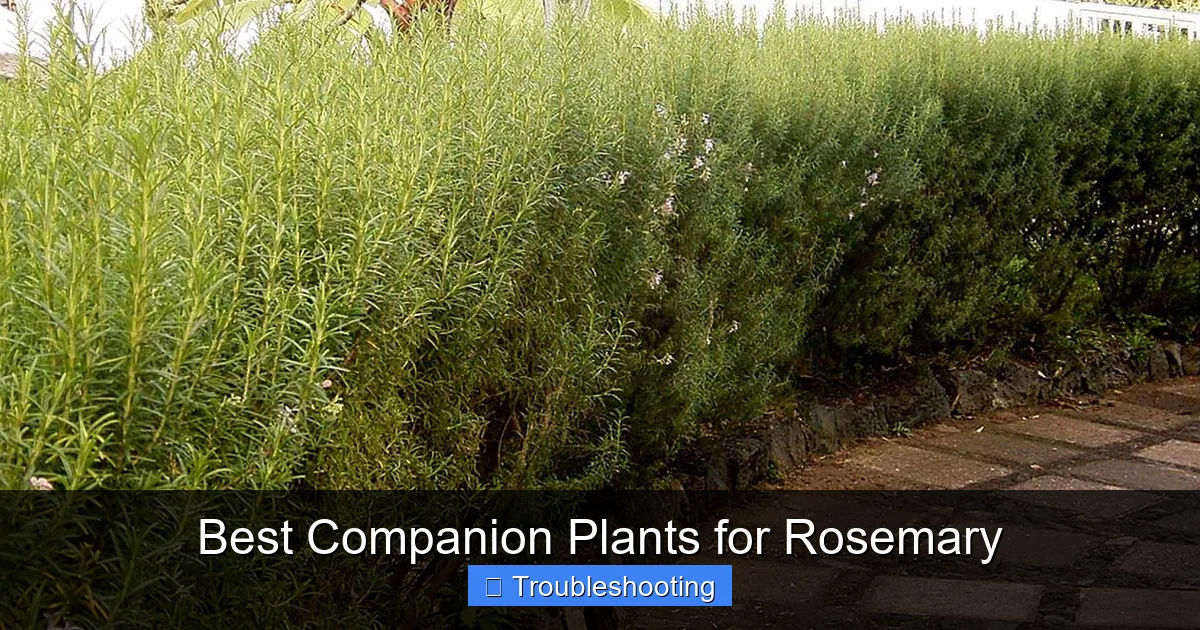
Visual guide about Best Companion Plants for Rosemary
Image source: thegardenmagazine.com
When you plant a mixed border, pests have a harder time locating a single host. A natural barrier forms without chemicals.
Flavor Boost
The best companion plants for rosemary may increase essential oil concentration in each other. Gardeners report richer rosemary flavor when it grows beside sage or oregano. Scientific studies are limited, but the anecdotal evidence is strong.
Harvest leaves from both herbs at the same time for a blended seasoning mix. A ready‑made flavor palette becomes available.
Pollinator Attraction
The best companion plants for rosemary include flowering herbs and flowers that draw bees, hoverflies, and butterflies. Lavender, yarrow, and marigold provide nectar throughout the season. More pollinators mean better fruit set on nearby vegetables.
A diverse bloom timeline ensures continuous insect activity. This supports a healthy garden ecosystem.
Disease Suppression
The best companion plants for rosemary help suppress soil‑borne diseases through diverse root exudates. Rosemary’s own antimicrobial oils reduce fungal spores in the rhizosphere. Neighboring thyme adds additional phenolic compounds.
A living mulch shades the soil, lowering temperature fluctuations. This environment discourages pathogens like Pythium and Rhizoctonia. Healthy roots mean stronger top growth.
Best Herb Companions for Rosemary
Thyme
The best companion plants for rosemary often start with thyme. Thyme forms a low mat that shades the soil, keeping roots cool and moist. Its tiny flowers attract hoverflies that eat aphids. Both herbs share the same sun and water needs.
Plant thyme in front of rosemary so it does not get shaded out. The ground‑cover habit benefits the whole bed.
Sage
The best companion plants for rosemary include sage because it loves dry, sunny spots. Sage’s broad leaves act as a windbreak for young rosemary stems. Both herbs prefer lean soil and minimal fertilizer.
Space sage about twelve inches from rosemary to allow air flow. This spacing keeps both plants vigorous.
Oregano
The best companion plants for rosemary also feature oregano. Oregano spreads gently and releases oils that deter spider mites and whiteflies. It tolerates the same poor, well‑drained soil.
Trim oregano regularly to prevent it from overtaking rosemary. Light pruning keeps the bed balanced.
Harvest Timing for Herbs
The best companion plants for rosemary reach peak flavor just before flowering. Snip rosemary stems in the morning after dew evaporates for maximum oil content. Harvest thyme and sage at the same stage for balanced blends.
Regular light pruning encourages fresh shoots. Stagger harvests so you always have fresh leaves on hand.
Best Vegetable Companions for Rosemary
Carrots
The best companion plants for rosemary protect carrots from carrot fly. Rosemary’s strong scent masks the carrot’s aroma, confusing the pest. Plant a row of rosemary along the edge of the carrot bed.
Carrots appreciate the same loose soil, so they grow straight and sweet. This makes carrot harvests cleaner.
Beans
The best companion plants for rosemary gain nitrogen from beans. Beans fix atmospheric nitrogen, enriching the soil for rosemary’s modest needs. In return, rosemary repels bean beetles with its aroma.
Plant bush beans a foot away from rosemary to avoid shading. This give‑and‑take relationship benefits both crops.
Cabbage Family
The best companion plants for rosemary help cabbage, broccoli, and kale by confusing cabbage moths. Rosemary’s scent interferes with moth egg‑laying. These brassicas also like firm, well‑drained soil.
Rotate brassicas each year to prevent disease buildup. A healthy rotation plan supports the whole bed.
Tomatoes and Peppers
The best companion plants for rosemary can share space with tomatoes and peppers in a sunny bed. Rosemary’s scent deters whiteflies and tomato hornworms. Both vegetables appreciate the same well‑drained soil.
The shade that tall tomato vines provide in midsummer reduces heat stress on rosemary leaves. Keep a foot of space between the herb and the vegetable stems.
Best Flower Companions for Rosemary
Marigold
The best companion plants for rosemary often include marigold. Marigold roots release a compound that suppresses nematodes. A border of marigold around rosemary protects the root zone.
Marigold blooms all summer, adding color and attracting beneficial insects. This adds soil health and visual appeal.
Lavender
The best companion plants for rosemary love lavender’s identical cultural needs. Both thrive in full sun, lean soil, and low water. Lavender’s spikes draw bees and butterflies, boosting pollination for nearby veggies.
Plant lavender behind rosemary so its taller stems do not shade the herb. A layered, fragrant border results.
Yarrow
The best companion plants for rosemary benefit from yarrow’s ability to attract ladybugs and lacewings. These predators feast on aphids and whiteflies that might attack rosemary. Yarrow tolerates poor soil and drought.
Scatter yarrow seeds around the bed edges for a natural insectary. Biological control without sprays follows.
Beneficial Insectary Design
The best companion plants for rosemary form an insectary when you plant a succession of blooms. Early marigold, mid‑season lavender, and late yarrow feed predators all season. Continuous nectar keeps ladybugs and lacewings resident.
Position the insectary border on the windward side of the bed. This directs beneficial insects toward the herb center.
Designing and Maintaining a Rosemary Bed
Layout and Spacing
The best companion plants for rosemary perform best with a clear layout. Place rosemary at the sunny edge of the bed. Put low herbs like thyme in front, medium herbs like sage in the middle, and tall flowers like lavender at the back. Keep at least twelve inches between each plant for air flow.
Good spacing reduces humidity around foliage, lowering disease risk. Room to breathe keeps the bed healthy.
Seasonal Rotation
The best companion plants for rosemary include annual vegetables that you rotate each year. Move carrots and beans to a new spot to break pest cycles. Rosemary, a perennial, can stay in place for several seasons.
Plan a three‑year rotation chart for the vegetable partners. A simple, repeatable schedule benefits the whole garden.
Plants to Avoid
The best companion plants for rosemary never include mint, fennel, or aggressive spreaders. Mint sends out underground runners that steal water and nutrients. Fennel releases allelopathic chemicals that stunt many herbs.
Keep these troublemakers in separate containers. Removing competitors lets the bed stay vigorous.
Mulching and Feeding
The best companion plants for rosemary appreciate a thin mulch of straw or shredded bark. Mulch conserves moisture, suppresses weeds, and slowly adds organic matter. Avoid heavy compost that raises nitrogen too much.
Feed once in early spring with a balanced, low‑nitrogen fertilizer. Light feeding maintains strong aroma and compact growth.
Winter Protection Strategies
The best companion plants for rosemary survive cold winters with a thick straw mulch applied after the first frost. Cover the crown with a breathable fabric if temperatures drop below fifteen degrees Fahrenheit. Remove the cover gradually in spring.
A windbreak of evergreen shrubs on the north side reduces desiccating winds that dry out foliage. A sheltered microclimate extends the harvest window.
Companion Planting Calendar
The best companion plants for rosemary follow a simple seasonal calendar. In early spring plant peas and spinach alongside rosemary for nitrogen boost. Summer brings beans, carrots, and basil as heat‑tolerant partners.
In autumn shift to hardy greens like kale and Swiss chard. These cool‑season crops share the same low‑water needs. Winter calls for a protective mulch and minimal disturbance.
Conclusion
Choosing the best companion plants for rosemary is a straightforward way to grow a healthier, more flavorful herb garden. Match sun, soil, and water needs. Add herbs, vegetables, and flowers that protect each other. Avoid aggressive or moisture‑loving plants. With a little planning, your rosemary will thrive and reward you with aromatic harvests all season.
Frequently Asked Questions
What soil type works best for rosemary and its companions?
Sandy or gritty soil with excellent drainage and a slightly alkaline pH suits rosemary and most of its companions.
Can I grow rosemary in a container with companion plants?
Yes, choose a large pot, use a well‑draining mix, and pair rosemary with compact herbs like thyme or oregano.
How often should I water a rosemary companion bed?
Water deeply only when the top inch of soil feels dry; most companions share this low‑water schedule.
Will rosemary shade out smaller companions?
Rosemary grows upright; plant low‑growing herbs in front so they receive enough light.
Is it okay to fertilize the companion bed?
Use a light, balanced fertilizer once in spring; too much nitrogen reduces rosemary’s essential oils.
Can I plant rosemary near fruit trees?
Rosemary can grow under fruit trees if it gets enough sun; its scent may deter some fruit pests.