Rustic Grow Lights for Rosemary Indoor
Rustic grow lights for rosemary indoor give your herb the full‑spectrum light it craves while adding charm to your kitchen. This guide covers light requirements, fixture selection, setup tips, and fixes for common problems so you can enjoy fresh rosemary all year.
Key Takeaways
- Rosemary needs 12‑14 hours of bright light daily: Without enough intensity the plant becomes leggy and loses flavor.
- Rustic grow lights for rosemary indoor combine style and function: They deliver the right spectrum while looking great on a shelf or windowsill.
- Choose a full‑spectrum LED with adjustable intensity: This mimics sunlight and lets you tailor output as the plant grows.
- Position lights 6‑12 inches above the canopy: Too close causes heat stress; too far reduces photosynthesis.
- Watch for yellowing leaves or stretched stems: These are early signs of insufficient light or improper distance.
- Use a timer for consistent photoperiods: Automation prevents human error and keeps the plant on a steady schedule.
- Clean fixtures monthly and replace diodes every 2‑3 years: Dust and diode decay lower light output over time.
Quick Answers to Common Questions
How many hours of light does indoor rosemary need?
Rosemary needs 12 to 14 hours of bright light each day for optimal growth.
What spectrum is best for rosemary?
A full‑spectrum LED with both blue and red wavelengths supports compact growth and oil production.
Can I use a regular desk lamp for rosemary?
Standard desk lamps rarely provide enough intensity; rustic grow lights for rosemary indoor are designed to meet the plant’s high light demand.
How far should the light be from the plant?
Keep the fixture 6 to 12 inches above the canopy, adjusting as the plant grows.
Do rustic grow lights for rosemary indoor use a lot of electricity?
Most LED models draw only 20‑40 watts, costing pennies per month to run.
📑 Table of Contents
Understanding Rosemary Light Needs
Rosemary is a Mediterranean herb that loves strong, direct sunlight. In its native habitat it receives at least eight hours of intense light each day. When you bring rosemary inside, you must replicate that intensity. A typical windowsill often falls short, especially in winter. That is why many gardeners turn to rustic grow lights for rosemary indoor to fill the gap.
The plant uses light for photosynthesis, which creates the oils that give rosemary its signature aroma. If the light is too weak, the stems stretch toward the source, becoming thin and woody. Leaves may turn pale green or yellow. Flavor drops dramatically. Providing the right light keeps the plant compact, green, and flavorful.
Measure light with a simple lux meter or a smartphone app. Aim for 20,000 to 30,000 lux at the leaf surface. Most household bulbs produce far less. Rustic grow lights for rosemary indoor are designed to hit that target while looking like a piece of decor.
Daily Light Integral (DLI) Basics
Daily Light Integral measures the total photons a plant receives in a day. Rosemary thrives at a DLI of 12 to 15 mol·m⁻²·d⁻¹. A 12‑hour run of a 300 µmol·m⁻²·s⁻¹ LED meets that range. If you run lights longer, you can lower intensity. The key is consistency.
Seasonal Adjustments
In summer you may only need supplemental light for a few hours. In winter, run the full 12‑14 hour cycle. Rustic grow lights for rosemary indoor with dimmers make this easy. Just dial the output up or down as the seasons change.
Why Choose Rustic Grow Lights for Rosemary Indoor
Standard shop lights work, but they clash with kitchen aesthetics. Rustic grow lights for rosemary indoor blend wood, metal, or woven shades with modern LED technology. They sit on a countertop, hang from a beam, or mount under a cabinet without looking industrial.
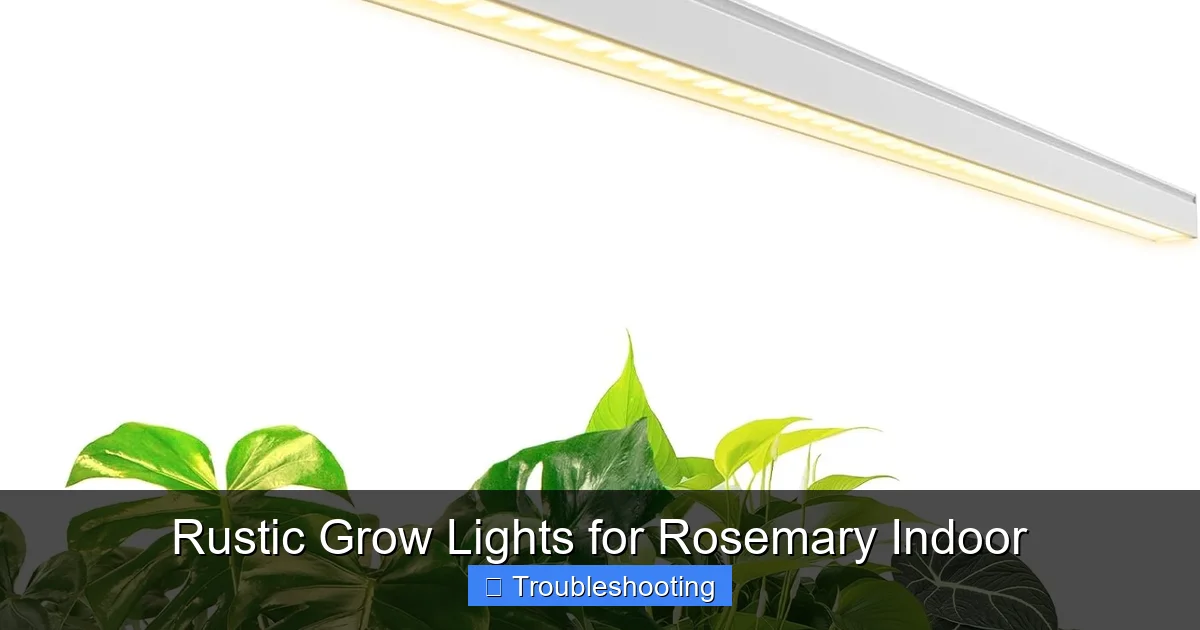
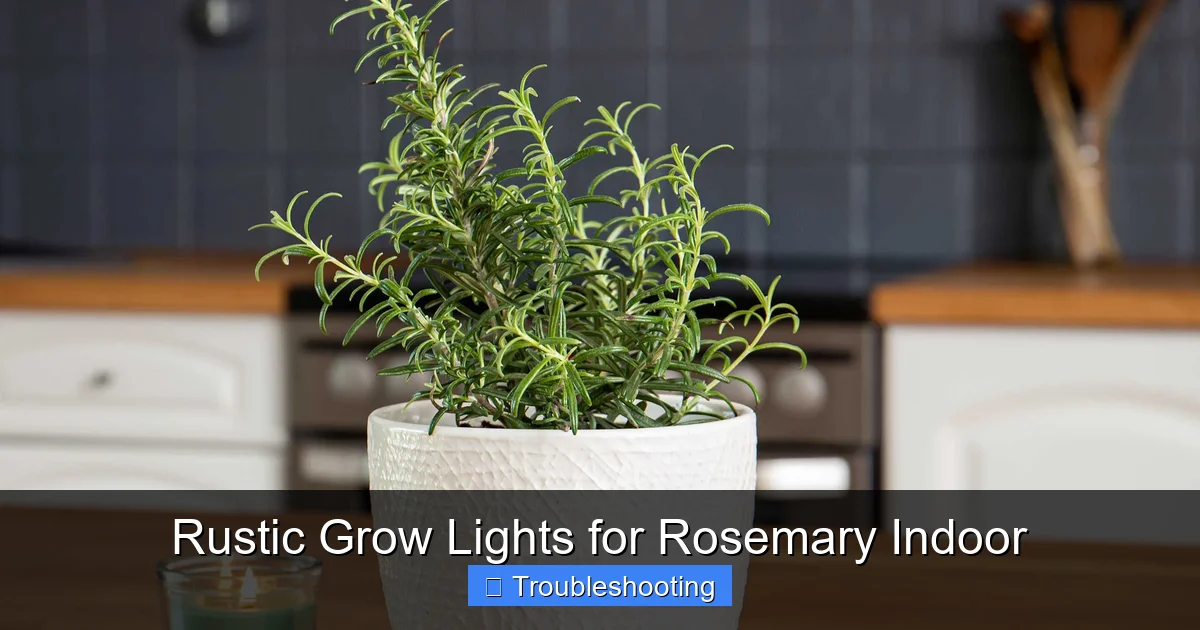
Visual guide about Rustic Grow Lights for Rosemary Indoor
Image source: m.media-amazon.com
Beyond looks, these fixtures often include features that help rosemary thrive. Many have built‑in timers, adjustable arms, and full‑spectrum chips that emit both blue and red wavelengths. Blue encourages compact growth; red supports flowering and oil production. A balanced mix gives you the best of both.
Durability is another plus. Quality rustic grow lights for rosemary indoor use aluminum heat sinks that keep diodes cool. Cooler diodes last longer and maintain output. Cheap plastic fixtures can overheat, causing color shift and early failure.
Design Styles That Fit Any Kitchen
Farmhouse lanterns, industrial pipe lamps, and reclaimed wood pendants are popular. Choose a style that matches your cabinets or open shelving. The light becomes a conversation piece while doing heavy lifting for your herb.
Energy Efficiency and Cost
LED rustic grow lights for rosemary indoor draw 20‑40 watts. Running 14 hours a day costs pennies per month. Over a year the savings versus a 100‑watt incandescent are significant. Plus, lower heat means less strain on your HVAC.
Selecting the Right Rustic Grow Light Setup
Not all rustic grow lights for rosemary indoor are created equal. Look for three core specs: spectrum, intensity, and adjustability. A full‑spectrum label should list a color rendering index (CRI) above 90. That ensures the light looks natural and supports photosynthesis.
Intensity is measured in µmol·m⁻²·s⁻¹ (PPFD). For rosemary, aim for 250‑350 µmol·m⁻²·s⁻¹ at canopy level. Many product pages list PPFD at a set distance. Use that to calculate the hanging height you need.
Adjustability lets you raise or lower the fixture as the plant grows. A telescoping arm or a chain‑hang system works well. Some rustic grow lights for rosemary indoor come with a remote dimmer, which is handy for fine‑tuning without climbing a ladder.
Single‑Fixture vs. Multi‑Fixture Arrays
One strong fixture can cover a 12‑inch pot. If you have a larger planter or multiple herbs, consider a pair of lights spaced 12‑18 inches apart. Overlap the light footprints to avoid dark spots.
Mounting Options
- Countertop stand: Simple, portable, great for renters.
- Wall‑mounted swing arm: Saves surface space, adds industrial flair.
- Ceiling pendant: Ideal for high ceilings, provides even coverage.
Budget Considerations
Entry‑level rustic grow lights for rosemary indoor start around $40. Mid‑range models with timers and dimmers run $80‑$130. Premium units with app control and modular heads can exceed $200. Decide which features you truly need before buying.
Installing and Positioning Your Lights
Proper installation makes the difference between a thriving rosemary and a leggy disappointment. Start by measuring the distance from the light’s lens to the top of the plant. Most manufacturers recommend 6‑12 inches for LEDs. Test with a lux meter after mounting.
Secure the fixture to a stud or use heavy‑duty anchors for ceiling mounts. A wobbling light changes the distance constantly, stressing the plant. If you use a stand, place it on a non‑slip mat.
Run the power cord along a baseboard or use a cable raceway to keep the kitchen tidy. Plug the light into a surge‑protected outlet. Connect the timer or smart plug before you turn the light on for the first time.
Setting the Photoperiod
Program the timer for 12 hours on, 12 hours off. If you notice the plant stretching, add an hour. If leaf tips brown, reduce by an hour. Consistency is more important than exact length.
Angling for Even Coverage
Tilt the fixture slightly downward (10‑15 degrees) so the light hits the center of the canopy first. This mimics the sun’s angle and reduces shadowing on lower leaves.
Ventilation and Heat Management
Even efficient LEDs emit some heat. Keep a 2‑inch gap between the fixture and any cabinetry. A small desk fan on low can circulate air without drying the herb.
Troubleshooting Common Issues
Even with the best rustic grow lights for rosemary indoor, problems can arise. Recognizing symptoms early saves the plant.
Leggy Stems and Sparse Leaves
Cause: Light intensity too low or distance too great. Fix: Lower the fixture 1‑2 inches, increase dimmer setting, or add a second light.
Yellowing Lower Leaves
Cause: Natural aging, but also insufficient light reaching the base. Fix: Rotate the pot weekly, add a side‑mounted strip light, or raise the canopy by pruning top growth.
Brown Leaf Tips
Cause: Excess heat or too‑long photoperiod. Fix: Raise the light, shorten the timer by 30 minutes, improve airflow.
Fungal Spots or Powdery Mildew
Cause: High humidity combined with poor air movement. Fix: Space plants, run a fan, avoid wetting foliage when watering.
Light Flicker or Color Shift
Cause: Driver failure or diode degradation. Fix: Check warranty, replace the driver module, or swap the fixture if diodes are dim.
Timer Malfunction
Cause: Power surge or faulty outlet. Fix: Test timer on a different outlet, replace if needed. Use a surge protector to prevent recurrence.
Maintaining Healthy Growth Year‑Round
Consistent care keeps rosemary productive for years. Rustic grow lights for rosemary indoor are only part of the equation.
Watering Practices
Let the top inch of soil dry before watering. Rosemary hates soggy roots. Use a pot with drainage holes and a saucer.
Feeding Schedule
Apply a balanced liquid fertilizer at half strength once a month during active growth. Skip feeding in the low‑light winter months.
Pruning for Shape
Snip back woody stems just above a leaf node. This encourages branching and keeps the plant compact under the light.
Repotting
Every 2‑3 years move to a slightly larger container with fresh, well‑draining mix. A mix of peat, perlite, and coarse sand works well.
Cleaning the Fixture
Dust the lens monthly with a microfiber cloth. Dust buildup can cut output by 10‑15 %. A clean fixture maintains the PPFD your rosemary expects.
Seasonal Light Tweaks
In spring, increase intensity by 10 % as days lengthen. In autumn, dial back to mimic natural decline. Rustic grow lights for rosemary indoor with dimmers make this seamless.
Conclusion
Growing rosemary indoors is rewarding when you give the plant what it craves: strong, consistent light. Rustic grow lights for rosemary indoor deliver that light while adding warmth and character to your kitchen. By understanding the herb’s photoperiod needs, choosing a full‑spectrum adjustable fixture, installing it at the right height, and troubleshooting early, you set the stage for lush, aromatic harvests all year. Pair the light with proper watering, feeding, and pruning, and your rosemary will thrive like it’s basking on a Mediterranean hillside. Enjoy the fresh flavor in every dish, and let the gentle glow of your rustic fixture remind you that a little technology can bring nature right to your countertop.
Frequently Asked Questions
What is the ideal PPFD for indoor rosemary?
Aim for 250‑350 µmol·m⁻²·s⁻¹ at leaf level. This range supports strong photosynthesis without causing heat stress.
Can I mix rustic grow lights with natural window light?
Yes. Supplemental rustic grow lights for rosemary indoor fill gaps on cloudy days or in winter, ensuring a consistent daily light integral.
How often should I replace the LED diodes?
Quality diodes last 30,000‑50,000 hours. Plan to replace the fixture or diode module every 2‑3 years for peak output.
Is a timer necessary for rustic grow lights for rosemary indoor?
A timer automates the photoperiod, preventing missed cycles that can stunt growth. It is highly recommended.
What humidity level works best with these lights?
Rosemary prefers 40‑50 % relative humidity. Use a small fan to keep air moving and avoid fungal issues.
Can I grow other herbs under the same rustic grow lights for rosemary indoor?
Many Mediterranean herbs like thyme, oregano, and sage share similar light needs and thrive under the same fixture.