Best Ceramic for Agave Growth
Choosing the best ceramic for agave growth means prioritizing drainage, breathability, and proper sizing. Unglazed terracotta and high-fired ceramic with drainage holes prevent root rot while supporting these drought-tolerant plants’ unique needs.
If you have ever lost an agave to root rot, you know the heartbreak. One day your architectural succulent stands proud. The next, it collapses into a mushy mess. The culprit? Usually the pot. Finding the best ceramic for agave growth changes everything. The right container mimics the rocky, well-drained slopes these plants call home. It breathes. It drains. It protects roots from the number one killer: standing water.
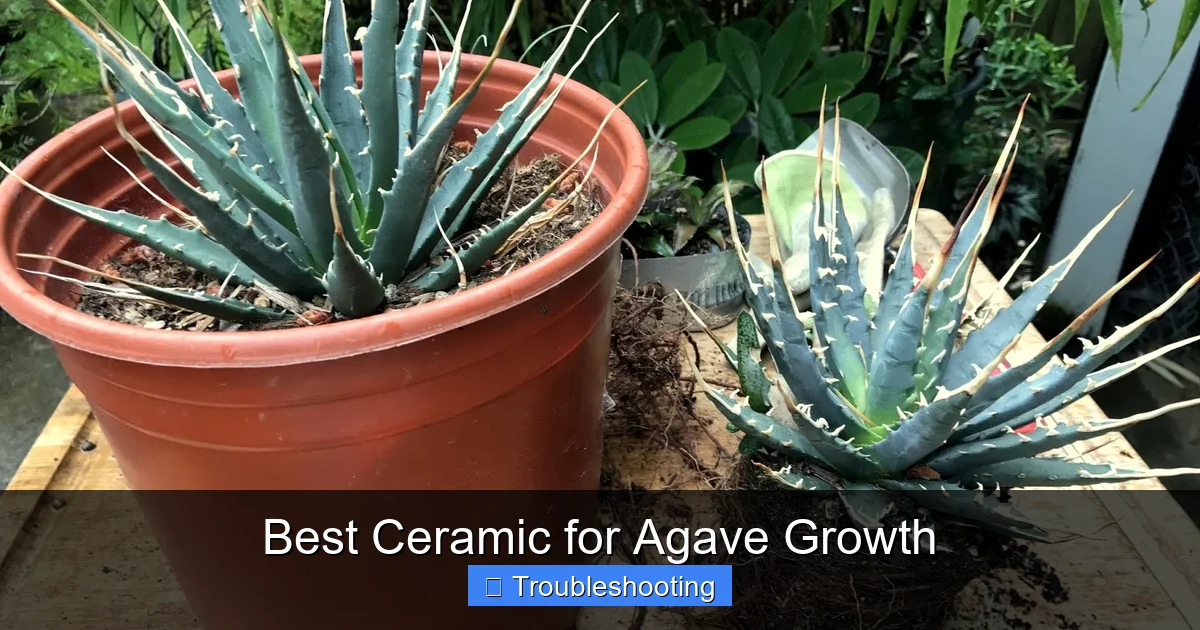
I learned this lesson the hard way with a beautiful Agave parryi I bought on impulse. I planted it in a gorgeous glazed ceramic bowl — no drainage hole, just a layer of gravel at the bottom. Classic mistake. Three weeks later, the center pulled out like a wet sponge. That loss sent me down a rabbit hole of research, trial, and error. Now I want to save you the same grief. This guide covers everything I wish I knew: materials, shapes, sizing, planting techniques, and long-term care. Let’s get your agave collection thriving.
Key Takeaways
- Drainage is non-negotiable: Every ceramic pot for agave must have at least one large drainage hole to prevent water accumulation.
- Unglazed terracotta wins: Porous clay walls allow excess moisture to evaporate, creating the dry conditions agave roots prefer.
- Size matters more than you think: Choose a pot only 1-2 inches wider than the root ball to avoid soil staying wet too long.
- High-fired ceramic resists cracking: Quality kiln-fired pots withstand temperature swings and last for years outdoors.
- Elevate your pots: Use pot feet or risers to ensure water flows freely away from the drainage hole.
- Match pot shape to agave type: Wide, shallow bowls suit rosette-forming varieties; deeper pots work for taproot species.
- Watch for salt buildup: White crust on unglazed ceramic signals mineral accumulation — flush soil periodically.
Quick Answers to Common Questions
Can I use a glazed ceramic pot for agave if I drill drainage holes?
Yes, but the walls still won’t breathe. Soil dries slower. Use an extra-gritty mix and water less frequently. Unglazed is still better.
How often should I repot agave in ceramic containers?
Every 3-4 years for mature plants. Young, fast-growing agaves may need repotting every 2 years. Refresh soil each time.
What size ceramic pot for a 1-gallon nursery agave?
Choose a pot 10-12 inches wide and 8-10 inches deep. Only 1-2 inches wider than the root ball. Shallow is fine for most species.
Why is my terracotta pot turning white?
Mineral salts from water and fertilizer. It’s harmless but indicates buildup. Scrub it off and flush the soil thoroughly.
Can agave stay in ceramic pots outdoors year-round in freezing climates?
Only in high-fired, freeze-rated stoneware. Low-fired terracotta will crack. Move tender pots to a cold garage or wrap them well.
📑 Table of Contents
Why Ceramic Pots Matter for Agave Plants
The Root Rot Reality
Agave plants evolved in arid regions. Their roots spread wide and shallow, designed to catch brief rainfall before it vanishes. They store water in thick leaves, not in wet soil. When roots sit in moisture, fungi attack. Rot moves fast. A ceramic pot without drainage is a death sentence. Even with drainage, the wrong ceramic holds too much water. The best ceramic for agave growth solves this by combining porous walls with excellent drainage.
Breathability Beats Beauty Every Time
Glazed pots look stunning in garden centers. That shiny finish seals the clay. Water cannot escape through the walls. Soil stays wet longer. For agave, that is dangerous. Unglazed terracotta and high-fired unglazed ceramic allow moisture to evaporate from the sides. This creates a gentle drying effect. Roots get air. Soil cycles between moist and dry — exactly what these succulents need. Think of the pot as part of the drainage system, not just a holder.
Temperature Regulation Benefits
Ceramic has thermal mass. Thick walls buffer root zones against temperature swings. In summer, soil stays cooler. In winter, roots avoid freeze-thaw cycles that crack tender tissue. This matters most for container-grown agave. Plants in the ground have earth’s insulation. Pots expose roots on all sides. Quality ceramic acts like a blanket. Thin, cheap pots fail here. They heat up fast and cool down fast. Stress accumulates. Growth slows. The best ceramic for agave growth has substantial wall thickness — usually half an inch or more.
Understanding Agave Root Systems and Drainage Needs
Shallow and Wide: The Agave Root Blueprint
Most agave species develop fibrous root mats that spread horizontally. They rarely dive deep. A taproot may form initially, but lateral roots dominate. This means wide pots beat deep pots. A container twice as wide as it is deep matches the natural growth pattern. Roots explore the perimeter. They find nutrients. They anchor the heavy rosette. Deep pots leave the bottom zone unused. That soil stays wet. Anaerobic conditions develop. Root rot starts there and moves up.
Visual guide about Best Ceramic for Agave Growth
Image source: daysingarden.com
Why Gravel Layers Fail
Old advice says put gravel in the bottom of pots for drainage. Science says otherwise. Water does not move easily from fine soil into coarse gravel. It perches. The soil above saturates completely before draining. This “perched water table” sits right against roots. The best ceramic for agave growth needs no gravel. It needs a single large hole or multiple holes. Cover holes with mesh or a coffee filter to keep soil in. Let gravity do the work.
Soil Mix Partners with Pot Choice
Your ceramic pot and soil mix work as a team. A fast-draining mix in a sealed glazed pot still holds water too long. A moisture-retentive mix in porous terracotta dries too fast. Aim for balance. Use a gritty succulent mix: 50% mineral grit (pumice, perlite, coarse sand), 50% organic matter (coconut coir, composted bark). Adjust ratios based on your climate. Humid areas need more grit. Desert areas can tolerate more organic matter. The pot material fine-tunes the drying rate.
Top Ceramic Pot Features for Healthy Agave Growth
Drainage Hole Design
Not all holes are equal. One tiny hole clogs easily. The best ceramic for agave growth features one large hole (at least 3/4 inch) or three to five medium holes spaced evenly. Raised feet built into the pot base elevate the hole above the surface. This prevents the pot from suctioning flat against a saucer or patio. If your favorite pot has inadequate holes, you can drill more. Use a diamond-tipped bit. Go slow. Keep the bit wet. Wear safety glasses. It works on most fired ceramics.
Wall Thickness and Firing Temperature
High-fired ceramic (stoneware, porcelain) vitrifies at 2200°F+. The clay particles fuse. The pot becomes dense, strong, and less porous. Low-fired terracotta (earthenware) fires around 1800°F. It stays porous. Both work for agave but differently. High-fired pots resist cracking in freeze-thaw cycles. They last decades. Low-fired terracotta breathes better but can spall (flake) in freezing weather. In cold climates, choose high-fired. In mild climates, terracotta excels. Wall thickness should feel substantial — heavy for its size.
Rim Design and Stability
Agave plants get top-heavy. A mature Agave americana can weigh 100+ pounds in a pot. The rim must be wide and flared. Narrow rims tip over in wind. Rolled rims resist chipping. Straight walls allow root removal during repotting. Tapered pots (wider at top) let you slide the root ball out. Straight-sided or belly-shaped pots trap roots. You end up breaking the pot to free the plant. Plan for the future. The best ceramic for agave growth anticipates repotting every 3-5 years.
Unglazed Interior vs. Glazed Interior
Some pots glaze the outside but leave the inside raw. This combines aesthetics with function. The exterior resists staining. The interior breathes. Fully glazed pots (inside and out) seal completely. Avoid these for agave. Fully unglazed pots breathe maximally but stain easily. Mineral salts leave white efflorescence. Some gardeners love this patina. Others hate it. Seal the exterior with a breathable masonry sealer if you want to slow staining while keeping interior porosity.
Best Ceramic Pot Styles for Different Agave Varieties
Shallow Bowls for Rosette Types
Compact rosette agaves — Agave parryi, Agave victoriae-reginae, Agave isthmensis — thrive in wide, shallow bowls. Depth of 6-8 inches suffices. Width of 12-18 inches gives roots room to spread. These pots show off the symmetrical geometry. The best ceramic for agave growth in this category looks like a low, wide terracotta bowl with multiple drainage holes. Group three small rosettes in one bowl for a stunning display. Ensure each has its own root zone.
Standard Cylinder Pots for Upright Species
Taller agaves like Agave americana, Agave tequilana, Agave salmiana need deeper pots. 12-16 inch depth. 14-20 inch width. Straight or slightly flared sides. These accommodate the larger root mass and provide stability against wind. Weight matters. A large high-fired ceramic cylinder weighs 50+ pounds empty. Add wet soil and a mature plant — you need a dolly to move it. Place these pots in their final spot before filling. Consider lightweight fiber-ceramic composites if weight is an issue.
Tall Narrow Pots for Taproot Species
Some agaves develop significant taproots — Agave lechuguilla, Agave utahensis. These benefit from deeper-than-wide pots. 18-24 inch depth. 10-12 inch width. The narrow profile fits tight spaces. Ensure the drainage hole is large. Deep pots hold more water at the bottom. A gritty mix becomes critical. Add extra pumice to the lower third of the pot. This creates a drainage reservoir that prevents the perched water table from reaching main roots.
Decorative Urns and Artistic Containers
Statement pots elevate agave to sculpture. Greek urns, Asian jars, modern geometric forms. These work if you modify them. Many lack drainage. Drill holes. Many have narrow necks. Use them as cachepots. Place a functional nursery pot inside. Lift the inner pot to water. Let it drain fully. Return it. This preserves the decorative piece while giving the plant proper conditions. The best ceramic for agave growth can be beautiful and functional — you just need to engineer it.
How to Plant and Care for Agave in Ceramic Containers
Preparing the Pot
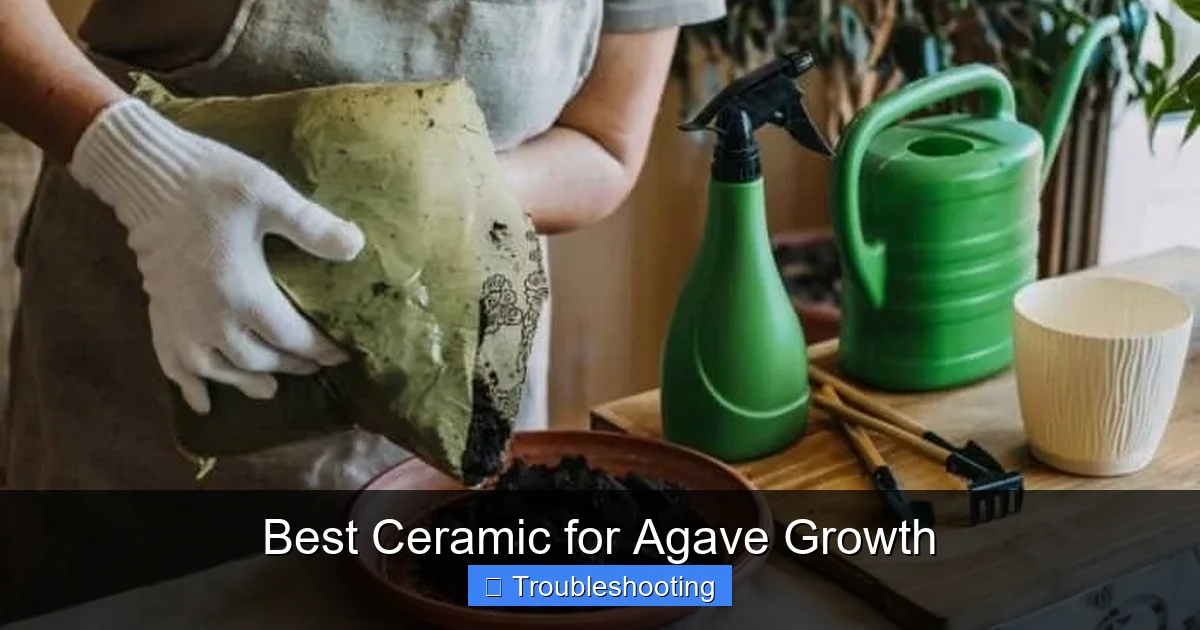
New terracotta soaks up water like a sponge. Before planting, submerge the pot in a tub of water for 30 minutes. This saturates the clay pores. Dry terracotta wicks moisture from fresh soil, stressing new roots. Pre-soaking prevents this. High-fired ceramic does not need this step. Clean used pots with a 10% bleach solution. Scrub mineral deposits. Rinse thoroughly. Let dry in sun. UV kills lingering pathogens.
Planting Technique for Success
Fill the pot one-third with dry soil mix. Place the agave. Check depth. The crown (where leaves meet roots) should sit slightly above the final soil line. Backfill with mix. Tap the pot sides to settle soil. Do not pack down. Water lightly — just enough to settle soil around roots. Wait one week before watering again. This lets any damaged roots callus. The best ceramic for agave growth rewards patience. Top-dress with 1/2 inch of coarse gravel or crushed granite. This keeps crown dry, deters pests, looks finished.
Watering Rhythm for Ceramic Pots
Unglazed ceramic dries faster than plastic. Check soil with a wooden chopstick. Insert to bottom. Pull out. If the bottom 2 inches are dry, water. If damp, wait. In summer, this might mean weekly. In winter, monthly or never. Water deeply until it flows from drainage holes. Empty saucers immediately. Never let pots sit in water. Morning watering lets excess evaporate. Evening watering invites fungal issues. Adjust for your climate. The best ceramic for agave growth makes watering intuitive — the pot color darkens when wet, lightens when dry.
Fertilizing Container Agave
Agave needs little fertilizer. In ceramic pots, nutrients leach faster. Apply dilute cactus fertilizer (1/4 strength) twice yearly: early spring and early summer. Skip fall and winter. Over-fertilizing causes weak, floppy growth. It also builds salts in porous ceramic. You’ll see white crust on the exterior. Flush the pot annually: run water through for 10 minutes. Let drain completely. This resets the soil chemistry.
Winter Protection Strategies
Ceramic cracks when water in pores freezes and expands. High-fired pots resist this. Low-fired terracotta is vulnerable. In freeze-prone zones, move pots under cover. A garage, shed, or covered porch works. Keep them dry. Do not water dormant agave. If pots must stay out, wrap them in bubble wrap or burlap. Elevate on bricks. Group pots together for thermal mass. The best ceramic for agave growth in cold climates is high-fired stoneware rated for freeze-thaw cycles.
Common Mistakes to Avoid with Ceramic Pots
Choosing Looks Over Function
That gorgeous glazed Mexican talavera pot? Beautiful. Deadly for agave unless you drill holes and use it as a cachepot. The best ceramic for agave growth prioritizes drainage and breathability. Aesthetics come second. Fortunately, many functional pots are also beautiful. Terracotta develops character. High-fired stoneware comes in earth tones, blues, greens. You can have both. Just check the specs first.
Oversizing the Pot
“Room to grow” sounds logical. For agave, it kills. Large pots hold excess soil. Excess soil holds water. Roots cannot use it fast enough. Rot develops in the unused zone. Pot up only 1-2 inches wider than the current root ball. Repot more frequently instead. This keeps the root-to-soil ratio healthy. It also lets you refresh soil and inspect roots regularly.
Ignoring Pot Feet
Flat-bottomed pots on flat surfaces create a seal. Water pools at the drainage hole. Soil stays saturated at the bottom. Pot feet (ceramic, stone, rubber) create an air gap. Cost: a few dollars. Benefit: massive. The best ceramic for agave growth includes integrated feet or gets aftermarket ones immediately. Even two wine corks cut in half work in a pinch.
Using Saucers Incorrectly
Saucers protect surfaces. They also trap water. If you use saucers, empty them within 30 minutes of watering. Better: water in a sink or bathtub. Let drain fully. Return to saucer. Or skip saucers outdoors. Let water drain into gravel or soil. Indoors, use a cachepot system. The decorative outer pot catches water. The inner functional pot drains. Lift to empty.
Neglecting Salt Buildup
Porous ceramic breathes. Water evaporates through walls. Minerals stay behind. White crust forms. This is not just cosmetic. High salt levels burn roots. They also indicate fertilizer buildup. Scrub exterior with a wire brush annually. Flush soil thoroughly. Repot every 3-4 years with fresh mix. The best ceramic for agave growth shows you what’s happening underground — read the signs.
Repotting at the Wrong Time
Spring is ideal. Active growth begins. Roots recover fast. Summer works if you provide shade for two weeks after. Fall is risky in cold climates — roots won’t establish before dormancy. Winter is worst. The plant cannot heal damaged roots. Emergency repotting (rot, broken pot) happens anytime. Just minimize root disturbance. Keep the root ball intact. The best ceramic for agave growth makes repotting easy with tapered sides and wide rims.
Conclusion
Finding the best ceramic for agave growth transformed my succulent journey. No more mystery rot. No more guessing games. The right pot — unglazed, well-drained, properly sized, suitably shaped — becomes a partner in cultivation. It regulates moisture. It buffers temperature. It showcases the plant’s architecture. And it lasts for years, developing a patina that tells the story of every season.
Start with one quality terracotta bowl for a small rosette agave. Feel the weight. Watch the color change as it dries. Learn the rhythm. Then expand. Match pots to species. Invest in high-fired stoneware for your specimen plants. Drill holes in decorative pieces. Elevate everything. Your agaves will respond with vigor, symmetry, and those stunning architectural forms that made you fall in love with them in the first place.
Remember: the pot is not just a container. It is half the growing environment. Choose wisely. Plant carefully. Water mindfully. And enjoy the journey of growing these remarkable living sculptures in the best ceramic for agave growth you can provide.
Frequently Asked Questions
What is the best ceramic material for agave pots?
Unglazed high-fired stoneware or terracotta both work well. Stoneware resists freezing better. Terracotta breathes more. Choose based on your climate.
Do ceramic pots need drainage holes for agave?
Absolutely. At least one large hole or multiple smaller holes. Without drainage, agave roots rot quickly. Drill holes if needed.
How do I prevent my ceramic agave pot from cracking in winter?
Use high-fired freeze-rated ceramic. Keep soil dry. Elevate pot on feet. Move under cover or wrap with insulation. Group pots for thermal mass.
Should I put rocks in the bottom of my ceramic agave pot?
No. Rocks create a perched water table. Use a coffee filter or mesh over holes instead. Fill entirely with well-draining succulent mix.
How do I know when to water agave in a ceramic pot?
Check with a chopstick to the bottom. Water only when the lower soil is dry. Unglazed pots darken when wet, lighten when dry — learn to read this.
Can I paint or seal my terracotta agave pot?
Seal only the exterior with breathable masonry sealer. Never seal the interior or paint the inside. Roots need the porosity.