How to Make Boston Fern Grow Faster
Boston ferns thrive with bright indirect light, consistent moisture, and high humidity. Feed monthly with diluted fertilizer during growing season and repot annually for faster growth. Avoid cold drafts and direct sun to prevent brown tips and stunted fronds.
Boston ferns bring a touch of Victorian elegance to any space. Their arching fronds create instant drama. But many plant parents watch their ferns sit at the same size for months. You water. You wait. Nothing happens. The good news? These plants want to grow. They just need the right conditions. This guide walks you through every factor that controls growth speed. You will learn exactly what to adjust and when.
I have grown Boston ferns for over a decade. I have made every mistake in the book. Too much sun. Too little water. Wrong fertilizer. Forgot to repot. Each error taught me something. Now my ferns double in size each growing season. Yours can too. Let us break down the science into simple daily habits.
Key Takeaways
- Bright indirect light: Place near north or east-facing windows for optimal photosynthesis without leaf scorch.
- Consistent moisture: Keep soil evenly moist but never soggy; water when top inch feels dry.
- High humidity: Maintain 50-80% humidity using pebble trays, humidifiers, or regular misting.
- Monthly feeding: Apply balanced liquid fertilizer at half strength during spring and summer.
- Annual repotting: Refresh soil and upgrade pot size each spring to prevent root binding.
- Temperature stability: Keep between 65-75°F; avoid cold drafts and sudden temperature changes.
- Regular grooming: Remove brown fronds and dust leaves monthly to improve light absorption.
Quick Answers to Common Questions
How often should I water my Boston fern for fastest growth?
Water when the top inch of soil feels dry. This usually means every 2-3 days in summer, weekly in winter. Never let soil dry completely or stay soggy.
Can I put my Boston fern in direct sunlight to grow faster?
No. Direct sun burns fronds within hours. Bright indirect light near north or east windows drives fastest growth without damage.
What fertilizer makes Boston ferns grow fastest?
Balanced liquid fertilizer (10-10-10 or 20-20-20) at half strength, applied monthly March through September. Skip winter feeding entirely.
Why are my Boston fern tips turning brown?
Low humidity, fluoride in tap water, or fertilizer burn. Increase humidity to 50%+, use filtered water, and flush soil monthly.
When is the best time to repot a Boston fern?
Early spring before active growth begins. Check roots annually. Repot when roots circle the pot or grow from drainage holes.
📑 Table of Contents
- Understanding Boston Fern Growth Basics
- Light Requirements for Maximum Growth
- Watering Strategy for Speed
- Humidity: The Secret Growth Accelerator
- Fertilizing for Faster Fronds
- Repotting and Soil Management
- Temperature and Air Flow Control
- Grooming and Maintenance for Health
- Troubleshooting Common Growth Stalls
- Advanced Growth Hacks
- Seasonal Care Calendar
- Conclusion
Understanding Boston Fern Growth Basics
Natural Habitat Clues
Boston ferns come from tropical forests. They grow on forest floors and tree trunks. Dappled light filters through canopy. Air stays humid. Rain falls often but drains fast. Roots never sit in standing water. Temperature stays steady. This tells us everything we need to know. Recreate these conditions and growth follows.
Growth Cycle Timeline
These ferns have two distinct phases. Active growth runs spring through early fall. New fronds unfurl weekly. Roots expand. Plant gains mass. Winter brings dormancy. Growth slows or stops. Fronds may yellow. This is normal. Do not panic. Do not overwater. Do not fertilize. Resume care in March.
Why Your Fern Stalls
Most slow growth comes from three causes. Light too low. Humidity too dry. Roots too crowded. Fix these and you unlock speed. A fern in perfect conditions produces a new frond every 5-7 days during peak season. That is visible progress you can measure.
Light Requirements for Maximum Growth
Finding the Sweet Spot
Bright indirect light drives photosynthesis. This creates energy for new cells. North-facing windows work perfectly. East windows give gentle morning sun. South or west windows need sheer curtains. Direct afternoon sun burns fronds in hours. Burned tissue never recovers. The plant wastes energy repairing damage instead of growing.
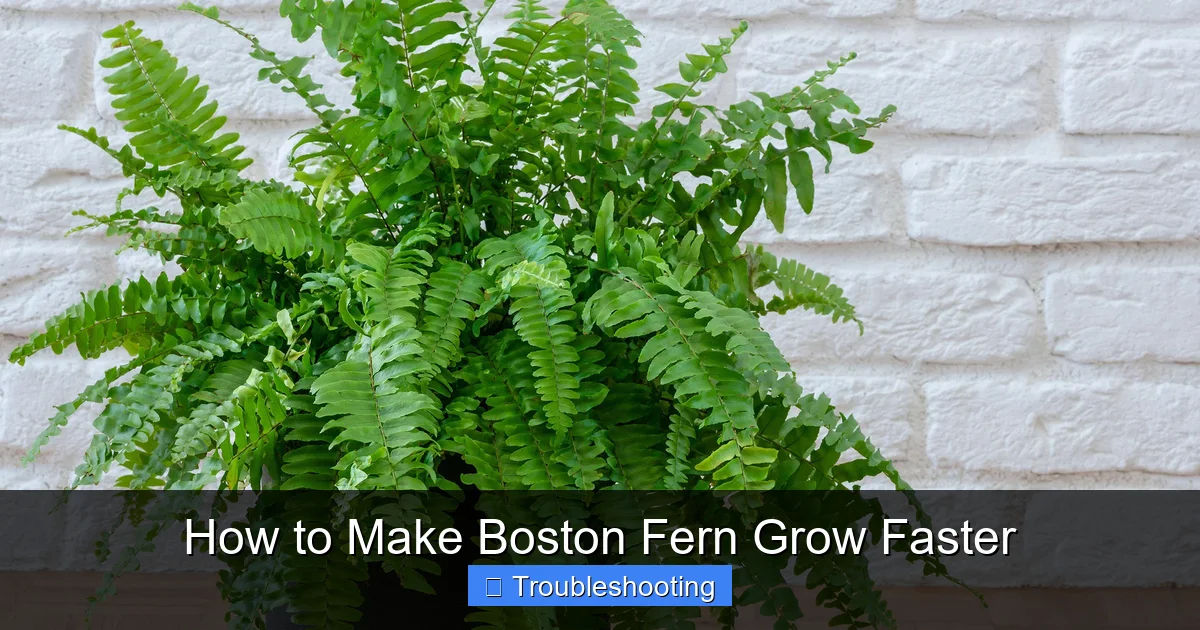
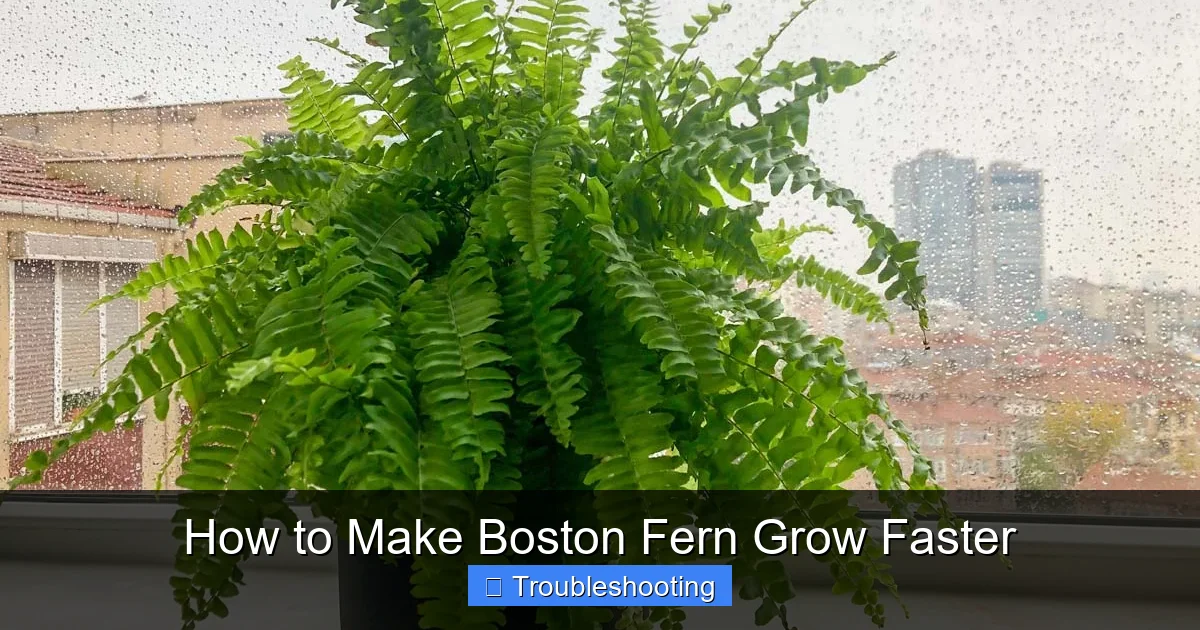
Visual guide about How to Make Boston Fern Grow Faster
Image source: cdn.mos.cms.futurecdn.net
Measuring Light Levels
Use your phone. Download a light meter app. Aim for 10,000-20,000 lux during midday. Below 5,000 lux and growth crawls. Above 30,000 lux risks burn. Rotate the pot weekly. This ensures even light on all sides. Even growth prevents lopsided shapes.
Artificial Light Options
No good window? Use grow lights. LED panels work best. Choose full spectrum 4000K-6500K. Hang 12-18 inches above plant. Run 12-14 hours daily. Timer makes this effortless. I use this method in my basement office. Ferns thrive there year-round.
Seasonal Light Adjustments
Winter sun sits lower. Move plants closer to windows. Clean window glass monthly. Dust blocks surprising amounts of light. Wipe fronds with damp cloth. Clean leaves absorb more energy. Every photon counts during short days.
Watering Strategy for Speed
The Moisture Rule
Boston ferns hate drying out. They also hate swimming. The goal: evenly moist soil. Think wrung-out sponge. Stick finger one inch deep. Dry? Water. Damp? Wait. Wet? Check drainage. This simple test prevents 90% of watering problems.
Water Quality Matters
Tap water contains chlorine and fluoride. These build up in soil. Tips turn brown. Growth slows. Use filtered water. Rainwater is ideal. Distilled works too. Room temperature water only. Cold water shocks tropical roots. Let water sit overnight if using tap.
Watering Technique
Water thoroughly until it drains from bottom. Empty saucer after 15 minutes. Never let pot sit in water. Root rot kills faster than drought. Morning watering lets excess evaporate. Wet fronds overnight invite fungus. Water soil, not leaves.
Self-Watering Systems
Busy schedule? Try self-watering pots. Or wicking systems. These maintain steady moisture. Refill reservoir weekly. Still check soil monthly. Salt buildup happens faster. Flush with extra water quarterly.
Humidity: The Secret Growth Accelerator
Why Humidity Drives Growth
Ferns absorb water through leaves. High humidity reduces transpiration stress. Plant keeps stomata open longer. More CO2 enters. More photosynthesis happens. More energy for growth. Low humidity forces stomata closed. Growth stops to conserve water.
Target Humidity Range
Aim for 50-80% relative humidity. Average homes sit at 30-40%. Winter heating drops it to 20%. This explains winter stall. Buy a hygrometer. Digital ones cost ten dollars. Place near plant. Monitor daily. Adjust methods as seasons change.
Effective Humidity Methods
Pebble trays work well. Fill tray with pebbles. Add water below pebble tops. Set pot on pebbles. Evaporation creates microclimate. Group plants together. They create shared humidity zone. Humidifiers give best control. Run near plants 6-8 hours daily. Clean weekly to prevent mold.
Misting: Helpful or Harmful?
Misting gives temporary boost. Effect lasts 15 minutes. Do it morning only. Wet leaves at night cause fungal spots. Use fine mister. Not spray bottle. Daily misting helps but cannot replace real humidity. Think of it as supplement, not solution.
Bathroom and Kitchen Advantage
These rooms naturally run humid. Shower steam. Cooking steam. Place ferns here if light allows. My healthiest fern lives in a bright bathroom. It grows twice as fast as bedroom ferns. Same care. Better air.
Fertilizing for Faster Fronds
Choosing the Right Fertilizer
Balanced liquid fertilizer works best. Look for 10-10-10 or 20-20-20. Dilute to half strength. Full strength burns delicate roots. Organic options like fish emulsion work too. Smell fades fast. Seaweed extract adds micronutrients. Rotate types seasonally for complete nutrition.
Feeding Schedule
Feed monthly March through September. Skip October through February. Dormant plants cannot use nutrients. Salt buildup damages roots. Flush soil with plain water every third feeding. Run water through for two minutes. This prevents toxicity.
Signs of Under and Over Feeding
Pale fronds mean hunger. Slow growth. Small new leaves. Fertilize and watch green return in two weeks. Brown leaf tips with green centers mean burn. White crust on soil means salt buildup. Flush immediately. Stop feeding one month.
Foliar Feeding Boost
Spray diluted fertilizer on leaves. Monthly during growing season. Use quarter strength. Morning only. Leaves absorb nutrients directly. Bypasses root issues. Great for root-bound plants waiting for repot. Do not replace soil feeding. Supplement only.
Repotting and Soil Management
When to Repot
Check roots each spring. Gently slide plant out. Roots circling bottom? Time to upgrade. Roots growing from drainage holes? Past due. Soil drying in one day? Roots filled pot. Best time: early spring before growth surge. Plant recovers fast.
Perfect Soil Mix
Boston ferns need rich, airy, moisture-retentive mix. My recipe: two parts peat moss or coco coir. One part perlite. One part compost or worm castings. One part orchid bark. This holds water but drains fast. Roots breathe. Nutrients release slowly. pH stays slightly acidic 5.5-6.5.
Pot Selection
Choose pot one to two inches wider. Not deeper. Fern roots spread wide, not deep. Plastic retains moisture better than terra cotta. Glazed ceramic works too. Ensure drainage holes. Add coffee filter over holes. Keeps soil in. Lets water out.
Repotting Step by Step
Water plant day before. Moist root ball holds together. Loosen edges gently. Remove loose old soil. Do not tear roots. Place inch of new mix in bottom. Center plant. Fill sides. Tap pot to settle. Do not pack tight. Water thoroughly. Keep shaded one week. No fertilizer one month.
Dividing Large Plants
Mature ferns form multiple crowns. Spring division creates new plants. Cut through root ball with clean knife. Each section needs roots and fronds. Pot separately. Treat as new plants. They establish fast. Great way to multiply collection.
Temperature and Air Flow Control
Ideal Temperature Range
65-75°F drives fastest growth. Below 60°F slows metabolism. Above 80°F increases water needs dramatically. Avoid placing near heating vents. Radiators. Air conditioners. Drafty windows. Exterior doors. Sudden changes cause shock. Fronds drop. Recovery takes weeks.
Air Circulation Benefits
Stagnant air breeds fungus. Gentle breeze strengthens stems. Prevents pest buildup. Low fan on low setting works. Oscillating fan few feet away. Run few hours daily. Do not blow directly on plant. Dries fronds too fast.
Summer Outdoor Vacation
Move ferns outside when nights stay above 55°F. Shaded porch. Under tree. Covered patio. Outdoor humidity and air flow explode growth. Acclimate slowly. One hour shade day one. Add hour daily. Two weeks full transition. Bring in before first frost.
Grooming and Maintenance for Health
Removing Dead Fronds
Brown fronds never turn green. They drain energy. Cut at base with clean scissors. Sterilize between plants. Rubbing alcohol works. Monthly cleanup redirects energy to new growth. Looks better too.
Dusting for Light Absorption
Dust blocks light. Wipe fronds monthly. Damp soft cloth. Support frond from below. Wipe base to tip. Both sides. Shower rinse works for large plants. Lukewarm water. Gentle spray. Drain well after.
Pest Prevention Routine
Inspect weekly. Check frond undersides. Look for webbing, bumps, sticky residue. Spider mites love dry air. Scale hides on stems. Mealybugs cluster at bases. Catch early. Wipe with alcohol cotton swab. Spray neem oil monthly preventative.
Troubleshooting Common Growth Stalls
Yellowing Fronds
Bottom fronds yellow naturally. Plant sheds old growth. Top fronds yellow means problem. Overwatering most common. Check roots. Mushy? Rot. Repot in fresh mix. Cut rot. Underwatering also yellows. Crispy edges. Adjust watering. Nutrient deficiency shows as pale yellow with green veins. Fertilize.
Brown Crispy Tips
Classic low humidity sign. Also fluoride toxicity. Trim brown tips at angle. Looks natural. Increase humidity. Switch water. New growth stays green. Old damage stays but becomes less noticeable as plant fills out.
Leggy Sparse Growth
Not enough light. Plant stretches toward source. Fronds space far apart. Move to brighter spot. Rotate weekly. Prune leggy fronds. New growth will be compact. Takes month to reshape.
No New Fronds for Months
Check all factors. Light. Water. Humidity. Food. Roots. Temperature. Usually one is off. Fix weakest link. Growth resumes in 2-3 weeks. Keep journal. Track changes. Learn what your specific plant loves.
Advanced Growth Hacks
CO2 Enrichment
Plants use CO2 for photosynthesis. Indoor air runs 400ppm. Greenhouses boost to 1000-1500ppm. Growth increases 30-50%. Simple method: place near where people gather. Human breath raises local CO2. Or use yeast-sugar fermentation bottles. Cheap. Effective. Safe.
Mycorrhizal Inoculants
Beneficial fungi partner with roots. Extend reach for water and nutrients. Apply at repotting. Sprinkle on root ball. Water in. Plants establish faster. Drought tolerance improves. Nutrient uptake increases. One treatment lasts years.
Kelp and Humic Acid Supplements
Monthly kelp spray stimulates root growth. Humic acid improves soil structure. Both natural. Safe at any concentration. Use with regular fertilizer. Not replacement. Think vitamins for plants. Subtle but cumulative effect.
Root Pruning for Vigor
Every 2-3 years, root prune instead of upsizing. Remove plant. Cut away outer inch of root ball. Loosen remaining. Repot in same pot with fresh mix. Stimulates dense new roots. Controls size. Rejuvenates old plants. Do early spring only.
Seasonal Care Calendar
Spring: Growth Launch
March: Repot if needed. Resume fertilizing. Increase water. Check for pests. April: Move to brightest spot. Start humidifier. Begin weekly rotation. May: Consider outdoor transition. Monitor nights.
Summer: Peak Production
June: Maximum light. Daily water checks. Monthly feed. July: Watch for heat stress. Mist morning. August: Continue routine. Prep for fall transition. Reduce fertilizer late month.
Fall: Wind Down
September: Last fertilizer. Bring outdoor plants in. Inspect thoroughly. Treat pests. October: Reduce water frequency. Stop fertilizing. Move from cold windows. November: Minimal care. Monitor humidity.
Winter: Maintenance Mode
December: Water when top inch dry. No fertilizer. Maximize light. January: Clean fronds. Check for spider mites. February: Watch for early growth signs. Prep supplies for spring.
Conclusion
Fast Boston fern growth comes from consistency. Not perfection. Not expensive gear. Daily attention to basics. Light. Water. Humidity. Food. Space. Temperature. Air. Master these seven and your fern will reward you. New fronds weekly. Size doubling yearly. Lush green fountain filling your space.
Start with one change this week. Add a humidifier. Move to better light. Check roots. Small steps compound. In three months you will see difference. In a year you will hardly recognize the plant. The Victorian parlor look is yours. Happy growing.
Frequently Asked Questions
How long does it take for a Boston fern to double in size?
With optimal care, a Boston fern can double in size during a single growing season (spring through fall). Growth slows significantly in winter dormancy.
Can Boston ferns grow in low light conditions?
They survive in low light but grow very slowly and become leggy. For fastest growth, provide bright indirect light of 10,000-20,000 lux.
Should I mist my Boston fern every day?
Daily misting helps but only raises humidity for 15 minutes. Use a humidifier or pebble tray for sustained humidity that actually drives faster growth.
Why is my Boston fern not producing new fronds?
Check for root binding, insufficient light, low humidity, or lack of fertilizer. Address the limiting factor and new fronds typically appear within 2-3 weeks.
Can I grow Boston ferns outdoors year-round?
Only in USDA zones 9-11 where temperatures stay above 55°F. Elsewhere, move outdoors for summer and bring inside before first frost.
How do I know if my Boston fern needs repotting?
Roots growing from drainage holes, soil drying in one day, roots circling the pot bottom, or the plant becoming top-heavy and tipping over.