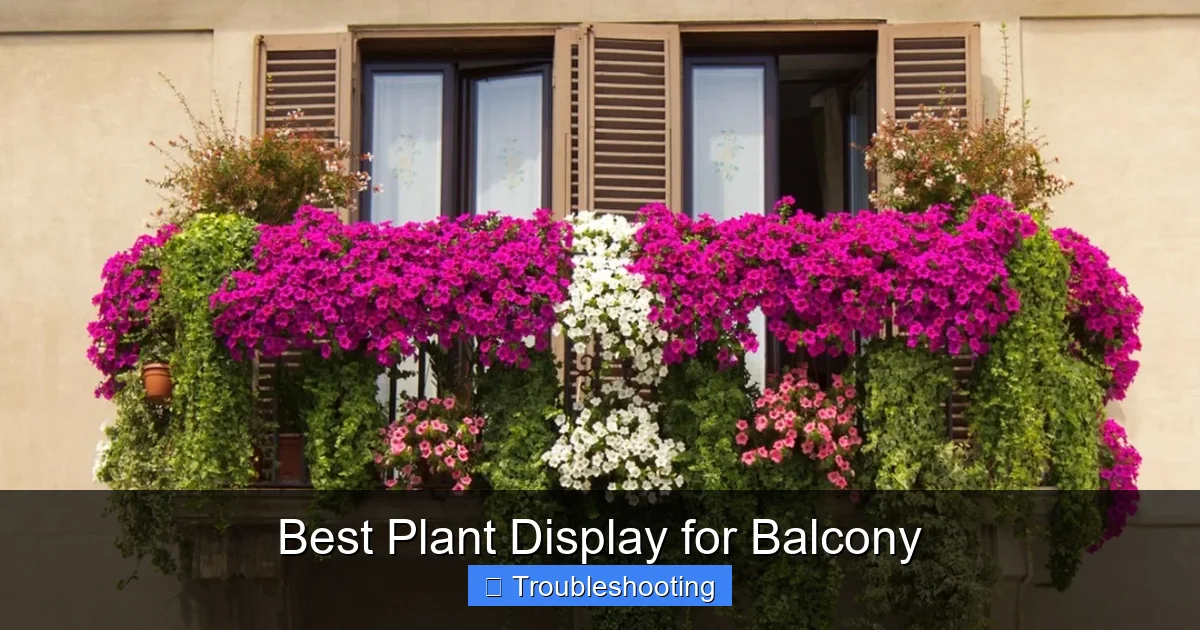
Best Plant Display for Balcony
Creating the perfect plant display for balcony spaces doesn’t have to be complicated. This comprehensive guide walks you through everything from choosing the right containers and plants to maximizing vertical space and solving common balcony gardening challenges. Whether you have a tiny Juliet balcony or a spacious terrace, you’ll find practical solutions to create your own green retreat.
There is something magical about stepping onto a balcony filled with thriving plants. The air feels fresher. The space feels more alive. A well-designed plant display for balcony areas can transform even the smallest outdoor nook into a personal sanctuary. But getting there takes more than just buying a few pots and hoping for the best.
I have helped dozens of friends set up their balcony gardens over the years. The most common mistake? Rushing to the garden center without a plan. They come home with plants that need full sun for a north-facing balcony. They buy heavy ceramic pots that exceed weight limits. They forget about drainage and end up with water stains on their downstairs neighbor’s patio furniture. Trust me, a little planning saves a lot of headaches.
Key Takeaways
- Assess your space first: Measure your balcony dimensions, check weight limits, and observe sunlight patterns before buying any plants or displays.
- Go vertical to maximize space: Use wall planters, tiered stands, and hanging baskets to grow more plants without sacrificing floor space.
- Choose the right containers: Lightweight pots with good drainage prevent water damage and make rearranging easy.
- Match plants to your light conditions: Select sun-loving, shade-tolerant, or partial-shade plants based on your balcony’s actual exposure.
- Install proper drainage systems: Use saucers, drip trays, or self-watering planters to protect your balcony floor and neighbors below.
- Plan for seasonal changes: Rotate plants seasonally and have a winter protection strategy for perennial displays.
- Start small and expand gradually: Begin with a few hardy plants, learn what works in your microclimate, then build your display over time.
Quick Answers to Common Questions
How do I know if my balcony can support heavy planters?
Check your building’s structural documents or ask management for the weight limit per square foot. Most residential balconies support 40-60 lbs/sq ft. Weigh your loaded containers on a bathroom scale and calculate total weight divided by balcony square footage.
What are the best plants for a windy high-rise balcony?
Choose plants with flexible stems, small or waxy leaves, and low growth habits. Ornamental grasses, succulents, Mediterranean herbs (rosemary, lavender, thyme), dwarf conifers, and tough shrubs like boxwood handle wind well.
How often should I water balcony plants in summer?
Check daily with the finger test. Stick your finger 2 inches into soil. Water thoroughly when dry at your fingertip. Small pots in full sun may need daily watering. Self-watering planters and larger pots need less frequent watering.
Can I grow vegetables on a shady balcony?
Yes, but choose shade-tolerant crops. Leafy greens (lettuce, spinach, kale, arugula), herbs (parsley, cilantro, mint, chives), and root vegetables (radishes, beets) produce with just 3-4 hours of sun. Fruiting vegetables need 6+ hours.
How do I prevent water from dripping on neighbors below?
Use saucers under every pot. Choose self-watering planters with reservoirs. Install a drip irrigation system with a timer to avoid overwatering. Place pots on a raised grid or deck tiles so water evaporates instead of pooling.
📑 Table of Contents
- Understanding Your Balcony Before You Buy
- Choosing the Right Plant Display System
- Selecting Plants That Thrive on Balconies
- Soil, Water, and Fertilizer Essentials
- Seasonal Care and Transitions
- Troubleshooting Common Balcony Garden Problems
- Design Principles for Beautiful Displays
- Budget-Friendly Tips and DIY Ideas
- Advanced Techniques for Enthusiasts
- Conclusion
Understanding Your Balcony Before You Buy
Before you fall in love with a specific plant display for balcony setups, you need to know what you are working with. Every balcony has its own personality. Understanding yours is the foundation of success.
Measure Twice, Buy Once
Grab a tape measure. Note the length, width, and height of your railing. Check the distance between railing posts if you plan to attach anything. Measure the distance from the floor to any overhang above. These numbers determine what fits. They also determine what is safe.
Write these measurements down. Keep them on your phone. You will reference them constantly while shopping. A plant display for balcony spaces that looks perfect in the store might be six inches too wide for your actual space.
Check Building Rules and Weight Limits
This step is boring but critical. Condo boards and landlords often have rules about balcony use. Some prohibit attaching items to railings. Some limit the total weight allowed. A typical residential balcony supports 40 to 60 pounds per square foot. That sounds like a lot until you realize wet soil in large pots is incredibly heavy.
Call your building management if you are unsure. Get any restrictions in writing. It is better to know the rules before you invest in a heavy tiered plant stand or a living wall system.
Track Your Sunlight Patterns
Sunlight is the single biggest factor in plant success. Most people overestimate how much sun their balcony gets. Spend a day tracking it. Note when direct sun hits the floor. Note when it leaves. Take photos every two hours from morning to evening.
You will likely fall into one of these categories:
- Full sun: Six plus hours of direct sunlight. Great for herbs, vegetables, succulents, and flowering annuals.
- Partial sun: Four to six hours of direct sun. Good for many perennials, leafy greens, and some flowering plants.
- Partial shade: Two to four hours of direct sun, usually morning light. Ideal for ferns, hostas, impatiens, and many tropical foliage plants.
- Full shade: Less than two hours of direct sun. Perfect for shade-loving foliage, mosses, and certain herbs like mint.
Remember that sunlight patterns change with seasons. A balcony that gets full sun in July might be in deep shade in December. Plan for the growing season you care about most.
Assess Wind Exposure
High-rise balconies often act like wind tunnels. Strong winds dry out soil fast. They snap tender stems. They topple lightweight pots. If your balcony is windy, you need heavy containers, windbreaks, and tough plants. Low balconies surrounded by buildings might have almost no airflow, which invites fungal diseases. Know your wind before you choose your plant display for balcony arrangements.
Consider Water Access and Drainage
How will you water your plants? Carrying watering cans from the kitchen gets old fast. If you have a hose bib on the balcony, you are lucky. If not, consider a lightweight expandable hose that connects to your kitchen or bathroom faucet. Self-watering planters are a game-changer for busy people.
Drainage is non-negotiable. Water must exit your pots without pooling on the balcony floor or dripping on neighbors. Use saucers under every pot. Better yet, use a plant display for balcony setups that includes integrated drip trays or a raised grid system that lets water evaporate.
Choosing the Right Plant Display System
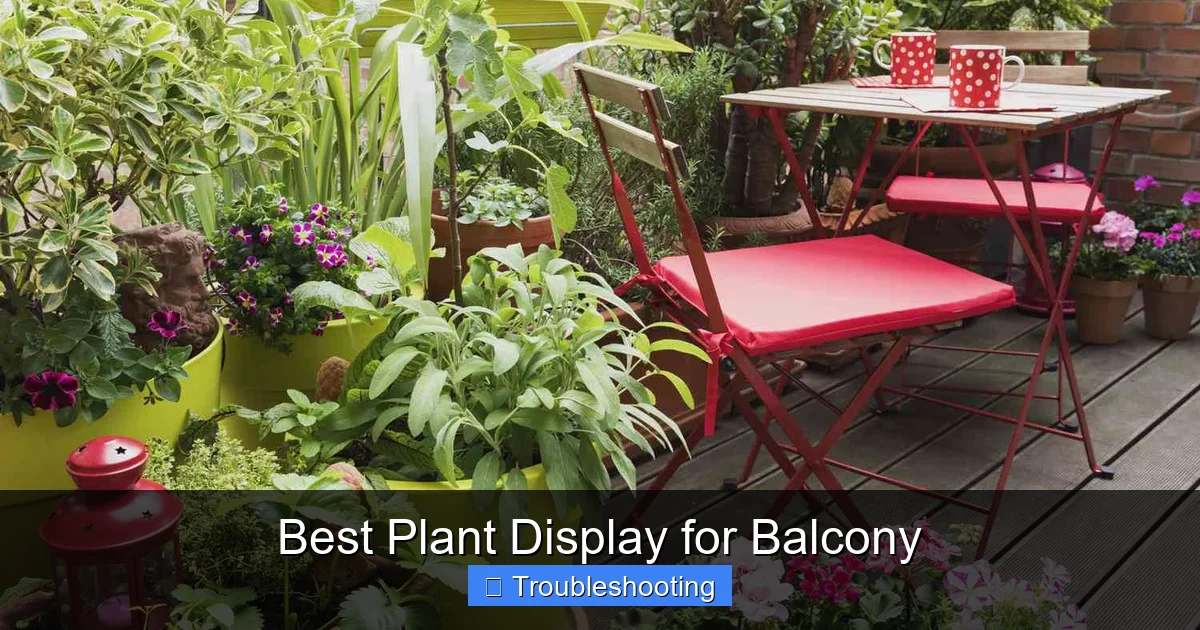
Now that you know your space, let’s talk hardware. The best plant display for balcony gardens matches your space constraints, your aesthetic, and your maintenance willingness.
Visual guide about Best Plant Display for Balcony
Image source: treehugger.com
Floor-Based Displays
Floor displays are the most intuitive. They include individual pots, grouped containers, rolling plant caddies, and tiered stands. They work well if you have decent floor space and weight capacity.
Individual Pots and Groupings
Start with a collection of pots in varying heights. This creates visual interest. Use the thriller-filler-spiller design principle in each pot: a tall centerpiece plant, mounding plants around it, and trailing plants over the edges. Group pots in odd numbers. Three or five pots look more natural than two or four.
Choose lightweight materials. Fiberglass, resin, and foam composite pots look like stone or ceramic but weigh a fraction. They also insulate roots better against temperature swings. Make sure every pot has drainage holes. Drill them yourself if needed.
Tiered Plant Stands
A tiered stand multiplies your growing area vertically. Look for powder-coated steel or aluminum frames with slatted shelves. Slats allow air circulation and light penetration to lower tiers. Ensure the stand is stable. A wide base prevents tipping. Some models bolt to the wall for extra security.
Arrange plants by light needs on a tiered stand. Put sun-lovers on top. Shade-tolerant plants go lower. This is a smart plant display for balcony spaces with mixed light conditions.
Rolling Plant Caddies
Heavy pots on wheels let you chase the sun or shelter plants before storms. Look for locking casters rated for the loaded weight. A quality caddy holds 200+ pounds. This is essential if you grow large specimens like dwarf citrus trees or ornamental grasses.
Railing and Balcony Edge Displays
Railing planters utilize the often-wasted perimeter space. They keep the floor clear for seating. They also bring plants to eye level, which is lovely when you are sitting down.
Saddle-Style Railing Planters
These straddle the railing top. They have a center divider that sits over the rail with planting troughs on both sides. They are stable and do not require drilling. Measure your railing width before buying. Most fit rails from two to six inches wide. Some have adjustable brackets.
Plant shallow-rooted annuals, herbs, or succulents in these. The soil volume is limited. They dry out fast. Self-watering versions are worth the extra cost.
Clamp-On and Hook-On Planters
These attach to the front or side of the railing. Clamp-on models use tightening screws. Hook-on models have metal hooks that drape over the rail. Both are removable, which renters love. Ensure the attachment mechanism is rust-proof. Stainless steel or coated hardware lasts longer.
Balcony Rail Planter Boxes
Long rectangular boxes mount along the railing length. They create a continuous garden effect. Some integrate with the railing system for a built-in look. These hold more soil than saddle planters, supporting larger plants or small shrubs.
Vertical Wall Systems
If floor space is tight, go up. Vertical systems turn bare walls into living tapestries. They are the ultimate plant display for balcony gardens in small footprints.
Pocket Planters
Fabric or felt pocket planters hang on walls like shoe organizers. Each pocket holds one plant. They are lightweight, inexpensive, and easy to install with grommets and hooks. They work best for shallow-rooted plants: strawberries, herbs, lettuce, succulents, and small annuals.
The fabric breathes, which prevents root rot. But it also means soil dries quickly. Daily watering is often needed in summer. Install a drip irrigation line along the top row for hands-free watering.
Modular Panel Systems
These are rigid frames with individual planting cells. They mount flush to the wall. Some have integrated irrigation. They look more polished than fabric pockets. They support a wider range of plants, including small perennials and ferns.
Installation requires drilling into the wall. Check your lease or condo rules. Use proper anchors for your wall type: concrete, brick, stucco, or wood. A level installation is crucial so water distributes evenly.
Trellis and Climbing Systems
A simple trellis against the wall supports climbing plants. Clematis, jasmine, morning glory, and climbing roses add vertical drama. Edible climbers like pole beans, peas, and cucumbers turn your plant display for balcony into a food source.
Choose a trellis that stands off the wall slightly. This allows air circulation and prevents moisture damage to the wall surface. Powder-coated metal or cedar trellises last years outdoors.
Hanging and Overhead Displays
Do not forget the ceiling. Hanging baskets and macrame planters use overhead space that otherwise goes empty. They are perfect for trailing plants: string of pearls, burro’s tail, English ivy, petunias, and fuchsias.
Ceiling Hooks and Brackets
Install heavy-duty hooks into ceiling joists, not just drywall. Use swivel hooks so plants can rotate for even light exposure. For concrete ceilings, use expansion anchors rated for the weight.
Pulley Systems
A pulley lets you lower hanging baskets for watering and maintenance, then raise them back up. This is brilliant for high ceilings or second-story balconies. No ladder needed. Install the pulley on a sturdy beam or dedicated bracket.
Specialty Displays for Specific Needs
Herb Garden Stations
A dedicated herb station keeps cooking ingredients at your fingertips. Tiered ladder shelves work well. So do narrow rectangular planters mounted at waist height. Group herbs by water needs: Mediterranean herbs (rosemary, thyme, oregano) like it dry. Leafy herbs (basil, parsley, cilantro) want consistent moisture.
Vegetable Growing Systems
For serious food production, consider self-watering raised beds on legs. These bring the soil to a comfortable working height. They hold enough soil for tomatoes, peppers, and root vegetables. Some have integrated trellises. They are a significant investment but produce impressive yields.
Privacy Screen Planters
Combine plants with privacy. Tall planters with bamboo, ornamental grasses, or evergreen shrubs create a green wall. Look for long, narrow trough planters on casters. You can move them to block sightlines as needed.
Selecting Plants That Thrive on Balconies
The best plant display for balcony gardens fails if the plants are wrong for the conditions. Match plants to your light, wind, and maintenance reality.
Plants for Full Sun Balconies
These balconies bake. Choose heat-tolerant, drought-resistant plants.
- Herbs: Rosemary, thyme, oregano, sage, lavender, basil.
- Vegetables: Tomatoes, peppers, eggplant, bush beans, zucchini.
- Flowering annuals: Petunias, marigolds, zinnias, geraniums, verbena, portulaca.
- Succulents and cacti: Sedum, echeveria, agave, aloe, hens-and-chicks.
- Ornamental grasses: Fountain grass, blue fescue, Japanese forest grass.
- Dwarf fruit: Citrus trees, fig trees, blueberry bushes in large pots.
Water deeply but infrequently to encourage deep roots. Mulch the soil surface with gravel or bark to reduce evaporation.
Plants for Partial Sun Balconies
Morning sun with afternoon shade is the sweet spot for many plants.
- Leafy greens: Lettuce, spinach, kale, Swiss chard, arugula.
- Herbs: Parsley, cilantro, chives, mint, lemon balm.
- Flowering plants: Hydrangeas, begonias, impatiens, fuchsias, lobelia.
- Foliage plants: Heuchera, hostas, ferns, coleus, caladiums.
- Climbers: Clematis, honeysuckle, climbing hydrangea.
Plants for Shade Balconies
Low light does not mean no plants. It means different plants.
- Foliage stars: Ferns (maidenhair, Boston, bird’s nest), hostas, calathea, prayer plant, philodendron, pothos.
- Flowering options: Impatiens, begonias, torenia, browallia.
- Edibles: Mint, parsley, chives, microgreens, sprouts.
- Ground covers: Ivy, vinca, pachysandra, sweet woodruff.
Shade plants often have larger, thinner leaves to capture light. They burn easily if sudden sun hits them. Be careful when moving them.
Wind-Tolerant Plants for High Floors
If wind is your challenge, choose plants with flexible stems, small leaves, or waxy coatings.
- Grasses: Most ornamental grasses handle wind beautifully.
- Succulents: Thick leaves resist desiccation.
- Mediterranean herbs: Adapted to exposed hillsides.
- Shrubs: Dwarf conifers, boxwood, euonymus.
- Climbers on sturdy trellises: Ivy, Virginia creeper, climbing roses.
Avoid large-leaved tropicals like banana plants or elephant ears unless you have a windbreak. They shred in strong gusts.
Low-Maintenance Champions
If you travel often or simply want ease, these plants forgive neglect.
- Snake plant: Nearly indestructible. Handles sun or shade.
- ZZ plant: Stores water in rhizomes. Weeks without water.
- Succulents: Most need water only when soil is bone dry.
- Lavender and rosemary: Thrive on neglect once established.
- Ornamental grasses: Cut back once a year. Done.
- Sedum (stonecrop): Ground cover or upright. Tough as nails.
Soil, Water, and Fertilizer Essentials
Container growing is different from in-ground gardening. The soil mix, watering routine, and feeding schedule determine long-term success.
The Right Potting Mix
Never use garden soil in pots. It compacts, drains poorly, and brings pests. Use a high-quality potting mix. Look for these ingredients:
- Peat moss or coconut coir: Retains moisture.
- Perlite or vermiculite: Improves drainage and aeration.
- Compost or worm castings: Provides nutrients.
- Bark fines: Adds structure and slow-release nutrition.
For succulents and cacti, use a gritty mix with extra perlite or pumice. For moisture-loving ferns, add extra coir or peat. You can buy specialty mixes or amend a base mix yourself.
Watering Wisdom
Container plants dry out faster than in-ground plants. Wind and sun accelerate evaporation. The finger test is your best tool. Stick your finger two inches into the soil. If it feels dry at your fingertip, water. If it feels moist, wait.
Water thoroughly until it runs out the drainage holes. This ensures the entire root ball gets wet. Light sprinkling creates shallow roots. Morning watering is ideal. Foliage dries before evening, reducing fungal risk.
Self-Watering Planters
These have a reservoir at the bottom. A wick or capillary action draws water up as needed. They extend watering intervals to one to two weeks. They are fantastic for thirsty plants like tomatoes and for busy gardeners. Monitor the reservoir level weekly.
Drip Irrigation
For larger displays, a timer-controlled drip system is a lifesaver. Run 1/4-inch tubing to each pot. Use adjustable emitters so each plant gets the right amount. A battery timer at the faucet automates everything. Adjust seasonally.
Fertilizing Container Plants
Nutrients leach out with every watering. You must replace them. Use a balanced, water-soluble fertilizer at half strength every two weeks during active growth. Or use slow-release granules mixed into the soil at planting and refreshed mid-season.
For flowering and fruiting plants, switch to a bloom booster formula (higher phosphorus) when buds appear. For leafy greens and herbs, stick with balanced or slightly higher nitrogen. Always fertilize moist soil to prevent root burn.
Seasonal Care and Transitions
A plant display for balcony spaces evolves through the year. Planning for seasons keeps your garden looking good and your plants alive.
Spring Setup
Early spring is for cleaning and prep. Scrub pots with a 10% bleach solution to kill pathogens. Refresh potting mix. Replace the top third of soil in large pots. Check drainage holes for clogs. Install irrigation. Harden off indoor-started plants gradually over seven to ten days.
Summer Maintenance
Summer is peak growth. Water daily in heat waves. Deadhead flowers to encourage rebloom. Pinch back leggy growth. Scout for pests weekly. Aphids, spider mites, and whiteflies explode in hot weather. Blast them with water or use insecticidal soap early.
Fertilize regularly. Harvest vegetables promptly. Bolting (flowering) makes greens bitter. Shade heat-sensitive plants during extreme afternoons with shade cloth or by moving pots.
Fall Transition
As temperatures drop, reduce watering and stop fertilizing. Bring tender tropicals inside before nights hit 50°F. Plant fall containers with mums, ornamental kale, pansies, and hardy grasses. Clean up dead annuals. Cut back perennials to a few inches above soil.
Winter Protection
In freezing climates, most container plants need protection. Roots in pots freeze faster than roots in ground. Options:
- Move pots to an unheated garage or shed. Water monthly.
- Cluster pots together against a wall. Mulch heavily with straw or leaves. Wrap pots in bubble wrap or burlap.
- Bury pots in the ground if you have access to a garden bed.
- Choose hardy plants rated for two zones colder than your zone. A zone 6 gardener should pick zone 4 plants for containers.
Evergreens in pots need winter water during thaws. Dormant plants do not.
Year-Round Interest
Design your plant display for balcony views in every season. Include:
- Spring bulbs planted in fall (tulips, daffodils, crocus).
- Summer flowers for color.
- Fall foliage from grasses, sedum, and shrubs.
- Winter structure from evergreens, interesting bark, and dried seed heads.
Troubleshooting Common Balcony Garden Problems
Even the best-planned plant display for balcony gardens hits snags. Here is how to diagnose and fix the most common issues.
Plants Drying Out Too Fast
Symptoms: Wilting by midday, soil pulling away from pot edges, crispy leaf edges.
Causes: Small pots, windy location, full sun, porous containers (terra cotta), hydrophobic soil.
Solutions: Repot into larger containers. Group pots to create humidity. Add water-retentive crystals to soil. Mulch heavily. Switch to glazed or plastic pots. Install drip irrigation. Use self-watering planters.
Yellowing Leaves
Symptoms: Leaves turn yellow, often starting at bottom or tips.
Causes: Overwatering (most common), underwatering, nutrient deficiency, root bound, poor drainage, pests.
Solutions: Check soil moisture first. If soggy, stop watering and improve drainage. If dry, water deeply. Fertilize with balanced feed. Check roots. If circling the pot, repot. Inspect for pests on leaf undersides.
Leggy, Weak Growth
Symptoms: Long stems, few leaves, pale color, flopping over.
Causes: Insufficient light, too much nitrogen fertilizer, overcrowding.
Solutions: Move to sunnier spot. Rotate pots weekly for even light. Prune back hard to encourage bushiness. Reduce fertilizer. Thin crowded plants.
Pest Infestations
Common balcony pests: Aphids, spider mites, whiteflies, fungus gnats, scale, mealybugs.
Prevention: Inspect new plants before buying. Quarantine new arrivals for two weeks. Keep plants healthy. Stressed plants attract pests. Encourage beneficial insects with diverse plantings.
Treatment: Blast with strong water spray. Apply insecticidal soap or neem oil weekly for three weeks. Use yellow sticky traps for fungus gnats and whiteflies. Remove heavily infested leaves. Systemic granules work for persistent scale and mealybugs but avoid on edibles.
Fungal Diseases
Symptoms: Powdery white coating, black spots, fuzzy gray mold, rotting stems at soil line.
Causes: Poor air circulation, wet foliage, overcrowding, contaminated soil.
Solutions: Space plants for airflow. Water at soil level, not on leaves. Morning water only. Remove affected leaves immediately. Apply copper fungicide or potassium bicarbonate spray. Repot in fresh sterile mix if soil-borne.
Weight and Structural Concerns
Symptoms: Balcony floor cracking, railing bending, building complaints.
Solutions: Weigh your loaded pots. A bathroom scale works. Use lightweight potting mix (more perlite, less sand). Choose fiberglass over concrete pots. Use false bottoms in tall pots (fill lower third with empty plastic bottles or foam packing peanuts in mesh bags). Distribute weight evenly. Consult a structural engineer if unsure.
Neighbor Complaints
Issues: Water dripping, pollen, leaves falling, insects, blocked views.
Solutions: Always use saucers or drip trays. Empty them after watering. Choose low-pollen plants (female cultivars, non-flowering foliage). Sweep debris daily. Keep plants within your railing line. Communicate with neighbors. A gift of fresh herbs or tomatoes builds goodwill.
Design Principles for Beautiful Displays
A functional plant display for balcony spaces should also be beautiful. Good design turns a plant collection into a garden.
Color Strategy
Choose a color palette. Two to three colors plus green creates cohesion. Options:
- Monochromatic: All pinks, all purples, all whites. Elegant and calming.
- Complementary: Purple and yellow, blue and orange, red and green. High energy.
- Analogous: Blue, purple, pink. Harmonious and natural.
- Foliage-focused: Chartreuse, silver, burgundy, deep green. Year-round interest.
Repeat colors across different pots. This leads the eye through the space.
Texture and Form
Mix leaf shapes and sizes. Pair bold, architectural leaves (hosta, elephant ear) with fine, feathery textures (fern, grass, asparagus fern). Include spiky forms (yucca, ornamental grass) and rounded mounds (heuchera, sedum). Trailing plants soften edges.
Height Layering
Create vertical layers even without tiered stands. Tall plants at the back or center. Medium plants in front. Trailing plants at edges. This works in a single large pot or across a grouped display.
Container Cohesion
Unify your look with container style. Options:
- All same material, different shapes.
- All same color, different materials.
- All same shape, graduated sizes.
- Eclectic mix unified by a theme (all vintage, all geometric, all handmade).
Elevate some pots on risers or inverted empty pots. This adds height without buying tall containers.
Lighting for Evening Enjoyment
Extend your balcony hours with lighting. Solar stake lights in pots. String lights overhead or woven through trellises. LED spotlights uplighting architectural plants. Battery-operated fairy lights in glass jars. Warm white (2700K-3000K) flatters plants and people.
Furniture Integration
Your plant display for balcony living should work with your furniture. Leave clear paths. Do not block the best view. Place fragrant plants near seating. Put spiny plants away from traffic. Use plant stands as side tables. A large floor plant can anchor a seating area like a piece of furniture.
Budget-Friendly Tips and DIY Ideas
A stunning balcony garden does not require a fortune. Creativity stretches dollars.
Repurpose and Upcycle
- Wooden pallets become vertical planters. Line with landscape fabric. Staple plastic backing. Fill with soil. Plant between slats.
- Old ladders make charming tiered displays. Secure to wall.
- Tin cans, mason jars, wine bottles become herb pots. Drill drainage holes.
- Dresser drawers mounted on walls create deep planters.
- Gutters mounted horizontally on walls grow shallow-rooted crops.
Shop Smart
- End-of-season sales (July for perennials, fall for trees/shrubs).
- Big box store clearance racks. Revive discounted plants.
- Local plant swaps and gardening groups.
- Grow from seed. A $3 packet yields dozens of plants.
- Divide perennials from friends’ gardens.
- Propagate cuttings. Many plants root in water.
DIY Potting Mix
Mix your own for a fraction of bagged cost:
- 1 part peat moss or coconut coir
- 1 part compost
- 1 part perlite or coarse sand
- Slow-release fertilizer per package directions
Buy ingredients in bulk at landscape supply yards.
Make Your Own Supports
Bamboo stakes and twine cost pennies. Build teepees for climbers. Create grid supports for floppy perennials. Copper pipe and fittings make modern trellises.
Advanced Techniques for Enthusiasts
Ready to level up? These techniques maximize production and beauty.
Succession Planting
Don’t let space sit empty. When spring crops finish (peas, lettuce, radishes), immediately plant summer crops (beans, basil, peppers). When those finish, plant fall crops (kale, spinach, garlic). A planting calendar keeps you on track.
Companion Planting in Containers
Pair plants that help each other:
- Tomatoes + basil + marigold: Basil improves tomato flavor. Marigold deters nematodes.
- Peppers + onions + spinach: Onions deter aphids. Spinach shades soil.
- Beans + carrots + nasturtium: Beans fix nitrogen. Nasturtium traps aphids.
- Roses + garlic + lavender: Garlic prevents fungal disease. Lavender attracts pollinators.
Espalier and Training
Train fruit trees flat against a wall or trellis. Apples, pears, figs, and citrus respond well. This produces full-size fruit in a fraction of the space. It takes patience and pruning skill but looks incredible.
Hydroponic and Aeroponic Systems
Soilless systems grow food fast with less water and weight. Tower gardens, NFT channels, and Kratky jars work on balconies. They need electricity for pumps and grow lights for indoor winter growing. The learning curve is steeper but yields are impressive.
Pollinator Support
Even high balconies get pollinators. Include nectar-rich flowers: salvia, zinnia, cosmos, lantana, pentas. Provide a shallow water dish with stones for landing. Avoid pesticides. A small bee house on a sunny wall attracts solitary bees.
Conclusion
Creating the best plant display for balcony spaces is a journey, not a destination. Your first attempt will not be perfect. Mine certainly wasn’t. I killed more plants than I care to admit before learning what works. But each season teaches you more about your unique microclimate. Each success builds confidence.
Start with the fundamentals. Know your light. Respect your weight limits. Choose the right containers. Pick plants that match your conditions. Water thoughtfully. Feed regularly. Protect seasonally. The rest is creativity and personal expression.
Your balcony garden will become a reflection of you. A place for morning coffee among the herbs. A screen of grasses that dances in the wind. A harvest of sun-warmed tomatoes you grew yourself. A haven for butterflies and bees. A green embrace in the midst of concrete.
So measure your space. Make a plan. Visit the nursery with purpose. Get your hands dirty. The best plant display for balcony living is the one you create, tend, and love. Your outdoor sanctuary awaits.
Frequently Asked Questions
What is the best plant display for a small balcony?
For small balconies, vertical systems like wall-mounted pocket planters, tiered stands, and railing planters maximize growing space without using floor area. Hanging baskets utilize overhead space. Choose compact plant varieties and lightweight containers.
How do I secure planters to my balcony railing?
Use saddle-style planters that straddle the rail, clamp-on brackets with rubber grips, or hook-on planters. For permanent installations, stainless steel brackets bolted through the railing provide maximum security. Always check building rules before drilling.
What potting soil should I use for balcony containers?
Use a high-quality potting mix containing peat moss or coconut coir, perlite or vermiculite, and compost. Never use garden soil. For succulents, add extra perlite. For moisture-loving plants, add extra coir. Refresh the top third of soil annually.
How do I protect balcony plants in winter?
In freezing climates, move hardy perennials to an unheated garage, cluster pots against a wall and mulch heavily, or wrap containers in bubble wrap and burlap. Choose plants rated for two zones colder than your zone. Water during winter thaws.
Can I install a drip irrigation system on a balcony without a hose bib?
Yes. Use a faucet adapter to connect to your kitchen or bathroom sink. Run lightweight tubing along baseboards and out the door. Battery timers work with these adapters. Alternatively, use gravity-fed drip bags or self-watering planters.
What are the lowest maintenance plants for a balcony garden?
Snake plant, ZZ plant, succulents (sedum, echeveria, agave), lavender, rosemary, ornamental grasses, and established shrubs like boxwood or dwarf conifers need minimal watering, fertilizing, and pruning once established.