How to Save String of Bananas from Overwatering
Overwatering is the most common killer of string of bananas. Spot the warning signs early, act fast with drainage and drying techniques, then adjust your care routine to keep the succulent thriving.
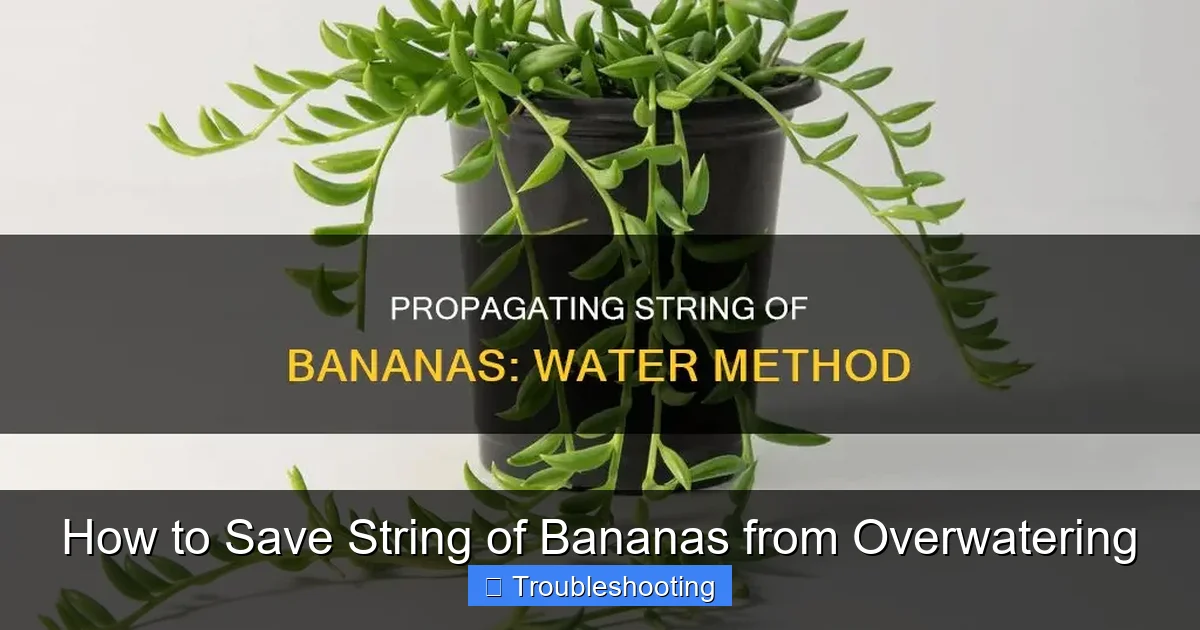
String of bananas is a charming trailing succulent that looks like a cascade of tiny green bananas. It is loved for its easy‑care reputation, but even the toughest succulents can suffer when they get too much water. If you have ever watched your plant turn yellow, feel mushy, or smell sour, you know the panic that follows. The good news is that you can often bring it back to life with a few clear steps.
In this guide we walk through everything you need to know about how to save string of bananas from overwatering. You will learn how to spot the problem, what to do right away, and how to change your routine so the issue never returns. The advice is practical, beginner‑friendly, and based on real‑world experience from growers who have rescued countless plants.
Key Takeaways
- Identify symptoms early: Yellow leaves, mushy stems, and a foul smell mean too much water.
- Remove excess moisture immediately: Take the plant out of its pot, shake off wet soil, and let roots air‑dry.
- Use well‑draining soil and a pot with holes: A gritty mix prevents water from sitting around roots.
- Water only when the top inch of soil is dry: Stick to a “soak and dry” schedule rather than a calendar.
- Provide bright, indirect light: Good light speeds up evaporation and keeps the plant compact.
- Monitor humidity and temperature: High humidity slows drying; adjust watering accordingly.
- Prune damaged parts: Cut away rotten stems to stop disease spread and encourage new growth.
Quick Answers to Common Questions
How do I know if my string of bananas is overwatered?
Look for yellow translucent leaves, mushy stems, a sour smell, and brown or black roots when you inspect the root ball.
Can I save a plant with mostly rotten roots?
Yes, if at least a few healthy white roots remain, trim the rot, let the roots dry, and repot in dry gritty mix.
How often should I water after rescue?
Water only when the top inch of soil is completely dry, typically every two to three weeks in summer and monthly in winter.
What type of pot is best for preventing overwatering?
A terra cotta pot with drainage holes works best because it wicks moisture away and shows when the soil is dry.
Should I mist the leaves to increase humidity?
No, misting keeps leaves wet and encourages rot. Provide humidity with a nearby tray of water or a humidifier instead.
📑 Table of Contents
Understanding the String of Bananas Plant
What makes it unique
String of bananas (Senecio radicans) stores water in its thick, banana‑shaped leaves. Those leaves act like tiny reservoirs. Because of this storage, the plant prefers to dry out completely between drinks. It originates from arid regions of South Africa where rain is rare and the soil drains fast.
Why overwatering is a special threat
When the soil stays wet, the roots cannot breathe. They suffocate and begin to rot. Rot spreads quickly through the fleshy stems. Unlike many houseplants, string of bananas does not show wilting early; it shows yellowing and mushiness instead. Recognizing this difference is the first step to a successful rescue.
Signs of Overwatering
Visual cues
Leaves turn a pale yellow or translucent green. Stems become soft and may collapse under their own weight. You might see black or brown spots at the base of the stems. A faint, musty odor often rises from the pot.
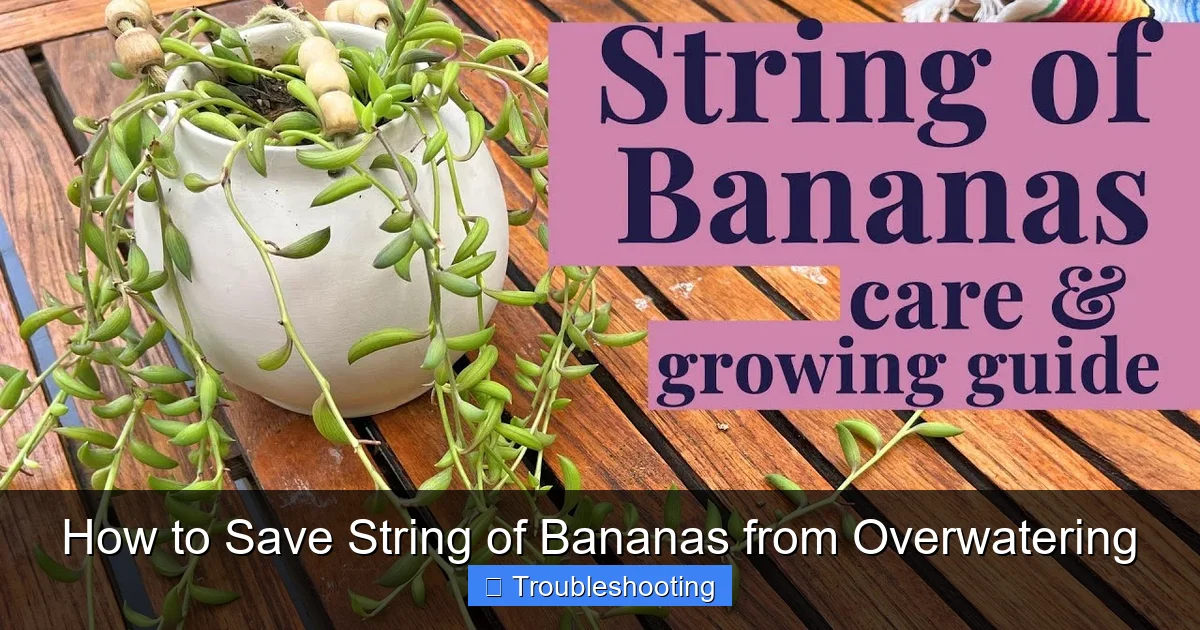
Visual guide about How to Save String of Bananas from Overwatering
Image source: i.ytimg.com
Root inspection
Gently lift the plant from its container. Healthy roots are white or light tan and firm. Overwatered roots look brown, black, or slimy. They may fall apart when touched. If most roots are damaged, the plant will need more aggressive care.
Soil condition
The potting mix feels soggy days after watering. It may stay dark and heavy. A crust of algae or mold can appear on the surface. These are clear indicators that drainage is insufficient.
Immediate Steps to Rescue the Plant
Remove the plant from its pot
Turn the pot upside down while supporting the base of the plant. Tap the bottom to release the root ball. Do not pull on the stems; they are fragile when wet.
Shake off excess soil
Hold the root ball over a newspaper or tray. Gently shake to let the wet mix fall away. You can also rinse the roots under lukewarm water to remove clinging mud. Be careful not to break healthy roots.
Trim rotten roots
Use clean, sharp scissors or pruning shears. Cut away any black, mushy, or smelly roots. Cut back to healthy white tissue. Sterilize the blades with rubbing alcohol between cuts to avoid spreading pathogens.
Let the roots air‑dry
Place the plant on a clean towel in a shaded, well‑ventilated spot. Allow the roots to dry for 12 to 24 hours. This step helps callous the cut ends and reduces the chance of further rot.
Repot in fresh, dry mix
Choose a pot with drainage holes. Fill it with a gritty succulent mix — typically 50 % potting soil, 25 % coarse sand, and 25 % perlite or pumice. Position the plant, backfill lightly, and press the mix around the roots. Do not water immediately.
Adjusting Watering Routine for Long‑Term Health
Adopt the soak‑and‑dry method
Water thoroughly until water runs out of the drainage holes. Then wait until the top inch of soil feels completely dry before watering again. In most indoor settings this means watering every two to three weeks in summer and once a month in winter.
Use a moisture meter or the finger test
Insert a wooden skewer or your finger about an inch deep. If it comes out dry, it is time to water. A moisture meter gives a numeric reading and removes guesswork.
Water at the base, not the leaves
Pour water directly onto the soil. Wet leaves can invite fungal spots, especially in low‑light conditions. A narrow‑spout watering can helps target the soil.
Adjust for season and environment
Higher light and warmer temperatures increase evaporation. In a bright, warm room you may water slightly more often. In a cool, dim corner, stretch the interval. Always let the soil dictate the schedule.
Soil and Pot Considerations
Choose the right pot size
A pot that is too large holds excess soil that stays wet. Select a container only one size bigger than the root ball. This encourages the soil to dry faster.
Add drainage amendments
Mix in extra perlite, pumice, or coarse sand if your commercial succulent mix feels heavy. A 1:1 ratio of soil to amendment works well for very humid climates.
Consider a terra cotta pot
Terra cotta is porous and wicks moisture away from the root zone. It also provides a visual cue — the pot darkens when wet and lightens as it dries.
Repot every two years
Fresh mix restores aeration and removes any salt buildup from fertilizer. Spring is the ideal time because the plant enters active growth.
Preventive Care and Ongoing Monitoring
Light requirements
Bright, indirect light for at least six hours a day keeps the plant compact and speeds soil drying. A south‑ or west‑facing window with a sheer curtain works perfectly.
Temperature and humidity
Ideal range is 65 °F to 80 °F (18 °C to 27 °C). Avoid drafts from air conditioners or heaters. If humidity is consistently above 60 %, increase airflow with a small fan.
Fertilize sparingly
Use a diluted succulent fertilizer once during the growing season. Over‑fertilizing adds salts that retain moisture and stress roots.
Regular inspection
Check leaves and stems weekly. Early detection of yellowing or soft spots lets you act before rot spreads. Keep a simple log of watering dates and observations.
Prune for health
Remove any dead or damaged stems at the base. This improves air circulation and directs energy to healthy growth. Clean cuts heal quickly on succulents.
Conclusion
Saving a string of bananas from overwatering is mostly about quick action and a consistent, dry‑first routine. By recognizing the early warning signs, removing soggy soil, trimming rotten roots, and repotting in a fast‑draining mix, you give the plant a fresh start. Then, stick to a soak‑and‑dry watering schedule, provide bright indirect light, and monitor the environment. With these habits, your trailing succulent will reward you with long, lush strands of banana‑shaped leaves for years to come.
Frequently Asked Questions
What is the best soil mix for string of bananas?
A mix of 50 % potting soil, 25 % coarse sand, and 25 % perlite or pumice provides excellent drainage and aeration.
Can I propagate a rescued string of bananas?
Yes, healthy stem cuttings can be laid on dry soil and will root in a few weeks if kept warm and bright.
Why are the leaves turning brown at the tips?
Brown tips often indicate underwatering or low humidity after a period of overwatering; adjust watering and increase airflow.
Is fertilizer necessary for recovery?
Fertilizer is not needed during recovery; wait until new growth appears, then apply a diluted succulent feed once.
How much light does a string of bananas need?
At least six hours of bright, indirect light daily; direct afternoon sun can scorch the leaves.
What should I do if the plant continues to decline after repotting?
Check for remaining rot, ensure the pot drains well, reduce watering further, and consider a fungicide drench labeled for succulents.