Essential Rustic for Parsley Health
Essential rustic for parsley health means using simple, natural methods to keep parsley strong and flavorful. This guide shows you easy steps for soil, water, and pest care.
Parsley is a bright herb that adds flavor to many dishes. It grows well in pots or garden beds. Healthy parsley gives you fresh leaves all season.
The essential rustic for parsley health approach uses low‑input, natural methods. You do not need fancy chemicals. Simple habits keep the plant strong.
In this guide you will learn the basics of parsley, why rustic methods work, and how to apply them step by step.
Key Takeaways
- Simple soil care: Use compost and mulch to feed parsley naturally.
- Water wisely: Keep soil moist but not soggy for healthy roots.
- Companion planting: Grow parsley near tomatoes or carrots to deter pests.
- Spot problems early: Yellow leaves often signal nutrient lack or overwatering.
- Routine matters: A weekly check keeps the essential rustic for parsley health plan on track.
- Harvest smart: Cut outer stems first to let the plant keep growing.
Quick Answers to Common Questions
What is the essential rustic for parsley health approach?
It is a low‑input, natural way to grow parsley using compost, mulch, and companion planting.
How often should I water parsley?
Water when the top inch of soil feels dry, usually every two to three days in warm weather.
Can I grow parsley in a container?
Yes, choose a pot with drainage and use a quality potting mix; the same rustic steps apply.
What causes yellow leaves on parsley?
Yellow leaves often mean nitrogen deficiency or overwatering; add compost and adjust watering.
How do I prevent pests without chemicals?
Use companion plants, encourage beneficial insects, and spray water to knock pests off.
📑 Table of Contents
Understanding Parsley Basics
What Parsley Needs
Parsley likes rich, loose soil. It prefers a pH near neutral. Good drainage stops root rot. Sunlight of six hours helps leaves stay green.
Test your soil before planting. Add organic matter if the soil feels heavy. The essential rustic for parsley health plan starts with good ground.
Common Varieties
Curly parsley has frilly leaves. Flat‑leaf parsley has a stronger taste. Both benefit from the essential rustic for parsley health routine.
Choose the variety that fits your cooking style. Both types respond well to the same rustic care.
Growth Cycle Overview
Parsley is a biennial. It produces leaves the first year and flowers the second. Harvest leaves during the first year for best flavor.
Allow a few plants to flower if you want seeds. The essential rustic for parsley health method respects this natural cycle.
Why Rustic Methods Matter
Natural Soil Care
Rustic methods feed soil life. Earthworms and microbes break down organic matter. This creates a living soil that feeds parsley slowly.
Visual guide about Essential Rustic for Parsley Health
Image source: healthbenefitstimes.com
Healthy soil holds water better. It also reduces the need for synthetic fertilizer. The essential rustic for parsley health plan builds soil over time.
Low Input Benefits
Less fertilizer means less salt buildup. Less pesticide means beneficial insects survive. The essential rustic for parsley health plan protects the whole garden ecosystem.
Low input gardening saves money. It also reduces chemical runoff. Your parsley stays clean and safe to eat.
Resilience Through Diversity
A diverse garden resists pests and disease. Mixing herbs, flowers, and vegetables creates balance. The essential rustic for parsley health approach uses diversity as a shield.
Plant a border of marigold or nasturtium near parsley. These flowers attract helpful insects.
Essential Rustic for Parsley Health Practices
Compost and Mulch
Add a thin layer of compost each spring. Mulch with straw or shredded leaves. Mulch holds moisture and suppresses weeds. This is a core essential rustic for parsley health step.
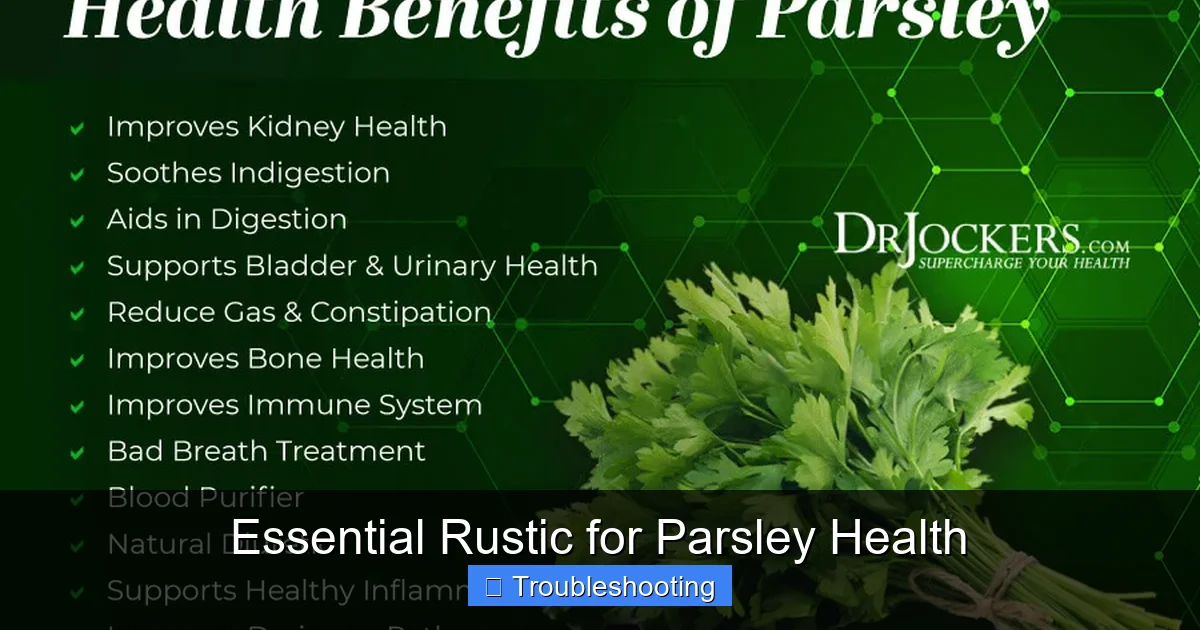
Visual guide about Essential Rustic for Parsley Health
Image source: drjockers.com
Refresh mulch after heavy rain. Keep mulch a few inches away from stems to prevent rot.
Water Wisely
Water at the base of the plant. Avoid wetting leaves to reduce fungal risk. Check soil with a finger; water when the top inch feels dry. Consistent moisture supports the essential rustic for parsley health goal.
Use a soaker hose or drip line for even coverage. Early morning watering lets leaves dry quickly.
Companion Planting
Plant parsley near tomatoes, carrots, or onions. These companions repel common parsley pests. The essential rustic for parsley health method uses nature’s own pest control.
Interplant with basil or chives for extra flavor and bug resistance.
Organic Feeding
Side‑dress with well‑rotted manure once mid‑season. Avoid fresh manure; it can burn roots. The essential rustic for parsley health plan favors slow‑release nutrition.
Liquid seaweed spray can give a quick boost during heavy harvest.
Common Parsley Problems and Rustic Fixes
Yellow Leaves
Yellow leaves often mean nitrogen shortage or too much water. Add a side‑dressing of compost. Reduce watering frequency. The essential rustic for parsley health fix restores green color quickly.
Check for compacted soil. Loosen gently with a fork to improve air flow.
Root Rot
Root rot shows as wilting despite wet soil. Improve drainage with coarse sand or perlite. Remove affected roots. Replant in fresh, well‑drained mix. This rustic remedy saves the plant.
Raise beds if your garden stays soggy. Good drainage is the first line of defense.
Pests
Aphids and spider mites may appear. Spray a strong jet of water to dislodge them. Introduce ladybugs or lacewings. The essential rustic for parsley health strategy relies on beneficial insects.
Neem oil can be used sparingly if infestation persists. Always test on a small leaf first.
Fungal Leaf Spot
Small brown spots with yellow halos indicate fungal leaf spot. Remove infected leaves promptly. Increase air circulation by thinning crowded plants. The essential rustic for parsley health approach keeps foliage dry.
Apply a copper‑based spray only as a last resort.
Building a Rustic Parsley Care Routine
Weekly Checklist
Check soil moisture. Inspect leaves for spots. Remove any weeds. Add a handful of compost if growth slows. This weekly habit keeps the essential rustic for parsley health plan alive.
Record observations in a garden journal. Patterns help you adjust care before problems grow.
Seasonal Adjustments
In spring, increase compost. In summer, mulch thicker to cool roots. In fall, cut back foliage and protect crowns with straw. Winter care is minimal in mild climates. Adjusting each season supports long‑term health.
In cold zones, cover plants with a frost blanket. Parsley can survive light freezes with protection.
Monthly Soil Test
Test pH and nutrient levels once a month. Simple kits are inexpensive. The essential rustic for parsley health routine uses data to guide amendments.
Adjust with lime or sulfur only when needed. Over‑correction can harm soil life.
Tips for Long‑Term Parsley Success
Harvest Smart
Snip outer stems first. Leave the inner crown to regrow. Regular harvest encourages new growth. This simple rule is part of the essential rustic for parsley health philosophy.
Harvest in the morning when oils are strongest. Use clean scissors to avoid disease spread.
Save Seeds
Allow a few plants to flower and set seed. Collect seeds when heads turn brown. Store in a cool, dry jar. Home‑saved seeds keep the rustic cycle going year after year.
Label jars with variety and date. Seed viability drops after two years.
Rotate Crops
Move parsley to a new bed each year. Rotation reduces soil‑borne disease buildup. The essential rustic for parsley health plan includes a three‑year rotation.
Follow parsley with legumes to replenish nitrogen naturally.
Share the Bounty
Give extra sprigs to neighbors or friends. Sharing builds community and spreads the rustic mindset. The essential rustic for parsley health ethos thrives on generosity.
Teach others the simple steps. A network of rustic gardeners strengthens local food resilience.
Conclusion
The essential rustic for parsley health method is about working with nature. Simple soil care, wise watering, and companion planting create a resilient parsley patch. Follow the routine, watch for early signs, and enjoy fresh parsley all year. Your garden will thank you.
Frequently Asked Questions
Does parsley need full sun?
Parsley grows best with at least six hours of direct sun but tolerates partial shade.
What soil pH is ideal for parsley?
A neutral pH around 6.5 to 7.0 works well for parsley health.
Can I use kitchen scraps as compost for parsley?
Yes, vegetable scraps break down into rich compost that feeds parsley naturally.
How do I know when to harvest parsley?
Harvest when stems are about six inches tall; cut outer stems first.
Is it necessary to fertilize parsley?
Regular compost applications usually supply enough nutrients; extra fertilizer is rarely needed.
Can parsley survive frost?
Parsley is biennial and can survive light frost; mulch crowns in cold climates for extra protection.