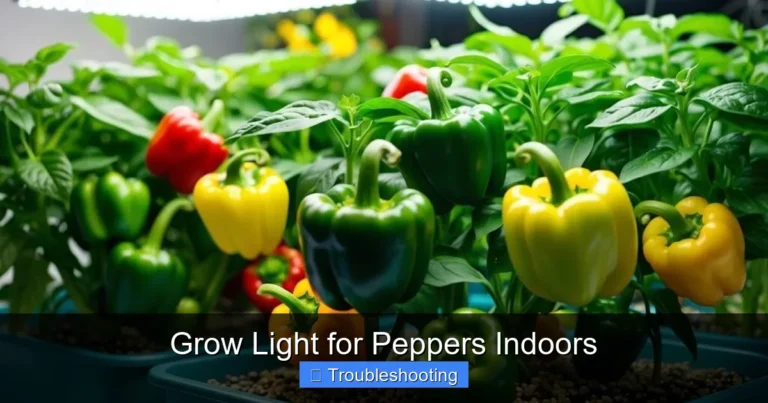
Adjustable Grow Lights for String Bean Plant Indoor
Adjustable grow lights for string bean plant indoor growing provide the precise spectrum and intensity these climbers need to thrive year-round. With the right setup, you can enjoy fresh, crisp string beans even in the dead of winter.
Key Takeaways
- Full spectrum LED lights work best: They mimic natural sunlight and support all growth stages from seedling to harvest.
- Adjustability is crucial: String beans grow fast; you must raise lights regularly to prevent burning and stretching.
- 14 to 16 hours of light daily: This photoperiod mirrors summer days and drives vigorous vegetative growth and pod production.
- Keep lights 12 to 18 inches above plants: This distance balances intensity and coverage for healthy, compact growth.
- Watch for light stress signs: Bleached leaves mean too close; leggy stems mean too far or too weak.
- Use timers for consistency: Automated schedules prevent human error and ensure plants get reliable rest periods.
- Combine with good airflow and feeding: Lights alone won’t save plants from poor air circulation or nutrient deficits.
Quick Answers to Common Questions
How far should grow lights be from string bean plants?
Keep adjustable grow lights for string bean plant indoor setups 12 to 18 inches above the canopy. Start higher for seedlings, lower as plants mature and tolerate more intensity.
How many hours of light do indoor string beans need?
Provide 14 to 16 hours of light daily during vegetative growth. Reduce to 12 to 14 hours once flowering begins to support pod development.
Can I use regular LED shop lights for string beans?
Shop lights lack the red spectrum needed for flowering and fruiting. Full spectrum grow lights with 660nm red output perform far better for bean production.
Why are my indoor string bean seedlings leggy and falling over?
Leggy seedlings indicate insufficient light intensity or duration. Lower lights closer, increase daily hours to 16 to 18, and add side reflection to boost coverage.
Do string beans need pollination help indoors?
Yes. Without bees, you must hand pollinate. Gently shake plants each evening or use a small brush to transfer pollen between flowers for reliable pod set.
📑 Table of Contents
- Why String Beans Need Special Light Attention Indoors
- Choosing the Right Adjustable Grow Light System
- Setting Up Your Indoor Bean Light Station
- Light Schedules and Intensity Management
- Troubleshooting Common Light Related Issues
- Advanced Tips for Maximum Yields
- Maintaining Your Grow Light System
- Conclusion
Why String Beans Need Special Light Attention Indoors
Growing string beans inside feels rewarding. You get fresh pods without a yard. But light makes or breaks the crop. These plants evolved under full sun. They expect intense, direct rays for hours each day. A sunny windowsill rarely delivers enough. Even south-facing glass filters out vital wavelengths. Winter days cut duration too short. That is where adjustable grow lights for string bean plant indoor setups shine. They give you control. You decide intensity. You decide duration. You decide distance. That control translates to stocky stems, deep green leaves, and heavy yields.
Beans are photoperiod sensitive. They flower based on day length. Most varieties want long days. Indoors, you become the sun. You set the schedule. A timer makes this effortless. Consistency matters more than perfection. Missed days confuse plants. Erratic hours stall growth. Adjustable grow lights for string bean plant indoor gardens let you mimic summer at the flip of a switch. The result? Plants that think it is July in January. They grow fast. They flower early. They pod heavily. You eat fresh beans while snow falls outside.
Choosing the Right Adjustable Grow Light System
LED vs Fluorescent vs HID
LEDs dominate the market now. They run cool. They sip electricity. They last years. Full spectrum models cover blue for leaves and red for flowers. Some add far red and UV for extra vigor. Fluorescents like T5s work for seedlings but lack punch for fruiting. HIDs blast light but generate massive heat. That heat forces you to hang lights higher. Higher means less intensity at leaf level. LEDs win on efficiency and control. Look for dimmable drivers. That feature lets you dial intensity without moving the fixture. It saves time and prevents root shock from sudden changes.
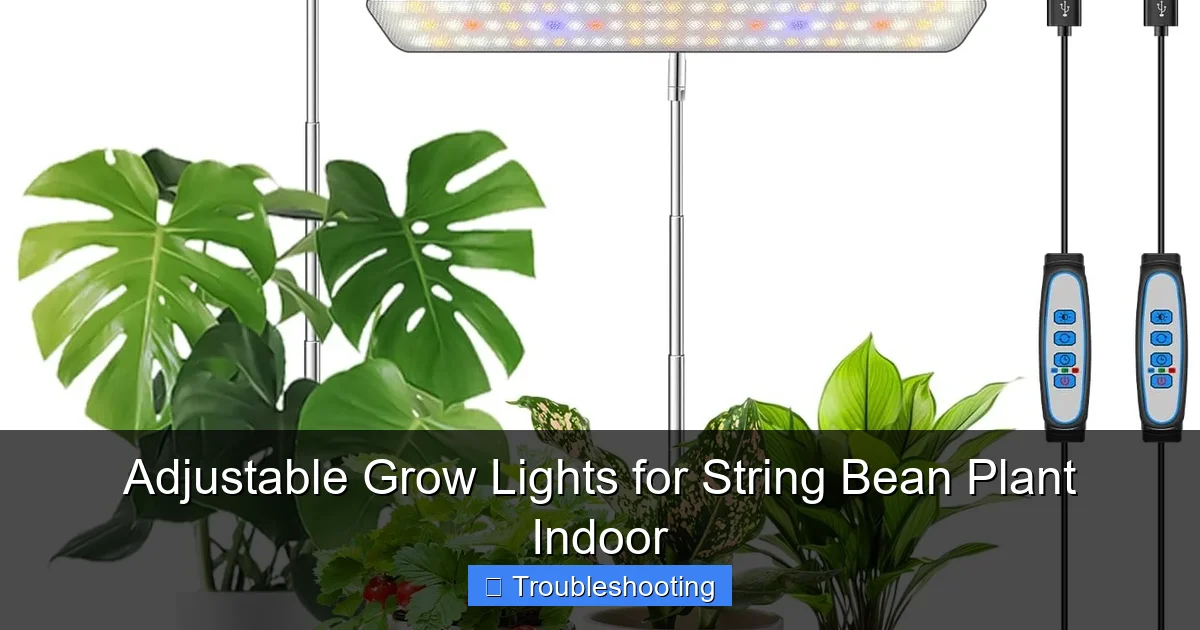
Visual guide about Adjustable Grow Lights for String Bean Plant Indoor
Image source: m.media-amazon.com
Key Specs to Compare
Check PPFD. That measures photons hitting the canopy. String beans want 300 to 600 µmol/m²/s during veg. Flowering pushes toward 600 to 900. Coverage area matters too. A 2×2 foot light covers four bush beans or two pole beans on a trellis. Wattage alone misleads. A 100 watt LED can outshine a 200 watt cheap panel. Read independent tests. Watch for spectrum graphs. Peaks at 450nm blue and 660nm red signal quality. Adjustable grow lights for string bean plant indoor use should list these numbers proudly. If they hide specs, skip them.
Form Factor: Panel, Bar, or Bulb
Panels spread light evenly. Bars let you customize layout. Bulbs fit standard sockets but cover less area. For a few pots, a 30 watt full spectrum bulb works. For a row of containers, a 2×2 panel or two 4-foot bars perform better. Adjustable hangers come with most panels. Ratchet hangers or rope ratchets make height changes painless. You will adjust weekly. Easy adjustment means you actually do it. Neglect leads to stretched or scorched plants. Invest in good hangers. They cost little and save crops.
Setting Up Your Indoor Bean Light Station
Space Planning and Layout
Measure your grow area. Allow 12 inches between bush bean plants. Pole beans need 6 inches but vertical space for trellising. Lights should cover the whole footprint with even overlap. Edge plants get less light. Rotate pots weekly to even things out. Reflective walls boost efficiency. Mylar, white paint, or even emergency blankets bounce photons back. A 4×4 tent with a 300 watt panel handles eight bush beans comfortably. Adjustable grow lights for string bean plant indoor tents often include hanging bars. Use them. They keep fixtures level and secure.
Electrical Safety and Timers
Plug lights into a surge protector. Use a heavy duty timer rated for the wattage. Mechanical timers click loud. Digital ones run silent. Both work. Set 14 hours on, 10 off for veg. Switch to 12 on, 12 off if flowers stall. Never daisy chain power strips. That risks fire. Run cords away from water. Drip trays catch runoff. Keep outlets high. Label plugs. You will thank yourself at 3 AM when something trips. A dedicated circuit is ideal for larger setups. It prevents breaker trips when the fridge kicks on.
Mounting and Height Adjustment
Start lights 18 inches above seedlings. Lower to 14 inches once true leaves appear. Mature plants tolerate 12 inches if temps stay under 80°F. Check daily. Beans grow inches overnight. Ratchet hangers adjust in seconds. Mark the ropes with tape at ideal heights. That visual cue speeds weekly checks. Keep fixtures level. Tilted lights create hot spots. Uneven growth follows. Adjustable grow lights for string bean plant indoor rigs with built-in levels simplify this. If yours lacks one, stick a small bubble level on the frame.
Light Schedules and Intensity Management
Seedling Stage: Gentle Start
New sprouts need less intensity. 200 to 300 µmol/m²/s prevents stress. Run 16 hours on. Dim the driver to 50% if possible. Or raise lights to 24 inches. Watch for cotyledons lying flat. That signals happiness. Upturned edges mean too much light. Purple stems often indicate cold, not light. But if purple comes with stunting, lower intensity. Seedlings stretch fast in low light. Keep them stocky. Stocky stems support heavy pods later. Adjustable grow lights for string bean plant indoor seedling trays make this easy. Dim. Raise. Observe. Repeat.
Vegetative Stage: Full Power Growth
At three weeks, crank intensity. Target 400 to 600 µmol/m²/s. Lower lights to 14 to 16 inches. Run 14 to 16 hours. Plants explode upward. Train pole beans onto trellis now. Bush beans branch heavily. Remove any flowers before week five. Early pods drain energy from root and leaf development. Pinch them off. It feels wrong but pays off. More leaves mean more sugar factories. More sugar means sweeter, larger harvests. Adjustable grow lights for string bean plant indoor veg rooms should run cool. If leaves curl under, raise lights two inches. Check again tomorrow.
Flowering and Pod Set: Steady Consistency
Flowers appear around week six to eight. Hold 12 to 14 hour days. Intensity at 600 to 800 µmol/m²/s. Distance 12 to 14 inches. Pollination becomes the bottleneck. Outdoors, bees do it. Indoors, you do it. Shake plants gently each evening. Or use a small brush to move pollen. Do this daily for a week. Pods form fast after successful pollination. Keep lights steady. Changes now cause blossom drop. Adjustable grow lights for string bean plant indoor flowering need reliability more than finesse. Set the timer. Walk away. Let the plant work.
Troubleshooting Common Light Related Issues
Leggy, Pale Seedlings
Classic low light symptom. Stems stretch toward source. Internodes elongate. Leaves stay small and pale green. Fix: lower lights immediately. Increase duration to 18 hours temporarily. Add a second fixture if one cannot cover. Reflect side walls. Rotate trays daily. Adjustable grow lights for string bean plant indoor setups with dimmers let you boost output without heat. Leggy seedlings never fully recover. But they can still produce if corrected early. Bury stems deeper at transplant. Adventitious roots form. Stability improves.
Bleached or Crispy Leaf Tips
Light burn. Tips turn white then brown. Edges curl up like tacos. Happens when lights sit too close or run too hot. High intensity without CO2 supplementation overwhelms photosynthesis. Fix: raise lights four inches instantly. Check leaf temperature with infrared thermometer. Over 85°F at canopy means trouble. Increase airflow. Oscillating fans move boundary layers. Transpiration cools leaves. Adjustable grow lights for string bean plant indoor gardens with passive cooling run hotter. Active fans on fixtures help. Dim drivers 20% if height maxed out.
Flower Drop and Poor Pod Set
Flowers form but fall off. Or pods start then shrivel. Light stress, heat stress, or pollination failure. Check canopy temp first. Over 85°F kills pollen. Humidity under 40% dries stigmas. Over 80% promotes fungus. Aim 60 to 70%. Shake plants at dusk. Pollen releases in evening naturally. Manual pollination ensures set. Light spectrum matters too. Too much blue, not enough red delays flowering. Some adjustable grow lights for string bean plant indoor units let you tune spectrum. Add far red at end of day to simulate dusk. It triggers flowering hormones.
Uneven Growth Across Canopy
Center plants bushy. Edge plants lean and stretch. Light map shows drop off at edges. Fix: add side lighting. Vertical bars on tent walls fill gaps. Or rotate plants every three days. Mark pot positions. Consistent rotation evens exposure. Reflective floor helps too. White plastic or foil bounces light up. Adjustable grow lights for string bean plant indoor tents benefit from floor reflection. It adds 10 to 15% usable photons. Cheap upgrade. Big impact.
Advanced Tips for Maximum Yields
Supplemental Side Lighting
Top light misses lower leaves. Lower leaves yellow and drop. Side bars keep them green. Green leaves feed roots. Roots feed pods. Install 20 watt bars vertically at canopy height. Run same timer. They sip power. They add depth. Adjustable grow lights for string bean plant indoor vertical farms use this trick. It turns a single layer into a 3D canopy. More photosynthesis per square foot. More beans per watt.
End of Day Far Red Treatment
Far red (730nm) at lights out mimics twilight. It signals night length. Phytochrome flips to inactive form. Plant “knows” night arrived. This can accelerate flowering by days. Some fixtures include far red channel. Run 15 minutes after main lights off. Or buy a small far red bar. Timer it separately. Adjustable grow lights for string bean plant indoor flowering tents with this feature show earlier pod set. Not magic. But measurable.
CO2 Enrichment Pairing
High light plus CO2 unlocks growth. Ambient 400 ppm limits photosynthesis at 600+ µmol. Raise to 1000 to 1200 ppm. Plants use extra light. They grow 30% faster. Requires sealed room. CO2 generator or tank with controller. Fans off during enrichment. Safety first. CO2 displaces oxygen. Never enter enriched room without alarm. Adjustable grow lights for string bean plant indoor sealed rooms with CO2 produce restaurant grade yields. Overkill for hobbyists. But an option for serious growers.
Pruning and Training Under Lights
Top bush beans at 12 inches. Forces side branches. More branches, more flowers, more pods. Pole beans: pinch tip when it hits trellis top. Redirects energy to laterals. Remove leaves shading pods. Light on pods speeds maturity. But do not strip heavily. Leaves power the plant. Adjustable grow lights for string bean plant indoor canopies stay productive with light pruning. Weekly walk through. Snip. Train. Observe. Small actions compound.
Maintaining Your Grow Light System
Cleaning and Dust Management
Dust cuts output 10 to 20%. Wipe lenses monthly. Microfiber cloth. Isopropyl alcohol if sticky. Unplug first. Let dry before power on. Fans suck dust. Clean heatsinks with compressed air. Clogged fans overheat drivers. Overheated drivers fail. Adjustable grow lights for string bean plant indoor units with passive cooling need dust free fins. Check quarterly. A clean light is a bright light.
Driver and Diode Longevity
Quality LEDs last 50,000 hours. Cheap ones fade at 15,000. Spectrum shifts red. Blue dies first. Plants notice. You notice slower growth. Track hours. Replace panels proactively. Drivers fail from heat. Mount them outside tent if possible. Remote drivers run cooler. They last longer. Adjustable grow lights for string bean plant indoor kits with remote drivers cost more upfront. They save replacement costs. Do the math.
Upgrading and Expanding
Start small. Learn. Then scale. Add bars. Upgrade panels. Daisy chain dimmers. Many brands share control protocol. One knob dims ten lights. Plan wiring early. Leave slack. Label everything. Future you will bless present you. Adjustable grow lights for string bean plant indoor systems that play nice together protect investment. Proprietary connectors lock you in. Avoid them.
Conclusion
Adjustable grow lights for string bean plant indoor growing change the game. They turn spare corners into bean factories. The learning curve exists but stays gentle. Start with a decent full spectrum LED. Hang it on ratchets. Plug into a timer. Plant seeds. Watch. Adjust. Repeat. Your first harvest teaches more than any article. But this guide gives you a head start. You know the distances. You know the schedules. You know the warning signs. You know the fixes.
Remember: beans want to produce. They evolved to make seeds fast. Give them light that feels like summer. Give them consistency. Give them a little attention each week. They will reward you with crisp, sweet pods that taste like sunshine. Even in February. Especially in February. That first bite of a homegrown string bean in winter? Pure magic. You grew that. With light you controlled. That feeling never gets old.
Now go set up your lights. Plant those seeds. Join the indoor bean club. We save seats at the harvest table.
Frequently Asked Questions
What is the best color spectrum for growing string beans indoors?
Full spectrum white light with enhanced red (660nm) and blue (450nm) peaks works best. The blue drives leafy growth while red triggers flowering and pod development. Avoid “blurple” lights lacking green and far red wavelengths.
Can I grow string beans year round with grow lights?
Absolutely. With adjustable grow lights for string bean plant indoor setups, you control the season. Maintain 14+ hour days and 70 to 80°F temperatures for continuous harvests every 50 to 60 days from planting.
How much electricity do grow lights for string beans use?
A 200 to 300 watt LED panel running 14 hours daily uses roughly 84 to 126 kWh monthly. At $0.15 per kWh, that is $13 to $19 per month. Efficient LEDs deliver more usable light per watt than older technologies.
Should I dim my grow lights or raise them higher?
Dimming maintains coverage while reducing intensity. Raising lights reduces intensity but also shrinks coverage area. For string beans, dimming is preferred during early stages; raise lights only when at maximum height.
What causes white spots on string bean leaves under grow lights?
White or bleached spots indicate light burn from excessive intensity or proximity. Raise lights 4 to 6 inches immediately. Increase airflow to cool leaf surfaces. Damaged leaves will not recover but new growth will be healthy.
Can I grow pole beans and bush beans under the same light?
Yes, but manage heights differently. Pole beans need vertical trellising and will grow into the light zone faster. Bush beans stay low. Position pole beans at edges, bush beans center. Adjust light height for the tallest plants.