Essential Brass for Haworthia Cooperi Health
Brass is not essential for Haworthia cooperi health. This succulent thrives on well-draining soil, bright indirect light, and careful watering. Focus on proper potting mix, airflow, and pest prevention for a healthy plant.
If you have been searching for information on essential brass for Haworthia cooperi health, you might have stumbled upon a confusing topic. Let us clear the air right away. Brass is a metal alloy made of copper and zinc. It is not a fertilizer. It is not a soil amendment. And it is definitely not a required nutrient for your succulent. You do not need brass shavings, brass pots, or brass tools to keep your Haworthia cooperi alive.
So why does this search term exist? It could be a typo for “base” as in potting base. It might be a misunderstanding of “brassica” (a plant family totally unrelated to succulents). Or perhaps someone once suggested a brass planter for aesthetic reasons. Whatever the origin, the truth is simple. Your Haworthia cooperi needs the basics done right. It needs the right soil, the right light, the right water schedule, and the right pot. That is the real secret. This guide covers everything that actually matters for troubleshooting and growing a stunning, window-leaved Haworthia cooperi.
Key Takeaways
- Brass is not a nutrient: Haworthia cooperi does not require brass (copper-zinc alloy) for growth or health.
- Soil drainage is critical: Use a gritty, fast-draining mix to prevent root rot, the number one killer of this species.
- Light needs are specific: Bright, indirect light or morning sun is best; harsh afternoon sun causes leaf scorch.
- Water deeply but infrequently: Allow the soil to dry completely between waterings to mimic natural arid conditions.
- Airflow prevents disease: Good ventilation reduces fungal issues and helps soil dry evenly.
- Pots matter more than metal: Choose terracotta or ceramic with drainage holes over decorative brass cachepots without drainage.
- Observe and adjust: Leaf transparency, shriveling, or color changes signal specific care adjustments needed.
Quick Answers to Common Questions
Does Haworthia cooperi need brass to grow?
No. Brass is a metal alloy and provides no nutritional value to plants. Haworthia cooperi needs well-draining soil, proper light, and correct watering.
Can I use a brass decorative pot for my Haworthia?
Only as a cachepot (outer sleeve). The plant must be in a pot with drainage holes inside. Never plant directly in a non-draining brass container.
What is the best soil mix for Haworthia cooperi?
A mix of 1 part organic matter (coco coir) to 2 parts inorganic grit (pumice, perlite, or coarse sand) provides the fast drainage this succulent requires.
Why are my Haworthia leaves turning translucent and mushy?
This is a sign of overwatering and root rot. Stop watering, unpot the plant, remove rotten roots, let it callous, and repot in dry, gritty soil.
How often should I water Haworthia cooperi?
Water only when the soil is completely dry. Check with a wooden skewer. Frequency varies by season, light, and pot size—never water on a fixed schedule.
📑 Table of Contents
- Understanding Haworthia Cooperi Basics
- The Soil Foundation: Drainage Is Everything
- Light Requirements: Finding The Sweet Spot
- Watering Mastery: The Soak And Dry Method
- Potting And Containers: Function Over Fashion
- Troubleshooting Common Problems
- Fertilizing: Less Is More
- Propagation: Growing Your Collection
- Seasonal Care Calendar
- Advanced Tips For Show-Quality Plants
- Conclusion
Understanding Haworthia Cooperi Basics
What Makes This Succulent Special
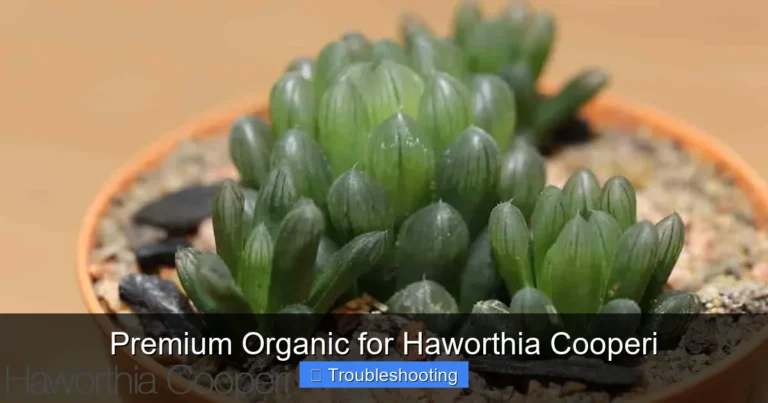
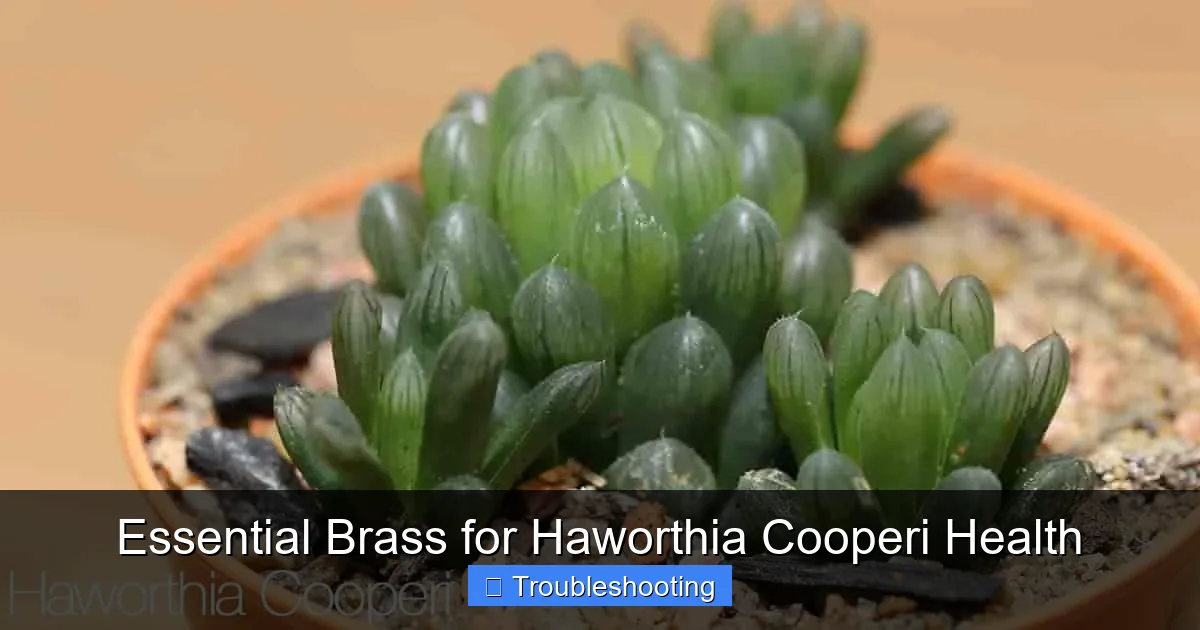
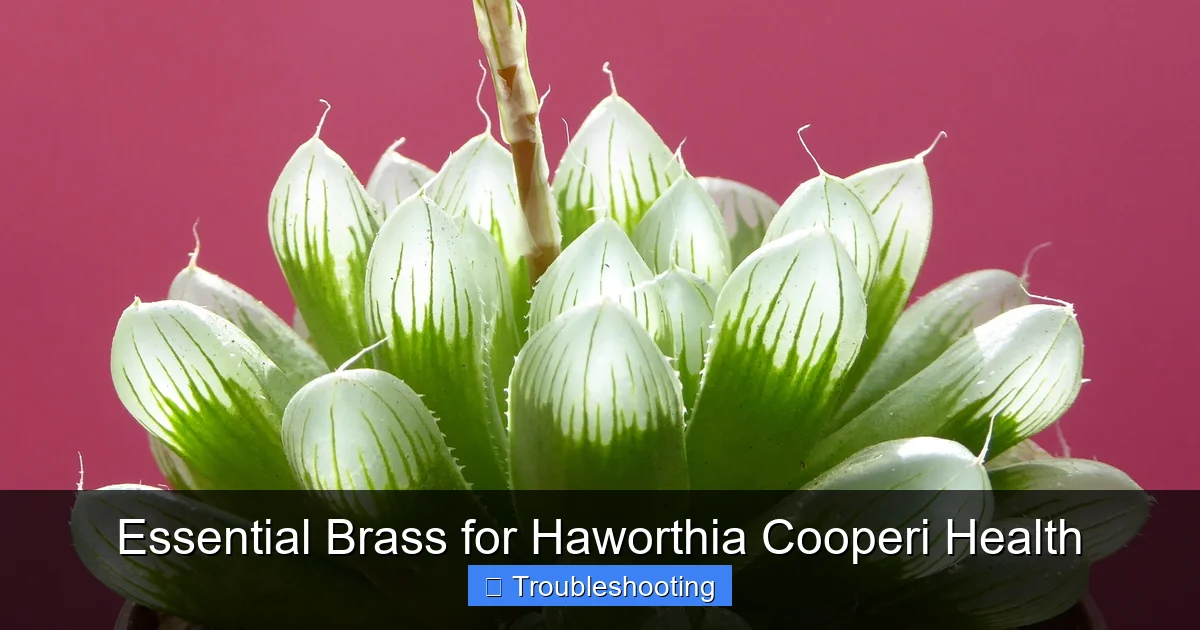
Haworthia cooperi is a small, rosette-forming succulent native to South Africa. It is famous for its translucent, fleshy leaf tips. These “windows” allow sunlight to penetrate deep into the leaf tissue for photosynthesis. In nature, they grow partially buried in sand with only the tips exposed. This adaptation protects them from intense sun and herbivores. Understanding this natural habitat is the key to success. You are not growing a typical houseplant. You are growing a desert survivor that hates wet feet.
Common Varieties You Might Own
There are several varieties often sold under the cooperi name. Haworthia cooperi var. truncata has flat, truncated leaf tips. Haworthia cooperi var. picturata shows distinct green lines on the windows. Haworthia cooperi var. venusta is smaller with tighter rosettes. Care requirements are nearly identical for all. They all want the same thing. Sharp drainage. Bright shade. Minimal water.
The Soil Foundation: Drainage Is Everything
Why Standard Potting Soil Fails
Walk into any garden center and you will see bags of “cactus soil.” Do not trust them blindly. Most commercial cactus mixes are still too organic. They contain peat moss, compost, or forest products. These materials hold water. For Haworthia cooperi, water retention is a death sentence. The roots are fine and fragile. They rot quickly in soggy conditions. You need a mix that mimics the gritty, mineral soils of the Eastern Cape.
Visual guide about Essential Brass for Haworthia Cooperi Health
Image source: plantcaretoday.com
Building The Perfect Gritty Mix
Make your own mix. It is cheaper and better. A classic recipe is one part organic matter to two parts inorganic grit. For the organic part, use coconut coir or a very small amount of peat-based potting soil. For the inorganic part, use pumice, perlite, coarse sand (not play sand), chicken grit, or calcined clay (like Turface or Oil-Dri). Pumice is the gold standard. It holds a tiny bit of moisture but drains instantly. It also adds weight to keep light pots upright. Aim for a mix that dries completely in two to three days indoors.
Testing Your Drainage
Water your freshly potted plant. Watch the water exit the bottom. It should flow freely within seconds. If it pools on top or drips slowly, your mix is too dense. Add more grit. Repot if necessary. This single step prevents ninety percent of Haworthia problems. No amount of brass, copper, or magic tonic fixes bad soil.
Light Requirements: Finding The Sweet Spot
Decoding “Bright Indirect Light”
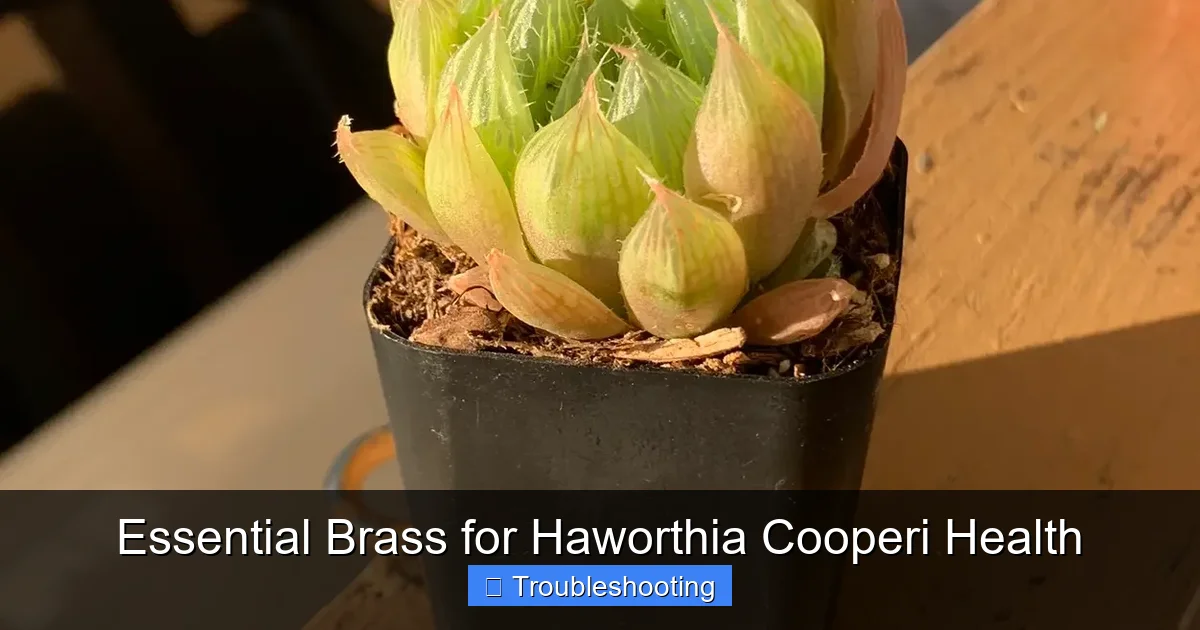
Plant labels love this phrase. For Haworthia cooperi, it means a few specific things. An east-facing window is usually perfect. You get gentle morning sun and bright shade the rest of the day. A south or west window works if you diffuse the light with a sheer curtain. Or pull the plant back a few feet. Direct, hot afternoon sun through glass will cook the leaves. You will see brown, crispy patches or a bleached, white look on the windows. That damage is permanent.
Visual guide about Essential Brass for Haworthia Cooperi Health
Image source: i.pinimg.com
Signs Of Too Little Light
Etiolation is the technical term. The plant stretches. The rosette opens up. Leaves become long, thin, and pale. The space between leaves increases. The plant looks “leggy.” It is desperately reaching for photons. If this happens, increase light gradually. Do not shock it with sudden full sun. Move it closer to the window over a week or two. A grow light is a great backup. A 30-watt full-spectrum LED panel twelve inches above the plant for twelve hours a day works wonders in dark apartments.
The Stress Color Sweet Spot
Some growers like “sun stress” colors. Pink, red, or purple hues appear on leaf edges with higher light. This is a protective pigment (anthocyanin). It is not bad if introduced slowly. But Haworthia cooperi windows can burn easily. If you want color, push light to the very edge of tolerance. Watch closely. The moment you see white patches, pull back. Healthy green growth is better than colorful dead tissue.
Watering Mastery: The Soak And Dry Method
Forget The Calendar
Watering on a schedule (e.g., “every Friday”) kills succulents. The drying time depends on your soil, pot, humidity, temperature, and light. In summer, your mix might dry in two days. In winter, it might take three weeks. You must check the soil. Use a wooden skewer or chopstick. Push it to the bottom of the pot. Pull it out. If it is cool or damp, wait. If it is bone dry, water. It is that simple.
How To Water Correctly
When the soil is dry, water thoroughly. Pour water evenly over the soil surface until it streams out the drainage holes. This ensures the entire root ball is moistened. It also flushes accumulated salts. Do not mist. Misting encourages shallow roots and fungal spots on the leaves. Do not use a spray bottle. Use a watering can with a narrow spout. Avoid getting water in the crown (center of the rosette). Standing water in the crown leads to rot.
Seasonal Adjustments
Haworthia cooperi grows actively in spring and fall. It slows down in peak summer heat and winter cold. Water more frequently during active growth. Water significantly less during dormancy. In winter, if your indoor temps are below 60°F (15°C), water maybe once a month. Just enough to keep roots from desiccating. The leaves will feel slightly soft when thirsty. Firm, plump leaves mean the plant is hydrated.
Potting And Containers: Function Over Fashion
The Case For Terracotta
Unglazed terracotta is the best pot material. It is porous. It wicks moisture out of the soil walls. This increases airflow to the roots. It speeds up drying. It prevents the “perched water table” at the bottom of the pot. Plastic and glazed ceramic hold water longer. If you use them, you must be extra careful with watering and soil mix. Brass cachepots (decorative outer pots with no holes) are a trap. They look nice but hold stagnant water. If you use a cachepot, remove the inner pot to water. Let it drain completely before putting it back. Never let the plant sit in runoff.
Size Matters: Don’t Overpot
Haworthia cooperi has a shallow, spreading root system. It does not need a deep pot. A wide, shallow bowl (azalea pot or bonsai pot) is ideal. The pot should be only slightly wider than the rosette. Maybe one inch of extra space on each side. A huge pot holds too much soil. That soil stays wet too long. Root rot follows. Repot every two to three years in spring. Refresh the soil. Check roots. Trim any dead, mushy, or hollow roots with sterile scissors.
Top Dressing: Pretty And Practical
A layer of decorative gravel, pumice, or crushed granite on the soil surface helps. It keeps the lower leaves off wet soil. It prevents perlite from floating away when watering. It looks clean. It deters fungus gnats. Avoid moss or organic mulches. They hold moisture against the stem. That is a rot risk.
Troubleshooting Common Problems
Translucent, Mushy Leaves: The Rot Alarm
You touch a leaf. It feels like a water balloon. It looks glassy and translucent (not the normal window). It might smell faintly funky. This is early rot. Stop watering immediately. Unpot the plant. Remove all wet soil. Inspect roots. Cut away anything brown, black, or mushy. Let the plant sit bare-root in bright shade with good airflow for three to five days. Let the wounds callous. Repot into dry, fresh gritty mix. Do not water for another week. This “emergency surgery” often saves the plant.
Shriveled, Wrinkled Leaves: Thirst Or Root Loss
Leaves look like deflated balloons. They are limp and wrinkled. First, check the soil. Bone dry? Water thoroughly. It should plump up in twenty-four hours. If the soil is wet but leaves are shriveled, you have root rot. The roots are dead and cannot take up water. Follow the rot protocol above. Do not water a shriveled plant in wet soil. That finishes it off.
Brown, Crispy Leaf Tips: Sunburn Or Salt Burn
Crispy tips on the windowed ends usually mean too much direct sun. Move to shadier spot. If the plant is in good light but you fertilize heavily, it could be fertilizer salt burn. Haworthia are light feeders. Flush the soil with three pot volumes of water. Let drain completely. Hold off on fertilizer for months.
White Cottony Pests: Mealybugs
Look deep in the leaf axils (where leaf meets stem). White fluff? Mealybugs. They suck sap and spread fast. Isolate the plant immediately. Dab visible bugs with a cotton swab dipped in 70% isopropyl alcohol. Spray the whole plant with insecticidal soap or neem oil weekly for three weeks. Systemic granules (imidacloprid) work for severe infestations but use as a last resort. Check neighboring plants.
Fungus Gnats: Annoying But Manageable
Tiny black flies hovering over soil. Larvae eat organic matter and sometimes root hairs. They love wet, peaty soil. Your gritty mix prevents them. If you have them, let soil dry deeper. Use yellow sticky traps for adults. Mosquito bits (Bacillus thuringiensis israelensis) in the water kill larvae. Top dressing with sand or grit stops them from laying eggs.
Fertilizing: Less Is More
Do You Even Need Fertilizer
If you repot annually or biennially with fresh mix, you barely need fertilizer. The fresh soil has nutrients. If you keep a plant years in the same pot, a light feed helps. Use a balanced liquid fertilizer (10-10-10 or 20-20-20) diluted to one-quarter strength. Or use a dedicated cactus fertilizer. Apply once in spring and once in early fall. That is it. Never fertilize a dormant, stressed, or newly repotted plant. Never fertilize dry soil. Water first, then fertilize next time.
Micronutrients And The Brass Confusion
Copper and zinc are essential micronutrients for plants. Brass contains both. But brass metal is insoluble. Plants cannot absorb nutrients from a solid brass pot or brass wire. They need ions in solution. Quality fertilizers include chelated micronutrients. That is the bioavailable form. So while copper and zinc are essential, brass the metal is irrelevant. Do not put copper pennies or brass shavings in the soil. It does nothing. It might even cause toxicity if the metal corrodes in acidic soil.
Propagation: Growing Your Collection
Offsets (Pups): The Easy Way
Mature Haworthia cooperi produce offsets around the base. Wait until the pup has its own roots (visible at the base). Gently unpot the mother. Tease the pup away. Use a clean knife if they are tightly joined. Let both dry for a day. Pot the pup in its own small pot with gritty mix. Water sparingly until established. This is the fastest, most reliable method.
Leaf Propagation: Possible But Slow
You can propagate from leaves. Gently twist a healthy leaf off the stem. Get the whole base. No tear. Let it callous for three to five days in shade. Lay it on moist (not wet) gritty mix. Mist lightly every few days. Roots and a tiny rosette may form in months. Success rate is lower than offsets. It is a fun experiment, not a production method.
Seed: For The Patient Hobbyist
Seed requires hand pollination between two genetically different plants. Seed pods take months to ripen. Sow on sterile, fine mix. High humidity. Bright light. Germination in weeks. Seedlings take years to mature. It is rewarding but not for beginners.
Seasonal Care Calendar
Spring: The Growth Sprint
Days lengthen. Temps rise. Growth accelerates. Increase watering frequency. Start fertilizing (light dose). Repot if needed. Watch for mealybugs waking up. This is the best time for propagation.
Summer: The Siesta
High heat (above 90°F / 32°C) triggers semi-dormancy. Growth stops. Water less. The plant uses stored water. Keep cool if possible. Protect from intense sun. Good airflow prevents fungal issues in humidity.
Fall: The Second Wind
Cooler temps. Growth resumes. Water a bit more. Last fertilizer application early fall. Prepare for winter. Bring outdoor plants in before frost.
Winter: The Rest
Low light. Cool temps. Minimal water. Maybe once a month. No fertilizer. Keep above freezing (40°F / 4°C minimum). Brightest window you have. Accept some etiolation; fix in spring.
Advanced Tips For Show-Quality Plants
Growing “Fat” Leaves
Plump, round leaves come from consistent care. No extreme wet-dry cycles. Steady moisture (but never wet) during growth. High light without burn. Good root health. A slightly restricted pot encourages the plant to store water in leaves rather than make new roots.
Perfecting The Windows
The translucent tips are the hallmark. They develop best under high, diffuse light. Think bright shade under a shade cloth (40-50%) outdoors. Or a sheer curtain indoors. Direct sun makes the windows smaller and thicker (protective). Low light makes leaves stretch and windows less distinct.
Clumping vs. Solitary
Some varieties clump vigorously. Others stay solitary. You can encourage clumping by not separating pups. Or by “beheading” (cutting the top off) a mature plant to force basal offsets. Beheading is risky for beginners. Let nature take its course first.
Conclusion
There you have it. The complete guide to Haworthia cooperi health. Notice what was missing? Brass. No brass pots. No brass supplements. No brass tools. The “essential brass” is a myth. The essentials are real. Gritty soil. Bright indirect light. Thorough but infrequent water. Breathable pots. Sharp observation. That is the formula. It is not complicated. It is just specific.
Your Haworthia cooperi wants to live. It is programmed to survive harsh conditions. Your job is to not kill it with kindness. Kindness looks like daily watering. Kindness looks like rich, dark soil. Kindness looks like a pretty brass cachepot with no holes. Real care looks like restraint. It looks like lifting the pot to feel the weight. It looks like checking the skewer. It looks like moving the plant when the seasons change.
Start with the soil. Fix that, and you have solved eighty percent of future problems. Then dial in your light. Then master the watering rhythm. Troubleshoot issues early. Mealybugs caught early are easy. Rot caught early is survivable. A plant in the wrong soil for a year is often a loss.
Enjoy the process. These little living jewels are fascinating. The windows catch light like gems. The geometry is satisfying. They ask for little and give much. Forget the brass. Focus on the basics. Your Haworthia cooperi will thank you with years of quiet, architectural beauty.
Frequently Asked Questions
Is copper from brass beneficial for Haworthia cooperi?
Copper is an essential micronutrient, but plants cannot absorb it from solid brass metal. Brass is insoluble in soil. Use a complete fertilizer with chelated micronutrients instead.
Can I put brass shavings in the soil for drainage?
No. Brass shavings do not improve drainage and may corrode, potentially releasing excessive zinc or copper ions that could harm sensitive succulent roots over time.
What causes the leaf windows on Haworthia cooperi to shrink?
Intense direct sunlight causes the plant to reduce window size as a protective measure. Move the plant to bright, indirect light to maintain large, clear windows.
How do I know if my Haworthia is getting enough light?
Compact growth with tight rosettes and distinct leaf windows indicates good light. Stretching (etiolation), pale color, and wide gaps between leaves mean it needs more light.
Should I mist my Haworthia cooperi?
No. Misting promotes fungal leaf spots and shallow root growth. Water thoroughly at the soil level only when the mix is completely dry.
When is the best time to repot Haworthia cooperi?
Spring is ideal, at the start of the active growing season. This allows damaged roots to heal quickly and the plant to establish in fresh soil before summer heat.