Flood for Oregano Under $30
Oregano hates wet feet. This guide shows you how to diagnose and fix flooding problems for under $30. Learn to spot root rot early, improve drainage with cheap materials, and prevent future water damage so your oregano thrives.
Key Takeaways
- Oregano needs sharp drainage: This Mediterranean herb rots quickly in standing water or heavy clay soil.
- Yellow leaves signal trouble: Wilting despite wet soil usually means root rot, not thirst.
- Perlite and sand are cheap fixes: A $5 bag of perlite mixed into soil dramatically improves drainage.
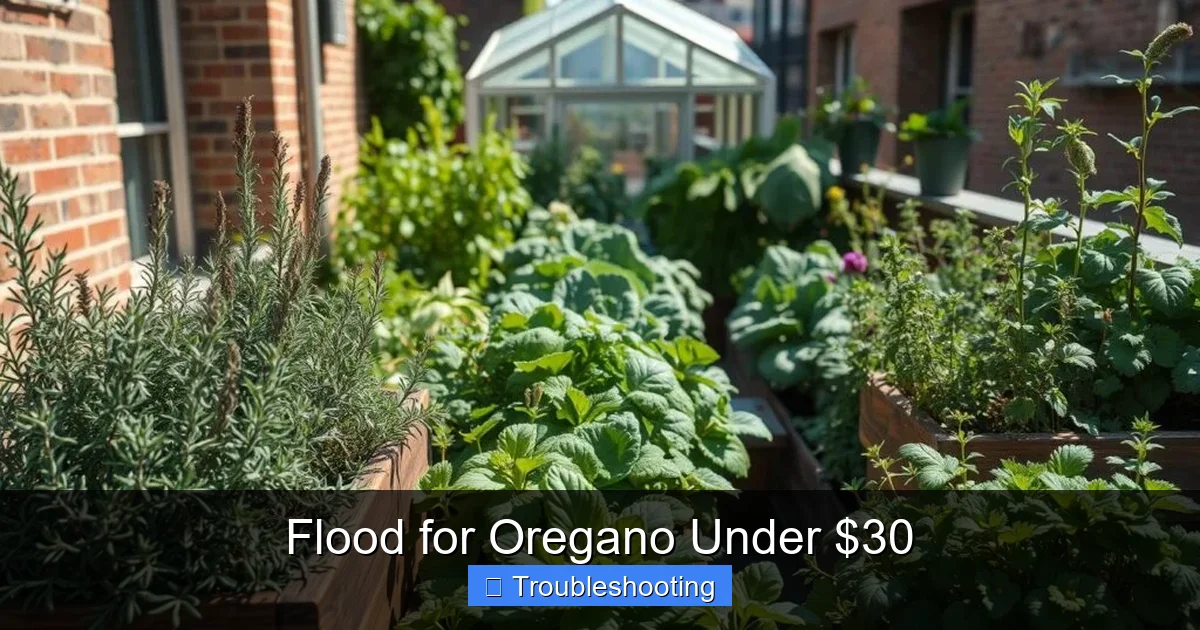
- Raised beds solve chronic flooding: Building a simple raised bed costs under $30 and keeps roots above soggy ground.
- Pot elevation prevents saucer flooding: Pot feet or pebbles under containers stop water from wicking back up.
- Mulch wisely: Gravel mulch sheds water; organic mulch holds it. Choose based on your climate.
- Prevention beats cure: Testing drainage before planting saves money and plants long-term.
Quick Answers to Common Questions
Can oregano recover from root rot?
Yes, if caught early. Remove rotted roots, repot in well-draining mix, trim top growth, and keep in bright shade while it regenerates. Success depends on how much healthy root remains.
What is the cheapest way to improve drainage in clay soil?
Mix coarse sand and compost into planting holes. A fifty-pound bag of builder’s sand costs four dollars and treats many plants. Avoid fine sand which worsens drainage.
Should I put rocks in the bottom of my oregano pot?
No. This creates a perched water table that keeps roots wetter. Use a perlite-heavy soil mix throughout the entire pot instead.
How often should I water oregano in summer?
Water only when the top inch of soil feels dry. This might be every two to three days in heat, weekly in mild weather. Always check before watering.
Can I grow oregano in a self-watering pot?
Not recommended. Self-watering pots keep soil constantly moist. Oregano needs drying cycles. Use a regular pot with drainage holes and water manually.
📑 Table of Contents
- Why Oregano Drowns So Easily
- Spotting Flood Damage Before It Kills
- Quick Fixes For Potted Oregano Under Ten Dollars
- Fixing Garden Bed Flooding For Under Thirty Dollars
- Soil Recipes That Drain Fast And Cost Little
- Watering Habits That Prevent Flooding
- Rescuing A Flooded Plant Step By Step
- Prevention Checklist For Every Season
- Tools And Materials Shopping List Under Thirty Dollars
- Common Mistakes That Waste Money
- Advanced Tips For Serious Growers
- Troubleshooting Quick Reference
- Conclusion
Why Oregano Drowns So Easily
Oregano comes from rocky hillsides around the Mediterranean. Those places get blasted by sun and baked by wind. Rain falls hard and fast, then drains away in minutes. The roots never sit in muck. That is the life oregano expects.
Most gardens do not work like that. Clay soil holds water like a sponge. Low spots collect runoff. Heavy rain turns beds into swamps. Even a saucer under a pot can keep soil soggy for days. Oregano has no defense against this. Its roots need air. Without air, they suffocate. Fungi move in. Rot follows. The plant dies from the bottom up.
The good news? You can fix almost any drainage problem for less than thirty dollars. You do not need fancy equipment. You need to understand how water moves and how to give it an exit route. This guide walks through every budget-friendly solution.
Spotting Flood Damage Before It Kills
The Yellow Leaf Trap
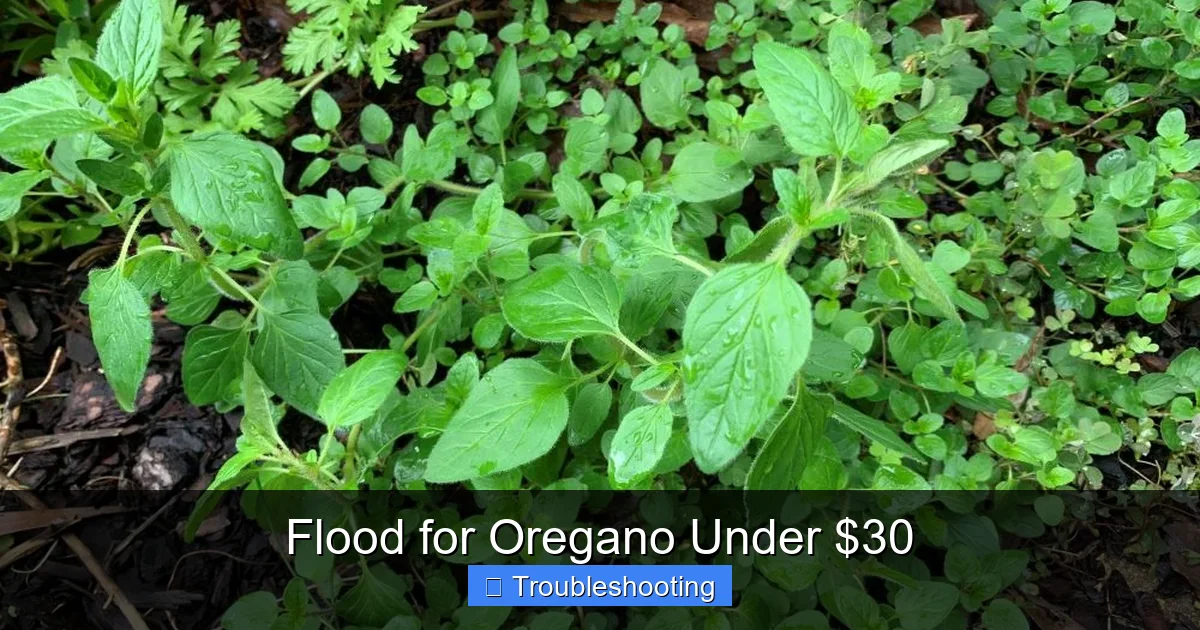
New growers see yellow leaves and reach for the watering can. Stop. Yellow leaves on oregano often mean too much water, not too little. The roots have rotted. They cannot take up water. The plant wilts because it cannot drink, even while drowning.
Visual guide about Flood for Oregano Under $30
Image source: ecofamilylife.com
Check the soil before you water. Stick your finger two inches deep. If it feels wet, do not water. If the pot feels heavy, the soil is saturated. Lift the plant gently. Brown, mushy roots confirm rot. Healthy roots are white and firm.
Stem Rot At The Soil Line
Look where the stem meets the soil. Dark, soft, or pinched tissue means stem rot. This fungus thrives in constant moisture. Once it girdles the stem, the top growth is cut off from the roots. The plant collapses suddenly. This happens fast in humid weather with poor airflow.
Fungus Gnats And Algae
Tiny black flies hovering over the soil? Fungus gnats. Their larvae eat decaying roots and fungi. They love wet soil. Green algae on the soil surface is another red flag. Both mean the top inch stays wet too long. Oregano needs the surface to dry between waterings.
The Smell Test
Healthy soil smells earthy. Rotting soil smells sour, swampy, or like old gym socks. That odor comes from anaerobic bacteria. They thrive without oxygen. If your pot or bed smells bad, the roots are already in trouble.
Quick Fixes For Potted Oregano Under Ten Dollars
Elevate The Pot Immediately
Most flooding in pots comes from the saucer. Water drains out, fills the saucer, then wicks back up into the soil. The bottom roots never dry. Fix this for pennies. Use three bottle caps, wine corks, or flat stones under the pot. Pot feet cost three dollars for a set. Any of these create an air gap. Water drains away. Air circulates underneath.
Visual guide about Flood for Oregano Under $30
Image source: worldofdentistry.org
Repot With Perlite Heavy Mix
Standard potting soil holds too much water for oregano. Buy a four-quart bag of perlite for five dollars. Mix one part perlite to two parts potting soil. For even better drainage, add one part coarse sand. The mix should feel gritty. Water should run through in seconds, not pool on top.
Do not use fine sand. It clogs pores. Look for builder’s sand or horticultural grit. A fifty-pound bag costs four dollars at a hardware store. You only need a cup or two. Share the rest with gardening friends.
Add A Drainage Layer
Old advice says put gravel in the bottom of pots. New science says this creates a perched water table. The soil holds water above the gravel layer. Roots rot anyway. Skip the gravel. Use the perlite mix throughout the whole pot. If the pot has no holes, drill three quarter-inch holes in the bottom. A cordless drill and bit cost nothing if you already own them.
Switch To Fabric Pots
Fabric pots air-prune roots and breathe from all sides. A three-gallon fabric pot costs three dollars. Water evaporates through the walls. The root zone stays oxygenated. Oregano loves them. They fold flat for storage. They last three to five seasons.
Fixing Garden Bed Flooding For Under Thirty Dollars
The Jar Test For Drainage
Before you spend a dime, test your soil. Dig a hole twelve inches wide and twelve inches deep. Fill with water. Let it drain. Fill again. Time how long it takes to empty. Under two hours is excellent. Two to six hours is okay. Over six hours means trouble. Over twenty-four hours means you have a clay bowl.
Amend The Planting Hole
If drainage is slow but not terrible, amend each planting hole. Dig twice as wide and deep as the root ball. Mix the native soil half-and-half with compost and perlite. A bag of compost costs four dollars. A bag of perlite costs five. That treats ten plants. Mound the amended soil slightly above grade. Plant high. The crown should sit a half-inch above the surrounding soil.
Build A Simple Raised Bed
Chronic flooding needs a raised bed. You can build a four-by-four-foot bed twelve inches high for under thirty dollars. Use three eight-foot untreated pine boards. Cut one in half for the ends. Screw corners with three-inch deck screws. Total wood cost: eighteen dollars. Fill with a mix of native soil, compost, and perlite. Bagged soil gets pricey. Instead, mix your own. Two cubic feet of compost, one cubic foot of perlite, and native soil from paths between beds.
Line the bottom with cardboard to smother grass. No landscape fabric needed. Cardboard rots in a season. Worms love it. The bed drains from the bottom and sides. Roots stay above the wet zone.
Install A French Drain Lite
A full French drain is overkill for herbs. Try a mini version. Dig a trench twelve inches deep and six inches wide along the uphill side of the bed. Fill with coarse gravel. A half-cubic-foot bag costs four dollars. Lay a perforated drain pipe on top if you have one. An old garden hose with holes drilled every six inches works too. Cover with more gravel. Fold landscape fabric over the top. Backfill with soil. Water hits the trench, drops into gravel, flows sideways away from roots.
Create A Berm Or Swale
If water flows across your bed from a slope, divert it. A berm is a low mound of soil. A swale is a shallow ditch. Both redirect surface water. Pile soil six inches high and twelve inches wide on the uphill side. Pack it firm. Plant grass or clover on top to hold it. Cost: zero dollars if you use soil from the property. A mattock or shovel does the work.
Soil Recipes That Drain Fast And Cost Little
The Classic Mediterranean Mix
One part native soil. One part coarse sand. One part compost. One part perlite. This mimics rocky hillsides. Sand and perlite create large pore spaces. Compost holds just enough moisture and feeds microbes. Native soil provides minerals and structure. Mix in a wheelbarrow or on a tarp. Wet it slightly to settle dust.
The Bagged Budget Blend
No native soil? Buy two cubic feet of cheap potting soil. Five dollars. One cubic foot of perlite. Five dollars. One cubic foot of composted manure. Three dollars. Mix thoroughly. This fills a three-gallon fabric pot with room to spare. Leftover stores in a trash bag.
The No-Perlite Option
Perlite unavailable? Use pumice, rice hulls, or fine pine bark. Pumice lasts forever. Rice hulls break down in a year but cost pennies. Pine bark nuggets screened to quarter-inch work well. All create air pockets. All cost less than perlite per volume.
What Not To Use
Vermiculite holds water. Avoid it. Peat moss holds water. Use sparingly. Coconut coir holds water. Fine for seedlings, bad for mature oregano. Gel crystals hold water. Never use them. Sand must be coarse. Play sand is too fine. It turns soil to concrete.
Watering Habits That Prevent Flooding
The Finger Rule
Forget schedules. Water when the top inch of soil is dry. Stick your finger in. If soil sticks to your finger, wait. If it falls away dry, water deeply. Deep watering encourages deep roots. Shallow watering keeps roots near the surface where they fry or rot.
Morning Only
Water early. Foliage dries fast. Evening water leaves leaves wet all night. Fungi love wet leaves at night. Oregano gets powdery mildew and leaf spot from damp nights. Morning water prevents both.
Water The Soil Not The Plant
Use a watering can with a long spout. Or a hose with a wand. Aim at the base. Keep leaves dry. Wet leaves plus humidity equals disease. Dry leaves plus humid air equals happy oregano.
Mulch With Stone
Organic mulch holds moisture. Great for tomatoes. Bad for oregano. Use pea gravel, chicken grit, or crushed terra cotta pots. A five-pound bag of chicken grit costs three dollars at a feed store. It lasts years. It reflects heat. It keeps the crown dry. It looks tidy.
Rescuing A Flooded Plant Step By Step
Act Fast
You notice the problem. The soil is soup. The plant looks sad. Do not wait. Every hour in saturated soil kills more roots.
Unpot And Inspect
Tip the pot sideways. Slide the root ball out. Shake off loose wet soil. Rinse roots gently with a hose. Look for white firm roots. Cut away brown mushy roots with clean scissors. Dip blades in rubbing alcohol between cuts. If more than half the roots are gone, the plant may not recover. Try anyway. Oregano is tough.
Trim The Top
Balance root loss with top loss. Cut back stems by one-third to one-half. Fewer leaves mean less demand on damaged roots. Remove any yellow or brown leaves. They will not recover.
Repot In Fresh Dry Mix
Use the perlite-heavy mix. Pot into a clean container with holes. Do not water yet. Let the cut roots callous for a few hours. Place in bright shade. No direct sun. No wind. High humidity helps. A clear plastic bag tented over the pot creates a recovery chamber. Vent daily.
First Water
After twenty-four hours, water lightly. Just enough to settle soil around roots. Then wait. Watch for new growth at the base. That signals recovery. Gradually increase light over a week. Resume normal care when you see strong new stems.
When To Toss It
Stem rot at the soil line rarely reverses. If the main stem is black and soft, discard the plant. Do not compost it. Burn or bag it. The fungus survives composting. Clean the pot with ten percent bleach solution before reuse.
Prevention Checklist For Every Season
Spring Planting
- Test drainage in new spots
- Amend soil with perlite and compost
- Plant high on mounds or in raised beds
- Mulch with gravel not bark
- Space plants twelve inches for airflow
Summer Maintenance
- Water at soil level only
- Check saucers daily after rain
- Elevate pots on feet or stones
- Thin crowded stems for air movement
- Harvest often to keep plants open
Fall Preparation
- Stop fertilizing six weeks before frost
- Reduce watering as growth slows
- Ensure pots drain freely before freeze
- Move containers under eaves if winters are wet
- Apply fresh gravel mulch
Winter Protection
- In zone 5 and colder, pot up and bring inside
- Place in cool bright window
- Water once a month
- No fertilizer until spring
- Watch for fungus gnats indoors
Tools And Materials Shopping List Under Thirty Dollars
Every item here serves multiple purposes. Buy once, use for years.
- Perlite four quart bag: five dollars
- Coarse sand fifty pound bag: four dollars
- Compost two cubic foot bag: four dollars
- Fabric pots three gallon three pack: nine dollars
- Pot feet set of twelve: three dollars
- Chicken grit five pound bag: three dollars
- Untreated pine boards three eight-footers: eighteen dollars (for raised bed)
- Deck screws one pound box: four dollars
- Landscape fabric ten foot roll: three dollars
- Gravel half cubic foot bag: four dollars
You do not need all of these. Pick what matches your problem. A pot grower needs perlite, fabric pots, pot feet, and grit. Total: twenty dollars. A bed grower needs boards, screws, compost, sand, and perlite. Total: twenty-eight dollars using native soil for volume.
Common Mistakes That Waste Money
Buying Fancy Pots Without Holes
Decorative pots without drainage are plant coffins. Drill holes or use them as cache pots. Drop a plastic nursery pot inside. Empty the cache pot after watering. Do not let the inner pot sit in drainage water.
Adding Gravel To The Bottom Of Pots
This myth persists. It raises the wet zone closer to the roots. Physics wins. The soil holds the same amount of water regardless of gravel below. Use the same well-draining mix top to bottom.
Using Landscape Fabric In Pots
Fabric over holes clogs with fines. Roots grow into it. When you repot, roots tear. Use a coffee filter or newspaper over holes if soil washes out. They decompose. Roots pass through easily.
Overfeeding Stressed Plants
Flooded roots cannot take up fertilizer. Salts build up. Burn follows. Do not feed a recovering plant. Wait for active growth. Then use half-strength organic fertilizer once a month.
Ignoring The Saucer
Empty saucers within thirty minutes of watering. Set a timer on your phone. Forgotten saucers are the number one cause of indoor oregano death.
Advanced Tips For Serious Growers
Bottom Watering With Control
Place the pot in a tray of water. Let soil wick moisture up for ten minutes. Remove. Drain. This ensures even moisture without surface wetness. Great for seed starting. Risky for mature oregano if you forget to pull it out.
Wicking Beds For Vacation
Going away for a week? Make a wicking bed. A storage tote with a reservoir at the bottom. A pond liner or heavy plastic. Fill bottom with gravel. Lay perforated pipe. Cover with fabric. Add soil mix. Plant oregano. Fill reservoir. Water wicks up as needed. Roots stay moist not wet. Cost: fifteen dollars for tote, pipe, and liner.
Hydroponic Oregano
Kratky method. A mason jar. Net cup. Clay pebbles. Nutrient solution. Roots hang in air gap then nutrient solution. No pump. No electricity. Oregano grows fast and clean. Great for winter indoors. Setup cost: eight dollars.
Companion Planting For Drainage
Plant oregano with rosemary, thyme, lavender, sage. All want the same sharp drainage. Group them in one raised bed. Share the amended soil. Share the gravel mulch. Share the watering schedule. Efficient and beautiful.
Troubleshooting Quick Reference
Symptom: Yellow Lower Leaves Wet Soil
Cause: Root rot from poor drainage. Fix: Repot in perlite mix. Elevate pot. Cut rotted roots.
Symptom: Wilting Wet Soil
Cause: Roots dead cannot drink. Fix: Same as above. Trim top growth to match remaining roots.
Symptom: Black Stem At Soil Line
Cause: Stem rot fungus. Fix: Discard plant. Sterilize pot. Improve drainage before replanting.
Symptom: White Crust On Soil Surface
Cause: Salt buildup from fertilizer and hard water. Fix: Flush pot with three volumes of water. Repot in fresh mix if severe.
Symptom: Tiny Flies Around Plant
Cause: Fungus gnats breeding in wet soil. Fix: Let top inch dry completely. Yellow sticky traps. Mosquito bits in water.
Symptom: Powdery White Coating On Leaves
Cause: Powdery mildew from humidity and wet leaves. Fix: Increase airflow. Water soil only. Spray milk solution one part milk nine parts water weekly.
Conclusion
Oregano asks for little. Sun. Air. Drainage. Give it those three things and it rewards you with years of flavor. Flooding is the silent killer. It creeps up after heavy rain. It hides in pretty pots without holes. It lurks in clay soil and forgotten saucers.
You now know how to spot it. How to fix it. How to prevent it. Every solution here costs less than a nice dinner. Most cost less than a coffee. The most expensive option, a raised bed, pays for itself in one season of healthy harvests.
Start with the jar test. Check your pots. Lift them. Feel the weight. Smell the soil. Make one change this weekend. Add perlite. Drill holes. Elevate on corks. Your oregano will notice. The new growth will be greener. The stems stronger. The flavor deeper.
Gardening is not about perfection. It is about observation and adjustment. You have the knowledge. You have the budget. You have the time. Go give your oregano the drainage it deserves.
Frequently Asked Questions
Why does my oregano keep dying after heavy rain?
Oregano roots suffocate in waterlogged soil because they need oxygen. Heavy rain fills soil pores, pushing out air. Fungi then attack weakened roots causing rot. Improve drainage with perlite, raised beds, or pot elevation to prevent this.
What soil mix is best for oregano in containers?
Use two parts potting soil, one part perlite, and one part coarse sand. This mimics the rocky, well-drained soils of oregano’s native Mediterranean habitat. The mix should feel gritty and drain in seconds.
How do I know if my oregano has root rot?
Check for yellowing lower leaves, wilting despite wet soil, brown mushy roots, foul soil smell, and blackened stem at soil line. Healthy roots are white and firm. Act quickly if you see these signs.
Can I save oregano with stem rot?
Stem rot at the soil line is usually fatal. The fungus girdles the stem cutting off water transport. Discard the plant and soil, sterilize the pot with bleach solution, and start fresh with improved drainage.
Is gravel mulch better than wood mulch for oregano?
Yes. Gravel, chicken grit, or crushed terra cotta shed water away from the crown and reflect heat. Wood mulch holds moisture against stems promoting rot. Stone mulch lasts years and costs little.
How deep should a raised bed be for oregano?
Twelve inches is ideal. This lifts roots well above poorly draining native soil. You can build a four-by-four-foot bed twelve inches high for under thirty dollars using untreated pine boards and amended native soil.