Is Areca Palm Toxic to Pets
The areca palm is non-toxic to cats and dogs, making it one of the safest large houseplants for pet owners. While the plant itself won’t poison your pets, eating large amounts may cause mild stomach upset.
Key Takeaways
- Areca palms are non-toxic: The ASPCA confirms areca palms are safe for cats, dogs, and horses.
- Mild digestive upset possible: Eating large quantities may cause vomiting or diarrhea, but not poisoning.
- Great air purifier: Areca palms remove toxins like formaldehyde and benzene from indoor air.
- Easy to care for: These palms thrive in bright indirect light with moderate watering.
- Watch for pesticides: Store-bought plants may have chemical residues harmful to pets.
- Prevent chewing habits: Even safe plants can cause blockages if pets eat too much foliage.
- Know your palms: Not all palms are pet-safe — sago palm is highly toxic and often confused with areca.
Quick Answers to Common Questions
Is areca palm toxic to cats?
No, the areca palm (Dypsis lutescens) is classified as non-toxic to cats by the ASPCA. Eating large amounts may cause mild stomach upset, but it will not cause poisoning.
Is areca palm toxic to dogs?
No, areca palms are non-toxic to dogs. However, puppies who chew large quantities may experience vomiting or diarrhea from the fibrous plant material.
What is the difference between areca palm and sago palm?
Areca palm (Dypsis lutescens) is a true palm and non-toxic. Sago palm (Cycas revoluta) is a cycad and highly toxic — ingestion can cause fatal liver failure in pets.
Should I worry about pesticides on a new areca palm?
Yes, commercially grown plants may have systemic pesticide residues. Wash the foliage with mild soap and water, repot in fresh soil, and quarantine for two weeks before allowing pet access.
What should I do if my pet eats a lot of areca palm?
Remove the plant, rinse your pet’s mouth, offer water, and monitor for 24 hours. Contact your vet if vomiting or diarrhea persists, or if your pet shows signs of distress or blockage.
📑 Table of Contents
- Why Pet Owners Love the Areca Palm
- What Exactly Is an Areca Palm?
- Is Areca Palm Toxic to Pets? The Science Behind the Safety
- The Hidden Danger: Pesticides and Chemicals
- Areca Palm vs. Other Palms: Know the Difference
- Creating a Pet-Safe Plant Environment
- Areca Palm Care Guide for Pet Households
- Special Considerations for Different Pets
- What If Your Pet Eats a Lot of Areca Palm?
- Areca Palm Benefits Beyond Pet Safety
- Buying a Healthy, Pet-Safe Areca Palm
- Frequently Asked Questions About Areca Palms and Pets
- Conclusion: Enjoy Your Areca Palm with Confidence
Why Pet Owners Love the Areca Palm
If you share your home with a curious cat or a playful pup, you know the struggle. You want a lush, tropical vibe in your living room. But you also need to know your plants won’t send your fur baby to the emergency vet. The areca palm checks both boxes. It looks stunning. It grows tall and graceful. And most importantly, it is widely recognized as safe for pets.
Many plant lovers ask: is areca palm toxic to pets? The short answer is no. The ASPCA lists the areca palm (Dypsis lutescens) as non-toxic to cats, dogs, and horses. This makes it a top pick for pet-friendly households. But there is more to the story. Let’s dig into everything you need to know.
What Exactly Is an Areca Palm?
Botanical Background
The areca palm goes by several names. You might hear it called butterfly palm, golden cane palm, yellow palm, or bamboo palm. Its scientific name is Dypsis lutescens. It hails from Madagascar. In the wild, it can reach heights of 20 to 30 feet. Indoors, it usually tops out around 6 to 7 feet.
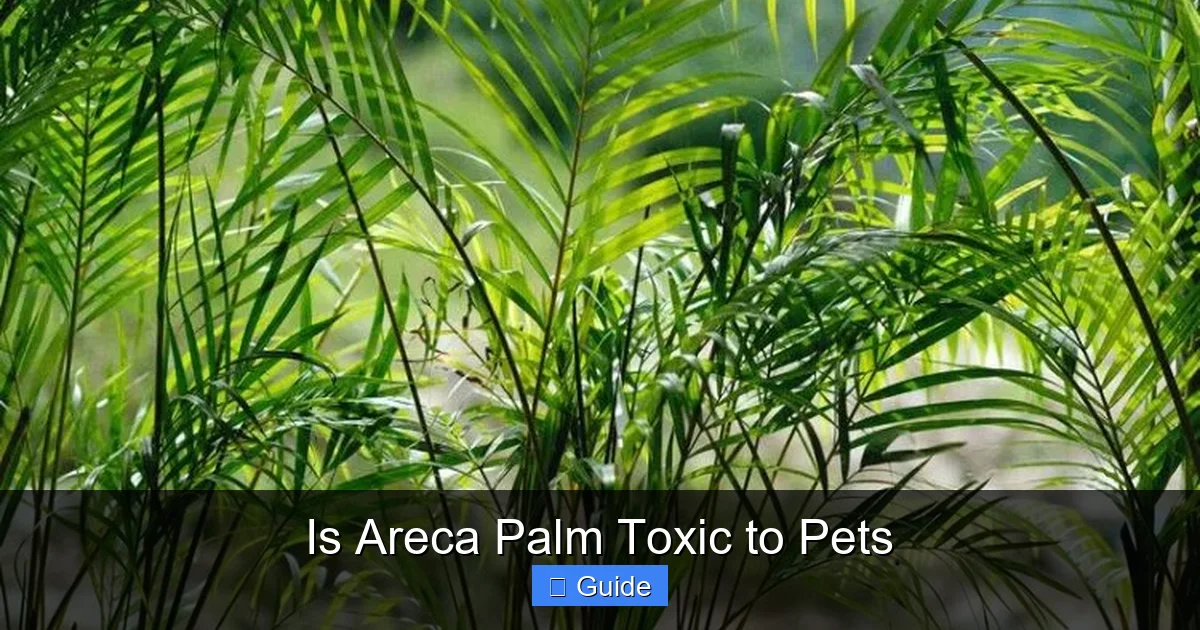
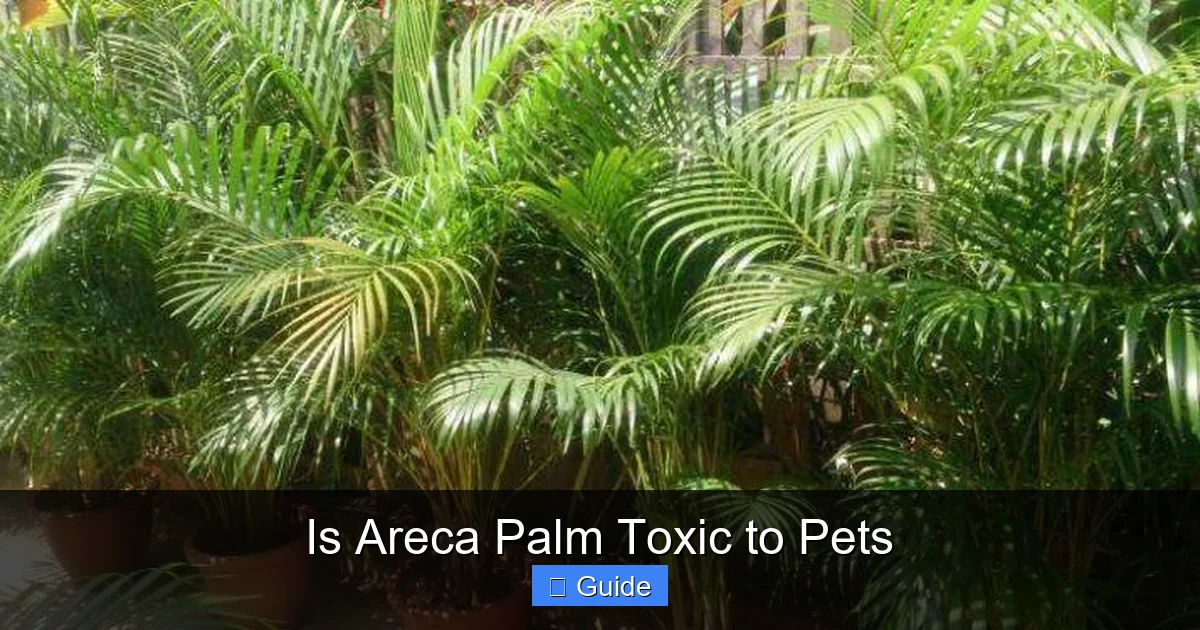
Visual guide about Is Areca Palm Toxic to Pets
Image source: doghowto.com
This palm grows in clumps. Multiple slender stems rise from the base. Each stem carries arching fronds with 40 to 60 pairs of leaflets. The leaves have a feathery, soft look. The stems often show a golden-yellow hue, hence the name golden cane palm.
Why It’s a Houseplant Favorite
Areca palms earned their popularity honestly. They adapt well to indoor conditions. They tolerate lower light better than many palms. They grow relatively fast. And they make a bold statement without needing a massive footprint.
NASA’s Clean Air Study also gave the areca palm high marks. It effectively filters formaldehyde, xylene, and toluene from indoor air. For pet owners, this is a bonus. Our homes often trap chemicals from cleaners, furniture, and flooring. A living air filter that is also pet-safe? That’s a win-win.
Is Areca Palm Toxic to Pets? The Science Behind the Safety
ASPCA Classification
The American Society for the Prevention of Cruelty to Animals maintains a comprehensive database of toxic and non-toxic plants. The areca palm appears on the non-toxic list for cats, dogs, and horses. This classification means the plant does not contain known toxins that cause serious illness or death when ingested.
But “non-toxic” does not mean “edible.” Let’s be clear about this distinction.
Non-Toxic vs. Edible
Think of it like this. A cardboard box is non-toxic. If your cat chews on a box, they won’t get poisoned. But if they eat the whole box, they will have a very bad time. The same logic applies to areca palms.
The plant contains fibrous plant material. It has no alkaloids, glycosides, or other compounds known to cause organ damage in pets. However, the tough fronds are difficult to digest. Large amounts can irritate the gastrointestinal tract.
What Happens If a Pet Eats Areca Palm?
Most pets who nibble an areca palm show no symptoms at all. A few bites of leaf typically pass through without issue. But a determined chewer — especially a puppy or kitten — might consume enough to cause:
- Mild vomiting
- Diarrhea
- Drooling
- Loss of appetite for a few hours
- Mild lethargy
These symptoms usually resolve on their own within 24 hours. They stem from mechanical irritation, not chemical poisoning. The rough fiber scratches the stomach lining. The volume of plant matter overwhelms the digestive system.
When to Call the Vet
Contact your veterinarian if:
- Vomiting or diarrhea persists beyond 24 hours
- Your pet cannot keep water down
- You see blood in vomit or stool
- Your pet becomes extremely lethargic or unresponsive
- You suspect they ate a different, toxic plant
Always err on the side of caution. A quick phone call to your vet costs nothing and provides peace of mind.
The Hidden Danger: Pesticides and Chemicals
Commercial Growing Practices
Here is a critical point many pet owners miss. The areca palm itself is safe. But the chemicals used to grow it might not be.
Commercial greenhouses often treat plants with systemic pesticides. These chemicals absorb into the plant tissue. They protect against spider mites, mealybugs, and scale insects. Common systemic pesticides include neonicotinoids like imidacloprid. These can remain active in the plant for months.
Fungicides and leaf-shine products add another layer of chemical residue. Leaf-shine sprays create that glossy look but leave a film on the fronds.
Protecting Your Pets from Residues
When you bring a new areca palm home, take these steps:
- Quarantine the plant for two weeks in a pet-free room.
- Wash the foliage thoroughly with lukewarm water and mild dish soap. Rinse well.
- Repot in fresh soil if the original potting mix smells strongly of chemicals or has visible fertilizer pellets.
- Water heavily several times to flush residual systemic pesticides from the root zone.
After this settling-in period, the plant is much safer for curious pets.
Areca Palm vs. Other Palms: Know the Difference
The Dangerous Lookalike: Sago Palm
This is the most important distinction you will ever make. The sago palm (Cycas revoluta) is NOT a true palm. It is a cycad. And it is deadly to pets.
Every part of the sago palm contains cycasin. The seeds (nuts) are the most toxic. Ingestion causes severe liver failure. The mortality rate is high, even with aggressive treatment. Symptoms include vomiting, diarrhea, seizures, and jaundice.
Sago palms look different from areca palms. They have a thick, shaggy trunk. The fronds are stiff, glossy, and sharply pointed. They grow in a rosette pattern from a central crown. But to an untrained eye, the word “palm” creates confusion.
Other Palms to Research
- Parlor palm (Chamaedorea elegans): Non-toxic. Excellent pet-safe choice.
- Majesty palm (Ravenea rivularis): Non-toxic. Needs more humidity.
- Ponytail palm (Beaucarnea recurvata): Non-toxic. Actually a succulent.
- Cardboard palm (Zamia furfuracea): TOXIC. Another cycad, like sago palm.
- Yucca (Yucca spp.): TOXIC. Contains saponins causing vomiting and drooling.
Always verify the scientific name before buying. Common names vary by region and retailer.
Creating a Pet-Safe Plant Environment
Strategic Placement
Even with a non-toxic plant, you might prefer your pets not use it as a salad bar. Smart placement helps.
- Elevate the plant on a sturdy plant stand. This puts it out of reach for most dogs.
- Use hanging planters for smaller specimens. Macramé hangers add style.
- Create a plant room with a baby gate or closed door.
- Place behind furniture where cats cannot easily access the base.
Remember that cats climb. A high shelf is not always a safe shelf. Watch your cat’s habits before trusting elevation alone.
Deterrents That Work
If your pet insists on investigating, try these pet-safe deterrents:
- Citrus spray: Mix water with lemon or orange essential oil. Lightly mist the pot (not the foliage). Most cats dislike citrus.
- Aluminum foil: Place sheets around the base. The texture and sound deter many pets.
- Double-sided tape: Apply to the pot rim. Cats hate sticky paws.
- Pine cones or river rocks: Cover the soil surface. This prevents digging and makes the pot less inviting.
- Motion-activated air spray: Devices like Ssscat release a harmless puff of air when triggered.
Never use cayenne pepper, citrus oils directly on leaves, or commercial pet deterrents with harsh chemicals. These can harm your pet or damage the plant.
Provide Alternatives
Sometimes pets eat plants out of boredom or nutritional craving. Offer better options:
- Cat grass: Wheat, oat, or barley grass grown specifically for pets.
- Catnip or silver vine: Safe, enriching, and distracting.
- Dog-safe veggies: Green beans, carrots, or cucumber slices for canine chewers.
- Puzzle toys: Mental stimulation reduces destructive foraging.
Areca Palm Care Guide for Pet Households
Light Requirements
Areca palms prefer bright, indirect light. A spot near an east or west-facing window works well. South-facing works if filtered by a sheer curtain. Direct afternoon sun scorches the fronds. Too little light causes slow growth and yellowing.
Rotate the plant monthly for even growth. The fronds lean toward the light source.
Watering the Right Way
Keep the soil evenly moist but never soggy. Water when the top inch of soil feels dry. Use room-temperature water. Cold water shocks tropical roots.
Ensure the pot has drainage holes. Empty the saucer after watering. Standing water causes root rot — and creates a breeding ground for fungus gnats, which attract curious pets.
Humidity and Temperature
Areca palms love humidity. Aim for 40 to 60 percent. In dry homes, especially in winter, use a humidifier. Group plants together. Or place the pot on a pebble tray with water (pot above water line).
Ideal temperature range: 65 to 75 degrees Fahrenheit. Avoid cold drafts from doors or AC vents. Avoid hot, dry air from heating vents.
Fertilizing Safely
Feed monthly during spring and summer with a balanced, water-soluble fertilizer diluted to half strength. Do not fertilize in fall and winter.
Critical for pet homes: Choose organic fertilizers without bone meal, blood meal, or fish emulsion. These smell irresistible to dogs. They dig up the soil to find the “treat.” This damages roots and creates a mess.
Repotting
Repot every 2 to 3 years in spring. Choose a pot only 1 to 2 inches larger. Use a well-draining palm mix or make your own: 2 parts peat moss, 1 part perlite, 1 part pine bark.
Wear gloves when handling soil. Wash hands after. This protects you from soil-borne pathogens — and prevents transferring anything to your pet.
Common Problems and Pet-Safe Solutions
Spider Mites
Tiny pests that cause stippled, yellowing leaves. You might see fine webbing.
Pet-safe fix: Blast with water in the shower. Wipe fronds with a damp cloth. Increase humidity. Apply neem oil (diluted per label) in the evening when pets are elsewhere. Let dry completely before allowing pet access.
Mealybugs
White, cottony clusters in leaf axils and on stems.
Pet-safe fix: Dab with a cotton swab dipped in 70% isopropyl alcohol. Repeat weekly until gone. Alcohol evaporates quickly and leaves no residue.
Brown Leaf Tips
Usually caused by low humidity, fluoride in tap water, or fertilizer buildup.
Pet-safe fix: Use distilled or rainwater. Flush soil monthly. Trim brown tips with clean scissors at an angle to mimic natural shape.
Yellowing Fronds
Older fronds naturally yellow and die. But widespread yellowing signals overwatering, underwatering, or nutrient deficiency.
Pet-safe fix: Adjust watering. Check drainage. Fertilize appropriately. Remove fully yellow fronds at the base.
Special Considerations for Different Pets
Cats and Areca Palms
Cats are obligate carnivores. They lack enzymes to digest plant matter efficiently. Some cats eat plants to induce vomiting and clear hairballs. Others just enjoy the texture.
Areca palm fronds are long and dangly. They trigger prey drive. A swaying frond is an invitation to pounce. This can topple the plant.
Tips for cat homes:
- Use a heavy, wide-based pot. Ceramic or concrete works well.
- Secure the pot to a shelf with museum putty.
- Trim lower fronds to reduce temptation.
- Provide a dedicated cat grass pot nearby.
Dogs and Areca Palms
Puppies explore the world with their mouths. An areca palm at floor level is a chew toy waiting to happen. Large dogs can knock over pots with a wagging tail.
Tips for dog homes:
- Place the plant on a sturdy stand at least 2 feet high for medium/large dogs.
- Use a bitter apple spray on the pot (not the plant) if your dog chews containers.
- Exercise your dog before leaving them alone with plants.
- Crate train or use a playpen for puppies.
Small Pets: Rabbits, Guinea Pigs, Birds
Areca palm is also non-toxic to rabbits, guinea pigs, and birds. But these pets have sensitive digestive systems. Even safe plants can cause GI stasis in rabbits if eaten in excess.
Supervise free-roam time. Keep plants out of enclosures. Birds may shred fronds for fun — this destroys the plant but won’t hurt the bird.
What If Your Pet Eats a Lot of Areca Palm?
Immediate Steps
- Remove the plant from your pet’s reach immediately.
- Rinse your pet’s mouth with water if they will tolerate it. This removes plant sap and fiber.
- Offer fresh water but do not force drinking.
- Do not induce vomiting unless directed by a veterinarian.
- Monitor closely for the next 24 hours.
What to Watch For
Track these signs:
- Frequency and appearance of vomiting or diarrhea
- Water consumption and urination
- Energy level and interest in food
- Abdominal discomfort (hunched posture, restlessness)
- Straining to defecate (possible blockage from fiber)
Veterinary Treatment
If symptoms are severe or persistent, your vet may recommend:
- Subcutaneous or IV fluids for dehydration
- Anti-nausea medication (maropitant, ondansetron)
- Gastroprotectants (sucralfate, famotidine)
- Bland diet (boiled chicken and rice) for a few days
- X-rays or ultrasound if blockage is suspected
Most cases resolve with supportive care alone. Surgery for plant fiber blockage is rare but possible in small pets who consume large volumes.
Areca Palm Benefits Beyond Pet Safety
Air Purification Power
We mentioned NASA’s study. Let’s look closer. The areca palm removes:
- Formaldehyde: Found in pressed wood, carpets, cigarette smoke.
- Xylene: In paints, varnishes, vehicle exhaust.
- Toluene: In nail polish, adhesives, gasoline.
- Carbon dioxide: Converts to oxygen during daylight.
A 6-foot areca palm transpires about 1 liter of water per day. This natural humidification helps respiratory health — for you and your pets.
Mental Health Boost
Studies show indoor plants reduce stress, improve focus, and boost mood. Caring for a living thing provides routine and purpose. The areca palm’s graceful form adds a calming, tropical aesthetic.
For pets, a enriched environment reduces anxiety and destructive behavior. A safe plant contributes to that enrichment.
Natural Humidifier
Dry indoor air irritates airways. It worsens asthma, allergies, and dry skin. The areca palm’s high transpiration rate adds moisture naturally. No mold risk like mechanical humidifiers if maintained properly.
Buying a Healthy, Pet-Safe Areca Palm
Where to Shop
- Local nurseries: Best for inspecting plants in person. Staff often know pesticide practices.
- Reputable online retailers: Look for pet-safe certifications or organic growing practices.
- Big box stores: Convenient but higher risk of chemical treatments. Inspect carefully.
What to Look For
- Vibrant green fronds, no yellowing or brown tips
- Multiple stems emerging from the base
- No visible pests on undersides of leaves
- Firm, white roots visible at drainage holes (not brown and mushy)
- No strong chemical odor from soil
- Appropriate size for your space and pet situation
Questions to Ask the Seller
- Has this plant been treated with systemic pesticides?
- When was the last pesticide application?
- Is the potting soil organic or conventional?
- Can you confirm this is Dypsis lutescens, not a similar-looking species?
A knowledgeable seller will appreciate these questions. If they cannot answer, consider shopping elsewhere.
Frequently Asked Questions About Areca Palms and Pets
Can areca palm cause allergies in pets?
True plant allergies are rare in pets. But the pollen or mold in soil could trigger reactions in sensitive animals. Wipe fronds weekly with a damp cloth to reduce dust and pollen.
Is the soil in areca palm pots dangerous?
Potting mix may contain perlite, vermiculite, or fertilizer pellets. These are not toxic in small amounts but can cause GI upset or blockage. Cover soil with river rocks to prevent digging.
Can I grow areca palm from seed with pets around?
Yes. Seeds are not toxic. But the germination process takes months and requires warm, humid conditions. Keep the seed tray out of reach — pets love to dig in seedling trays.
Do areca palms attract bugs that bother pets?
Fungus gnats breed in moist soil. They don’t bite pets but are annoying. Let soil dry slightly between waterings. Use yellow sticky traps (placed out of pet reach).
What if my pet uses the areca palm pot as a litter box?
Cat urine burns roots and creates ammonia. Cover soil with large river rocks or a plastic mesh barrier. Provide enough clean litter boxes (one per cat plus one).
Can I put my areca palm outside in summer?
Yes, in shade. But outdoor exposure brings new risks: slugs, snails, outdoor pesticides, toxic mushrooms, and wildlife. Inspect thoroughly before bringing back inside. Quarantine for two weeks.
Conclusion: Enjoy Your Areca Palm with Confidence
So, is areca palm toxic to pets? No. It is one of the safest large houseplants you can choose. The ASPCA confirms it. Veterinarians recommend it. Plant lovers celebrate it.
But responsible pet ownership means going beyond the label. Wash new plants. Watch for pesticides. Place thoughtfully. Provide alternatives. Know the difference between areca palm and its deadly cousin, the sago palm.
With a little knowledge and preparation, you can have the tropical oasis you want and the pet safety you need. Your areca palm will clean your air, boost your mood, and stand as a beautiful, non-toxic centerpiece in your pet-friendly home.
Go ahead. Bring home that areca palm. Your pets — and your lungs — will thank you.
Frequently Asked Questions
Is areca palm toxic to pets?
No, the areca palm (Dypsis lutescens) is non-toxic to cats, dogs, and horses according to the ASPCA. It does not contain compounds that cause poisoning or organ damage.
Can cats eat areca palm leaves safely?
Cats can nibble areca palm leaves without risk of poisoning. However, the tough fibers may cause mild vomiting or diarrhea if large amounts are consumed.
What palms are toxic to pets?
Sago palm (Cycas revoluta) and cardboard palm (Zamia furfuracea) are highly toxic to pets. These are cycads, not true palms, and cause severe liver failure.
How do I keep my cat from eating my areca palm?
Provide cat grass as an alternative, use citrus spray on the pot (not leaves), place aluminum foil around the base, or elevate the plant on a sturdy stand.
Are areca palms safe for rabbits and birds?
Yes, areca palms are non-toxic to rabbits, guinea pigs, and birds. However, monitor consumption as excessive plant matter can cause digestive upset in small herbivores.
Do I need to wash a new areca palm before letting my pet near it?
Yes, always wash new plants thoroughly with mild soap and water to remove potential pesticide residues. Quarantine for two weeks and consider repotting in fresh soil.