Best Fertilizer for Aloe Vera
Aloe vera thrives with minimal feeding using a balanced, low-nitrogen fertilizer diluted to half strength. Apply only during active growing seasons in spring and summer for optimal results.
Key Takeaways
- Less is more: Aloe vera needs minimal fertilizer compared to other houseplants
- Low nitrogen is key: Choose fertilizers with higher phosphorus and potassium ratios
- Dilute always: Use half or quarter strength to prevent root burn
- Seasonal feeding: Fertilize only in spring and summer during active growth
- Liquid works best: Liquid fertilizers distribute evenly and absorb quickly
- Watch for signs: Yellowing leaves often indicate over-fertilizing not under-feeding
- Natural options exist: Compost tea and worm castings provide gentle nutrition
Quick Answers to Common Questions
How often should I fertilize aloe vera?
Fertilize monthly during spring and summer only. Stop completely in fall and winter.
What NPK ratio is best for aloe vera?
Low nitrogen ratios like 2-7-7 or 1-5-5 work best. Higher phosphorus and potassium support root and leaf health.
Can I use regular houseplant fertilizer on aloe vera?
Yes, but dilute to quarter strength. Standard 10-10-10 works when heavily diluted.
Why are my aloe vera leaf tips turning brown after fertilizing?
Brown tips indicate fertilizer burn from salt buildup. Flush soil thoroughly and reduce concentration.
Is organic or synthetic fertilizer better for aloe vera?
Both work well. Organic builds soil health. Synthetic offers precise control. Choose based on preference.
📑 Table of Contents
Introduction
Aloe vera sits on my kitchen windowsill. It has been there for three years. The plant asks for little. Bright light. Occasional water. Rare feeding. Yet many plant parents overthink the feeding part. They want the best fertilizer for aloe vera. They buy strong formulas. They apply too often. The plant suffers. I learned this the hard way. My first aloe turned brown and mushy. Too much nitrogen. Too much love. This guide shares what I wish I knew then. You will learn exactly what aloe vera needs. You will learn when to feed. You will learn what to avoid. Your plant will thank you.
Finding the best fertilizer for aloe vera does not require a chemistry degree. These succulents evolved in poor sandy soils. They store nutrients in thick leaves. They survive drought. They survive neglect. What kills them is kindness. Heavy feeding burns roots. Excess nitrogen forces weak leggy growth. The plant loses its compact rosette shape. The gel quality declines. Commercial growers use specific regimens. Home growers need simpler approaches. This article covers everything. Types of fertilizer. Application timing. Dilution rates. Product recommendations. Common mistakes. Natural alternatives. By the end you will feed with confidence.
Understanding Aloe Vera Nutritional Needs
Aloe vera grows differently than tropical houseplants. Monstera wants constant nutrition. Pothos tolerates heavy feeding. Aloe vera wants almost nothing. The plant stores water and nutrients in fleshy leaves. This adaptation serves desert survival. Roots stay shallow. They spread wide. They absorb quick rain. They do not mine deep soil. Nutrient requirements reflect this strategy. Nitrogen promotes leafy growth. Aloe does not need large leaves. It needs thick leaves. Phosphorus supports root development. Potassium regulates water storage. Both matter more than nitrogen for succulents.
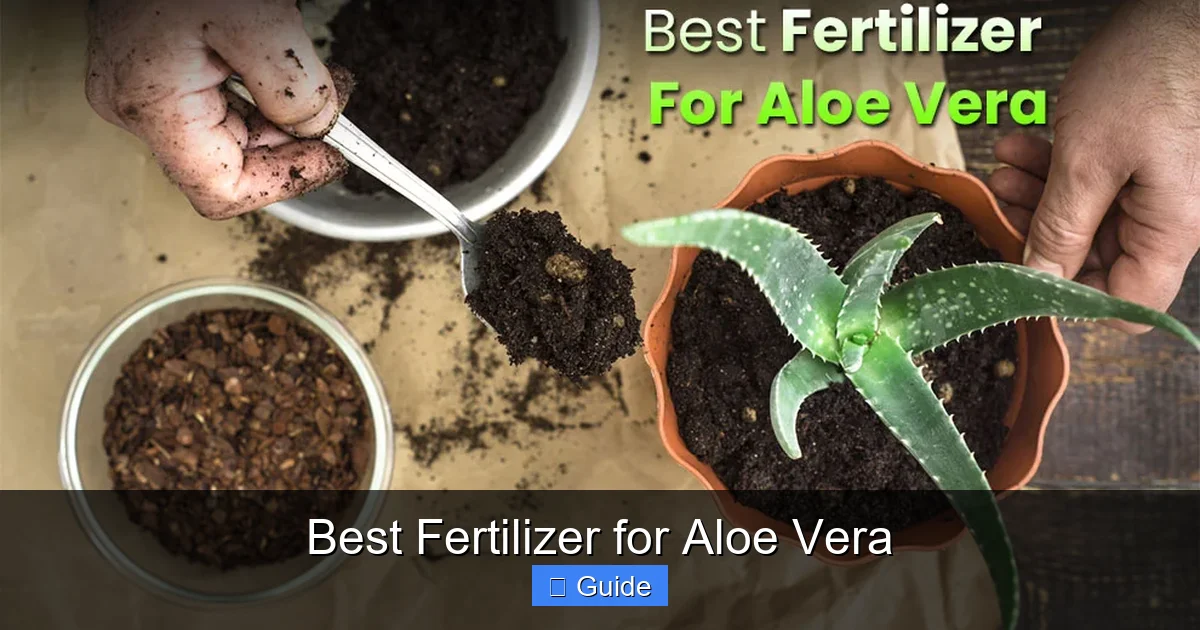
Visual guide about Best Fertilizer for Aloe Vera
Image source: plantparadiso.com
Native Habitat Clues
Wild aloe vera grows in Arabian Peninsula regions. Rocky slopes. Sandy washes. Annual rainfall under ten inches. Soil organic matter near zero. The plant thrives anyway. This tells you everything about feeding. Rich soil harms aloe. Compost-heavy mixes cause rot. Fertilizer buildup creates salt stress. The best fertilizer for aloe vera mimics desert conditions. Low concentration. Infrequent application. Excellent drainage. Think of feeding as supplement not meal. The plant makes its own food through photosynthesis. Fertilizer merely replaces trace minerals leached by watering.
Essential vs Non-Essential Nutrients
All plants need seventeen essential elements. Carbon hydrogen oxygen come from air and water. Nitrogen phosphorus potassium come from soil or fertilizer. Calcium magnesium sulfur follow. Then eight micronutrients in tiny amounts. Iron manganese zinc copper boron molybdenum chlorine nickel. Aloe vera uses all but in different ratios. Nitrogen demand stays low. Phosphorus demand stays moderate. Potassium demand runs high. Micronutrients matter for enzyme function. Iron deficiency shows as yellowing between leaf veins. Magnesium deficiency shows as older leaf yellowing. A balanced succulent fertilizer covers bases without excess.
Signs Your Aloe Needs Feeding
Healthy aloe shows plump upright leaves. Color ranges green to blue-green. Some varieties show white spots. Growth slows in winter. Speeds up in spring. Fertilizer need appears subtly. Pale new growth suggests nitrogen lack. Small distorted leaves suggest micronutrient lack. Slow spring growth suggests phosphorus lack. But wait. These same signs appear from overwatering. Or insufficient light. Or root binding. Or pest damage. Rule out other causes first. Check roots. Check light. Check watering. Then consider feeding. The best fertilizer for aloe vera fixes true deficiency not symptoms from other problems.
Types of Fertilizers Suitable for Aloe Vera
Walk any garden center aisle. Shelves overflow with options. Liquid. Granular. Slow-release. Organic. Synthetic. Specialty succulent blends. General purpose. Bloom boosters. The choices overwhelm. Not all suit aloe vera. Understanding categories helps narrow the search. Each type delivers nutrients differently. Each carries pros and cons for succulent care. Your lifestyle matters. Your plant count matters. Your budget matters. Let us examine each category through aloe vera lens.
Liquid Fertilizers
Liquid fertilizers dominate succulent care. They mix with water. They apply during regular watering. Control stays precise. Dilution adjusts easily. Roots absorb nutrients quickly. No waiting for breakdown. No salt buildup from carriers. Look for low nitrogen ratios. Two-seven-seven. One-five-five. Three-twelve-twelve. These numbers represent N-P-K percentages. First number nitrogen. Second phosphorus. Third potassium. Succulent formulas flip traditional ratios. The best fertilizer for aloe vera often comes liquid. Brands like Espoma Organic Cactus. Schultz Cactus Plus. Miracle-Gro Succulent Plant Food. All work when diluted properly.
Granular and Slow-Release Fertilizers
Granular fertilizers sprinkle on soil surface. Water activates them. Nutrients release over weeks or months. Convenience appeals. Apply once. Forget for season. Risk lurks though. You cannot undo application. Heavy rain or overwatering releases nutrients too fast. Salt concentration spikes. Roots burn. Slow-release pellets coat nutrients in polymer. Temperature and moisture control release. More predictable. Still risky for aloe. These products target heavy feeders. Tomatoes. Roses. Annual flowers. If you use granular choose cactus-specific. Apply at quarter label rate. Water lightly after. Monitor plant response closely.
Organic vs Synthetic Options
Organic fertilizers derive from natural sources. Bone meal. Blood meal. Fish emulsion. Kelp meal. Worm castings. Compost tea. Microbes break them down. Release matches plant uptake. Soil health improves. Synthetic fertilizers manufacture precise ratios. Immediate availability. Consistent results. Lower cost per nutrient. For aloe vera both work. Organic aligns with natural growth. Synthetic offers control. Fish emulsion smells strong indoors. Worm castings top-dress neatly. Compost tea brews easily. The best fertilizer for aloe vera might combine both. Organic base feeding. Synthetic supplement for specific deficiency.
Specialty Succulent and Cactus Formulas
Many brands now offer succulent-specific fertilizers. These target low-nitrogen needs. They include micronutrients succulents prefer. Calcium for cell walls. Magnesium for chlorophyll. Iron for enzyme function. Some add humic acids. Some add beneficial bacteria. Prices run higher than general purpose. Concentration runs lower. You pay for convenience. Reading labels reveals similar ratios to diluted houseplant fertilizer. The best fertilizer for aloe vera does not require specialty branding. A balanced 10-10-10 at quarter strength works fine. Specialty products simply remove dilution guesswork.
Foliar Feeding Considerations
Foliar feeding sprays nutrients on leaves. Absorption happens through stomata. Bypasses root issues. Works fast. But aloe vera leaves store water. Thick cuticle limits absorption. Stomata concentrate on leaf undersides. Spray coverage proves difficult. Risk of fungal spots increases. Water sits in leaf rosettes. Rot develops. Most experts discourage foliar feeding for succulents. Root feeding remains superior. If you experiment use very dilute solution. Spray early morning. Ensure airflow. Avoid crown saturation. The best fertilizer for aloe vera delivers through soil not leaves.
When and How to Fertilize Aloe Vera
Timing matters more than product choice. Perfect fertilizer applied wrong harms. Wrong fertilizer applied right still harms. Aloe vera follows distinct seasonal rhythms. Active growth triggers nutrient demand. Dormancy triggers nutrient rejection. Indoor plants blur seasons. Artificial light extends growth. Heating prevents true dormancy. Observation guides schedule better than calendar. Watch your plant. It tells you when ready.
Seasonal Feeding Schedule
Spring wakes aloe vera. Days lengthen. Temperatures rise. New growth emerges from center. This signals feeding time. Start with half-strength application. Repeat monthly through summer. Three to four feedings total. Fall approaches. Growth slows. Stop feeding by September. Winter brings rest. No fertilizer November through February. Some growers feed year-round under grow lights. Reduce frequency to every six weeks. Use quarter strength. The best fertilizer for aloe vera respects dormancy. Forcing growth weakens plant. Etiolated leaves result. Pest susceptibility increases.
Dilution Rates and Application Methods
Label rates target heavy feeders. Ignore them. Succulent growers use half-strength maximum. Quarter-strength safer. Mix fertilizer in watering can. Apply to moist soil. Never dry soil. Dry roots absorb concentrate. Burn follows. Water thoroughly until drainage flows. This distributes evenly. Flushes excess salts. Bottom watering works too. Place pot in fertilizer solution. Let soil wick up. Thirty minutes maximum. Remove pot. Let drain. Top watering mimics rain. Both methods work. Consistency matters more than method.
Frequency Guidelines
Monthly feeding during active growth suffices. Some growers prefer biweekly at quarter strength. Both deliver similar total nutrients. Biweekly provides steadier supply. Monthly reduces salt buildup risk. Choose based on your schedule. Mark calendar. Set phone reminder. Skip if plant shows stress. Skip if soil stays wet. Skip during heat waves. The best fertilizer for aloe vera adapts to conditions not rigid schedule. Newly repotted plants need no fertilizer for two months. Fresh soil contains nutrients. Root disturbance needs recovery time. Fertilizing stressed plants compounds problems.
Water Quality Impact
Tap water varies wildly. Hard water adds calcium magnesium. Soft water adds sodium. Both affect fertilizer balance. Well water may contain iron sulfur. Municipal water adds chlorine chloramine. Let tap water sit overnight. Chlorine dissipates. Temperature matches room. Cold water shocks roots. Rainwater collects ideal. Distilled water lacks minerals. Reverse osmosis water similar. If using pure water add cal-mag supplement. The best fertilizer for aloe vera works with your water not against it. Test soil pH annually. Target 6.0 to 7.0. Adjust water or fertilizer if outside range.
Top Fertilizer Recommendations for Aloe Vera
Market offers dozens of viable options. I tested many. Friends tested others. Community forums share experiences. Certain products rise consistently. Price points vary. Availability varies. Formulations vary. All share low-nitrogen philosophy. All dilute easily. All deliver results. Below find categorized recommendations. Choose based on your preference. Your budget. Your plant count. Remember the best fertilizer for aloe vera is one you use correctly.
Best Liquid Concentrates
Espoma Organic Cactus Plant Food leads organic liquids. One-two-two ratio. Derived from poultry manure bone meal kelp. Smells mild. Mixes clean. Eight-ounce bottle makes many gallons. Cost per application low. Schultz Cactus Plus Liquid Plant Food offers synthetic precision. Two-seven-seven ratio. Includes micronutrients. Dropper bottle measures easily. Miracle-Gro Succulent Plant Food balances convenience. Zero-point-five-one-one ratio. Pump bottle doses directly. No measuring. All three work well. Dilute to half label strength. Apply monthly spring through summer.
Best Granular Options
Osmocote Smart-Release Plant Food Plus suits forgetful growers. Fifteen-nine-twelve ratio coated for four-month release. Use sparingly. One teaspoon per six-inch pot. Scratch into top soil. Water lightly. Dr. Earth Premium Gold Pure & Natural Fertilizer offers organic granular. Four-four-four ratio. Contains probiotics mycorrhizae. Apply quarter cup per pot. Reapply every three months. The best fertilizer for aloe vera in granular form requires restraint. Less than you think. Always less.
Best Budget-Friendly Choices
Standard 10-10-10 houseplant fertilizer costs pennies per gallon. Dilute to quarter strength. One teaspoon per gallon. Feeds dozens of plants. Jack’s Classic All Purpose Fertilizer dissolves completely. Professional grade. Twenty-five pound bag lasts years. Dyna-Gro Foliage Pro nine-three-six ratio favors foliage plants. Works for aloe at quarter strength. Includes all micronutrients. No urea nitrogen. The best fertilizer for aloe vera does not need fancy label. Simple balanced formula diluted properly outperforms expensive specialty product misapplied.
Best Organic and Natural Options
Worm castings top-dress beautifully. Quarter inch layer spring and fall. Water in. Slow gentle feeding. Improves soil structure. Neptune’s Harvest Fish & Seaweed Fertilizer combines ocean nutrients. Two-three-one ratio. Smells outdoors only. Dilute one tablespoon per gallon. Kelp meal adds trace minerals. One teaspoon per pot mixed into top soil. Compost tea brews from quality compost. Aerated twenty-four hours. Dilute ten to one. Weekly application during growth. The best fertilizer for aloe vera organic style builds soil life not just feeds plant.
Best for Specific Situations
Newly propagated pups need nothing. Wait until roots establish. Two months minimum. Then quarter strength monthly. Mature specimens flowering benefit from bloom formula. Higher phosphorus. Lower nitrogen. One-five-ten ratio. Apply when flower spike appears. Stop after bloom fades. Stressed plants recovering from rot or pests need zero fertilizer. Focus on root recovery. Light water. Bright indirect light. Time heals. The best fertilizer for aloe vera matches plant life stage not generic schedule.
Common Fertilizing Mistakes to Avoid
Mistakes teach best. Mine taught me plenty. Community shares more. Patterns emerge. Same errors repeat across growers. New and experienced alike. Awareness prevents repetition. Your aloe vera will thrive when you avoid these pitfalls. The best fertilizer for aloe vera cannot overcome fundamental care errors. Fix basics first. Then refine feeding.
Over-Fertilizing Symptoms
Brown leaf tips signal salt burn. White crust on soil surface signals buildup. Soft mushy leaves signal nitrogen excess. Rapid weak growth signals forcing. Leaves lose firmness. Color darkens unnaturally. Plant becomes top-heavy. Roots stay small. Flush soil immediately if spotted. Run water through pot ten minutes. Let drain completely. Withhold fertilizer two months. Resume at quarter strength. The best fertilizer for aloe vera applied excessively becomes poison. Salt accumulation kills faster than nutrient lack.
Wrong Timing Errors
Winter feeding tops error list. Plant rests. Roots inactive. Fertilizer sits in soil. Salts concentrate. Spring growth burns. Fall feeding extends growth into winter. Tender new leaves freeze or rot. Feeding during heat stress compounds damage. Roots cannot process nutrients. Feeding newly repotted plants burns fresh roots. Feeding sick plants adds stress. The best fertilizer for aloe vera waits for readiness. Patience protects. Observation guides.
Concentration Miscalculations
Measuring errors happen. Eyeballing concentrate risks overdose. Using tablespoon instead of teaspoon triples dose. Forgetting dilution applies full strength. Mixing in small container concentrates solution. Topping off with water unevenly distributes. Always measure. Always mix in final volume. Use dedicated measuring spoons. Label them. The best fertilizer for aloe vera demands precision. Small plants tolerate less error. Large pots buffer slightly.
Ignoring Soil and Pot Factors
Terracotta pots breathe. Salts accumulate at rim. Plastic pots retain. Salts distribute evenly. Small pots concentrate. Large pots dilute. Fast-draining soil flushes nutrients. Moisture-retentive soil holds fertilizer. Peat-based mixes acidify over time. Fertilizer interacts with pH. The best fertilizer for aloe vera considers entire system. Repot every two years. Fresh soil resets nutrient baseline. Removes accumulated salts. Inspect roots during repot. Healthy roots white firm. Fertilizer damage shows brown mushy tips.
Mixing Incompatible Products
Combining fertilizers risks toxicity. Organic plus synthetic doubles nitrogen. Multiple micronutrient sources create imbalance. Hard water plus cal-mag plus fertilizer overloads calcium. Epsom salt plus magnesium-containing fertilizer excesses magnesium. The best fertilizer for aloe vera stands alone. Choose one program. Follow it completely. Track what you apply. Note plant response. Adjust next season based on data not hope.
DIY and Natural Fertilizer Options
Kitchen scraps become plant food. Garden waste becomes plant food. Household items become plant food. DIY fertilizers cost little. They recycle waste. They connect you to growth cycle. But they lack precision. Nutrient content varies. Application rates guess. Salt content unknown. Use as supplements not primary program. The best fertilizer for aloe vera might include homemade elements. Understand each before applying.
Compost Tea Basics
Quality compost makes quality tea. Use finished compost only. Smell earthy sweet. No ammonia. No sour. Fill bucket one-third compost. Add non-chlorinated water. Aerate with aquarium pump. Twenty-four hours. Strain through cloth. Dilute ten parts water one part tea. Apply monthly during growth. Benefits include beneficial microbes. Humic acids. Trace nutrients. Gentle action. The best fertilizer for aloe vera tea style feeds soil life which feeds plant.
Banana Peel Fertilizer
Banana peels provide potassium. Phosphorus too. Calcium magnesium traces. Chop peels small. Bury in soil top inch. Decompose slowly. Or soak peels water forty-eight hours. Dilute one to five. Apply quarterly. Smell attracts fruit flies indoors. Outdoor use better. The best fertilizer for aloe vera from bananas supplements potassium not replaces balanced feeding.
Eggshell Calcium Supplement
Eggshells ninety-five percent calcium carbonate. Rinse well. Dry completely. Crush to powder. Sprinkle teaspoon per pot. Water in. Calcium strengthens cell walls. Prevents tip burn. Slow release. Takes months to break down. The best fertilizer for aloe vera calcium source works long-term not quick-fix.
Coffee Grounds Caution
Coffee grounds add nitrogen. Acidify soil. Attract fungus gnats. Compact when wet. Block drainage. Use sparingly. Compost first. Then add compost. Direct application risks outweigh benefits. The best fertilizer for aloe vera avoids coffee grounds direct use. Too many variables.
Aquarium Water Gold
Fish tank water contains nitrogen phosphorus potassium. Trace minerals. Beneficial bacteria. Use during water changes. Dilute half with fresh water. Apply monthly. Free fertilizer. Sustainable cycle. The best fertilizer for aloe vera aquarium style delivers balanced gentle nutrition. Ensure no medications in tank water.
Troubleshooting Fertilizer Issues
Problems arise. Diagnosis challenges. Symptoms overlap. Fertilizer issues mimic water issues. Light issues. Pest issues. Disease issues. Systematic approach isolates cause. The best fertilizer for aloe vera program includes monitoring. Catch problems early. Adjust quickly. Plant recovers fast.
Salt Buildup Remediation
White crust signals salts. Brown tips confirm. Flush thoroughly. Lukewarm water. Volume equals three times pot volume. Let drain fully. Repeat weekly three weeks. Withhold fertilizer. Monitor new growth. Tips stay green? Success. Tips brown again? Repot fresh soil. The best fertilizer for aloe vera prevention includes monthly flush during feeding season. Prevents crisis.
Nutrient Deficiency Identification
Nitrogen deficiency: older leaves yellow uniformly. Growth stunts. Phosphorus deficiency: older leaves dark green purple tinge. Growth stunts. Potassium deficiency: leaf edges yellow brown. Tips curl. Calcium deficiency: new growth distorted. Tips die. Magnesium deficiency: older leaves yellow between veins. Iron deficiency: new leaves yellow between veins. The best fertilizer for aloe vera correction targets specific deficiency. Single nutrient supplement beats complete fertilizer for correction.
Fertilizer Burn Recovery
Immediate flush. Remove damaged leaves. Reduce light slightly. Increase humidity. No fertilizer six weeks. Water sparingly. Watch for new growth. Center leaves emerge healthy? Recovery underway. The best fertilizer for aloe vera burn recovery is time. Patience. Restraint. Plant heals itself given chance.
Conclusion
Finding the best fertilizer for aloe vera simplifies to core principles. Feed lightly. Feed seasonally. Dilute heavily. Observe constantly. The plant asks little. Gives much. Healing gel. Clean air. Architectural beauty. Respect its desert heritage. Mimic its native conditions. Your aloe will thrive for decades. Pass it to friends. Propagate pups. Share knowledge. The cycle continues. Happy growing.
Remember the journey. My first aloe died from kindness. My current aloe thrives on neglect. Monthly half-strength feeding. Spring through summer only. Terracotta pot. Gritty soil. Bright window. That’s it. The best fertilizer for aloe vera is not a product. It’s a philosophy. Less but better. Timely not constant. Observed not assumed. You have the knowledge now. Apply it gently. Watch your plant respond. Enjoy the process.
Frequently Asked Questions
Can I fertilize aloe vera in winter?
No, aloe vera enters dormancy in winter. Fertilizing during this period causes salt buildup and root damage since the plant cannot absorb nutrients. Resume feeding in spring when new growth appears.
What happens if I over-fertilize my aloe vera?
Over-fertilizing causes brown leaf tips, white salt crust on soil, soft mushy leaves, and weak rapid growth. Flush the soil with three pot volumes of water and withhold fertilizer for two months.
Should I fertilize newly repotted aloe vera?
Wait at least two months after repotting before fertilizing. Fresh potting mix contains sufficient nutrients, and disturbed roots need time to recover before processing fertilizer.
Can I use coffee grounds as fertilizer for aloe vera?
Coffee grounds are not recommended for direct use on aloe vera. They add excess nitrogen, acidify soil, attract fungus gnats, and can compact to block drainage. Compost them first instead.
How do I make compost tea for aloe vera?
Steep finished compost in non-chlorinated water with aeration for 24 hours. Strain and dilute 10:1 with water. Apply monthly during growing season for gentle nutrition and beneficial microbes.
What is the best fertilizer for aloe vera pups?
New aloe pups need no fertilizer until roots establish, typically two months after separation. Then use quarter-strength balanced fertilizer monthly during their first growing season.