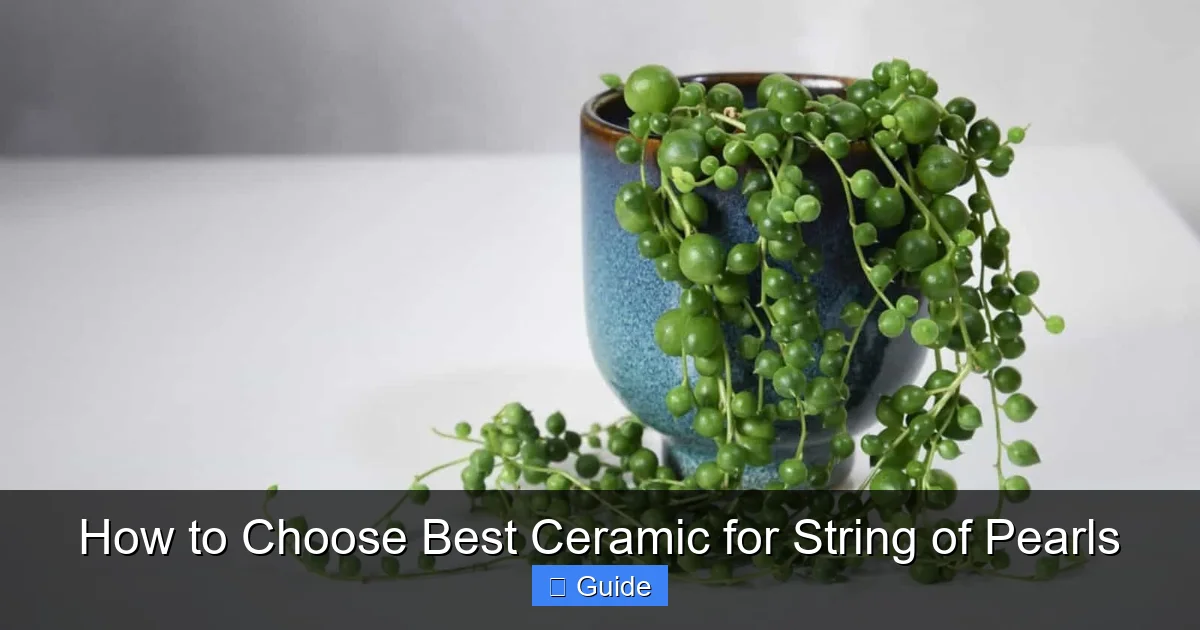
How to Choose Best Ceramic for String of Pearls
Choosing the right ceramic pot for your String of Pearls is crucial for preventing root rot and promoting healthy growth. This guide covers everything from drainage holes and pot size to material quality and aesthetic considerations, helping you make the perfect choice for your trailing succulent.
Key Takeaways
- Drainage is non-negotiable: Always choose ceramic pots with drainage holes to prevent water accumulation and root rot in your String of Pearls.
- Size matters more than you think: Select a pot only 1-2 inches larger than the root ball to avoid excess soil retaining too much moisture.
- Unglazed terracotta breathes best: Porous unglazed ceramic allows air exchange and moisture evaporation, creating ideal conditions for succulent roots.
- Weight provides stability: Heavier ceramic pots prevent top-heavy String of Pearls from tipping over as they grow and trail.
- Consider the glaze carefully: If choosing glazed ceramic, ensure it’s only on the exterior to maintain some breathability for the soil.
- Match pot depth to root structure: String of Pearls has shallow roots, so wider, shallower pots work better than deep ones.
- Quality ceramic lasts decades: Invest in well-fired, high-quality ceramic that won’t crack from temperature changes or develop harmful mineral buildup.
Quick Answers to Common Questions
Can I use a ceramic pot without drainage holes for String of Pearls?
No, drainage holes are essential. Without them, water pools at the bottom causing root rot. Either drill holes yourself, use the pot as a decorative cache pot with a nursery pot inside, or choose a different pot.
What size ceramic pot should I get for my String of Pearls?
Choose a pot only 1-2 inches wider than the current root ball. String of Pearls has shallow roots and prefers being slightly root-bound. Wide, shallow pots work better than deep ones.
Is terracotta or glazed ceramic better for String of Pearls?
Unglazed terracotta is ideal because its porous walls allow air exchange and moisture evaporation. Glazed ceramic works if you’re very careful with watering and ensure the soil dries completely between waterings.
How do I prevent my ceramic pot from tipping over as the plant trails?
Choose a pot with a wide base (at least 60-70% of top diameter) and substantial weight. Add a layer of river rocks at the bottom for extra stability. For hanging, use pots designed with integrated hanging hardware.
Why is my String of Pearls rotting in a ceramic pot with drainage holes?
Check your soil mix (needs 50% gritty amendment), watering frequency (wait until completely dry), and pot size (not too large). Also ensure the drainage holes aren’t blocked and you’re emptying the saucer promptly.
📑 Table of Contents
- Why Your String of Pearls Deserves the Perfect Ceramic Home
- Understanding String of Pearls Root Needs
- Drainage: The Non-Negotiable Feature
- Ceramic Material Types and Their Properties
- Sizing Your Ceramic Pot Correctly
- Weight, Stability, and Practical Considerations
- Aesthetic Integration and Display Strategies
- Common Mistakes and How to Avoid Them
- Budget Considerations and Value Assessment
- Care and Maintenance of Your Ceramic Investment
- Conclusion: Your String of Pearls Deserves the Best
Why Your String of Pearls Deserves the Perfect Ceramic Home
Let me tell you something I learned the hard way. My first String of Pearls lived in a gorgeous glazed ceramic pot with no drainage holes. It looked stunning on my shelf for about three weeks. Then the pearls started turning mushy and translucent. The stems shriveled at the soil line. I had created a swamp for a plant that evolved in the arid regions of Southwest Africa.
That experience taught me everything I needed to know about how to choose best ceramic for String of Pearls. These plants aren’t just pretty faces. They’re succulents with specific needs. Their bead-like leaves store water. Their stems trail and cascade. Their roots are shallow and prone to rot. The pot you choose isn’t just decor. It’s a life support system.
In this guide, I’ll walk you through every factor that matters. Drainage. Size. Material. Weight. Aesthetics. By the end, you’ll know exactly what to look for when you’re standing in the garden center or scrolling through online shops. Your String of Pearls will thank you with those lush, trailing strands we all dream about.
Understanding String of Pearls Root Needs
The Shallow Root Reality
Here’s the thing most people miss. String of Pearls (Senecio rowleyanus) doesn’t send roots deep into the earth. In its native habitat, it grows as a ground cover. The stems root at nodes where they touch soil. The root system stays near the surface, spreading horizontally rather than vertically.
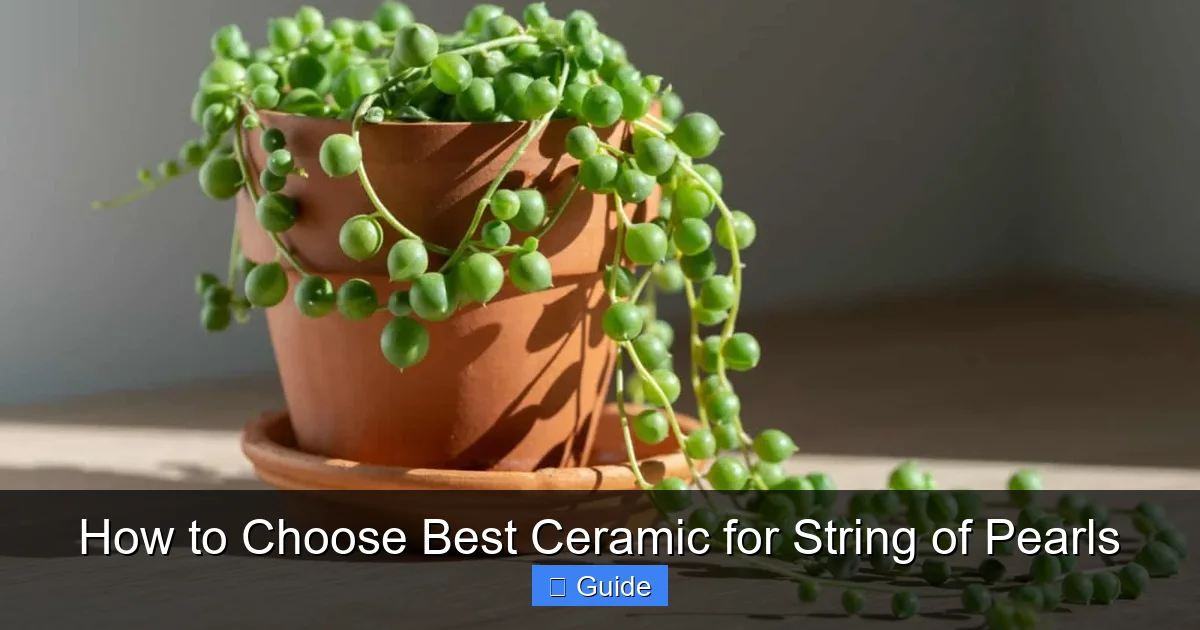
Visual guide about How to Choose Best Ceramic for String of Pearls
Image source: planetnatural.com
This means deep pots are actually counterproductive. All that extra soil at the bottom? It stays wet long after the top dries out. Your plant’s roots never reach it. But the moisture sits there, creating a humid microclimate that encourages fungal growth and root rot.
When you’re evaluating ceramic pots, think wide and shallow. A pot that’s wider than it is tall mimics the natural growing conditions. The roots can spread. The soil dries evenly. Air circulates through the upper soil layers where the roots actually live.
Water Storage in Those Pearls
Each little bead is a water balloon. The plant stores moisture in its modified leaves. This adaptation lets it survive drought. But it also means the plant is extremely sensitive to overwatering. When the pearls are plump and firm, the plant is hydrated. When they start to flatten or wrinkle slightly, it’s time to water.
Your ceramic pot needs to support this cycle. It should allow the soil to dry completely between waterings. Porous materials help. Drainage holes are essential. The right pot becomes a partner in your watering routine rather than a hindrance.
Trailing Growth Habit Implications
String of Pearls wants to hang. The stems can grow several feet long. As they trail, the plant becomes top-heavy. A lightweight pot will tip over. A narrow base creates instability. The ceramic you choose needs enough weight and a broad enough base to anchor those beautiful cascading strands.
I’ve seen beautiful specimens ruined because the pot tipped and stems snapped. The plant recovers, but it loses that full, lush look. Prevention is simple. Choose a pot with a wide base relative to its height. Heavier ceramic provides natural ballast.
Drainage: The Non-Negotiable Feature
Why Drainage Holes Save Lives
I cannot stress this enough. Drainage holes are not optional for String of Pearls. They are the single most important feature of any pot you consider. Without them, water pools at the bottom. The soil becomes anaerobic. Beneficial microbes die. Pathogenic fungi thrive. Roots suffocate and rot.
Some people argue you can add a layer of gravel at the bottom of a pot without holes. This is a myth. Water doesn’t move easily from fine soil particles into coarse gravel. It creates a perched water table. The soil above stays saturated longer. Your plant suffers.
When shopping for ceramic, turn the pot over. Look for at least one drainage hole. Multiple holes are even better. They should be large enough that water flows freely, not tiny pinpricks that clog with soil. If you fall in love with a pot that has no holes, you can drill them yourself with a masonry bit. But it’s easier to just choose one with holes already.
Saucers and Cache Pots
Drainage holes mean water comes out the bottom. You need a plan for that water. A matching ceramic saucer catches excess. Empty it within 30 minutes of watering. Never let your String of Pearls sit in standing water.
Some people use cache pots. That’s a decorative outer pot without holes. You keep the plant in a functional nursery pot with drainage, then slip it into the pretty ceramic. This works beautifully. Just remember to remove the inner pot for watering. Let it drain completely before returning it to the cache pot.
Testing Drainage Before You Plant
Before committing your String of Pearls to a new ceramic home, test the drainage. Fill the pot with your chosen soil mix. Water thoroughly. Watch how quickly water exits. It should flow freely within seconds. If water pools on top or drains slowly, the holes may be too small or the soil too dense.
This test also reveals if the pot sits flat. A wobbly pot on an uneven surface can tilt, causing water to pool on one side. Use pot feet or a level surface. Your plant deserves stability.
Ceramic Material Types and Their Properties
Unglazed Terracotta: The Gold Standard
If you ask experienced succulent growers, unglazed terracotta wins every time. This porous clay breathes. Moisture evaporates through the walls. Air enters the root zone. The soil dries from the sides as well as the top. This mimics the natural aeration String of Pearls roots expect.
Terracotta also develops a beautiful patina over time. Mineral deposits from water create a weathered, organic look. Many gardeners consider this a feature, not a flaw. The pot ages with your plant.
There are tradeoffs. Terracotta dries faster. You’ll water more frequently. In very hot, dry climates, this can be challenging. The pots are fragile. A drop on concrete usually means a cracked pot. They’re also heavier than plastic, which is good for stability but harder to move.
Glazed Ceramic: Beauty with Caveats
Glazed ceramic pots come in endless colors and finishes. They’re stunning. They fit any decor style. The glaze seals the clay, making it non-porous. Water only leaves through drainage holes and the soil surface. This means soil stays moist longer.
For String of Pearls, this can be risky. The extended drying time increases rot risk. If you choose glazed ceramic, you must be extremely disciplined about watering. Wait until the soil is completely dry, not just the top inch. Use a moisture meter or wooden skewer to check the bottom of the pot.
Some glazed pots have unglazed interiors. These offer a compromise. The exterior looks finished. The interior remains porous. Look for this feature if you want glaze aesthetics with some breathability.
High-Fired vs. Low-Fired Ceramic
Not all ceramic is created equal. Firing temperature changes everything. High-fired ceramic (stoneware, porcelain) is vitrified. The clay particles fuse into a dense, strong material. It’s less porous even when unglazed. It resists cracking. It doesn’t degrade from freeze-thaw cycles.
Low-fired ceramic (earthenware, traditional terracotta) remains porous. It’s more fragile. It can absorb salts from fertilizer and water, eventually developing a white crust. In freezing temperatures, absorbed water expands and cracks the pot.
For indoor String of Pearls, both work. High-fired lasts longer. Low-fired breathes better. If you move plants outdoors seasonally, high-fired is safer. Check the product description or ask the seller about firing temperature.
Recognizing Quality Craftsmanship
Quality ceramic feels substantial. The walls have even thickness. The rim is smooth and level. The bottom is flat and stable. Drainage holes are cleanly cut, not rough or cracked.
Tap the pot gently with your knuckle. A clear, ringing tone indicates high-fired, dense ceramic. A dull thud suggests lower firing or internal flaws. Both can work, but the ring tells you it’s well-made.
Look for maker’s marks or stamps. Reputable potters and manufacturers identify their work. This often correlates with quality control. Mass-produced pots from big box stores vary wildly. Specialty garden centers and local potters offer more consistency.
Sizing Your Ceramic Pot Correctly
The 1-2 Inch Rule
When repotting String of Pearls, the new pot should be only 1-2 inches wider in diameter than the current root ball. Not the current pot. The actual roots. This feels small. It feels wrong. But it’s right.
Excess soil holds excess water. The roots can’t access it. It stays wet. Pathogens multiply. The plant declines. I’ve seen people move a 4-inch root ball into a 10-inch pot because “it’ll grow into it.” The plant usually rots before it fills that space.
String of Pearls prefers being slightly root-bound. It’s a survival mechanism. In nature, limited soil means limited water. The plant adapts. A snug pot encourages the plant to focus energy on top growth rather than root expansion.
Depth Considerations for Shallow Roots
Remember those shallow roots? Pot depth should match. A pot 3-4 inches deep is plenty for most String of Pearls. Deeper pots just add unused, wet soil at the bottom.
If you find a beautiful ceramic pot that’s too deep, you can fill the bottom with inert material. Packing peanuts, empty plastic bottles, or upside-down smaller pots work. Cover with landscape fabric before adding soil. This creates a false bottom. The effective soil depth matches your plant’s needs.
Wide, shallow bowls or azalea pots are ideal shapes. They’re wider than they are tall. They provide stability for trailing stems. They maximize surface area for soil drying. They look natural with the cascading growth habit.
When to Size Up
Repot when roots circle the bottom densely. When water runs straight through without absorbing. When the plant dries out in a day or two. When growth slows despite good care. Spring is the best time. The plant enters active growth and recovers quickly.
Don’t size up on a schedule. Size up on plant signals. Some String of Pearls stay in the same pot for years. Others grow faster. Let the plant tell you.
Weight, Stability, and Practical Considerations
Preventing the Topple
A mature String of Pearls with 3-foot trails is surprisingly heavy. All that water stored in the pearls adds up. A narrow, lightweight ceramic pot will tip. The plant crashes down. Stems break. The crown gets damaged.
Choose ceramic with a wide base. The bottom diameter should be at least 60-70% of the top diameter. Straight-sided pots are more stable than tapered ones. Heavier clay provides natural counterweight.
If you have a favorite pot that’s tippy, add weight. Place a layer of large river rocks at the bottom before soil. This lowers the center of gravity. It also improves drainage. Win-win.
Hanging Considerations
Many people hang String of Pearls. The pot becomes part of the display. Weight matters differently here. Too heavy strains hooks and ceilings. Too light swings in drafts.
Look for ceramic pots designed for hanging. They have integrated hooks or channels for macramé. The attachment points are reinforced. The weight is balanced. Standard pots with added hangers often tilt awkwardly.
If using a macramé hanger, ensure the pot sits level. Test with water weight before hanging your plant. Adjust the knots until it hangs perfectly. A tilted pot means uneven watering and stressed roots.
Moving and Maintenance
Ceramic is heavy. A 10-inch glazed pot with wet soil can weigh 15-20 pounds. Consider this if you rotate plants for even light. If you move plants seasonally. If you have mobility limitations.
Pot feet or plant caddies with wheels solve this. They also improve airflow under the pot. This prevents moisture buildup on surfaces and promotes even drying. For hanging plants, a pulley system lets you lower for watering and maintenance.
Indoor vs. Outdoor Use
Ceramic behaves differently indoors and out. Outdoors, freeze-thaw cycles crack porous pots. High-fired ceramic survives better. Intense sun heats dark glazed pots, cooking roots. Light colors reflect heat.
Indoors, heating vents dry terracotta rapidly. Humidity trays help. Glazed pots hold moisture longer in dry indoor air. Match the material to your environment.
If you summer your String of Pearls outdoors, have a transition plan. The same pot works if it’s high-fired. Low-fired terracotta should stay indoors year-round.
Aesthetic Integration and Display Strategies
Color Theory for Plant Display
The pot color changes how your String of Pearls looks. Terracotta’s warm orange complements the blue-green pearls. White glazed ceramic makes the pearls pop visually. Dark charcoal or black creates dramatic contrast. Pastel glazes soften the look.
Consider your decor. The pot is part of the room. A mismatch draws the wrong kind of attention. But don’t sacrifice function for aesthetics. A beautiful pot that kills your plant isn’t beautiful for long.
Some collectors group pots by color family. Others mix materials for eclectic vibes. There’s no wrong answer aesthetically. Just ensure every pot in your collection meets the functional requirements.
Grouping and Arranging Multiple Plants
String of Pearls looks stunning in groups. Different pot heights create visual rhythm. Shared material (all terracotta, all white glaze) unifies the display. Varied shapes add interest.
When grouping, ensure each pot has appropriate drainage and size for its individual plant. Don’t compromise one plant’s needs for the sake of the arrangement. Healthy plants look better than matching pots.
Consider a tiered plant stand. It displays trailing plants at different levels. Each gets light. Each drains independently. The ceramic pots become a curated collection.
Seasonal Refreshes
One joy of ceramic pots: they’re permanent, but the display isn’t. You can move plants between pots seasonally. A terracotta pot in spring. A glazed white pot for summer brightness. A deep green glaze for winter.
Just repot carefully. String of Pearls roots are delicate. Water the plant a day before moving. The soil holds together better. Handle by the root ball, not the stems. Give a week before watering after repotting to let any damaged roots heal.
Common Mistakes and How to Avoid Them
The No-Drainage Heartbreak
I’ve mentioned this, but it bears repeating. The number one killer of String of Pearls in ceramic pots is no drainage. People buy the pretty pot. They convince themselves gravel works. They water carefully. Then a heat wave hits. They water a little extra. The bottom rots. The plant collapses.
Just don’t. If the pot has no holes, drill them. Or use it as a cache pot. Or buy a different pot. Your plant’s life is worth more than the aesthetic.
Overpotting Syndrome
The second biggest mistake. The pot looks empty. The plant looks small. The gardener thinks “room to grow.” The soil stays wet. The roots rot. The plant dies.
Trust the 1-2 inch rule. The plant will fill it. A properly sized pot looks proportional, not empty. The pearls spill over the edges. That’s the look you want.
Ignoring Weight Distribution
A tall, narrow ceramic pot with a small base. A heavy trailing plant. A bump from a pet. A draft from an open window. Crash. Broken pot. Damaged plant.
Choose stability. Wide base. Low center of gravity. Heavy material. Test by gently pushing the rim. It should resist tipping.
Wrong Soil in Right Pot
Even the perfect ceramic pot fails with wrong soil. String of Pearls needs fast-draining, gritty mix. Standard potting soil holds too much water. Add perlite, pumice, or coarse sand. Aim for 50% amendment. The water should flow through like a sieve.
The pot and soil work as a system. Porous terracotta with dense soil still stays too wet. Glazed ceramic with gritty soil dries reasonably. Match both to the plant’s needs.
Neglecting Salt Buildup
Fertilizer salts accumulate in porous ceramic. You’ll see white crust on terracotta. This isn’t just cosmetic. Salts draw water from roots. They alter soil pH. They can burn the plant.
Flush the pot monthly. Water heavily until it runs clear from drainage holes. Scrub salt deposits off the exterior. Soak empty pots in vinegar solution between plants. High-fired ceramic resists this better.
Budget Considerations and Value Assessment
Price Ranges and What You Get
Ceramic pots range from $5 to $500+. Mass-produced terracotta: $5-20. Decent glazed ceramic: $15-50. Artisan handmade: $50-200. Collector pieces: $200+.
For String of Pearls, the $15-50 range offers excellent functional pots. You’re paying for proper firing, good drainage holes, stable design. Artisan pots add uniqueness and support craftspeople. But a $15 pot from a reputable garden center works perfectly.
Avoid the cheapest options. They often have poor firing, uneven walls, inadequate drainage. They crack easily. They may leach contaminants. Spend a little more for peace of mind.
Long-Term Value Calculation
A quality ceramic pot lasts decades. I have terracotta pots older than me. Divide the cost by years of service. That $40 pot used for 20 years costs $2 per year. Cheap plastic pots crack in a season. They cost more over time.
Ceramic also retains value. You can resell quality pots. You can pass them down. They’re not disposable. This matters if you’re building a collection.
Where to Find Quality Pots
Local garden centers let you inspect before buying. Tap test. Check drainage. Feel weight. Support local business. Specialty succulent nurseries curate pots for these plants. Online pottery studios ship nationwide. Read reviews. Check return policies.
Big box stores have improved selections but vary by location. Inspect carefully. Thrift stores and estate sales yield vintage ceramic treasures. Clean thoroughly. Check for cracks. Ensure drainage or plan to drill.
Care and Maintenance of Your Ceramic Investment
Cleaning Between Plants
When a String of Pearls moves on (or doesn’t make it), clean the pot before reuse. Remove all soil. Scrub with stiff brush and hot water. Soak in 1:10 bleach solution for 10 minutes. Rinse thoroughly. Air dry completely.
This prevents disease transfer. It removes salt buildup. It resets the pot for the next plant. Terracotta especially benefits from periodic deep cleaning.
Preventing and Repairing Cracks
Hairline cracks in glazed ceramic can worsen. Water enters. Freezes. Expands. The pot fails. If you catch a crack early, food-safe epoxy can seal it. But the pot loses some structural integrity.
Prevent cracks by avoiding thermal shock. Don’t move hot pots to cold water. Don’t water freezing pots with hot water. Bring tender pots indoors before frost. Use pot feet to prevent ground moisture wicking.
Seasonal Storage
Empty ceramic pots stored outdoors in winter crack. Water in pores freezes. The clay expands. Store clean, dry pots indoors. Stack with cardboard between to prevent chipping. Nest same-size pots to save space.
If you must store outdoors, wrap in waterproof material. Elevate off ground. But indoor storage is vastly better for longevity.
Conclusion: Your String of Pearls Deserves the Best
Choosing the best ceramic for String of Pearls isn’t about finding the prettiest pot on the shelf. It’s about understanding what this unique plant needs to thrive. Drainage holes that actually work. A size that respects shallow roots. Material that breathes or at least doesn’t suffocate. Weight that anchors trailing growth. Quality that lasts.
I’ve shared everything I’ve learned through trial, error, and conversation with fellow growers. The perfect pot exists for your plant. Maybe it’s a humble terracotta bowl from the local nursery. Maybe it’s a hand-thrown artisan piece that makes you smile every time you water. Either way, it meets the requirements. Your String of Pearls will show its gratitude in plump pearls and lush trails.
Take your time choosing. Ask questions. Inspect carefully. Your plant will live in this home for years. Make it a good one. And when those pearls cascade over the rim of a well-chosen ceramic pot, you’ll know every bit of research was worth it.
Frequently Asked Questions
How often should I repot my String of Pearls into a new ceramic pot?
Repot only when the plant shows signs of being root-bound: roots circling densely, water running straight through, or the plant drying out too quickly. This typically happens every 2-3 years. Spring is the best time for repotting.
Can I paint or seal my terracotta pot for String of Pearls?
Avoid sealing the interior or painting the entire pot, as this eliminates the breathability that makes terracotta ideal. You can paint the exterior rim or upper portion for aesthetics while leaving the lower portion and interior unsealed.
What’s the best way to clean mineral deposits off my ceramic pot?
For empty pots, soak in a 1:1 white vinegar and water solution for several hours, then scrub with a stiff brush. For planted pots, gently scrape exterior deposits with a plastic scraper. Avoid harsh chemicals that could leach into soil.
Should I use a saucer under my ceramic pot?
Yes, always use a saucer to protect surfaces. However, empty the saucer within 30 minutes after watering. Never let your String of Pearls sit in standing water, as this defeats the purpose of drainage holes.
Can I use a ceramic pot outdoors for my String of Pearls in summer?
Yes, if it’s high-fired ceramic (stoneware/porcelain) that withstands temperature changes. Low-fired terracotta may crack in temperature fluctuations. Ensure the pot has excellent drainage and move it to shelter during heavy rains.
How do I know if a ceramic pot is high-quality?
Quality ceramic has even wall thickness, a level rim, clean drainage holes, and a flat stable bottom. Tap it gently – a clear ring indicates high-fired dense ceramic. Reputable makers mark their work. Avoid pots with rough edges, uneven glazing, or hairline cracks.