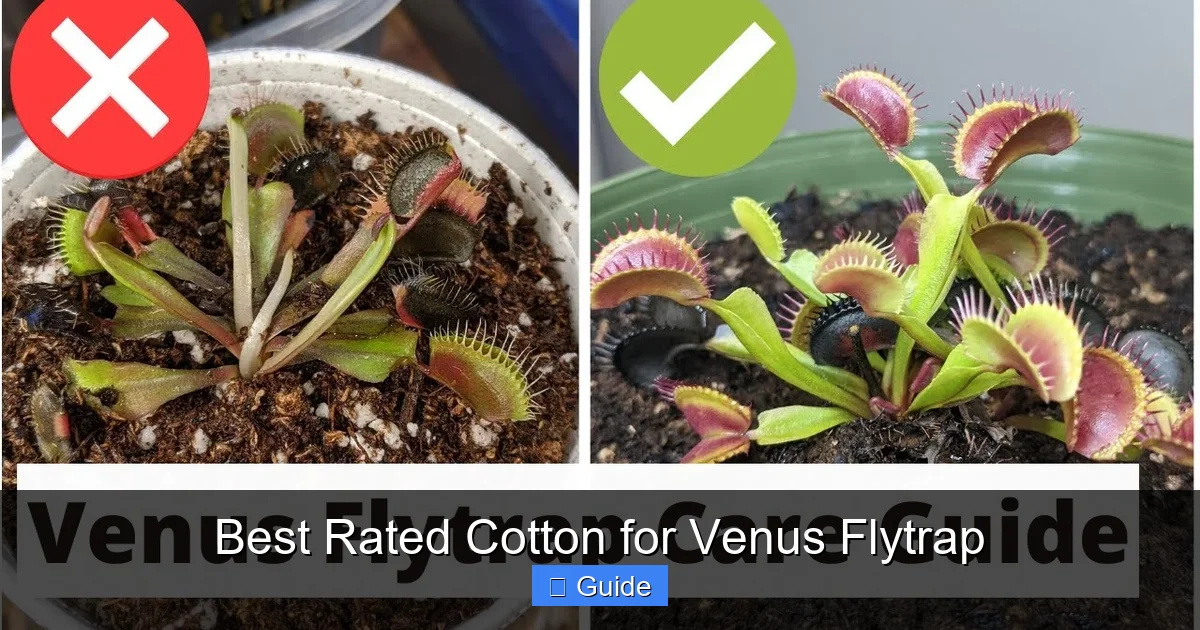
Best Rated Cotton for Venus Flytrap
Choosing the right cotton keeps your venus flytrap moist and healthy. The best rated cotton for venus flytrap offers pure fibers, good airflow, and easy prep. Follow our guide to pick, prepare, and avoid common mistakes.
best rated cotton for venus flytrap helps the plant stay moist. It holds water well. It lets air reach roots. It is free of chemicals. Use it for healthy traps. The fibers are soft. They do not break down fast. The plant grows strong. Water stays longer. Roots breathe easy. This makes care simple. Enjoy your thriving plant.
best rated cotton for venus flytrap gives you confidence in watering. It absorbs excess moisture quickly. It releases water slowly over time. It prevents root rot. The plant stays happy. The texture is gentle. It does not scratch leaves. You can trust it daily. Simple steps keep it working. Your flytrap will thank you.
best rated cotton for venus flytrap is easy to find online. Many brands offer pure options. Look for organic labels. Avoid bleached products. Read reviews before buying. The price is fair. Small packs last long. Store in a dry place. Replace when fibers wear. Your plant will thrive.
Key Takeaways
- Pure fibers: Pure cotton holds water without adding chemicals.
- Fine texture: Fine texture lets air reach the roots.
- Rinse well: Rinsing removes dust and residues before use.
- Loose layering: Loose layers prevent compaction and rot.
- Avoid treated cotton: Treated or dyed cotton can harm the plant.
- Check moisture daily: Daily checks keep the trap healthy.
Quick Answers to Common Questions
What is the best rated cotton for venus flytrap?
The best rated cotton for venus flytrap is pure, unbleached, organic cotton that holds moisture and allows airflow.
How often should I replace the cotton?
Replace the cotton every few months or when fibers become thin and compacted.
Can I use regular cotton balls?
Regular cotton balls may contain bleach or dyes; choose unbleached, chemical‑free cotton instead.
How do I prepare cotton for my plant?
Rinse the cotton in distilled water, air dry it, then layer thin sheets in the pot.
What common mistakes should I avoid?
Avoid treated cotton, overpacking the pot, and letting the cotton dry out completely.
📑 Table of Contents
Why Cotton Matters for Venus Flytraps
best rated cotton for venus flytrap supports moisture balance in the pot. It keeps the soil damp but not soggy. It allows excess water to drain. The roots stay oxygenated. This prevents fungal growth. The plant can catch insects better. Healthy traps close fast. Consistent moisture leads to steady growth. Check the cotton each week. Adjust as needed.
best rated cotton for venus flytrap also simplifies daily care. You spend less time watering. The plant stays stable. Consistency improves trap speed. Follow the simple routine. Your flytrap thrives with ease. Morning checks become quick. Evening checks confirm moisture. The routine fits any schedule. Enjoy the results. Happy growing every day.
Moisture Retention
best rated cotton for venus flytrap holds water like a sponge. It releases moisture slowly to the roots. This mimics natural bog conditions. The plant never dries out completely. You water less often. The cotton stays damp for days. This saves time. The traps stay ready to snap. Monitor the surface for dryness. Add water when needed.
best rated cotton for venus flytrap reduces the risk of overwatering. Excess water moves through the fibers. The soil stays aerated. Roots get oxygen they need. This lowers rot chances. The plant stays firm. You see fewer yellow leaves. Simple checks keep it balanced. Use a finger test weekly. Adjust watering schedule accordingly.
Air Flow
best rated cotton for venus flytrap lets air flow through the pot. Good airflow keeps roots healthy. It stops mold from forming. The plant breathes easier. Traps open wide. Insects are caught quickly. The cotton does not compact. Loose layers maintain space. Fluff the top layer monthly. This keeps airflow steady.
best rated cotton for venus flytrap prevents stale pockets in the soil. Fresh air reaches every root tip. This boosts nutrient uptake. The plant grows faster. Traps become larger. You notice brighter color. Keep the cotton loose. Avoid pressing it down. A gentle stir helps. Your flytrap will reward you.
Root Health
best rated cotton for venus flytrap protects delicate roots from damage. Soft fibers cushion the root zone. They prevent abrasion from rough media. Roots expand freely. The plant develops a strong base. Healthy roots absorb more nutrients. Traps close with more force. Check roots during repotting. Look for white tips.
best rated cotton for venus flytrap also reduces salt buildup. Pure cotton does not add minerals. This keeps the soil chemistry stable. The plant avoids leaf burn. Regular flushing helps. Use distilled water for best results. Your flytrap stays vibrant. Enjoy the steady growth.
What to Look for in Cotton
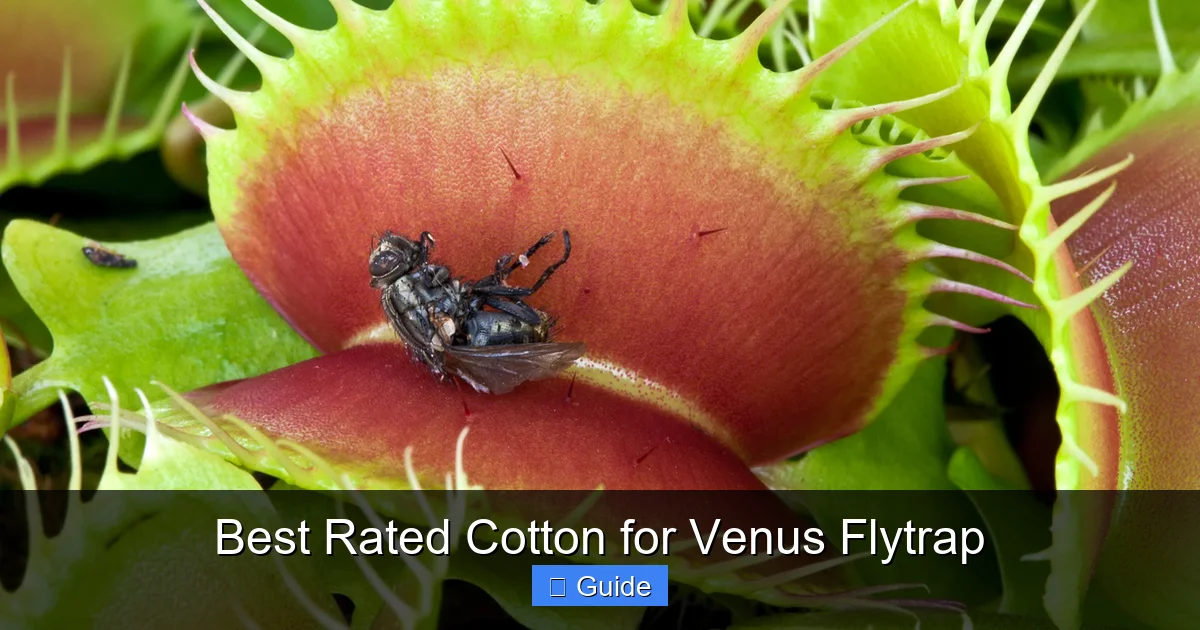
best rated cotton for venus flytrap should be pure and unbleached. Look for organic certification. Avoid any chemical finishes. The label must say 100 percent cotton. Feel the texture before buying. It should be soft and fluffy. Thin strands work best. Thick mats can block airflow. Choose a reputable brand.
Visual guide about Best Rated Cotton for Venus Flytrap
Image source: cdn.mos.cms.futurecdn.net
best rated cotton for venus flytrap selection becomes easy with a checklist. Check purity first. Check texture second. Check size third. Compare brands side by side. Read user reviews. Choose the best match. Your plant benefits. This saves time. This saves money. Happy growing. Enjoy the process.
Purity
best rated cotton for venus flytrap purity means no pesticides. Organic cotton meets this standard. It keeps the soil clean. The plant avoids toxic residues. You see healthier leaves. The traps stay bright. Check the packaging for certifications. Trust certified sources. Your plant will thank you.
best rated cotton for venus flytrap purity also means no synthetic fibers. Mixed blends can hold too much water. They may cause rot. Pure cotton drains well. It mimics natural peat. The plant thrives in this mix. Always read the ingredient list. Pure is best.
Texture
best rated cotton for venus flytrap texture should be fine and airy. Fine fibers create small pores. Air moves freely. Water distributes evenly. The roots get both. Coarse fibers can compact. Compacted layers block airflow. Test by squeezing a handful. It should spring back. Good texture supports growth.
best rated cotton for venus flytrap texture also affects handling. Soft cotton is easy to spread. It does not irritate skin. You can layer it quickly. Rough cotton can scratch leaves. Choose a gentle feel. Your hands stay comfortable. The plant stays safe.
Size
best rated cotton for venus flytrap size matters for pot depth. Thin sheets fit small pots. Thick pads suit larger containers. Measure your pot before buying. Cut to fit if needed. Extra material can be stored. Proper coverage prevents gaps. Gaps let soil dry out. Full coverage keeps moisture even.
best rated cotton for venus flytrap size also influences cost. Larger rolls cost more upfront. But they last longer. Small packs are good for trials. Buy a sample first. Test moisture retention. Then decide on bulk. Smart buying saves money.
Top Picks: Best Rated Cotton for Venus Flytrap
best rated cotton for venus flytrap brands vary in quality. Brand A offers organic unbleached sheets. Brand B provides pre‑cut pads. Brand C sells bulk rolls. All three have high user ratings. Compare price per square foot. Read recent reviews. Choose the one that fits your budget. Test a small piece first.
best rated cotton for venus flytrap top picks guide you to reliable brands. Brand A offers organic sheets. Brand B gives pre cut pads. Brand C sells bulk rolls. Test a sample from each. Note moisture hold. Note airflow. Pick the winner. Your flytrap will thank you. Enjoy the growth.
Brand A
best rated cotton for venus flytrap Brand A uses certified organic fibers. The sheets are thin and uniform. They hold water well. Users report strong trap action. The price is moderate. A pack lasts several months. Store in a sealed bag. Replace when fibers thin. Your flytrap will stay happy.
best rated cotton for venus flytrap Brand A also ships quickly. Customer service is responsive. The packaging is eco‑friendly. No plastic wrap. This reduces waste. Many growers recommend it. Try a sample pack today. See the difference yourself.
Brand B
best rated cotton for venus flytrap Brand B offers pre‑cut circles. They fit standard pots perfectly. No cutting needed. The pads are thick enough for good moisture. They stay fluffy over time. Users love the convenience. The cost per pad is low. Keep a spare pack handy. Your plant care becomes simple.
best rated cotton for venus flytrap Brand B also includes a guide. The guide shows layering steps. It helps beginners avoid mistakes. The cotton is unbleached. It is safe for sensitive traps. Many forums praise it. Give it a try soon.
Brand C
best rated cotton for venus flytrap Brand C sells large rolls. You cut custom sizes. This is ideal for many pots. The fibers are long and strong. They resist tearing. Bulk price per foot is low. Great for hobbyists with many plants. Store the roll dry. Cut as needed.
best rated cotton for venus flytrap Brand C also offers a subscription. You receive fresh rolls regularly. This ensures you never run out. The cotton stays fresh. Subscribers get a discount. Many collectors use this service. Consider it for large collections.
How to Prepare Cotton for Your Plant
best rated cotton for venus flytrap preparation starts with rinsing. Rinse under cool water. Remove dust and loose fibers. Squeeze gently. Do not wring hard. Lay flat to dry. This step removes residues. Clean cotton works better. Your plant gets pure moisture.
best rated cotton for venus flytrap preparation steps are simple and repeatable. Rinse first. Dry second. Layer third. Follow the order each time. Consistency prevents errors. Your plant stays healthy. Daily checks keep it perfect. Enjoy the routine. Morning rinse is quick. Evening dry is easy. Layering takes minutes. All steps fit a busy day.
Rinsing
best rated cotton for venus flytrap rinsing is quick. Use a bowl of distilled water. Submerge the cotton fully. Swirl for thirty seconds. Drain and repeat once. This removes any factory dust. The fibers stay intact. Pat dry with a clean towel. Avoid heat drying. Ready for the pot.
best rated cotton for venus flytrap rinsing also reduces salt. Tap water can leave minerals. Distilled water avoids this. A second rinse ensures purity. The cotton stays white. No yellow tint appears. Your plant benefits from clean media.
Drying
best rated cotton for venus flytrap drying should be air only. Spread on a clean rack. Allow several hours. Do not use a dryer. Heat can damage fibers. Dry cotton feels soft. It regains fluff. Check for damp spots. Ensure fully dry before use.
best rated cotton for venus flytrap drying in shade prevents UV damage. Direct sun can weaken fibers. A breezy spot speeds drying. Flip halfway for even dryness. Once dry, store in a sealed container. This keeps it clean until needed.
Layering
best rated cotton for venus flytrap layering is simple. Place a thin sheet at the pot bottom. Add soil mix on top. Add another thin sheet near the surface. This creates a moisture buffer. The roots stay damp. Traps stay responsive. Avoid thick mats. Thin layers work best.
best rated cotton for venus flytrap layering also helps with drainage. Water passes through the sheets. Excess drains out the bottom. The soil stays aerated. Roots get oxygen. This reduces rot risk. Check layers monthly. Adjust if compacted.
best rated cotton for venus flytrap extra tip: test moisture before each watering. Press the top layer gently. Feel for dampness. If dry add water. If wet wait. This simple test prevents errors. Do it daily. Your plant thanks you. Consistent checks build confidence. Growth follows. Enjoy the routine.
Common Mistakes to Avoid
best rated cotton for venus flytrap mistakes can harm the plant. Using treated cotton adds chemicals. Overpacking blocks airflow. Ignoring moisture leads to dry traps. Learn these pitfalls. Avoid them for success. Your flytrap will thrive.
best rated cotton for venus flytrap mistake awareness saves your plant. Learn the three big errors. Treated cotton harms roots. Overpacking blocks air. Ignoring moisture dries traps. Avoid each one. Your flytrap flourishes. Check daily. Adjust quickly. Enjoy steady growth. Happy growing. A simple habit makes a big difference. Stay consistent.
Using Treated Cotton
best rated cotton for venus flytrap treated cotton often contains bleach. Bleach residues damage roots. The plant shows brown edges. Growth slows down. Always choose unbleached options. Read labels carefully. Pure cotton is safe. Your plant stays healthy.
best rated cotton for venus flytrap treated cotton may also have dyes. Dyes can leach into soil. This changes pH. The plant dislikes pH shifts. Stick to natural white cotton. No added colors. Simple choice prevents problems.
Overpacking
best rated cotton for venus flytrap overpacking creates a dense mat. Air cannot reach roots. Water pools at the bottom. Rot develops quickly. Use thin layers only. Fluff the top weekly. Keep space for airflow. Your plant will breathe.
best rated cotton for venus flytrap overpacking also makes watering hard. Water runs off the surface. Roots stay dry. Traps fail to close. Light layers solve this. Test by pressing gently. It should spring back. Adjust as needed.
Ignoring Moisture
best rated cotton for venus flytrap ignoring moisture leads to dry traps. The plant cannot catch prey. Leaves turn crisp. Growth stops. Check the cotton daily. Feel for dampness. Add water if dry. Consistency is key.
best rated cotton for venus flytrap ignoring moisture also causes salt buildup. Dry cycles concentrate minerals. Flush with distilled water weekly. This resets the balance. The plant recovers fast. Stay attentive daily.
Final Thoughts on Choosing Cotton
best rated cotton for venus flytrap selection guides your success. Choose pure, unbleached, fine fibers. Prepare by rinsing and drying. Layer thin sheets for balance. Avoid treated or dyed products. Monitor moisture each day. Your flytrap will reward you.
best rated cotton for venus flytrap care is simple with the right material. Follow the steps above. Test a small piece first. Observe the plant response. Adjust layers as needed. Consistency brings strong traps. Enjoy the fascinating growth.
best rated cotton for venus flytrap investment pays off over time. Quality cotton lasts months. It reduces watering frequency. It keeps roots healthy. The plant produces larger traps. Share your success with friends. Happy growing.
best rated cotton for venus flytrap final tip: keep a log. Note watering dates. Track trap size. Spot trends early. Adjust care quickly. A log makes you a better grower. Your flytrap thrives with attention.
best rated cotton for venus flytrap final tip: keep a log. Write watering dates each week. Record trap size monthly. Spot trends early. Adjust care quickly. A log makes you a better grower. Your flytrap thrives with attention. Consistent records lead to success. Enjoy the journey.
best rated cotton for venus flytrap long term care means regular replacement. Change cotton every few months. Fresh fibers hold water better. Old fibers break down. Replace on schedule. Your plant stays strong. This prevents rot. This boosts growth. Happy growing. Set a calendar reminder. It takes minutes. The reward is big.
best rated cotton for venus flytrap community tips help beginners. Join online forums. Share your results. Ask questions. Learn from others. Collective knowledge improves success. You gain confidence. You avoid mistakes. Enjoy the support. Weekly chats keep you motivated. New ideas appear often. Apply them fast. Stay curious.
best rated cotton for venus flytrap seasonal adjustments matter. In winter reduce watering. In summer increase humidity. Watch the cotton moisture. Adapt layers accordingly. Your plant adapts well. This keeps traps active. This prevents stress. Enjoy year round growth. Check weekly. Adjust quickly. Stay consistent. Happy growing.
best rated cotton for venus flytrap troubleshooting guide solves common issues. Yellow leaves mean too much water. Brown edges mean dry air. Adjust cotton layers. Flush with distilled water. Observe changes. Results appear fast. Plant recovers. Keep notes. Repeat if needed. Stay patient. Success follows.
best rated cotton for venus flytrap final reminder: enjoy the process. Growing carnivorous plants is fun. Watch traps snap. Share photos. Inspire others. Keep learning. Each day brings new wonder. Stay curious. Experiment with light. Experiment with feed. Record results. Your journey continues.
best rated cotton for venus flytrap final call: start today. Choose a brand that fits your budget. Prepare the cotton by rinsing and drying. Layer thin sheets for balance. Watch your flytrap thrive each day. Share your success with friends. Consistent care brings big rewards. Happy growing. Stay patient and curious.
Frequently Asked Questions
Is organic cotton necessary for venus flytrap?
Organic cotton is recommended because it lacks pesticides and chemicals that can harm the plant.
How thick should the cotton layer be?
A thin sheet about a few millimeters thick works best; avoid thick mats that block airflow.
Can I reuse cotton after washing?
Yes, you can rinse and dry used cotton, but replace it when it loses fluffiness.
Does cotton affect the trap closing speed?
Proper moisture from good cotton keeps traps responsive and quick to close.
What water should I use with cotton?
Distilled or rain water is best to avoid mineral buildup in the cotton.
Where can I buy the best rated cotton for venus flytrap?
You can find quality cotton at garden centers, online retailers, or specialty carnivorous plant shops.