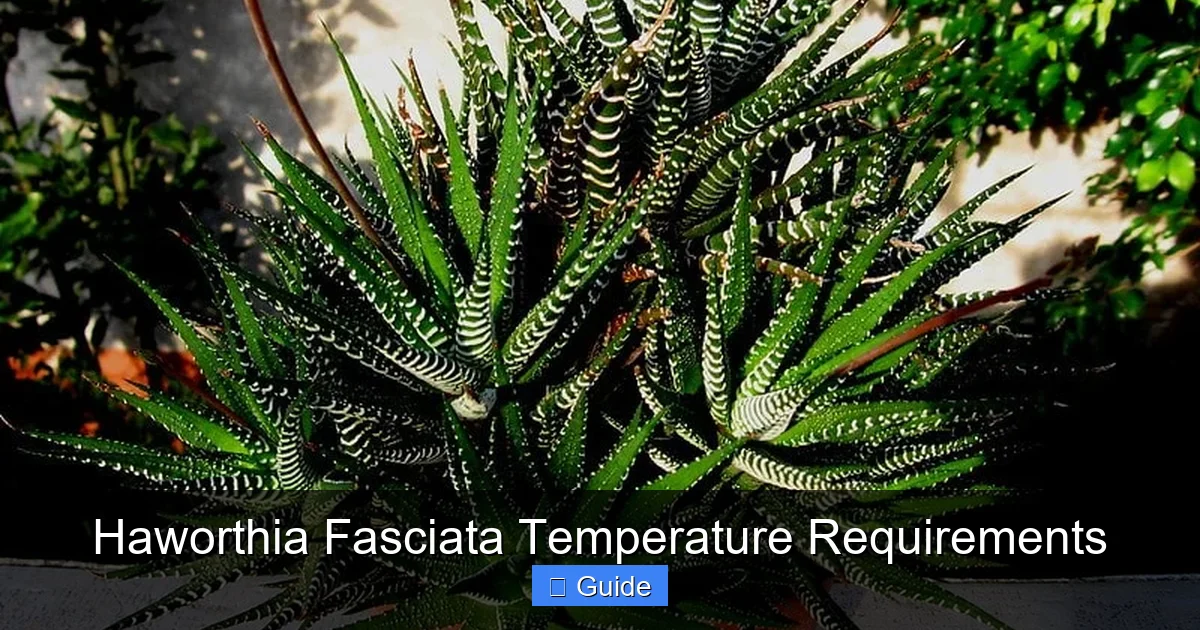
Haworthia Fasciata Temperature Requirements
Haworthia fasciata thrives in temperatures between 65°F and 80°F during active growth. Protect your zebra plant from frost below 40°F and extreme heat above 95°F to prevent damage. This guide covers everything you need to know about temperature care for year-round success.
If you have ever brought home a stunning zebra plant only to watch it struggle, temperature might be the culprit. These charming succulents look tough with their thick, striped leaves. But they have specific comfort zones. Understanding Haworthia fasciata temperature requirements makes the difference between a thriving plant and a declining one.
I have grown these beauties for years. I have made every mistake in the book. I have left them out during an unexpected frost. I have cooked them near a scorching summer window. Through trial and error, I learned exactly what they need. This guide shares all those lessons so you can skip the heartache.
We will cover the ideal ranges for every season. You will learn how to spot trouble early. You will discover simple tricks to maintain perfect conditions indoors and out. Whether you are a new plant parent or a seasoned collector, this information will help your zebra plant flourish.
Key Takeaways
- Optimal Range: Haworthia fasciata temperature requirements center on 65°F to 80°F for active growth and best appearance.
- Cold Tolerance: These succulents can briefly survive down to 40°F but suffer damage below freezing.
- Heat Limits: Temperatures above 95°F cause stress, leaf curling, and potential sunburn when combined with bright light.
- Seasonal Shifts: Winter dormancy requires cooler temps around 50°F to 60°F to mimic natural cycles.
- Indoor Stability: Household temperatures usually work perfectly without special equipment.
- Transition Slowly: Moving plants between environments requires gradual acclimation over 7 to 10 days.
- Watch for Signs: Leaf color changes, curling, and mushy texture signal temperature stress immediately.
Quick Answers to Common Questions
What is the ideal temperature range for Haworthia fasciata?
The ideal temperature range for Haworthia fasciata is 65°F to 80°F during active growth periods. This range promotes healthy photosynthesis, strong root development, and compact rosette formation.
Can Haworthia fasciata survive freezing temperatures?
No, Haworthia fasciata cannot survive freezing temperatures. Frost at 32°F or below causes irreversible cellular damage, turning the plant mushy and black. The absolute minimum safe temperature is 40°F.
How do I protect my Haworthia fasciata during a heatwave?
Move plants to bright shade, increase airflow with fans, water deeply in early morning, and consider bringing them indoors if temperatures exceed 95°F. Shade cloth can reduce temperatures by 10-15°F for outdoor plants.
Should I keep my Haworthia fasciata warmer in winter?
Actually, Haworthia fasciata prefers cooler temperatures of 50°F to 60°F during winter dormancy. This rest period mimics their natural South African climate and encourages better growth and flowering in spring.
What are the signs of temperature stress in Haworthia fasciata?
Cold stress shows as brown crispy leaf tips, translucent mushy patches, and purplish discoloration. Heat stress appears as inward leaf curling, loss of plumpness, dull color, and bleached sunburn patches.
📑 Table of Contents
- Understanding the Natural Habitat
- The Sweet Spot: Optimal Temperature Range
- Seasonal Temperature Management
- Cold Tolerance and Frost Protection
- Heat Stress and Summer Survival
- Indoor vs Outdoor Growing Considerations
- Signs of Temperature Stress
- Special Situations and Troubleshooting
- Creating the Perfect Microclimate
- Common Myths Debunked
- Year-Round Temperature Calendar
- Conclusion
Understanding the Natural Habitat
To truly grasp Haworthia fasciata temperature requirements, we must look at where they come from. These plants are native to the Eastern Cape province of South Africa. They grow tucked between rocks and in the shade of larger shrubs. This environment shapes their preferences.
South African Climate Patterns
The Eastern Cape enjoys a subtropical climate. Summers are warm but rarely extreme. Average highs sit around 80°F to 85°F. Winters are mild and dry. Lows rarely dip below 45°F. Frost is uncommon but possible in inland areas. Rain falls mostly in spring and autumn.
This tells us something crucial. Haworthia fasciata evolved with moderate temperatures. They never experienced harsh freezes. They never endured scorching desert heat. They grew in the filtered light under bushes. The rocks around them provided thermal mass. This buffered temperature swings.
What This Means for Your Plant
Your goal is to mimic this moderation. You do not need a greenhouse. You do not need heating mats. You simply need to avoid extremes. Most homes naturally fall within the ideal range. That is why these make such popular houseplants.
But outdoor growers must pay closer attention. A sunny patio in July can hit 100°F. A clear winter night can drop to 30°F. Both spell trouble. Knowing your microclimate matters. A south-facing wall radiates heat. A low spot collects cold air. Observe your space before placing plants.
The Sweet Spot: Optimal Temperature Range
Let us get specific about numbers. The ideal Haworthia fasciata temperature requirements for active growth fall between 65°F and 80°F. Within this window, photosynthesis hums along. Roots absorb water efficiently. New offsets form readily. The characteristic white stripes stay bright and crisp.
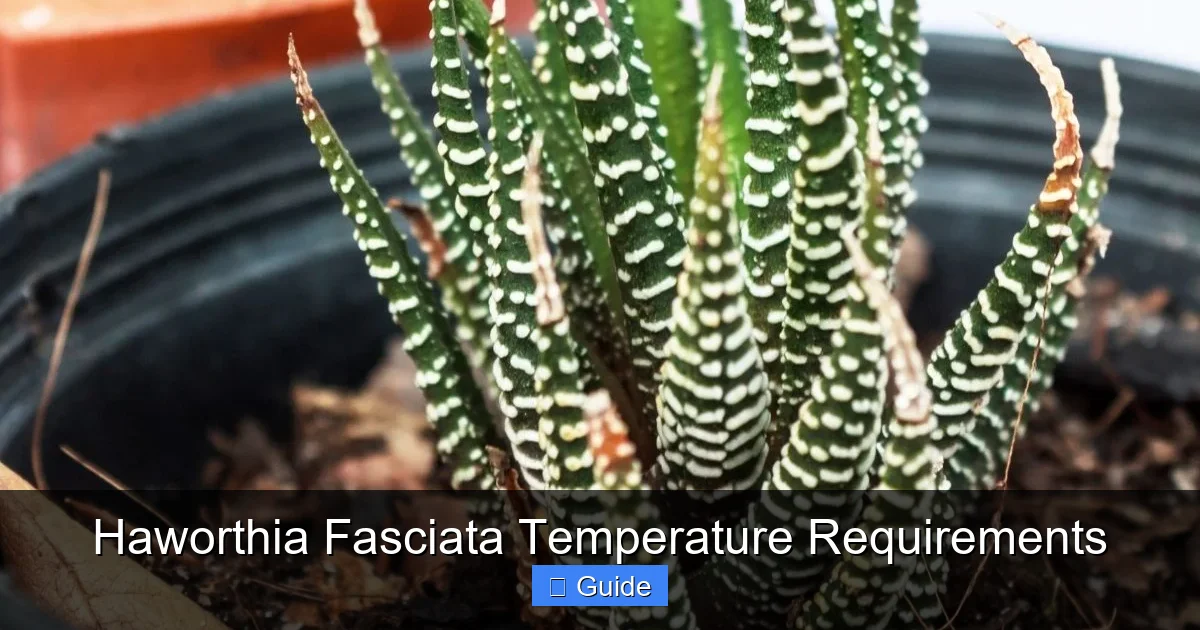
Visual guide about Haworthia Fasciata Temperature Requirements
Image source: nurserylady.com
Daytime vs Nighttime Preferences
Like many succulents, these plants appreciate a slight day-night differential. A drop of 10°F to 15°F at night mimics nature. So if your days hit 75°F, nights around 60°F to 65°F are perfect. This differential encourages stronger growth. It also helps the plant store energy.
Constant temperatures are not harmful. But they can lead to softer, stretched growth. The plant never gets a rest signal. A gentle nightly cooldown keeps growth compact. It maintains those tight, attractive rosettes we all love.
Why 65°F to 80°F Works Best
At 65°F, metabolic processes run smoothly. The plant is awake but not stressed. Water uptake matches transpiration. Nutrients move through tissues efficiently. As you approach 80°F, growth accelerates. But so does water demand.
Above 80°F, the plant shifts into protection mode. Stomata close to conserve moisture. Photosynthesis slows. Growth pauses. The plant survives but does not thrive. Prolonged exposure above 85°F depletes reserves. The leaves may lose their plumpness.
Measuring Accurately
Do not guess. Use a thermometer. Place it at plant level, not on the wall. Sun hitting a shelf creates a hot microclimate. A thermometer on the nearby wall reads 72°F. The plant surface hits 90°F. I learned this the hard way.
Digital min-max thermometers are inexpensive. They show the overnight low and daytime high. Check them weekly. This data helps you adjust before damage occurs. It also reveals patterns you might miss.
Seasonal Temperature Management
Seasons change. Your care must adapt. Haworthia fasciata temperature requirements shift with the calendar. Understanding these cycles prevents the most common mistakes.
Spring Awakening
Spring brings gradual warming. Days lengthen. Light intensity increases. Your plant senses these cues. Growth resumes vigorously. This is the time for repotting if needed. It is the time for fertilizing.
Temperatures between 60°F and 75°F are ideal. Cool nights around 55°F are fine. The plant uses this energy for new roots and leaves. Watch for flower spikes. They often appear in late spring. The blooms are small but charming.
Summer Vigilance
Summer tests your Haworthia fasciata temperature requirements knowledge. Indoor plants usually do fine. Air conditioning keeps things stable. But outdoor plants face real danger.
When forecasts predict 90°F plus, take action. Move pots to morning sun only. Provide shade cloth during peak hours. Increase airflow with a fan. Water early so soil cools by evening. Never water during midday heat. Wet leaves in sun cause burns.
If a heatwave hits, bring plants inside. A few days indoors beats permanent damage. The transition is temporary. Return them when temperatures normalize. Just harden them off again gradually.
Autumn Transition
Autumn signals slowing down. Growth rate decreases. Water needs drop. Temperatures falling into the 60s are welcome. Nights in the 50s trigger dormancy preparation.
This is your last chance for repotting. Do it early in the season. Stop fertilizing by mid-autumn. Let the plant harden off naturally. The cooler nights and shorter days do the work for you.
Winter Dormancy
Winter is rest time. Haworthia fasciata temperature requirements now shift cooler. Ideal range: 50°F to 60°F. This mimics their South African winter. The plant essentially pauses.
Water sparingly. Once every three to four weeks is plenty. Keep them bright but cool. A sunny, unheated room works beautifully. A basement with grow lights works too. Avoid warm rooms with low light. That combination causes etiolation. The plant stretches weakly toward light.
If you cannot provide cool temps, keep them at normal room temperature. But reduce water significantly. The plant will not truly rest. But it will survive until spring.
Cold Tolerance and Frost Protection
One of the most critical aspects of Haworthia fasciata temperature requirements is cold tolerance. These are not cold-hardy succulents. They cannot handle freezing. But they have more resilience than you might think.
The 40°F Threshold
Forty degrees Fahrenheit is your red line. Above 40°F, the plant is safe. Growth slows. Water uptake nearly stops. But cells remain intact. The plant waits for warmth.
At 35°F to 40°F, you enter the danger zone. Cold damage begins at the cellular level. Leaf tips may brown. The epidermis can separate from underlying tissue. This shows as translucent patches. The damage is permanent.
Frost is Fatal
Once temperatures hit 32°F, ice crystals form in plant tissues. The thick leaves burst. The plant turns to mush. There is no recovery. A single night of frost kills a mature specimen.
I lost a five-year-old mother plant this way. I thought the covered porch offered enough protection. The thermometer read 34°F at the house. But at plant level, it hit 31°F. Cold air settles. Always measure at the plant.
Protecting Outdoor Plants
If you grow outside in marginal zones, have a plan. Frost cloth raises temperatures 4°F to 8°F. Old bedsheets work in a pinch. Plastic touches leaves and transfers cold. Never use plastic directly on plants.
Cluster pots together. Place them against a south-facing wall. The wall radiates stored daytime heat. String old-school Christmas lights (not LED) through the plants. They provide gentle warmth. A 100-watt bulb under a frost tent works for larger collections.
Bringing Them In
The simplest protection is relocation. When nightly lows approach 45°F, start moving plants inside. Do not wait for 40°F. The transition is easier on the plant. It also prevents pest hitchhikers.
Inspect each plant carefully. Check leaf axils. Check the crown. Check the soil surface. Treat any pests before they meet your other houseplants. A preventive neem oil spray is wise.
Heat Stress and Summer Survival
Heat stress is the silent killer. It creeps up during heatwaves. It strikes plants in sunny windows. Understanding the upper limits of Haworthia fasciata temperature requirements saves lives.
Recognizing Heat Stress
The first sign is leaf curling. The edges roll inward. The plant reduces surface area to limit water loss. Next, the color dulls. The vibrant green fades. The white stripes may yellow.
Prolonged heat causes leaf drop. The plant sacrifices older leaves to save the crown. The remaining leaves become soft and limp. They lose turgor pressure. If you touch them, they feel like deflated balloons.
The Danger of Combined Stress
Heat alone is bad. Heat plus intense light is worse. Heat plus dry soil is fatal. These factors multiply each other. A plant at 95°F in bright shade survives. The same plant at 95°F in direct sun cooks.
South-facing windows in summer create this perfect storm. Glass amplifies heat. The air between glass and curtain can hit 110°F. Your thermostat reads 72°F. Your plant bakes.
Cooling Strategies
Move plants back from hot windows. Even six inches makes a difference. Sheer curtains diffuse light and reduce heat. A small fan circulating air prevents hot pockets.
Water deeply in early morning. Cool soil buffers root temperature. But do not overwater. Wet soil in heat breeds rot. The top inch must dry between waterings.
Group plants together. They create a humid microclimate. Transpiration from multiple plants cools the air slightly. It is a small effect but helpful.
Emergency Cooling
During extreme heatwaves, take drastic measures. Move plants to the coolest room. A bathroom with tile floors stays cooler. A basement is ideal. If you have air conditioning, use it.
Mist the air around plants, not the plants themselves. Evaporation cools the surrounding air. Do this in morning only. Wet leaves at night invite fungus.
Indoor vs Outdoor Growing Considerations
Where you grow changes everything. Indoor Haworthia fasciata temperature requirements are easier to meet. Outdoor growing offers better light but demands vigilance.
The Indoor Advantage
Most homes stay between 65°F and 75°F year-round. This is the sweet spot. You rarely need special equipment. Central heating and cooling do the work.
But indoor growing has pitfalls. Heating vents blast hot, dry air. Plants nearby crisp up fast. Drafty windows create cold spots in winter. The windowsill reads 50°F while the room is 70°F.
Air conditioning vents blow cold air directly on plants in summer. This causes uneven growth. The plant leans away from the cold. Rotate regularly to compensate.
Window Orientation Matters
East windows offer gentle morning sun. Temperatures stay moderate. This is the gold standard. West windows bring intense afternoon heat. Summer afternoons can spike 15°F above room temp.
South windows provide the most light. But they also bring the most heat. In winter, they are perfect. In summer, they need shading. North windows lack sufficient light for compact growth.
Outdoor Benefits and Risks
Outdoor plants grow stronger. Better light creates tighter rosettes. UV exposure enhances the white striping. Airflow prevents fungal issues. Rainwater provides pure hydration.
But you become a weather watcher. You check forecasts daily. You rush home to move plants before storms. You invest in shade cloth and frost blankets. It is a commitment.
Seasonal Migration Strategy
Many growers do both. Plants summer outside. They winter inside. This gives the best of both worlds. But the transition requires care.
Moving out in spring: Start with full shade. Two hours of morning sun. Increase by 30 minutes daily. After two weeks, they handle their final spot. Rushing causes sunburn. Sunburn looks like bleached patches. It never heals.
Moving in during autumn: Check for pests first. Hose down foliage. Let dry completely. Bring inside before heating systems run constantly. The humidity drop shocks plants. A pebble tray helps ease the transition.
Signs of Temperature Stress
Your plant communicates. Learn its language. Early detection of Haworthia fasciata temperature requirements violations allows quick correction.
Cold Stress Signals
Cold stress shows first at leaf tips. They turn brown and crispy. The damage moves inward. Leaves become translucent and mushy. This is cell rupture. The tissue is dead.
The plant may collapse at the base. The crown turns black. This is crown rot from cold damage. Once the crown goes, the plant is gone. Offsets might survive if separated quickly.
Color changes also signal cold. A purplish or reddish blush appears. This is anthocyanin production. It is a stress pigment. Some growers like the look. But it means the plant is unhappy.
Heat Stress Signals
Heat stress starts with curling. Leaves fold like tacos. The plant closes its stomata. Growth stops. The rosette tightens protectively.
Leaves lose plumpness. They feel soft. The plant cannibalizes older leaves. The bottom leaves wither first. This is normal in moderation. Excessive loss signals chronic stress.
Sunburn accompanies heat stress often. Bleached white or tan patches appear. These are permanent scars. The tissue is dead. New growth will cover them eventually.
Recovery Steps
For cold damage: Move to stable 65°F to 70°F immediately. Do not water for a week. Let damaged tissue callus. Remove mushy leaves only when dry and crispy. Pulling wet rot spreads infection.
For heat damage: Move to bright shade at 70°F to 75°F. Water if soil is dry. Increase humidity slightly. Do not fertilize. Wait for new growth before resuming normal care.
Both recoveries take patience. The plant sets its own timeline. New growth from the center means success. No new growth after a month means the crown died.
Special Situations and Troubleshooting
Real life throws curveballs. Power outages. Vacation care. Heatwaves. Cold snaps. Here is how to handle the exceptions to standard Haworthia fasciata temperature requirements.
Power Outage in Winter
Your heat fails. Temperatures plummet. You have hours, not days. Group all plants in the smallest room. Close the door. Body heat helps. Candles add surprising warmth. Never use propane heaters indoors.
If you have a garage that stays above freezing, move plants there temporarily. A car with the engine running provides heat. But ventilation is critical. Carbon monoxide kills.
Insulate pots with bubble wrap. Wrap the plant loosely in frost cloth. Prioritize your rarest specimens. Common varieties are replaceable.
Summer Vacation Care
You leave for two weeks in July. Who watches the plants? If no one, prepare them. Water deeply two days before leaving. Move all plants to bright indirect light. Close curtains on south and west windows.
Set thermostat to 78°F maximum. Use a smart plug on a fan for air circulation. Group plants on a pebble tray with water. The evaporation creates humidity buffer.
For longer trips, consider a plant sitter. Leave written instructions. Show them exactly how to check soil. Overwatering by helpers kills more plants than heat.
Greenhouse Growing
Greenhouses amplify everything. Days get hotter. Nights get colder. Ventilation is non-negotiable. Automatic vent openers pay for themselves. Shade cloth is essential by late spring.
Winter heating adds cost. A small electric heater with thermostat works for hobby houses. Keep it at 45°F minimum. Circulate air to prevent cold pockets. Dampness plus cold breeds botrytis.
Propagation Temperature Needs
Offsets and leaf cuttings need warmth. 70°F to 75°F speeds rooting. Bottom heat from a seedling mat helps. But do not exceed 80°F. High heat plus high humidity rots cuttings.
Seeds need even more precision. 72°F to 75°F constant. Light required. Humidity dome on. Vent daily. Temperature swings kill seedlings fast. They have no reserves.
Creating the Perfect Microclimate
You can engineer ideal conditions. Small adjustments yield big results. Mastering Haworthia fasciata temperature requirements means mastering microclimates.
Thermal Mass Techniques
Stone, ceramic, and water store heat. Place pots on a slate tile. The tile absorbs daytime warmth. It releases it slowly at night. This buffers temperature swings.
Water-filled containers near plants work similarly. Dark-colored jugs absorb more heat. This trick extends the growing season outdoors. It protects against early frosts.
Airflow Management
Stagnant air creates hot spots. It also encourages pests. A small clip-on fan on low setting works wonders. Run it a few hours daily. Point it near plants, not directly at them.
Good airflow equalizes temperature. It strengthens plant tissue. It mimics the breezy South African hillsides. Your plants will grow stockier and more resilient.
Monitoring Technology
Bluetooth thermometers alert your phone. Set thresholds for high and low. Get notifications before disaster strikes. Some models track humidity too. Data logs reveal patterns over weeks.
Smart home integration lets you automate. Fan turns on at 80°F. Heater kicks in at 45°F. Grow lights dim at 85°F. The system protects plants while you sleep.
Common Myths Debunked
Misinformation spreads fast online. Let us clear up the biggest myths about Haworthia fasciata temperature requirements.
Myth: They Need Desert Heat
False. They are not cacti. They grow in shaded, moderate areas. Desert sun burns them. Desert heat stresses them. Treat them like shade succulents, not sun lovers.
Myth: They Cannot Handle Any Cold
False. They tolerate 40°F fine. They benefit from cool winters. The chill triggers flowering. It toughens the plant. Just avoid freezing.
Myth: Indoor Temperatures Are Always Fine
Mostly true. But windowsills vary wildly. Heating vents create deserts. AC vents create tundras. Measure at plant level. Do not assume.
Myth: Heat Damage Is Reversible
False. Sunburn is permanent. Collapsed leaves do not reinflate. The plant must grow new leaves. Prevention is the only cure.
Myth: All Haworthias Have Same Needs
False. Haworthia fasciata temperature requirements differ from Haworthia cooperi or truncata. Window species need more heat protection. Research your specific variety.
Year-Round Temperature Calendar
Here is your quick-reference guide. Print it. Post it near your plants. Adjust for your hemisphere and climate zone.
January to March
- Target: 50°F to 60°F
- Water: Monthly
- Light: Bright as possible
- Action: Monitor for etiolation
April to June
- Target: 60°F to 75°F
- Water: Weekly when dry
- Light: Morning sun, afternoon shade
- Action: Repot, fertilize, propagate
July to September
- Target: 65°F to 80°F (max 85°F)
- Water: Weekly, early morning
- Light: Bright shade or filtered
- Action: Heatwave watch, shade cloth ready
October to December
- Target: 55°F to 65°F
- Water: Biweekly, tapering off
- Light: Full sun okay as intensity drops
- Action: Pest check, move indoors, reduce water
Conclusion
Mastering Haworthia fasciata temperature requirements is not complicated. It is about moderation. These plants want what we want. Comfortable days. Cool nights. No extremes.
Remember the key numbers. 65°F to 80°F for growth. 50°F to 60°F for rest. 40°F absolute minimum. 95°F absolute maximum. Stay inside these guardrails and your zebra plant will reward you with decades of architectural beauty.
Start with a thermometer. Observe your microclimates. Adjust with the seasons. Trust the plant’s signals. It will tell you when things are right. The tight rosettes. The crisp stripes. The steady production of offsets. That is the language of a happy Haworthia.
You have the knowledge now. You have the tools. Go grow something beautiful.
Frequently Asked Questions
What temperature is too cold for Haworthia fasciata?
Temperatures below 40°F risk cold damage to Haworthia fasciata. While they may survive brief dips to 35°F, prolonged exposure causes cellular damage. Freezing temperatures at 32°F or below are fatal.
What temperature is too hot for Haworthia fasciata?
Temperatures above 95°F cause heat stress in Haworthia fasciata. Combined with direct sunlight, damage occurs even faster. The plant will curl leaves, lose color, and stop growing to conserve moisture.
Can Haworthia fasciata stay outside in winter?
Only in USDA zones 10-11 where winter lows stay above 40°F. In cooler zones, bring plants indoors before nighttime temperatures consistently drop below 45°F to allow safe acclimation.
Do Haworthia fasciata need a temperature drop at night?
A 10-15°F nighttime temperature drop mimics their natural habitat and promotes compact growth. However, constant indoor temperatures are acceptable and won’t harm the plant.
How do I transition Haworthia fasciata between indoor and outdoor temperatures?
Acclimate gradually over 7-10 days. Start with 2 hours of morning shade, increasing exposure by 30 minutes daily. Reverse the process when moving indoors in autumn.
Does air conditioning or heating harm Haworthia fasciata?
Direct drafts from HVAC vents cause problems. Hot dry air from heating vents desiccates leaves. Cold AC blasts cause uneven growth. Position plants at least 3 feet from vents.