Best Companion Plants for Lettuce
Companion planting transforms your lettuce patch into a thriving ecosystem. Strategic plant pairings naturally repel pests, improve soil health, and increase yields without chemicals. Learn which herbs, vegetables, and flowers make the best companions for lettuce and which plants to avoid for a healthier, more productive garden.
Key Takeaways
- Herbs like chives, mint, and dill repel common lettuce pests: Their strong scents confuse aphids, slugs, and other insects that target tender lettuce leaves.
- Tall plants provide essential shade for lettuce: Tomatoes, corn, and sunflowers protect cool-season lettuce from bolting in summer heat.
- Root vegetables maximize space efficiency: Carrots, radishes, and beets grow downward while lettuce grows upward, sharing garden real estate perfectly.
- Alliums offer dual benefits of pest control and flavor enhancement: Onions, garlic, and shallots deter pests while potentially improving lettuce taste.
- Nitrogen-fixing legumes enrich soil naturally: Peas and beans add vital nutrients that lettuce needs for lush, rapid leaf growth.
- Flowering companions attract beneficial insects: Marigolds, nasturtiums, and calendula draw pollinators and predatory insects that keep pest populations in check.
- Avoid planting lettuce near brassicas and fennel: These plants compete aggressively for nutrients and can inhibit lettuce growth through allelopathic effects.
Quick Answers to Common Questions
What are the absolute best companion plants for lettuce?
Chives, marigolds, carrots, radishes, and peas rank as the top five companions. Chives and marigolds repel pests. Carrots and radishes use different soil depths. Peas add nitrogen. Together they address pests, space, and fertility simultaneously.
Can I plant lettuce next to tomatoes?
Yes, tomatoes make excellent lettuce companions. They provide afternoon shade that prevents bolting. Lettuce acts as living mulch around tomato bases. Space lettuce eight to ten inches from tomato stems to avoid root disturbance during pruning.
What herbs should not be planted with lettuce?
Fennel is the primary herb to avoid. Its allelopathic compounds inhibit lettuce growth. Mint family herbs work well but must be contained in pots to prevent spreading. Parsley and celery compete too aggressively for nutrients and space.
How close should companion plants be to lettuce?
Most companions work within eighteen inches. Alliums protect plants within this radius. Flowers attract beneficials throughout the bed. Tall shade providers should be on the west side, close enough to cast shadow but not touch lettuce leaves.
Does companion planting work in containers?
Absolutely. Container companion planting follows the same principles. Choose compact varieties. Use the thriller-filler-spiller design. A tomato center with lettuce surround and trailing nasturtiums works beautifully in a fifteen-gallon pot.
📑 Table of Contents
- Why Companion Planting Matters for Your Lettuce Garden
- Herb Companions That Protect and Enhance Lettuce
- Vegetable Companions for Space Efficiency and Soil Health
- Flowering Companions for Pest Management and Beauty
- Plants to Avoid Near Lettuce
- Designing Your Lettuce Companion Planting Layout
- Maintaining a Healthy Companion Planting System
- Conclusion: Growing Better Lettuce Through Community
Why Companion Planting Matters for Your Lettuce Garden
Every gardener knows the frustration of watching perfect lettuce leaves get devoured by aphids or bolt into bitter flowers during a heat wave. The solution might be simpler than you think. Companion planting is an ancient practice that modern science continues to validate. When you place the right plants together, they help each other thrive. This natural approach reduces pest problems, improves soil fertility, and makes the most of limited garden space.
Lettuce makes an ideal candidate for companion planting because it grows quickly, has shallow roots, and prefers cool conditions. These traits mean it plays well with many neighbors. The best companion plants for lettuce fall into several categories: pest-repelling herbs, shade-providing tall crops, space-efficient root vegetables, soil-building legumes, and beneficial insect attractors. Understanding these relationships transforms your garden from a collection of individual plants into a cooperative community.
In this guide, we explore the science and practice of lettuce companion planting. You will discover specific plant pairings, learn why they work, and get practical tips for implementing these strategies in beds, containers, and raised gardens. Whether you grow loose-leaf, romaine, butterhead, or crisphead varieties, these principles apply. Let us dig into the world of plant partnerships and help your lettuce reach its full potential.
Herb Companions That Protect and Enhance Lettuce
Chives and Onion Family Alliums
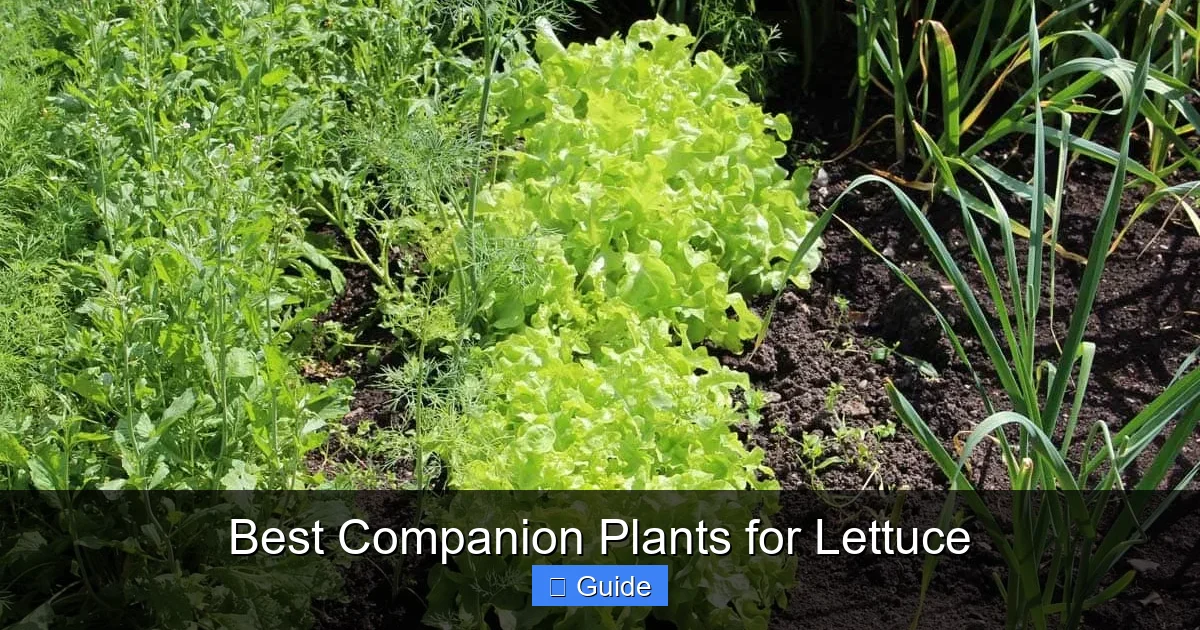
Chives rank among the most valuable herb companions for lettuce. Their pungent sulfur compounds mask the scent of lettuce, confusing pests like aphids, carrot flies, and Japanese beetles. Plant chives as a border around lettuce beds or interplant them every twelve inches. The pretty purple flowers also attract pollinators and beneficial hoverflies whose larvae devour aphids.
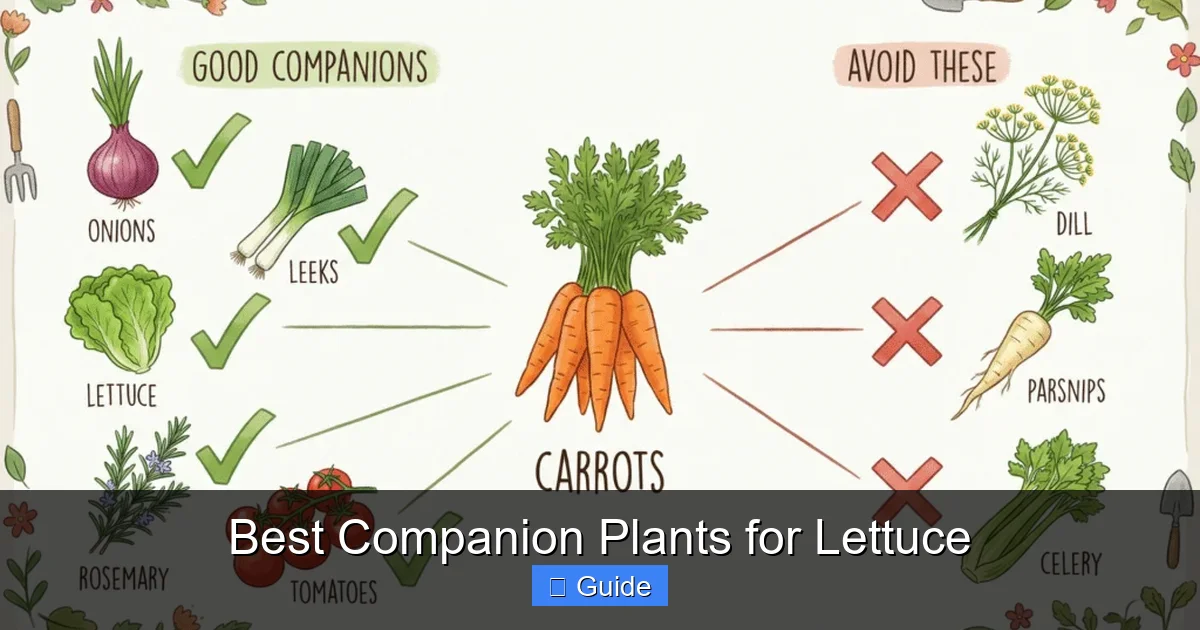
Visual guide about Best Companion Plants for Lettuce
Image source: cdn.opplehouse.com
Garlic offers similar protective benefits with even stronger pest-repelling power. A garlic barrier planting reduces slug and snail damage significantly. Plant garlic cloves in fall around the perimeter of spring lettuce beds. The garlic matures just as lettuce season peaks. Shallots and bunching onions work equally well. These alliums take up minimal space while providing maximum protection.
One gardener in Vermont reported eighty percent less aphid damage on lettuce bordered by chives compared to unprotected beds. The effect extends about eighteen inches from each allium plant. Plan your spacing accordingly. Remember that alliums prefer slightly drier soil than lettuce, so water at the base of lettuce plants rather than overhead.
Aromatic Herbs: Mint, Dill, and Cilantro
Mint family herbs including peppermint, spearmint, and catnip create aromatic shields against flea beetles, ants, and cabbage moths. However, mint spreads aggressively through underground runners. Always plant mint in containers sunk into the ground or in separate pots placed near lettuce beds. This containment prevents mint from overwhelming your lettuce.
Dill serves double duty as a lettuce companion. Its feathery foliage provides light shade, and its flowers attract ladybugs, lacewings, and parasitic wasps. These beneficial insects prey on aphids, caterpillars, and other lettuce pests. Allow a few dill plants to flower throughout the season. The slight shade from dill foliage helps prevent summer bolting in heat-sensitive lettuce varieties.
Cilantro (coriander) offers similar benefits. Its flowers attract hoverflies and parasitic wasps. Cilantro grows quickly in cool weather, matching lettuce timing perfectly. Succession plant both crops every two weeks for continuous harvests. When cilantro bolts in heat, its tall flower stalks provide welcome afternoon shade for remaining lettuce plants.
Basil and Summer Herbs
Basil deserves special mention for summer lettuce plantings. While traditionally paired with tomatoes, basil also benefits lettuce. Its strong aroma repels thrips, mosquitoes, and flies. Plant basil on the south or west side of lettuce to provide afternoon shade. The combination works especially well in containers where space is limited.
Rosemary, sage, and thyme also deter pests with their volatile oils. These Mediterranean herbs prefer drier conditions than lettuce. Plant them at bed edges where soil drains faster, or in adjacent containers. Their woody structure provides year-round habitat for beneficial insects like ground beetles that patrol for slugs at night.
Vegetable Companions for Space Efficiency and Soil Health
Root Vegetables: Carrots, Radishes, and Beets
Root vegetables make excellent lettuce companions because they occupy different soil zones. Lettuce roots concentrate in the top six inches while carrots, parsnips, and beets send taproots deep. This vertical separation eliminates root competition. Radishes mature in twenty-five to thirty days, breaking up soil for slower germinating carrots while marking rows for lettuce thinning.
Carrots and lettuce share similar cool-season preferences. Sow them together in early spring. The feathery carrot tops provide light shade as lettuce matures. Beets offer colorful foliage that adds ornamental value while their roots improve soil structure. Harvest beet greens selectively for salads while letting roots develop. This cut-and-come-again approach works perfectly with lettuce harvesting methods.
Interplant radishes with lettuce at a ratio of one radish per four lettuce plants. Radishes germinate in three to five days, marking rows and loosening soil crust. Harvest radishes before they compete with expanding lettuce rosettes. This technique maximizes yield per square foot in small gardens and raised beds.
Legumes: Peas and Beans for Nitrogen
Peas and beans fix atmospheric nitrogen through symbiotic bacteria in root nodules. This natural fertilization benefits nitrogen-hungry lettuce. Plant peas on trellises along the north side of lettuce beds. The vertical growth provides shade without blocking morning sun. Spring peas finish as summer heat arrives, leaving nitrogen-rich root residue for subsequent lettuce plantings.
Bush beans work well for summer lettuce successions. Their broader foliage creates more substantial shade. Plant bush beans twelve inches apart with lettuce seeded between rows. As beans establish, thin lettuce to the strongest plants. The beans continue producing through summer while lettuce enjoys moderated temperatures.
Pole beans on teepees or trellises create living shade structures. Plant lettuce in a circle around each teepee base. The beans climb upward while lettuce spreads outward. This three-dimensional planting maximizes vertical space. Choose heat-tolerant lettuce varieties like Jericho or Nevada for summer bean companions.
The Tomato and Lettuce Partnership
Tomatoes and lettuce form a classic companion pairing. Tall tomato plants shade heat-sensitive lettuce during peak afternoon sun. Lettuce acts as living mulch, suppressing weeds and conserving soil moisture around tomato bases. This mutualistic relationship extends the lettuce season by weeks in warm climates.
Plant lettuce in a wide band around tomato cages or stakes. Space lettuce eight to ten inches from tomato stems to avoid root disturbance during tomato pruning. Determinate tomatoes work better than indeterminate varieties because they have a defined height and bushier habit, creating more consistent shade patterns.
Cherry tomatoes pair especially well with lettuce due to their earlier and longer production. The continuous flowering attracts pollinators that benefit the entire garden. One study showed lettuce yields increased fifteen percent when intercropped with tomatoes compared to monoculture plantings. The lettuce also reduced tomato blossom end rot by maintaining more consistent soil moisture.
Cucumbers and Squash as Living Mulch
Vining cucumbers and summer squash create dense ground cover that suppresses weeds and retains moisture. Train vines on trellises or cages to prevent them from smothering lettuce. Plant lettuce on the east side of trellised cucumbers to receive morning sun and afternoon shade. The large cucumber leaves create a cooler microclimate ideal for summer lettuce.
Bush cucumber varieties work in smaller spaces. Their compact habit still provides soil coverage without overwhelming neighboring plants. Zucchini and other summer squash have similar benefits but require more space. Allow at least three feet between squash plants and lettuce rows. Harvest squash blossoms for culinary use while letting some develop fruit.
Corn as a Shade Provider
Corn creates dramatic vertical structure in the garden. Plant corn in blocks rather than rows for better pollination. Sow lettuce on the east and north sides of corn blocks. The tall stalks filter intense afternoon sun while allowing morning light penetration. This arrangement mimics the traditional Three Sisters planting but substitutes lettuce for squash.
Sweet corn and popcorn both work. The key is timing. Plant corn two weeks before lettuce so stalks provide shade when lettuce needs it most. Corn roots grow deep while lettuce stays shallow, minimizing competition. After corn harvest, cut stalks at ground level leaving roots to decompose and feed soil biology for fall lettuce crops.
Flowering Companions for Pest Management and Beauty
Marigolds: The Garden Workhorse
French marigolds (Tagetes patula) release compounds from roots that suppress nematodes and other soil pests. Their strong scent also repels above-ground insects. Plant marigolds as a border around lettuce beds or interplant every eighteen inches. Choose compact varieties like ‘Petite’ or ‘Janie’ series that won’t shade lettuce.
African marigolds (Tagetes erecta) grow taller and work better at bed corners or ends. Their larger flowers attract more beneficial insects. Both types bloom continuously until frost with deadheading. Marigolds also add cheerful color to vegetable gardens. The petals are edible and add color to salads alongside lettuce.
Nasturtiums as Trap Crops
Nasturtiums serve as sacrificial trap crops for aphids, whiteflies, and cabbage moths. These pests prefer nasturtiums over lettuce. Plant nasturtiums at bed corners or in nearby containers. Monitor them regularly. When infested, remove heavily affected leaves or entire plants to prevent pest migration to lettuce.
Trailing nasturtium varieties cascade beautifully over raised bed edges. Bush types stay compact. Both produce edible flowers and leaves with peppery flavor that complements lettuce salads. Nasturtiums thrive in poor soil where other plants struggle, making them useful for garden edges and difficult spots.
Calendula and Beneficial Insect Attraction
Calendula (pot marigold) attracts hoverflies, ladybugs, lacewings, and parasitic wasps. These beneficial insects lay eggs near calendula, and their larvae consume enormous numbers of aphids and caterpillars. Calendula self-seeds readily, returning year after year with minimal effort.
The bright orange and yellow flowers bloom from early summer through frost. Deadhead spent blooms to encourage more flowers. Calendula petals are edible and medicinal. They add vibrant color to lettuce salads and can be dried for teas and salves. Plant calendula throughout lettuce beds, not just at edges, for maximum beneficial insect distribution.
Sweet Alyssum for Ground-Level Protection
Sweet alyssum forms low carpets of tiny white or purple flowers. Its shallow roots don’t compete with lettuce. The flowers attract hoverflies and parasitic wasps that patrol at ground level where lettuce pests lurk. Alyssum blooms continuously in cool weather, matching lettuce season perfectly.
Plant alyssum between lettuce rows or as a living mulch around plants. It suppresses weeds while flowering. The honey-scented flowers also attract native bees. Alyssum tolerates light foot traffic, making it practical for garden paths between beds. Shear plants back by half in midsummer to refresh growth and extend blooming.
Sunflowers as Structural Companions
Sunflowers provide dramatic height and shade. Their massive leaves create cooling shadows. Plant sunflowers on the west side of lettuce beds for afternoon shade. Dwarf varieties work in smaller gardens. The flowers attract pollinators and birds that eat pest insects.
Sunflower roots exude allelopathic compounds that can inhibit some plants, but lettuce tolerates them well. Avoid planting sunflowers too close to beans or peas as they can stunt legume growth. Harvest sunflower seeds for snacks or leave heads for winter bird feed. The sturdy stalks can support lightweight row covers for season extension.
Plants to Avoid Near Lettuce
Brassica Family Conflicts
Cabbage, broccoli, cauliflower, kale, Brussels sprouts, and other brassicas make poor lettuce neighbors. These heavy feeders compete aggressively for nitrogen and other nutrients. Their large leaves create dense shade that stunts lettuce growth. Brassicas also attract cabbage moths, flea beetles, and aphids that readily move to nearby lettuce.
Brassica roots release glucosinolates that can inhibit lettuce germination and growth. This allelopathic effect persists in soil after brassica harvest. Rotate lettuce away from brassica beds for at least one season. If space forces proximity, plant a buffer zone of alliums or marigolds between the two families.
Fennel Allelopathic Effects
Fennel deserves special caution. It releases powerful allelopathic compounds from roots that inhibit growth of most garden plants, including lettuce. Fennel suppresses seed germination, stunts seedlings, and reduces yields of neighboring crops. Keep fennel isolated in a separate bed or container at least ten feet from lettuce.
Some gardeners use fennel’s allelopathy strategically by planting it where they want to suppress weeds. But this same property makes it incompatible with vegetable companions. The only plants that tolerate fennel nearby are dill and cilantro, which share similar chemistry. Even these should be spaced several feet apart.
Parsley and Celery Competition
Parsley and celery belong to the same family as carrots (Apiaceae) but behave differently as companions. Both are heavy feeders with similar nutrient needs to lettuce. Their long growing seasons mean they occupy space needed for lettuce successions. Parsley’s dense foliage creates too much shade for sun-loving lettuce varieties.
Celery requires consistently moist, rich soil and frequent fertilization. These conditions promote lettuce bolting and bitter flavor. The intensive cultivation celery needs disturbs shallow lettuce roots. Keep these crops in separate beds with different management regimes.
Potato and Tomato Disease Concerns
While tomatoes benefit lettuce as shade providers, they share disease vulnerabilities. Both tomatoes and potatoes host early blight, late blight, and verticillium wilt. Lettuce can contract some of these diseases, especially in humid conditions. Practice good sanitation and crop rotation. Avoid planting lettuce where tomatoes or potatoes grew the previous year.
If you interplant tomatoes and lettuce, space them adequately for air circulation. Water at soil level to keep foliage dry. Remove lower tomato leaves as plants grow to improve airflow. Mulch well to prevent soil splash that spreads fungal spores. These practices minimize disease risk while preserving companion benefits.
Designing Your Lettuce Companion Planting Layout
Bed Layout Strategies
Start with a simple bed plan on paper. Draw your bed to scale. Mark cardinal directions. Identify where shadows fall at different times. Place tall companions on the west and north sides. Put low-growing companions on the east and south. This orientation maximizes light for all plants.
For rectangular beds, try a strip intercropping pattern. Alternate rows of lettuce with companion rows. Example: lettuce, chives, lettuce, carrots, lettuce, dill, lettuce, marigolds. This creates diverse microhabitats throughout the bed. Pests encounter barriers at every other row. Beneficial insects move easily between flowering companions.
In square or circular beds, use concentric rings. Plant tall companions like tomatoes or sunflowers in the center. Surround with mid-height plants like bush beans or peppers. Outer rings get lettuce with low herbs and flowers at the very edge. This mandala pattern creates beautiful, functional gardens.
Container Companion Planting
Containers require compact companions. Choose dwarf or bush varieties. A fifteen-gallon pot supports one tomato, three lettuce, and several herb plants. Use the thriller-filler-spiller design principle. Tall tomato in center (thriller). Lettuce around it (filler). Trailing nasturtium or thyme over edges (spiller).
Window boxes work well for lettuce with chives, cilantro, and alyssum. The shallow depth suits all these plants. Shade-tolerant lettuce varieties extend the season on hot balconies. Self-watering containers reduce maintenance. Group containers to create beneficial microclimates and increase pollinator visits.
Fabric grow bags offer excellent drainage and air pruning of roots. Plant lettuce around the perimeter of a bag with a central pea teepee. The peas climb a small trellis while lettuce fills the base. This vertical system produces surprising yields in minimal footprint. Move bags to follow sun or shade as seasons change.
Succession Planting with Companions
Companion planting shines with succession strategies. Spring peas finish as summer beans start. Early lettuce harvests make room for heat-tolerant varieties. Radishes clear space for carrots. Plan successions on a calendar. Mark planting and expected harvest dates for each crop.
Interplant fast and slow crops together. Sow lettuce and carrot seeds simultaneously. Harvest lettuce in forty-five days. Carrots continue growing in the opened space. This relay planting doubles bed productivity. Keep a garden journal recording what works. Adjust timing based on your specific climate and microclimate.
Use companion plants as indicator species. When cilantro bolts, it signals soil temperatures too warm for standard lettuce. Switch to heat-tolerant varieties. When peas yellow, soil nitrogen peaks. Plant heavy-feeding fall crops. These natural signals guide garden decisions better than calendar dates alone.
Season Extension Techniques
Companion plants enhance season extension structures. Cold frames and low tunnels benefit from thermal mass companions. Water-filled jugs painted black absorb daytime heat. Brick or stone borders release stored heat at night. Lettuce grows weeks longer with these passive heating companions.
Row covers over lettuce beds work better with aromatic herbs underneath. The confined space concentrates pest-repelling volatiles. Vent covers on warm days to prevent overheating. Use shade cloth over summer lettuce with tall companions providing additional filtering. Layer protection for maximum season extension.
Mulch heavily around lettuce with straw, leaves, or grass clippings. Living mulch companions like alyssum or white clover suppress weeds while fixing nitrogen. Pull back mulch in early spring to warm soil faster. Replace mulch as temperatures rise. This dynamic mulch management optimizes conditions for each season.
Maintaining a Healthy Companion Planting System
Watering Strategies for Mixed Plantings
Different companions have different water needs. Lettuce wants consistent moisture. Mediterranean herbs prefer drying between waterings. Tomatoes need deep, infrequent watering. Solve this with targeted irrigation. Use drip lines or soaker hoses with separate zones. Water lettuce zones more frequently. Hand-water herbs as needed.
Mulch reduces overall water needs by fifty percent or more. Organic mulches break down to feed soil life. Living mulches like clover or alyssum shade soil and reduce evaporation. Group plants with similar water needs in hydrozones. This efficient approach saves water and prevents fungal diseases from wet foliage.
Morning watering allows foliage to dry before evening. Wet leaves overnight invite downy mildew and other fungal problems common on lettuce. Drip irrigation keeps leaves dry entirely. If overhead watering is necessary, do it early so sun and breeze dry leaves quickly. Consistent moisture prevents lettuce bitterness and bolting.
Fertilizing in Companion Systems
Companion planting reduces but doesn’t eliminate fertilizer needs. Legumes provide nitrogen. Dynamic accumulators like comfrey and yarrow mine deep minerals. Chop and drop these plants as mulch. Their decomposing leaves release nutrients slowly. This mimics natural forest nutrient cycling.
Apply compost as a top dressing twice yearly. Spring and fall applications feed soil biology. Healthy soil food web makes nutrients available to all plants. Avoid synthetic fertilizers that disrupt mycorrhizal fungi networks. These fungi connect plant roots, sharing nutrients and information between companions.
Liquid feeds like compost tea or seaweed extract provide quick boosts during peak growth. Apply as foliar spray or soil drench. Foliar feeding bypasses root competition. Seaweed contains growth hormones that enhance stress tolerance. Monthly applications during growing season support vigorous companion communities.
Pest Monitoring and Management
Companion planting reduces pests but doesn’t eliminate them. Scout plants weekly. Check leaf undersides for aphids, eggs, and larvae. Use a hand lens for small pests. Yellow sticky traps monitor flying insects. Record observations to track patterns and treatment effectiveness.
Beneficial insects need time to establish. Avoid broad-spectrum insecticides that kill helpers along with pests. If intervention is needed, use targeted treatments. Insecticidal soap for soft-bodied insects. Bacillus thuringiensis for caterpillars. Neem oil for multiple pests with minimal beneficial impact. Spot treat only affected plants.
Physical barriers complement companion planting. Row covers exclude pests entirely. Copper tape deters slugs. Diatomaceous earth creates abrasive barriers. Hand-pick larger pests like caterpillars and beetles. Drop them in soapy water. These mechanical controls work synergistically with plant partnerships.
Harvesting for Continued Production
Harvest lettuce using cut-and-come-again method. Remove outer leaves, leaving center growing point intact. This extends harvest by weeks. Companion plants benefit from continued root exudates and soil coverage. Frequent harvesting also improves air circulation, reducing disease pressure.
Harvest companion herbs regularly to prevent flowering (unless you want flowers for beneficials). Pinch basil tips to encourage bushiness. Cut chives to two inches above soil. Harvest outer parsley and cilantro leaves. This maintenance keeps companions productive and prevents them from overwhelming lettuce.
Remove spent companion plants promptly. Bolted lettuce, finished peas, diseased leaves. Compost healthy material. Dispose of diseased plants in trash. Replant gaps immediately with quick crops like radishes or new lettuce starts. Continuous coverage prevents weed colonization and maintains soil biology.
Conclusion: Growing Better Lettuce Through Community
Companion planting transforms lettuce growing from a solitary struggle into a community effort. The best companion plants for lettuce create relationships that benefit everyone involved. Herbs confuse pests with their aromas. Tall vegetables provide cooling shade. Root crops mine different soil layers. Legumes share nitrogen wealth. Flowers recruit beneficial insect armies. Together, they create resilience that no single plant achieves alone.
Start small with one or two companion pairings. Chives and marigolds make an easy, effective beginning. Observe results in your specific conditions. Expand gradually as you learn what works in your garden. Keep notes. Take photos. Share successes with other gardeners. The collective knowledge of companion planting grows when we all participate.
Remember that companion planting is both science and art. Research provides principles. Experience teaches application. Your garden’s unique soil, climate, and pest pressures determine which combinations thrive. Trust your observations over rigid rules. The most successful companion plantings emerge from attentive, adaptive gardening.
Your lettuce will thank you with sweeter leaves, longer harvests, and fewer pest problems. The garden becomes more beautiful, diverse, and alive. You spend less time fighting problems and more time enjoying harvests. That is the promise of companion planting fulfilled. Happy growing!
Frequently Asked Questions
What is the single most effective companion plant for lettuce?
Chives provide the most consistent pest protection for lettuce with minimal space requirements. Their sulfur compounds repel aphids, Japanese beetles, and other common pests while attracting beneficial hoverflies. They are perennial, returning each year to protect successive lettuce plantings.
Can lettuce and spinach be planted together as companions?
Lettuce and spinach grow well together since they share similar cool-season preferences and cultural needs. However, they don’t provide significant companion benefits to each other. Both are heavy nitrogen feeders with shallow roots, so they compete rather than cooperate. Add nitrogen-fixing peas or beans to benefit both.
How do I use nasturtiums as trap crops for lettuce pests?
Plant nasturtiums at bed corners or in pots near lettuce, not interplanted directly. Aphids and cabbage moths prefer nasturtiums and will colonize them first. Monitor nasturtiums weekly. Remove heavily infested leaves or entire plants before pests migrate to your lettuce crop.
Will companion planting eliminate the need for fertilizer?
Companion planting significantly reduces fertilizer needs but doesn’t eliminate them entirely. Legumes add nitrogen. Dynamic accumulators bring up deep minerals. However, lettuce is a fast, heavy feeder. Supplement with compost top-dressing and occasional liquid feeds for best yields, especially in intensive plantings.
Can I companion plant lettuce in a hydroponic system?
Traditional soil-based companion planting principles don’t directly translate to hydroponics. However, you can grow companion plants in separate hydroponic units nearby. Aromatic herbs in adjacent systems may still provide some pest-repelling volatiles. Beneficial insects can be introduced to the growing area regardless of growing method.
What companion plants help prevent lettuce from bolting in summer?
Tall plants that provide afternoon shade are the best anti-bolting companions. Tomatoes, corn, sunflowers, trellised cucumbers, and pole beans all create cooling shade. Plant them on the west side of lettuce. Heat-tolerant lettuce varieties like Jericho, Nevada, and Muir extend the season further when combined with shade companions.