How to Choose Best Corner for Begonia Plants Successfully
Choosing the right corner for begonia plants ensures healthy growth and vibrant blooms. This guide covers light requirements, humidity needs, temperature preferences, and common mistakes to avoid for successful begonia care.
Quick Answers to Common Questions
Can I put my begonia in a bathroom corner?
Yes! Bathrooms often provide ideal humidity for begonias. Just ensure the corner receives adequate bright indirect light – many bathrooms have small or frosted windows that may not provide enough intensity for flowering types.
How far from a window should I place my begonia?
For east or north windows, 1-3 feet is usually perfect. For south or west windows, place 4-6 feet back or use sheer curtains. Always measure light at plant level, not window level, as intensity drops quickly with distance.
What if my only corner gets direct afternoon sun?
Filter the light with sheer curtains, frosted window film, or place a larger plant between the window and begonia. Alternatively, choose sun-tolerant wax begonias for that corner instead of more sensitive varieties.
Should I mist my begonia to increase corner humidity?
Misting provides only brief humidity spikes and can encourage fungal diseases on begonia leaves. Instead, use a humidifier, pebble tray, or group plants to raise ambient humidity consistently throughout the corner.
How do I know if my corner is too cold at night?
Place a min-max thermometer at plant level for several nights. If temperatures drop below 60°F, the corner is too cold. Move plants off windowsills at night, insulate with a decorative outer pot, or choose a different corner.
Introduction: Why Corner Choice Matters for Begonias
Finding the perfect corner for begonia plants can transform your growing experience from frustrating to rewarding. These beautiful flowering plants have specific needs that, when met, reward you with stunning foliage and abundant blooms. Many beginners struggle because they treat all houseplants the same, but begonias are particular about their environment.
In this comprehensive guide, you will learn exactly how to evaluate your home’s corners, understand what different begonia varieties need, and create the ideal microclimate for thriving plants. We will cover light assessment, humidity management, temperature control, air circulation, and seasonal adjustments. By the end, you will confidently select and optimize any corner for begonia success.
Step 1: Understand Your Begonia Type and Its Specific Needs
Before evaluating corners, identify which begonia you are growing. Different types have evolved for different natural habitats, and this determines their ideal indoor corner.
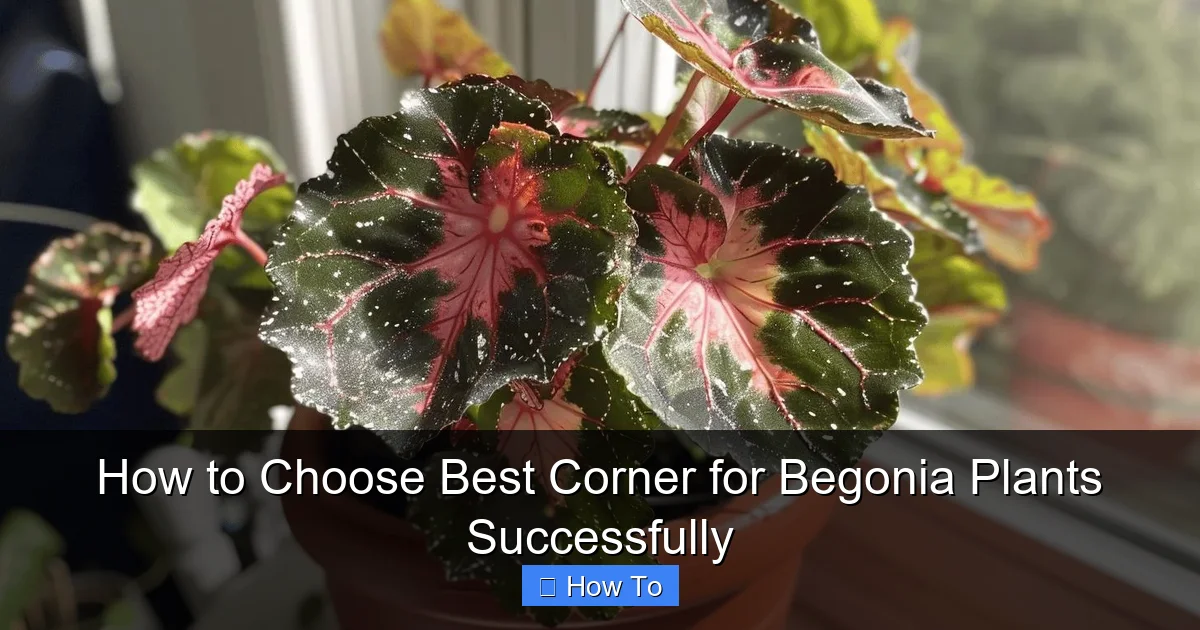
Visual guide about How to Choose Best Corner for Begonia Plants Successfully
Image source: gardenersyards.com
Rex Begonias: The Foliage Stars
Rex begonias are grown for their spectacular leaves rather than flowers. They originate from forest floors in Asia and prefer lower light than flowering types. A north-facing corner or a spot several feet from an east window works beautifully. They need high humidity and hate wet leaves, so avoid corners where water might splash on foliage.
Tuberous Begonias: The Showy Bloomers
These produce the large, rose-like flowers most people picture. They need brighter light to bloom well – an east-facing corner with morning sun is ideal. They go dormant in winter, so their corner needs change seasonally. During active growth, they want consistent moisture and good air movement.
Cane Begonias: The Upright Growers
Angel wing and dragon wing begonias fall into this category. They grow tall and need space above them. A corner with an east or west window works well, provided they have some protection from harsh afternoon rays. They tolerate slightly lower humidity than rex types but still appreciate moisture in the air.
Wax Begonias: The Versatile Performers
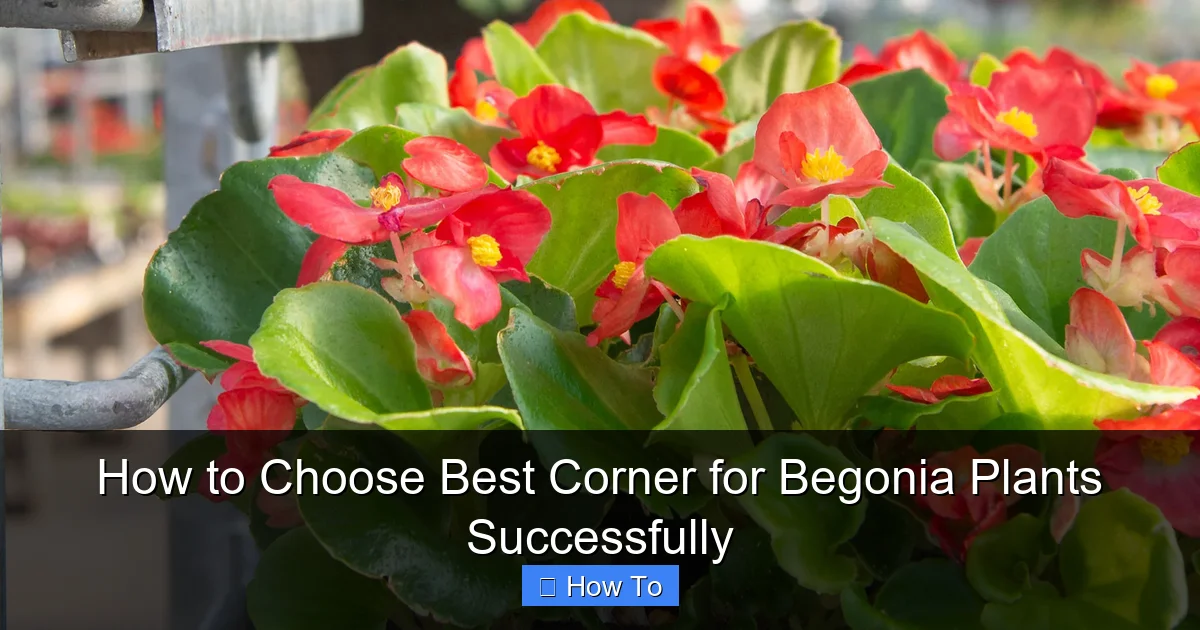
These tough plants handle more sun and less humidity than other types. They work in brighter corners and even tolerate some direct morning light. However, they still prefer the stability of a dedicated corner over being moved around frequently.
Rhizomatous Begonias: The Creeping Collectors
These spread horizontally and need wide, shallow corners. They thrive in lower light similar to rex begonias but can handle slightly brighter conditions. Their creeping habit means they need horizontal space more than vertical height.
Step 2: Assess Light Conditions in Potential Corners
Light is the single most important factor when you choose the best corner for begonia plants. Most begonias need bright, indirect light – but what does that actually mean in your home?
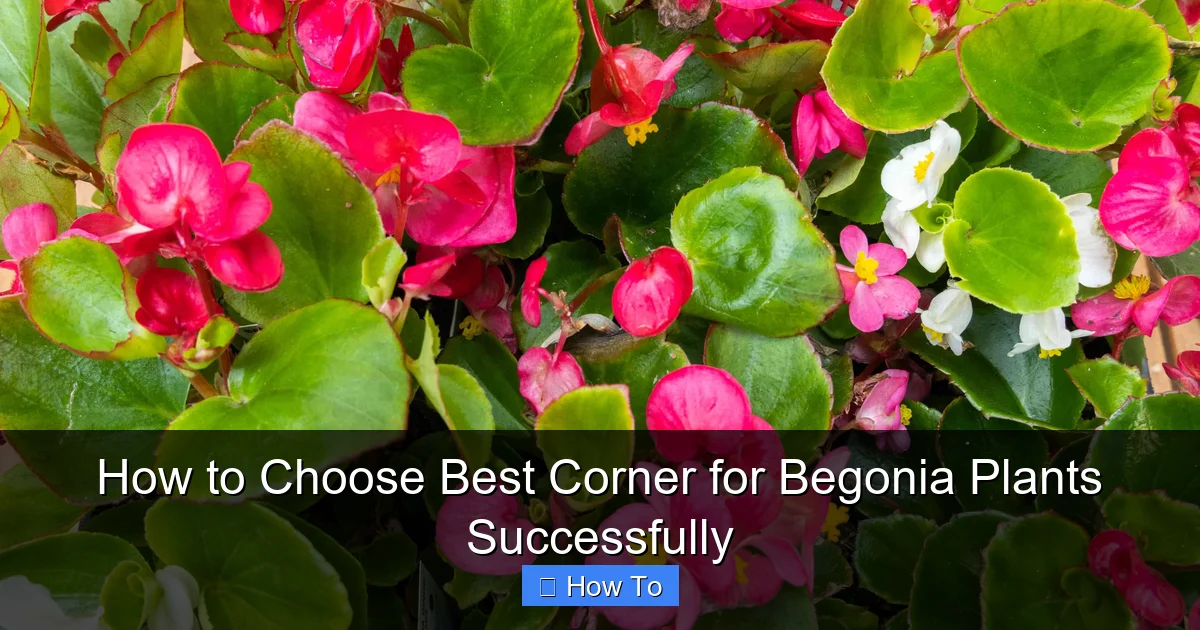
Visual guide about How to Choose Best Corner for Begonia Plants Successfully
Image source: thespruce.com
Measure Light Intensity Throughout the Day
Spend a sunny day observing your candidate corners. Note when direct sunlight hits each spot and for how long. Use your hand to test – if you see a sharp, defined shadow, that is direct light. A fuzzy, soft shadow indicates bright indirect light. No clear shadow means low light.
East-facing corners receive gentle morning sun, perfect for most begonias. North-facing corners provide consistent, soft light all day without direct rays. South and west corners often deliver too much intense afternoon light unless filtered by sheer curtains or positioned several feet back.
Use a Light Meter for Precision
For serious growers, an inexpensive light meter removes guesswork. Most begonias thrive between 1,000 and 2,500 foot-candles. Rex and rhizomatous types tolerate the lower end. Tuberous and cane types prefer the higher range. Measure at plant level, not window level, as light drops dramatically with distance.
Account for Seasonal Light Changes
A corner perfect in summer may be too dark in winter. The sun’s angle shifts, nearby trees lose leaves, and day length changes. Plan to move plants or supplement with grow lights during darker months. A corner that works year-round with minimal adjustment is ideal.
Filter Harsh Light When Necessary
If your only available corner gets direct sun, create diffusion. Sheer curtains, frosted window film, or even a larger plant placed between the window and begonia can soften intense rays. This expands your corner options significantly.
Step 3: Evaluate Humidity Levels in Each Corner
Begonias originate from tropical and subtropical regions where humidity rarely drops below 50%. Most homes, especially in winter with heating systems running, hover around 20-30% humidity. This mismatch causes crispy leaf edges, bud drop, and spider mite infestations.
Test Humidity with a Hygrometer
Place a digital hygrometer in each potential corner for 24 hours. Note the average and range. Bathrooms and kitchens often have naturally higher humidity. Corners near laundry rooms, aquariums, or indoor fountains also benefit from ambient moisture.
Create Humidity Microclimates
If your best light corner has low humidity, you can fix it. Group plants together – they create a shared humidity bubble through transpiration. Place pebble trays filled with water beneath pots (ensure pots sit above water level). Run a small humidifier nearby. Even a decorative bowl of water adds measurable moisture.
Avoid False Humidity Traps
Corners near humidifiers that blow directly on plants cause fungal issues. Misting provides only temporary relief and can spread disease if done incorrectly. Focus on raising ambient humidity, not wetting foliage. The corner should feel comfortably moist, not damp or stagnant.
Match Humidity to Begonia Type
Rex and rhizomatous begonias demand the highest humidity (60%+). Tuberous and cane types manage with 50-60%. Wax begonias tolerate down to 40%. Choose corners where you can realistically maintain the required level for your specific variety.
Step 4: Check Temperature Stability and Range
Temperature fluctuations stress begonias more than slightly suboptimal averages. The ideal corner maintains 65-75°F (18-24°C) day and night with minimal swings.
Identify Temperature Problem Areas
Corners near exterior doors experience drafts. Windowsills can become surprisingly cold at night in winter. Heating vents create hot, dry spots. Air conditioning units blast cold air. Radiators and baseboard heaters radiate intense heat. Avoid all these when selecting your corner.
Use a Min-Max Thermometer
Place a thermometer that records highs and lows in each candidate corner for several days. You may discover a seemingly perfect spot drops to 55°F at night or spikes to 85°F when the heating cycles on. Begonias tolerate gradual seasonal changes but suffer from daily extremes.
Consider Microclimate Modifications
If a corner has perfect light but temperature issues, you can often mitigate them. Move plants off cold windowsills at night. Use a small fan to circulate air near heat sources (but not blowing directly on plants). Insulate pots with decorative cache pots. A corner you can easily modify beats a naturally perfect corner with poor light.
Night Temperature Drop Benefits
A slight nighttime drop of 5-10°F actually benefits many begonias, mimicking their natural environment. Just avoid drops below 60°F for extended periods. Tuberous begonias need a more pronounced cool period to initiate dormancy and subsequent blooming.
Step 5: Ensure Adequate Air Circulation
Stagnant air invites powdery mildew, botrytis, and fungal leaf spots – common begonia problems. The ideal corner has gentle, consistent air movement without drafts.
Test Air Movement
Light a candle or incense stick in the corner. Watch the smoke – it should drift slowly and steadily, not rush or stagnate. Alternatively, hold a lightweight piece of tissue paper; it should flutter gently.
Create Beneficial Airflow
If a corner is stagnant, add a small circulating fan on low setting, positioned to move air across the room, not directly at plants. Space plants so leaves do not touch each other or walls. This allows air to penetrate the canopy and dry leaf surfaces after watering.
Avoid Harmful Drafts
Direct blasts from HVAC vents, frequently opened doors, or leaky windows cause leaf drop and bud blast. The corner should feel still to you but have imperceptible air exchange. This balance prevents disease without stressing the plant.
Seasonal Airflow Adjustments
Winter heating creates drier, more stagnant air. Summer humidity with closed windows can become stuffy. Adjust fan use seasonally. In winter, run fans briefly during warmest part of day. In summer, ensure cross-ventilation without creating cold drafts on plants.
Step 6: Evaluate Practical Considerations for Your Corner
The perfect growing corner must also work for your lifestyle. A corner that requires heroic daily maintenance will eventually be neglected.
Accessibility for Care
Can you easily reach the plant for watering, grooming, and inspection? Corners behind furniture or high on shelves make routine care difficult. You should comfortably access all sides of the plant. Consider a rotating plant stand for corners against walls.
Water Management
Is there a place for excess water to drain? Does the corner have a surface that tolerates moisture? Use waterproof trays or mats. Avoid corners over hardwood floors, expensive rugs, or electrical outlets. A corner near a sink simplifies watering chores.
Visibility for Enjoyment and Monitoring
Begonias reward close observation. Place them where you naturally look – near seating areas, on a desk, by the kitchen window. Early problem detection saves plants. A hidden corner delays noticing pests, disease, or watering needs.
Pet and Child Safety
Some begonias are toxic if ingested. If you have curious pets or small children, choose elevated corners or use hanging planters. Ensure the corner does not place plants at tail-wagging or toddler-grabbing height.
Aesthetic Integration
The corner should complement your decor. Begonias are ornamental – display them proudly. Consider the pot style, plant size at maturity, and how the corner looks from different angles. A beautiful display encourages better care.
Step 7: Test and Refine Your Corner Choice
Before committing your prized begonia, test the corner with a less valuable plant or cutting for two weeks.
Run a Two-Week Trial Period
Place a hardy plant like a pothos or spider plant in the exact spot. Monitor its response. Does it grow toward the light (indicating insufficient intensity)? Do leaf tips brown (low humidity)? Does it stay perky (good conditions)? This trial reveals issues without risking your begonia.
Document Conditions Daily
Keep a simple log: morning and evening temperature, humidity reading, light observation, watering dates, and plant appearance notes. Patterns emerge that single measurements miss. This data helps you compare multiple corners objectively.
Make Incremental Adjustments
If the trial plant shows stress, adjust one variable at a time. Add a sheer curtain. Move the plant six inches. Increase humidifier runtime. Wait three days between changes to observe effects. Systematic refinement creates the optimal corner.
Know When to Abandon a Corner
Some corners simply cannot be fixed. If a spot requires constant humidifier refills, daily plant rotation, and still produces poor results, choose a different corner. Your time and plant’s health are more valuable than forcing a problematic location.
Step 8: Seasonal Corner Management
The best corner for begonia plants in July may be the worst in January. Plan for seasonal transitions.
Winter Adjustments
Light levels drop dramatically. Move plants closer to windows (but not touching cold glass). Supplement with grow lights 12-14 hours daily. Combat heating-induced dryness with increased humidifier use. Reduce watering frequency but maintain humidity. Watch for cold drafts from windows.
Spring Transition
As light intensifies, monitor for leaf scorch. Gradually acclimate plants to brighter conditions if moving them. Increase watering as growth accelerates. Begin fertilizing. Check for pests that may have overwintered. Repot if needed before active growth peaks.
Summer Management
Intense light and heat become concerns. Sheer curtains become essential for south/west corners. Increase air circulation to prevent fungal issues in humidity. Water more frequently. Vacation care plans needed – self-watering spikes or plant sitters. Monitor for spider mites in hot, dry conditions.
Fall Preparation
Reduce fertilizing. Prepare for lower light by cleaning windows (dramatically increases transmission). Check weatherstripping on nearby windows. Plan any corner moves before plants experience shock. Bring outdoor summered begonias inside gradually.
Troubleshooting Common Corner Problems
Even well-chosen corners develop issues. Recognize and fix them quickly.
Leggy, Stretched Growth
Symptoms: Long spaces between leaves, weak stems, pale color, few flowers.
Cause: Insufficient light in the corner.
Fix: Move closer to window, add grow light, rotate plant more frequently, or choose a brighter corner. Prune leggy growth to encourage bushiness.
Leaf Scorch or Bleaching
Symptoms: Brown crispy patches, white bleached areas, curled leaf edges.
Cause: Too much direct sun or intense reflected heat.
Fix: Add sheer curtain, move plant back from window, apply frosted film, or relocate to east/north corner. Damaged leaves will not recover – remove them.
Crispy Leaf Edges and Tips
Symptoms: Brown, dry leaf margins progressing inward.
Cause: Low humidity in the corner.
Fix: Increase humidifier output, add pebble tray, group plants, move to naturally humid corner (bathroom/kitchen). Trim damaged edges with sterile scissors.
Powdery Mildew
Symptoms: White powdery coating on leaves, stems, buds.
Cause: High humidity with poor air circulation.
Fix: Improve airflow with fan, space plants further apart, avoid wetting foliage, treat with neem oil or potassium bicarbonate spray. Move to better-ventilated corner.
Bud Drop and Flower Failure
Symptoms: Buds yellow and fall before opening, few or no flowers.
Cause: Temperature fluctuations, low light, dry air, or ethylene gas from ripening fruit.
Fix: Stabilize temperature, increase light, raise humidity, keep away from fruit bowls. Some varieties need specific day/night temperature differentials to bloom.
Root Rot
Symptoms: Yellowing lower leaves, mushy stems, foul soil odor, plant wilts despite wet soil.
Cause: Poor drainage, overwatering, cold corner slowing evaporation.
Fix: Repot in fresh, well-draining mix. Ensure pot has drainage holes. Move to warmer corner. Water only when top inch of soil is dry. Consider terracotta pots for better evaporation.
Advanced Corner Optimization Techniques
Take your corner from good to exceptional with these pro strategies.
Create a Dedicated Begonia Station
If space allows, designate an entire corner as a begonia zone. Install a tiered plant stand with grow lights on each shelf. Add a small humidifier on a timer. Place a circulating fan nearby. Use a waterproof floor mat. This creates a controlled environment where multiple begonias thrive together.
Use Reflective Surfaces to Boost Light
Place a mirror or white board behind plants in dim corners. This bounces light back through the foliage, effectively doubling intensity. Mylar emergency blankets work well and are inexpensive. Angle reflectors to avoid creating hot spots.
Implement Automated Monitoring
Smart sensors track temperature, humidity, and light continuously, sending alerts to your phone. Some integrate with smart humidifiers and lights for automatic adjustments. This technology removes human error and maintains perfect conditions even when you are away.
Rotate Plant Positions Within the Corner
Even in good corners, light is uneven. Rotate each plant a quarter turn weekly. Swap positions of different varieties monthly based on their changing needs. This prevents one-sided growth and ensures all plants get optimal exposure over time.
Corner Selection Checklist for Quick Reference
Use this checklist when evaluating any corner for begonia plants:
- Light: Bright indirect for 6+ hours daily? No harsh direct afternoon sun?
- Humidity: Can maintain 50-60% (higher for rex types)?
- Temperature: Stable 65-75°F? No drafts or heat sources?
- Airflow: Gentle circulation? No stagnant pockets or direct blasts?
- Access: Easy to water, groom, inspect, rotate?
- Drainage: Waterproof surface or tray? No risk to floors/furniture?
- Visibility: Seen daily for enjoyment and monitoring?
- Safety: Out of reach of pets/children if toxic varieties?
- Space: Room for mature size? Vertical and horizontal clearance?
- Seasonal flexibility: Can adapt to changing conditions year-round?
Conclusion: Your Perfect Begonia Corner Awaits
Choosing the best corner for begonia plants combines science with observation. You now understand that light quality, humidity levels, temperature stability, air circulation, and practical access all matter. No single corner is perfect for every begonia, but every home has at least one corner that can become perfect with thoughtful modification.
Start by identifying your begonia type and its specific preferences. Then systematically evaluate your home’s corners using the steps in this guide. Test before committing. Adjust seasonally. Monitor constantly. The effort you invest in corner selection pays dividends in healthier plants, more abundant blooms, and fewer problems.
Remember that corners are not permanent commitments. As seasons change, as your plant grows, as you learn its unique personality, you can and should move it. The best corner for begonia success is the one you actively manage with knowledge and attention. Your begonias will reward your care with the spectacular foliage and flowers that make them such beloved houseplants.
Take the first step today. Walk through your home with fresh eyes. Measure light, check humidity, feel for drafts. Your perfect begonia corner is waiting to be discovered.