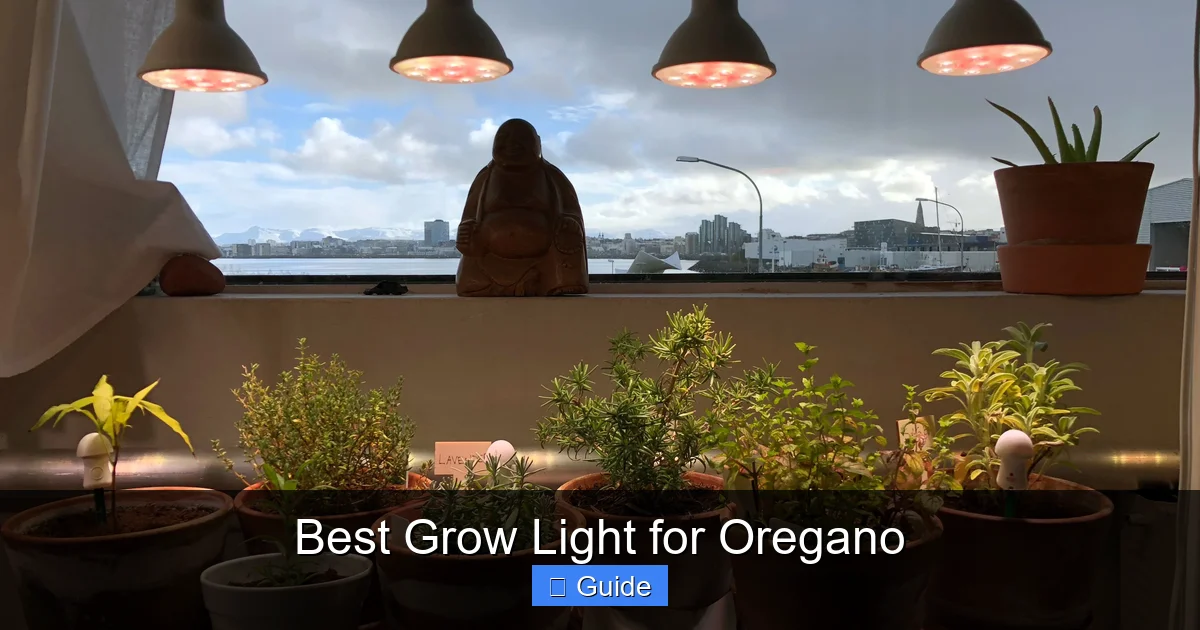
Best Grow Light for Oregano
Finding the best grow light for oregano ensures your indoor herb garden thrives year-round. Oregano needs 12 to 14 hours of full-spectrum light daily. LED grow lights offer the best balance of efficiency and plant health.
Growing oregano indoors is a rewarding way to keep fresh herbs on hand all year. But without enough sun, your plants will stretch, weaken, and lose flavor. That is where the best grow light for oregano makes all the difference. A good light mimics the sun. It gives your herbs the energy they need to produce those pungent, delicious leaves we all love.
Many gardeners struggle at first. They buy a cheap bulb, set it too far away, or leave it on too long. The result? Pale, spindly stems and bland taste. This guide walks you through everything you need to know. We cover light types, spectrum science, setup tips, and specific product advice. By the end, you will know exactly how to light your oregano for success.
Key Takeaways
- Full-spectrum light is essential: Oregano grows best under light that mimics natural sunlight with both blue and red wavelengths.
- LED lights are the top choice: They run cool, use less power, and last longer than fluorescent or HID options.
- Aim for 12 to 14 hours daily: Consistent light duration prevents leggy growth and promotes flavorful leaves.
- Keep lights 6 to 12 inches above plants: Proper distance prevents burning while ensuring strong light penetration.
- Look for 2000 to 3000 lumens per square foot: This intensity supports dense, aromatic foliage.
- Use a timer for consistency: Automated schedules remove guesswork and help oregano maintain steady growth cycles.
- Monitor heat and airflow: Even cool LEDs need ventilation to prevent humidity buildup and fungal issues.
Quick Answers to Common Questions
How many hours of light does oregano need daily?
Oregano needs 12 to 14 hours of light per day for best growth and flavor development.
What color temperature is best for oregano grow lights?
A full-spectrum white light between 3500K and 4000K provides the ideal balance of blue and red wavelengths for oregano.
How close should LED grow lights be to oregano plants?
Mature oregano thrives with LED lights 6 to 12 inches above the canopy; seedlings need 18 to 24 inches of clearance.
Can I use regular LED bulbs for growing oregano?
Regular household LEDs lack the intensity and spectrum needed; use horticultural grow lights with at least 2000 lumens per square foot.
Do I need to adjust my grow light schedule for seasons?
No, keep a consistent 14-hour schedule year-round; only adjust hanging height as plants grow taller or slower.
📑 Table of Contents
- Why Oregano Needs Special Lighting
- Understanding Light Spectrum for Oregano
- Types of Grow Lights for Herbs
- How to Choose the Right Light for Your Setup
- Setting Up Your Oregano Grow Light System
- Common Mistakes to Avoid
- Top Product Recommendations by Category
- Maintaining Your Grow Light System
- Growing Oregano From Seed Under Lights
- Propagating Oregano Cuttings Under Lights
- Seasonal Adjustments for Year-Round Harvest
- Troubleshooting Light-Related Issues
- Advanced Tips for Maximum Yield
- Cost Analysis: Build vs. Buy
- Conclusion
Why Oregano Needs Special Lighting
Oregano is a Mediterranean herb. In nature, it bakes on sunny hillsides. It gets intense light for long hours each day. Indoors, windows rarely provide enough. Even a south-facing window often falls short in winter. The sun sits lower. Days are shorter. Glass filters out key wavelengths.
Without strong light, oregano stretches toward the source. This is called etiolation. Stems grow long and thin. Leaves space out. The plant looks weak. Flavor compounds drop. Essential oils need high light to develop. A quality grow light fixes this. It delivers the intensity and spectrum oregano craves.
Signs Your Oregano Needs More Light
Watch for these clues. Leggy stems with wide gaps between leaves. Pale green or yellowish foliage. Slow growth despite water and fertilizer. Leaves that lack strong aroma when crushed. If you see these, your light is too weak or too far away. Upgrading to the best grow light for oregano solves the problem fast.
Light vs. Flavor Connection
Light drives photosynthesis. But it also triggers secondary metabolism. This produces terpenes and phenols. These compounds give oregano its punch. Carvacrol and thymol are the stars. They need high light to reach peak levels. Dim light means mild oregano. Bright light means bold, medicinal flavor. That is why serious herb growers invest in proper lighting.
Understanding Light Spectrum for Oregano
Plants do not use all light equally. They absorb mostly blue and red. Green and yellow reflect off leaves. That is why plants look green. For oregano, the right mix matters. Blue light builds strong structure. Red light drives flowering and oil production. A balanced full-spectrum light covers both.
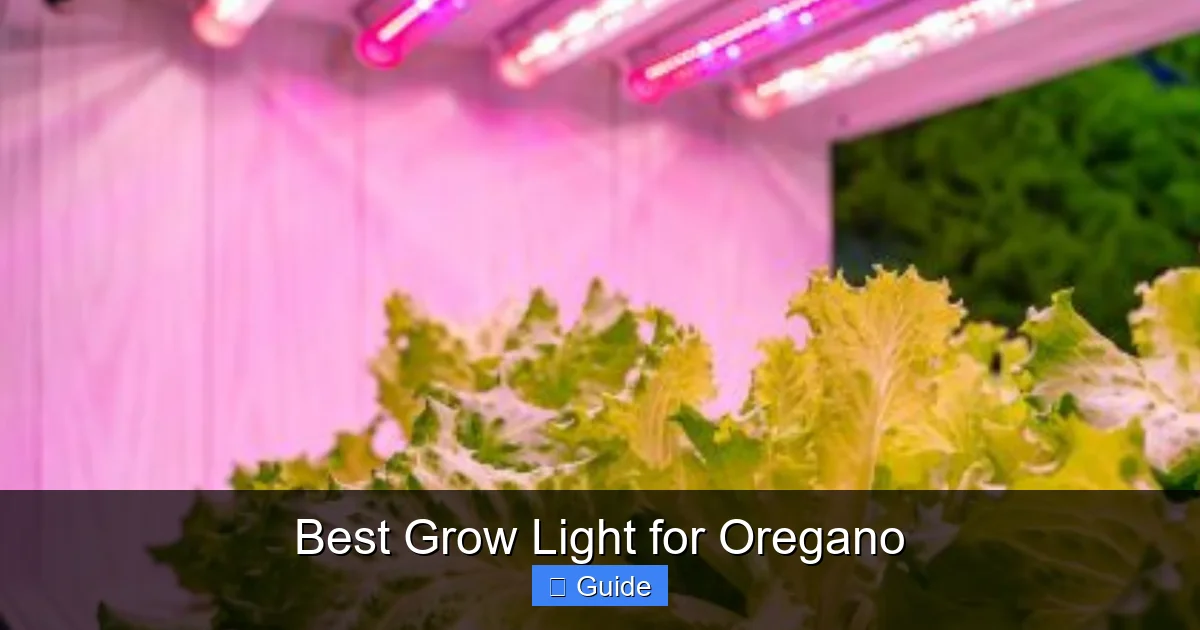
Visual guide about Best Grow Light for Oregano
Image source: vegworldmag.com
Blue Light for Vegetative Growth
Blue wavelengths (400 to 500 nanometers) keep plants compact. They promote thick stems. They encourage dense leaf sets. This is perfect for culinary herbs. You want bushy plants, not tall ones. Blue light also boosts chlorophyll. More chlorophyll means better energy capture. Look for lights with a strong blue peak.
Red Light for Oil Production
Red wavelengths (600 to 700 nanometers) signal reproductive phase. Even if you pinch flowers, red light ramps up essential oil synthesis. It works with blue to maximize flavor. The best grow light for oregano includes a healthy red component. Many LEDs now tune this ratio precisely.
Full-Spectrum White Light Benefits
Modern white LEDs blend blue chips with phosphors. They create a broad, sun-like output. This includes green and far-red. These “extra” wavelengths penetrate deeper into the canopy. They reach lower leaves. They support overall plant health. White light also lets you see true leaf color. Spotting pests or deficiencies gets easier.
Avoiding Purple Blur Lights
Old “blurple” LEDs used only red and blue diodes. They looked purple. Plants grew okay. But canopy penetration was poor. Lower leaves yellowed. Workers got headaches. Today’s full-spectrum white LEDs outperform them. They yield better. They look better. They are the smart pick for herbs.
Types of Grow Lights for Herbs
Three main technologies compete. Each has pros and cons. Your space, budget, and goals decide the winner.
LED Grow Lights
LEDs dominate now. They convert electricity to light efficiently. Little waste heat. Long lifespan. 50,000 hours is common. They run cool. You can place them close. This boosts intensity without burning. Many offer dimming. Some have app control. Spectrum tuning is precise. For most home growers, LED is the best grow light for oregano.
Panel LEDs
Flat panels cover wide areas. Good for shelves or tents. They spread light evenly. Look for high diode count. Samsung LM301H or Osram chips signal quality. Mean Well drivers mean reliability. Passive cooling (no fans) lasts longer. Silent operation matters indoors.
Bar LEDs
Long bars suit linear setups. Great under cabinet shelves. They mount flush. Even coverage along the row. Easy to daisy-chain. Flexible for odd spaces.
Bulb LEDs
Standard E26 base bulbs fit regular lamps. Convenient for one or two pots. Less intense than panels. Good for supplemental light. Choose 15 to 20 watt models. Full-spectrum 4000K to 5000K color temperature.
Fluorescent Lights
T5 high-output tubes were the herb standard for years. They still work. Lower upfront cost. Decent spectrum. But they run warmer. Bulbs degrade fast. Replace yearly. Mercury content means careful disposal. Less efficient than LED. Higher long-term cost.
HID Lights
Metal halide and high-pressure sodium. Very intense. Used in commercial grows. Overkill for herbs. Hot. Bulky. Need ballasts. High power draw. Not practical for kitchen oregano. Skip these.
How to Choose the Right Light for Your Setup
Match the light to your space. A single pot on a counter needs different gear than a basement shelf garden.
Measure Your Grow Area
Length times width gives square footage. Oregano wants 20 to 30 watts per square foot of actual LED draw. Not “equivalent” watts. Real watts. A 2 by 2 foot tent is 4 square feet. You need 80 to 120 true watts. Check the spec sheet for actual power consumption.
PPFD and DLI Explained Simply
PPFD measures photons hitting a spot per second. Units are micromoles per square meter per second. Oregano likes 300 to 600 PPFD during vegetative growth. DLI is daily light integral. Total photons per day. Target 12 to 18 moles per square meter per day. Run lights 14 hours at 400 PPFD. That hits 20 DLI. Perfect.
Coverage Uniformity Matters
Center intensity is not enough. Edge plants need light too. Good lights publish PPFD maps. Look for even spread. Avoid hotspots. Hotspots burn centers. Weak edges stretch. The best grow light for oregano gives consistent coverage across the whole footprint.
Dimming and Control Features
Dimming lets you adjust for seedling vs. mature stages. Seedlings want lower intensity. 100 to 200 PPFD. Mature plants take full power. Some lights have knobs. Others use apps. Timers built-in save a plug. Dawn-to-dusk ramping mimics nature. Nice but not essential.
Build Quality and Warranty
Aluminum housing dissipates heat. No fans means no moving parts to fail. IP65 rating resists humidity. 3 to 5 year warranty shows confidence. Avoid brands with no support. Cheap lights often die in year one. Quality pays off.
Setting Up Your Oregano Grow Light System
Buying the light is step one. Setting it up right completes the job.
Hanging Height Guidelines
Start high. 18 to 24 inches for seedlings. Lower gradually. Mature oregano thrives at 6 to 12 inches under LED. Use the hand test. Place your hand at canopy level. Count to ten. If it feels hot, raise the light. LED heat is subtle. Do not guess. Measure with a lux meter app if unsure.
Light Schedule for Maximum Flavor
14 hours on. 10 hours off. Consistent. Use a timer. Mechanical or digital. Plug the light in. Set it. Forget it. Do not run 24 hours. Plants need dark for respiration. Continuous light stresses them. Oil production drops. Stick to 14 hours.
Reflective Surfaces Boost Efficiency
White walls reflect light back. Mylar sheeting works better. Panda film (white/black) is cheap. Line your shelf or tent. Gain 15 to 20 percent more light. Free intensity. Cover sides and back. Top too if open.
Airflow and Heat Management
LEDs run cool but not cold. Leaves transpire. Humidity rises. Stagnant air breeds mold. Powdery mildew loves damp oregano. Add a small clip fan. Gentle breeze across canopy. Strengthens stems. Prevents disease. Run fan 24/7 or on same timer.
Watering Under Lights
Light drives water use. Check soil daily. Top inch dry? Water. Do not schedule. Light intensity changes needs. Bright light means more water. Dim means less. Feel the pot. Lift it. Weight tells truth. Wet soil is heavy.
Common Mistakes to Avoid
Even with the best grow light for oregano, errors happen. Learn from others.
Placing Light Too Far Away
This is number one. Fear of burning keeps lights high. But intensity drops with square of distance. Double distance equals quarter intensity. At 24 inches, a strong light becomes weak. Oregano stretches. Bring it down. Watch for stress. Adjust daily if needed.
Using Wrong Spectrum
Bloom boosters heavy on red. Veg lights heavy on blue. Oregano wants balance. Full-spectrum white 3500K to 4000K is ideal. Do not use “flowering” mode. Do not use “vegetative” only. Run full spectrum all the time. Simple.
Inconsistent Light Cycles
Forgetting to turn on. Leaving on late. Manual control fails. Life gets busy. Timers cost ten dollars. Use one. Plants count hours. Interrupted dark period confuses them. Stress reduces oils. Automate it.
Ignoring Light Degradation
All lights fade. LEDs lose 10 to 20 percent in 50,000 hours. Fluorescents drop 30 percent in one year. Old bulbs look bright to eyes. But plants see less. Replace fluorescents yearly. Plan LED replacement at year 5 to 7. Mark install date on housing.
Overcrowding Plants
Too many pots. Leaves touch. Shade each other. Lower leaves die. Airflow stops. Disease spreads. Space oregano 8 to 10 inches apart. One plant per 6-inch pot. Thin ruthlessly. Better one happy plant than three sad ones.
Neglecting Cleanliness
Dust on lenses blocks light. Salt spray from watering coats diodes. Wipe monthly. Soft cloth. Isopropyl alcohol if sticky. Unplug first. Clean lights deliver 100 percent. Dirty lights deliver 80 percent. That difference shows in growth.
Top Product Recommendations by Category
Here are specific lights that earn the title of best grow light for oregano in different scenarios.
Best Overall Panel: Spider Farmer SF-1000
100 true watts. Samsung LM301B diodes. Mean Well driver. 2.5 by 2.5 foot veg coverage. Dimmable knob. Passive cooling. 5-year warranty. Runs silent. Excellent PPFD uniformity. Price around $150. Great value for serious herb growers.
Best Budget Panel: Viparspectra P1000
100 watts. Sosen driver. Samsung diodes. 2 by 2 foot coverage. Dimmable. 3-year warranty. Under $100. Solid entry-level. Good spectrum. Slightly less uniform than premium brands. But outperforms any fluorescent at this price.
Best Bar Light: Mars Hydro VG80
80 watts per bar. Two bars cover 2 by 4 feet. Daisy chain up to 20. IP65 waterproof. Great for shelves. Mount under each shelf. Uniform light down the row. $130 for two bars. Perfect for kitchen herb rack.
Best Bulb: Sansi 36W Full Spectrum
Standard E26 base. 36 true watts. 4000K white light. Ceramic heat sink. Covers 2 square feet at 12 inches. $35. Screw into desk lamp. Ideal for single pot on counter. Surprisingly strong for size.
Best Clip Light: GooingTop LED Grow Light
Two flexible heads. 20 watts total. Timer built-in (4/8/12 hour). USB powered. Clip to pot rim. $30. Good for seedlings or one small plant. Not for mature bushy oregano. But handy for starting cuts.
Maintaining Your Grow Light System
A little care keeps your investment working for years.
Monthly Cleaning Routine
Unplug. Cool down. Microfiber cloth. Wipe diodes and lens. Compressed air for dust in heatsink fins. Check fan if present. Spin blade. Listen for noise. Lubricate if needed. Tighten hanging hardware. Vibration loosens screws.
Monitoring Performance
Track growth. Measure internode spacing. Short nodes mean good light. Long nodes mean fade. Use a PAR meter if serious. Phone apps approximate. Compare readings monthly. Drop over 15 percent? Plan replacement.
Upgrading Components
Drivers fail before diodes. Mean Well drivers are replaceable. Keep spare if critical. Fans fail. Replace with same size. Upgrade to better light when needs grow. Modular bars let you add. Panels mean new unit.
Growing Oregano From Seed Under Lights
Seeds need less light than mature plants. But they need consistency.
Germination Phase
Surface sow. Do not cover. Light helps germination. 70°F soil. 100 to 150 PPFD. 16 hours on. Dome for humidity. Vent daily. Sprouts in 7 to 14 days. Remove dome immediately at first sprout.
Seedling Stage
First true leaves appear. Raise light to 18 inches. 200 PPFD. 14 hours. Bottom water. Fertilize at quarter strength after two weeks. Fish emulsion or hydroponic nutrients. Pinch tips at 4 inches. Encourages branching.
Transition to Full Power
At 6 inches tall, lower light to 12 inches. Full intensity. 400+ PPFD. Full nutrient strength. Watch for tip burn. Back off if edges brown. Healthy plants handle full power fast.
Propagating Oregano Cuttings Under Lights
Cuttings root faster than seeds. Light plays a key role.
Cutting Prep
4-inch stems. Strip lower leaves. Dip in rooting hormone. Optional but helps. Place in moist perlite or rockwool. Humidity dome. 75°F bottom heat.
Light for Rooting
Low intensity. 50 to 100 PPFD. 18 hours on. Too much light dehydrates cuttings. No roots yet to drink. Mist daily. Roots in 10 to 14 days. Then ramp light up slowly.
Hardening Off
Once rooted, remove dome. Gradually. Hour more each day. Increase light intensity weekly. Treat as seedlings after dome off. Full power at 4 weeks.
Seasonal Adjustments for Year-Round Harvest
Indoor growing ignores seasons. But your house changes.
Winter Challenges
Dry air. Cold drafts. Shorter natural light (irrelevant with grow lights). Heater vents blast plants. Move pots away. Humidifier helps. 40 to 50 percent humidity ideal. Watch for spider mites. They love dry heat.
Summer Heat
AC off at work? House hits 85°F. Oregano slows above 80°F. Lights add heat. Run lights at night. Cooler temps. Same 14 hours. Just shifted. Timer handles it. Plants do not care about clock time.
Equinox Transitions
No need to change schedule. 14 hours works year-round. But check distance. Summer growth faster. Plants stretch up. Raise light weekly. Winter growth slower. Lower light if stretching. Observe. Adjust.
Troubleshooting Light-Related Issues
Problems show in leaves. Read the signs.
Bleached or White Patches
Light burn. Too close. Too intense. Raise light 6 inches. Dim if possible. Damaged leaves will not recover. New growth will be normal. Do not remove burned leaves yet. They still photosynthesize.
Purple Stems or Undersides
Often genetic. Some oregano varieties anthocyanin. But can mean phosphorus deficiency. Or cold roots. Check soil temp. Warm mat helps. If only under high light, it is protective pigment. Not harmful.
Curling Down (Canoeing)
Heat stress. Light too close. Or ambient too hot. Check leaf temp. Should match air. If leaves warmer, light is cooking them. Raise light. Increase airflow.
Small, Thick, Dark Leaves
High light adaptation. Actually good for oregano. Means high oil content. Flavor will be intense. As long as plant is healthy, this is a win. The best grow light for oregano often produces this look.
Advanced Tips for Maximum Yield
Go beyond basics. Push your harvest higher.
CO2 Supplementation
Ambient CO2 is 400 ppm. Plants use 1200 ppm. Boost with bag or generator. Only works with high light. 600+ PPFD. Sealed room needed. Increases growth 20 to 30 percent. Advanced. Not for beginners.
Light Movers
Rail moves light slowly. Covers 30 percent more area. Eliminates hotspots. Plants get light from changing angles. Bushier growth. Motor uses 5 watts. $150 kit. Worth it for 4 by 4 foot or larger.
Far-Red Enhancement
730 nm far-red triggers shade avoidance. Stems stretch. But combined with blue, increases leaf expansion. Some high-end LEDs include far-red channel. Emerson effect boosts photosynthesis. Niche but real.
Spectral Tuning for Flavor
Research shows UV-B increases phenolics. 280 to 315 nm. Reptile UV-B bulbs work. 15 minutes daily at end of cycle. Wear eye protection. Increases carvacrol. Experimental. Try on one plant first.
Cost Analysis: Build vs. Buy
DIY saves money. But takes skill.
DIY LED Build
Buy strips, driver, heatsink, wire. $50 to $80 for 100 watt equivalent. Custom spectrum. Custom size. Need soldering. Thermal paste. Electrical safety. Fun project. Risk of fire if wrong. Not UL listed.
Pre-Built Fixtures
Tested. Certified. Warrantied. Plug and play. Cost per watt higher. But time saved. Reliability matters. For most, buy is smarter. DIY for hobbyists who enjoy the build.
Long-Term Operating Cost
100 watt LED. 14 hours daily. 365 days. 511 kWh yearly. At $0.15/kWh = $77/year. Fluorescent same light: 200 watts. $154/year. LED saves $77/year. Pays difference in 2 years. Then pure profit.
Conclusion
Choosing the best grow light for oregano transforms your indoor herb game. No more leggy, bland plants. You get dense, aromatic, flavorful harvests all year. The key points are simple. Pick full-spectrum LED. Match wattage to your space. Hang at the right height. Run 14 hours on a timer. Add airflow. Clean monthly. That is the whole formula.
Start with one good panel or bar. Master the basics. Watch your plants. They tell you everything. Adjust based on their feedback. Soon you will snip fresh oregano for pizza, pasta, and tea whenever you want. The flavor difference from store-bought is night and day. Your kitchen deserves this. Your cooking deserves this. Happy growing.
Frequently Asked Questions
What is the best grow light for oregano in a small apartment?
The Sansi 36W full-spectrum LED bulb fits standard lamps and covers a single pot perfectly. It runs cool, uses little electricity, and delivers enough intensity for flavorful leaves.
Can oregano grow under fluorescent shop lights?
Yes, T5 high-output fluorescents work for oregano if kept 4 to 6 inches above plants. Replace bulbs yearly as output drops fast. LEDs are still more efficient long-term.
Why is my oregano stretching even under a grow light?
The light is likely too far away or too weak. Lower the fixture to 6 to 12 inches above the canopy and ensure you are using at least 100 true watts per 4 square feet.
Should I run my grow light 24 hours for faster growth?
No, oregano needs a dark period for respiration and essential oil production. Run lights 14 hours on, 10 hours off for the best flavor and plant health.
How do I know if my grow light is strong enough?
Check internode spacing; short gaps between leaves mean good light. Use a PAR meter app aiming for 300 to 600 PPFD at canopy level. Healthy color and strong aroma confirm it.
Can I grow oregano from cuttings under grow lights?
Yes, cuttings root well under low-intensity light (50 to 100 PPFD) with high humidity. Once rooted, gradually increase light to full power over 3 to 4 weeks.