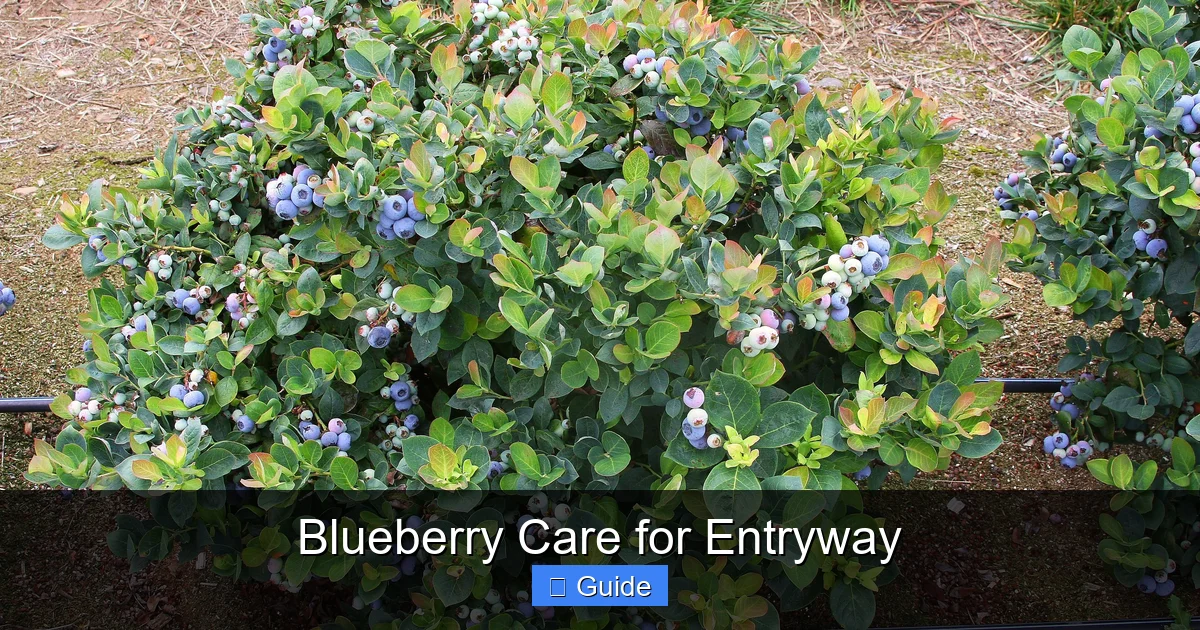
Blueberry Care for Entryway
Blueberry care for entryway is easy when you give the plant bright light, consistent moisture, and well‑draining soil. A few simple habits keep the berries coming all season.
Blueberry care for entryway begins with a good spot. You want bright light. A south facing door works well. The plant likes at least six hours of sun.
Blueberry care for entryway also needs the right container. Choose a pot that is at least 18 inches wide. Make sure it has drainage holes. This keeps roots healthy.
Blueberry care for entryway thrives in acidic soil. Use a mix designed for acid loving plants. Add peat moss or pine bark. This lowers the pH.
Key Takeaways
- Pick a sunny spot: Blueberry care for entryway needs at least six hours of direct sun each day.
- Use acidic soil: A low pH mix helps roots absorb nutrients.
- Water regularly: Keep the soil evenly moist but not soggy.
- Feed with acid fertilizer: Apply a balanced acid feed in early spring and midsummer.
- Prune each winter: Remove dead wood to improve airflow and fruit quality.
- Protect from frost: Move pots indoors or cover them during hard freezes.
- Watch for pests: Check leaves weekly for aphids or spider mites.
Quick Answers to Common Questions
How much sun does a blueberry need at the entryway?
Blueberry care for entryway needs at least six hours of direct sun each day.
What soil pH is best for blueberry care for entryway?
Aim for a pH between 4.5 and 5.5 for optimal growth.
How often should I water my entryway blueberry?
Water when the top inch of soil feels dry, usually every two to three days in summer.
When is the best time to prune?
Prune in late winter while the plant is dormant.
Can I grow blueberry in a pot by the door?
Yes, a large container with good drainage works well for blueberry care for entryway.
📑 Table of Contents
- Choosing the Right Spot for Blueberry Care for Entryway
- Soil and Potting Mix for Blueberry Care for Entryway
- Watering Routine for Blueberry Care for Entryway
- Feeding and Fertilizing for Blueberry Care for Entryway
- Pruning and Maintenance for Blueberry Care for Entryway
- Protecting Your Plant Through Seasons for Blueberry Care for Entryway
- Conclusion
Choosing the Right Spot for Blueberry Care for Entryway
Light Requirements
Blueberry care for entryway depends on strong light. Place the pot where morning sun hits. Afternoon shade is okay in hot climates. Rotate the pot weekly for even growth.
Blueberry care for entryway benefits from a light meter. Aim for 6 to 8 hours of direct sun. If light is low, use a grow light. A simple LED panel works fine.
Temperature Considerations
Blueberry care for entryway likes cool nights. Ideal night temps are 45 to 55 degrees Fahrenheit. Day temps can reach 75 degrees. Avoid sudden temperature swings.
Blueberry care for entryway can tolerate light frost. But hard freezes damage buds. Move the pot indoors if a deep freeze is forecast. A garage or sunroom works well.
Space and Container Size
Blueberry care for entryway needs room for roots. A 20 gallon pot gives ample space. Larger pots hold more moisture. This reduces watering frequency.
Blueberry care for entryway works with fabric pots too. Fabric allows air pruning. Roots stay healthy and dense. Choose a sturdy fabric pot with handles.
Soil and Potting Mix for Blueberry Care for Entryway
Acidic Soil Basics
Blueberry care for entryway requires a pH of 4.5 to 5.5. Test the mix with a simple kit. Adjust with elemental sulfur if needed. Small adjustments work best.
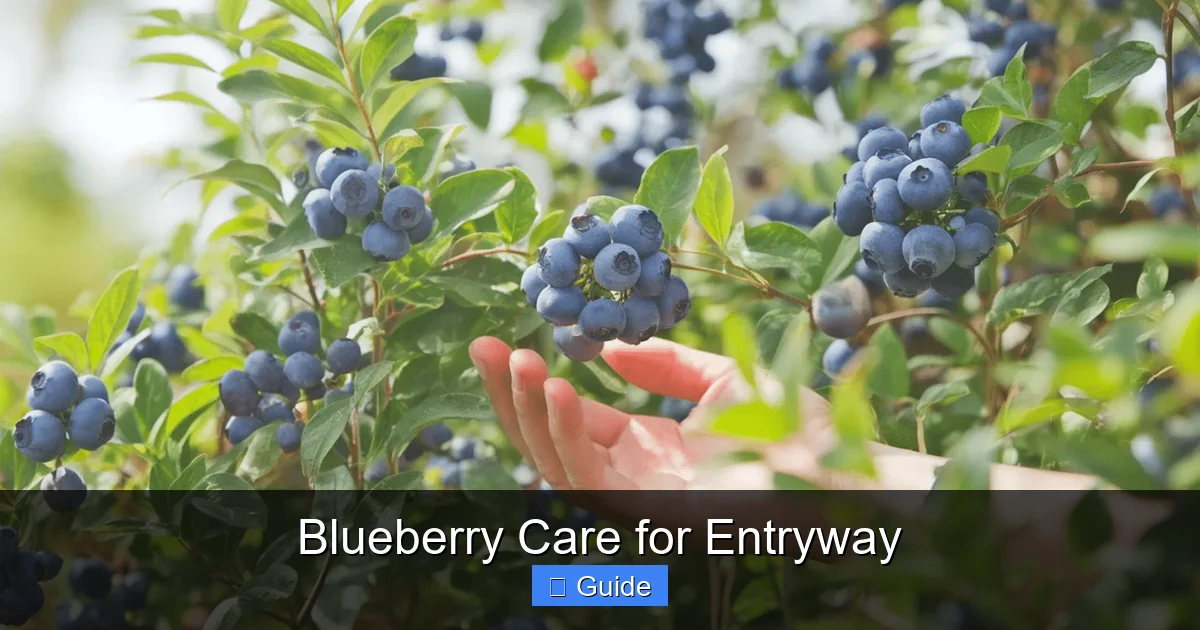
Visual guide about Blueberry Care for Entryway
Image source: randylemmon.com
Blueberry care for entryway benefits from a ready made acid mix. Look for blends labeled for blueberries or azaleas. These contain peat, pine bark, and perlite. They hold moisture and drain well.
Drainage and Aeration
Blueberry care for entryway hates soggy roots. Add coarse sand or perlite to the mix. This creates air pockets. Good drainage prevents root rot.
Blueberry care for entryway also likes a layer of gravel at the bottom. This helps excess water escape. Do not block the drainage holes. Keep them clear.
Adding Organic Matter
Blueberry care for entryway gains nutrients from compost. Mix in a handful of well rotted compost. This feeds microbes and improves texture. Do not use fresh manure.
Blueberry care for entryway can use pine needle mulch on top. Mulch keeps soil cool and moist. It also adds acidity as it breaks down. Refresh mulch each spring.
Watering Routine for Blueberry Care for Entryway
How Much Water
Blueberry care for entryway needs consistent moisture. Water until it runs out the bottom. This ensures the whole root zone gets wet. Check the top inch daily.
Blueberry care for entryway may need more water in summer. Hot wind dries pots fast. Increase frequency but keep volume the same. Avoid letting soil dry completely.
When to Water
Blueberry care for entryway prefers morning watering. Early water lets leaves dry before night. Wet leaves at night invite disease. Set a timer if you forget.
Blueberry care for entryway can use a moisture meter. Insert probe two inches deep. Water when reading shows dry. This removes guesswork.
Avoiding Overwatering
Blueberry care for entryway suffers from root rot if overwatered. Signs include yellow leaves and mushy stems. Reduce watering immediately if you see these. Let the top soil dry a bit.
Blueberry care for entryway benefits from a saucer under the pot. Empty the saucer after each watering. Standing water keeps roots wet. Good airflow helps too.
Feeding and Fertilizing for Blueberry Care for Entryway
Best Fertilizer Types
Blueberry care for entryway loves acid fertilizer. Choose a formula with ammonium sulfate. This keeps pH low while feeding. Avoid high nitrogen lawn feeds.
Blueberry care for entryway can also use organic options. Fish emulsion or cottonseed meal work well. Apply at half strength to avoid burn. Follow label directions.
Feeding Schedule
Blueberry care for entryway gets its first feed in early spring. Apply when new growth appears. Repeat in midsummer after fruit set. Stop feeding in late fall.
Blueberry care for entryway may need a light feed after heavy rain. Rain leaches nutrients. A quick liquid feed restores balance. Keep a schedule on your calendar.
Signs of Nutrient Deficiency
Blueberry care for entryway shows yellow leaves when nitrogen is low. Red edges indicate phosphorus shortage. Brown leaf tips point to potassium lack. Adjust fertilizer accordingly.
Blueberry care for entryway also shows stunted growth if micronutrients are missing. Iron chelate sprays fix chlorosis quickly. Apply early morning for best uptake.
Pruning and Maintenance for Blueberry Care for Entryway
When to Prune
Blueberry care for entryway prunes best in late winter. Dormant season reduces stress. Remove dead wood before buds swell. This shapes the plant for the year.
Blueberry care for entryway can also do a light summer trim. Cut back any crossing branches. This improves air flow and light penetration. Keep cuts clean.
Pruning Techniques
Blueberry care for entryway uses sharp bypass pruners. Cut at a 45 degree angle just above a bud. Avoid leaving stubs. Stubs invite disease.
Blueberry care for entryway removes one third of old canes each year. This encourages new productive wood. Keep the center open like a vase. Good shape yields more fruit.
Cleaning Up Debris
Blueberry care for entryway benefits from clean ground. Rake fallen leaves and fruit. This reduces fungal spores. Dispose of debris away from the pot.
Blueberry care for entryway can mulch after cleanup. Fresh mulch suppresses weeds. It also keeps soil temperature stable. Reapply mulch each season.
Protecting Your Plant Through Seasons for Blueberry Care for Entryway
Winter Care
Blueberry care for entryway needs insulation in cold zones. Wrap the pot with burlap or bubble wrap. Add a thick layer of straw on top. This protects roots from freezing.
Blueberry care for entryway can move to an unheated garage. Keep the pot off concrete. Place on a pallet or bricks. Light watering once a month prevents desiccation.
Summer Heat Management
Blueberry care for entryway suffers in extreme heat. Provide afternoon shade with a cloth. Mist leaves in the early morning. This lowers leaf temperature.
Blueberry care for entryway also benefits from a drip irrigation line. Drip delivers water directly to roots. It reduces evaporation loss. Set timer for early morning runs.
Pest and Disease Watch
Blueberry care for entryway attracts aphids and spider mites. Inspect undersides of leaves weekly. Spray with neem oil if you see colonies. Repeat every seven days.
Blueberry care for entryway can develop mummy berry fungus. Remove any shriveled berries promptly. Apply a copper spray at bud break. Good sanitation stops spread.
Conclusion
Blueberry care for entryway is a rewarding hobby. With the right spot, soil, water, and feed, you get sweet berries by your door. Follow these simple steps each season.
Blueberry care for entryway keeps your entryway beautiful and productive. Enjoy fresh fruit and a lovely green welcome. Happy growing.
Frequently Asked Questions
What type of container is best for blueberry care for entryway?
A 20‑gallon fabric or plastic pot with drainage holes gives roots room and prevents waterlogging.
Do I need to fertilize blueberry care for entryway in winter?
No, stop fertilizing in late fall and resume in early spring when new growth appears.
How do I protect my blueberry from frost at the entryway?
Wrap the pot with burlap, add straw mulch, and move it to a sheltered spot during hard freezes.
What are common pests for blueberry care for entryway?
Aphids, spider mites, and blueberry maggots are the most frequent pests.
Can I use rainwater for blueberry care for entryway?
Yes, rainwater is ideal because it is naturally soft and slightly acidic.
How long before a blueberry plant bears fruit at the entryway?
Most varieties produce a small crop in the second year and full yields by year three.