How to Care for Philodendron in Summer
Summer brings rapid growth for philodendrons, but also heat stress and pest risks. This guide covers everything you need to know about watering schedules, light adjustments, humidity boosts, fertilizing routines, and pest prevention to keep your philodendron thriving through the hottest months.
Summer is the season when your philodendron wants to show off. Long days, warm temperatures, and bright light trigger a growth spurt that can transform a modest plant into a jungle specimen in just a few months. But summer also brings challenges. Intense sun can scorch leaves. Dry air from air conditioning stresses tropical foliage. Pests multiply in the heat. And watering mistakes happen fast when soil dries in days instead of weeks.
I have grown philodendrons for over a decade. I have learned that summer care is not about doing more. It is about doing the right things at the right time. A philodendron in summer needs a rhythm. Water when the plant asks. Feed when the plant grows. Protect when the sun gets fierce. This guide walks you through every aspect of summer philodendron care so you can enjoy those big, glossy leaves all season long.
Key Takeaways
- Water more frequently but check soil first: Summer heat dries soil faster, so check every 2-3 days and water when the top inch feels dry.
- Protect from intense direct sun: Move plants back from south-facing windows or use sheer curtains to prevent leaf scorch.
- Boost humidity to 60-70%: Use pebble trays, humidifiers, or group plants together to combat dry summer air.
- Fertilize every 2-4 weeks: Apply a balanced liquid fertilizer at half strength during active growth periods.
- Watch for pests weekly: Inspect leaves, stems, and soil for spider mites, mealybugs, and thrips that thrive in heat.
- Repot only if root-bound: Early summer is the best time to repot, but only when roots circle the pot or emerge from drainage holes.
- Prune for shape and health: Remove yellow leaves and trim leggy growth to encourage bushier, fuller plants.
Quick Answers to Common Questions
How often should I water my philodendron in summer?
Check soil every 2-3 days and water when the top inch feels dry. Most indoor philodendrons need water every 3-5 days in summer, but always test the soil first rather than following a fixed schedule.
Can I put my philodendron outside in summer?
Yes, but transition slowly over 2 weeks. Start in full shade, then introduce dappled morning light. Never place in direct sun. Bring inside before nights drop below 55°F. Check daily for pests.
Why are my philodendron leaves turning yellow in summer?
Yellow leaves usually indicate overwatering, underwatering, or pest damage. Check soil moisture first. Soggy soil means overwatering. Bone-dry soil means underwatering. Inspect leaf undersides for spider mites or mealybugs.
Should I fertilize my philodendron more in summer?
Yes, fertilize every 2-4 weeks at half strength during active summer growth. Use a balanced liquid fertilizer. Always water first, then fertilize. Skip fertilizing if the plant is stressed, newly repotted, or in extreme heat above 90°F.
How do I increase humidity for my philodendron in summer?
Group plants together, use pebble trays with water, run a humidifier targeting 60-70% humidity, or place in a bright bathroom. Mist leaves in morning only so they dry by night. Avoid misting at night to prevent fungal issues.
📑 Table of Contents
- Understanding Summer Growth Patterns
- Watering Your Philodendron in Summer
- Light Requirements for Summer Months
- Humidity and Temperature Management
- Fertilizing Schedule for Peak Growth
- Pest Prevention and Management
- Repotting and Pruning in Summer
- Special Care for Popular Philodendron Varieties
- Troubleshooting Common Summer Problems
- Creating a Summer Care Routine
- Conclusion
Understanding Summer Growth Patterns
Why Philodendrons Love Summer
Philodendrons are tropical plants. Their native habitat is the rainforest floor where temperatures stay warm year-round and humidity hangs heavy in the air. Summer mimics these conditions. When days lengthen and temperatures rise above 70 degrees Fahrenheit, philodendrons shift into high gear. You will notice new leaves unfurling faster. Stems elongate. Aerial roots appear at nodes. The plant is doing exactly what it evolved to do.
This growth surge means higher demands. The plant pulls more water from soil. It draws more nutrients through its roots. It expands its leaf surface to capture more light. If you do not adjust care to match this pace, the plant will show stress. Yellow leaves. Crispy edges. Stunted new growth. Understanding this cycle helps you stay ahead of problems.
Common Summer Stress Signals
Learn to read your philodendron. Curling leaves often mean underwatering or low humidity. Brown crispy tips point to dry air or fertilizer burn. Pale, bleached patches indicate too much direct sun. Slow, small new leaves suggest nutrient deficiency or root binding. Sticky residue or webbing signals pests. Catching these early makes fixes easy. Ignoring them leads to decline.
Watering Your Philodendron in Summer
How Often to Water
Forget the calendar. Water by feel. In summer, the top inch of soil can dry in two days. Check every morning. Stick your finger deep into the soil. If it feels dry at your first knuckle, water thoroughly. If it feels cool and damp, wait another day. A typical indoor philodendron in a 6-inch pot needs water every 3 to 5 days in summer. Larger pots hold moisture longer. Terracotta dries faster than plastic. Hanging baskets dry fastest of all.
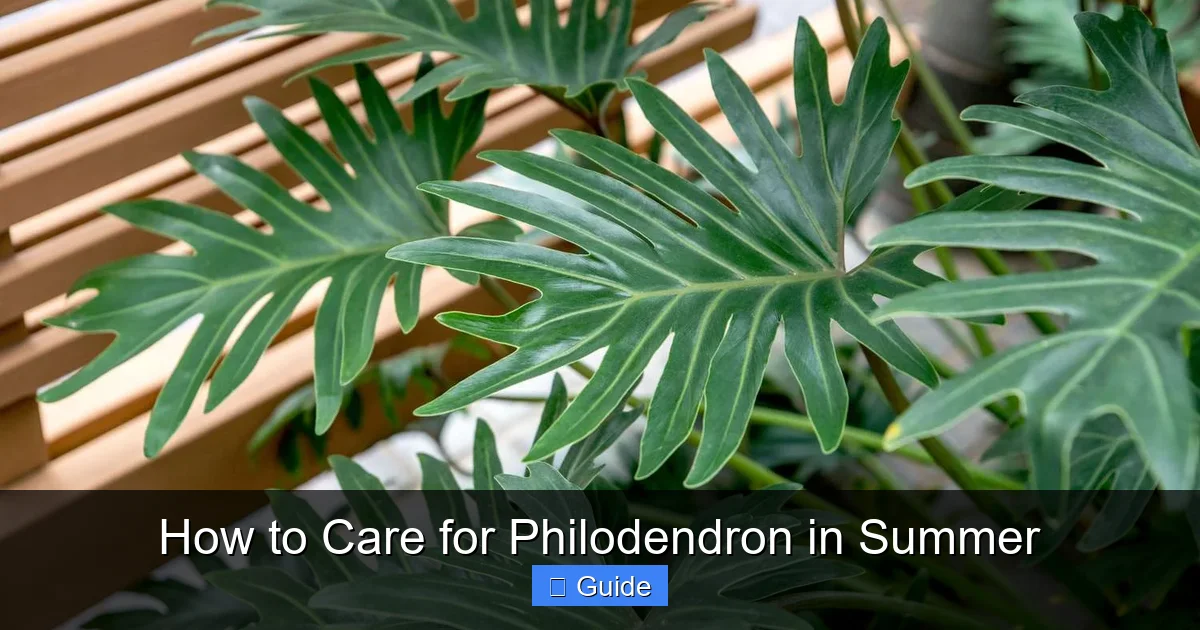
Visual guide about How to Care for Philodendron in Summer
Image source: southernliving.com
Water until it flows from drainage holes. This ensures the entire root ball gets moist. Empty the saucer after 30 minutes. Never let a philodendron sit in standing water. Root rot moves fast in warm conditions. If you travel, use self-watering spikes or ask a friend to check. A week without water in July can kill a plant that would survive two weeks in January.
Water Quality Matters
Tap water works for most philodendrons. But if your water is heavily chlorinated or softened, problems build up. Chlorine burns root tips. Sodium from softeners destroys soil structure. Let tap water sit overnight before using. This allows chlorine to evaporate. Better yet, collect rainwater. Or use filtered water. Room temperature water shocks roots less than cold water from the tap.
Signs of Overwatering vs Underwatering
Both look similar at first. Yellow leaves. Drooping. The difference is in the soil. Overwatered soil stays soggy. It smells sour. Fungus gnats appear. Roots turn brown and mushy. Underwatered soil pulls away from pot edges. It feels dusty dry. Leaves curl inward like tacos. Crispy brown edges spread. Check the soil before you diagnose. The fix is opposite for each.
Light Requirements for Summer Months
Adjusting for Seasonal Sun Intensity
The sun sits higher and stays longer in summer. A spot that offered perfect bright indirect light in April may blast direct rays in July. South and west windows become danger zones. Move philodendrons back three to five feet from these windows. Or hang sheer curtains. East windows usually stay safe all summer. North windows may need supplemental light for variegated varieties that need more brightness to maintain color.
Watch the light throughout the day. Morning sun is gentle. Afternoon sun is fierce. A philodendron can handle two hours of direct morning light. But even 30 minutes of harsh afternoon sun can burn leaves. Burn shows as white or brown papery patches that never recover. The leaf stays damaged until it ages out or you prune it.
Outdoor Summer Vacation
Many plant parents move philodendrons outdoors for summer. This can trigger explosive growth. But transition slowly. Start with full shade for a week. Then dappled morning light for a week. Never full sun. Outdoor light is exponentially stronger than indoor light. Even shade outdoors equals bright indirect indoors. Check daily for pests. Outdoor plants attract spider mites, thrips, and caterpillars. Bring plants back inside before night temperatures drop below 55 degrees.
Supplemental Lighting
If your only windows face north or are shaded by trees, consider a grow light. LED full-spectrum lights run cool and use little electricity. Place 12 to 18 inches above the plant. Run 12 to 14 hours daily. This maintains growth rate through summer even in dim rooms. Variegated philodendrons like Pink Princess or White Knight especially benefit. They revert to solid green without enough light.
Humidity and Temperature Management
Ideal Summer Conditions
Philodendrons thrive at 65 to 85 degrees Fahrenheit with 60 to 70 percent humidity. Summer often delivers the heat but not the humidity. Air conditioning strips moisture from air. Indoor humidity can plummet to 30 percent. This causes leaf edges to brown and new leaves to emerge deformed or stuck. A hygrometer costs ten dollars and tells you exactly where you stand.
Simple Humidity Hacks
Group plants together. They create a microclimate through transpiration. Place pots on pebble trays filled with water. Keep water level below pot bottoms. Run a humidifier nearby. Aim for 60 percent. Mist leaves in morning so they dry by night. Wet leaves at night invite fungal spots. A bathroom with good light makes a great summer home for philodendrons. Shower steam provides daily humidity boosts.
Temperature Extremes
Keep philodendrons away from AC vents. Cold drafts cause leaf drop. Also avoid radiators, ovens, and sunny enclosed porches where temperatures exceed 95 degrees. Heat stress shows as wilting even when soil is moist. The plant cannot uptake water fast enough to cool itself. Move to a cooler spot immediately. Mist leaves to lower leaf temperature.
Fertilizing Schedule for Peak Growth
Choosing the Right Fertilizer
Use a balanced liquid fertilizer. Look for NPK ratios like 10-10-10 or 20-20-20. Or choose a formula slightly higher in nitrogen like 3-1-2 for foliage growth. Organic options include fish emulsion, seaweed extract, or worm casting tea. These feed soil microbes too. Avoid slow-release granules in summer. They release unpredictably in heat and can burn roots.
Frequency and Dilution
Fertilize every two weeks at half the label strength. Or weekly at quarter strength. This mimics constant low-level feeding in nature. Always water first, then fertilize. Never apply to dry soil. The salts concentrate and burn roots. Flush the pot monthly with plain water. Run water through for several minutes. This prevents salt buildup that mimics fertilizer burn.
When to Skip Fertilizing
Do not fertilize a stressed plant. If leaves are yellowing from overwatering, pests, or heat, fix the problem first. Fertilizer adds stress. Do not fertilize newly repotted plants for four to six weeks. Fresh potting mix contains nutrients. Do not fertilize in extreme heat above 90 degrees. The plant goes semi-dormant and cannot process nutrients.
Pest Prevention and Management
Summer Pest Pressure
Heat accelerates pest life cycles. Spider mites hatch in three days at 85 degrees. Mealybugs lay hundreds of eggs weekly. Thrips multiply exponentially. Inspect weekly. Check leaf undersides, stem joints, and soil surface. Use a flashlight. Look for webbing, white cottony dots, tiny moving specks, or silvery trails. Early detection means easy control. Late detection means plant loss.
Preventive Practices
Wipe leaves monthly with damp cloth. This removes dust and early pest stages. Spray neem oil preventively every three weeks. Mix one teaspoon neem oil, half teaspoon mild liquid soap, one quart water. Spray thoroughly including undersides. Do this in evening. Neem degrades in sunlight. Quarantine new plants for two weeks. Most infestations arrive on new purchases.
Treatment Protocols
For spider mites: increase humidity immediately. They hate moisture. Spray insecticidal soap every three days for two weeks. For mealybugs: dab with alcohol-soaked cotton swab. Follow with neem oil spray. For thrips: blue sticky traps catch adults. Spray spinosad weekly. For fungus gnats: let soil dry deeper between waterings. Apply mosquito bits to soil. Systemic granules work but affect beneficial insects. Use as last resort.
Repotting and Pruning in Summer
When to Repot
Early summer is the ideal repotting window. The plant has energy to recover and establish before fall. Signs you need to repot: roots circling the pot bottom, roots emerging from drainage holes, soil drying in one day, plant toppling from being top-heavy, or mineral crust on soil surface. Choose a pot only one to two inches larger. Oversized pots hold excess water and cause rot.
Repotting Step by Step
Water the plant day before. This reduces shock. Prepare new pot with drainage holes. Add inch of fresh potting mix. Use a blend of two parts peat-based mix, one part perlite, one part orchid bark. This drains well but retains moisture. Gently remove plant. Loosen root ball. Trim any black mushy roots. Place in new pot. Fill around sides. Firm gently. Water thoroughly. Keep in shade for one week. No fertilizer for one month.
Pruning for Shape and Health
Summer pruning directs energy. Remove yellow or brown leaves at the base. Cut leggy stems just above a node. This triggers branching below the cut. Use clean sharp scissors. Wipe with alcohol between plants. Save cuttings for propagation. Philodendrons root easily in water or moist perlite. Pruning also improves air flow, reducing fungal risk. Do not remove more than one-third of foliage at once.
Special Care for Popular Philodendron Varieties
Heartleaf Philodendron
The classic trailing philodendron handles summer heat well. It tolerates lower humidity than most. Water when top inch dries. Fertilize monthly. Prune long vines to keep full. Propagate cuttings in water. They root in two weeks. This variety handles occasional neglect better than others.
Philodendron Birkin
Birkin needs consistent moisture and high humidity to maintain variegation. Low light causes reversion to solid green. Summer sun bleaches the white pinstripes. Keep in bright indirect light only. Mist daily. Fertilize biweekly at half strength. Watch for spider mites. They love the thick leaves.
Philodendron Pink Princess
This diva demands high light for pink variegation but burns easily. Morning sun only. Humidity above 60 percent non-negotiable. Crispy edges appear fast in dry air. Fertilize weekly at quarter strength. Stake for support as it grows. Prune all-green leaves to encourage variegated growth.
Philodendron Micans
Velvet leaves need high humidity. They show thirst by curling dramatically. Water before leaves curl. Bright indirect light brings out the bronze shimmer. Direct sun fades the color. Fertilize monthly. Prune to keep bushy. Cuttings root slowly. Use rooting hormone.
Split Leaf Philodendron
Large leaves transpire heavily. Water frequently. Stake early. Aerial roots need something to climb. Mist aerial roots to encourage attachment. Fertilize biweekly. Wipe leaves weekly. Dust blocks light on big surfaces. Rotate plant for even growth.
Troubleshooting Common Summer Problems
Yellow Leaves
One yellow leaf at the bottom is normal aging. Multiple yellow leaves signal trouble. Check soil moisture first. Soggy soil means overwatering. Let dry out completely. Repot if root rot suspected. Dry soil means underwatering. Water thoroughly. If moisture is perfect, check for pests. Spider mites cause stippled yellowing. Fertilizer burn causes yellow halos around brown tips. Flush soil.
Brown Crispy Edges
Almost always humidity or water quality. Increase humidity immediately. Trim crispy parts with clean scissors. Follow leaf shape. Do not cut into green tissue. If humidity is good, check for fertilizer salt buildup. Flush soil. If using tap water, switch to filtered. Chloride and fluoride accumulate in leaf tips.
Small Deformed New Leaves
New leaves should be larger than old ones in summer. Small leaves mean the plant lacks resources. Usually light or nutrients. Move to brighter spot. Fertilize if not recently fed. Check for root binding. If roots circle tightly, repot. Thrips also distort new growth. Check with magnifying glass.
Leggy Growth
Long spaces between leaves mean insufficient light. Move closer to window. Add grow light. Prune leggy stems. The plant will branch from nodes below cuts. Rotate plant weekly so all sides get light. Leggy growth also happens when fertilizer is too high in nitrogen relative to light. Balance feeding with light levels.
Creating a Summer Care Routine
Daily Checks
Walk by your plants each morning. Feel soil. Look at leaves. Spot problems early. This takes thirty seconds per plant. Morning is best. You see overnight changes. Pests are active. Leaves show stress from previous day heat.
Weekly Tasks
Water thoroughly as needed. Wipe leaves with damp cloth. Inspect for pests with flashlight. Rotate plants for even light. Check saucers for standing water. Mist humidity-loving varieties. Apply preventive neem oil every third week.
Monthly Tasks
Fertilize on schedule. Flush soil with plain water. Prune dead or yellowing leaves. Check root development by gently lifting pot. Clean window glass for maximum light transmission. Replace pebble tray water. Deep clean humidifier.
Seasonal Transitions
Late summer prepares for fall. Reduce fertilizing frequency by September. Watch for slower water uptake as days shorten. Begin moving outdoor plants to shadier spots for re-acclimation. Check for hitchhiking pests before bringing indoors. Plan fall repotting only for emergencies.
Conclusion
Summer philodendron care rewards attention with spectacular growth. The plants that fill your home with jungle energy in August are the ones you understood in June. Water by feel not calendar. Protect from harsh sun. Boost humidity. Feed lightly and often. Scout for pests weekly. Prune with purpose. Each small action compounds into a healthier, more beautiful plant.
Remember that every philodendron is an individual. Your Pink Princess has different needs than your heartleaf. Your bathroom microclimate differs from your living room. Observe. Adjust. Enjoy the process. There is deep satisfaction in watching a leaf unfurl perfectly because you gave the plant exactly what it needed. That is the real reward of plant parenthood. Not the Instagram photo. The quiet knowledge that you kept a piece of rainforest alive and thriving through another summer.
Start your summer routine tomorrow morning. Check the soil. Feel the leaves. Look at the light. Your philodendron is waiting.
Frequently Asked Questions
What temperature is too hot for philodendron in summer?
Temperatures above 90°F cause heat stress in philodendrons. The plant cannot uptake water fast enough to cool itself, leading to wilting even with moist soil. Move to a cooler location and mist leaves to lower leaf temperature.
Can philodendron take direct sunlight in summer?
No, summer direct sunlight will burn philodendron leaves within 30 minutes. Morning sun for 1-2 hours is tolerable, but afternoon sun causes irreversible white or brown papery patches. Use sheer curtains or move plants back from south/west windows.
Why are my philodendron leaves curling in summer?
Curling leaves typically indicate underwatering or low humidity. Check soil moisture first. If dry, water thoroughly. If soil is moist but humidity is below 50%, increase humidity with a humidifier, pebble tray, or plant grouping.
When is the best time to repot philodendron in summer?
Early summer (June) is ideal for repotting philodendrons. The plant has maximum energy to recover and establish roots before fall. Only repot if root-bound: roots circling the pot, emerging from drainage holes, or soil drying in one day.
How do I prevent spider mites on philodendron in summer?
Spider mites thrive in hot, dry conditions. Maintain 60-70% humidity, mist leaves regularly, wipe leaves monthly with a damp cloth, and spray preventive neem oil every 3 weeks. Inspect leaf undersides weekly with a flashlight for early detection.
Should I mist my philodendron every day in summer?
Daily morning misting helps humidity-loving varieties like Micans and Pink Princess, but is not essential for all types. Heartleaf philodendron tolerates lower humidity. Always mist in morning so leaves dry by night to prevent fungal spots.