Best Plant Stand for Tiny Home
Finding the best plant stand for tiny home living means balancing style, function, and a tiny footprint. This guide covers top picks, smart layouts, and pro tips to green up your space without the clutter.
Living in a tiny home teaches you that every square inch matters. You learn to love multi-purpose furniture, hidden storage, and vertical thinking. But what about your plants? They need light, air, and a spot to call home too. The good news is you do not have to choose between a thriving jungle and walking room. The right plant stand turns dead corners into green focal points. It lifts pots off the floor, creates visual height, and keeps your tiny home feeling open. This guide walks you through everything you need to know to pick the best plant stand for tiny home living. We will cover types, materials, layout tricks, and our favorite picks so you can shop with confidence.
I have helped dozens of tiny home dwellers green up their spaces. The pattern is always the same. People buy a cute stand, realize it wobbles, blocks a vent, or leaks water onto their beautiful pine floors. Then they buy another. Let us skip that cycle. By the end of this article you will know exactly what to look for, where to place it, and how to style it so your plants thrive and your home stays serene.
Key Takeaways
- Measure first: Know your exact floor and vertical space before you shop so every inch counts.
- Go vertical: Tiered and wall-mounted stands multiply plant capacity without eating floor space.
- Pick lightweight materials: Metal, bamboo, and acrylic move easily and won’t damage delicate floors.
- Match your aesthetic: Choose a finish that blends with your decor so the stand feels built-in, not added on.
- Ensure drainage: Look for trays or slatted shelves to protect floors from water damage.
- Consider mobility: Wheels or lightweight frames let you chase sunlight or reconfigure in seconds.
- Budget smart: Quality stands exist at every price point; focus on stability and finish durability.
Quick Answers to Common Questions
What is the best plant stand for tiny home with no floor space?
Wall-mounted shelves or a tension rod with hanging planters use zero floor space and keep plants at eye level.
How do I stop water from damaging my tiny home floor?
Use waterproof trays under every pot, add felt pads under stand legs, and place a clear polycarbonate mat under the entire stand.
Can I put a large floor plant in a tiny home?
Yes, use a rolling caddy with locking casters so you can move it for cleaning or light, and choose a slim profile pot.
What material holds up best in a humid tiny home bathroom?
Powder-coated steel, bamboo, or recycled plastic resist moisture better than untreated wood or wicker.
How many plants can I fit on a three-tier ladder stand?
Typically six to nine small pots, or three medium pots plus three small, depending on shelf dimensions and plant spread.
📑 Table of Contents
- Why a Plant Stand Matters in a Tiny Home
- Types of Plant Stands for Small Spaces
- Materials and Durability
- Sizing and Layout Strategies
- Top Picks for the Best Plant Stand for Tiny Home
- DIY and Upcycled Options
- Care and Maintenance Tips
- Styling Your Plant Stand for Maximum Impact
- Common Mistakes to Avoid
- Budgeting for Your Plant Stand Setup
- Conclusion
Why a Plant Stand Matters in a Tiny Home
Floor Space Is Sacred
In a tiny home the floor is your living room, your yoga studio, and your dog’s runway. A pot sitting directly on the floor eats precious real estate. It also creates a tripping hazard in low light. A stand lifts the plant up, freeing the footprint underneath for a shoe rack, a pet bed, or simply breathing room. That vertical shift makes the whole space feel larger because the eye travels upward.
Light Management
Tiny homes often have fewer windows or awkward window placement. A tall stand can position a light-hungry succulent right in the sweet spot of a south-facing sill. A rolling stand lets you chase the sun across the day. Some stands even come with built-in grow lights, turning a dark corner into a propagation station. The best plant stand for tiny home setups works with your light, not against it.
Airflow and Plant Health
Plants sitting flat on the floor suffer from stagnant air. Cold drafts from the door hit them first. Heat from a floor vent can bake roots. Elevating pots improves circulation, reduces fungal issues, and keeps foliage away from curious pets. Healthy plants mean less replacement cost and more joy.
Design Cohesion
A mismatched collection of nursery pots on the floor looks cluttered. A unified stand creates a deliberate vignette. It becomes a piece of furniture, not a plant accessory. When the stand matches your cabinet hardware or your shelf brackets, the whole home feels designed rather than accumulated.
Types of Plant Stands for Small Spaces
Tiered Ladder Stands
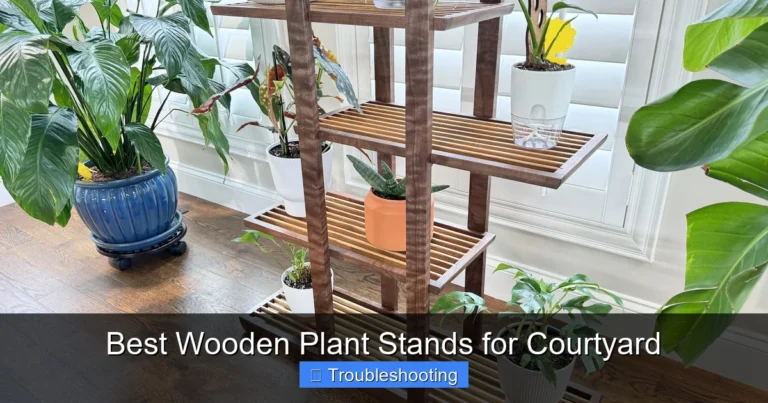
Ladder stands lean against the wall and offer three to five shelves in a narrow profile. They are perfect for a blank wall beside the kitchen or at the foot of the bed. Look for models with a shallow depth, around ten to twelve inches, so they do not protrude into walkways. The rungs should be spaced at least twelve inches apart to accommodate taller pots. Powder-coated steel frames resist rust in humid bathrooms. Bamboo ladders bring warmth and are surprisingly sturdy.
Corner Tier Stands
Triangular corner units tuck into dead zones. A three-tier corner stand can hold six to nine small pots in the space of a single floor plant. They work beautifully beside a sofa or in a bathroom nook. Ensure the back edges sit flush against both walls for stability. Some models include a small drawer at the base for garden tools or twist ties.
Wall-Mounted Shelves and Pegboards
When floor space is zero, go up. Floating shelves with a lip keep pots from sliding off. A pegboard system lets you move hooks and shelves as your collection grows. You can even hang macrame planters from the pegs. Mount into studs or use heavy-duty drywall anchors rated for at least fifty pounds per shelf. Keep the lowest shelf at least eighteen inches off the floor so you can mop underneath.
Rolling Caddies and Plant Trolleys
A low trolley with locking casters turns a heavy ceramic pot into a mobile garden. Roll it to the window for morning sun, then tuck it under a counter for dinner prep. Look for a tray with a raised rim to catch water. Two locking wheels and two swivel wheels give the best control. A handle on one end makes pulling it out effortless.
Window Sill Extenders
If you have deep sills, a simple acrylic or metal rack doubles the capacity. These sit on the sill and add a second tier above. They are ideal for herbs, microgreens, or a row of African violets. Measure your sill depth and window height before buying. You want at least ten inches of clearance above the top tier for plant growth.
Hanging Rail Systems
A tension rod or mounted rail across a window or in a doorway holds S-hooks for macrame hangers. This uses zero floor or shelf space. It creates a living curtain that filters light beautifully. Ensure the rod is rated for the total weight of wet pots. Stainless steel rods resist humidity better than spring-loaded plastic ones.
Materials and Durability
Metal: Steel and Iron
Powder-coated steel is the workhorse of tiny home plant stands. It is slim, strong, and rust-resistant. A one-inch square tube frame can hold fifty pounds per shelf while looking airy. Matte black fits modern and industrial aesthetics. White or sage green softens the look. Avoid bare metal unless you seal it yourself; condensation will cause rust streaks on your floor.
Wood: Bamboo, Pine, and Hardwood
Bamboo is a top pick for tiny homes. It is lightweight, sustainable, and naturally water-resistant. A bamboo ladder stand weighs half what a steel one does. Solid pine stands are affordable and paintable. Hardwoods like acacia or teak handle moisture best but cost more. Always check that wood stands have felt pads or rubber feet to protect your floor finish.
Acrylic and Glass
Clear acrylic shelves disappear visually, making the room feel bigger. They are easy to wipe clean and immune to water damage. Tempered glass shelves offer the same look with more rigidity. Both materials show every water spot, so keep a microfiber cloth handy. They work best for light plants; heavy ceramic pots can stress the brackets.
Wicker and Rattan
Natural fiber stands add texture and warmth. They are lightweight and often collapsible. However, they can mold in high humidity unless sealed. Use them in dry areas like a bedroom or living room. Line the shelves with a plastic tray to catch drips and prolong the life of the weave.
Composite and Recycled Plastic
High-density polyethylene stands are virtually indestructible. They won’t rust, rot, or warp. Many are made from recycled milk jugs. They come in fun colors and clean with a hose. The trade-off is a less premium look. They shine on a balcony or in a utility area where function trumps form.
Sizing and Layout Strategies
Measure Twice, Buy Once
Grab a tape measure. Note the width, depth, and height of every potential spot. Account for baseboard trim, outlet covers, and door swing. Sketch a quick bird’s-eye view on graph paper or a phone app. Mark windows, vents, and traffic paths. This five-minute step prevents the heartbreak of a stand that blocks the only outlet or hits the ceiling fan.
Vertical Zoning
Think in three zones: low (floor to twenty-four inches), mid (twenty-four to forty-eight inches), and high (above forty-eight inches). Place heavy, low-light plants in the low zone. Medium pots go mid. Trailing plants and light-hungry herbs go high. This mimics a forest floor to canopy gradient and uses every cubic foot.
Cluster by Care Needs
Group plants with similar watering schedules on the same stand. A tiered stand with succulents on top and ferns on the bottom creates a care conflict. Instead, dedicate one stand to arid plants, another to tropicals. You will water faster and avoid overwatering the drought-tolerant ones.
Create a Plant Station
If you have a thirty-inch wide nook, build a complete station. Bottom shelf: watering can, soil bin, fertilizer. Middle tier: active plants. Top tier: propagation jars under a clip-on grow light. Add a magnetic strip on the side for pruners and twine. This turns a dead corner into a functional hobby zone.
Use the “Rule of Three” for Styling
Odd numbers look natural. On a three-tier stand, place one large pot on the bottom, two medium on the middle, three small on top. Vary heights and textures. A tall snake plant, a bushy pothos, and a trailing string of pearls create movement. Keep pot colors cohesive: all terracotta, all matte white, or all glazed in your accent color.
Top Picks for the Best Plant Stand for Tiny Home
Best Overall: Modern Sprout Tiered Bamboo Stand
This three-tier bamboo ladder measures twelve inches deep, forty-eight inches tall, and eighteen inches wide. Each shelf holds twenty pounds. The slatted design drains instantly. It arrives flat and assembles in five minutes with a single Allen key. The warm tone suits both light and dark floors. At under eighty dollars, it delivers premium looks for a modest price.
Best Budget: IKEA BITTERGURKA Plant Stand
A steel wire frame with two shelves and a hanging rail. It is fifteen inches wide, twelve inches deep, and forty-seven inches tall. The powder-coat finish comes in white or black. Total cost is around twenty-five dollars. It is not heirloom quality, but for a starter tiny home it is unbeatable value. Add S-hooks for hanging pots on the top rail.
Best for Corners: Mkono Three-Tier Corner Stand
Triangular metal frame with three round shelves. Footprint is a sixteen-inch triangle. Height is thirty-seven inches. The matte black finish disappears into shadows. Each shelf holds fifteen pounds. It fits snugly beside a composting toilet or under a loft ladder. Assembly takes ten minutes.
Best Rolling: Wicker & Wood Plant Caddy
Solid acacia frame with four locking casters and a waterproof liner. Dimensions: twenty inches square, eight inches tall. Holds a fourteen-inch diameter pot up to sixty pounds. The liner removes for cleaning. Roll your monstera to the window, then back to the corner. It doubles as a side table when topped with a tray.
Best Wall-Mounted: Umbra Triflora Hanging Planter
Three adjustable pots on a sleek metal rod. Mounts horizontally or vertically. Each pot holds a four-inch nursery pot. The rod extends from twenty-four to forty-eight inches. Install it across a kitchen window for herbs. The white or black rod blends with any trim. No floor space used at all.
Best for Window Sills: Simple Houseware Two-Tier Extender
Chrome wire rack adds a second level to any sill deeper than six inches. Eight inches tall, twelve inches wide, six inches deep. Holds four four-inch pots per tier. The open wire lets light reach lower leaves. Under fifteen dollars and zero assembly.
DIY and Upcycled Options
Cinder Block and Board Shelves
Two cinder blocks and a twelve-inch wide pine board make an instant industrial shelf. Cost: under ten dollars. Paint the blocks to match your palette. Stack two high for a three-tier unit. The hollow cores store watering cans. This is renter-friendly and infinitely reconfigurable.
Repurposed Step Stool
A vintage wooden step stool becomes a charming two-tier stand. Sand and seal the wood. Place a drip tray on each step. The top step holds a statement plant; the lower holds tools. It adds instant character and folds flat for storage.
PVC Pipe Ladder
Half-inch PVC pipe, elbows, and tees build a custom ladder stand. Spray paint it matte black or terracotta. Drill small drainage holes in the horizontal rungs. It is ultra-light, waterproof, and costs about twenty dollars in materials. Perfect for a bathroom herb garden.
Macrame Shelf
A wooden board suspended by macrame cords from a ceiling hook. Use a twelve-inch round board for a single pot or a eighteen-inch rectangle for three. The shelf swings gently, adding kinetic interest. Ensure your ceiling joist can hold the weight. A toggle bolt rated for fifty pounds works in drywall.
Care and Maintenance Tips
Protect Your Floors
Every stand needs a barrier between it and your floor. Felt pads work for dry stands. For any stand that holds water, use a waterproof tray or a clear polycarbonate chair mat cut to size. Check monthly for moisture buildup. Tiny homes often have limited subfloor ventilation; trapped moisture leads to mold fast.
Rotate for Even Growth
Plants lean toward light. Rotate each pot a quarter turn every week. On a tiered stand, swap the top and bottom shelves monthly. This ensures all sides get equal light and prevents lopsided growth. It also lets you inspect roots and soil moisture up close.
Clean the Stand Regularly
Dust and mineral deposits accumulate on shelves. Wipe metal and acrylic with a vinegar-water solution. Wood gets a damp cloth and immediate dry. Remove pots, scrub trays, and let everything air dry before reassembling. A clean stand prevents pest highways and looks crisp.
Check Stability Seasonally
Wood expands and contracts. Screws loosen. Casters seize. Every three months, give each stand a firm wiggle. Tighten bolts, oil caster bearings, and replace worn felt pads. A stable stand is a safe stand, especially if you live in a mobile tiny home that travels.
Styling Your Plant Stand for Maximum Impact
Coordinate with Your Palette
Pull a color from your cushions, rug, or cabinet fronts. If your kitchen has brass hardware, choose a stand with brass brackets. If your bedding is sage green, a matte green metal stand echoes it. Cohesion makes the stand feel intentional, not like an afterthought.
Add Lighting as Decor
A clip-on grow light with a wooden clamp looks like a reading lamp. Warm white LEDs (three thousand Kelvin) keep plants happy and cast a cozy glow at night. Run the cord along the stand frame and secure with Velcro ties. No messy wires.
Incorporate Non-Plant Elements
A small framed print leaned against the wall on the top shelf. A ceramic figurine nestled among the pots. A stack of two pretty books on the bottom tier. These breaks keep the display from feeling like a nursery. Just keep it minimal; clutter shrinks a tiny home visually.
Seasonal Swaps
Spring: bulbs and seedlings. Summer: herbs and succulents. Fall: mums and ornamental kale. Winter: poinsettias and forced amaryllis. Rotate the cast so the stand stays fresh year-round. Store off-season pots in a labeled bin under the bed.
Common Mistakes to Avoid
Buying Too Deep
A sixteen-inch deep stand in a twenty-four-inch wide hallway leaves only eight inches to walk. You will bump it daily. Stick to twelve inches or less for high-traffic areas. Measure the clear path, not the room width.
Ignoring Weight Limits
That gorgeous ceramic pot soaked with water weighs thirty pounds. A flimsy wire shelf rated for ten pounds will bow. Always total the weight of pot, soil, plant, and water. Choose a stand rated at double that for safety margin.
Blocking Vents or Outlets
A stand in front of a baseboard heater creates a fire hazard and cooks your plants. A stand covering the only kitchen outlet forces extension cords across the floor. Plan around mechanicals first.
Overcrowding
Cramming ten pots on a three-tier stand blocks airflow and light. Plants touch, pests spread, and you cannot water without a mess. Leave at least two inches between pots. Fewer, healthier plants beat a crowded jungle every time.
Choosing Style Over Function
A beautiful wrought iron stand with scrollwork is a nightmare to clean. Dust catches in every curve. A glass shelf shows every water ring. In a tiny home you clean daily. Pick stands that wipe down in seconds.
Budgeting for Your Plant Stand Setup
Entry Level: Under Fifty Dollars
One wire corner stand, one window sill extender, and a pack of S-hooks. Total: about forty dollars. Covers a starter collection of six to eight small pots. Great for renters or first-time tiny homeowners.
Mid Range: One Hundred to Two Hundred Dollars
A bamboo ladder stand, a rolling caddy for a large floor plant, and a wall-mounted rail with three pots. Total: roughly one hundred fifty dollars. Handles a diverse collection of twelve to fifteen plants with room to grow.
Investment: Two Hundred Plus
Custom-built wall shelves, a hardwood tiered stand, and a motorized light rail. Total: three hundred to five hundred dollars. This is for the serious plant parent who wants a permanent, beautiful system that adds resale value to the home.
Hidden Costs
Don’t forget saucers, casters, grow lights, and tools. Add twenty percent to your stand budget for accessories. A ten-dollar moisture meter saves plants. A five-dollar turkey baster waters high shelves without a ladder.
Conclusion
Choosing the best plant stand for tiny home living is about respecting your space and your plants. Measure first. Go vertical. Pick materials that match your life. Whether you spend twenty-five dollars on a wire rack or three hundred on a custom shelf, the right stand turns a cramped corner into a living gallery. Your tiny home deserves green life. Your plants deserve a stable, lit, airy home. With the tips and picks in this guide, you can have both without sacrificing a single step of walking room. Start with one stand this weekend. Watch how it changes the feel of your space. Then add another. Before you know it, you will have a thriving indoor garden that feels like it was always part of the blueprint.
Remember, the best plant stand for tiny home setups is the one you actually use and enjoy. Do not overthink perfection. Get a stand, put a plant on it, and adjust as you learn. Your tiny home, your rules, your jungle.
Frequently Asked Questions
What is the best plant stand for tiny home living overall?
The Modern Sprout Tiered Bamboo Stand balances size, strength, aesthetics, and price. It fits narrow spaces, holds twenty pounds per shelf, and assembles in minutes.
How do I choose the right size plant stand for my tiny home?
Measure the exact width, depth, and height of your target spot. Subtract two inches from each dimension for clearance. Match stand depth to traffic flow; twelve inches or less for hallways.
Are rolling plant stands stable enough for heavy pots?
Yes, if they have a wide base, locking casters, and a weight rating double your pot’s wet weight. Look for sixty-pound capacity or higher for large floor plants.
Can I use a plant stand outdoors on a tiny home porch?
Choose powder-coated steel, recycled plastic, or sealed hardwood. Bring untreated wood and wicker inside during rain. Ensure casters are rated for outdoor use.
How do I style a plant stand so it looks intentional?
Use the rule of three: vary heights, textures, and pot colors. Add a non-plant object like a book or art. Keep the color palette consistent with your home’s accents.
What is the cheapest way to add a plant stand to a tiny home?
Repurpose a vintage step stool, build cinder block shelves, or buy the IKEA BITTERGURKA for twenty-five dollars. All provide multi-tier storage under fifty dollars total.