Best Location for Bromeliad in House
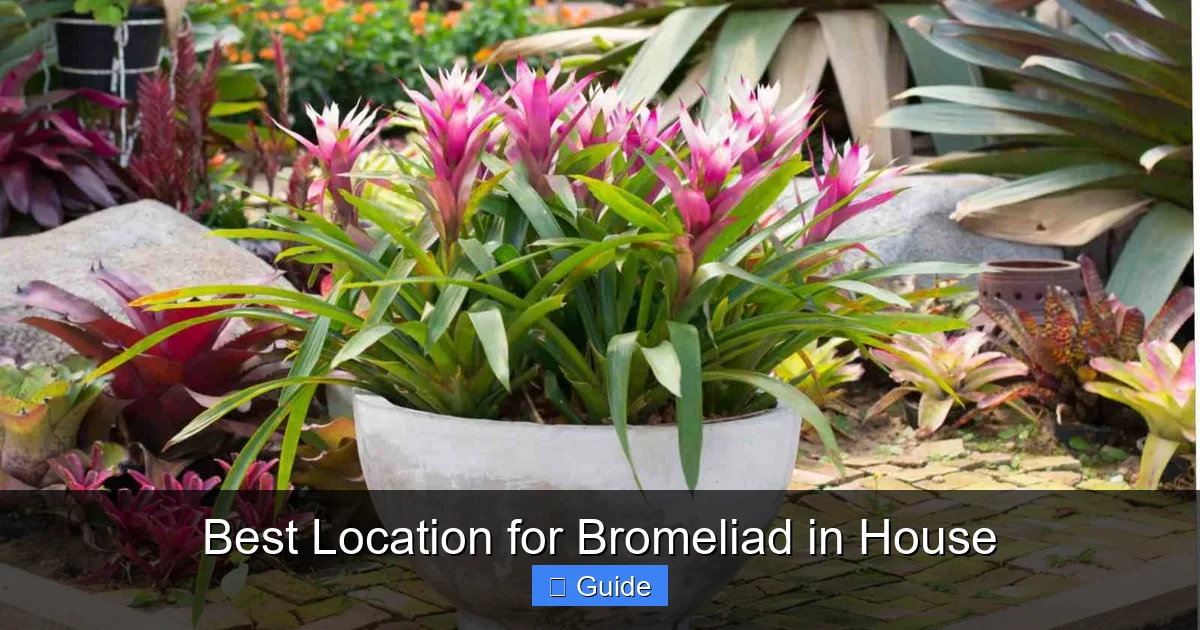
Finding the best location for bromeliad in house environments is key to keeping these tropical beauties healthy and vibrant. Most bromeliads thrive in bright, indirect light with high humidity and warm temperatures between 60-80°F. Bathrooms, kitchens, and east-facing windows often provide ideal conditions for long-lasting blooms and healthy foliage.
Bromeliads are some of the most striking houseplants you can grow. Their bold colors, architectural forms, and exotic blooms make them instant conversation starters. But here is the thing many plant parents learn the hard way: where you place your bromeliad determines whether it thrives or merely survives. The best location for bromeliad in house settings is not a one-size-fits-all answer. It depends on the specific type you own, your home’s layout, and even the season.
I have grown dozens of bromeliads over the years, from the popular Guzmania with its flaming torch-like bloom to the silver-leafed Tillandsia that grows without soil. Each one taught me something new about light, humidity, and airflow. In this guide, I will walk you through everything you need to know to find the perfect spot. We will cover light requirements, humidity tricks, temperature ranges, common mistakes, and how to adjust for different rooms and seasons. By the end, you will feel confident placing your bromeliad exactly where it will flourish.
Key Takeaways
- Bright indirect light is essential: Most bromeliads need filtered sunlight near east or west windows to maintain color and trigger blooming.
- Humidity levels matter: Aim for 50-70% humidity; bathrooms and kitchens naturally provide moisture that bromeliads love.
- Temperature stability is key: Keep plants between 60-80°F and avoid cold drafts or heating vents that cause stress.
- Air circulation prevents rot: Good airflow around leaves and in the central tank reduces fungal issues and keeps plants healthy.
- Species vary in needs: Some bromeliads like Guzmania prefer lower light while others like Aechmea tolerate brighter conditions.
- Seasonal adjustments help: Move plants slightly in winter for more light and protect from cold windows; provide shade in intense summer sun.
- Observe and adapt: Watch for leaf color changes, stretching, or brown tips as signals to adjust the location.
Quick Answers to Common Questions
What is the best window direction for a bromeliad?
East-facing windows provide ideal gentle morning light. West-facing works with sheer curtains. South needs diffusion in summer. North may be too dim for most varieties.
Can I put my bromeliad in the bathroom?
Yes, bathrooms are often the best location for bromeliad in house settings due to high humidity from showers. Just ensure there is enough light and some airflow.
How do I know if my bromeliad gets too much light?
Look for bleached patches, brown crispy leaf tips, leaves curling inward, or faded colors. Move to a shadier spot or add a sheer curtain.
Should I mist my bromeliad daily?
Misting helps raise humidity but do it in the morning so leaves dry by night. Wet leaves overnight cause rot. Focus on filling the central tank instead.
Why are my bromeliad leaves turning brown at the tips?
Brown tips usually mean low humidity, underwatering, or tap water minerals. Increase humidity, keep the tank full, and use rain or distilled water.
📑 Table of Contents
- Understanding Bromeliad Light Needs
- Humidity: The Hidden Key to Success
- Temperature: Stability Over Extremes
- Air Circulation: The Forgotten Factor
- Room-by-Room Placement Guide
- Common Mistakes and How to Fix Them
- Adapting for Different Bromeliad Types
- Seasonal Location Strategies
- Advanced Tips for Thriving Bromeliads
- Conclusion
Understanding Bromeliad Light Needs
Light is the single most important factor when choosing the best location for bromeliad in house environments. Most bromeliads are epiphytes in nature. They grow on tree branches in tropical forests where they receive bright but filtered light. Direct sun can scorch their leaves. Deep shade leads to weak growth and poor color.
Bright Indirect Light: The Goldilocks Zone
Bright indirect light means the plant sees the sky but not the sun. An east-facing window is often ideal. It provides gentle morning sun that wakes up the plant without burning it. A west-facing window works too if you sheer the curtain or pull the plant back a few feet. South-facing windows can work in winter but often need diffusion in summer. North-facing windows may be too dim for all but the most shade-tolerant varieties.
Measuring Light Without a Meter
You do not need a fancy light meter. Use the shadow test. At midday, hold your hand about twelve inches above the plant. A sharp, distinct shadow means direct sun. A soft, fuzzy shadow means bright indirect light. A vague shadow or no shadow means low light. Most bromeliads want that soft, fuzzy shadow.
Signs Your Light Is Wrong
Too much light shows up as bleached patches, brown crispy tips, or leaves that curl inward to protect themselves. Too little light causes leaves to turn dark green, stretch toward the window, and lose their vibrant banding or variegation. The plant may also refuse to bloom. If you see these signs, move the plant gradually. Sudden changes shock bromeliads.
Species-Specific Light Preferences
Not all bromeliads want the same light. Guzmania and Vriesea prefer lower light and do well in north or east windows. Aechmea and Neoregelia handle brighter conditions and can take some morning sun. Tillandsia air plants vary widely. Silver-leafed types like Tillandsia xerographica want bright light. Green-leafed types like Tillandsia bulbosa prefer more shade. Cryptanthus, the earth stars, are terrestrial and like bright indirect light but burn easily. Know your species before you pick the spot.
Humidity: The Hidden Key to Success
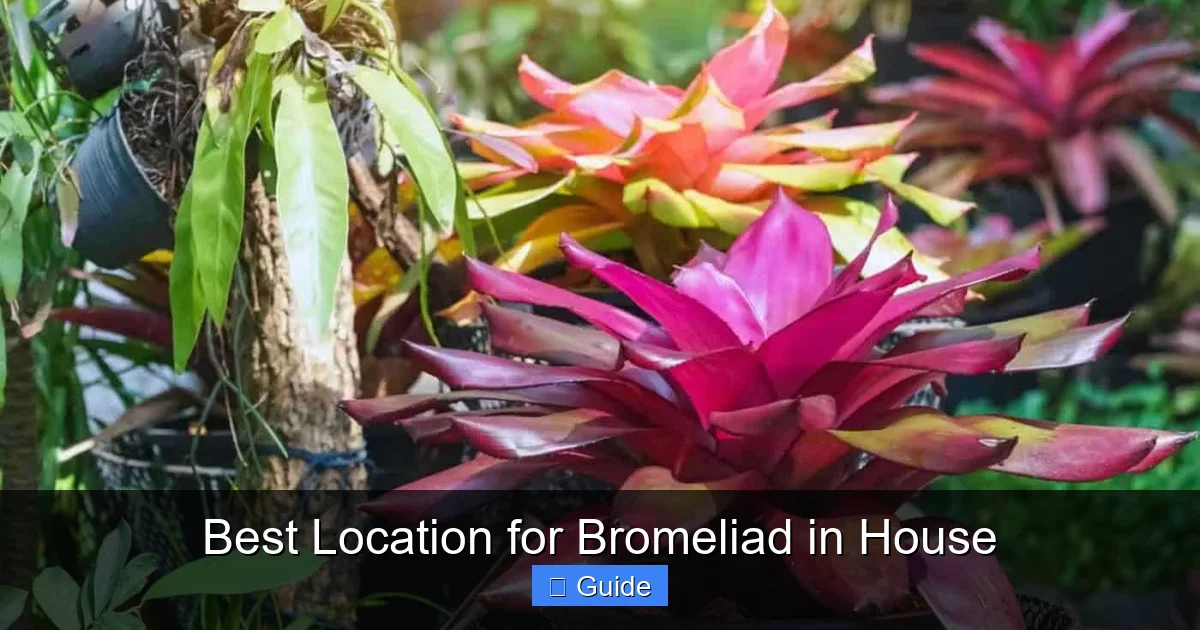
If light is the engine, humidity is the fuel. Bromeliads absorb moisture through their leaves and central tanks. Dry indoor air, especially in winter, causes brown leaf tips, crispy edges, and stalled growth. The best location for bromeliad in house settings often coincides with the most humid rooms.
Visual guide about Best Location for Bromeliad in House
Image source: planetnatural.com
Target Humidity Range
Aim for fifty to seventy percent relative humidity. Most homes sit around thirty to forty percent. That gap matters. You can measure humidity with an inexpensive hygrometer. Place it near your plants, not on a wall far away. Microclimates exist within a single room.
Natural High-Humidity Rooms
Bathrooms with showers are bromeliad paradise. The steam from daily showers creates a tropical microclimate. Kitchens near sinks and dishwashers also run humid. Laundry rooms can work if they are warm and ventilated. If you have a bright bathroom window, that is often the single best location for bromeliad in house settings.
Boosting Humidity Anywhere
You can raise humidity in any room. Group plants together. They release moisture through transpiration, creating a shared humid bubble. Use a pebble tray. Fill a shallow tray with pebbles, add water to just below the top of the pebbles, and set the pot on top. The water evaporates upward. Run a small humidifier nearby. Aim for cool mist, not warm steam. Mist the leaves daily with filtered or rain water. Avoid misting late in the day. Wet leaves overnight invite fungus.
The Central Tank Factor
Many bromeliads hold water in their central cup or tank. This reservoir provides humidity right at the plant’s core. Keep it filled with fresh, non-chlorinated water. Flush it weekly to prevent stagnation and mosquito breeding. In dry homes, a full tank makes a measurable difference in the immediate microclimate around the plant.
Temperature: Stability Over Extremes
Bromeliads come from regions where temperatures rarely swing wildly. They prefer consistency. The best location for bromeliad in house environments avoids drafts, heat blasts, and cold windowsills.
Ideal Temperature Range
Daytime temperatures of seventy to eighty degrees Fahrenheit are perfect. Nighttime can drop to sixty or sixty-five degrees. That ten to fifteen degree day-night swing actually benefits many bromeliads. It mimics their natural habitat and can encourage blooming. Avoid sustained temps below fifty-five degrees. Cold damage shows as dark, water-soaked patches that turn mushy.
Microclimate Traps to Avoid
Windowsills get cold at night in winter. The glass radiates chill. If leaves touch the glass, they can freeze. Heating vents blow hot, dry air that desiccates leaves in hours. Exterior doors create drafts. Radiators and fireplaces create intense dry heat. Air conditioning vents blow cold, dry air. The best location for bromeliad in house settings is away from all of these.
Seasonal Adjustments
In winter, move plants back from cold windows a few inches. Add a cardboard barrier between the pot and the sill. In summer, watch for intense afternoon sun through west windows. Sheer curtains or a move to a slightly shadier spot prevents burn. If you summer your bromeliads outdoors, transition them slowly over two weeks. Start in full shade. Gradually increase light. Bring them in before nights drop below fifty-five degrees.
Air Circulation: The Forgotten Factor
Good airflow prevents the number one killer of indoor bromeliads: rot. Stagnant air lets fungal spores settle and multiply. It also keeps leaves wet too long after watering or misting. The best location for bromeliad in house settings includes gentle air movement.
Why Airflow Matters
In nature, breezes constantly move through the forest canopy. Leaves dry quickly after rain. Fungal spores blow away. Indoors, air sits still. Water sits in leaf axils and the central tank. Rot starts at the base or in the crown. You may not see it until the plant collapses.
Creating Gentle Air Movement
You do not need a fan blowing directly on the plant. That dries it out. A ceiling fan on low creates perfect ambient circulation. An oscillating fan across the room works too. Crack a window on mild days. Space plants so leaves do not touch each other or walls. This lets air reach all surfaces.
Special Note on Terrariums
Closed terrariums look beautiful but trap stagnant air. If you grow bromeliads in a terrarium, open the lid daily for an hour. Add a small computer fan on a timer. Choose species that tolerate high humidity and low airflow, like some Cryptanthus or small Neoregelia. Avoid Guzmania and Vriesea in closed systems. They rot fast without airflow.
Room-by-Room Placement Guide
Every room has pros and cons. Here is how to evaluate each space for the best location for bromeliad in house settings.
Bathroom: Often the Winner
Pros: High humidity from showers. Often has frosted or privacy glass that diffuses light perfectly. Stable temperatures. Cons: May lack windows or have only north-facing light. Can be too dim for high-light species. Solution: Use a grow light if needed. Choose shade-tolerant types like Guzmania or Vriesea. Ensure some airflow. Run the exhaust fan after showers.
Kitchen: Strong Contender
Pros: Humidity from cooking and sink. Usually good light. Warm temperatures. Cons: Grease particles can coat leaves and block pores. Temperature spikes near oven. Cleaning chemicals in air. Solution: Place away from stove. Wipe leaves monthly with damp cloth. Avoid aerosol sprays near plants.
Living Room: Versatile but Variable
Pros: Often has large windows. You see the plants daily so you catch issues early. Cons: Heating and cooling vents. Drafts from doors. Low humidity in winter. Direct sun through large glass. Solution: Use sheer curtains. Add humidifier. Keep away from vents. Rotate plant weekly for even growth.
Bedroom: Underrated Option
Pros: Stable temperatures. Often good light. You notice changes while relaxing. Cons: Typically low humidity. May have blackout curtains that block all light. Solution: Humidifier on nightstand. Open curtains daily. Choose lower-light species if windows are small.
Home Office: Practical Choice
Pros: You are there daily. Good light for work often means good light for plants. Cons: Dry air from computers and HVAC. Forgetting to water during busy periods. Solution: Set watering reminders. Desktop humidifier. Keep central tank full.
Basement or Interior Rooms: Grow Light Territory
Pros: Stable temperatures. No drafts. Cons: No natural light. Low humidity. Solution: Full-spectrum LED grow lights twelve to fourteen hours daily. Humidifier required. Air circulation fan essential. Choose tough, adaptable species.
Common Mistakes and How to Fix Them
Even experienced growers make placement errors. Here are the most frequent ones and how to correct them.
Mistake: Placing Directly in South Window Sun
Fix: Move back three to five feet. Add sheer curtain. Or rotate to east or west window. South windows work in winter only.
Mistake: Setting on a Heating Vent
Fix: Move immediately. Even a few feet makes a difference. Use a deflector if you cannot move the plant.
Mistake: Ignoring Winter Humidity Drop
Fix: Run humidifier from November to March. Group plants. Pebble trays. Full central tanks.
Mistake: Keeping in Dark Corner for Decor
Fix: Use a grow light. Or rotate the plant. Two weeks in good light, two weeks in display spot. Better: choose a low-light tolerant species for that spot.
Mistake: Crowding Plants Together
Fix: Space them so air flows between. Leaves should not touch. This prevents pest spread too.
Mistake: Never Rotating the Plant
Fix: Turn the pot a quarter turn each time you water. This ensures even light exposure and symmetrical growth.
Mistake: Using Tap Water in Central Tank
Fix: Use rainwater, distilled, or filtered water. Tap water minerals build up and burn sensitive tissues. Chlorine damages beneficial microbes.
Adapting for Different Bromeliad Types
The best location for bromeliad in house settings shifts with the genus. Here is a quick reference.
Guzmania: The Popular Choice
Likes: Bright indirect to medium light. High humidity. Warm temps. Dislikes: Direct sun. Cold drafts. Dry air. Best rooms: Bathroom, kitchen, east window.
Vriesea: The Feather Bloom
Likes: Similar to Guzmania but tolerates slightly lower light. Dislikes: Hard water in tank. Best rooms: Bathroom, north or east window.
Aechmea: The Silver Vase
Likes: Brighter light. Can handle some morning sun. Moderate humidity. Dislikes: Deep shade. Soggy roots. Best rooms: East or west window, bright living room.
Neoregelia: The Color King
Likes: Bright light for best color. Good airflow. Moderate humidity. Dislikes: Low light turns leaves green. Best rooms: Bright east, west, or south with sheer.
Tillandsia: The Air Plants
Likes: Varies by species. Silver types want bright light and airflow. Green types want more shade and humidity. All need good air circulation. Best rooms: Bathroom for green types. Bright airy room for silver types.
Cryptanthus: The Earth Stars
Likes: Bright indirect light. High humidity. Terrestrial potting mix. Dislikes: Direct sun. Dry air. Best rooms: Terrarium, bathroom, under grow lights.
Billbergia: The Tall Graceful Ones
Likes: Bright light. Good airflow. Can handle more sun than most. Dislikes: Stagnant air. Deep shade. Best rooms: Bright living room, sunroom, covered patio in summer.
Seasonal Location Strategies
The best location for bromeliad in house environments changes with the seasons. A static spot rarely works year-round.
Spring: The Wake-Up
Light increases. Days lengthen. Move plants closer to windows if they were pulled back for winter. Watch for sudden intense sun on cool days. Increase watering as growth resumes. This is prime blooming season for many species.
Summer: The Growth Spurt
Light is strongest. Heat builds. Sheer curtains become essential on south and west windows. Humidity may rise naturally. Air conditioning creates dry pockets. Check soil and tanks more frequently. Consider summering outdoors in shade if you have a protected spot.
Fall: The Transition
Light decreases. Growth slows. Reduce watering slightly. Stop fertilizing by early fall. Move plants back from windows as nights cool. Clean windows to maximize light transmission.
Winter: The Challenge
Light is lowest. Humidity plummets. Heating runs constantly. This is when most bromeliads struggle. Add grow lights. Run humidifiers. Keep tanks full. Move away from cold glass. Avoid fertilizing. Accept slower growth. Some species naturally rest now.
Advanced Tips for Thriving Bromeliads
Beyond the basics, these pro moves elevate your results.
Use a Light Meter App
Smartphone apps measure lux or foot-candles. Not lab-grade but consistent enough for trends. Most bromeliads want 1,000 to 3,000 foot-candles (10,000 to 30,000 lux). Measure at plant level, not eye level.
Create a Humidity Microclimate
Place your bromeliad on a large tray with other moisture-loving plants. Add a layer of moist sphagnum moss between pots. Cover the tray with a clear acrylic dome vented at the top. This creates a mini greenhouse effect.
Monitor Leaf Temperature
An infrared thermometer reads leaf surface temp. Leaves should not exceed eighty-five degrees in sun or drop below fifty-five at night. Leaf temp often differs from air temp by five to ten degrees.
Track Blooming Cycles
Most bromeliads bloom once, then produce pups. The mother plant slowly declines. Knowing this cycle helps you anticipate when to repot pups and when to replace the mother. Location affects bloom timing. Better light often triggers earlier blooms.
Quarantine New Plants
New bromeliads can bring pests or disease. Keep them in a separate room for two weeks. Inspect daily. Treat preventatively with neem oil if desired. Then move to permanent location.
Conclusion
Finding the best location for bromeliad in house settings is part science, part observation, and part intuition. You now know the core requirements: bright indirect light, fifty to seventy percent humidity, sixty to eighty degree temperatures, and gentle air circulation. You understand how to evaluate each room, adjust for seasons, and cater to specific species.
But the real secret is simple. Pay attention. Your bromeliad talks to you through its leaves. Color changes. Tip burn. Stretching. Rot. New pups. Each signal guides your next move. Start with the guidelines here. Then watch. Adjust. Learn. A bromeliad in the right spot rewards you with months of exotic color, architectural beauty, and the satisfaction of growing something truly tropical in your everyday home.
Whether it sits on a steamy bathroom shelf, graces a bright kitchen counter, or thrives under a grow light in your office, your bromeliad will flourish when its location matches its needs. Trust the process. Enjoy the journey. And remember: the best location for bromeliad in house environments is wherever you can give it consistent care and daily appreciation.
Frequently Asked Questions
Can bromeliads grow in low light conditions?
Some bromeliads like Guzmania and Vriesea tolerate lower light but grow slower and may not bloom. Most need bright indirect light for best color and health. Consider a grow light for dim rooms.
How far from a window should I place my bromeliad?
For east or west windows, one to three feet is ideal. For south windows, three to five feet or behind a sheer curtain. North windows require the plant to be right at the glass.
Is it okay to put a bromeliad near an air conditioner?
No. Air conditioning vents blow cold, dry air that damages leaves and lowers humidity. Keep bromeliads at least six feet from AC vents or redirect the airflow.
Do bromeliads need a humidifier in winter?
Yes, most homes drop below thirty percent humidity in winter. A humidifier near your bromeliads prevents brown tips, supports growth, and mimics their tropical habitat.
Can I move my bromeliad outside in summer?
Yes, but transition slowly over two weeks. Start in full shade. Gradually increase to bright indirect light. Bring inside before nights drop below fifty-five degrees Fahrenheit.
What is the ideal temperature range for indoor bromeliads?
Bromeliads thrive between sixty and eighty degrees Fahrenheit. They tolerate brief dips to fifty-five but suffer below that. Avoid drafts, heating vents, and cold window glass.